Power Bank Capacity Guide: 1,000 to 120,000 mAh Explained
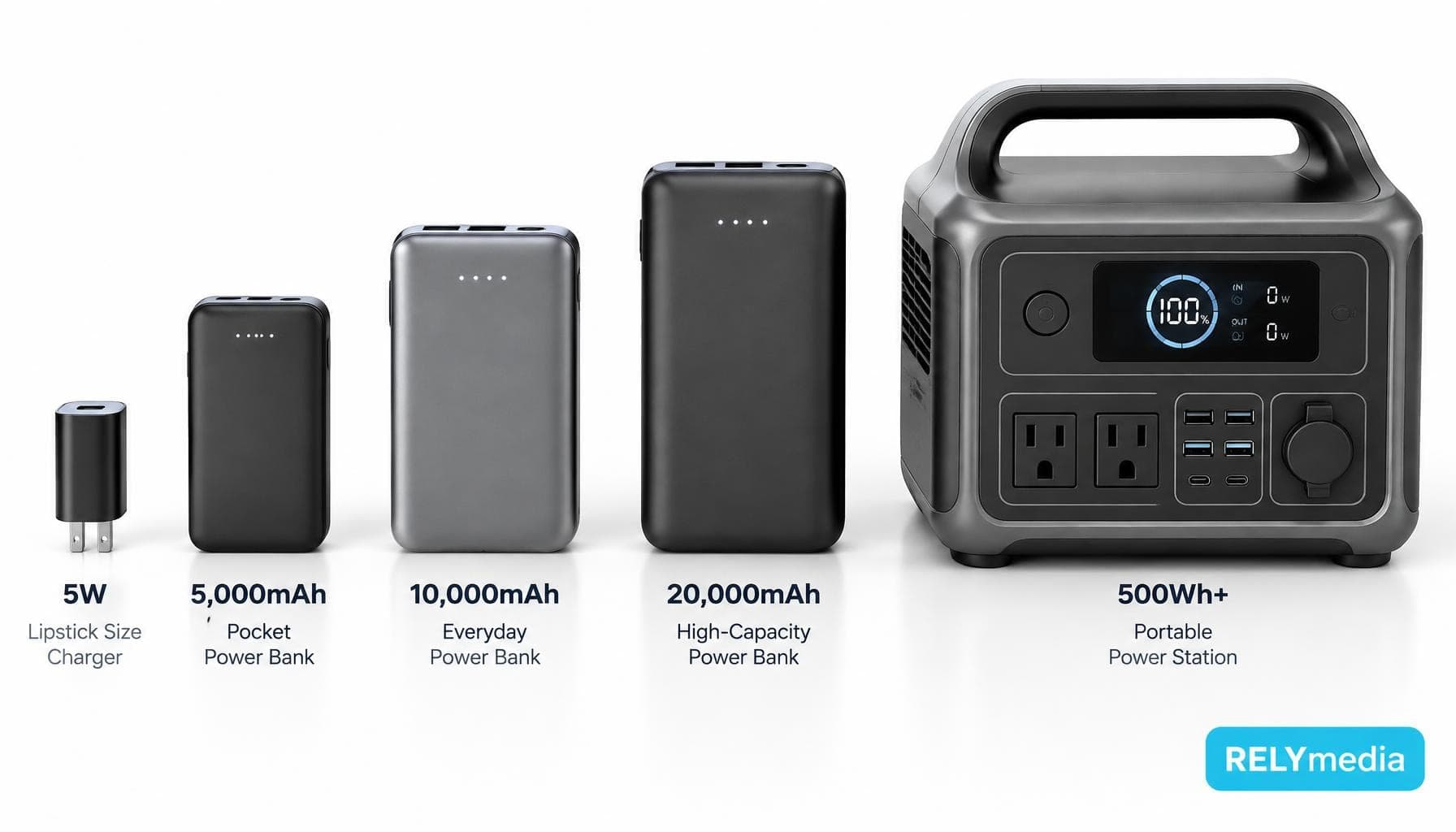
Real phone charges by bank size for named phones, what every size from 1,000 to 120,000 mAh is for, recharge times, and which capacities can fly.
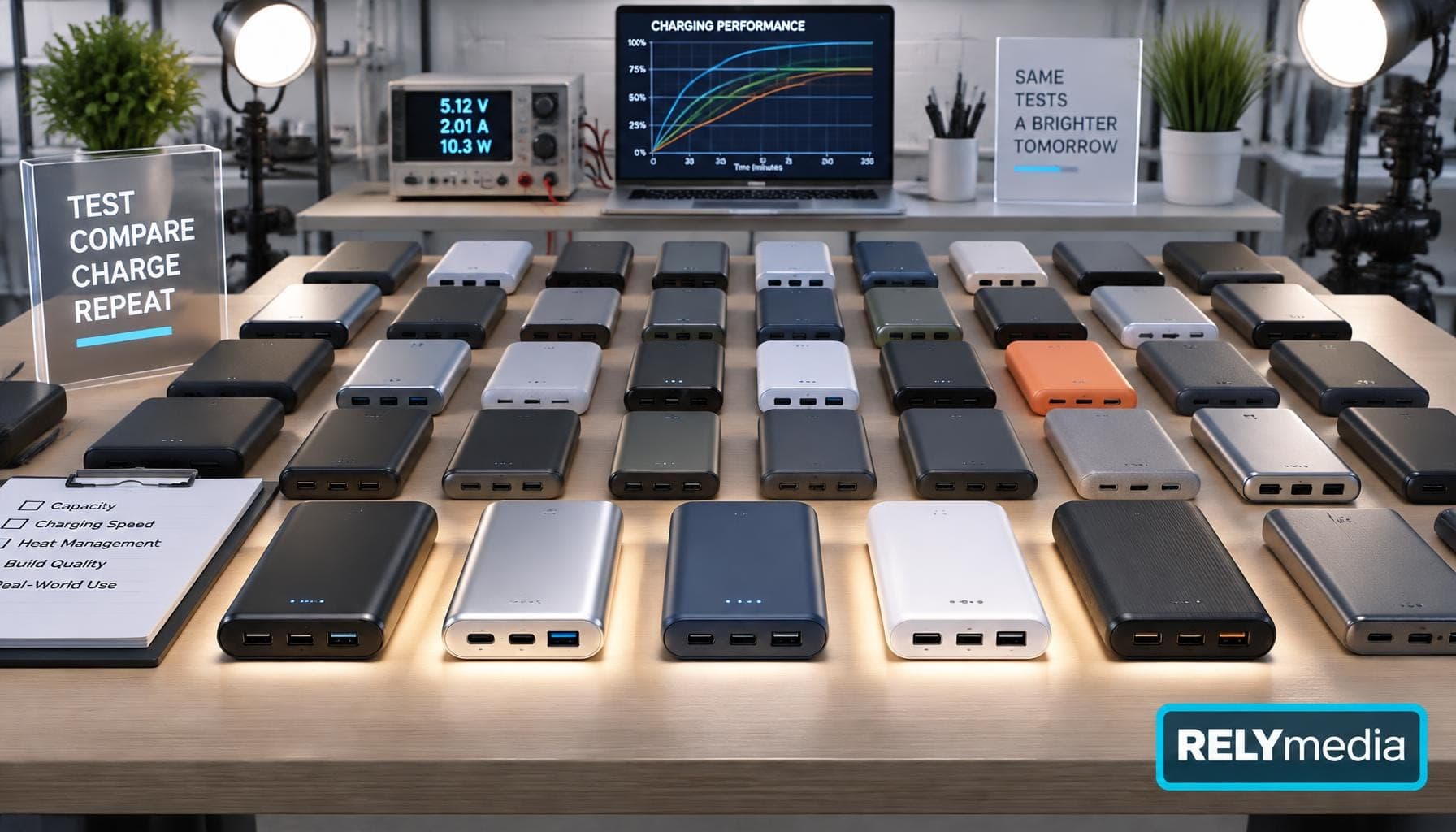
Overall, compact, magnetic, high-capacity, built-in cable and travel picks, compared on the makers’ published specs with rated Wh for flying.
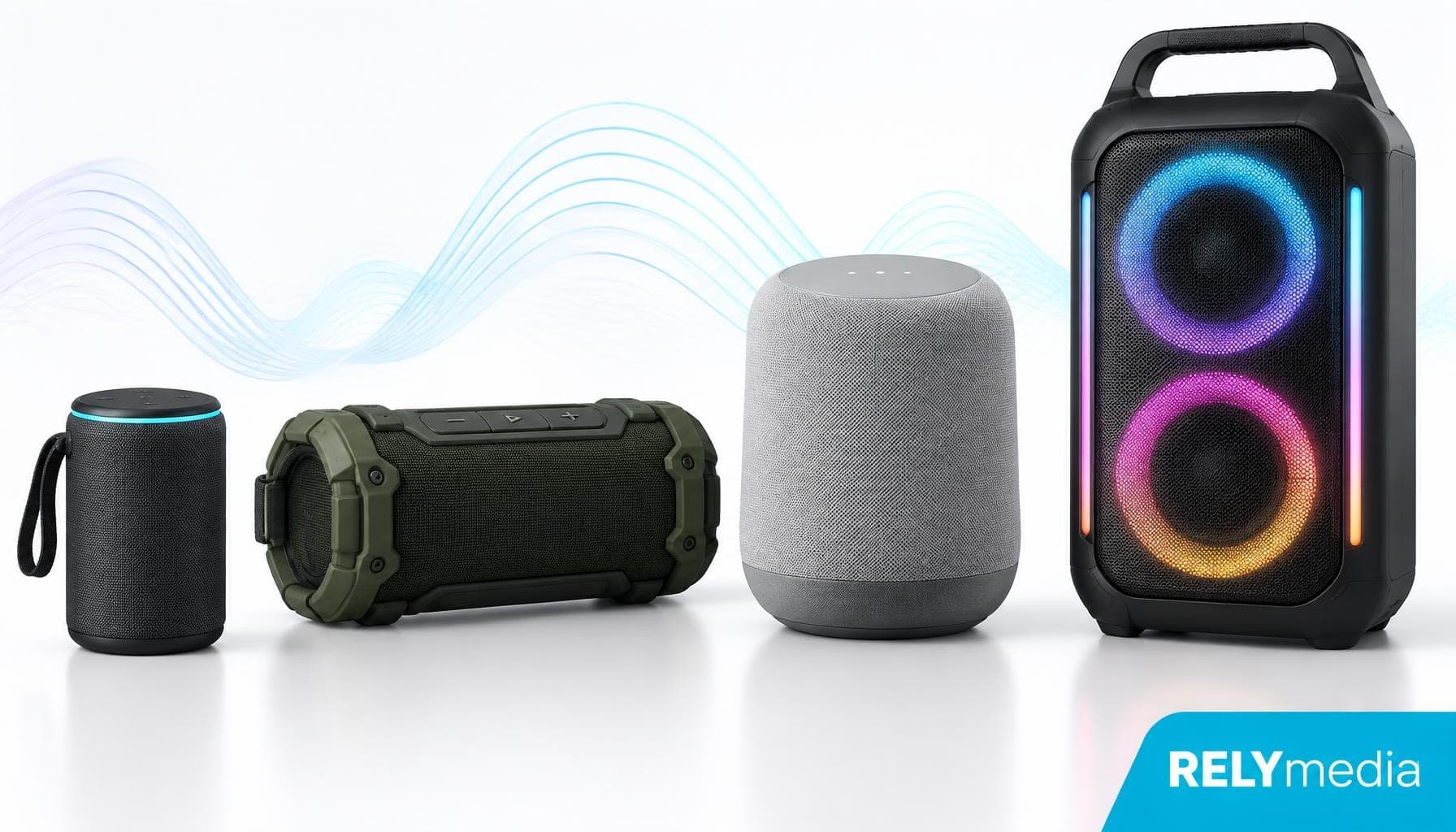
Drivers and RMS watts, the codec your phone uses, range, multipoint and Auracast, battery life and IP ratings, explained in plain English.
Safe charging, cleaning and storage, the safety marks to look for, the signs of a failing battery, how to check recalls and where to recycle a power bank.
Carry-on only, 100 Wh or less, two banks internationally and one on Southwest. The 2026 rules, who sets them, and what changes on 1 January 2027.
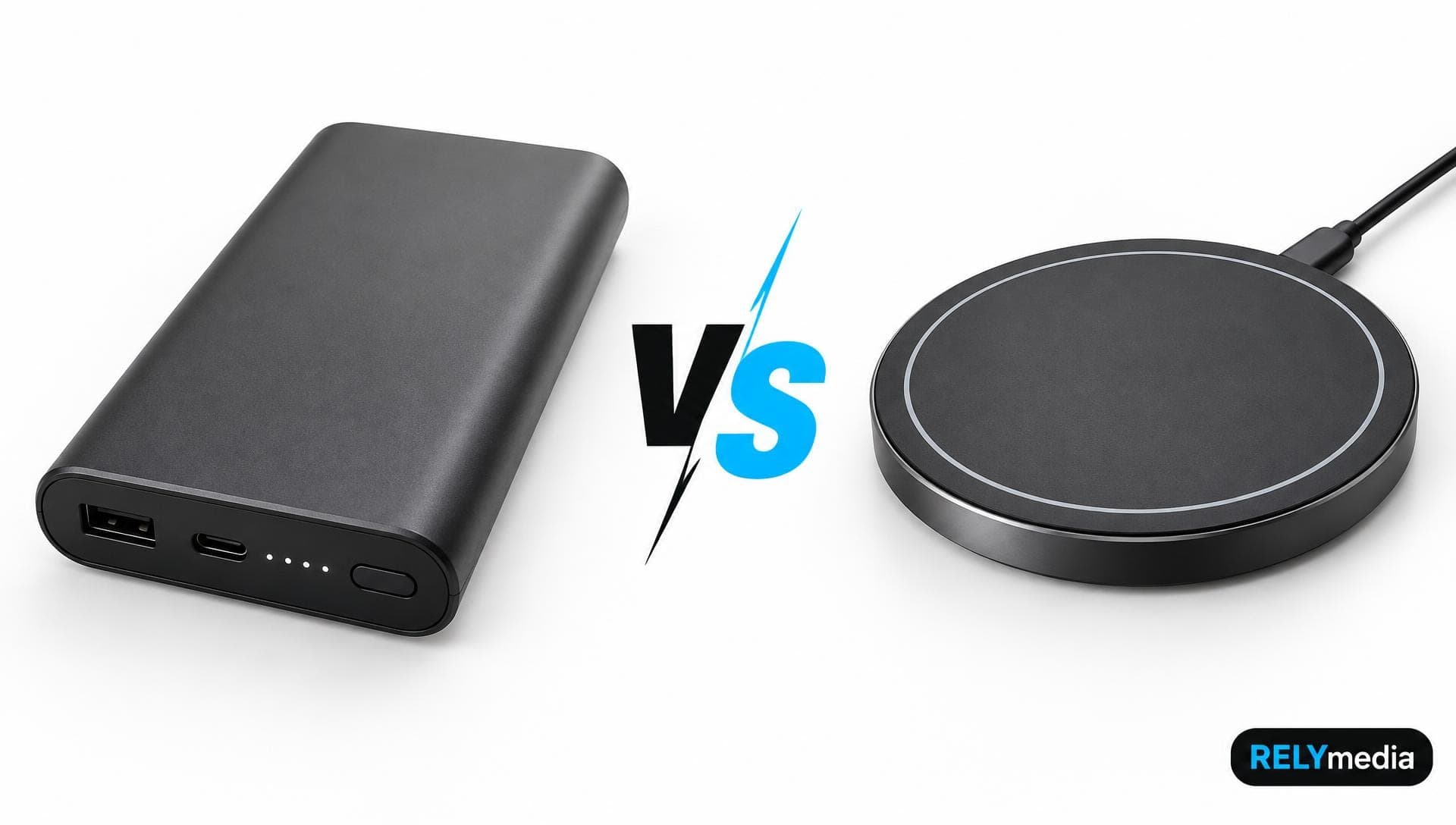
One stores energy you carry, the other moves power from the wall without a cable. Real wattages, charges, flight rules and which to choose for each job.
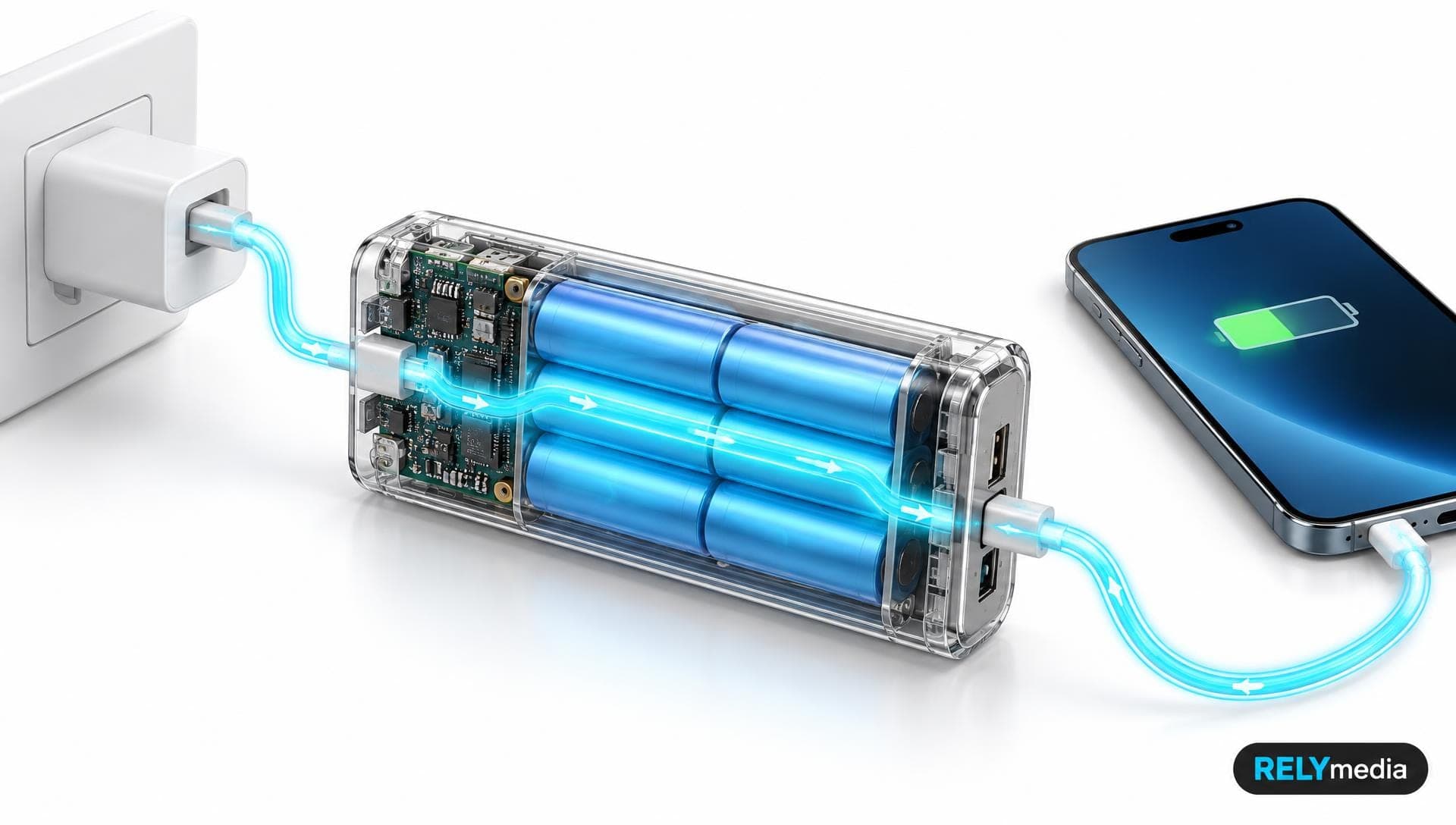
What is inside a power bank, how it negotiates power with your phone, why you get less than the rated mAh, and how many cycles it lasts.
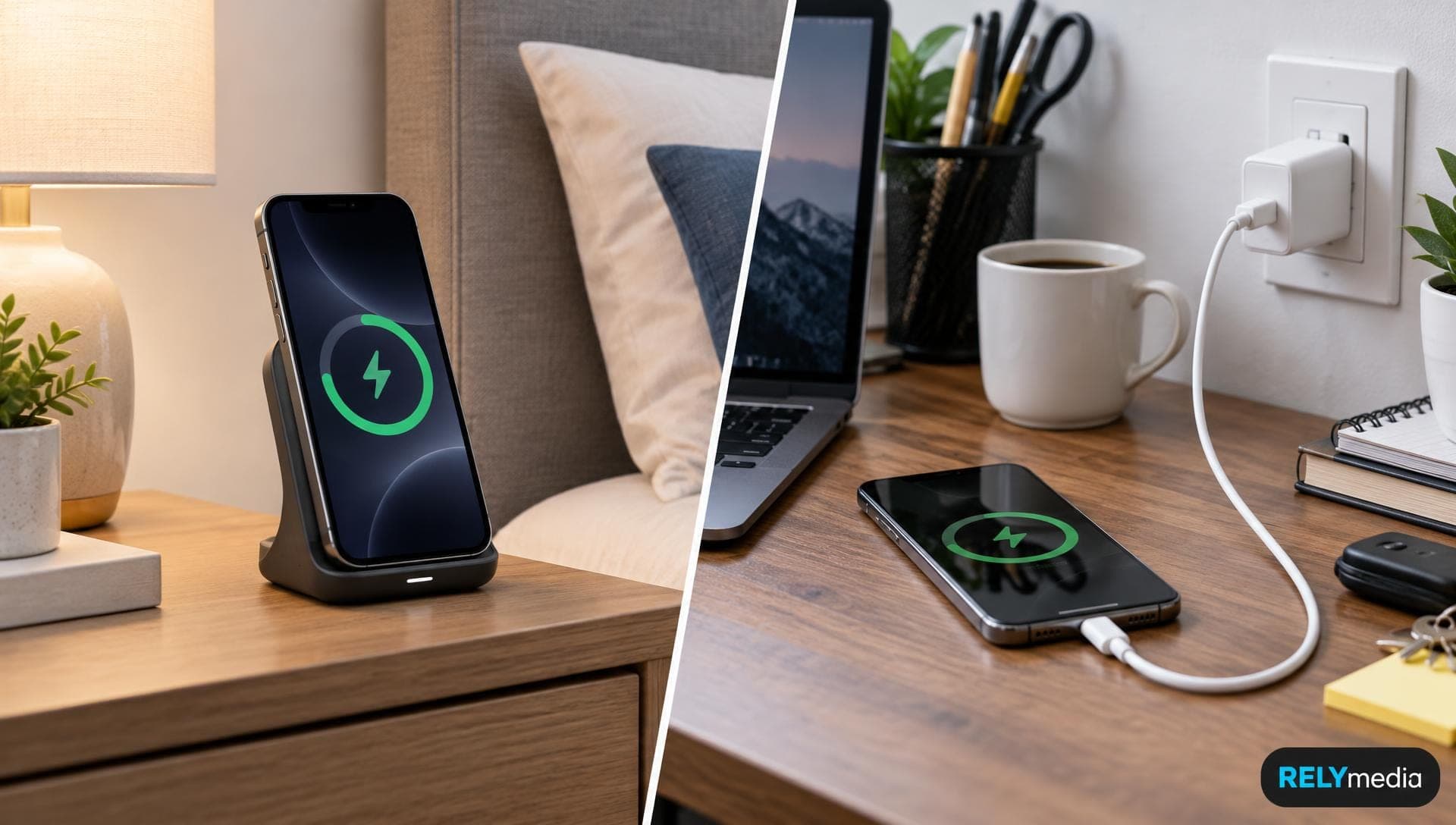
Real wattages, measured heat and energy use, and the phone settings that protect your battery, so you know when to use a cable and when to use a pad.
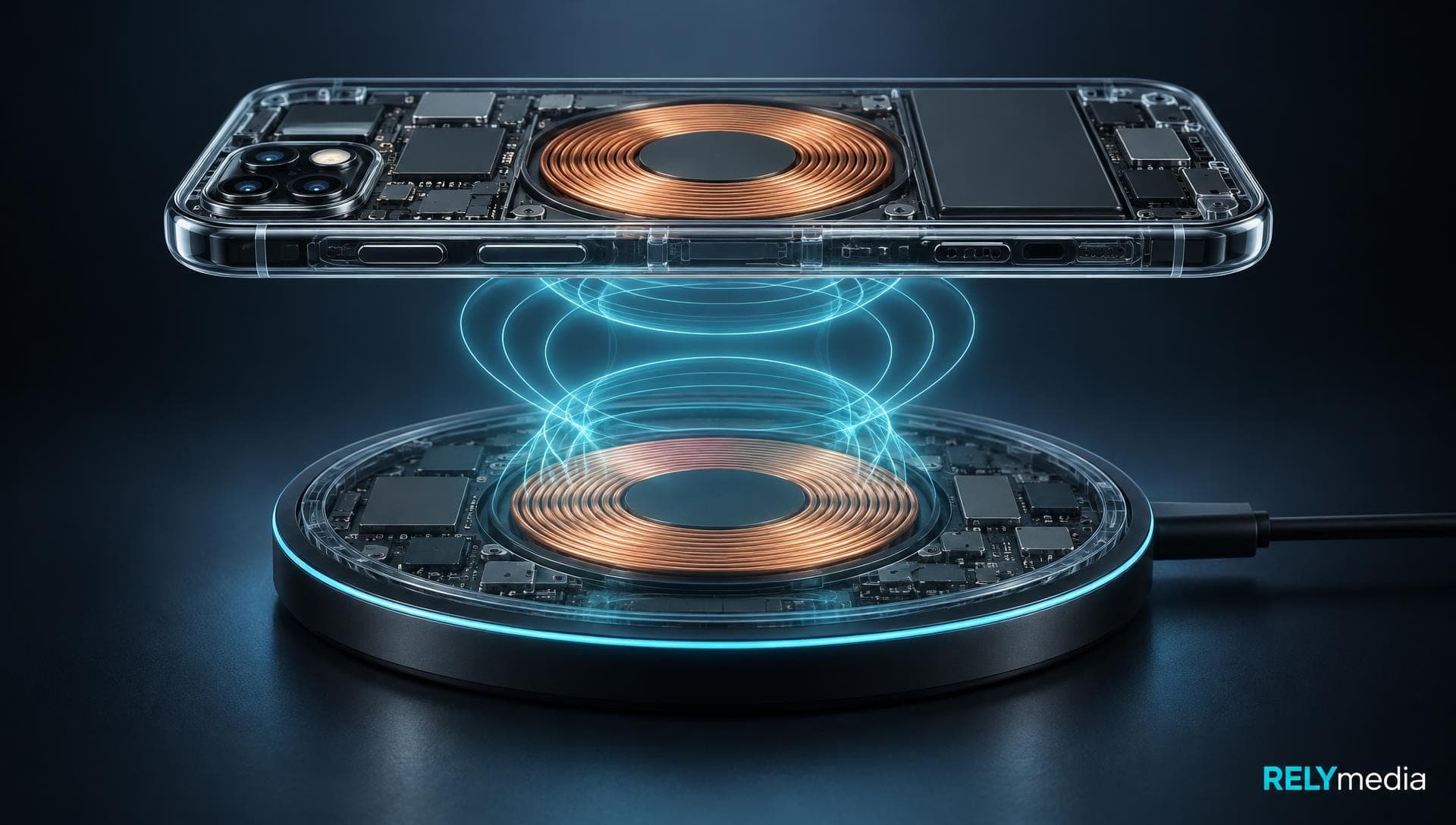
Two coils, a magnetic field and a constant conversation: how wireless charging works, the Qi, Qi2 and Qi2 25W generations, and what happened to PMA.
Read the label properly, match watts and charging standards to your devices, and check the safety mark and Wh rating before you buy a power bank.
What a wireless charger can and cannot do to your phone, your health and your data, including the pacemaker distance rule and how to check certification.
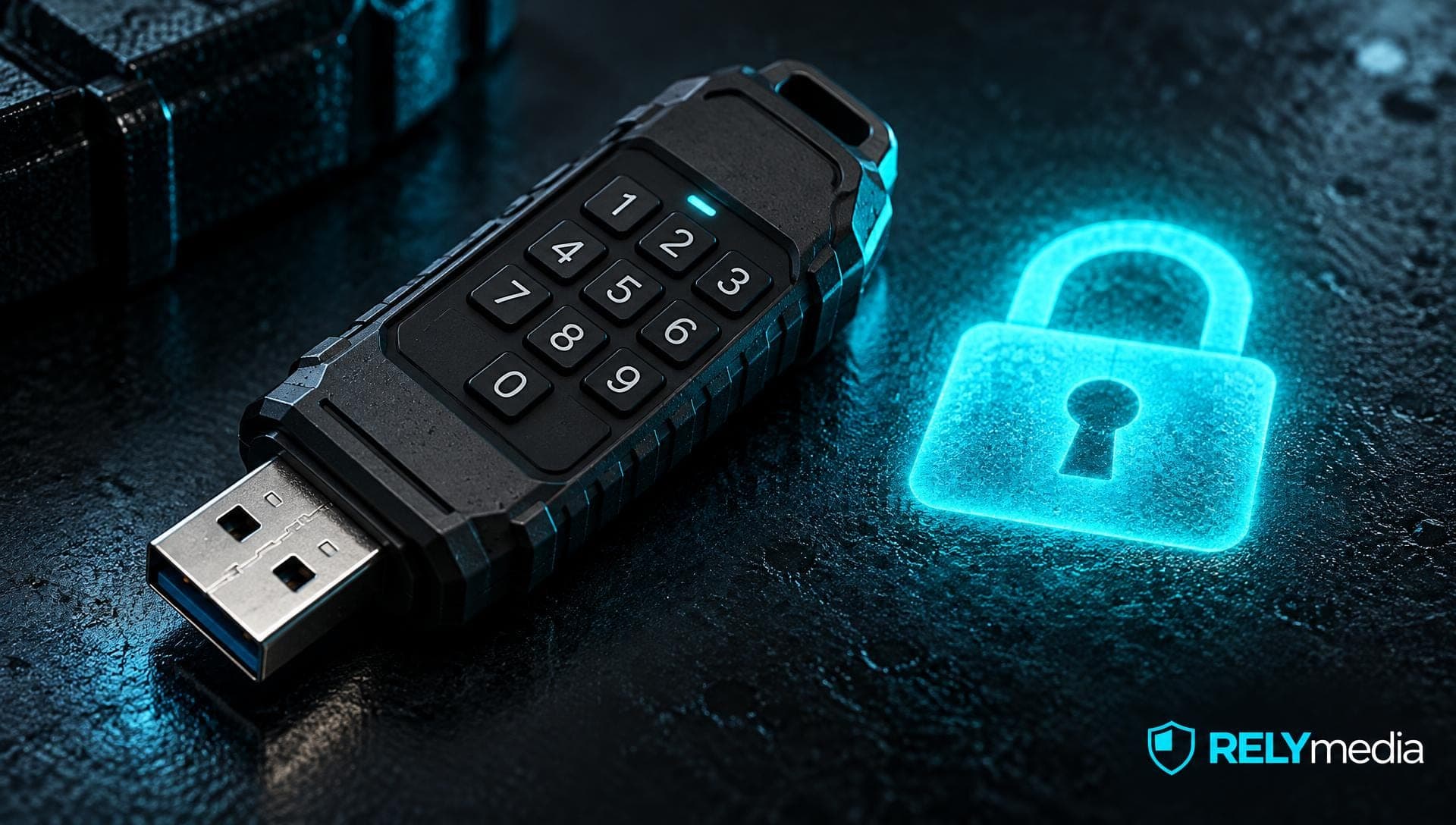
What an encrypted USB drive is, hardware vs software encryption, AES-256 and FIPS 140-3 explained, and how to encrypt a drive you already own.