Can Portable Chairs Really Hold 300lb? We Put Them to the Test
August 6, 2026 · 11 min read
There's something almost philosophical about a fold out chair. It promises two things that feel fundamentally at odds — be light enough to carry, yet strong enough to hold you. For most people grabbing a foldout chair before a festival, beach day, or camping trip, that tension never crosses their mind. Until the chair collapses.
So the real question is this: can a portable chair genuinely hold 300lb, or is that number just optimistic marketing? We ran a serious chair load test to find out — and the results were genuinely surprising. Modern manufacturing has come a long way. But how far, exactly?
What Is the Weight Limit for Most Portable Chairs?
Walk into any outdoor gear store and you'll notice most folding chairs list a chair weight limit somewhere between 250lb and 325lb. That's the manufacturer weight limit — the number they're confident their product handles under normal conditions.
But “normal conditions” is doing a lot of heavy lifting in that sentence.
Manufacturer Weight Limits vs. Real-World Performance
Manufacturers set recommended weight limits based on controlled testing — typically static load tests in a lab. Real-world use is messier. You drop into a camping chair after a long hike. You lean sideways to grab something. You shift your weight suddenly. None of that appears in the lab.
Here's what the standard portable chair weight limit landscape looks like:
| Chair Type | Typical Weight Capacity |
|---|---|
| Standard folding camp chair | 250lb – 300lb |
| Heavy-duty portable chair | 300lb – 500lb |
| Compact outdoor chair | 220lb – 250lb |
| Beach chair | 250lb – 300lb |
| X-shaped foldable stool | 220lb – 250lb |
Most collapsible chairs you buy off the shelf sit in that 300lb–325lb sweet spot. Camping stools tend to cap lower, around 250lb.
How Folding Chair Weight Limits Are Set
Here's something most buyers don't realize: the load capacity printed on a chair tag reflects a safety margin — not the actual breaking point. Manufacturers typically engineer folding chairs to handle significantly more than the stated limit. Then they publish a conservative number for liability reasons. Our portable chair experiment confirmed this in a big way.
How Much Does a Folding Chair Weigh — And Does It Affect Strength?
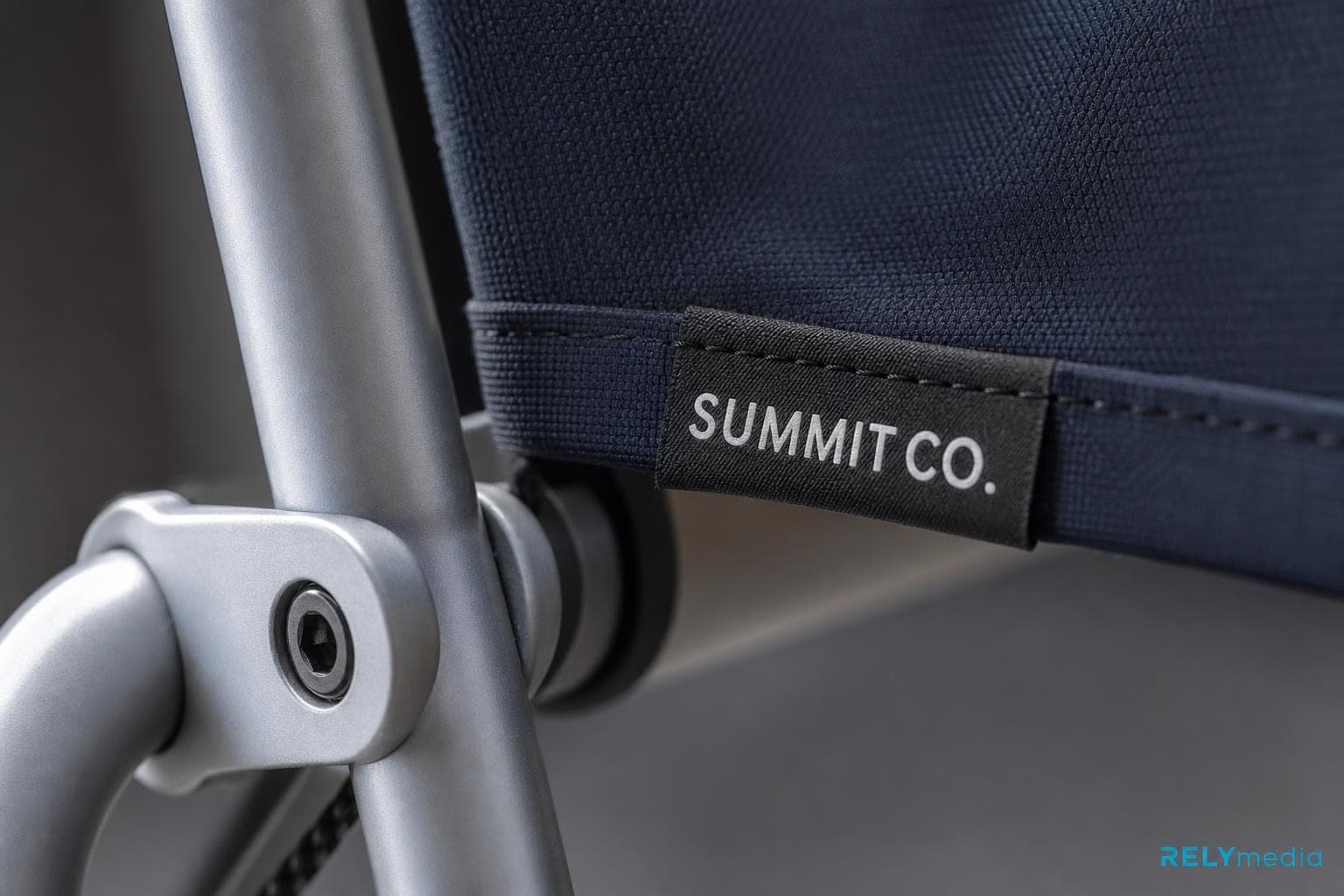
This is a question worth asking before you buy. How much does a folding chair weigh? Most standard outdoor folding chairs come in between 5lb and 10lb. Ultralight models can drop below 2lb. Heavy-duty versions creep toward 15lb or more. And yes — how much a chair weighs often correlates directly with how much punishment it can take.
Lightweight Camping Chairs vs. Heavy-Duty Portable Chairs
Weight and strength aren't always inversely related — but there's a real trade-off. A lightweight camping chair built for backpacking uses thinner tubing and lower-denier fabric to cut ounces. A heavy-duty portable chair sacrifices some compactness for beefier frame construction and higher weight capacity.
Here's the practical breakdown:
Ultralight chairs (under 3lb)
Great for long hikes. Lower chair weight limit, typically 220lb–250lb.
Standard camp chairs (5lb–8lb)
The sweet spot for most users. Solid load capacity around 300lb.
Heavy-duty chairs (10lb+)
Built for maximum chair support capacity. Often rated 400lb–500lb.
The Trade-Off Between Portability and Load Capacity
A foldable camping chair that weighs 2lb is a miracle of engineering — until you ask it to support someone over 200lb repeatedly across a full camping season. Portable chair durability degrades faster in lighter builds. If you're prioritizing long-term reliability, a mid-weight collapsible camping chair is usually the smarter call.
How We Tested Portable Chair Weight Capacity
Good data requires a clear method. Here's exactly how the camping chair strength test was structured — no guesswork, no shortcuts.
Testing Materials — 50lb Sandbags and 45lb Free Weights
The sandbag test used ten 50lb sandbags and two 45lb free weights — a combined total of 590lb. That's well beyond the 300lb camping chair rating most manufacturers publish. The free weight test component added precision to the incremental loading process. Additional miscellaneous items brought the total slightly higher when needed.
How the Chair Load Test Was Conducted
Each chair was tested individually. Weights were stacked progressively during the folding chair test, with pauses between additions to observe any chair buckling or visible stress. When a chair showed clear signs of imminent structural failure, we waited 30–60 seconds before adding more weight. This mirrors how a real-world chair test actually plays out under sustained pressure.
What We Were Looking For — Chair Failure Points
The goal wasn't just “did it break?” The goal was understanding where and why folding chairs fail under a 590lb chair test. That distinction matters enormously for anyone evaluating portable chair safety before a purchase. Knowing the chair failure point is far more useful than knowing the label number.
Folding Chair Construction — What's Actually Holding You Up?
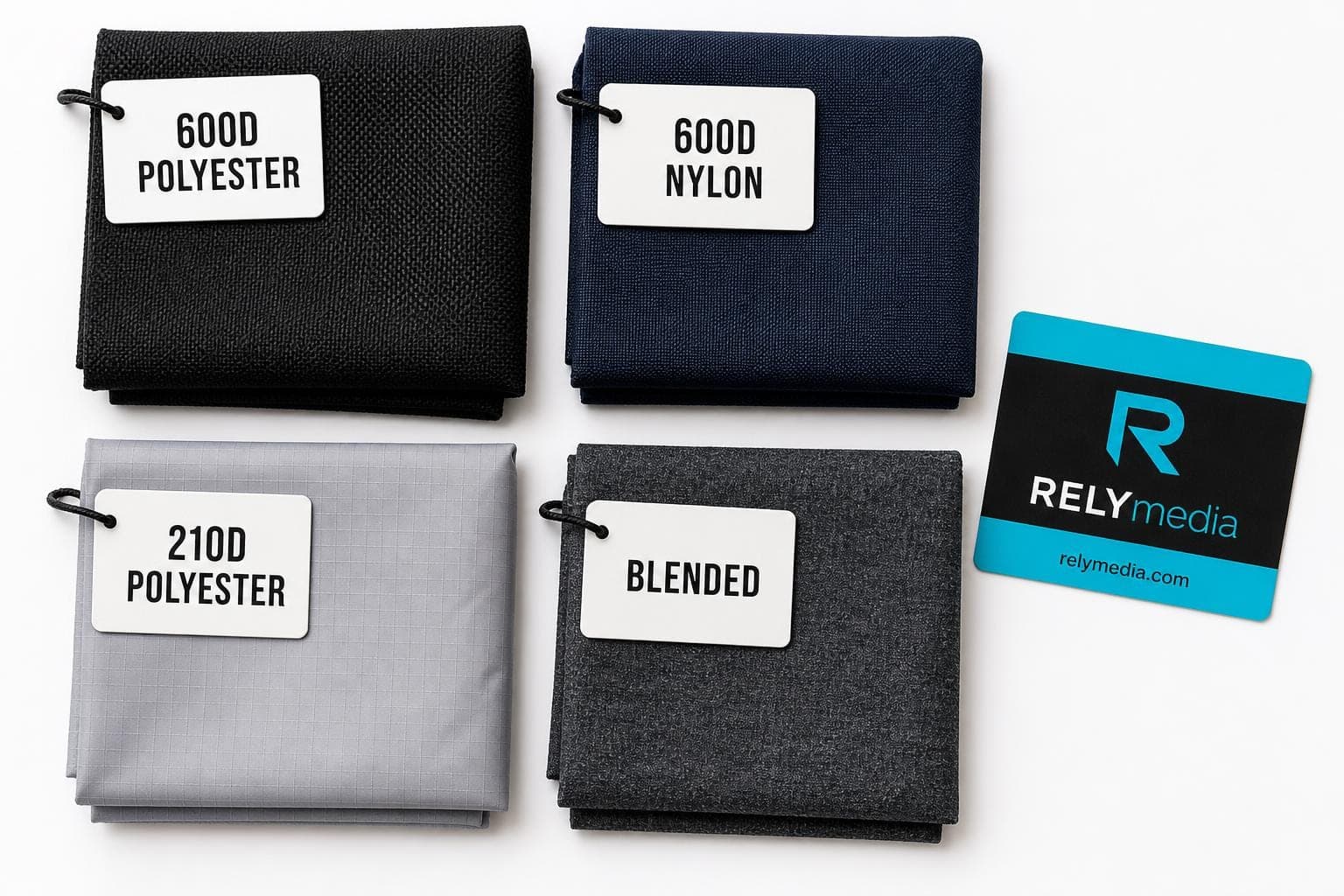
Before you can understand how a camping chair fails, you need to understand how it's built. Folding chair construction is deceptively simple — and that simplicity hides some real vulnerabilities.
The Metal Tube Frame and Crisscrossing Legs
Nearly every portable chair uses a hollow metal frame — aluminum or steel tubing arranged in an X pattern on the front, back, and sides. These crisscrossing legs give the chair its characteristic collapsible geometry. The metal tube frame is generally the strongest part of the whole assembly. Structurally, it's elegant. A load-bearing chair design that folds flat in seconds is genuinely impressive engineering.
Screw Holes — The Hidden Weak Point in Most Folding Chairs
Here's what the chair stress test revealed that most buyers never expect: the fabric doesn't fail first. The screws don't strip out. The actual weak point is the hole the screw passes through.
That screw hole interrupts the continuous wall of the metal tube. Under extreme load, the metal gives way around that hole — not at random, not at the joint, but precisely where the tube wall is thinnest. Screw connection failure accounted for the majority of breakdowns across all chairs tested. In most cases, snapped chair legs broke right at that connection point — sometimes on the front, sometimes on one side, sometimes both simultaneously.
Key insight: When inspecting a used foldable chair, examine the metal around the screw holes first. Hairline cracks there mean the chair leg joints are already compromised.
Chair Fabric — 600D Polyester, 600D Nylon, and Why Denier Matters
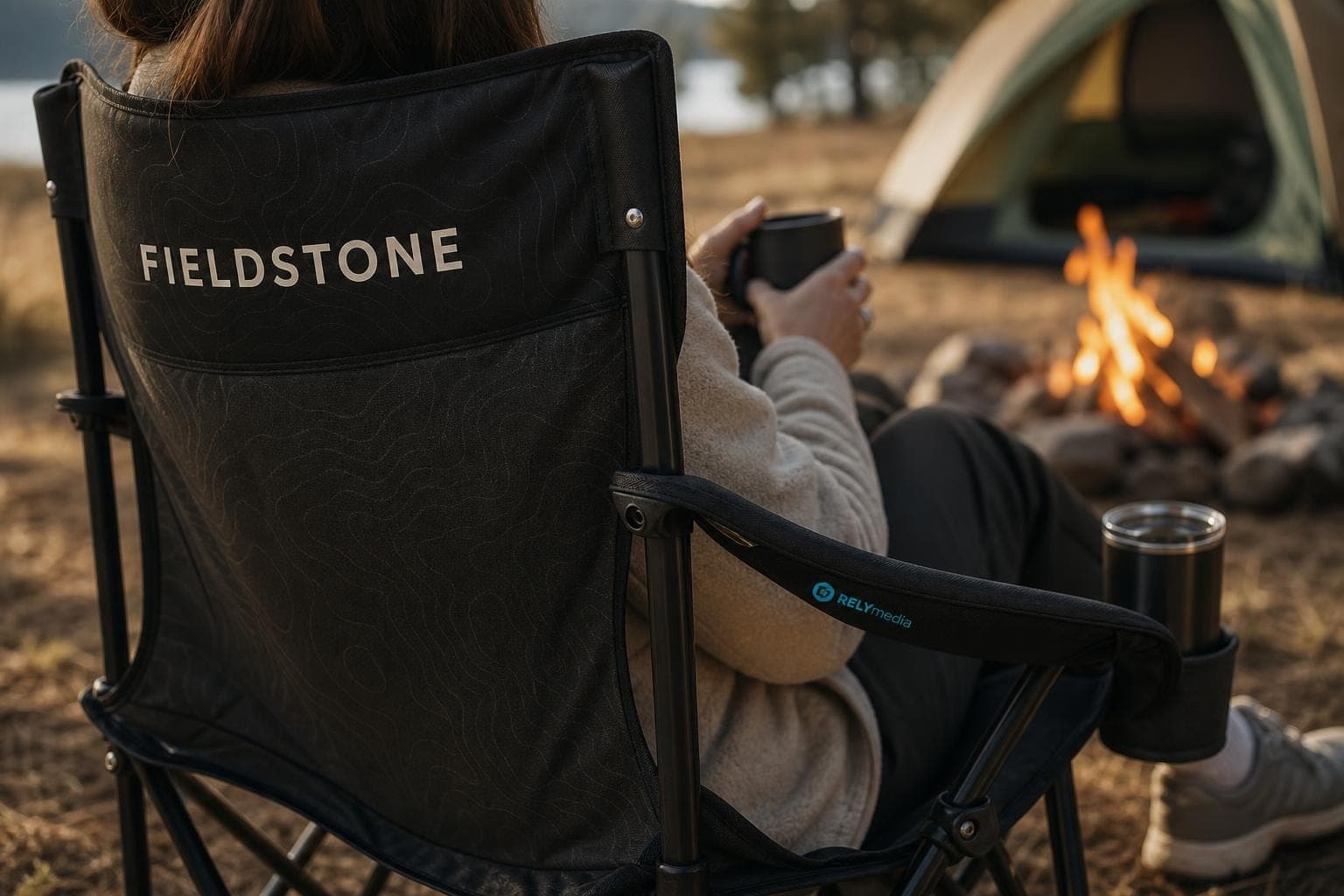
Chair fabric is tougher than it looks. Most outdoor folding chairs use 600D polyester, 600D nylon, or a 600D polyester blend for the seat and back. The “D” stands for denier — a unit measuring the thickness of individual fabric strands. Think of it as the thread count of outdoor gear.
Here's how denier fabric breaks down in practice:
| Fabric Type | Denier | Durability | Common Use |
|---|---|---|---|
| 600D polyester fabric | 600 | Excellent | Standard camp chairs |
| 600D nylon fabric | 600 | Excellent | Premium portable chairs |
| 600D polyester blend | 600 | Very good | Mid-range outdoor chairs |
| 210D polyester fabric | 210 | Moderate | Budget stools, light chairs |
High-denier fabric handles stress remarkably well. In almost every chair tested, the fabric seat outlasted the metal frame under load. Outdoor-grade fabric at 600D is the real workhorse here — and stool fabric durability suffers noticeably when manufacturers cut corners with low-denier fabric.
Chair Stress Test Results — Which Portable Chairs Survived?
Four out of twelve chairs survived the 590lb weight test without showing obvious signs of chair collapse. Every single chair — including those that eventually broke — exceeded its stated manufacturer weight limit before failing. That's a meaningful result.
Chairs That Held Beyond the 300lb Limit
All twelve chairs cleared their rated 300lb chair capacity. The four survivors held 590lb+ for several minutes without chair buckling or frame failure. That's nearly double the 325lb chair limit on the label — proof that portable chair strength is consistently underestimated by the numbers printed on the tag.
Where Structural Failure Actually Happened
Eight chairs eventually failed. In almost every case, snapped chair legs were the culprit — specifically the metal breaking around the screw holes in the crisscross chair legs. Bent chair legs preceded the final snap in several instances, giving a brief visual warning before full chair frame failure.
Common failure patterns observed:
- Metal snapping around the screw hole on front legs
- Chair leg joints separating under lateral stress
- Chair joint failure on both side legs simultaneously under maximum load
- Minor ripped chair fabric around leg entry points — secondary, not primary failure
- Bent chair legs under asymmetric loading before final break
The Special Case — When Fabric Fails Before the Frame
One foldable stool broke differently. It was a cooler bag stool — an X-shaped stool with a simple fabric seat stretched across the top. No back, no armrests. The seat material was 210D polyester — significantly thinner than the 600D polyester blend used in every other chair tested.
Under load, the legs spread outward, pulling the stool fabric taut until it ripped at roughly 490lb. The screw holes and metal frame stayed completely intact. This is a textbook case of fabric failure preceding frame failure — rare with high-denier fabric, but almost predictable with 210D polyester under extreme stress.
Camping Chair vs. Camping Stool — A Different Breaking Point
Camping stools carry a lower stool weight capacity by design — the 250lb stool limit reflects their simpler geometry. A standard foldable camping chair with a back and armrests distributes load across more contact points. Stools concentrate everything through that central X-frame. The result? Less structural redundancy and a lower camping stool weight limit under real conditions.
What Makes a Portable Chair Truly Sturdy?
Camping chair durability comes down to three factors working in concert. Get all three right and you've got portable seating that lasts seasons, not months.
Metal Frame Strength and Leg Joint Design
Thicker tubing, better steel alloys, and reinforced leg joints all raise the chair breaking point substantially. Steel outperforms aluminum for sheer metal frame strength — heavier, yes, but far more resistant to the kind of screw connection weakness that ends most chairs prematurely. For campsite chairs, family reunion seating, or outdoor event chairs where portability matters less than reliability, steel-frame builds are worth the extra weight.
High-Denier Fabric vs. Low-Denier Fabric
Always check the denier rating before buying. 600D polyester or 600D nylon is the benchmark for durable outdoor fabric. Anything below 400D in a weight-bearing seat position is a compromise on fabric tear resistance. The fabric thickness measurement directly predicts how the seat performs under an overloaded camping chair scenario.
600D vs. 210D Polyester — Does It Make a Difference?
Absolutely. The gap between 600D polyester fabric and 210D polyester fabric isn't subtle. It's the difference between a chair under heavy weight that holds firm and one that gives way before the frame even complains. Polyester vs nylon chair fabric is a closer call — both perform well at 600D. The denier matters far more than the fiber type.
How to Check Your Folding Chair Before It Fails
Camping chair safety starts long before you sit down. A quick chair safety check takes two minutes and could save you from an embarrassing — or painful — collapse.
Inspect the Screw Holes and Chair Screws
Before every season — or before any high-use event like campfire seating or park chair comfort situations — examine the metal around each chair screw. Check chair screws for looseness and look for hairline cracks or deformation around the holes. These are early warning signs of screw connection failure before it becomes catastrophic.
Check the Chair Fabric for Early Wear
Run your fingers along the camping chair fabric where the metal legs pass through. Check chair fabric for fraying, thinning, or small tears. These signal the seat is losing fabric tear resistance. Don't wait for it to rip under you — replace or retire the chair at the first sign of real wear.
Check the Chair Legs for Bending or Deformation
Check chair legs after any high-load use. Slight bending near the screw holes is an early indicator of structural weakness in chairs that will worsen with repeated use. Straightening bent aluminum legs is a temporary fix at best — once the metal deforms, chair reliability is compromised.
Camping Chair Maintenance for Long-Term Durability
A few simple habits dramatically extend camping chair durability:
- Store foldable outdoor furniture indoors or in dry conditions — heat and damp damage accelerate metal fatigue
- Avoid leaving outdoor folding chairs in direct sun for extended periods — UV exposure weakens outdoor chair materials over time
- Wipe down the metal chair frame after beach or wet-ground use to prevent corrosion
- Periodically tighten all chair screws to reduce stress on surrounding metal
- Inspect camping seating gear at the start of every outdoor season
Outdoor Folding Chairs — Built for More Than You Think
Beach Chairs, Festival Chairs, and Campsite Chairs Under Pressure
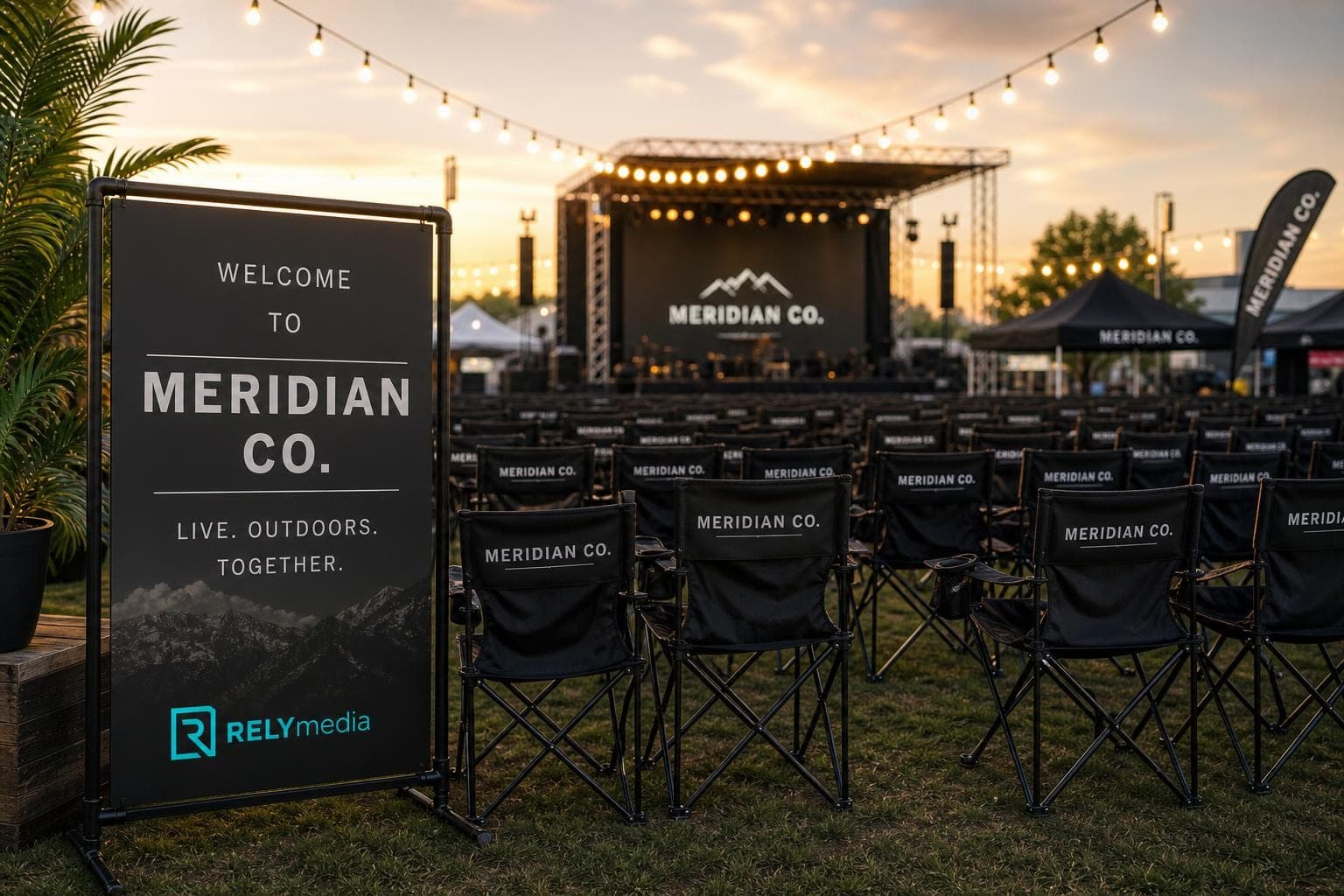
Beach day chairs, festival chair seating, and campsite chair support all face unique stress conditions. Sand shifts underfoot, uneven ground creates asymmetric loading on folding chair legs, and repeated folding fatigues the chair frame over time. Outdoor event chairs at family reunions or community gatherings face similar punishment — dozens of sit-down and stand-up cycles across a single afternoon.
A chair that aces a controlled chair durability test may perform differently after a full season of camping seating gear use. That gap between lab performance and field performance is exactly why real-world chair testing matters.
Looking for foldable outdoor furniture that carries your brand into those environments? RELYmedia specializes in custom portable outdoor seating and branded outdoor products built for exactly these conditions — campfires, festivals, reunions, and everything in between. Quality that performs when it counts, with your logo front and center.
Explore RELYmedia's custom outdoor promotional products
Build gear your brand can stand behind.
How Weather and Outdoor Storage Affect Chair Durability Over Time
Brand new camping chairs and weather-worn chairs are not the same product. UV exposure degrades polyester chair fabric and weakens outdoor-grade fabric over time. Cold weather makes metal more brittle — a factor that affects lightweight chair vs heavy-duty chair performance differently. Damp storage accelerates rust in steel frames and weakens chair fabric strength at stress points. Long-term chair durability requires intentional care, not just a quality initial purchase.
Ready to print your team's name on premium apparel?
Fill in your details and a RELYmedia specialist will come back to you with a custom quote — fast turnaround, no obligation.
- ⚡Same-day response on business days
- 🎨Free design assistance included
- 🚚Rush order & fast delivery available
- 💰Price beat guarantee on every order
The Bottom Line on Portable Chair Safety and Weight Capacity
Here's what the data actually shows: portable chairs are stronger than they look. Every chair in this chair durability comparison exceeded its stated folding chair weight limit before failing. The 300lb portable chair rating you see on most labels is a conservative safety buffer — not a ceiling.
That said, portable chair safety isn't just about the number on the tag. It's about chair frame condition, fabric seat integrity, and how well you maintain the chair across repeated use. The screw holes in the crisscross chair legs are your first inspection point. The denier of the camping chair fabric is your second.
Camping chair safety is ultimately about knowing your gear. Inspect it. Maintain it. Understand where it's likely to fail — and act before it does.
If you need portable seating that carries your brand as confidently as it carries your guests, RELYmedia delivers custom outdoor folding chairs and branded portable furniture built for real-world performance. Fast turnaround, five-star quality, and the kind of chair reliability that reflects well on your brand at every outdoor event, campfire gathering, or festival setup.
Contact RELYmedia today to customize outdoor seating
Gear that works as hard as your brand does.
Our Customer Feedback


Mike Larson
 (5)
(5)Unbelievable Turn-around
We are stunned with how quickly we received our order. It turned out perfect, and all of our interactions with staff have been fantastic. Thank you so much!
Jana
(5)Great customer service and on-time delivery with product as advertised!
The product arrived exactly as advertised and on time. This company was very easy to work with, and the price was great!
Sarah
(5)Quick Turn-Around and Immediate Communisaton
I've ordered a couple times from RELY. My initial order was not time sensitive so we had time to get it correct. We went back and forth with proofs until I felt comfortable. When I had a question, the sales team was very responsive. When it came to my re-order, I needed it fast. They responded and got it to me right on time.
Rob
(5)Fabulous experience, great suggestions from the staff!
The sales staff had great suggestions and were very helpful in the process to, in the end, get exactly what was necessary for our use!
Emily
(5)Great service!
Everything went well as anticipated, and as planned. Service was superb & shipment was expedited in a speedy fashion! Thank you for your service!
Freddy
(5)Thumbdrives
2nd time I have ordered from these guys and they have a good product for the price. The delivery time was as said with no troubles. Would recommend and will be reordering again.
Patty
(5)This is a top notch company. Awesome as what they do. Highly recommend.
If you are looking for a company that says what they do and then do what they say - RELYmedia is for you!!! We have done a couple critical orders with RELYmedia and they were ahead of schedule and the items were perfect. We will be utilizing their talents again!!!
Blanca
(5)Very responsive,
All my inquiries were handled in a very timely fashion. My contact was courteous and helpful. Items ordered were received very quickly. Thanks for the superior service!
Andrew
(5)Overall great experience.
They are friendly and knowledgeable. They are well priced, and ship fast.
Trusted By