Does Polyester Shrink? Fact vs. Fiction After Testing
August 6, 2026 · 13 min read
You pulled your favorite performance tee out of the dryer. It looks smaller. Panic sets in. So does polyester shrink, or is your mind playing tricks?
Here's the honest answer up front. Polyester resists shrinking far better than most fabrics. But under the wrong heat, it can shrink. We didn't just want to repeat what every other article says. We ran our own test on three real polyester shirts. The results surprised even us. Let's dig in.
The Short Answer: Does Polyester Shrink?
Pure polyester barely shrinks under normal washing. The fibers are built to hold their shape. That's the whole point of the material.
The catch? High heat is the enemy. A scorching dryer or boiling water can force even 100% polyester to shrink a little. So can polyester shrink? Yes, but only when you push it past its limits. Toss it in a cool wash and a low-heat dryer, and your garment keeps its size wash after wash.
Now let's unpack why that happens.
What Is Polyester, Exactly?
Polyester is a synthetic fabric made from polyethylene terephthalate (PET) — the same petroleum-based material used in plastic bottles. Chemists spin these polymer fibers into thread, then weave or knit them into cloth.
That origin story matters. Because polyester fibers start as plastic, they behave differently than natural fibers like cotton or wool. They don't absorb much water. They don't swell. And they snap back to their original shape.
You'll spot polyester in almost everything now:
- Athletic apparel and gym clothing
- Sportswear and team uniforms
- Outdoor clothing and athleisure
- Curtains, bedding, and upholstery
Manufacturers love the fabric's flexibility. Modern textile manufacturing shapes polyester into all sorts of builds — smooth interlock knit for tees, speckled heather fabric for a softer look, and mesh for breathable panels.
Why Polyester Resists Shrinking (the Science)
Here's the part most articles skip. Polyester is thermoplastic. That's a fancy word with a simple meaning: heat softens it, and cooling re-hardens it.
During garment manufacturing, factories “set” polyester fabric with heat. This locks the fibers into place and gives the cloth its dimensional stability. Translation? The fabric remembers its shape.
Polyester only shrinks when new heat exceeds the temperature used to set it during production.
That single fact explains everything. Because those setting temperatures run high, your washer and dryer usually can't touch them. This built-in heat sensitivity is both polyester's weakness and its shield.
So Can Polyester Shrink? When It Actually Happens
Water alone won't shrink your polyester clothing. Heat does the damage. Three scenarios put your garments at risk.
| Risk Factor | Shrink Danger | Why |
|---|---|---|
| Hot water wash | Moderate | Loosens set fibers |
| High-heat dryer | High | Direct, intense heat |
| Iron on wrong setting | Severe | Can melt, not just shrink |
Notice a pattern? Every trigger involves heat damage. That's why you can't safely tumble dry polyester on high. Push the temperature too far, and the fibers don't just shrink — they can melt, warp, or glaze. That's a different problem from shrinkage, and it can't be undone.
Bottom line: control the heat, and you control the shrinkage.
We Put Polyester to the Test
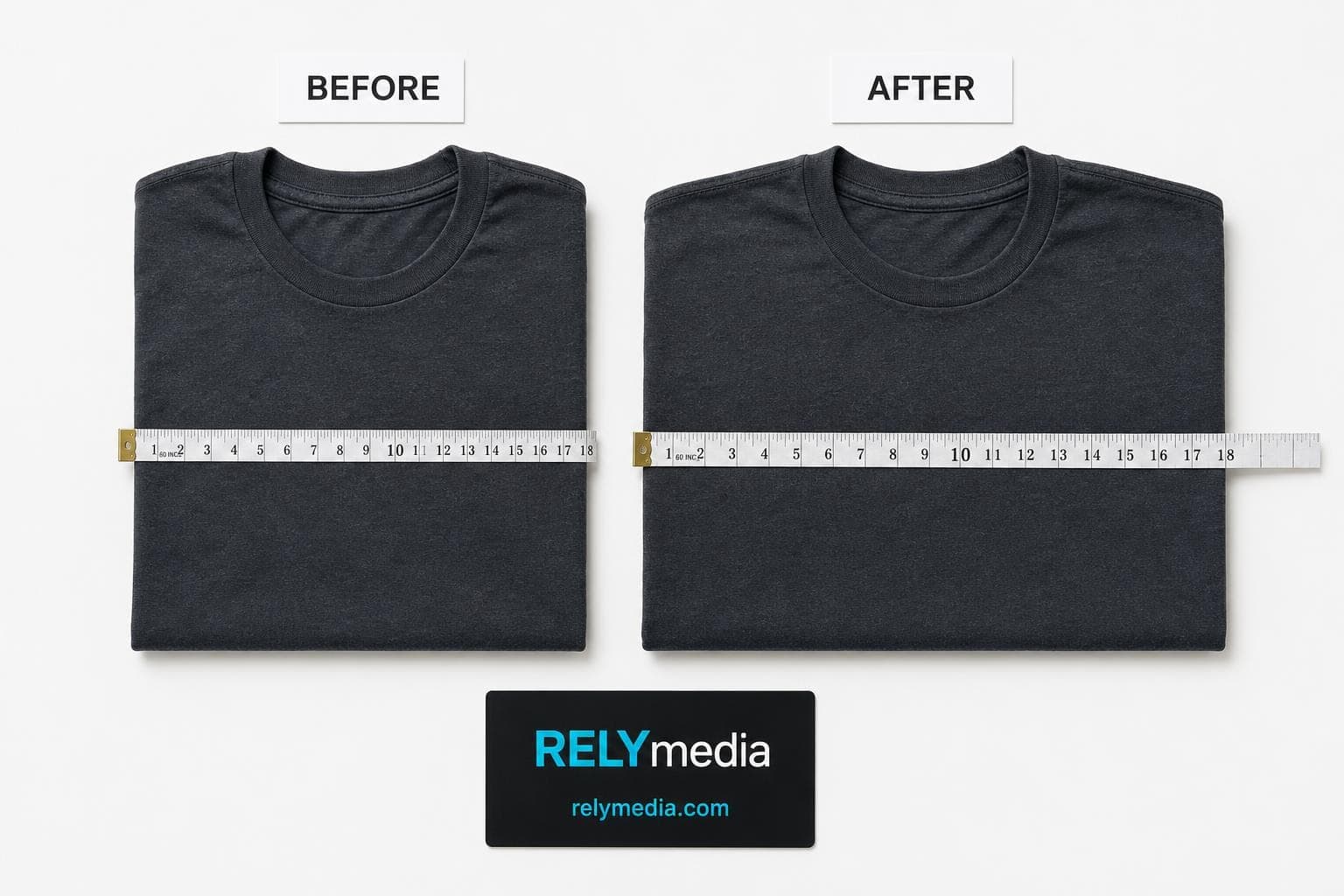
Enough theory. We wanted proof. So we bought three popular 100% polyester shirts and ran a real shrinkage test.
Our method:
- 1Measured each shirt's chest width and length before washing
- 2Washed all three in hot water on a normal cycle
- 3Dried them on high heat — the harshest realistic setting
- 4Re-measured after a full dry
We picked hot and high on purpose. We wanted to see the worst case, not the gentle one. Here's what happened.
Test 1 — A4 Moisture-Wicking T-Shirt
This lightweight performance T-shirt is built for sweat. After the brutal wash-and-dry cycle, it shrank about 2% in length. Barely noticeable. You could wear it the next day and never clock a difference. The moisture-wicking fabric held its shape well.
Test 2 — Team 365 Men's Performance T-Shirt
A staple for sports uniforms and team apparel. This one shrank roughly 3% across the chest. Slightly more than the A4, though still small. The fit felt a touch snugger, not ruined. For a garment blasted with high heat, that's a strong showing.
Test 3 — Sport-Tek PosiCharge T-Shirt
The star of the group. Sport-Tek treats this athletic shirt with a special finish for color retention and durability. Shrinkage came in under 1.5%. Essentially flat. This is what quality textile engineering looks like in action.
What the Results Tell Us
Three shirts, three small numbers. The takeaway is clear.
Even when washed in hot water and dried on high heat, 100% polyester shrank between 1.5% and 3%. Wash it gently, and shrinkage drops close to zero.
Our first-hand test confirms the science. Polyester shrinkage is real but minor — and almost entirely avoidable. Cheaper garments with loose fabric construction may shrink more. Well-made performance apparel barely budges.
Do Polyester Blends Shrink? (Cotton, Spandex & More)
Most shirts aren't pure polyester. They're blends. And blends behave differently, because the other fiber changes the math. This is where a lot of guides fall short.
Cotton-Polyester Blends
Here's the rule: the cotton content shrinks, not the polyester. More cotton means more shrinkage. A cotton-polyester blend lands somewhere between the two fibers.
| Blend | Shrink Risk | Notes |
|---|---|---|
| 50/50 cotton-poly | Moderate | Noticeable if dried hot |
| 60/40 cotton-poly | Moderate | Cotton leads the shrink |
| 65/35 poly-cotton | Low-moderate | More polyester = more stability |
| 70/30 cotton-poly | Moderate-high | Cotton-heavy, watch the heat |
| 80/20 cotton-poly | Higher | Behaves close to pure cotton |
So a 50/50 shirt shrinks more than a 65/35. And an 80/20 cotton-heavy tee shrinks the most of the group. If you own a tri-blend fabric — cotton, polyester, and rayon together — treat it gently, since rayon shrinks easily too.
Polyester-Spandex & Elastane Blends
Add stretch and things shift. Spandex (also sold as Lycra or elastane) gives fabric its elasticity. A common mix is 95% polyester, 5% spandex.
Good news: these blends resist shrinking well. The polyester dominates, and both fibers are heat-sensitive in similar ways. Still, high heat can hurt the stretch over time. It weakens shape retention and can leave your leggings baggy. Cool washes protect that snap-back polyester stretch.
Polyester-Rayon Blends
Rayon is the wildcard. It's semi-synthetic and shrinks more than polyester. A polyester-rayon blend shrinks more than pure poly but less than pure rayon. When in doubt, air dry.
One more question we hear a lot: does recycled polyester shrink? It behaves almost identically to virgin polyester. Recycled PET comes from the same plastic, so it retains the same heat sensitivity and strong shrink resistance. Wash it cool, and it stays put, just like standard polyester fabric.
How to Shrink Polyester on Purpose (If You Want To)
Maybe your shirt runs big. Maybe you want it smaller. You can nudge polyester to shrink, though results stay limited. Here's how to shrink polyester safely.
- 1Wash in hot water. Use the hottest setting your machine allows.
- 2Dry on high heat. Run a full, hot dryer cycle.
- 3Check the fit. Repeat once if needed.
For a polyester jacket, jersey, dress, or pants, the same steps apply. Just know the ceiling is low. You'll get 2–4% at most before you risk melting the fabric. Never iron directly to force shrinkage — you'll scorch it. This is the one time high heat works in your favor, so use it with care.
How to Wash & Dry Polyester So It Keeps Its Shape
Want your polyester garments to last for years? Good fabric care is simple. These washing instructions protect both fit and finish.
Washing Polyester
Machine wash cold
Cold water wash prevents shrinkage and saves energy.
Use the permanent press cycle
It's gentler on synthetic fibers.
Turn shirts inside out
This guards prints and reduces snags.
Skip fabric softener
It coats moisture-wicking clothing and kills the wicking.
Cold water handles most stains just fine. For gym gear, a sports-specific detergent tackles odor better than softener ever could.
Drying Polyester
Drying is where shrinkage lives or dies. Follow these drying instructions:
- Use low heat or the air-dry setting.
- Skip high heat entirely — it's the top cause of shrinkage.
- Air drying is safest. Polyester dries fast anyway.
- Remove promptly to dodge wrinkles.
Because polyester is a quick-drying fabric, air drying barely costs you time. A tee can hang-dry in an hour or two.
Ironing & Steaming Polyester Safely
Ironing polyester takes a light touch. Use the low or synthetic setting. Place a cloth between the iron and the fabric. Better yet, reach for a steamer. Garment steaming releases wrinkles without the melt risk that direct ironing brings. This easy-care fabric rarely needs much pressing anyway.
Polyester Performance: The Properties That Matter
Shrinkage is one piece of the story. The rest explains why polyester rules performance clothing. Let's run through the traits searchers ask about most.
Is Polyester Moisture-Wicking?
Yes — and this is polyester's superpower. The fibers are hydrophobic, meaning they repel water instead of soaking it up. Through capillary action, sweat is drawn to the fabric surface, where it evaporates quickly.
That sweat-wicking ability keeps you dry during a workout. It's why moisture management made polyester the default for activewear. Your sweat moves out; you stay comfortable.
Does Polyester Breathe & Keep You Cool?
Partly. Breathability depends on the weave. A tight knit traps heat. A mesh or open knit construction allows airflow and helps with temperature regulation.
So does polyester make you sweat? On its own, the fabric doesn't cause sweat. But a dense, cheap polyester tee can trap heat and feel hot. Well-designed breathable sportswear solves this with smart construction and cooling panels.
Does Polyester Dry Fast?
Very fast. Since the fibers don't absorb water, moisture sits on the surface and evaporates quickly. That's a huge win for travel, gym bags, and rainy days. Quick-dry clothing made from polyester can dry in a fraction of the time cotton needs.
Is Polyester Stretchy?
Pure polyester has slight give but isn't truly stretchy. For real stretch fabric, brands blend in spandex. A poly-spandex mix flexes with your body — perfect for leggings and fitted athletic wear.
Does Polyester Wrinkle?
Rarely. Polyester is naturally wrinkle-resistant. The fibers spring back, so your shirt stays smooth in a suitcase. That wrinkle-free quality is a big reason travelers love it.
Is It Odor-Resistant & Skin-Kind?
Here's a trade-off. Polyester itself isn't naturally odor-resistant — it can actually hold smells more than cotton. That's why many performance garments add an antimicrobial treatment for odor control.
As for skin, most people wear polyester with zero issues. A small number with sensitive skin may notice irritation. Softer silky fabric finishes have made modern polyester far gentler than the scratchy versions from decades past.
Does Polyester Offer UV Protection?
It does. The tight synthetic weave blocks a good share of the sun's rays. Many outdoor apparel brands rate polyester shirts with a UPF number, making it a solid UV-resistant fabric for hikes and beach days.
Can You Swim in Polyester?
Absolutely. Polyester is chlorine-resistant, which is why it's a popular swimwear fabric. It holds color and shape in pool water far better than nylon. Add its water repellency and quick-dry nature, and it's built for the water.
Polyester vs. Cotton, Wool & Other Fabrics
How does polyester stack up against the classics? Here's the honest comparison.
Polyester vs. Cotton
The big question: what shrinks more, cotton or polyester? Cotton shrinks more — no contest. Cotton absorbs water and swells, so it shrinks and wrinkles easily. Polyester stays stable, dries faster, and resists wrinkles. Cotton wins on softness and breathability straight out of the gate.
Polyester vs. Wool, Silk & Linen
- Wool fabric shrinks dramatically and needs delicate care. Polyester is far more forgiving.
- Silk fabric feels luxurious but demands hand-washing. Polyester mimics the look with none of the fuss.
- Linen fabric wrinkles constantly. Polyester stays crisp.
Polyester Pros and Cons at a Glance
| Advantages | Disadvantages |
|---|---|
| Resists shrinking | Can hold odor |
| Dries quickly | Less breathable if cheap |
| Wrinkle-resistant | Sensitive to high heat |
| Durable and strong | Not biodegradable |
| Holds color well | Can feel less soft |
For most performance and everyday needs, the pros outweigh the cons. That fabric durability and clothing longevity are hard to beat.
A Quick History of Polyester
Polyester earned a nickname early on: the miracle fiber. British scientists developed it in the 1940s. By the 1950s, DuPont brought it to American closets with a bold promise — clothes you could wear for days without ironing.
The textile evolution since then has been massive. Early polyester felt stiff and shiny. Today's versions feel soft, wick sweat, and power the entire athletic apparel industry. From clunky leisure suits to high-tech performance fabric, polyester has come a long way.
What This Means for Custom Polyester Apparel
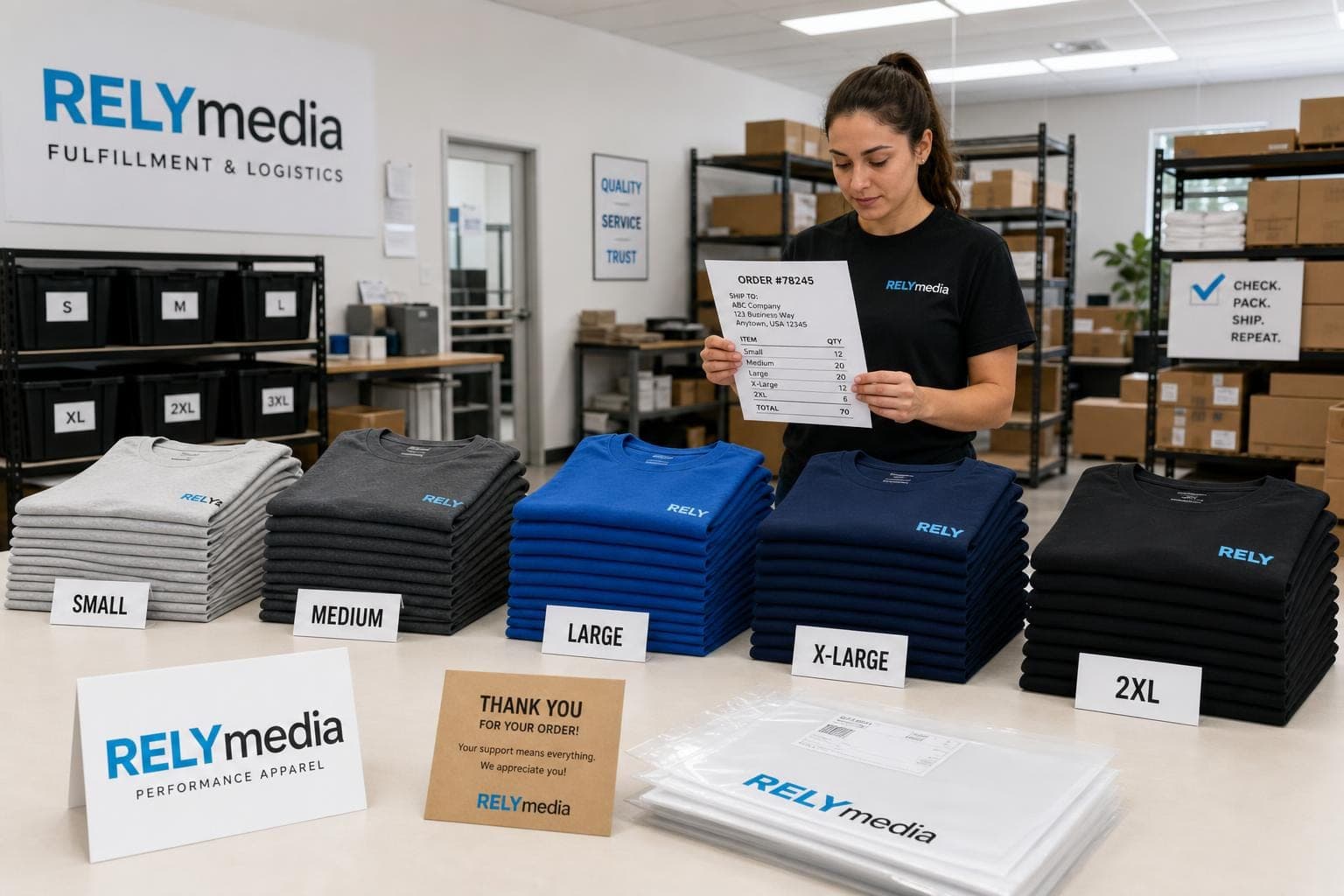
Here's why all this matters for your brand. Polyester's shrink resistance and dimensional stability make it the top choice for custom apparel. Your team's shirts keep their fit — order after order, wash after wash.
That reliability is exactly what you want in custom team uniforms and promotional apparel. Nobody wants logo shirts that shrink two sizes after one wash. Polyester solves that.
At RELYmedia, we build custom polyester shirts and sportswear that hold their shape and their color. Our team knows this fabric inside and out, from the knit construction to the finish. That expertise means your gear looks sharp long after the first wash.
Ready to outfit your team?
RELYmedia delivers custom polyester apparel with the fast turnaround and five-star quality your brand deserves. Request your free quote today.
The Best Printing Method for Polyester
Printing on polyester takes the right technique. Pick wrong, and your design fades or cracks. Here's how the main methods compare.
| Method | Best For | Print Durability |
|---|---|---|
| Dye sublimation | Full-color polyester designs | Excellent |
| Screen printing | Bold, simple logos | Very good |
| DTG printing | Detailed images | Good (better on cotton) |
Dye sublimation is the gold standard for polyester. The sublimation printing process dyes the fibers themselves so that the design won't crack or peel. It delivers unbeatable color retention and print durability. For sharp logo printing on personalized clothing, it's tough to beat.
Screen printing works great for simpler, high-volume orders. And every RELYmedia garment can include the finishing touches that matter — like a tear-away tag for comfort or a custom heat seal label for a clean, branded look.
Ready to print your team's name on premium apparel?
Fill in your details and a RELYmedia specialist will come back to you with a custom quote — fast turnaround, no obligation.
- ⚡Same-day response on business days
- 🎨Free design assistance included
- 🚚Rush order & fast delivery available
- 💰Price beat guarantee on every order
Conclusion
So, does polyester shrink? Only a little, and only when heat pushes it too far. Our hands-on test proved it — three 100% polyester shirts shrank just 1.5% to 3% even under hot water and high heat. Wash cold, dry low, and your polyester clothing keeps its shape for years.
That stability is the whole reason polyester dominates performance apparel, team gear, and custom sportswear. It resists shrinking, dries fast, fights wrinkles, and holds a print beautifully. Few fabrics offer that combination.
When you're ready to put polyester to work for your brand, RELYmedia is here to help. We turn quality fabric into standout custom apparel that lasts.
Make a lasting impression.
From performance tees to full team uniforms, RELYmedia crafts custom promotional apparel built to last. Get started with RELYmedia now.
Our Customer Feedback


Mike Larson
 (5)
(5)Unbelievable Turn-around
We are stunned with how quickly we received our order. It turned out perfect, and all of our interactions with staff have been fantastic. Thank you so much!
Jana
(5)Great customer service and on-time delivery with product as advertised!
The product arrived exactly as advertised and on time. This company was very easy to work with, and the price was great!
Sarah
(5)Quick Turn-Around and Immediate Communisaton
I've ordered a couple times from RELY. My initial order was not time sensitive so we had time to get it correct. We went back and forth with proofs until I felt comfortable. When I had a question, the sales team was very responsive. When it came to my re-order, I needed it fast. They responded and got it to me right on time.
Rob
(5)Fabulous experience, great suggestions from the staff!
The sales staff had great suggestions and were very helpful in the process to, in the end, get exactly what was necessary for our use!
Emily
(5)Great service!
Everything went well as anticipated, and as planned. Service was superb & shipment was expedited in a speedy fashion! Thank you for your service!
Freddy
(5)Thumbdrives
2nd time I have ordered from these guys and they have a good product for the price. The delivery time was as said with no troubles. Would recommend and will be reordering again.
Patty
(5)This is a top notch company. Awesome as what they do. Highly recommend.
If you are looking for a company that says what they do and then do what they say - RELYmedia is for you!!! We have done a couple critical orders with RELYmedia and they were ahead of schedule and the items were perfect. We will be utilizing their talents again!!!
Blanca
(5)Very responsive,
All my inquiries were handled in a very timely fashion. My contact was courteous and helpful. Items ordered were received very quickly. Thanks for the superior service!
Andrew
(5)Overall great experience.
They are friendly and knowledgeable. They are well priced, and ship fast.
Trusted By