How a T-Shirt Should Fit: The Ultimate Guide
August 6, 2026 · 12 min read
A T-shirt looks simple, but its fit depends on shoulder width, sleeve length, chest room, fabric weight, and garment construction. Even a medium shirt can feel different across apparel brands.
This T-shirt buying guide explains proper sizing, T-shirt fit types, fabric behavior, shirt construction, and custom printing. You will also learn how to measure a shirt, spot a poor fit, and choose a style people will actually wear.
What Does a Proper T-Shirt Fit Look Like?
A proper T-shirt fit follows your body without squeezing it. The fabric should skim your chest, sit cleanly across your shoulders, and fall naturally through the torso. It should allow unrestricted movement.
Use this quick checklist:
- The shoulder seam ends at your shoulder bone.
- The neckline lies flat without stretching or curling.
- The sleeves hug lightly without cutting your arms.
- The chest has room for normal breathing.
- The torso shows shape without tight folds.
- The hem reaches about the middle of your fly.
- The shirt stays below your waistband when you raise your arms.
Lift both arms. A balanced shirt should stay in place.
T-Shirt Size and T-Shirt Fit Are Different
T-shirt size describes a label, such as small, medium, or large. T-shirt fit describes the garment’s shape. A T-shirt medium size may use a classic fit, slim fit, retail fit, relaxed fit, or boxy fit.
That difference explains why “what size shirt should I wear?” has no universal answer. Start with body measurements. Then compare them with the brand’s sizing chart.
| Area | How to Check It | Proper Result |
|---|---|---|
| Chest | Measure pit to pit | Smooth fabric with light room |
| Shoulders | Check seam placement | Seams meet shoulder edges |
| Length | Measure shoulder to hem | Hem reaches mid-fly |
| Sleeves | Check opening and length | Easy arm movement |
| Collar | Check shape and recovery | Flat, neat neckline |
A clothing size guide provides direction. Garment measurements provide proof. Confirm whether a chart lists body measurements or finished shirt measurements.
T-Shirt Fit Types Explained
Standard Fit or Classic Fit
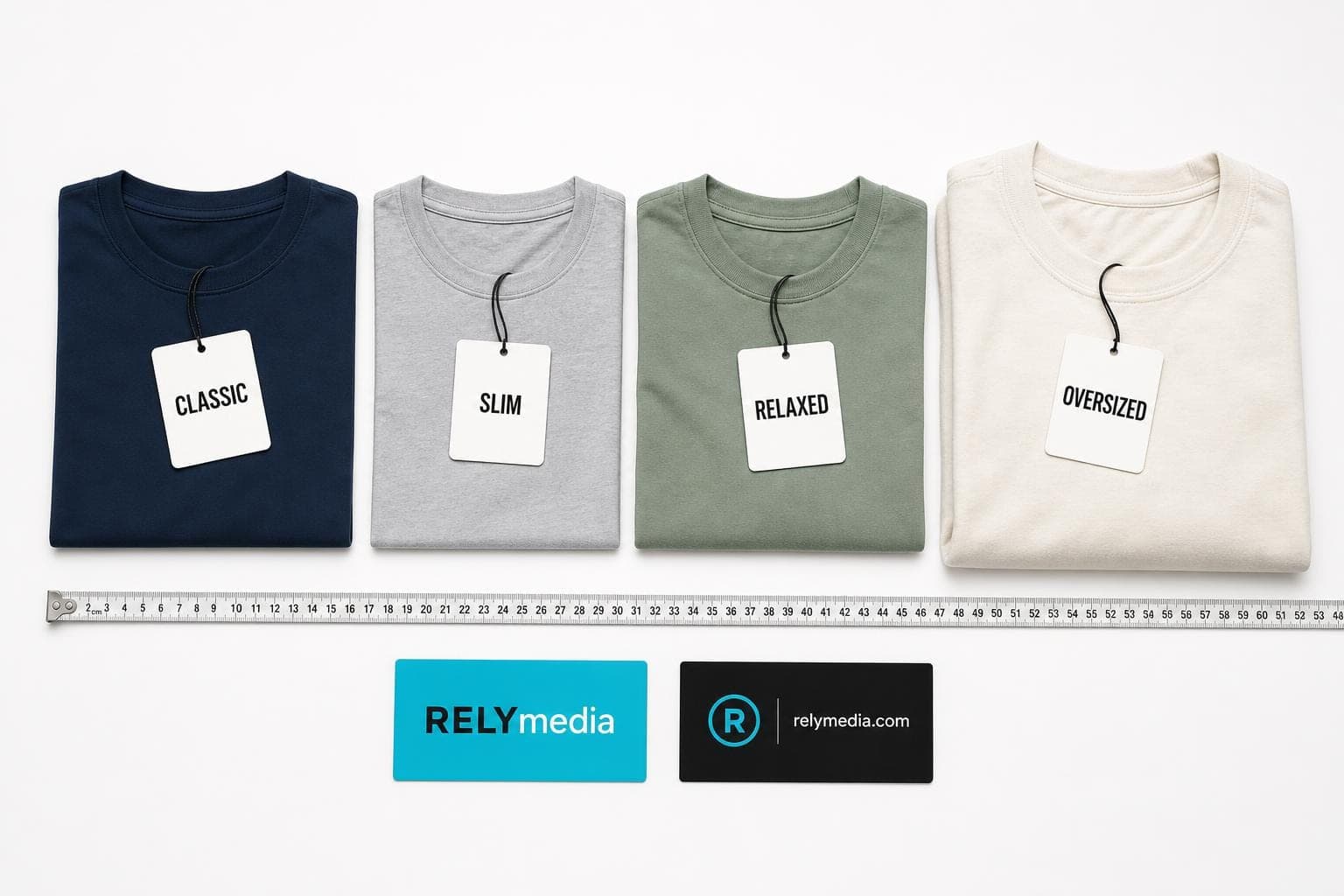
A standard fit offers more room through the chest, waist, and sleeves. Its relaxed silhouette works well for casual wear, uniforms, promotional apparel, and varied body types.
Fashion Fit or Slim Fit
A fashion fit sits closer to the chest and arms. It usually has shorter sleeves, a narrower torso, and stronger waist taper.
This fitted silhouette suits modern menswear. Slim fit comes from the pattern, not sizing down, which can cause pulling and poor shoulder alignment.
Retail Fit, Modern Fit, and Semi-Fitted Shirts
What is retail fit? Most brands use the term to refer to a cut between standard and slim. A retail fit often includes rolled shoulders, a neat sleeve opening, and gentle torso taper.
Relaxed, Oversized, and Boxy Fits
A relaxed fit adds space through the chest and torso. An oversized fit may use dropped shoulders and longer sleeves. A boxy fit stays wide but often uses a shorter body.
These silhouettes rely on planned proportions. Buying two sizes larger rarely creates the same look.
How Should a T-Shirt Fit on a Man?
Shoulder Fit and Shoulder Seam Placement
The shoulder seam should meet the point where your shoulder curves downward. If it hangs on your upper arm, the shirt is probably too large. If it sits near your neck, the shirt may be too small.
Chest Fit, Torso Shape, and Waist Taper
The chest should look smooth, not stretched. Sharp lines near the armpits or across a graphic show limited chest room. Heavy folds under the arms often signal excess size.
Below the chest, the torso should follow your body shape. A tailored fit uses mild waist taper. A standard fit falls straighter. Neither should restrict breathing or create fabric pools above the belt.
Sleeve Fit and Proper Sleeve Length
Most short sleeves should end near the middle of the bicep. The sleeve opening should sit close without pinching.
Raise your arms and reach forward. Good sleeve construction supports mobility without pulling the shirt upward.
Collar Fit and Neckline Position
A crew neckline should lie flat above the collarbone. It should not gape, curl, or press against your throat.
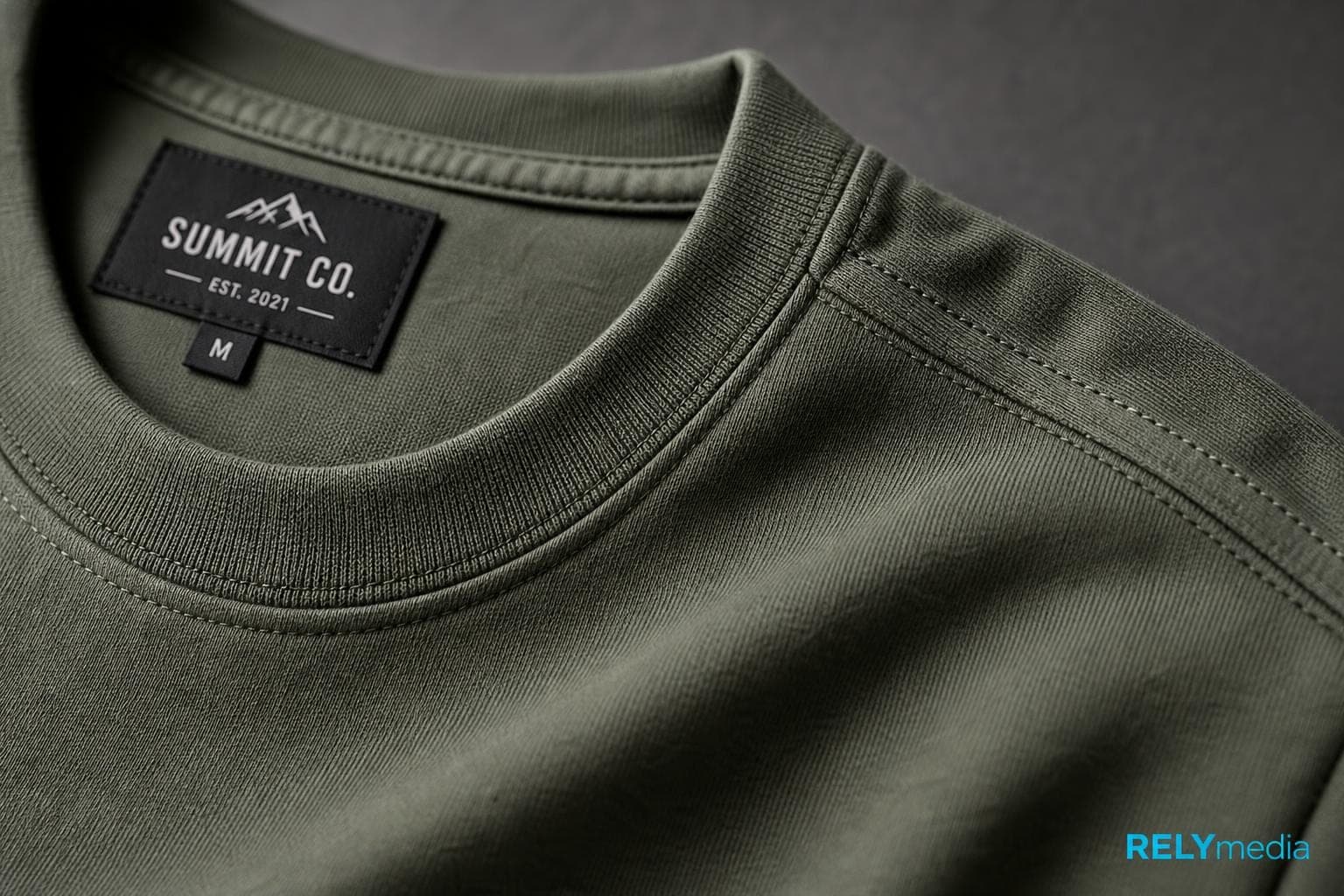
A V-neck should end near the upper chest. Quality stitching, shoulder-to-shoulder taping, a lay-flat collar, or a baby rib-knit collar can improve shape retention.
How Long Should a T-Shirt Be?
How long should a T-shirt be? For most men, the hem should cover the waistband and reach around the middle of the fly.
Where should a shirt fall on a man? Use these checks:
- It stays below your belt during movement.
- It does not cover most of your seat.
- It does not bunch heavily around your hips.
- It stays balanced with the sleeve length.
- It does not expose your stomach when you lift your arms.
How to Know if a T-Shirt Is Too Small or Too Big
Signs a Shirt Is Too Small
A shirt may be too small when the shoulder seams pull toward the neck, fabric stretches across the chest, sleeves cut into the arms, or the hem rises during light movement. A printed design may also look distorted.
A form-fitting T-shirt follows body contours. A tight shirt restricts movement.
Signs a Shirt Is Too Big
A shirt may be too big when shoulder seams drop far down the arms, sleeves flare outward, and extra fabric gathers under the armpits. The torso may also lose shape.
An intentional oversized style still balances shoulder width, neckline, sleeve opening, and shirt length. A random large shirt often looks unplanned.
How to Measure T-Shirt Size Correctly
Lay a T-shirt you already like on a flat surface. Smooth the fabric without stretching it.
Chest width
Measure armpit to armpit.
Body length
Measure the highest shoulder point to the hem.
Shoulder width
Measure shoulder seam to shoulder seam.
Sleeve length
Measure the shoulder seam to sleeve edge.
Waist width
Measure across the narrowest torso point.
Double the flat chest width to estimate circumference. A 20-inch pit-to-pit measurement equals about 40 inches around the garment.
What size shirt is medium? It depends on the brand, fabric, and desired silhouette. Shirt size 40 may be medium or large, so check the manufacturer’s T-shirt size guide.
A dress shirt often uses neck and sleeve numbers. T-shirt sizing usually uses letters and finished garment measurements.
Men’s, Women’s, and Unisex T-Shirt Sizing
A men’s T-shirt usually has broader shoulders, a straighter torso, and more body length. Women’s T-shirt styles may use narrower shoulders, shorter sleeves, and stronger waist shaping.
A unisex T-shirt often follows traditional men’s tees sizing. Women may size down for a closer fit, but body proportions still matter.
How Fabric Changes T-Shirt Fit
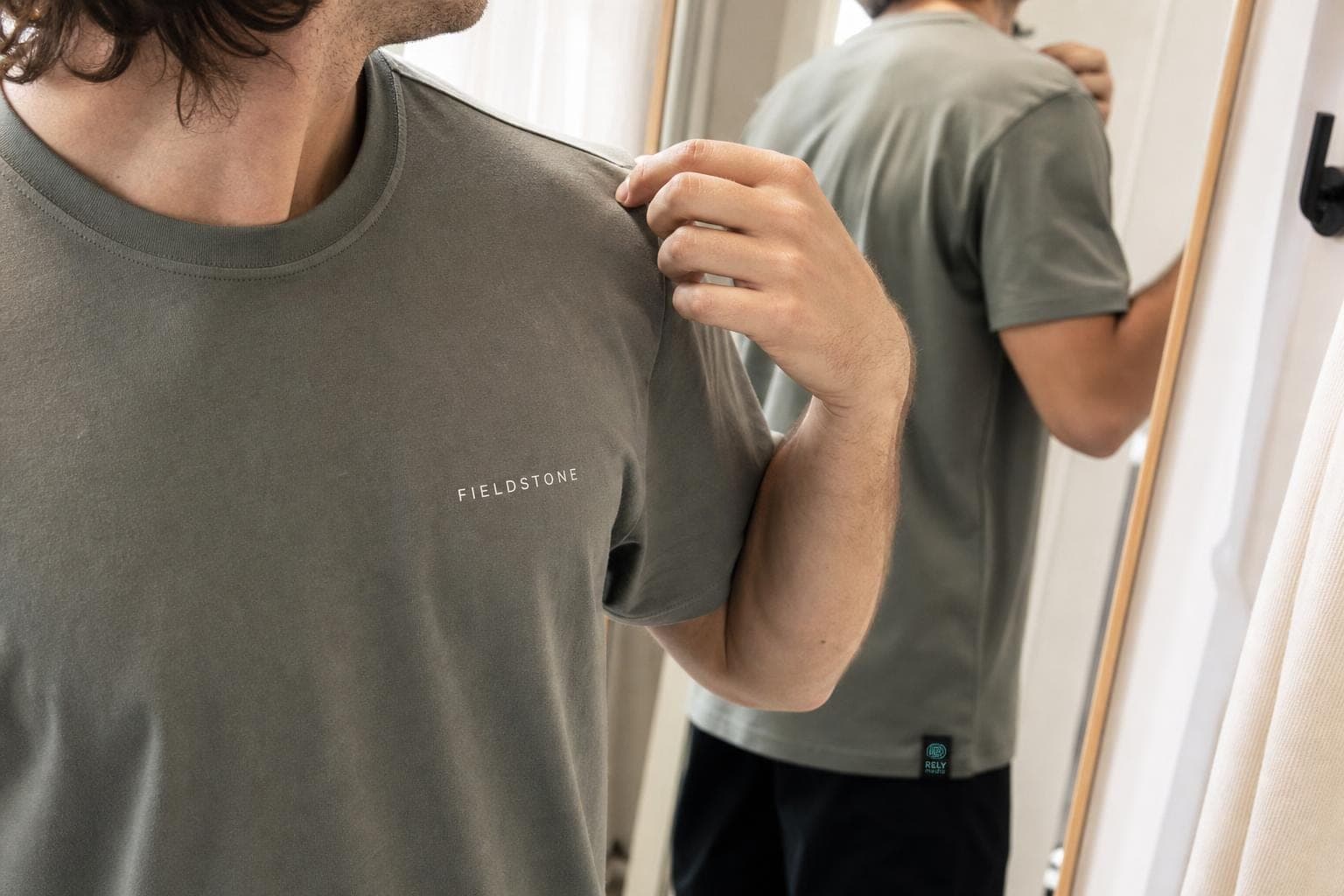
Cotton, Ringspun Cotton, and Combed Cotton
A 100% cotton T-shirt feels breathable and familiar. Standard cotton can feel firm, while ringspun cotton feels smoother.
Combed ringspun cotton removes shorter fibers, creating a softer fabric and cleaner print surface. Premium cotton often gives custom printed shirts a polished finish.
Cotton fabric may shrink. Pre-shrunk fabric reduces fabric shrinkage but does not remove it completely.
Polyester, Rayon, and Tri-Blend Fabric
Polyester holds shape well and dries quickly. A polyester blend can improve shrink resistance and garment durability.
Tri-blend fabric combines cotton, polyester, and rayon. It offers lightweight comfort, a soft feel, flexible fit, and a vintage look. Its heathered texture may create a softer screen-printing result.
Heavyweight, Lightweight, and Garment-Dyed T-Shirts
A heavyweight T-shirt offers structure, durable fabric, and stronger coverage. A lightweight T-shirt provides breathable comfort and easier movement.
A garment-dyed T-shirt offers rich color and a broken-in feel. Choose fabric weight based on climate, use, print method, and desired drape.
Side-Seamed vs Tubular T-Shirts
A tubular T-shirt uses circular knit construction and has no torso side seams. Tubular construction lowers apparel manufacturing costs and supports some side-print designs. However, its straight garment structure may create a boxy fit.
Tubular shirts may develop torquing after washing. Torquing twists the shirt body and can shift print placement.
A side-seamed T-shirt joins front and back panels. Side-seamed construction supports body contour, waist taper, print consistency, and garment balance.
| Feature | Side-Seamed T-Shirt | Tubular T-Shirt |
|---|---|---|
| Structure | More tailored | Straighter |
| Construction | Joined panels | Circular knit tube |
| Print placement | Easier to align | May shift after torquing |
| Side printing | Limited by seams | Easier |
| Best use | Premium apparel | Affordable bulk orders |
Quality stitching, reinforced seams, and textile craftsmanship improve shirt durability in both styles.
Choosing the Best T-Shirt for Custom Printing
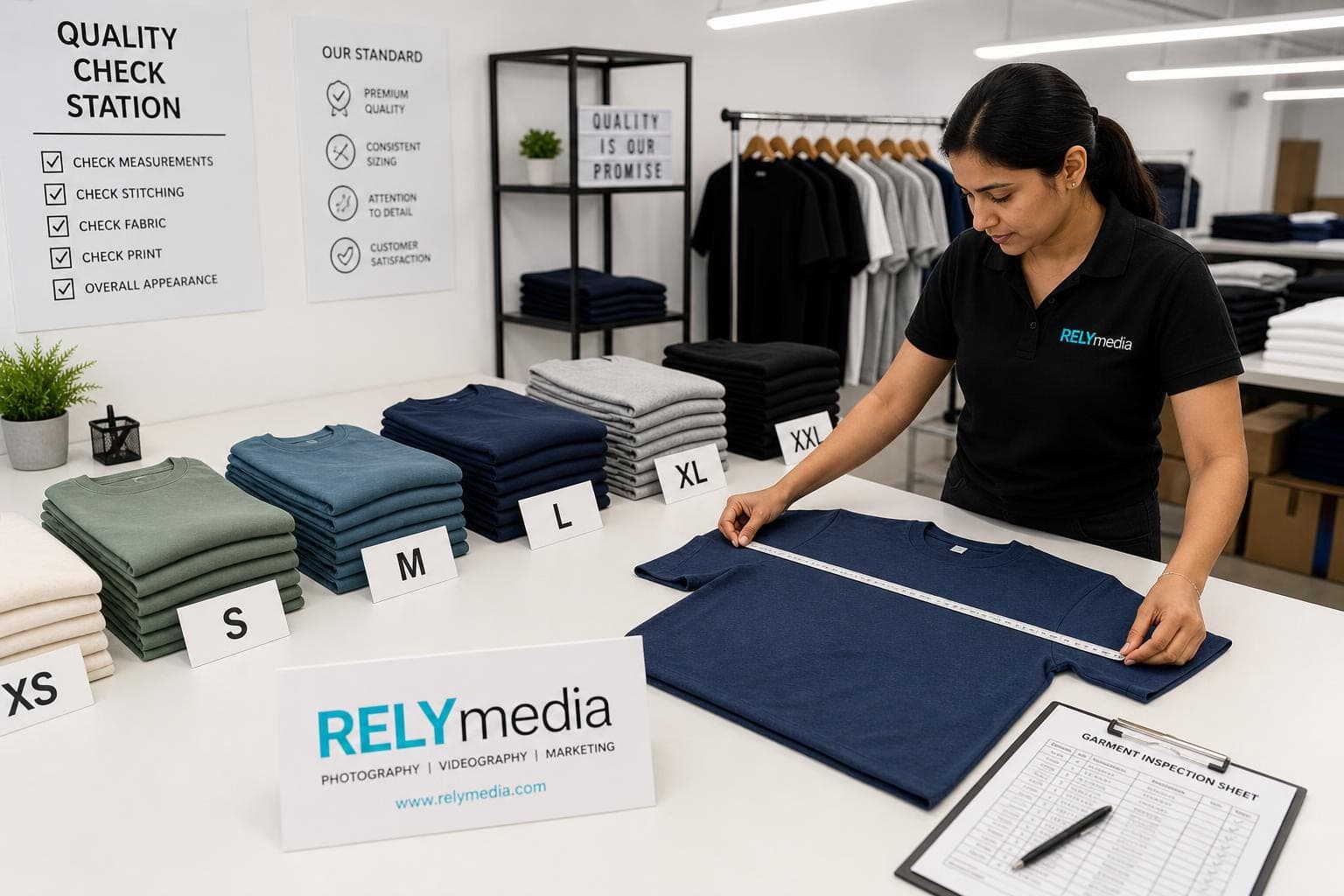
Start with the wearer, not the artwork. A custom T-shirt fails when people dislike its fit, fabric, or feel.
RELYmedia helps businesses and organizations compare blank T-shirts, custom printing methods, apparel sizing, deadlines, and budgets. Headquartered in Eagan, Minnesota, the company serves clients worldwide with fast turnaround, tailored solutions, and a strong commitment to quality.
Before choosing print-ready apparel, review:
- Audience body types and fit preferences
- Indoor or outdoor everyday wear
- Screen printing, embroidery, or another decoration method
- Design size for T-shirts
- Print placement near seams and collars
- Fabric care and shrink prevention
- Size availability and value for money
- Tagless labels or tear-away tags
Smooth cotton supports detailed ink deposits. Stable polyester blends suit active use. Embroidery-ready garments need enough fabric weight to hold stitches without puckering.
Planning branded shirts for a campaign, event, or team?
Contact RELYmedia to compare comfortable T-shirts, premium apparel, and decoration options that suit your audience and deadline.
A Reliable Process for Bulk T-Shirt Orders
Experienced apparel buyers do not choose products based on product photos alone. They compare samples, garment measurements, fabric texture, print surface, and post-wash fit.
- 1Define the audience and intended use.
- 2Compare two or three fit types.
- 3Order samples in several sizes.
- 4Test comfort, movement, and shrinkage.
- 5Confirm print placement.
- 6Approve the sample before production.
This process reduces sizing problems and protects print consistency. RELYmedia’s hundreds of five-star reviews and reputation for customer service can give organizations added confidence when deadlines are tight.
Popular T-Shirt Brands and Options
Buyers often compare Gildan, Comfort Colors, Hanes, Bella + Canvas, Next Level, Tultex, and American Apparel.
Common options include Gildan UltraCotton G200, Comfort Colors C1717, Hanes Beefy-T 5180, Gildan Softstyle G640, Tultex Fine Jersey 202, Next Level 3600, Bella + Canvas Tri-Blend 3413C, and Next Level Tri-Blend 6010.
Compare fit consistency, fabric quality, color range, print surface, and value. Verify current specifications before ordering.
How to Preserve T-Shirt Fit After Washing
Good clothing maintenance protects garment shape, custom printing, and shirt durability.
- Wash shirts inside out.
- Use cool water when allowed.
- Avoid excessive dryer heat.
- Do not stretch wet collars.
- Follow directions for garment-dyed fabric.
- Fold shirts after they dry fully.
These habits support shrink prevention and preserve garment shape.
Ready to print your team's name on premium apparel?
Fill in your details and a RELYmedia specialist will come back to you with a custom quote — fast turnaround, no obligation.
- ⚡Same-day response on business days
- 🎨Free design assistance included
- 🚚Rush order & fast delivery available
- 💰Price beat guarantee on every order
Frequently Asked Questions
How Should a Tee Shirt Fit?
A tee should align at the shoulders, skim the chest, allow easy movement, and reach around mid-fly. “T-shirt” and “tee shirt” describe the same wardrobe staple.
What Is the Best T-Shirt Fit?
The best fit matches your body type and comfort preference. Classic fit offers room, while retail fit, modern fit, and slim fit create a closer silhouette.
Are Side-Seamed T-Shirts Better?
Side-seamed shirts often provide better tailoring and print consistency. Tubular shirts may provide better value for high-volume promotional orders.
Do 100% Cotton T-Shirts Shrink?
Many cotton shirts shrink slightly, especially when washed or dried hot. Pre-shrunk fabric lowers the risk, while cool water and low heat help preserve fit.
Conclusion
The ideal shirt fit combines correct size, balanced proportions, soft fabric, and dependable apparel construction. Start with garment measurements. Then choose a silhouette that supports your body shape, clothing comfort, and intended use.
For custom clothing, fit affects more than appearance. People wear comfortable promotional apparel more often, creating stronger brand visibility and better long-term value.
RELYmedia helps businesses and organizations choose quality T-shirts, blank apparel, personalized clothing, and custom printed shirts. Its Eagan-based team supports projects with responsive service, fast turnaround, and solutions shaped around each client’s goals.
Ready to create premium T-shirts people will actually wear?
Talk with RELYmedia and build your order around proper sizing, lasting comfort, dependable quality, and meaningful brand impact.
Our Customer Feedback


Mike Larson
 (5)
(5)Unbelievable Turn-around
We are stunned with how quickly we received our order. It turned out perfect, and all of our interactions with staff have been fantastic. Thank you so much!
Jana
(5)Great customer service and on-time delivery with product as advertised!
The product arrived exactly as advertised and on time. This company was very easy to work with, and the price was great!
Sarah
(5)Quick Turn-Around and Immediate Communisaton
I've ordered a couple times from RELY. My initial order was not time sensitive so we had time to get it correct. We went back and forth with proofs until I felt comfortable. When I had a question, the sales team was very responsive. When it came to my re-order, I needed it fast. They responded and got it to me right on time.
Rob
(5)Fabulous experience, great suggestions from the staff!
The sales staff had great suggestions and were very helpful in the process to, in the end, get exactly what was necessary for our use!
Emily
(5)Great service!
Everything went well as anticipated, and as planned. Service was superb & shipment was expedited in a speedy fashion! Thank you for your service!
Freddy
(5)Thumbdrives
2nd time I have ordered from these guys and they have a good product for the price. The delivery time was as said with no troubles. Would recommend and will be reordering again.
Patty
(5)This is a top notch company. Awesome as what they do. Highly recommend.
If you are looking for a company that says what they do and then do what they say - RELYmedia is for you!!! We have done a couple critical orders with RELYmedia and they were ahead of schedule and the items were perfect. We will be utilizing their talents again!!!
Blanca
(5)Very responsive,
All my inquiries were handled in a very timely fashion. My contact was courteous and helpful. Items ordered were received very quickly. Thanks for the superior service!
Andrew
(5)Overall great experience.
They are friendly and knowledgeable. They are well priced, and ship fast.
Trusted By