How to use a tape measure | Learn & Brand
July 9, 2026
You've got a tape measure in your hand. Now what? Most people assume they know how to use one — until they're staring at a wall of tiny lines and fractions that suddenly make zero sense. Whether you're a seasoned contractor or a first-time DIYer hanging a picture frame, understanding how to use your measuring tape is the difference between a perfect fit and a frustrating redo.
This guide breaks everything down. We're talking markings, techniques, tape measure uses, and even how branded tape measures can become one of your smartest marketing moves.
Let's get into it.
What Is a Tape Measure Used For?
A measuring tape is one of the most versatile handheld measuring tools ever invented. Simple, portable, and accurate — it's a staple in toolboxes, purses, job sites, and craft rooms alike. Understanding tape measure usage starts with knowing just how many situations this compact, portable measuring device actually covers.
Everyday Tape Measure Uses at Home
At home, a tape measure handles more jobs than most people realize:
- Measuring furniture before buying to confirm it'll fit through the door
- Hanging picture frames at the right height
- Planning room layouts and wall mounting measurements
- Cutting fabric, curtains, or craft materials to size
- Checking appliance dimensions before a kitchen renovation
- Basic home maintenance tasks like replacing window blinds or fitting shelving
Think of it as the Swiss Army knife of workshop essentials — compact design, everyday utility, zero learning curve once you understand the markings.
Professional and Construction Applications
On job sites, a tape measure is as essential as a hard hat. Contractors rely on them for wall stud spacing, floor joist layouts, and framing. Accurate construction measurements here aren't just about precision — they're about safety. A misread marking on a framing layout can ripple into costly structural errors down the line.
“Measure twice, cut once” isn't just a saying. In construction, a half-inch mistake can cost thousands.
Framing tools, carpentry equipment, and contractor supplies all depend on one common thread — an accurate, reliable tape measure at the center of every measurement.
Body Tape Measures for Fitness Tracking
Not all measuring tapes are rigid metal blades. A body tape measure uses a flexible cloth or vinyl measuring tape — perfect for tracking chest, waist, and hip measurements. Fitness centers frequently hand these out as promotional items to help members track fitness progress, measure muscle mass, and monitor weight loss over time. It's a high-utility merchandise option that keeps your brand visible long after the first use.
Understanding Tape Measure Markings
Here's where most people get lost. Pull out a standard tape measure, and you'll see dozens of lines in different sizes. Each one means something specific. Getting comfortable with tape ruler markings is the foundation of using any measuring tool accurately.
What Are All the Marks on a Tape Measure?
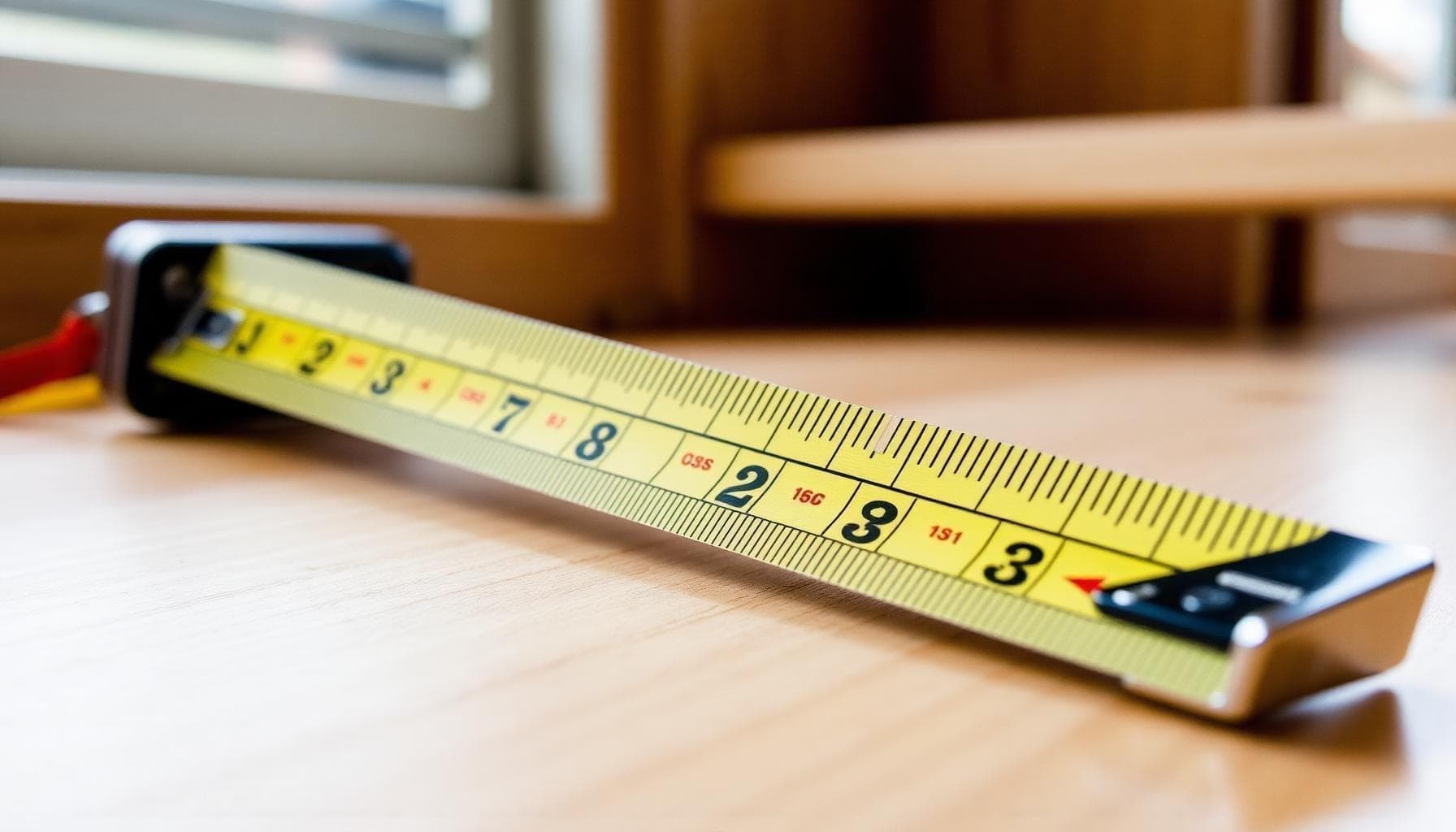
The markings on a tape measure represent inches, fractions of an inch, and metric units. On a dual-scale tape, you'll find both imperial and metric measurements — one on each edge. Every mark has a purpose, and once you see the pattern, reading them becomes second nature.
Inch Markings — Fractions Explained Simply
Each inch gets divided into progressively smaller sections. Here's how the fractional inch markings break down by line length:
The Half-Inch Mark
The half-inch mark is the second-tallest line on your tape. Easy to spot. It sits dead center between two numbered inch marks — a reliable anchor point for quickly reading measurements.
Quarter-Inch and Three-Quarter-Inch Marks
These are the next tallest. You'll find them at the one-quarter and three-quarter points between each inch. Essential for woodworking tools, framing tools, and any carpentry work requiring tight tolerances.
Eighth-Inch and Sixteenth-Inch Increments
The shortest marks represent ⅛-inch and 1/16-inch increments. These matter most for precision work — think cabinetry, trim work, or detailed DIY construction where every fraction counts.
Centimeter and Millimeter Markings
Flip your tape over (or look at the bottom edge), and you'll find the centimeter scale. Each centimeter divides into 10 millimeters on the millimeter scale. This side proves useful when working from product specs written in metric — especially for imported furniture or European building materials where measurement conversion is unavoidable.
One-Foot Increment Marks — Why They Matter
Many standard tape measures show one-foot increments in a different color or with a larger number. This saves you from constantly doing mental math. Instead of counting 36 inches, you can just read “3 feet” directly off the tape — a small detail that significantly speeds up every project.
Why Are Some Numbers Red on a Tape Measure?
Those red numbers — typically spaced 16 inches apart — indicate standard wall stud spacing. In most US homes, wall studs sit 16 inches apart. Knowing that makes hanging shelves, mounting TVs, and framing projects dramatically easier. It's one of those tape measure tips and tricks that every homeowner should memorize.
What Is the Diamond on a Tape Measure?
Truss Marks and Floor Joist Spacing Explained
The black diamond (or triangular shape) on a tape measure is called a truss mark. These appear every 19 3/16 inches and indicate optimal spacing for I-beam timbers and floor joists in engineered floor framing layouts.
You'll typically see five truss marks within every 8 feet of tape. Most homeowners never use them — but for contractors handling floor framing layout and floor joist spacing on job sites, these diamond markings are invaluable. They eliminate the need to calculate truss spacing each time manually.
How to Read a Tape Measure — Step by Step
Reading a tape measure gets intuitive fast once you understand the system. Here's a clear, practical breakdown — a genuine beginner's guide to tape measures that actually makes sense.
Reading Inch Fractions Like a Pro
Find the nearest large number — that's your whole inch. Then count the smaller marks between that number and your endpoint. Match the line height to the fraction table above. Done.
For example, if your measurement lands two short of the 5-inch mark, you're looking at 5 and 2/16 inches — which simplifies to 5⅛ inches. Understanding tape measure fractions like this is the core skill behind every accurate measurement you'll ever take.
Reading the Metric Scale
On the centimeter scale, each numbered line equals one centimeter. The smaller lines between them represent millimeters. A measurement landing three small lines past the 12 cm mark equals 12.3 cm. Simple once you see the pattern.
Imperial vs. Metric — Which Should You Use?
Use whichever system your project calls for—for example, if you're working from US-based building plans. Stick to the imperial system — inches and feet. Following instructions from a European manufacturer? Switch to the metric side. A good metric tape measure gives you both options without any measurement conversion math slowing you down.
Common Tape Measure Reading Mistakes to Avoid
- Ignoring the hook gap — the small hook at the end of the tape slides slightly. That's intentional — it adjusts for inside vs. outside measurements.
- Starting from the wrong place — if the hook obstructs your view, start at the 1-inch mark and subtract it at the end.
- Misreading fractions — when in doubt, count each line from the nearest inch mark
- Letting the tape sag — a sagging tape gives you a longer reading than the actual distance.
How to Use a Tape Measure Correctly
Knowing how to read a tape measure is half the battle. Using one properly — getting consistently accurate measurements every time — is the other half. Here's how to use a tape measure correctly, step by step.
How to Take a Basic Measurement
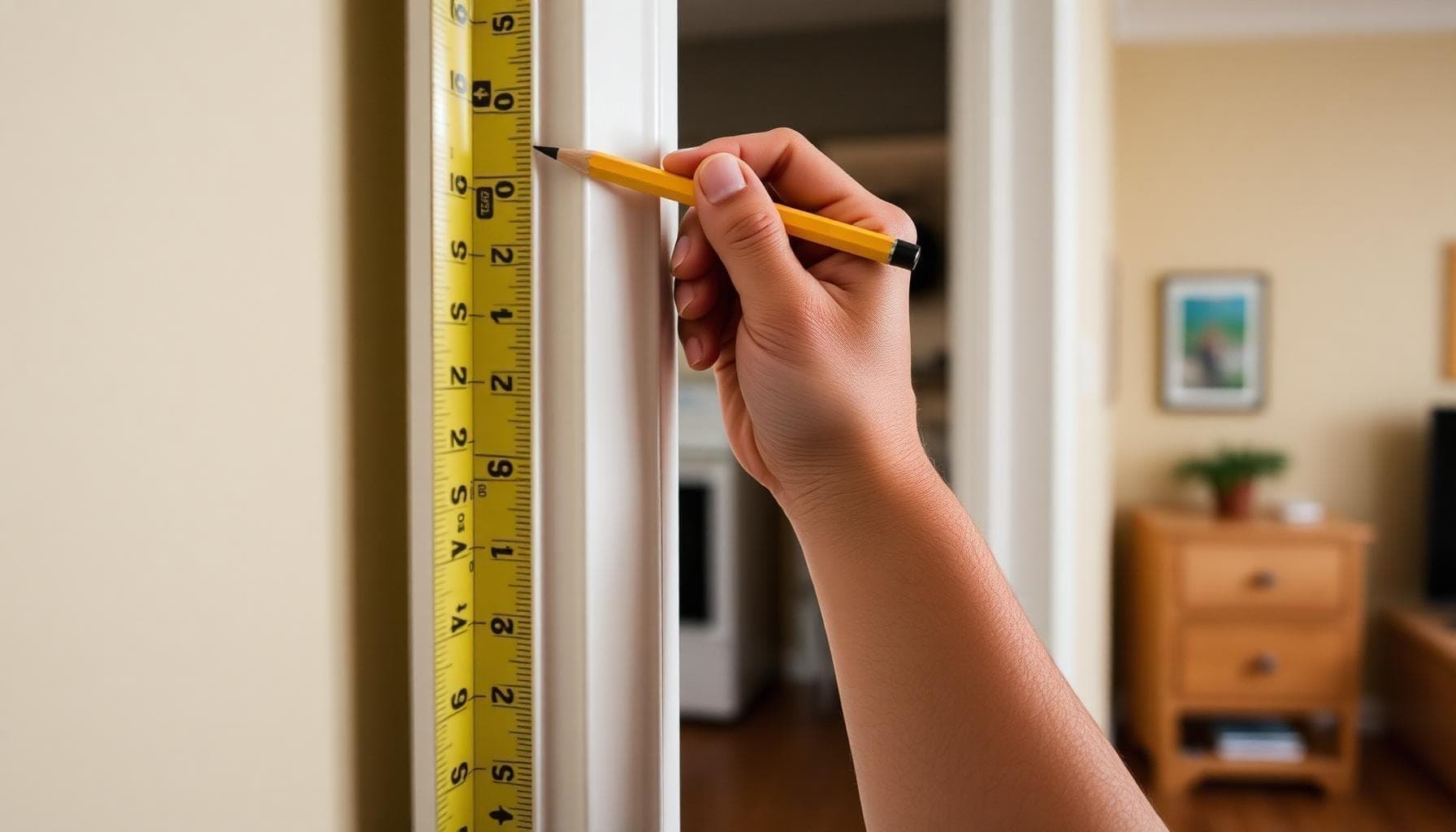
Hook the end of the tape onto one edge of the object. Pull the tape taut to the opposite end. Read the marking where the tape meets your endpoint. Write it down immediately — memory is unreliable on job sites and during busy home improvement projects.
How to Measure a Corner Accurately
This is a classic challenge in DIY construction and renovation. When the tape hits a corner, you can't stretch it straight. Instead, note the length of the tape measure case — usually printed on the side — and add it to your reading. For example, if your case is 3 inches and your tape reads 47 inches, your actual corner measurement is 50 inches. That corner measurement technique saves countless errors.
The Burn Inch Method — What It Is and When to Use It
Sometimes the hook at the tip of the tape is damaged or worn, making the first inch unreliable. The burn inch method solves this — start your measurement at the 1-inch mark and subtract that inch from your final reading. It's a small but game-changing trick for measuring accuracy, especially with older tools.
How to Measure Without a Second Person
Measuring alone is tricky — but very doable. Hook the tape onto a nail, use the locking mechanism to hold it in place, or press the hook against a corner while you extend the tape. A push-button lock or auto-lock tape measure makes solo measuring significantly easier and more reliable.
Tips for Getting Accurate Measurements Every Time
- Always pull the tape taut — a sagging tape gives a longer reading
- Keep the tape flat against the surface being measured
- Double-check critical measurements before cutting anything
- Use a locking tape measure to hold your reading while you mark
- Write measurements in the format you'll use them — don't convert in your head later
- For long measurements, have someone hold the hook end or anchor it securely
Choosing the Right Tape Measure for the Job
Not every tape measure suits every task. Here's a practical breakdown of the most common types and what each one does best.
Retractable Tape Measure — Best for General Use
The retractable tape measure is what most people picture. A spring-loaded metal blade retracts into compact housing at the push of a button. Durable, accurate, and available in lengths from 10 feet to 35 feet or longer. It's the go-to for home improvement, renovation tools, and construction work of all kinds.
Flexible and Cloth Tape Measure — Best for Body and Fabric
A cloth tape measure bends around curves — ideal for tailoring, sewing, and fitness tracking. Unlike a rigid blade, this flexible ruler won't work for framing a wall, but it's perfect for body measurements and garment construction.
Mini and Keychain Tape Measures — Best for On-the-Go
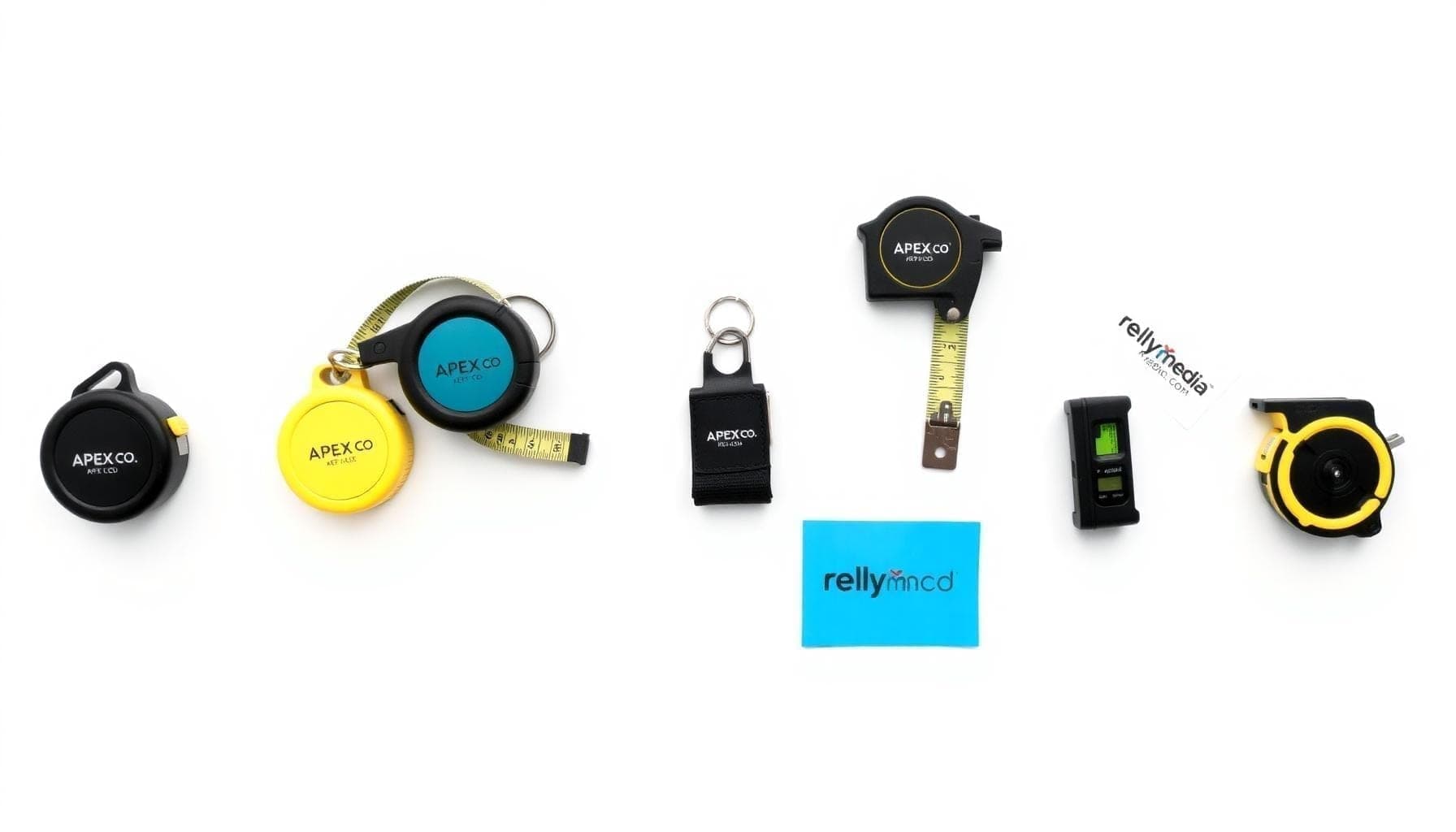
A mini measuring tape or keychain measuring tape fits in your pocket or clips to your keys. The key ring tape measure is especially popular as a trade show giveaway or open house handout — small enough to carry everywhere, useful enough to keep forever. Perfect for quick measurements while shopping for furniture or checking dimensions on the fly.
Auto-Lock and Push-Button Lock Tape Measures
An auto-retract tape with auto-lock holds the blade in place automatically when you stop pulling. A push-button lock requires manual engagement. Both solve the same core problem — keeping your measurement steady while you mark. The transparent retractable tape measure adds a visual twist, featuring a clear case with matching accent colors, making it a popular choice for branded merchandise.
Metric vs. Standard Tape Measure — Know the Difference
A standard tape measure uses inches and feet. A metric tape measure uses centimeters and millimeters. Most modern tapes include both scales, giving you flexibility regardless of the project's measurement system — no metric conversion needed.
Multi-Function Tape Measures with Built-In Level or Flashlight
Some unique tape measure designs go beyond measuring dimensions—a built-in level checks horizontal alignment. A tape measure with a flashlight illuminates tight, dark spaces. These multi-function tools reduce trips back to the toolbox — always a win on a busy renovation or job site.
Unique and Custom Tape Measures for Branding
Here's where practical meets promotional. A custom tape measure isn't just a tool — it's a branded item that lives in someone's toolbox, car, or kitchen drawer for years. As far as business marketing tools go, few promotional products deliver this level of long-term brand exposure.
Explore RELYmedia's Custom Tape Measures and Start Building Your Brand Today
Turn a functional tool into daily brand exposure — order custom promotional tape measures for your business.
Why Promotional Tape Measures Make Powerful Business Gifts
Unlike pens or notepads that get tossed, a branded measuring tape is a functional giveaway with serious staying power. Every time someone uses it — measuring a room, checking furniture dimensions, or working on a home improvement project — your logo is right there. That's mobile advertising with a tangible, daily impact.
Most promotional measuring tools cost well under a dollar each at volume, making them one of the most affordable yet high-utility merchandise options in any marketing accessories budget. For businesses looking at affordable promotional products with genuine ROI, bulk tape measure orders are a smart play.
Who Uses Branded Tape Measures?
Contractors and Construction Companies
A company logo tape measure handed to a homeowner after a project is a subtle but effective referral tool. Every neighbor who asks about the renovation might pick up that tape — and see your number. It's low-cost promotional gifting that pays for itself.
Realtors and Interior Designers
Realtor marketing products don't get more practical than a branded tape measure. Buyers touring homes are already thinking about furniture placement and room dimensions — hand them the tool they need right then. Branded closing gifts and open house giveaways like these leave a lasting impression.
Fitness Centers and Health Coaches
A body-measurement tape with your gym's logo reinforces your brand every time a member checks their progress. It's a personalized business gift that keeps delivering value — and your brand visibility — long after it's handed out.
Trade Shows, Open Houses, and Corporate Events
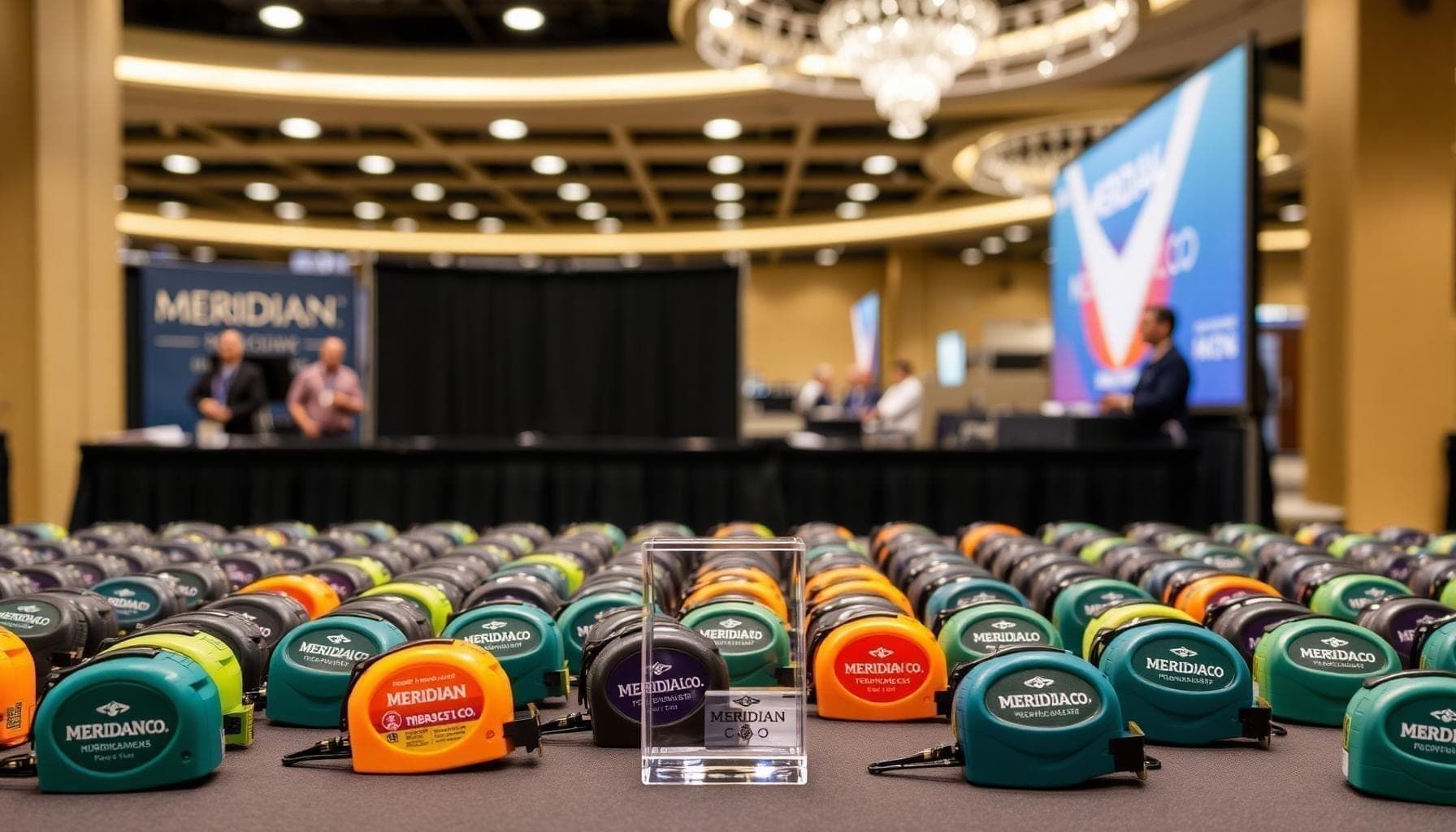
Event swag and trade show giveaways need to stand out in a sea of forgettable handouts. A compact keychain tape measure with a full-color imprint or a one-color imprint is memorable, useful, and easy to carry. Far better than another branded pen sitting in a drawer. These make excellent conference giveaways, event handouts, and advertising specialties that people actually keep.
Custom Logo Options — Full-Color vs. One-Color Imprint
Most printed tape measures and engraved tape measure options offer flexibility in logo printing. A full-color imprint lets you showcase your brand identity in full. A one-color imprint costs less and still looks sharp — great for bulk tape measure orders on a tighter budget. Either way, logo imprint products like these deliver consistent brand recognition across every industry.
Personalized Tape Measures as Corporate Gifts and Giveaways
Personalized measuring tapes make beautiful customer appreciation gifts, corporate gifts, and business giveaways. They're universally useful, gender-neutral, and appropriate for virtually any client type. Whether you're buying custom tape measures for a real estate closing, a fitness studio launch, or a contractor giveaway, the impact speaks for itself. With RELYmedia's range of customized tape measures and company logo merchandise, you'll find the perfect style for your brand and budget.
Tape Measure Tips, Tricks, and Care
How to Extend the Life of Your Tape Measure
- Wipe the blade clean after use — dirt and debris wear down the tape measure markings over time.
- Don't let the blade snap back hard — it damages the hook and the retractable blade.
- Store it somewhere dry to prevent rust on metal tape measures
- Avoid stepping on the tape or bending it sharply at tight angles
- Keep it away from water and extreme heat — both degrade the durable plastic housing faster
Safe Use of Retractable Metal Tape Measures
⚠️A metal retractable blade can snap back fast. Always control the retraction speed with your thumb — never let it fly back freely. The edge of a metal tape is surprisingly sharp. Treat it with the same respect you'd give a utility knife. This is especially important for children nearby on home improvement projects.
When to Replace a Worn or Damaged Tape Measure
Replace your tape measure when the hook is bent or loose, when the tape ruler markings have worn away in critical areas, or when the blade has developed kinks that prevent accurate readings. An inaccurate measuring tool gives you false confidence in wrong numbers — and that's more dangerous than having no tool at all.
Ready to print your team's name on premium apparel?
Fill in your details and a RELYmedia specialist will come back to you with a custom quote — fast turnaround, no obligation.
- ⚡Same-day response on business days
- 🎨Free design assistance included
- 🚚Rush order & fast delivery available
- 💰Price beat guarantee on every order
The Right Tape Measure Makes All the Difference
Whether you're reading sixteenth-inch increments on a framing job or tracking a client's measurements at your fitness studio, the right tape measure — and knowing exactly how to use it — matters enormously. Accuracy builds confidence. Confidence builds better projects. And better projects build better reputations.
If you're a business looking to put your brand in someone's hands every single day, a custom promotional tape measure from RELYmedia is one of the smartest investments you can make. From pocket-size measuring tapes and keychain styles to multi-function retractable tape measures with flashlights and levels, RELYmedia offers a wide range of personalized measuring tools — with fast turnaround, low-cost pricing on bulk orders, and industry-leading customer service trusted by businesses across the US.
Don't settle for forgettable giveaways. Give your clients something they'll use every week.
Buy Custom Tape Measures from RELYmedia — Request Your Quote Today
Fast turnaround, low-cost bulk pricing, and industry-leading customer service trusted by businesses across the US.
Frequently Asked Questions About Tape Measures
How do I read tape measure fractions?
Find your nearest whole inch, then count the small lines to your measurement point. Match the line height to the fraction it represents using the table in this guide.
What does the black diamond mean on a tape measure?
It's a truss mark — indicating 19 3/16-inch spacing for engineered floor joist layouts and I-beam timber framing in construction.
Why are certain numbers red on a measuring tape?
Red numbers mark 16-inch intervals — the standard wall stud spacing in most US homes. Helpful for framing and wall-mounting projects.
What's the difference between a standard and metric tape measure?
Standard uses inches and feet. Metric uses centimeters and millimeters. Most modern tapes include both scales on opposite edges.
How do I measure a corner with a tape measure?
Add the length of the tape measure case to your reading. The case length is usually printed on the housing itself.
What is the best tape measure for home use?
A 25-foot retractable tape measure with both metric and standard scales, a push-button lock, and durable construction covers 90% of home improvement and DIY needs.
How does a tape measure work?
A spring inside the housing keeps tension on the retractable blade. When you pull the tape out, the spring coils tighter. Release the lock, and it snaps back — controlled by the spring's stored energy.
Our Customer Feedback


Mike Larson
 (5)
(5)Unbelievable Turn-around
We are stunned with how quickly we received our order. It turned out perfect, and all of our interactions with staff have been fantastic. Thank you so much!
Jana
(5)Great customer service and on-time delivery with product as advertised!
The product arrived exactly as advertised and on time. This company was very easy to work with, and the price was great!
Sarah
(5)Quick Turn-Around and Immediate Communisaton
I've ordered a couple times from RELY. My initial order was not time sensitive so we had time to get it correct. We went back and forth with proofs until I felt comfortable. When I had a question, the sales team was very responsive. When it came to my re-order, I needed it fast. They responded and got it to me right on time.
Rob
(5)Fabulous experience, great suggestions from the staff!
The sales staff had great suggestions and were very helpful in the process to, in the end, get exactly what was necessary for our use!
Emily
(5)Great service!
Everything went well as anticipated, and as planned. Service was superb & shipment was expedited in a speedy fashion! Thank you for your service!
Freddy
(5)Thumbdrives
2nd time I have ordered from these guys and they have a good product for the price. The delivery time was as said with no troubles. Would recommend and will be reordering again.
Patty
(5)This is a top notch company. Awesome as what they do. Highly recommend.
If you are looking for a company that says what they do and then do what they say - RELYmedia is for you!!! We have done a couple critical orders with RELYmedia and they were ahead of schedule and the items were perfect. We will be utilizing their talents again!!!
Blanca
(5)Very responsive,
All my inquiries were handled in a very timely fashion. My contact was courteous and helpful. Items ordered were received very quickly. Thanks for the superior service!
Andrew
(5)Overall great experience.
They are friendly and knowledgeable. They are well priced, and ship fast.
Trusted By