Custom Polo Shirts: Slim Fit, Golf Polos and Logo Decoration Guide
July 29, 2026 · 8 min read
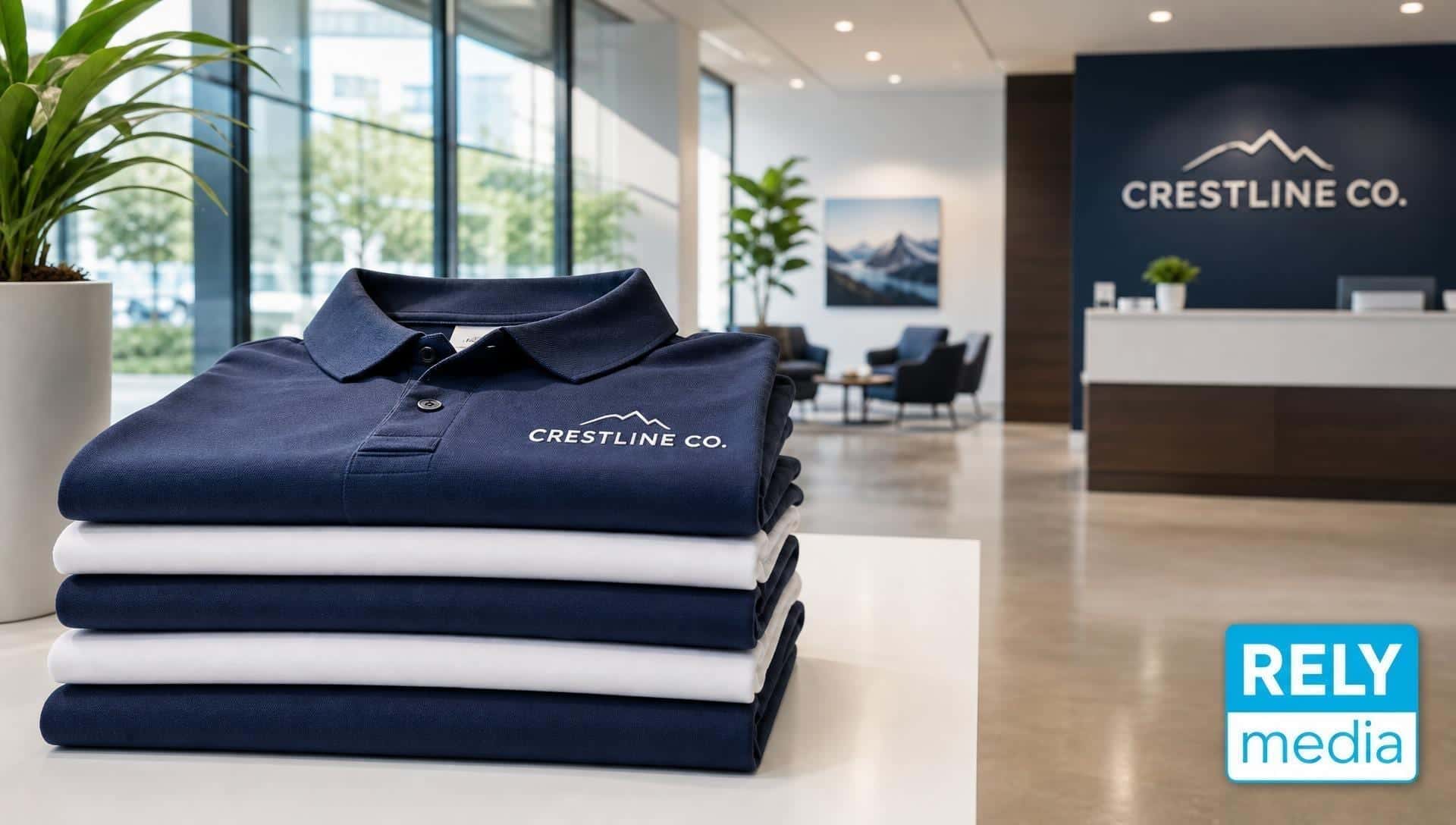
A polo is the most flexible piece of company apparel there is. The same shirt works behind a hotel desk, at a trade show booth and on a golf course, and it carries an embroidered logo better than almost any other garment.
This guide covers the decisions that change how a logo polo looks and lasts: fit (slim, classic or relaxed), fabric (cotton piqué, blends or performance polyester), decoration method and placement, and what makes a golf polo different from an office polo.
By the RELYmedia editorial team · Updated November 2, 2026
Choosing the Right Fit: Slim, Classic or Relaxed

Two polos with the same logo and fabric can look completely different depending on the cut. The size label is not enough: compare the chest width on the spec sheet.
| Fit | How it is cut | Best for |
|---|---|---|
| Slim (tailored) | Tapered through chest and waist, shorter sleeves | Client-facing staff, sales teams, younger crews |
| Classic (standard) | Straight body with room through the shoulders | Mixed-size teams, office and hospitality uniforms |
| Relaxed | Extra room in chest and body | Outdoor events, long shifts, layering |
| Women’s cut | Shaped body, shorter length, often a 4- or 5-button or open placket | Teams where a unisex cut fits poorly |
How to Read a Polo Spec Sheet
Manufacturers publish garment measurements for each size. For example, the Sport-Tek ST550 spec sheet lists a size medium at 21.5 inches across the chest (measured flat, one inch below the armhole) and 30 inches long at the front, and a large at 23 inches and 31 inches. Double the chest width and add a couple of inches of ease to compare with a body chest measurement. A slim-fit style will measure noticeably narrower at the same size.
- Order a size sample of each style before a large team order.
- Check whether the style is offered in women’s, tall, extended and youth sizes so the whole team matches.
- Untucked teams look better in a drop-tail hem (longer at the back) with side vents; tucked uniforms work with either.
Polo Fabrics: Piqué, Jersey, Blends and Performance
| Fabric | Feel and look | Decoration notes |
|---|---|---|
| Cotton piqué | Textured, waffle-like knit, classic look | Holds embroidery well; can shrink if dried hot |
| Poly-cotton piqué blend | Piqué texture with better shrink and wrinkle resistance | Most common corporate choice; embroiders cleanly |
| Jersey knit | Smooth and soft, more casual | Good for embroidery and print |
| Performance polyester | Light, moisture-wicking, quick-drying | Embroider with backing to avoid puckering; heat-sensitive for prints |
| Recycled polyester or organic cotton | Same properties as their standard versions | Same decoration rules as the base fiber |
Two widely used examples: Port Authority’s K500 Silk Touch polo is a 5-ounce, 65/35 poly/cotton piqué with a flat knit collar and a 3-button placket, a common office and hospitality pick. The Sport-Tek ST550 is a 3.8-ounce, 100% polyester interlock with a flat knit collar and taped neck, a lighter performance option for outdoor staff and events. Weight in ounces per square yard is the quickest way to compare how substantial two polos feel.
Decoration Methods: Embroidery, Printing and What Works Best

Embroidery is the default for polos. It looks dressier than print, survives frequent washing, and suits the textured piqué surface. Before stitching, the logo is digitized (converted into a stitch file). Very fine text and thin lines may need simplifying to stitch cleanly at left-chest size.
| Method | Best for | Watch out for |
|---|---|---|
| Embroidery | Logos and names on any polo fabric | Small text and gradients do not stitch well |
| Screen printing | Bold one- to three-color logos on larger runs | Piqué texture can show through the ink |
| Heat transfer / DTF | Full-color logos, small runs, names | Use transfers rated for polyester on performance polos |
| Direct-to-garment (DTG) | Photographic art on cotton-rich polos | Weak on 100% polyester performance fabric |
| Sublimation | All-over print polos | Only works on white or light 100% polyester |
Logo Placement
- Left chest: the standard corporate placement, commonly about 3 to 4 inches wide.
- Right chest: an employee name or a second logo opposite the left-chest logo.
- Sleeve: sponsor or secondary logos, popular on tournament polos.
- Upper back: high visibility for event and team polos.
- Back of neck: a small secondary mark.
Custom Logo Golf Shirts for Courses, Clubs and Tournaments

What Sets a Golf Shirt Apart
A golf polo is built for movement and heat: usually performance polyester or a poly-spandex blend with stretch for the swing, moisture-wicking fabric, a longer drop-tail hem that stays tucked, and side vents. Many have a self-fabric or flat-knit collar that lies flat in the wind, and some carry a UPF sun-protection rating. Office polos, by contrast, are more often piqué with a ribbed collar.
Tournament and Corporate Golf Polos

- Charity tournaments often put the event logo on the left chest and sponsor logos on the sleeve.
- Choose a color that photographs well outdoors and suits mixed teams; navy, white and heathered gray are safe.
- Order early enough to allow for a proof and a size exchange, since players rarely know their size in a performance cut.
Who Needs Custom Polo Shirts?
| Use | Typical choice |
|---|---|
| Office and sales teams | Poly-cotton piqué, classic or slim fit, left-chest embroidery |
| Hospitality and retail | Easy-care blend, name on the right chest |
| Trade shows and events | Bright color, back or sleeve logo for visibility |
| Golf outings and clubs | Performance polyester with stretch, sleeve sponsor logos |
| Outdoor crews | Moisture-wicking polyester, relaxed fit |
How to Order Custom Polo Shirts
- 1Pick the style: fit, fabric and color, plus women’s or extended sizes if needed.
- 2Collect sizes: use the style’s spec sheet, not a generic size chart.
- 3Send the logo: vector artwork (.AI, .EPS or .PDF) gives the cleanest embroidery; include Pantone colors if you have them.
- 4Approve the proof: check logo size, placement and thread colors on the actual shirt color.
Browse custom polo shirts by style, or compare blank brands in our guide to the best brands for company apparel.
Outfitting a team or tournament?
Send the style, colors, quantity and logo through the quote form below.
Care Tips to Protect Your Branded Polos
- Wash cold, inside out, to protect embroidery and prints.
- Tumble dry low or hang dry; high heat shrinks cotton-rich polos.
- Skip fabric softener on performance polos; it reduces wicking.
- Do not iron directly over embroidery or prints; use a pressing cloth.
Ready to put your logo on custom polo shirts?
Fill in your details and a RELYmedia specialist will come back to you with a custom quote. Fast turnaround, no obligation.
- ⚡Same-day response on business days
- 🎨Free design assistance included
- 🚚Rush order & fast delivery available
- 💰Price beat guarantee on every order
Shop custom polo shirts
See all custom polo shirts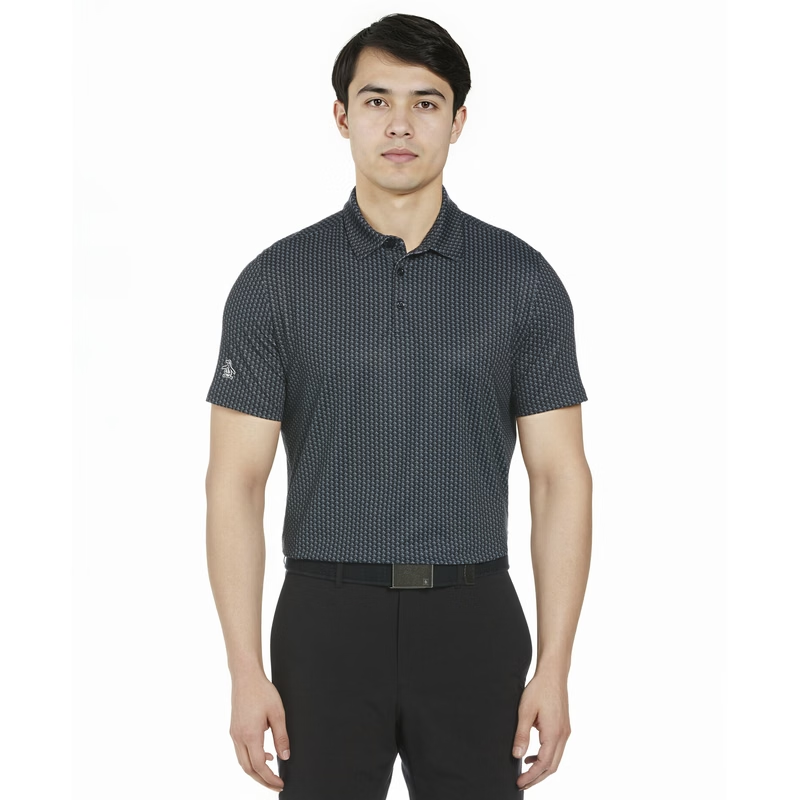
Allover Pete Print Golf Polo Shirt
$28.00
View product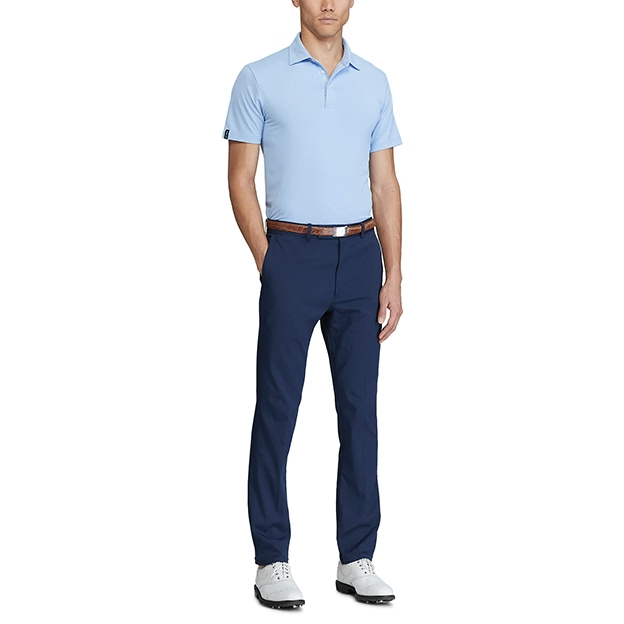
Active Fit Golf Polo Shirt
$95.32
View product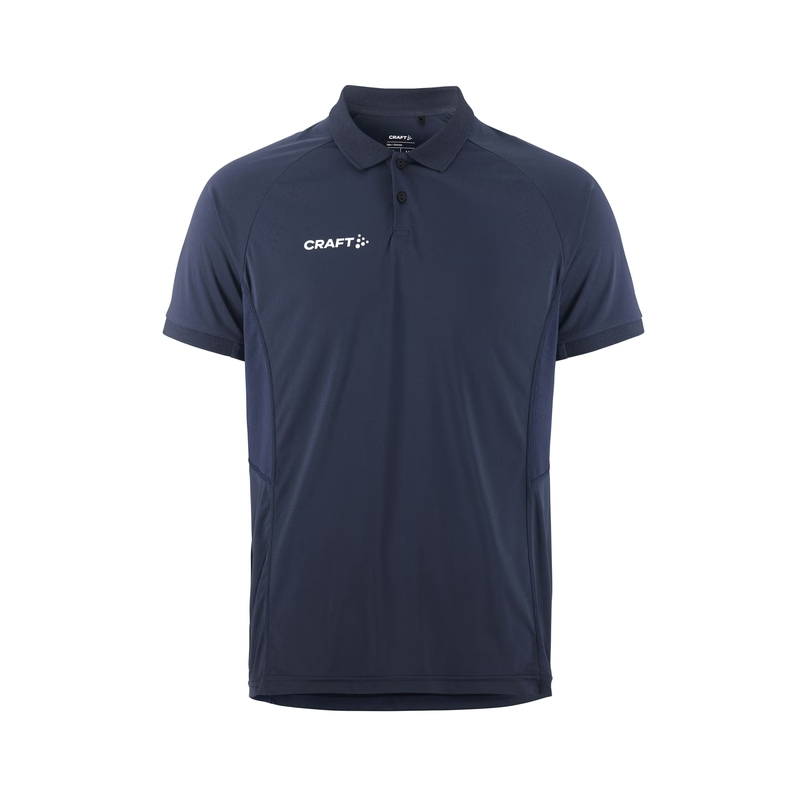
ABILITY POLO M
$36.00
View product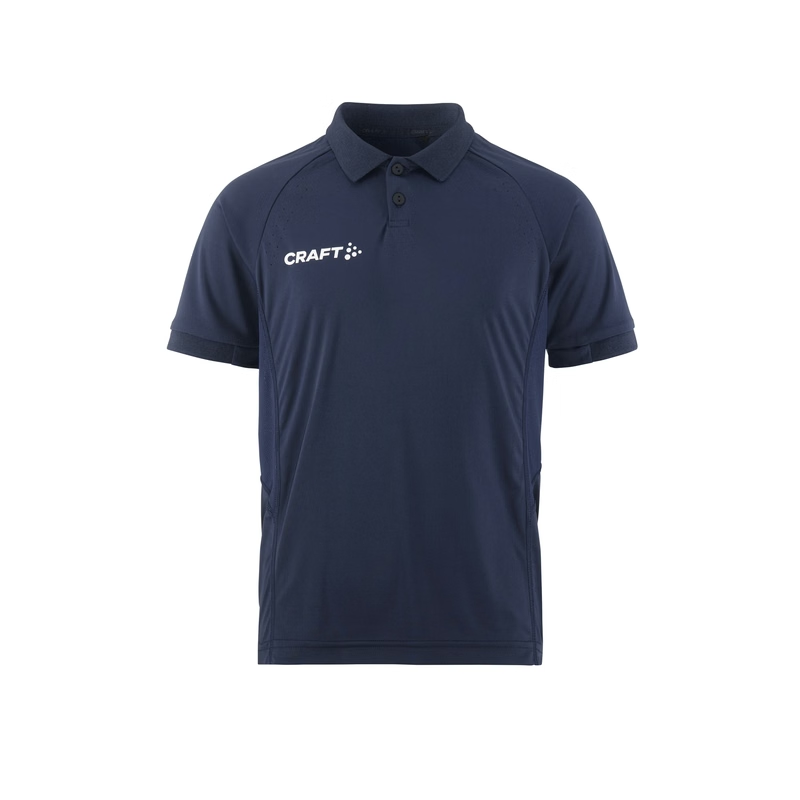
ABILITY POLO JR
$32.00
View product
A4 Classic Jersey Polo
$9.18
View product
ABILITY POLO W
$36.00
View product
Advertising Polo Shirt with Overturned Collar
$5.20 - $5.45
View product
adult polyester short sleeve sublimation shirt polo shirts
$5.53 - $6.01
View product
Frequently asked questions
What is the difference between a slim-fit and a classic-fit polo?
A slim-fit polo is tapered through the chest and waist and often has shorter sleeves, so it measures narrower at the same size. A classic fit has a straight body with more room through the shoulders. For mixed teams, classic is the safer choice; slim suits client-facing staff who want a sharper look.
Is piqué or performance fabric better for a logo polo?
Piqué (cotton or a poly-cotton blend) has the classic textured look and is the usual choice for offices and hospitality. Performance polyester is lighter, wicks moisture and dries fast, which suits outdoor staff, events and golf. Both take embroidery; performance fabric needs stabilizer backing so thin knits do not pucker.
Can you screen print on a polo shirt?
Yes, but the piqué texture can show through the ink, and printed polos look more casual than embroidered ones. Screen printing works best for bold, simple logos on larger runs. For full-color logos on polyester polos, a heat transfer or DTF print made for polyester is usually the better option.
What file format do I need for an embroidered polo logo?
Vector artwork such as .AI, .EPS or a vector .PDF gives the cleanest result, because it is converted (digitized) into a stitch file. Include Pantone colors if you have them so thread colors can be matched. Very small text or fine lines may need simplifying to stitch cleanly at left-chest size.
Where should sponsor logos go on a tournament golf polo?
The event or club logo usually takes the left chest, and sponsor logos go on the sleeve, the right chest or the upper back. Keep sleeve logos small and simple so they stay readable when embroidered.
Shop this
Need custom polo shirts? We print them.
Bulk pricing, three free mockups, real quotes back the same business day.