Custom Western Shirts: Piping, Yokes, and Specialty Designs Explained
July 29, 2026 · 8 min read
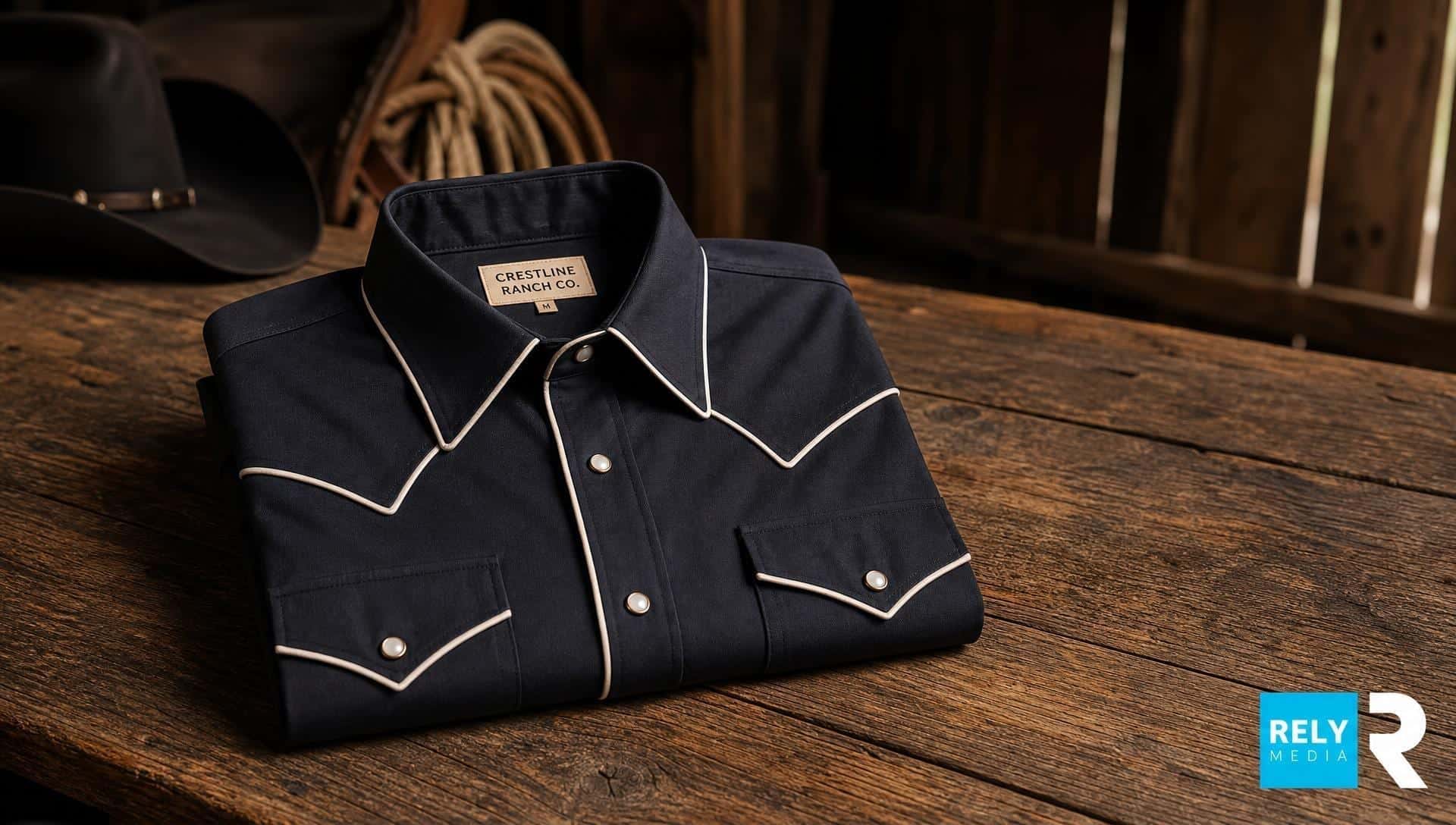
A western shirt is recognizable from across a room: a shaped yoke over the shoulders, pearl snaps down the front, and often a line of contrast piping tracing the seams. Those details are what separate it from an ordinary button-down.
This guide explains each element (piping, yokes, snaps, cuffs, pockets, collars and embroidery), where the style came from, and what to think about when you put a team, ranch or company logo on western shirts.
By the RELYmedia editorial team · Updated November 2, 2026
Where the Western Shirt Came From
The decorated western shirt took shape in the 1940s and 1950s, when singing cowboys such as Gene Autry and Roy Rogers wore dress shirts with piping, embroidered roses and contrasting yokes on screen, as the history of western wear records. Rodeo tailors such as Nudie Cohn pushed the look further with embroidery and rhinestones, the style behind the phrase “rhinestone cowboy.”
The snaps have a specific origin. According to Rockmount Ranch Wear, Jack A. Weil founded the company in Denver in 1946 on a design with sawtooth pockets and diamond pearl snaps. He had watched bull riders tear their shirts on horns and reasoned that a snap front would pop open instead of ripping. The New York Times later credited him with the first western shirt with snaps.
What Is Western Shirt Piping?

Piping is a narrow fabric-covered cord sewn into a seam so it shows as a raised line. On a western shirt it usually outlines the yokes and sometimes the collar, cuffs, placket and pocket edges. Because it sits on the structural lines of the shirt, it makes the silhouette read clearly from a distance.
Popular Piping Color Combinations
| Piping Color | Base Shirt Color | Effect |
|---|---|---|
| White | Black | Classic, high contrast |
| Red | Cream or ivory | Bold, festive, rodeo look |
| Black | Denim | Rugged and versatile |
| Candy-cane (red and white twist) | White or red | Retro western |
| Tonal | Same color family | Subtle, dressy |
| Matched to logo or embroidery | Any | Ties the shirt to your brand colors |
Where Piping Goes
- Yokes: the most common and most visible placement, framing the front and back shoulder panels.
- Collar and placket: a vertical line of detail down the center front.
- Cuffs: echoes the yoke at the wrist.
- Pockets: piped “smile” pockets follow a curved opening, a vintage hallmark.
Western Shirt Yokes

The yoke is the shaped panel across the shoulders, front and back. Its outline sets the character of the shirt, and on dress shirts it is often cut from a contrasting fabric or embroidered.
- Pointed (single point): the classic, works on any fabric.
- Three-point or V back yoke: bolder, common on show and performance shirts.
- Scalloped: curved, vintage look, popular for western weddings.
- Curved: softer and more modern.
- Sawtooth: zigzag edge with a rockabilly feel.
- Contrast or two-tone: yoke fabric differs from the body for depth.
Pearl Snaps, Cuffs, Pockets and Collars
Pearl snaps are the signature closure. The caps may be real shell or pearl-look plastic, and they come in white, colored and diamond-shaped versions. Snaps also appear on cuffs and pocket flaps, which is where much of a shirt’s character shows.
Western Cuff Styles
- Shotgun cuffs: long, close-fitting cuffs with a row of snaps, a rodeo and show look.
- Multi-snap rodeo cuffs: shorter than shotgun cuffs but still snap-heavy.
- Barrel cuffs: standard cuffs, cleaner and more versatile for work and everyday wear.
- Contrast or piped cuffs: repeat the yoke fabric or piping at the wrist.
Pockets and Collars
Smile pockets (a curved slit, often piped or finished with embroidered arrows) are the vintage choice. Sawtooth flap pockets, the Rockmount signature, have a zigzag flap. Plain snap-flap pockets are the practical work-shirt option. The pointed collar is traditional, and a spread collar looks more contemporary.
Western Embroidery and Logo Placement
Classic western embroidery uses roses and florals, scrollwork, stars, longhorns, horseshoes, arrows and ranch brands. Chain-stitch embroidery, the looped stitch seen on vintage show shirts, gives a raised, hand-drawn line, while standard machine embroidery is what most logo work uses.
| Placement | Best For |
|---|---|
| Left chest | Company or ranch logo, the standard spot |
| Front yoke | Small logo or monogram above the pocket line |
| Back yoke | Name, team or sponsor text across the shoulders |
| Full back | Large motifs on show and performance shirts |
| Sleeve or cuff | Secondary logo, flag or sponsor mark |
| Collar | Small monogram or detail |
Two practical points for logo shirts. Keep embroidery clear of the yoke seam and the piping, because stitching across a seam or cord distorts the design. And match thread to the shirt rather than the piping only when you want the logo to stay quiet; a thread color pulled from the piping makes the logo look planned as part of the shirt.
Specialty Details and Fabric Choices

Show and stage shirts add rhinestones, fringe, rickrack trim, appliqué and color-blocked panels. Work and team shirts usually skip these and rely on fabric, snaps and an embroidered logo.
| Fabric | Character | Typical use |
|---|---|---|
| Denim | Rugged, durable | Ranch and work shirts |
| Chambray | Lightweight, breathable | Summer events, outdoor work |
| Gabardine | Smooth, tailored drape | Show rings, dress western shirts |
| Cotton poplin or twill | Versatile | Everyday and staff shirts |
| Satin | Lustrous | Stage and wedding shirts |
| Poly-cotton blends | Wrinkle-resistant | Travel and work uniforms |
Who Orders Custom Western Shirts

- Rodeo and equestrian: barrel racing, ranch riding and western pleasure show shirts.
- Weddings: matching shirts for grooms and groomsmen.
- Ranches and farms: staff shirts with the ranch brand.
- Music and entertainment: bands, venues and stage crews.
- Companies and teams: matching shirts with a logo for events and sponsors.
Ready-Made Shirts vs. Fully Custom Construction
For most groups, the practical route is a ready-made western shirt that already has the yoke, snaps and pockets you want, decorated with your embroidered logo. Fully custom construction, where the piping color, yoke shape and fabric are chosen for you and the shirt is cut and sewn to order, is a specialist tailoring job with its own minimums and longer lead times.
- Choose the base shirt: fabric, color, snap style and fit.
- Decide on logo placement (chest, yoke or back) and size.
- Approve a digital proof of the embroidery before production.
To check which western styles are available for your logo, send the details through the quote form below, or browse custom button-up shirts.
Outfitting a team, ranch or wedding party?
Send the style, colors, quantity and logo, and review a proof before production.
Ready to put your logo on custom western shirts?
Fill in your details and a RELYmedia specialist will come back to you with a custom quote. Fast turnaround, no obligation.
- ⚡Same-day response on business days
- 🎨Free design assistance included
- 🚚Rush order & fast delivery available
- 💰Price beat guarantee on every order
Shop custom uniforms and workwear
See all uniforms & workwear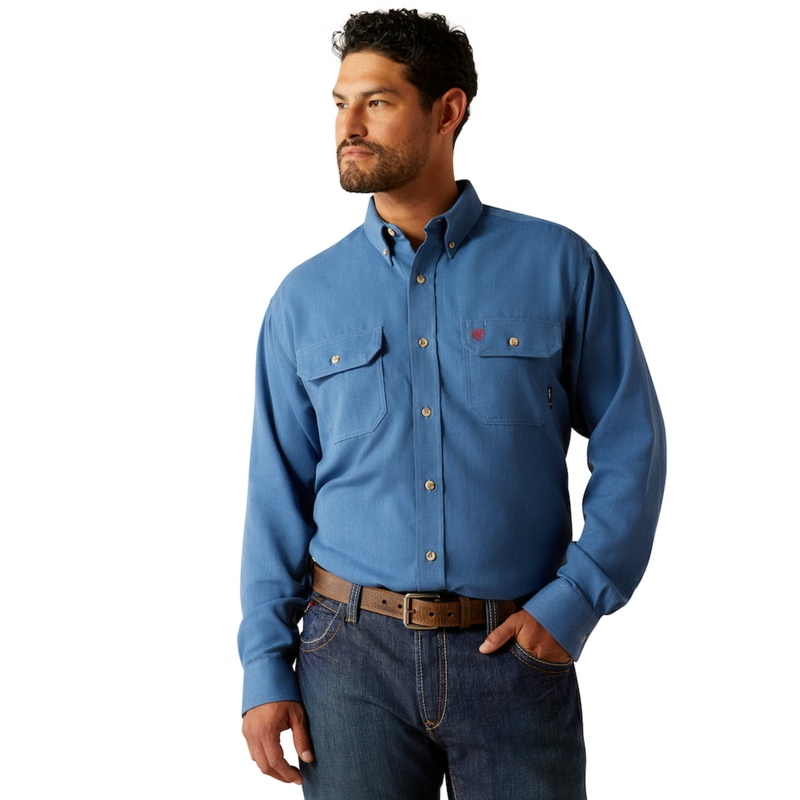
Ariat FR Air Inherent Work Shirt
$130.93
View product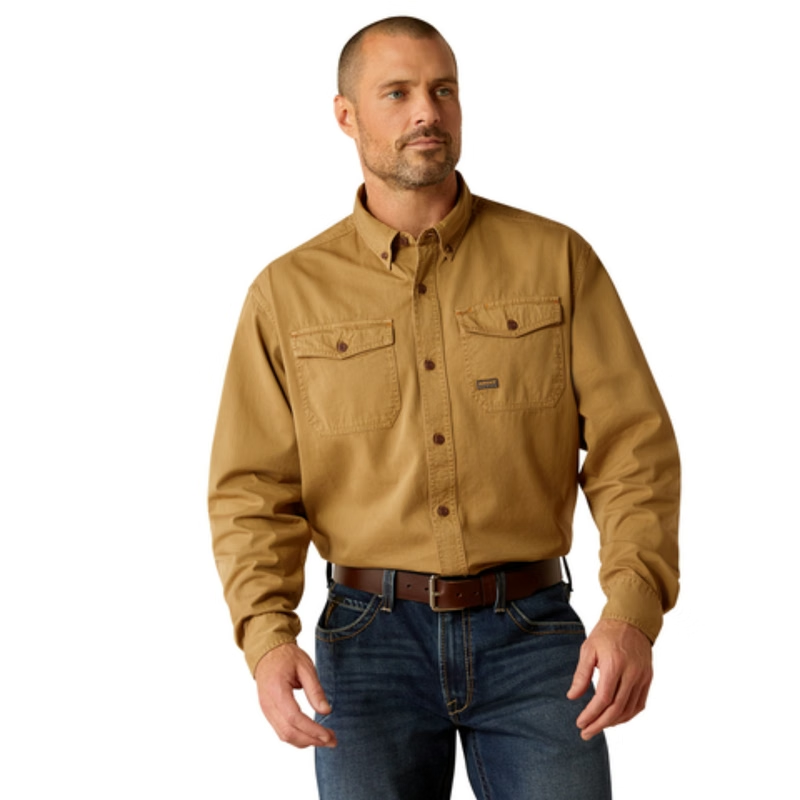
Ariat Rebar Washed Twill Work Shirt
$48.61
View product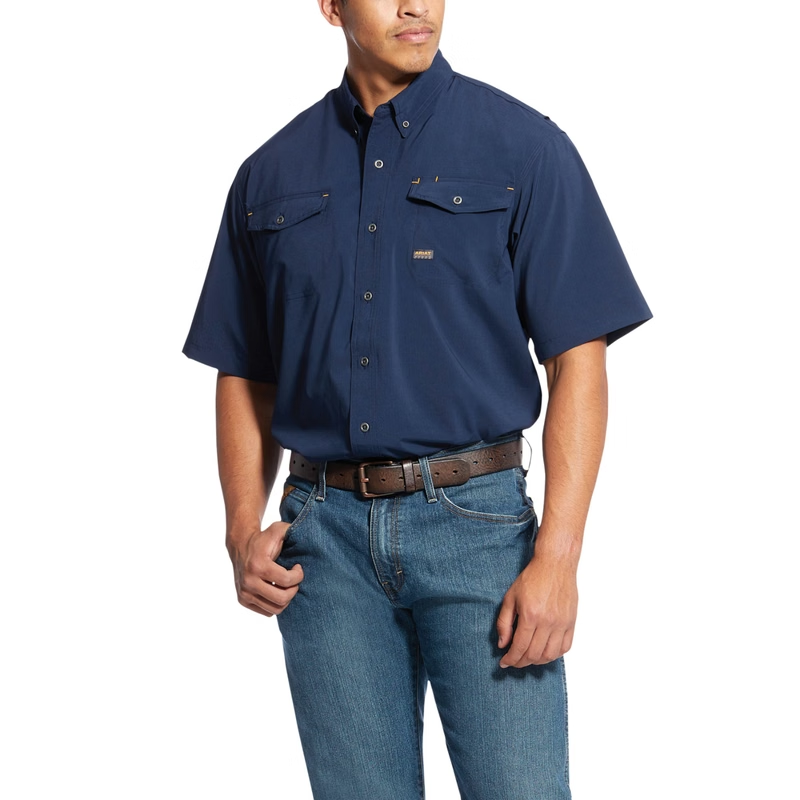
Ariat Rebar Made Tough VentTEK DuraStretch Work Shirt
$48.61
View product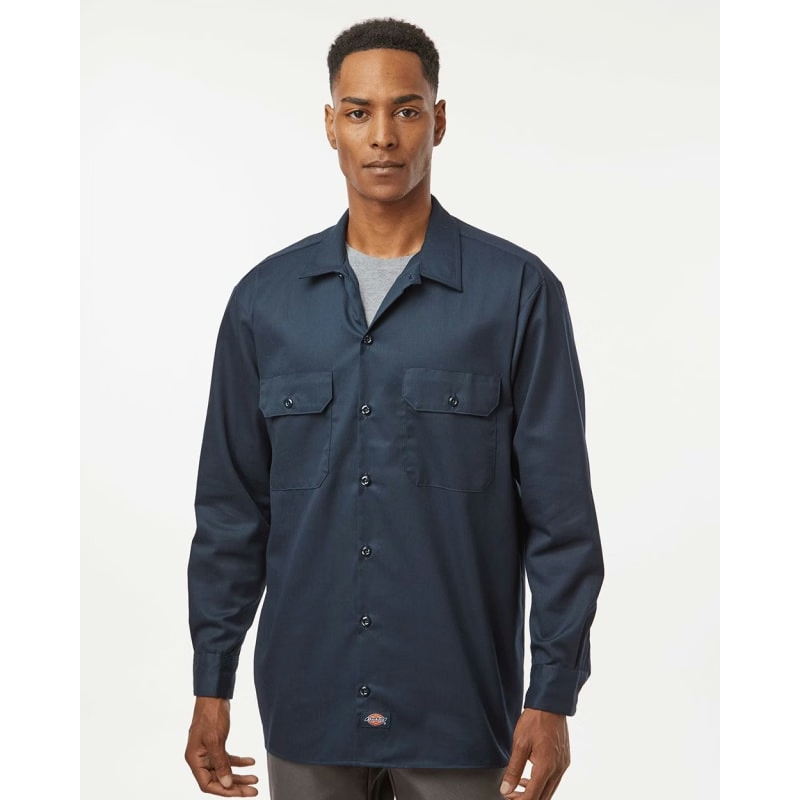
Dickies Men's Long Sleeve Work Shirt - 5574
$60.58 - $62.58
View product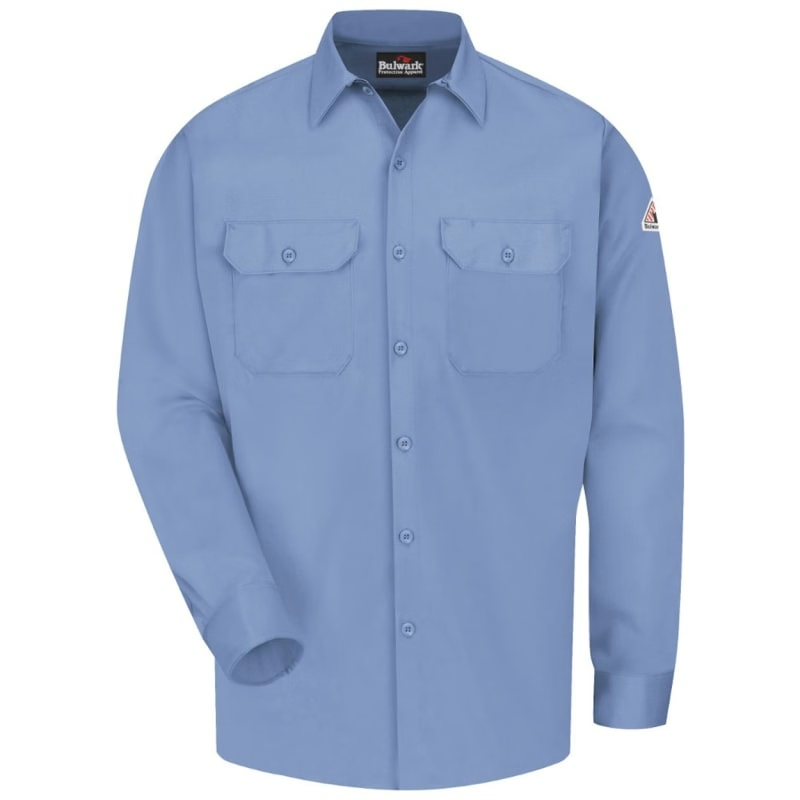
Bulwark Men's Work Shirt - EXCEL FR® ComforTouch - SLW2
$145.34 - $147.34
View product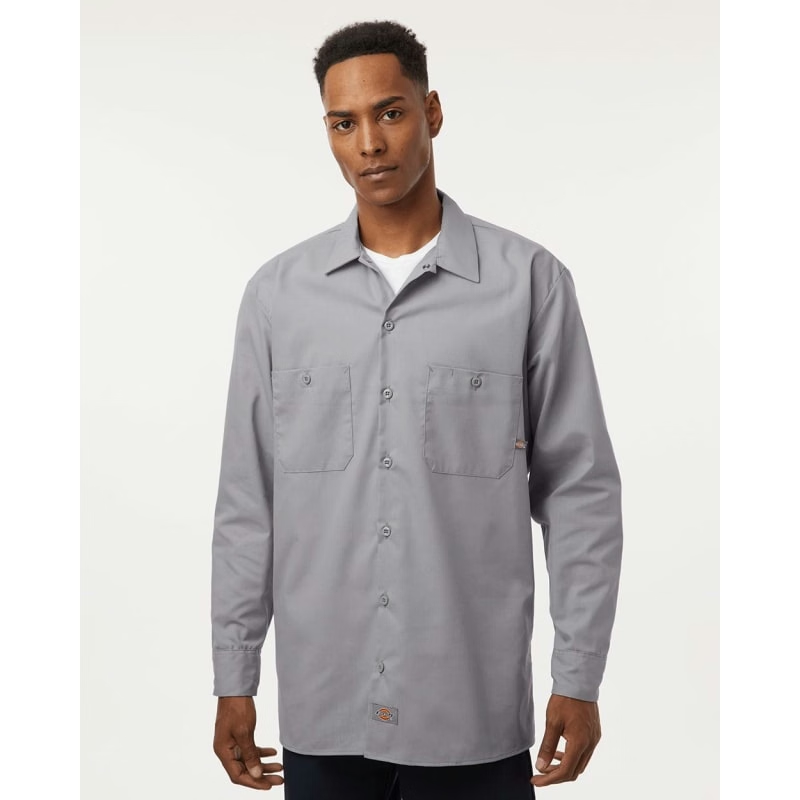
Dickies Men's Tall Industrial Long Sleeve Work Shirt - L535T
$45.50 - $47.50
View product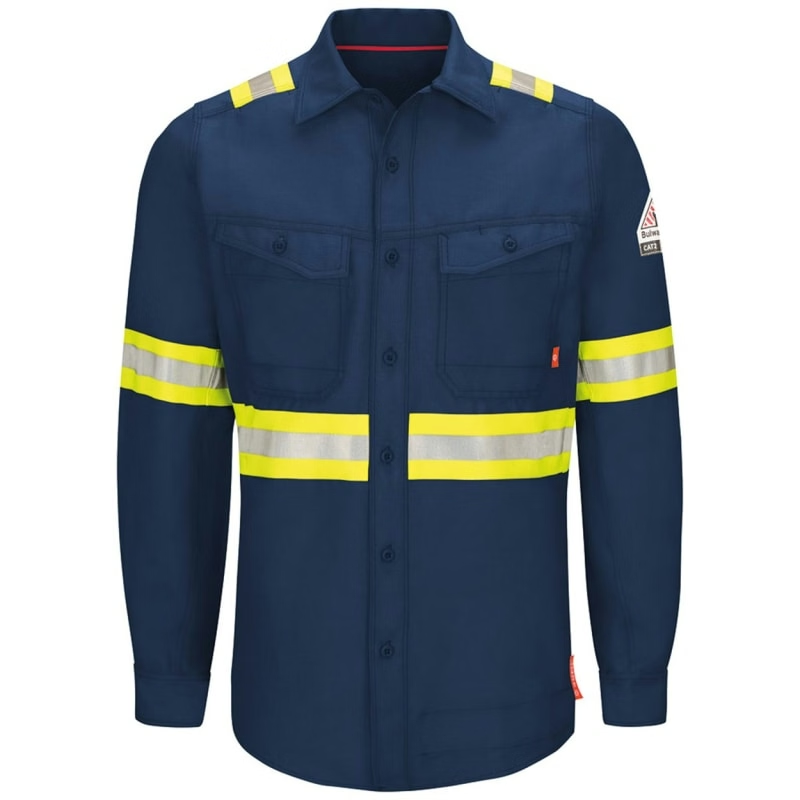
Bulwark Men's Tall IQ Series® Endurance Enhanced-Vis Work Shirt - QS40ET
$200.95 - $202.95
View product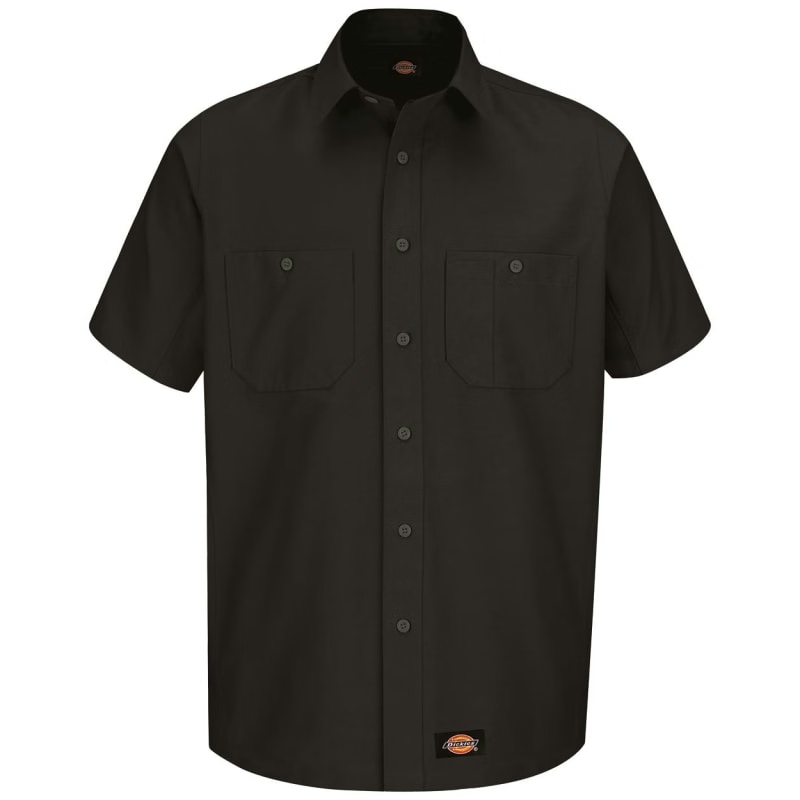
Dickies Men's Short Sleeve Work Shirt - WS20
$73.47 - $75.47
View product
Frequently asked questions
Why do western shirts have snaps instead of buttons?
Rockmount founder Jack A. Weil said he added snaps after watching bull riders tear their shirts on horns: a snap front pops open under strain instead of ripping. The snap front became a defining feature of the western shirt after he founded Rockmount in 1946.
What is the difference between contrast piping and tonal piping?
Contrast piping is a clearly different color from the shirt, such as white on black, and makes the yoke and cuff lines stand out. Tonal piping is in the same color family as the shirt, so it adds texture and definition without drawing attention. Contrast suits show and stage shirts; tonal suits dress and staff shirts.
Which yoke style works best for a western wedding shirt?
Scalloped and curved yokes are the usual choices because their soft lines look dressy rather than rugged. Pair them with tonal or white piping and a floral embroidery motif if you want the yoke to be the focal point.
What fabric is best for a western show shirt?
Gabardine and other smooth, tailored fabrics are the traditional choice for show rings and dress western shirts because they drape well and hold a crisp line. Satin is used for stage shirts where shine under lights matters. Denim, chambray and cotton twill are better for work and everyday shirts.
What is a shotgun cuff?
A long, close-fitting western cuff closed with a row of snaps, longer than a standard barrel cuff. It is mostly seen on rodeo, show and stage shirts. Barrel cuffs are the standard, more versatile choice for work and everyday wear.
Can I put my ranch brand or company logo on a western shirt?
Yes. Ranch brands and company logos are usually embroidered on the left chest, the front yoke or across the back yoke. Ask for a digital proof showing the logo size and thread colors on the actual shirt color before production.
Shop this
Need custom western shirts? We print them.
Bulk pricing, three free mockups, real quotes back the same business day.