Does Wireless Charging Kill Your Phone’s Battery? Scientists Explain the Pros and Cons of Going Cable-Free
October 27, 2026 · 10 min read
Wireless charging feels effortless: place your phone on a charging pad, and power starts flowing. That convenience raises an obvious question: is wireless charging bad for battery health, or does going cable-free shorten battery life?
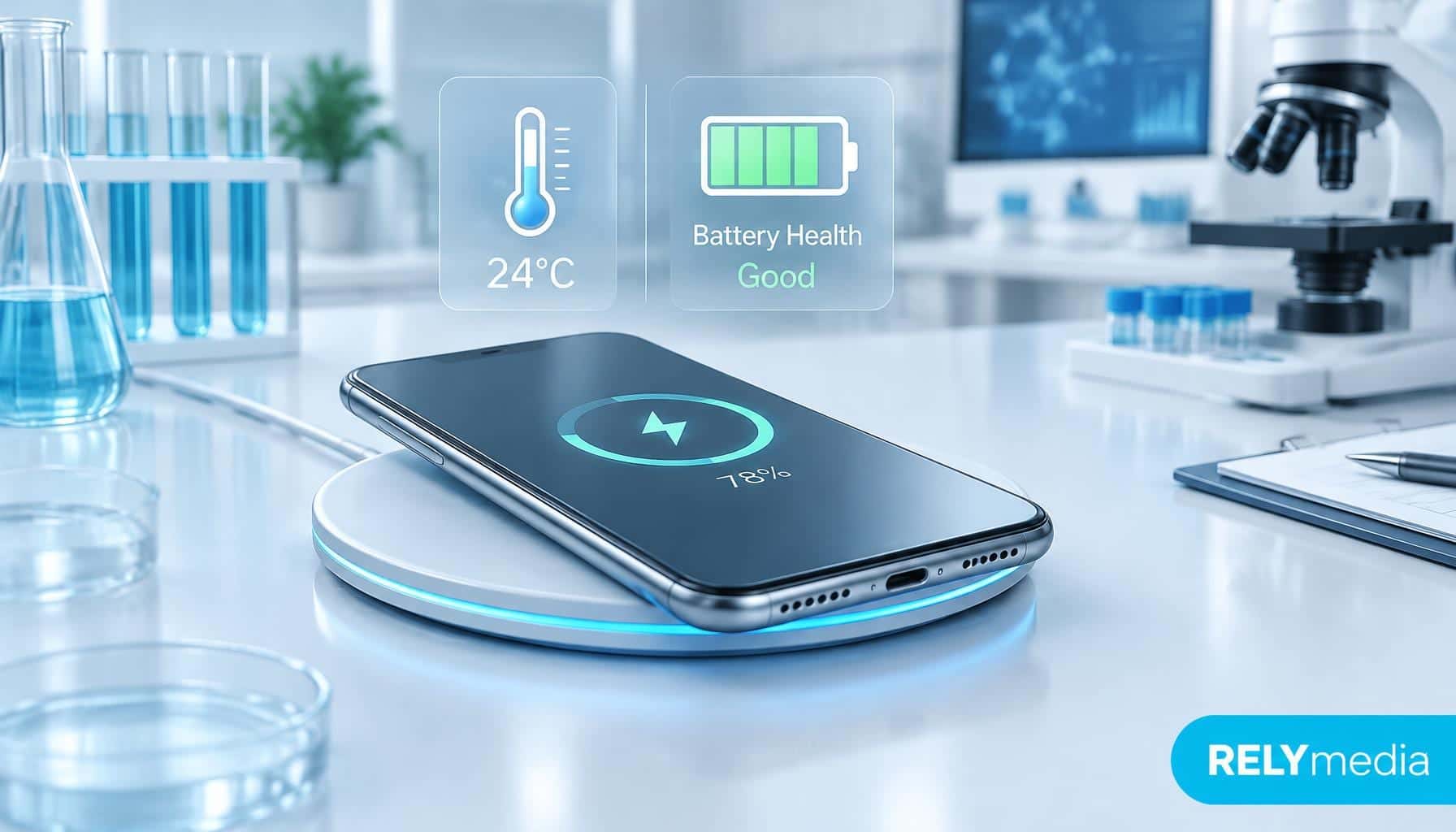
For most people, the answer is reassuring. Wireless charging does not inherently kill a phone battery. The bigger concern is heat. Lithium-ion batteries naturally age, yet repeated exposure to high temperatures can accelerate degradation and reduce capacity.
A cool, aligned charger is safer than a hot, poorly positioned setup.
💡Quick answer: Wireless charging is generally safe. Control heat, use compatible equipment, and let your phone’s battery protection manage power.
Is Wireless Charging Bad for Your Battery?
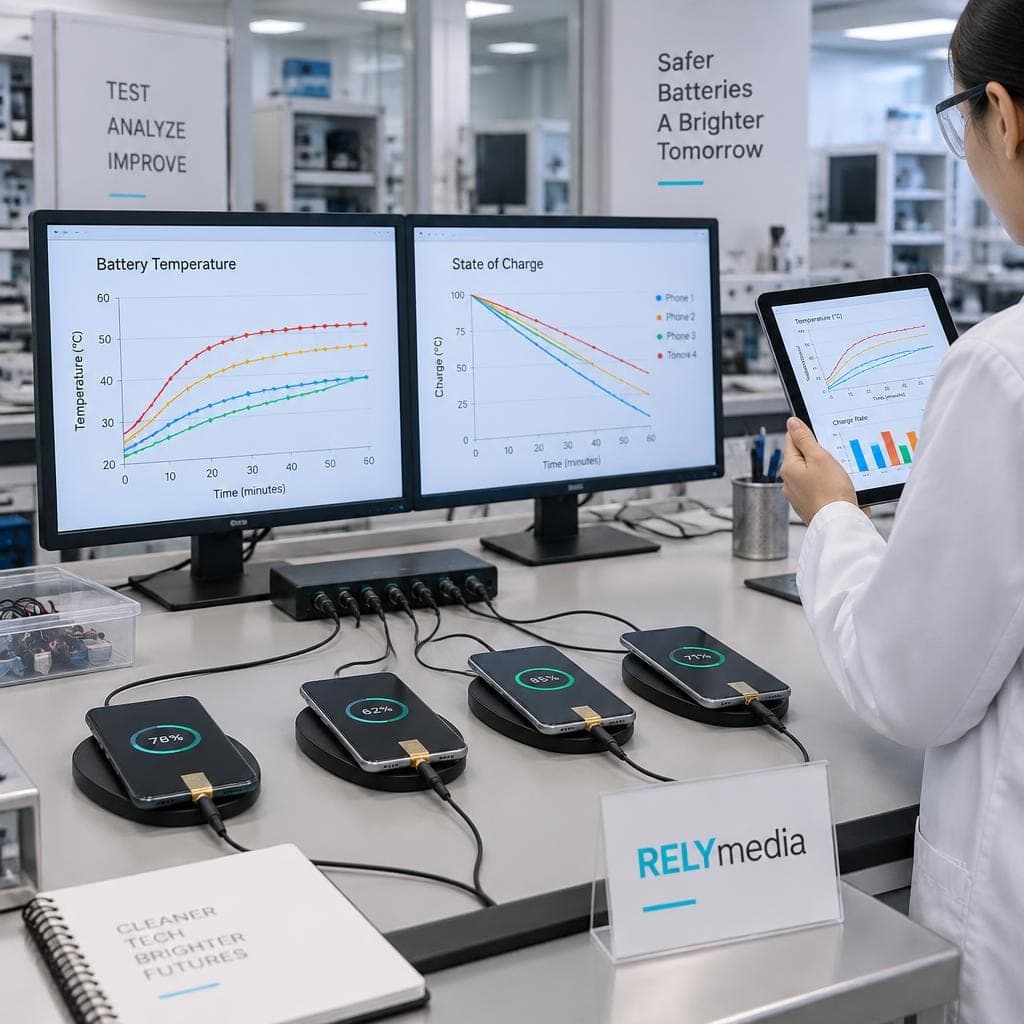
Searches like is wireless charging bad for battery, does wireless charging damage the battery, and does wireless charging degrade battery all point to long-term battery health.
Charging method alone is not the main issue. Battery aging depends on temperature, cycling, charging rate, state of charge, and chemistry. A 2025 review identifies temperature and state of charge among the outside factors that influence lithium-ion capacity fade.
Wireless charging can add heat because energy passes through more conversion steps. That heat may increase battery stress if temperatures stay elevated.
However, normal warmth is not a sign of battery damage. Modern phones use temperature monitoring, current regulation, voltage regulation, and charging control.
So, is a wireless charger bad for the battery, is a wireless charger bad for your phone, or is wireless charging bad for your phone? Usually not. Excess heat and poor charger compatibility matter more.
How Wireless Charging Works
Electromagnetic Induction and Wireless Power Transfer
Most phone wireless charging technology uses electromagnetic induction. A wire coil inside the charger creates an alternating magnetic field. A receiving charging coil inside the phone captures that field and turns the transferred energy into electric current.
The phone converts it to direct current, or DC, for storage.
Electricity → magnetic field → energy transfer → electric current → battery
Wireless power transfer involves several conversion stages, so some electrical energy is dissipated as heat. That energy loss lowers wireless charging efficiency. The phrase "wireless charging of the battery" describes this phone-to-battery power path.
If you wonder whether a phone can be charged wirelessly, the device needs compatible hardware and support for the charger’s standard.
Wireless Charging Distance and Coil Alignment
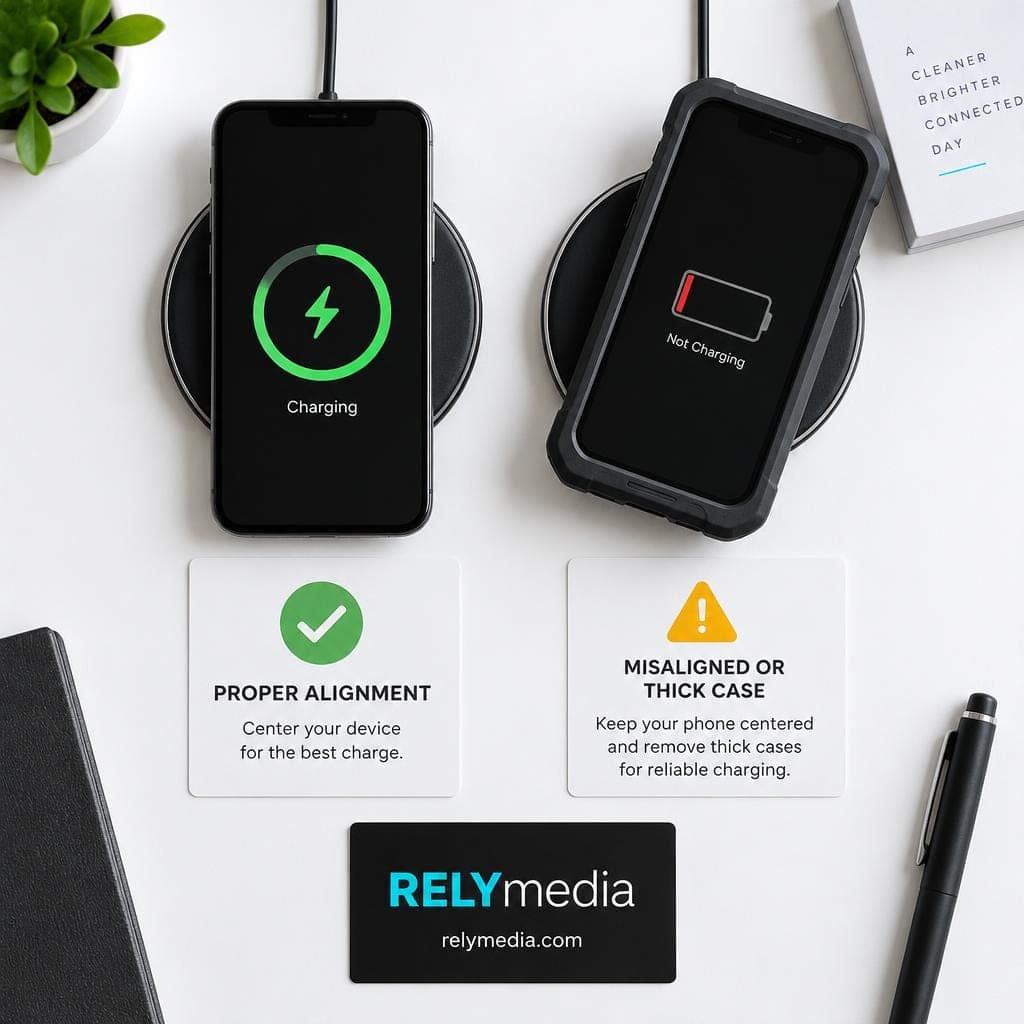
Typical phone charging works across a short wireless charging distance. The transmitter and receiver must sit close together for efficient power transmission.
Poor coil alignment reduces charging performance and can increase heat generation. A centered phone transfers energy more efficiently.
Need branded wireless chargers for a conference or client campaign?
RELYmedia can help match charging accessories to your audience and branding goals.
What Actually Causes Phone Battery Degradation?
Heat, Battery Temperature, and Thermal Stress
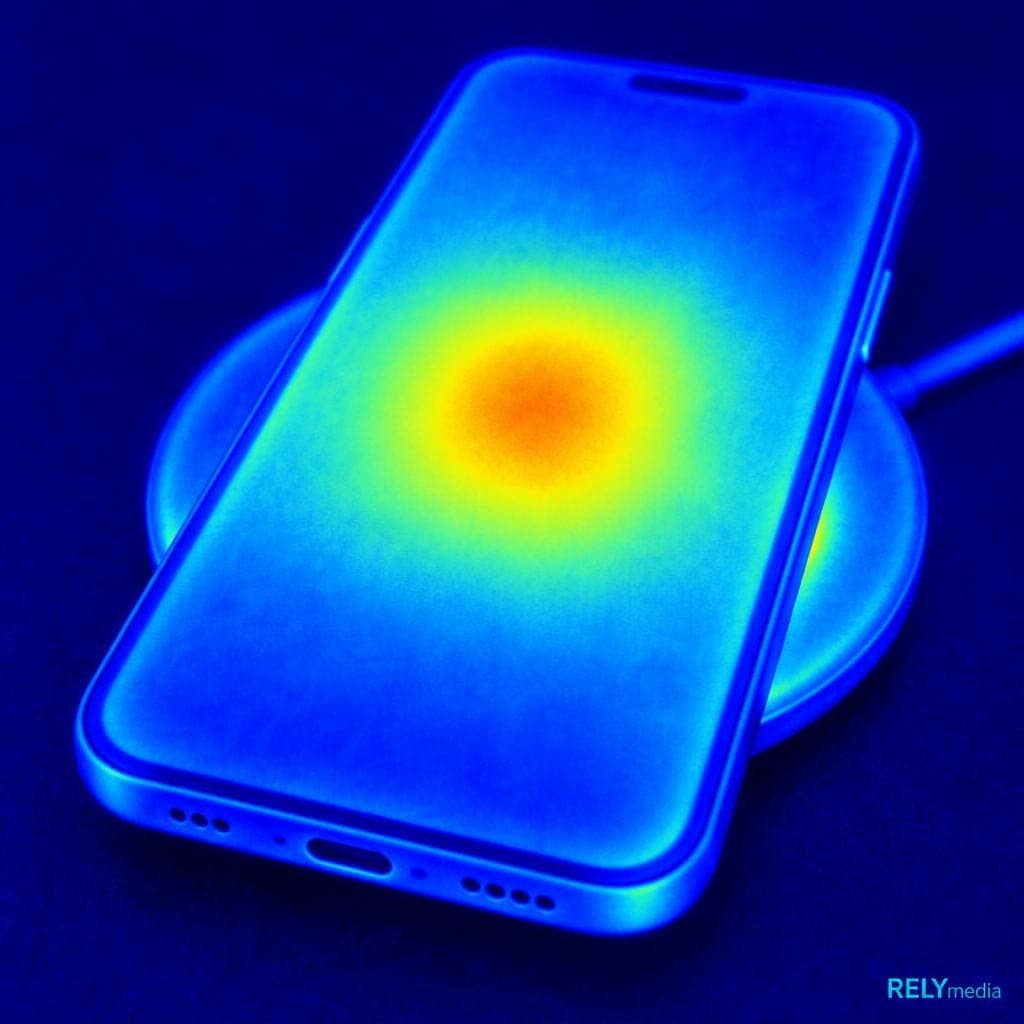
Heat is one of the biggest factors in battery longevity. Lithium-ion cells rely on chemical reactions, and higher temperatures speed unwanted aging processes.
A 2025 thermal review notes that effective thermal management supports battery safety, efficiency, and lifespan.
Watch for:
- unusual phone temperature
- repeated overheating
- charging pauses caused by heat
- heat trapped beneath thick cases
- direct sunlight during phone charging
- charging on soft surfaces
- heavy gaming while charging
Some warmth is normal during device charging. Persistent excess heat is different. That simple distinction matters greatly.
Battery Cycles, Capacity, and Natural Aging
Battery life between charges slowly falls because lithium-ion cells are consumable components. Google says users may notice lower battery capacity and changes in charging performance as batteries age.
Frequent charging is not automatically harmful, and you do not need to drain a phone to zero before recharging. Battery wear depends on battery temperature, charging frequency, depth of discharge, state of charge, and total use.
Is Smart Charging Good for Phone Battery Health?
Yes. Smart charging can support long-term battery health by reducing unnecessary time at a full charge.
Apple’s Optimized Battery Charging reduces time spent fully charged. Apple says disabling charging optimization can increase wear and reduce battery lifespan.
Google offers Adaptive Charging and an 80% charge limit on supported Pixel devices to help extend battery longevity.
Does Wireless Charging Damage Phone Battery Because of Heat?
Wireless charging heat is real, but context matters. If you ask whether a wireless charger damages the battery, or whether wireless charging damages the battery, heat is the key factor to understand.
Not every unit of energy reaches the battery. Some energy loss becomes heat. Misalignment, charger design, case materials, device positioning, ambient temperature, and charging speed can change heat generation during charging.
That does not mean every wireless charger causes battery deterioration.
A good charging setup uses thermal control, power regulation, charger communication, and device communication. Many modern phones reduce charging speed or pause charging when they become too warm.
Google advises users to let an overheated phone cool down, remove the case when needed, avoid direct sunlight, and hold the phone correctly. It also warns that metallic or magnetic objects can heat up or interfere with charging.
Wireless Charger vs Wired Charging: Which Is Better?
The wireless charger vs wired debate has no universal winner.
| Factor | Wireless Charging | Wired Charging |
|---|---|---|
| Convenience | Excellent | Requires cable |
| Charging efficiency | Usually lower | Usually higher |
| Heat generation | Can be higher | Often lower |
| Coil alignment | Important | Not required |
| Port wear | Avoids plugging | Uses port |
| Charging speed | Device dependent | Often faster |
| Phone use while charging | Less flexible | Easier |
Wireless Charging vs Wired Efficiency
Wireless charging is less efficient than wired charging because the charging mechanism is less direct. Wired charging sends power through conductors. Wireless charging creates, transmits, receives, and converts a magnetic field.
Every conversion can create energy loss. Searchers looking for a wireless charging less efficient than wired charging source are usually asking for evidence behind that efficiency gap. Alignment, charger design, power level, and thermal management affect the result.
Is Wireless Charging Faster?
Charging speed depends on supported wattage, charger compatibility, battery level, temperature, and the phone’s limits.
Fast wireless charging may slow down as battery temperature rises to maintain safer operating temperatures.
Is Wireless Charging Better for Battery Health?
If you ask if wireless charging is better for the battery, focus on heat rather than charger type.
A cool, properly aligned wireless setup can be gentle on a battery. A wired charger can also be safe. In both cases, sustained overheating matters more.
Is Wireless Charging Safe?
Yes, when you use suitable equipment.
Questions such as "is wireless charging safe," "is wireless charging safe," "is a wireless charger safe," "are wireless chargers safe," "are wireless chargers bad for the battery," and "are wireless chargers bad for your phone" are really about standards, compatibility, and charging safety.
Certified chargers follow defined charging standards and testing requirements. Useful protection can include:
- temperature monitoring
- automatic shut-off
- foreign object detection
- overcharging protection
- safe power transmission
- power transmission limits
- current adjustment
- voltage adjustment
- charging communication
- thermal control
Need branded chargers? RELYmedia can help source suitable options for campaigns.
Are Wireless Chargers Safe for iPhone?
Compatible wireless chargers are generally safe for supported iPhones.
So, are wireless chargers safe for iPhones, and is wireless charging bad for iPhone batteries? Use compatible charging accessories, avoid excessive heat, keep the phone positioned correctly, and use built-in battery health features.
Can My Phone Charge Wirelessly?
People ask: can my phone charge wirelessly, can I charge my phone wirelessly, or will my phone charge wirelessly?
If you also wonder, "Can I charge my phone wirelessly?" check the manufacturer’s specifications for Qi, Qi2, MagSafe, or another supported standard.
Not every phone includes wireless charging hardware. Google lists supported Pixel models and notes that newer compatible devices use Qi2.
Why Won’t My Phone Wireless Charge?
If you ask why your phone won't wirelessly charge, check these causes:
- unsupported phone
- incompatible charging pad
- wrong device positioning
- thick or metallic case
- magnetic accessory interference
- weak power adapter
- damaged charging equipment
- excessive device temperature
- foreign objects between surfaces
Remove the case and center the phone. If charging resumes, alignment or case compatibility likely caused the problem.
Why Does My Phone Lose Battery When Charging?
A phone can draw power faster than a weak charger can supply it.
That explains why my phone loses battery when charging during gaming, video calls, navigation, hotspot use, weak cellular reception, or heavy background activity.
Heat can worsen the problem because a hot phone may reduce incoming power. Turn off the screen and stop demanding apps. If battery percentage rises normally, phone activity likely caused the drain.
Is Overnight Wireless Charging Bad?
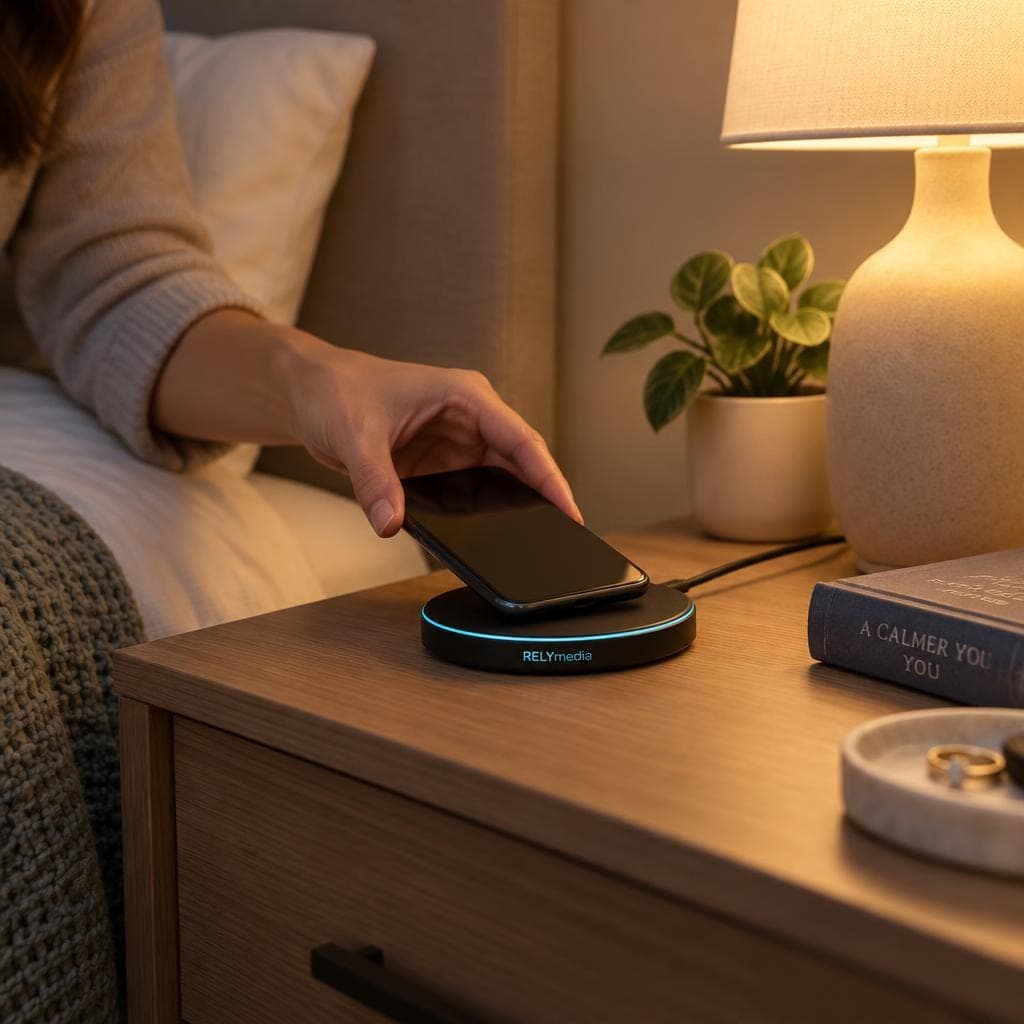
Overnight charging does not mean a battery continues to accept unrestricted power after reaching full charge.
Modern phones use charging protection, voltage regulation, current regulation, and power control. Adaptive features may delay the final part of charging.
The practical concern is heat retention. A phone beneath a blanket, pillow, or couch cushion cannot cool properly.
Keep bedside charging on a cool, flat surface with airflow. Google warns users not to sleep on a device while it's charging or to cover it with a blanket or pillow, because charging generates heat.
Advantages of Wireless Charging
The main advantages of wireless charging are convenience and less cable handling:
- easy cable-free charging
- less repeated port wear
- clean bedside charging
- convenient desk charging
- simple charging on a pad
- multiple-device charging where supported
- useful travel charging
- easy daily top-ups
- magnetic alignment on newer systems
These benefits of wireless charging often outweigh lower efficiency for convenience-focused users. The benefits of using wireless chargers are especially clear in shared desks, hotels, reception areas, and workspaces.
Disadvantages of Wireless Charging
Wireless charging has trade-offs. If you wonder whether charging pads are bad for your phone, the pad itself is not automatically harmful:
- lower energy efficiency in many setups
- more energy loss as heat
- greater sensitivity to coil alignment
- case compatibility issues
- slower charging on some devices
- extra heat from poor placement
- less freedom while using the phone
People searching for wireless charger efficiency or efficient wireless charging should remember that performance changes with alignment, hardware, power level, and temperature.
How to Charge a Battery Wirelessly Without Unnecessary Wear
Want to charge a battery wirelessly without needless wear? Keep the routine simple:
- Use a certified charger.
- Confirm charger compatibility.
- Keep charging coils aligned.
- Use a cool, flat surface.
- Maintain airflow.
- Remove heat-trapping cases when needed.
- Keep metal objects away.
- Avoid direct sunlight.
- Let an overheated phone cool.
- Use smart charging features.
- Replace damaged charging accessories.
These habits support safe charging for occasional, daily, frequent, and long-term charging. Focus on repeated overheating rather than normal warmth.
Ready to print your team's name on premium apparel?
Fill in your details and a RELYmedia specialist will come back to you with a custom quote — fast turnaround, no obligation.
- ⚡Same-day response on business days
- 🎨Free design assistance included
- 🚚Rush order & fast delivery available
- 💰Price beat guarantee on every order
Shop custom power banks and chargers
See all power banks & charging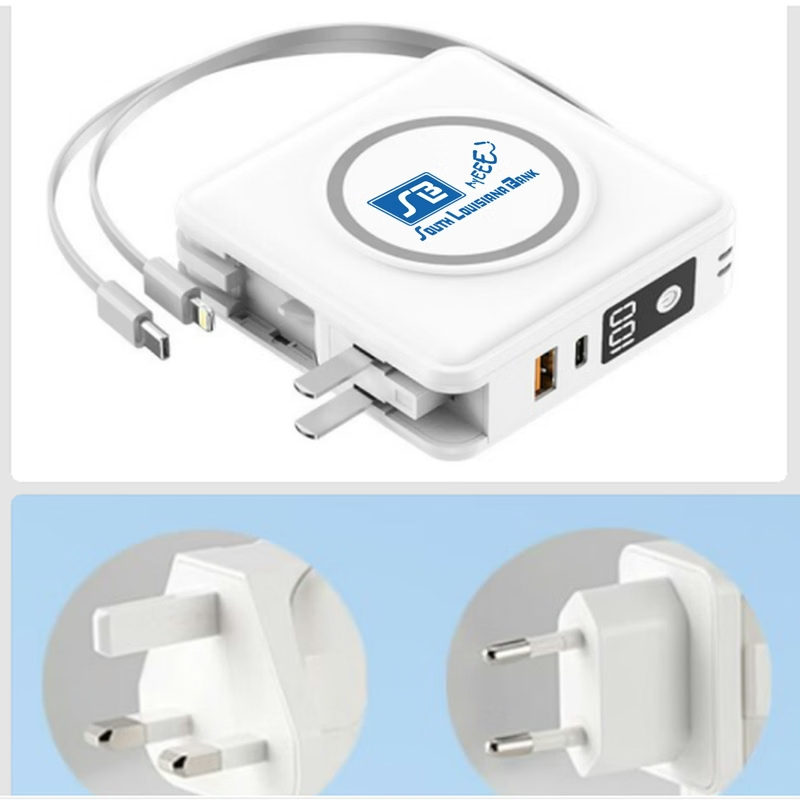
10,000 mAh Wireless Fast Charging Power Bank and 5IN1 Travel Charger w/Intl
$48.25 - $53.66
View product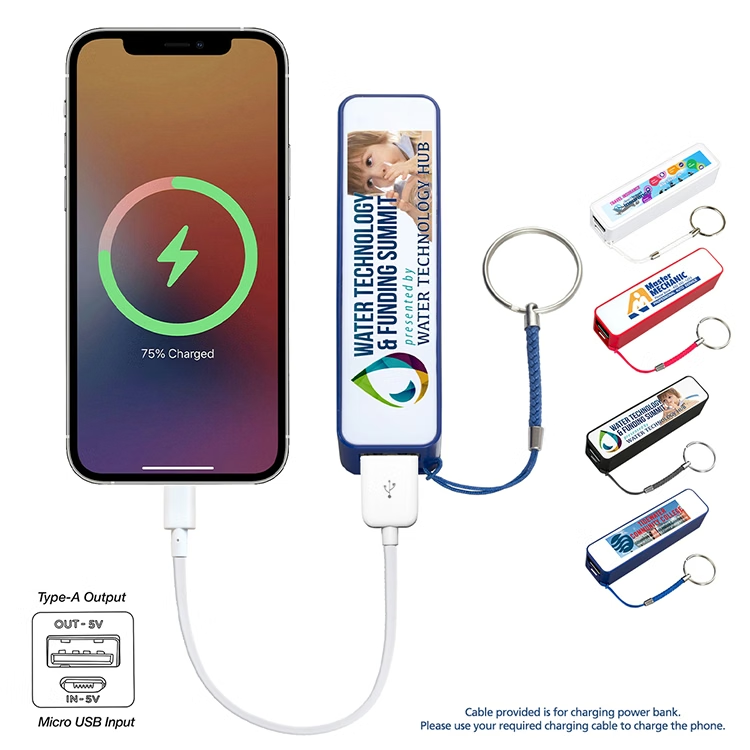
In Charge PB200 UL Listed 2200 mAh Portable Lithium Ion Power Bank Charger PB1004
$7.03 - $7.91
View product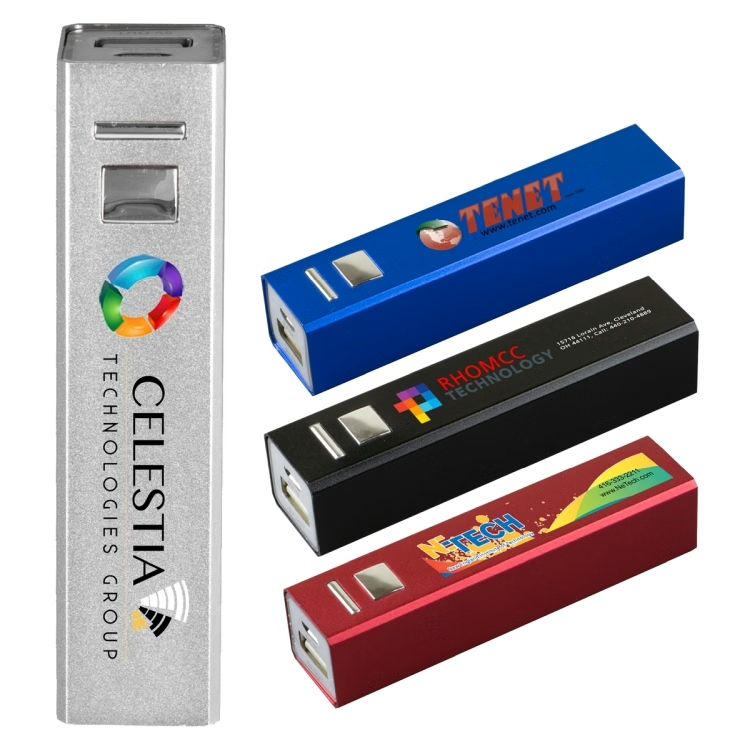
In Charge Alloy UL Listed Aluminium 2200 mAh Lithium Ion Portable Power Bank Charger
$7.57 - $8.85
View product10,000 mAh Energizer® Mag-N-Kick™ Wireless Charger Power Bank And Phone Stand
$34.39 - $52.31
View product10,000 mAh Wireless Charger Power Bank
$25.59 - $44.77
View product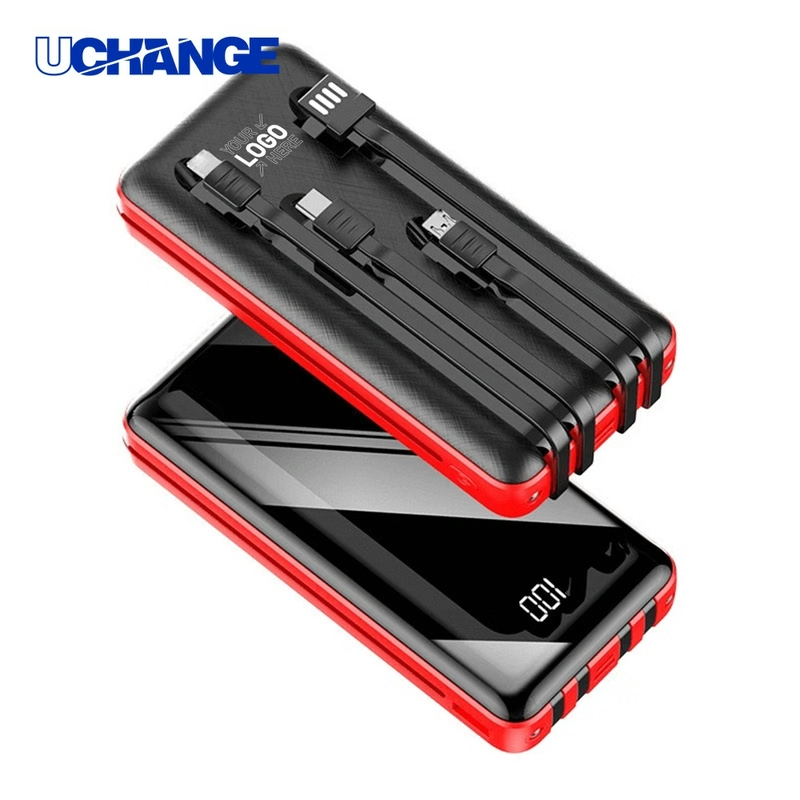
10,000mAh Portable Charger Power Bank with Dual Flashlight
$7.63 - $12.53
View product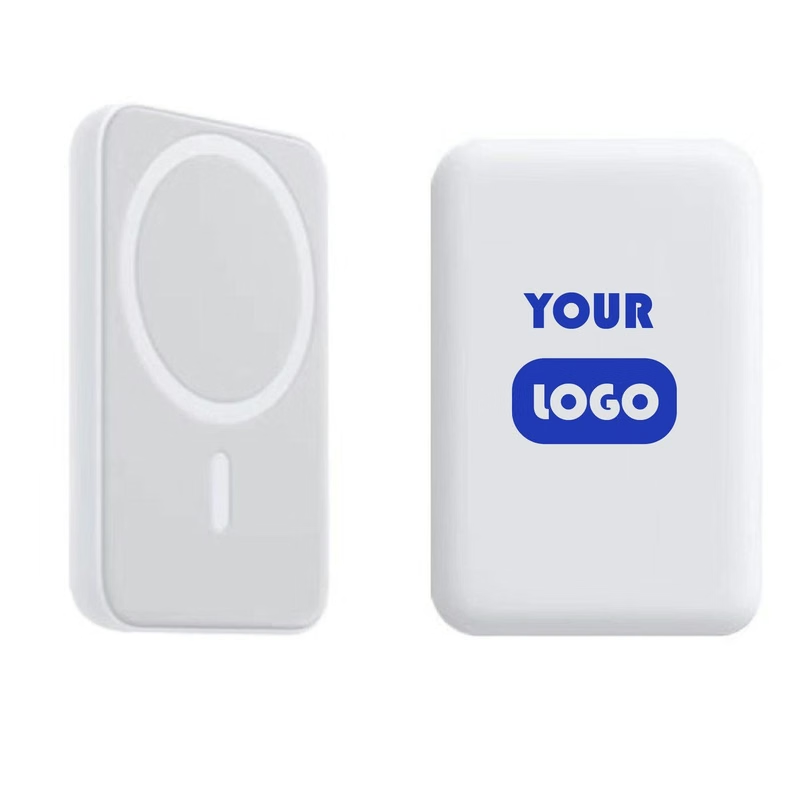
10,000 mAh Wireless Charging Power Bank
$11.58 - $25.35
View product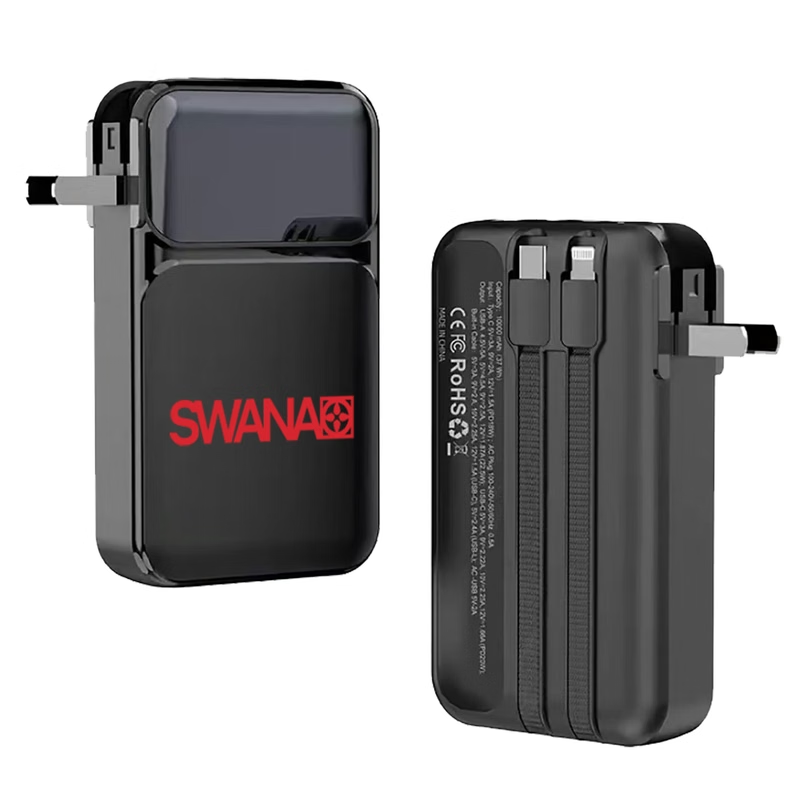
10,000 mAh Portable Charger w/Built In Wall Plug Power Bank
$27.43 - $32.36
View product
Conclusion: Does Wireless Charging Kill Your Phone’s Battery?
No. Wireless charging does not inherently kill your phone battery.
Battery aging occurs naturally, and wireless charging can generate more heat because its energy transfer process is less direct. However, heat management, charging temperature, charger quality, alignment, and charging habits determine the real-world impact on the battery.
Choose wired charging for maximum power efficiency. Choose wireless charging for convenience, cable-free charging, reduced port wear, and easy daily top-ups.
You can also use both.
Keep your phone cool. Use compatible, certified equipment. Enable smart charging when available. Avoid heat-retaining surfaces and repeated overheating. Those choices matter more for battery longevity than whether power is delivered via a cable or a magnetic field.
For branded technology, RELYmedia offers promotional products with responsive service, fast turnaround, and quality-focused support.
Ready to add branded charging products to your next campaign?
Contact RELYmedia to build a practical promotional solution around your audience and schedule.
Shop this
Need custom wireless chargers? We print them.
Bulk pricing, three free mockups, real quotes back the same business day.