How Color-Changing Products Work: The Science Behind the Magic
July 9, 2026 · 8 min read
Pour an iced drink into a color-changing cup and the plastic shifts from white to blue in your hand. Step outside in photochromic glasses and the lenses darken. Both are chemistry, and the same few families of dyes explain almost every color-changing product you will meet.
By the RELYmedia editorial team · Updated November 2, 2026
The Three Technologies Behind Color-Changing Materials
| Technology | Trigger | Color behavior | Typical uses |
|---|---|---|---|
| Thermochromic leuco dyes | Heat or cold | One color to clear (or to a base color) | Cups, mugs, koozies, toys |
| Thermochromic liquid crystals | Heat | Runs through a spectrum of colors | Thermometer strips, mood rings |
| Photochromic pigments | UV light | Clear to colored in sunlight | Lenses, UV beads, novelty prints |
All three change back on their own when the trigger goes away, so the color change is reversible. That makes it a physical change in everyday terms, unlike rust or burning, which create new substances and stay changed.
Thermochromic Leuco Dyes: How Most Color-Changing Cups Work

How the Lactone Ring Controls Color
A leuco dye is a molecule with two forms: a colored one and a colorless one (“leuco” comes from the Greek for white). In common dyes such as crystal violet lactone, the switch is a lactone ring that opens to show color and closes to go clear. Thermochromic ink seals the dye in tiny capsules with a weak-acid developer and a waxy solvent. When the solvent melts or solidifies at a set temperature, the dye and developer move apart or together, and the color switches.
Heat-Activated vs. Cold-Activated Thermochromic Dyes
- Heat-activated: colored at room temperature, clear when warm. Used on mugs that reveal a design when hot coffee goes in, and on items that react to a warm hand.
- Cold-activated: clear or pale at room temperature, colored when chilled. Used on stadium cups, can coolers and toys that change in cold water.
Temperature Accuracy and Speed of Reaction
Leuco inks switch over a band of a few degrees around their rated temperature rather than at one exact point, and how fast they switch depends on how quickly the wall of the cup reaches that temperature. Thin plastic cups react soon after an iced drink going in; a thick or insulated wall takes longer. They show “cold” or “warm”, not a reading.
Thermochromic Liquid Crystals: The Rainbow Shifters
Liquid crystals work differently. Their layered structure twists as temperature changes, which changes the wavelength of light they reflect, so they move through red, green and blue instead of simply switching on and off. Because the color maps to a specific temperature, they are used where the reading matters: thermometers for rooms, refrigerators, aquariums and medical use, and mood rings. Heat, UV light and some solvents shorten their life, and they cost more than leuco inks, which is why promotional products rarely use them.
Photochromic Pigments: When UV Light Drives the Shift
Photochromic dyes react to ultraviolet light instead of heat. The main families are spiropyrans, spirooxazines and naphthopyrans; naphthopyrans are the ones used in self-darkening glasses. In spiro compounds, UV light opens a ring in the molecule to form a colored version, and when the UV source goes away the molecule relaxes back to its colorless form, which is why the color fades once you step indoors. Photochromic inks turn up on UV beads, novelty T-shirts and some stickers.
How Color-Changing Products Are Actually Made
Two-Tone Effects
A leuco ink only switches between one color and clear, so makers mix it with an ordinary pigment. Blue thermochromic ink over a pink base looks purple; when the blue turns clear, the item looks pink. Most “changes from color A to color B” products work this way.
Hidden Messages and Reveal Designs
- 1A design is printed onto the product in ordinary ink
- 2A solid layer of thermochromic ink is printed over it
- 3At room temperature the solid layer hides the design
- 4A hot or cold drink turns the top layer clear, and the design appears

How Long Color-Changing Products Last, and Are They Safe?
Why the Effect Fades
The effect wears out before the cup does. UV light, high heat and harsh detergents break down the dye capsules, so the color change gets weaker and the cup can stay stuck on one color. To keep it working longer:
- Hand-wash in warm, not hot, water unless the product says it is dishwasher safe
- Keep cups out of the microwave and away from boiling water unless they are rated for it
- Store them out of direct sunlight
- Avoid abrasive scrubbers on the printed area
Are Color-Changing Cups Safe to Drink From?
On most cups the thermochromic ink sits on or inside the outer wall, not on the surface that touches the drink. The developers used in leuco inks are weak acids, and bisphenol A is one of them, so it is reasonable to ask. For any cup you plan to give away, ask the supplier which food-contact standard the cup body meets and whether it carries a California Proposition 65 warning, and follow its temperature and washing limits.
Real-World Examples of Things That Change Color
| Object | Mechanism | Trigger |
|---|---|---|
| Color-changing stadium cups | Leuco dye | Cold drink |
| Heat-reveal coffee mugs | Leuco dye | Hot drink |
| Mood rings | Liquid crystals | Body heat |
| Stick-on thermometer strips | Liquid crystals | Temperature |
| Self-darkening glasses | Photochromic dye | UV light |
| Hot Wheels Color Shifters cars | Leuco dye | Warm or cold water |
| Pan heat indicators | Thermochromic spot | Pan temperature |
Color-Changing Promotional Products

A cup or koozie that changes color when the drink goes in gets noticed, which is why these items are popular at weddings, bars, festivals and school events. Keep the logo simple and high-contrast against both the “before” and “after” colors, and ask to see the color change on a sample. For koozie dimensions and imprint areas, see our guide to koozie print size.
Browse custom stadium cups and custom koozies, or compare insulated options in our travel mug vs tumbler guide.

Order color-changing cups or koozies with your logo
Tell us the item, quantity and event date, and we will send a quote.
Ready to put your logo on Colour-changing drinkware?
Fill in your details and a RELYmedia specialist will come back to you with a custom quote. Fast turnaround, no obligation.
- ⚡Same-day response on business days
- 🎨Free design assistance included
- 🚚Rush order & fast delivery available
- 💰Price beat guarantee on every order
Shop color-changing drinkware
See all reusable cups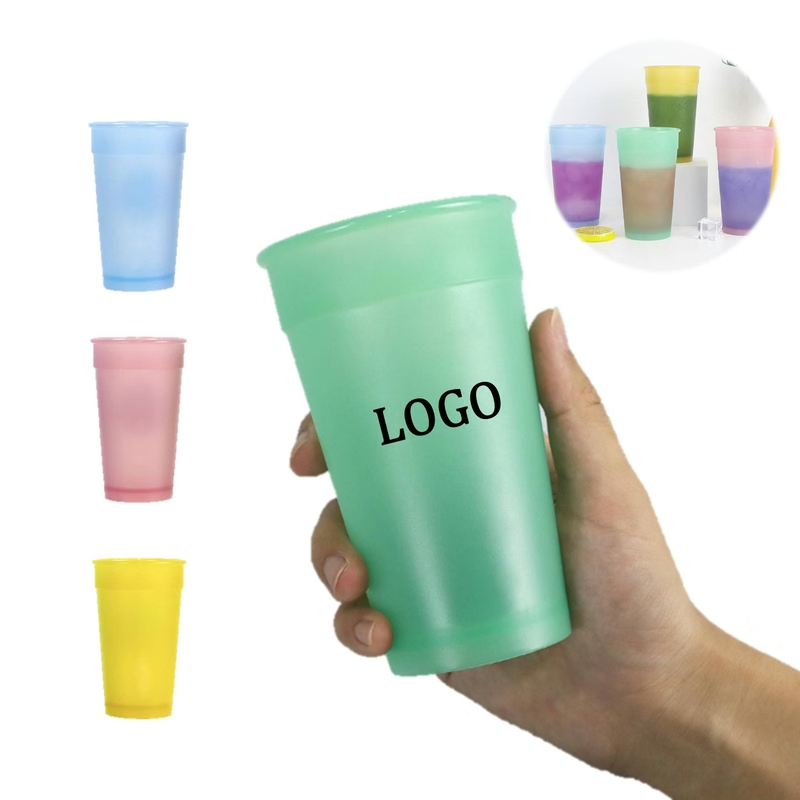
17oz Color Changing Mood Stadium Cup
$1.70 - $2.67
View product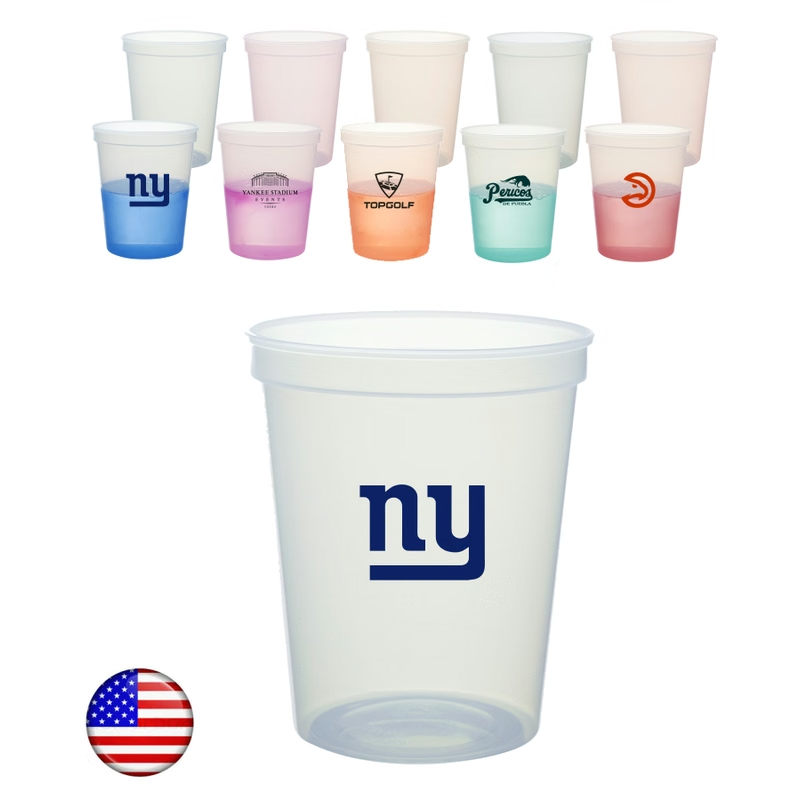
16 Oz. Mood Stadium Cups Color Changing
$1.18 - $1.26
View product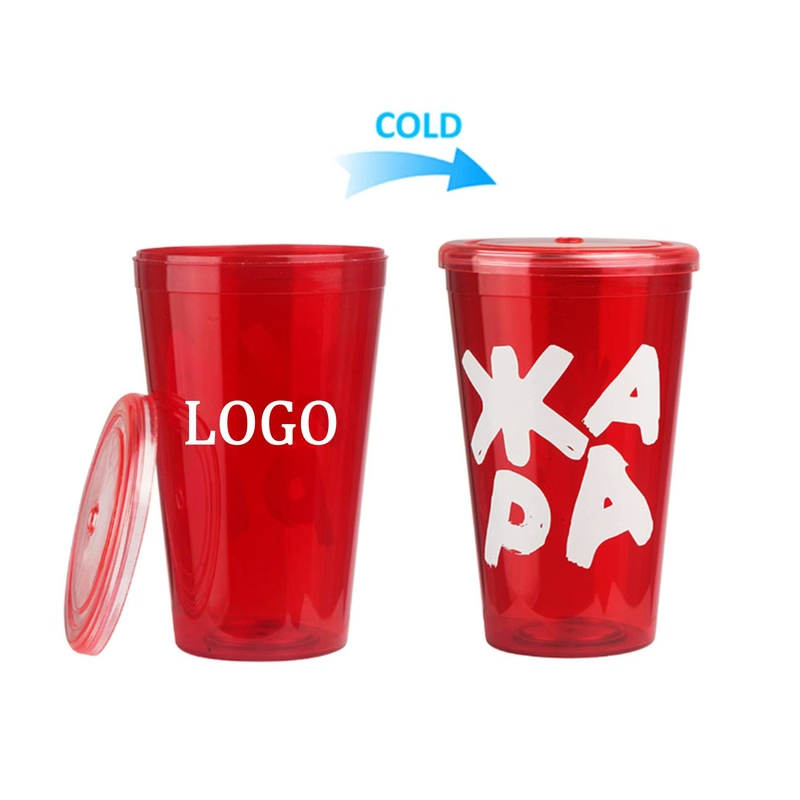
24oz Cold Color Changing Stadium Cup With Lid
$1.19 - $2.34
View product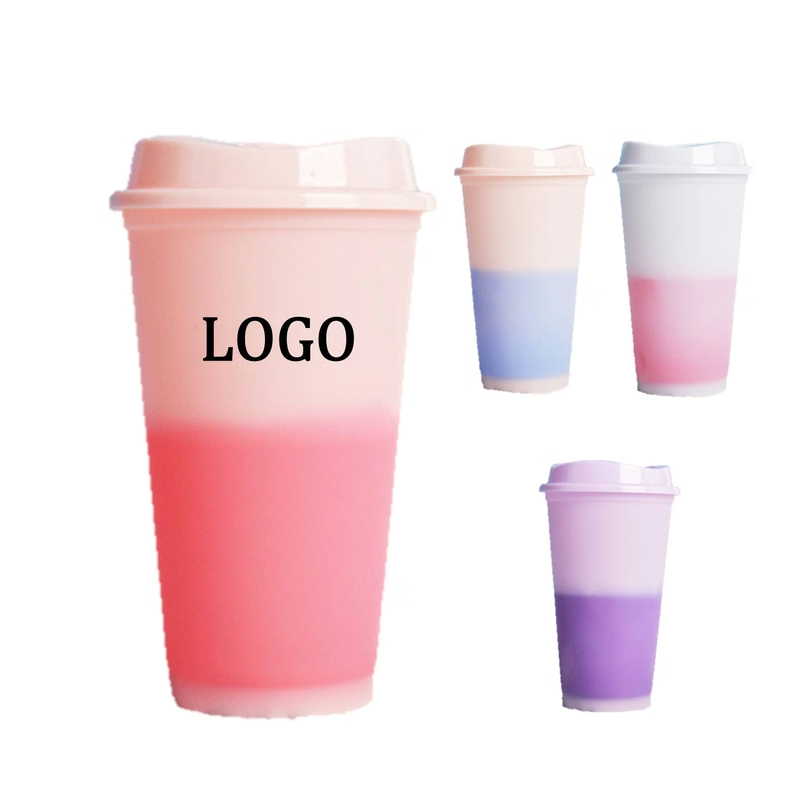
16oz. Color Changing Stadium Cup With Lid
$1.59 - $2.14
View product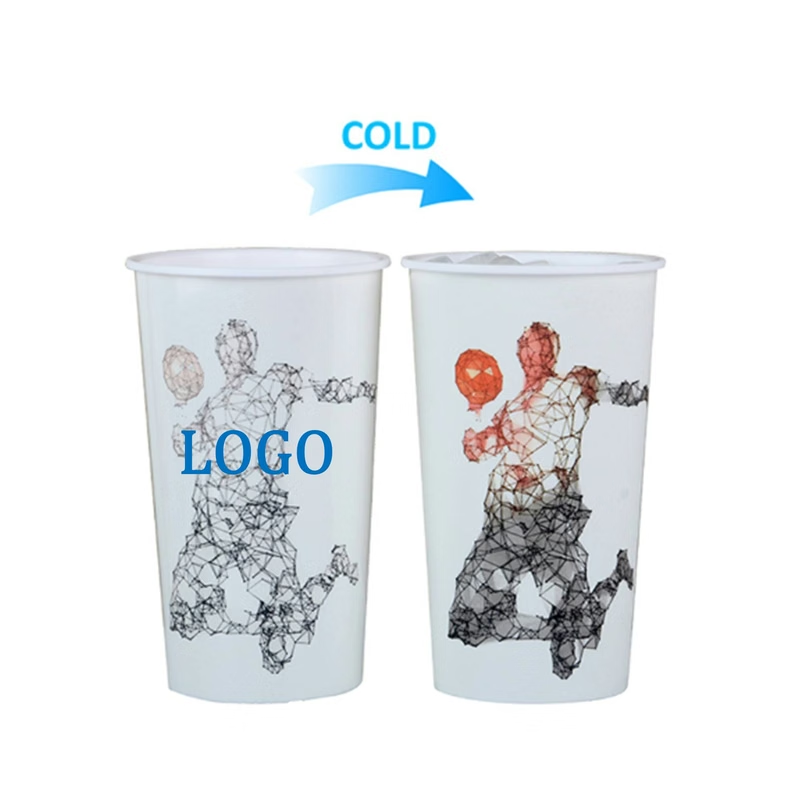
20oz Color Changing Stadium Cup
$1.19 - $2.34
View product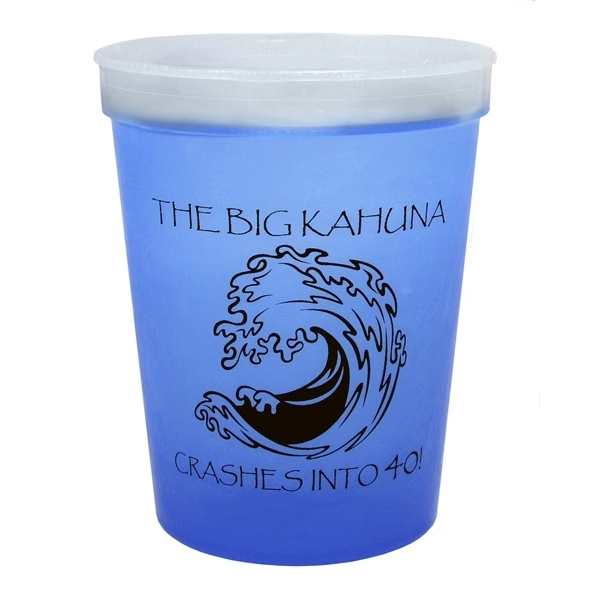
16 oz. Color Changing Smooth Plastic Stadium Cup
$0.71 - $0.87
View product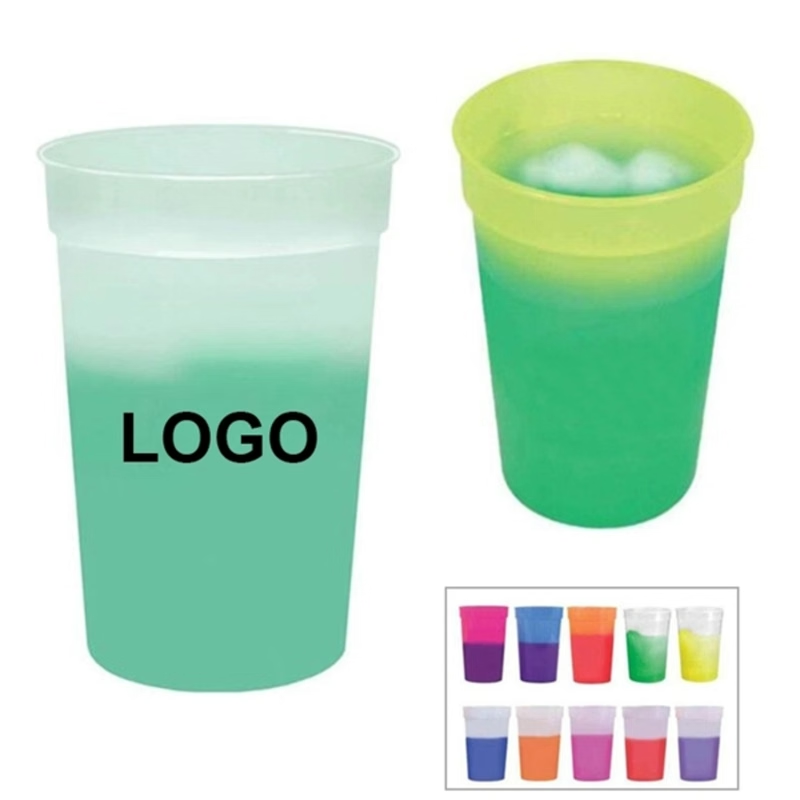
16oz PP Plastic Color Changing Stadium Cup
$0.76 - $1.82
View product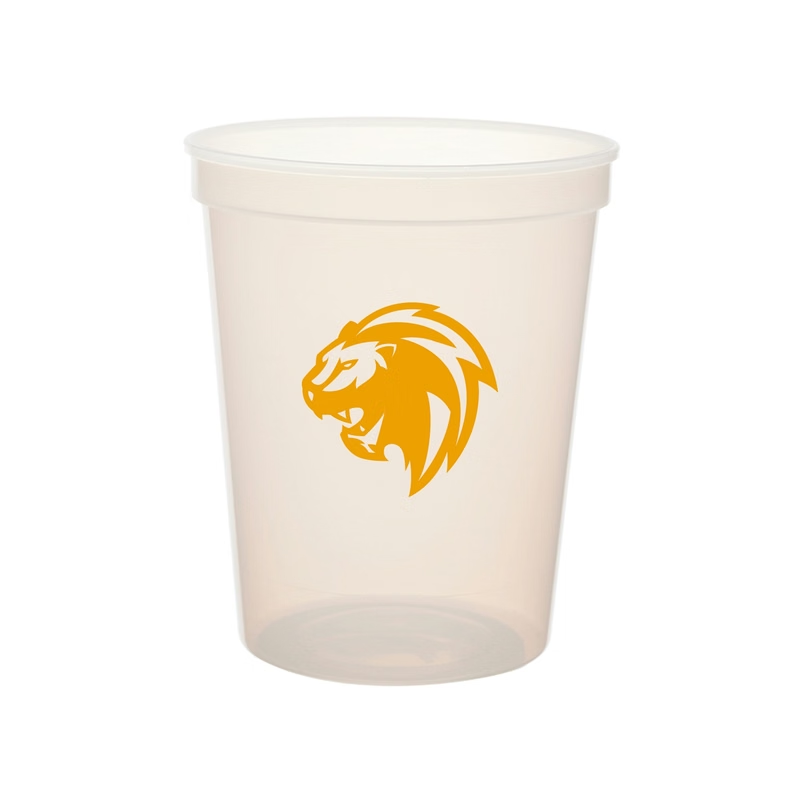
16 Oz. Shifter Color Changing Stadium Cup
$0.86 - $1.38
View product
Frequently asked questions
Are color-changing cups safe to drink from?
On most cups the thermochromic ink sits on or inside the outer wall, away from the drink. Because leuco inks use weak-acid developers such as bisphenol A, ask the supplier which food-contact standard the cup body meets and whether it carries a California Proposition 65 warning, and follow its temperature limits.
Why did my color-changing cup stop changing color?
The dye capsules break down with UV light, very hot water and harsh dishwasher cycles. Once they are damaged the cup can stay on one color. It will still hold drinks, but the effect will not come back.
How do I make a color-changing cup change?
Fill a cold-activated cup with ice water or a drink from the refrigerator; the color appears as the wall cools. Heat-activated mugs change when hot liquid goes in. If nothing happens, the drink may not be cold or hot enough to cross the ink’s set temperature.
Can color-changing cups go in the dishwasher?
Only if the label says so. Most thin plastic color-changing stadium cups are hand-wash only, because dishwasher heat and detergent fade the ink and can warp the plastic.
How is a mood ring different from a color-changing cup?
A mood ring uses thermochromic liquid crystals, which reflect different colors at different temperatures and run through a spectrum. A color-changing cup uses leuco ink, which simply switches between one color and clear.
What logo works best on a color-changing cup?
A simple, bold logo in a color that contrasts with both the before and after colors of the cup. Fine detail and thin lines are hard to read on curved plastic, so ask for a proof and a sample before a large order.
Shop this
Need Colour-changing drinkware? We print them.
Bulk pricing, three free mockups, real quotes back the same business day.