How to Choose a Power Bank: Capacity, Rated Capacity, Charging Speed, and Flight Restrictions
October 21, 2026 · 11 min read
A dead phone can wreck a commute, meeting, or trip. Maps disappear. Boarding passes become harder to reach. Messages stop. A reliable power bank provides backup power when no outlet is nearby.
Still, choosing a portable charger is not as simple as picking the biggest mAh number. You need to compare power bank capacity, rated capacity, output wattage, charging compatibility, safety, portability, and airline rules. This practical guide explains those details in plain English so you can make a smarter purchase decision.
What Should You Look for When Choosing a Power Bank?
Start with how you will actually use it. A commuter charging one smartphone needs something different from a traveler powering a laptop, tablet, and wireless earbuds.
Check these key buying considerations:
- Battery capacity: the amount of energy the battery pack can store.
- Rated capacity: The amount of usable power delivered to connected devices.
- Output power: How quickly the charger can deliver energy.
- Charging port: USB-C, USB-A, Lightning, or wireless charging.
- Charging protocol: PD, Quick Charge, or another fast-charging standard.
- Device compatibility: Whether the charger, cable, and device work together.
- Power bank safety: Protection against overheating, short circuits, and overcharging.
- Travel rules: Watt-hour rating, carry-on requirements, and airline restrictions.
Understanding Power Bank Capacity, Rated Capacity, and Actual Capacity
What Does mAh Mean?
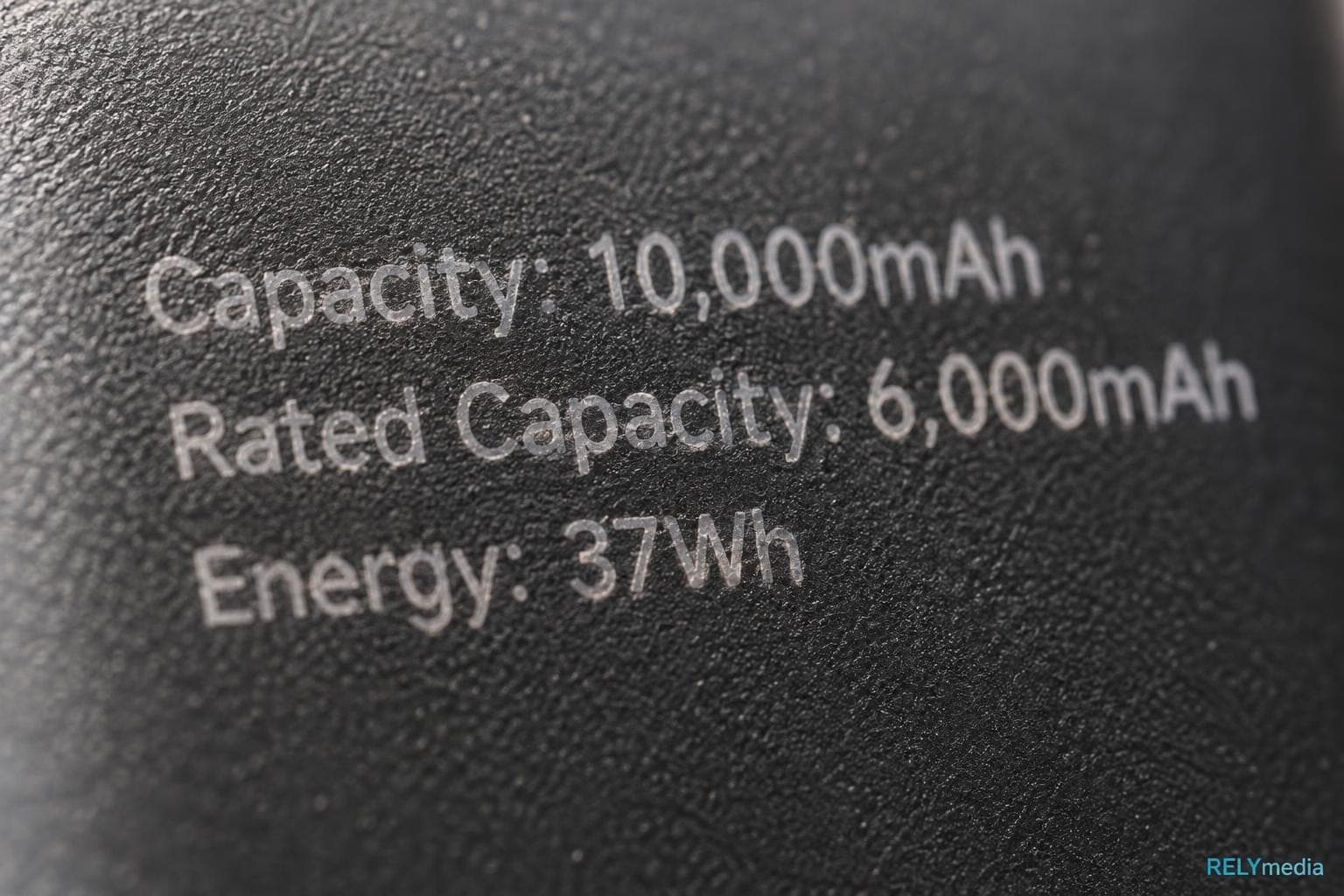
mAh, or milliampere-hour, measures electric charge. It is the figure most shoppers use when comparing battery, charging, and storage capacities.
Labeled Capacity vs. Rated Capacity
The labeled capacity refers to the cells inside the power bank. Rated capacity, sometimes called actual rated capacity, refers to the usable output under stated conditions. The real capacity reaching your phone may be lower again.
Why? Voltage conversion, heat, circuitry, cable resistance, and other internal losses reduce usable energy. This is why conversion efficiency and charging efficiency matter.
What Power Bank Capacity Do You Need?
| Capacity | Best use | Typical devices |
|---|---|---|
| 5000mAh | Emergency charging, daily commute, short trips | Smartphone, AirPods, wearables |
| 10000mAh | Everyday charging, commuting, business trips | Smartphones, Bluetooth devices, tablet top-ups |
| 20000mAh | Long trips, camping, outdoor activities | Multiple devices, tablets, gaming devices |
| 27000mAh | Extended travel, high-demand use | Laptop, iPad, Nintendo Switch, several devices |
A compact power bank or lightweight power bank works well for everyday use. A high-capacity power bank or ultra-high-capacity power bank makes more sense for long-distance travel, camping trips, business travel, or multi-device use.
Charging Speed: How Many Watts Should a Power Bank Have?
Capacity tells you how much energy is stored. Output wattage indicates how quickly the power bank can deliver power.
Watts are calculated from voltage and current. That makes rated voltage, rated current, output voltage, and output current important parts of the technical specifications.
Older outputs such as 5V/1A provide about 5W. A 5V/2A output provides about 10W. Modern fast charging can provide much more when the charger and device support the same charging technology.
| Power output | Common use |
|---|---|
| 5W–10W | Bluetooth earbuds, smartwatches, small wearables |
| 18W–20W | Smartphone charging, iPhone, Android smartphone |
| 30W | Tablet charging, Nintendo Switch, faster phone charging |
| 45W–60W | iPad Pro, some laptops, multi-device charging |
| 100W | Compatible MacBook and laptop charging |
USB-A, USB-C, and Lightning: Which Charging Interface Is Right for You?
USB-A
A USB-A port remains useful for older charging cables and electronic accessories. Some products still support QC fast charging through USB-A. However, connector shape alone does not guarantee speed.
USB 2.0 is mainly a data standard. Its transfer rate should not be confused with a power bank's maximum charging output. Some USB-A implementations also provide one-way output rather than the bidirectional power features available through certain USB-C systems.
USB-C
A USB-C port offers broad USB-C compatibility across mobile devices, tablets, laptops, game consoles, and other portable electronics. It can support high power delivery, USB charging, and modern data standards.
The term fully-duplex relates to data communication, not automatically to charging. Likewise, a USB-C connector does not guarantee a specific Power Delivery level. Always read the output specifications.
Lightning
A Lightning connector remains relevant for older iPhone, iPad, and AirPods models. Newer Apple devices increasingly use USB-C, so check the exact device before buying.
For several devices, look for dual-, triple-, or multi-output ports, or multi-port charging. A dual-port power bank can improve convenience, but simultaneous charging may split the total power between ports.
PD vs. QC: Which Fast-Charging Technology Is Better for Your Devices?
What Is USB Power Delivery?
PD, or Power Delivery, is a USB charging standard commonly paired with USB-C. It supports flexible power delivery across compatible consumer electronics, from smartphones to laptops.
PD fast charging is useful when you want a single portable charging solution for phones, tablets, and laptops. Check the charger, charging cable, and device because all three affect the available charging speed.
What Is Quick Charge?
QC, or Quick Charge, is Qualcomm's fast-charging technology. QC fast charging is available on many compatible Android smartphones, including various Samsung models and other mobile devices.
What About Wireless and Magnetic Charging?
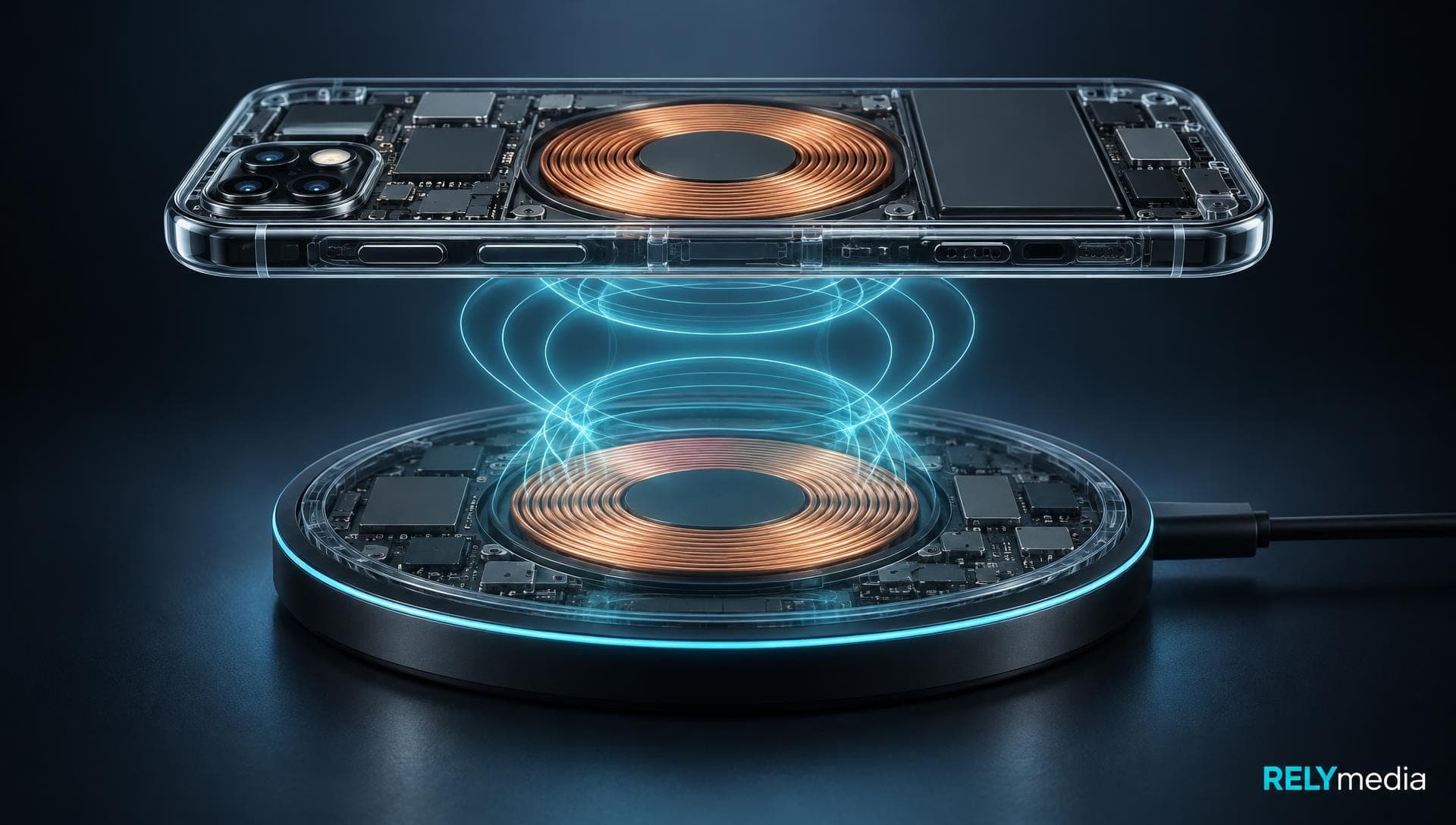
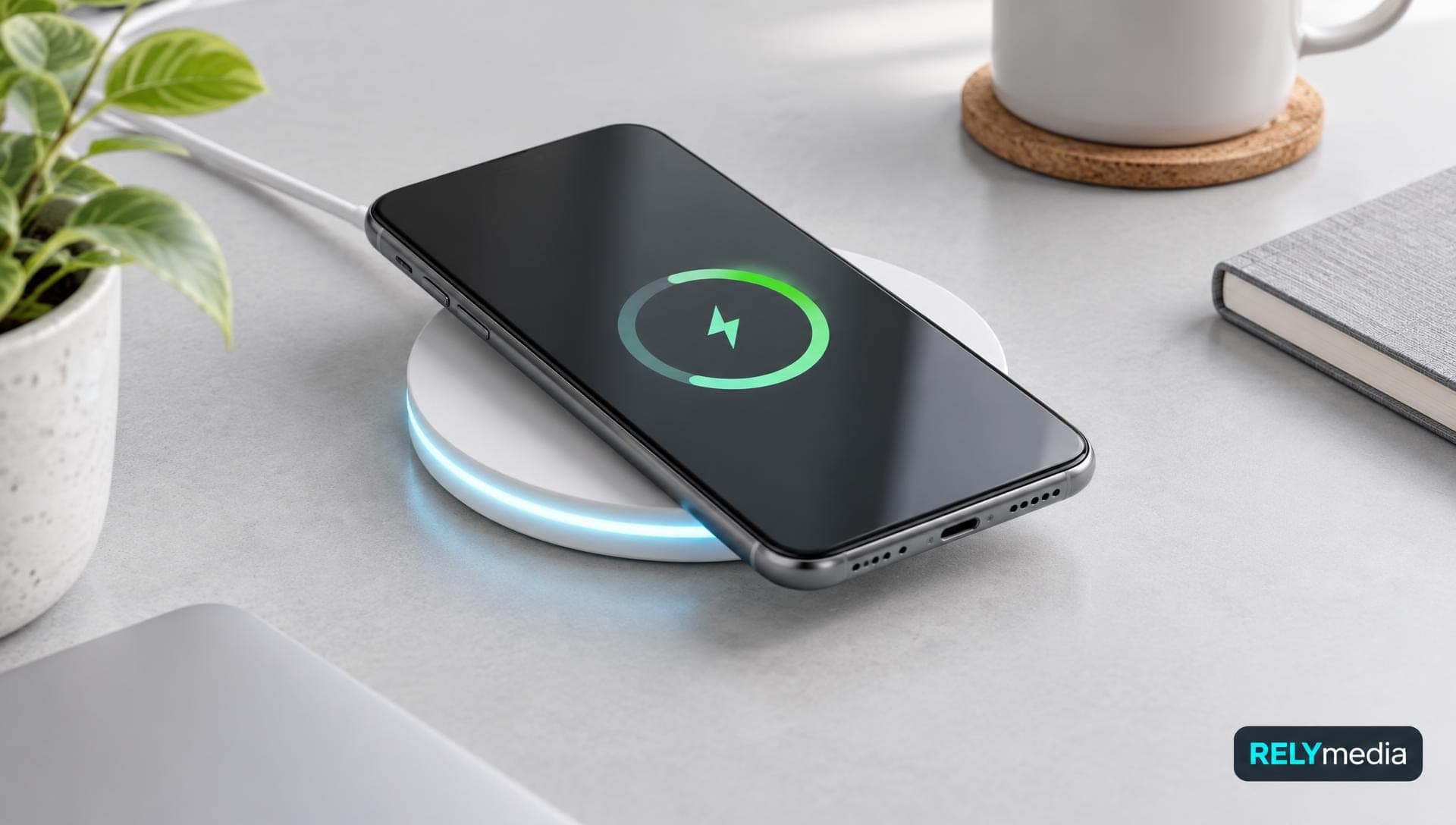
Wireless charging removes the cable between the power bank and phone. Magnetic wireless charging helps compatible phones stay aligned. It is convenient for on-the-go charging, though wired charging often delivers better charging efficiency and thermal performance.
How to Match a Power Bank to Your Devices
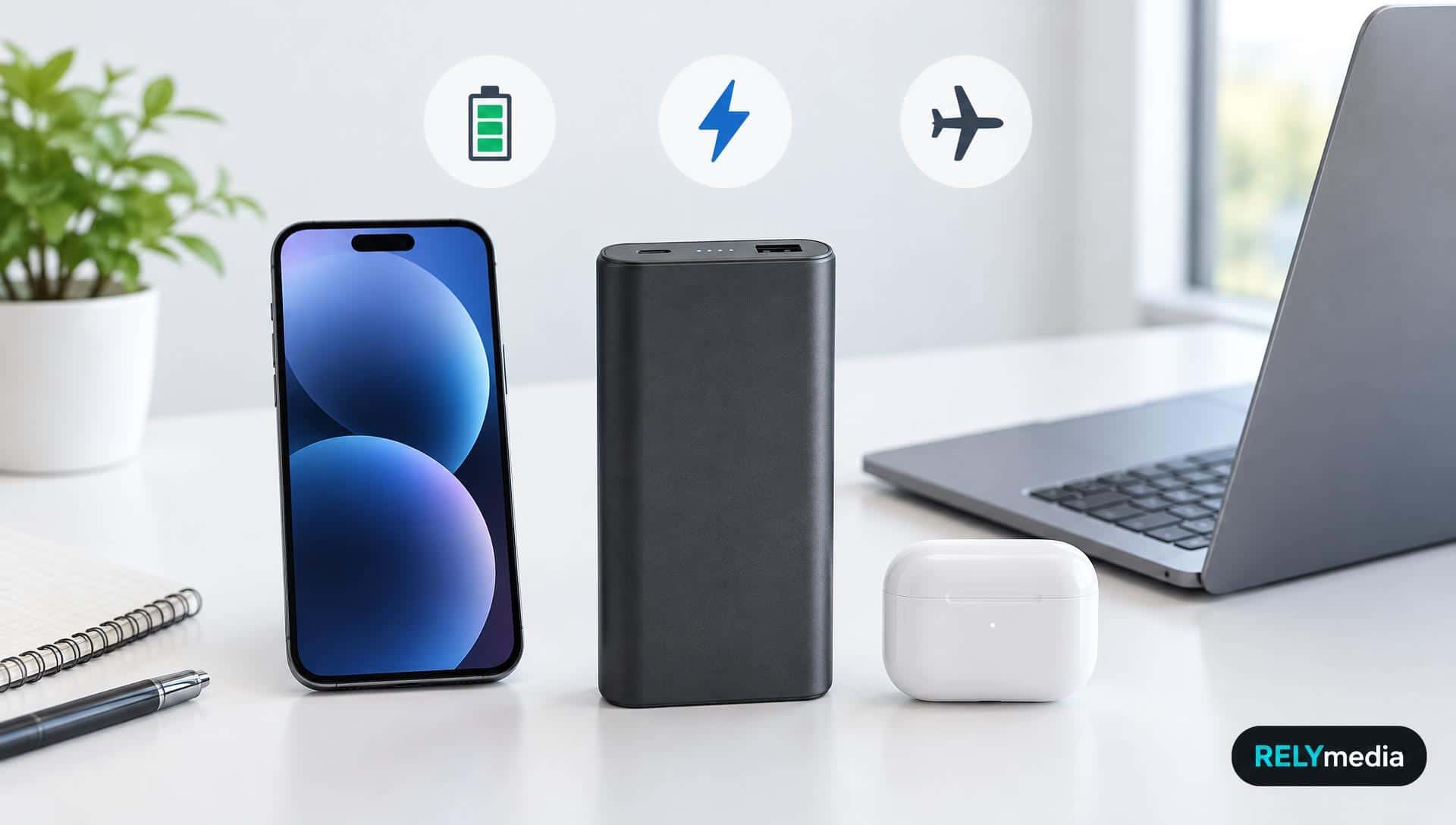
Match power bank features to what you carry:
- iPhone or Android smartphone: USB-C and roughly 18W–30W fast charging often suit modern phones.
- Samsung smartphone: Check the model's supported charging protocol and cable requirements.
- iPad or tablet: Look at required wattage before choosing.
- MacBook or laptop: Confirm USB-C Power Delivery and laptop charging requirements.
- AirPods, smartwatch, or wearable: Lower output is generally sufficient.
- Nintendo Switch or game console: Verify USB-C output and manufacturer guidance.
- Multiple devices: Compare total shared output, not only one port's maximum rating.
Building a travel kit, conference giveaway, or employee package?
RELYmedia can help match power bank features to real-world application and recipient needs.
Can You Take a Power Bank on a Plane?
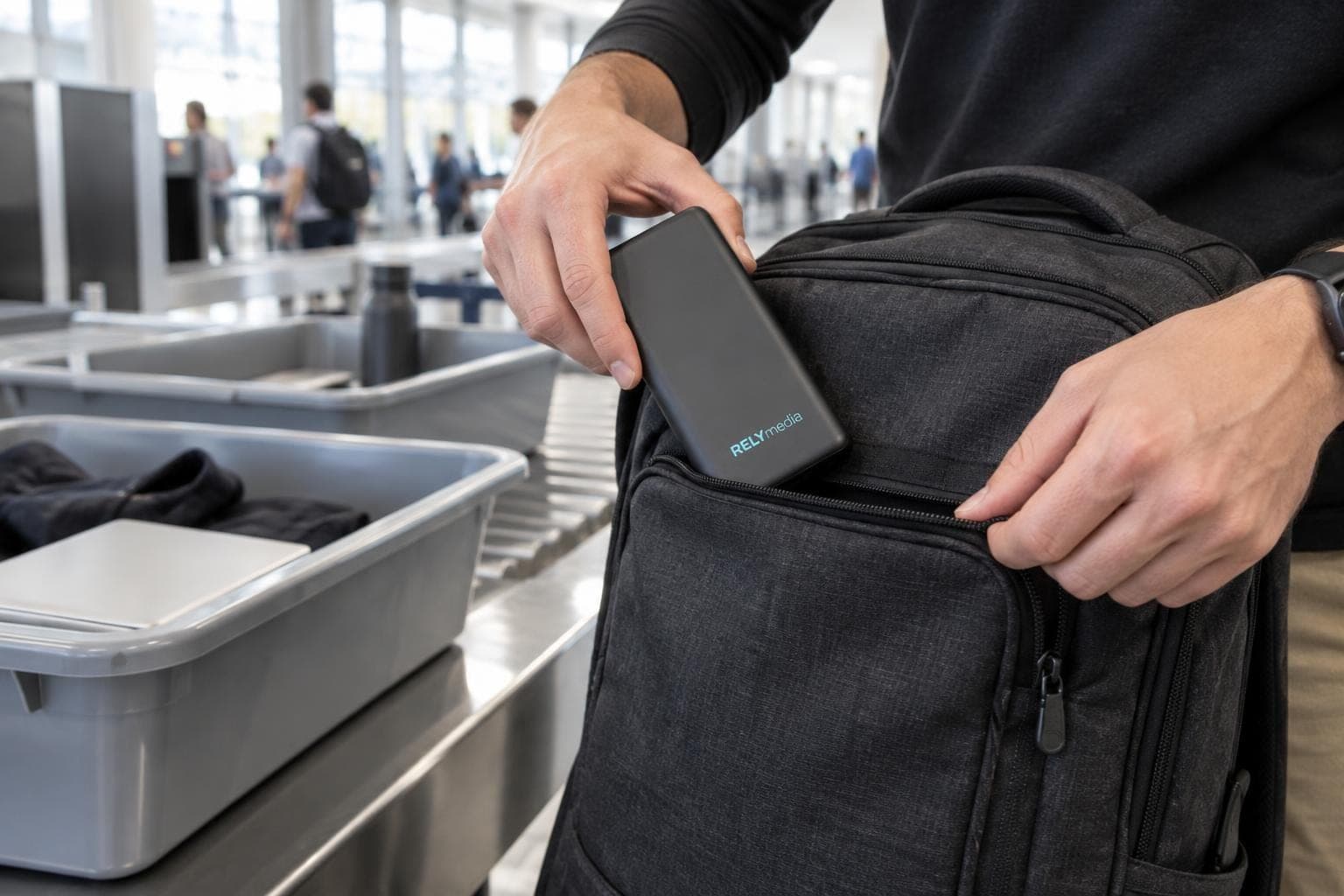
Under current FAA guidance, spare lithium batteries, including power banks and portable chargers, must travel in carry-on baggage and cannot go in checked baggage. If your cabin bag gets gate-checked, remove the power bank first.
How to Convert mAh to Wh
Use this mAh-to-Wh conversion:
Wh = (mAh × labeled voltage) ÷ 1000
At 3.7 volts:
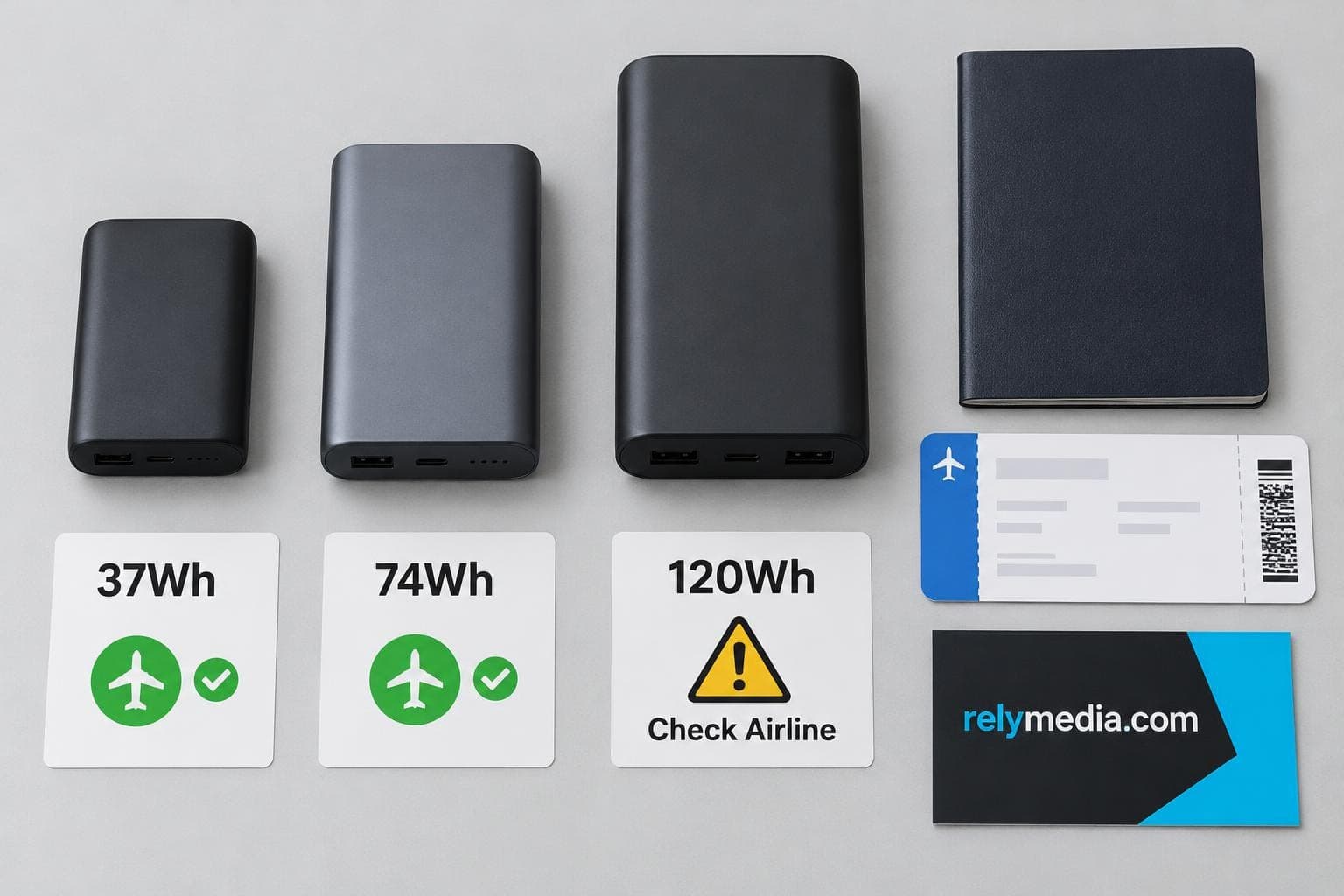
| Battery capacity | Approximate energy rating |
|---|---|
| 10000mAh | 37Wh |
| 20000mAh | 74Wh |
| 27000mAh | 99.9Wh |
Understand the 100Wh and 160Wh Limits
FAA rules generally allow rechargeable lithium batteries up to 100 Wh on passenger aircraft, subject to applicable carry-on rules. Batteries from 101Wh to 160Wh need airline approval, with limits on larger spare batteries. Batteries above 160Wh are generally forbidden on passenger aircraft.
Current International Flight Restrictions
International travel rules are changing. In March 2026, ICAO introduced updated power bank provisions, and IATA guidance states that passengers should carry no more than two power banks for personal use and should not recharge them during flight. Airline policies can be stricter.
For an international flight, connecting flight, or overseas travel, check the operating airline before departure. Rules may cover cabin baggage, the aircraft cabin, overhead bin storage, in-flight use, battery restrictions, and baggage allowance.
The Taiwan Civil Aviation Administration, EVA Air, and other overseas authorities or carriers can apply additional local or airline regulations. That is why international travel regulations should never be assumed from US rules alone.
Sending teams overseas? Choose travel-friendly promotional electronics with clear capacity labels, reliable safety documentation, and practical portable design.
How to Choose a Safe and Reliable Power Bank
Look for battery protection features such as:
- overcharge protection
- over-discharge protection
- short-circuit protection
- overheat protection
- over-temperature protection
- thermal protection
- smart output control
- intelligent power control
- multi-circuit protection
- heat dissipation
Some products use an NTC thermistor or PTC thermistor for temperature or current protection. Terms such as NTC protection, PTC protection, safety mechanism, and circuit protection should be backed by actual product specifications.
Certification also depends on the market. BSMI approval or certification is required in Taiwan, while US buyers should check applicable US safety certifications and product requirements.
Recent CPSC warnings show why battery inspection matters. On September 17, 2026, the CPSC warned consumers to stop using certain jump starter/power bank products because their internal lithium-ion batteries could explode and ignite.
For branded electronics, RELYmedia can help you prioritize product safety, brand quality, product reliability, and warranty coverage alongside customization.
Price vs. Performance: Look Beyond the Biggest Number
Check:
- usable charging capacity
- charging speed and charging efficiency
- product quality and product durability
- multiple output ports
- fast-charging protocol support
- battery protection
- compact design and lightweight design
- warranty service
- repair service or replacement service
- customer support and after-sales service
A reputable brand or vetted supplier may offer stronger quality control than a no-name brand or unbranded product. Still, brand reputation and brand trust are not proof by themselves. Check manufacturer reputation, technical specifications, recall history, and warranty terms.
Power Bank Maintenance: Protect Battery Life and Long-Term Performance
Practice Better Charging Habits
Use intact cables, proper chargers, and good ventilation; stop if overheating occurs.
Use Proper Battery Storage
For battery storage, choose a dry, well-ventilated location. Avoid direct sunlight, moisture exposure, and hot vehicles. Storage temperature matters because sustained heat speeds battery degradation and battery aging.
For long-term use, follow the manufacturer's guidance on battery levels. Some makers recommend a partial charge, often around 50%, during extended storage. Avoid leaving a rechargeable battery deeply discharged for months.
Clean and Inspect the Power Bank
Use a microfiber cloth for cleaning the enclosure. Keep alcohol wipes and other liquids away from openings unless the manufacturer specifically permits them.
For port care and USB port cleaning, use a gentle dusting method. Dust accumulation, moisture, and oxidation can affect a charging connector. Never insert conductive metal into a USB-C, USB-A, or Lightning port.
Power Bank Buying Checklist
Before making your final purchase decision, verify:
- suitable power capacity
- realistic rated capacity
- required power output
- correct charging interface
- USB-C compatibility
- PD or QC support
- multiple-device support
- travel-friendly design
- lithium battery safety features
- warranty coverage and customer support
Ready to print your team's name on premium apparel?
Fill in your details and a RELYmedia specialist will come back to you with a custom quote — fast turnaround, no obligation.
- ⚡Same-day response on business days
- 🎨Free design assistance included
- 🚚Rush order & fast delivery available
- 💰Price beat guarantee on every order
Shop custom USB-C flash drives
See all usb-c, card & slim drives
MOQ 30 pcs 32GB Rotating USB-C Flash Drive
$2.69 - $4.50
View product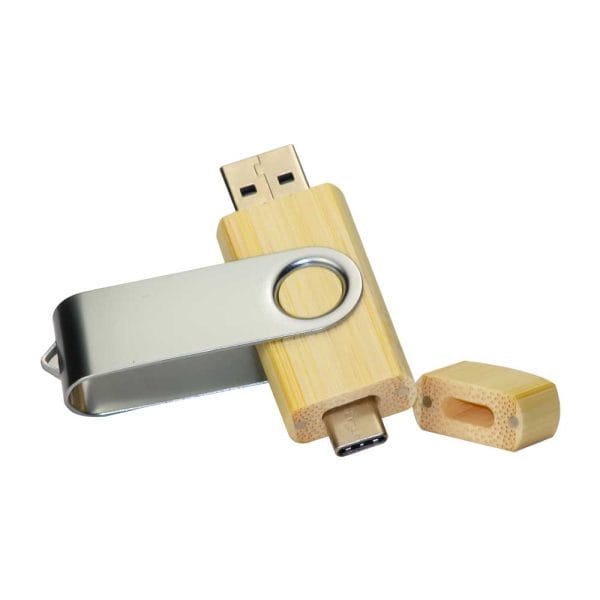
RMCC02 USB-C Flash Drive
Price on request
View product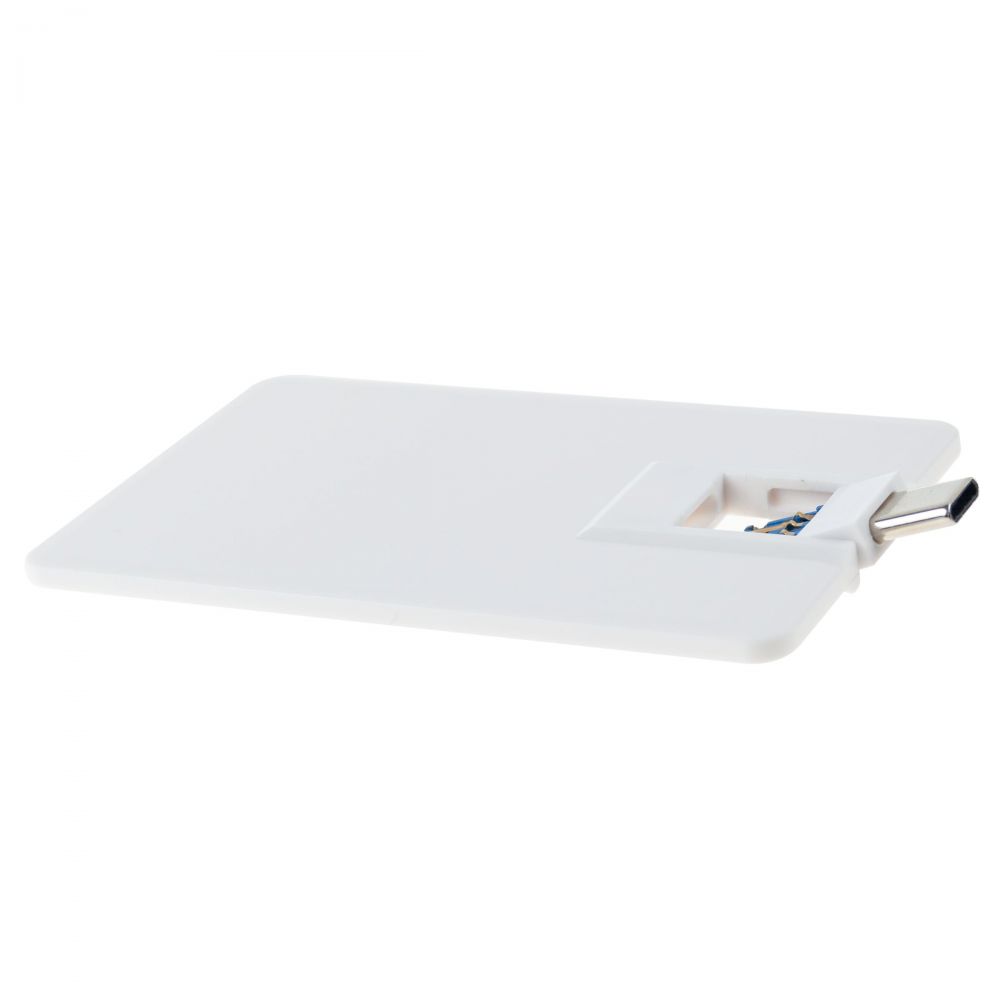
RMCC04 USB-C Flash Drive
Price on request
View product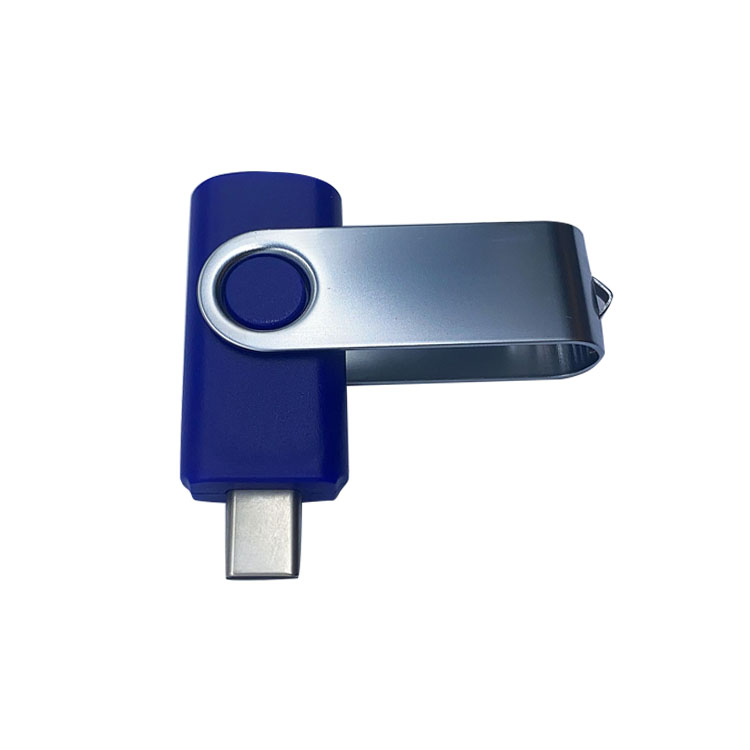
RMCC03 USB-C Flash Drive
Price on request
View product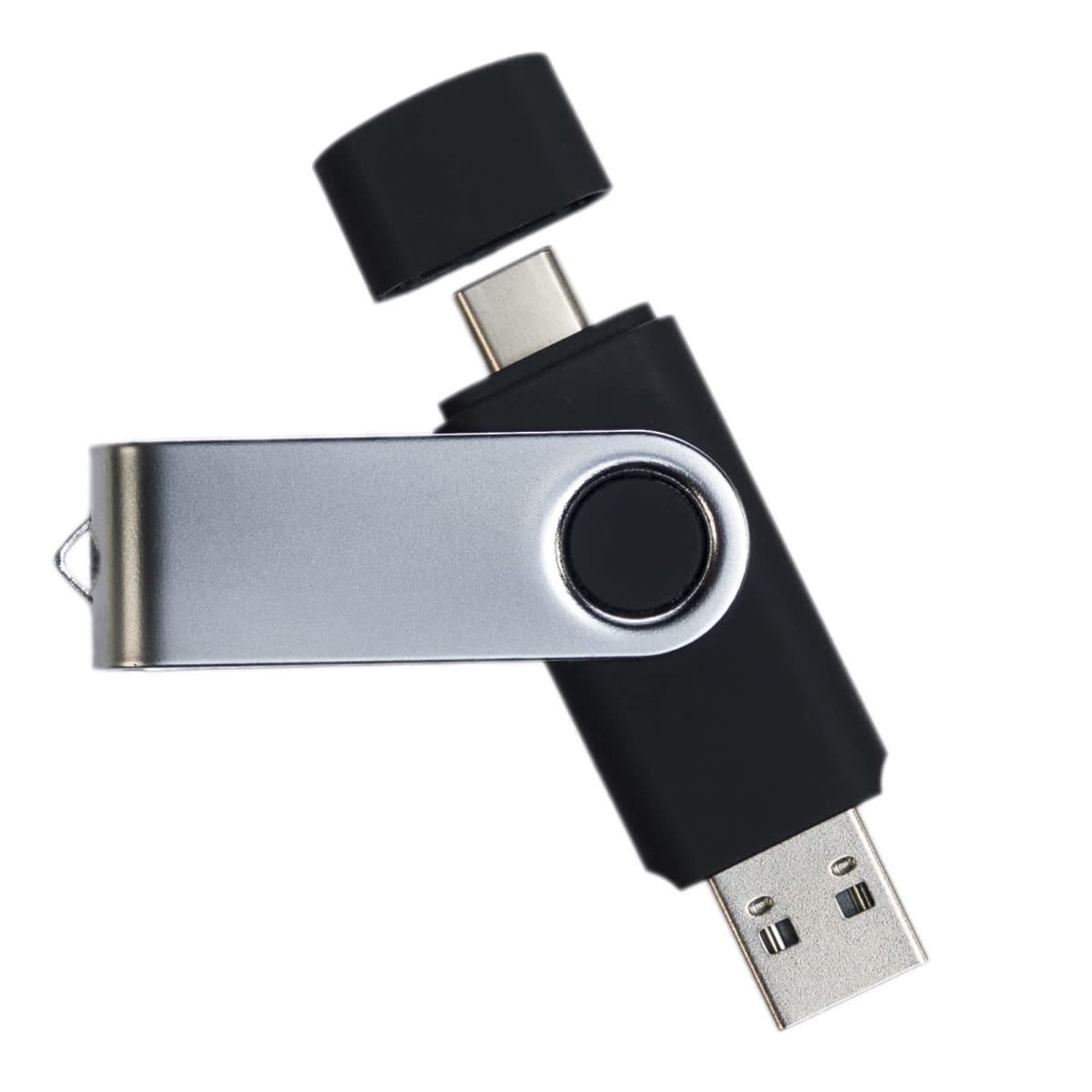
RMCC01 USB-C Flash Drive
Price on request
View product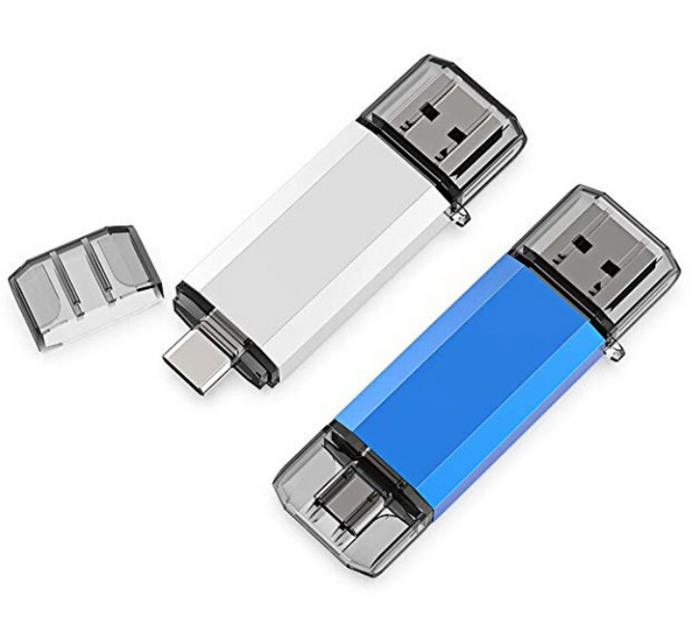
RMCC08 USB-C Flash Drive
Price on request
View product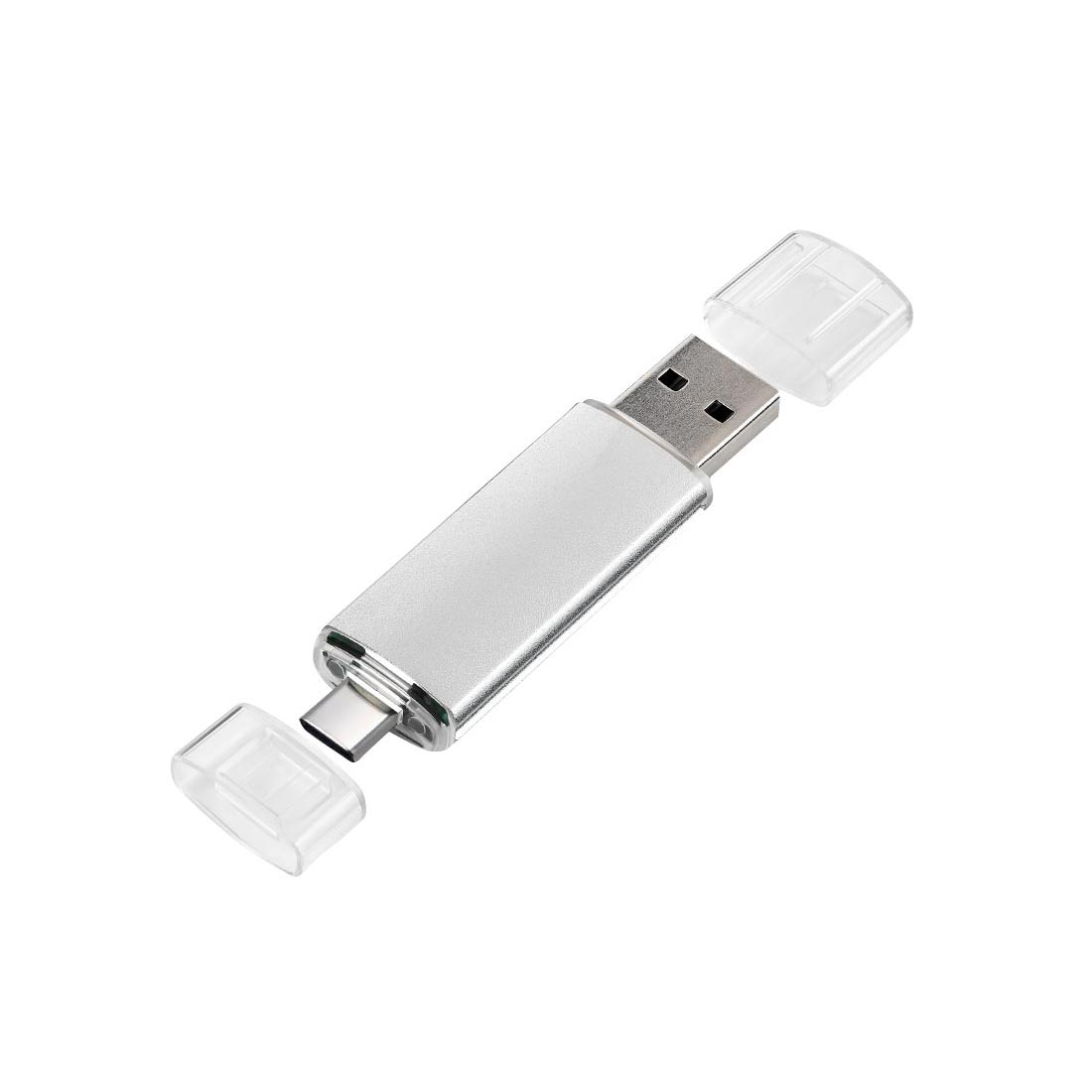
RMCC07 USB-C Flash Drive
Price on request
View product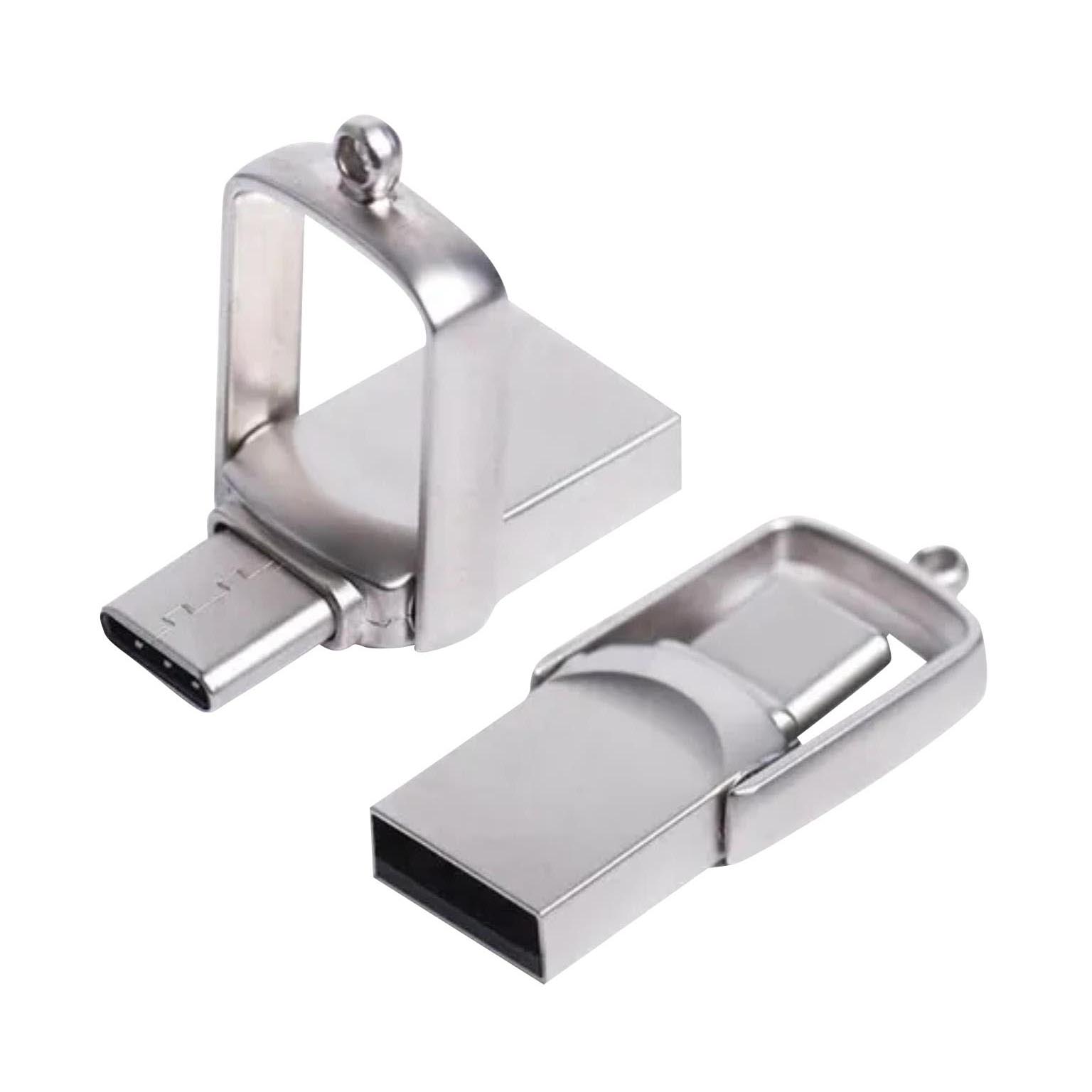
RMCC05 USB-C Flash Drive
Price on request
View product
Frequently Asked Questions About Choosing a Power Bank
Can You Bring a 20000mAh Power Bank on a Domestic Flight?
Usually, yes, as long as its watt-hour rating stays within applicable limits and it remains in carry-on baggage. Check your airline's policy before air travel, as airlines may impose stricter restrictions.
Why Does a Power Bank Deliver Less Than Its Labeled Capacity?
Energy is lost through voltage conversion, circuitry, heat, cables, and the device's own charging process. Therefore, labeled capacity and actual usable capacity are different.
Can a Power Bank Go Through Airport Security?
Yes, compliant power banks can go through security screening and baggage screening in carry-on luggage. Keep the capacity label legible and comply with airline requirements. Airport security may use an X-ray scan during screening.
Conclusion: Choose a Power Bank for Real Life, Not Just the Label
Choosing a power bank becomes easier when you consider capacity, charging speed, compatibility, safety, and flight restrictions separately. Start with your devices. Estimate the energy you need. Then compare rated capacity, power delivery, ports, charging technology, product safety, and long-term value.
For businesses, RELYmedia helps match branded power banks to audience needs, charging features, travel practicality, safety, and campaign goals. That turns a useful portable charger into a practical brand touchpoint people can keep using.
Ready to turn useful backup power into a branded business tool?
Contact RELYmedia to explore promotional power banks and charging accessories for your next campaign.
Shop this
Need custom power banks? We print them.
Bulk pricing, three free mockups, real quotes back the same business day.