How Wireless Charging Technology Works: Qi vs. PMA Charging
October 21, 2026 · 11 min read
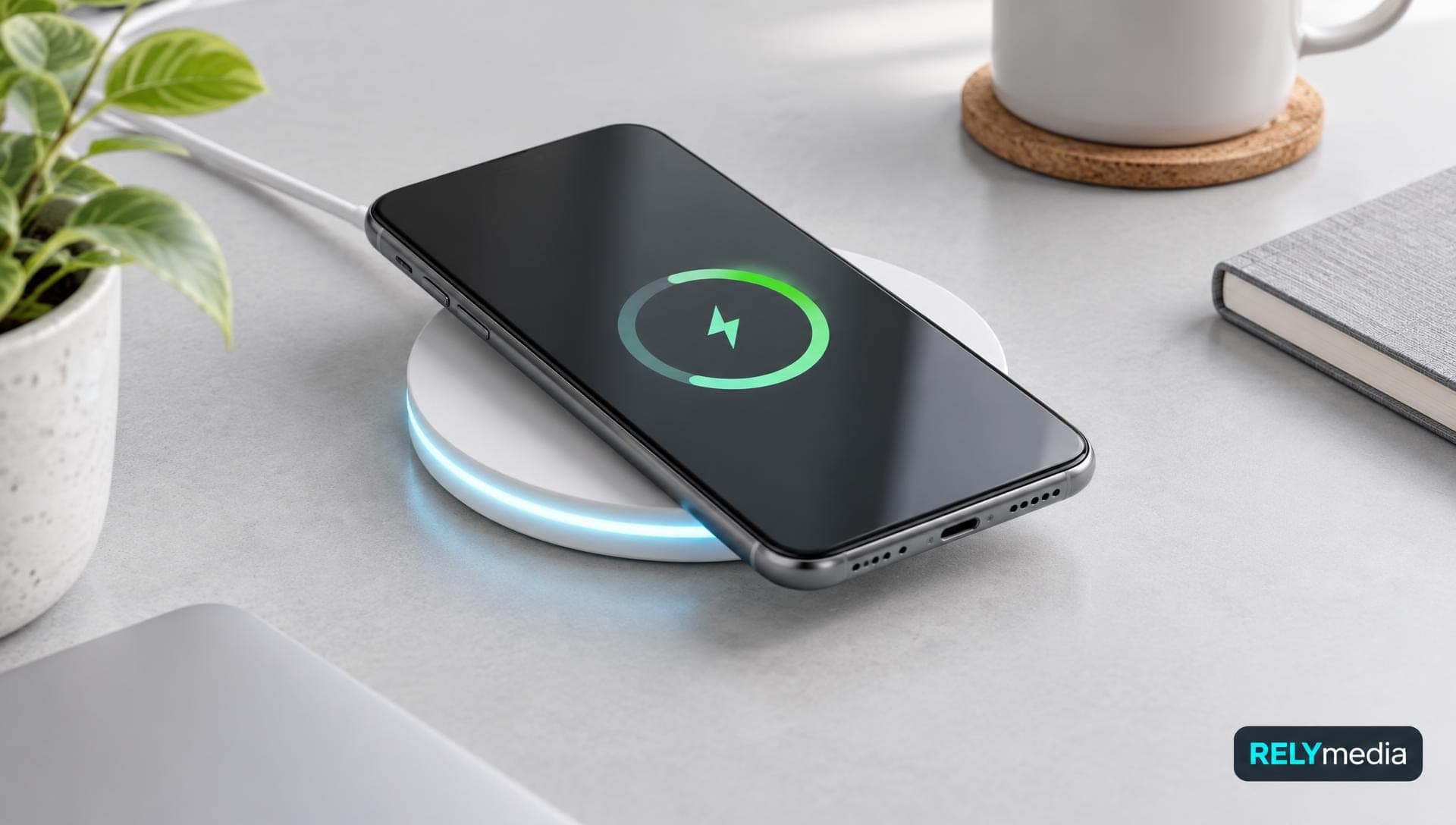
Wireless charging makes powering a smartphone feel almost effortless. Place the phone on a charging pad, and energy begins moving without a cable entering the device. Behind that simple action sits a carefully controlled system of coils, circuitry, communication, and safety features.
For businesses, the technology also creates practical branding opportunities. A useful wireless charger can stay visible on a desk, nightstand, or conference table for months.
This guide explains how wireless charging technology works, compares Qi vs. PMA charging, covers wireless charger safety, and shows what US buyers should check before choosing products for customers, employees, or events.
How Does Wireless Charging Technology Work?
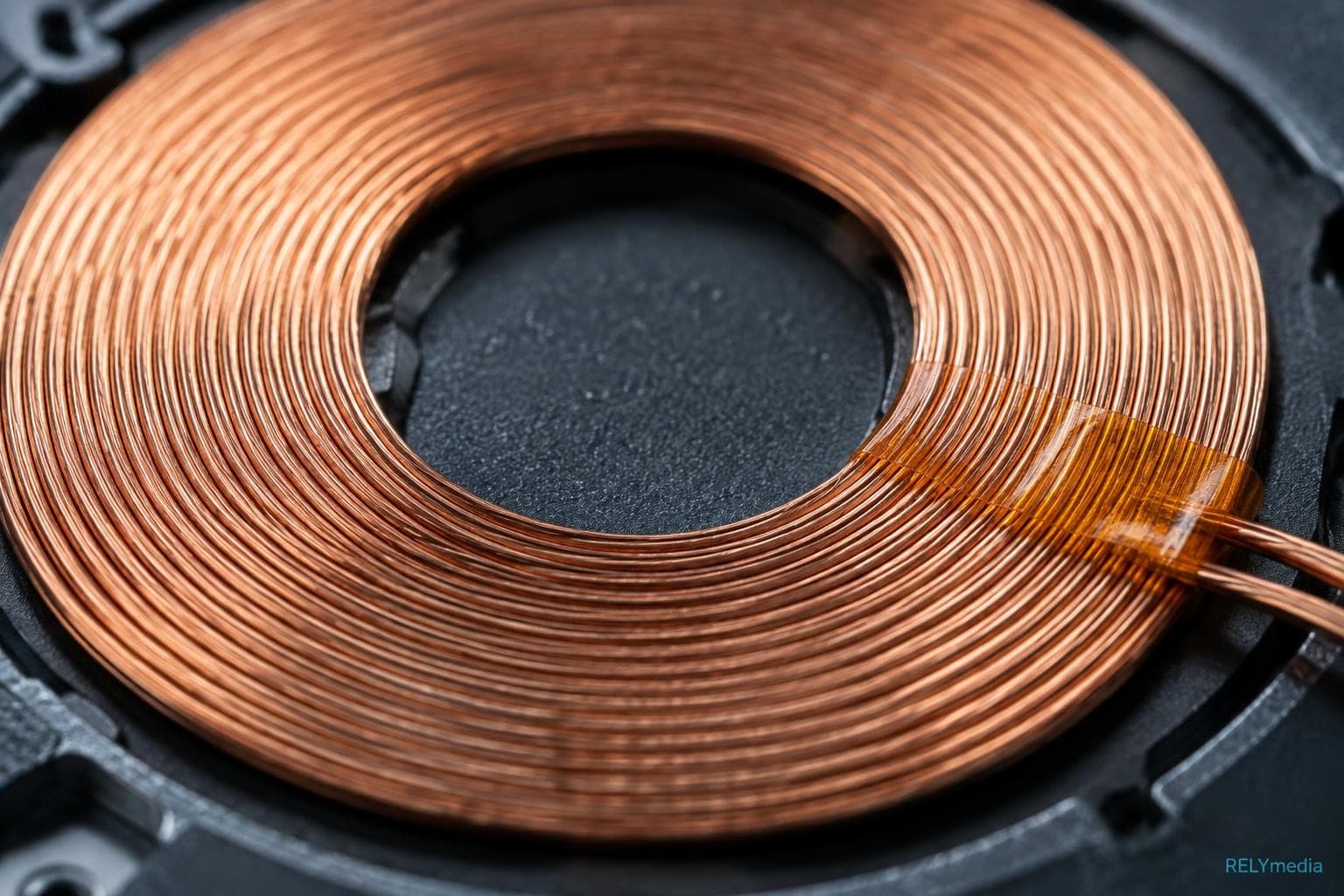
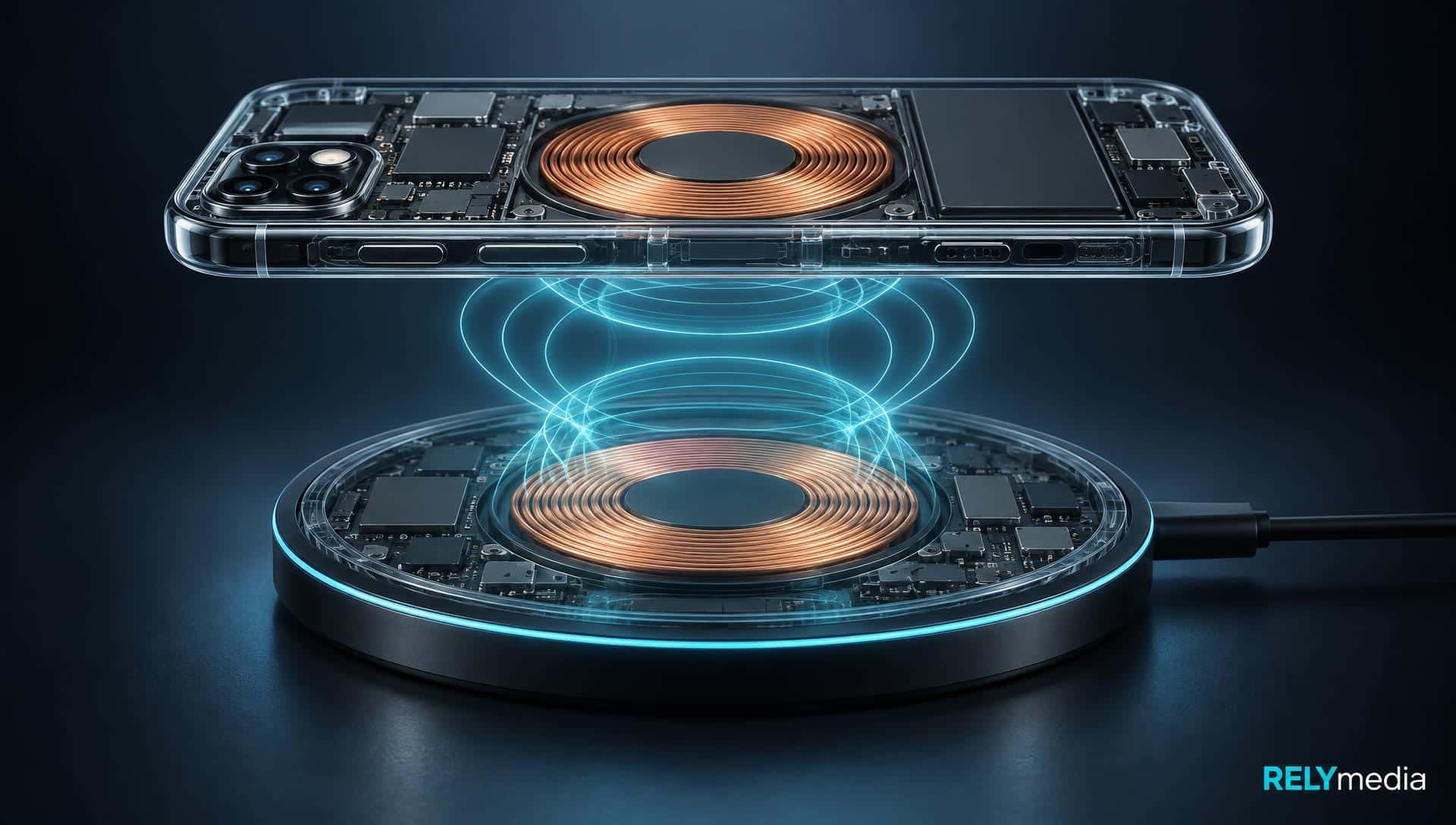
Most consumer wireless charging uses electromagnetic induction. Electricity enters the charging base from a wall outlet. The charger then sends alternating current through a charging coil. That current creates a changing electromagnetic field.
A receiver coil inside a compatible device captures part of that field. The wireless charging receiver converts the captured energy into usable electrical current to charge the battery.
The wireless charging process generally follows this path:
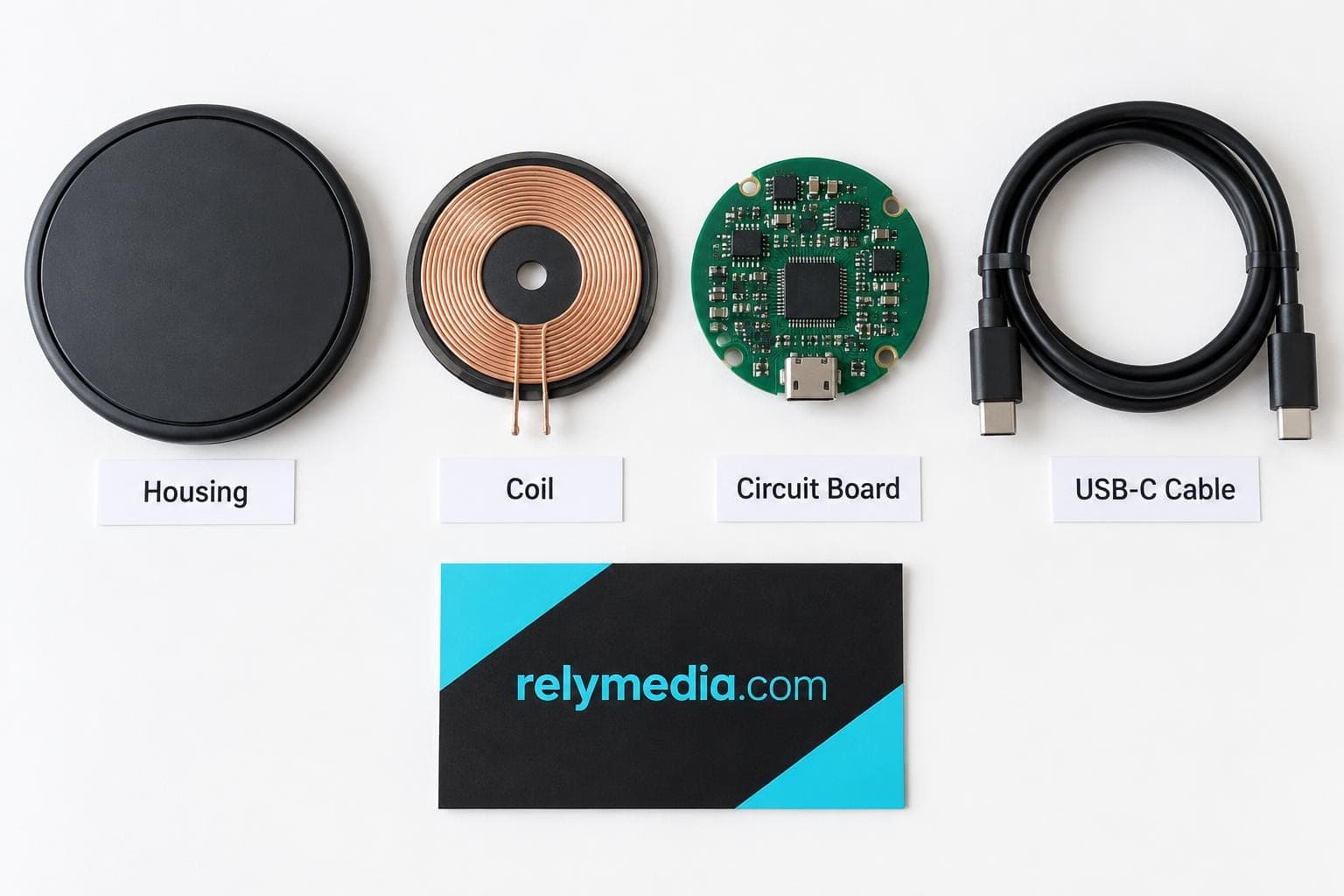
- Power reaches the wireless charger through an adapter.
- Safety circuitry regulates current and voltage.
- The transmitter energizes the charging coil.
- The coil creates a wireless charging signal.
- The charging receiver coil captures electromagnetic energy.
- Circuitry converts that energy into usable power.
- The device adjusts charging power as the battery level changes.
Because inductive systems work at close proximity, proper placement matters.
Why Coil Alignment and Heat Matter
Wireless systems never transfer every watt perfectly. Some energy loss occurs during conversion and power transmission. Part of that energy is wasted as heat.
Poor alignment, thick cases, and foreign objects can increase heat generation and reduce charging efficiency.
Better products use advanced chipsets, intelligent microchips, or smart chips to precisely regulate power delivery. These controls help manage charging temperature, required power, and device protection.
What Is Qi Wireless Charging Technology?
Qi wireless technology is the leading consumer wireless charging standard. The Wireless Power Consortium, commonly called WPC, develops the Qi standard and oversees its certification ecosystem.
Qi charging technology defines how a transmitter and receiver identify each other, communicate, and safely deliver power.
The standard has continued to evolve. Qi2 introduced magnetic alignment to improve positioning and consistency. WPC later introduced Qi2 25W, expanding standardized higher-power wireless charging for compatible certified devices.
What Is the Difference Between WPC and Qi Wireless Charging?
The difference between WPC and Qi wireless charging is simple: WPC is the organization; Qi is the standard.
They are not rival technologies. WPC develops specifications, manages certification, and maintains the ecosystem behind Qi wireless charging technology.
A product can claim compatibility without necessarily completing formal Qi certification.
What Does Qi Certification Mean?
Qi certification checks whether a product conforms to the specification and works correctly with other certified products. WPC maintains a Certified Product Database where buyers can verify listed products.
Certification adds evidence beyond marketing claims, but electrical safety, charger quality, warranty protection, and regulatory requirements still matter. WPC itself notes that Qi certification does not replace manufacturers' responsibility for applicable product-safety regulations.
What Is PMA Charging?
PMA stands for Power Matters Alliance. It developed an inductive charging system that once competed more directly with Qi.
PMA later merged with the Alliance for Wireless Power (A4WP) in 2015. The combined organization became the AirFuel Alliance. Today, AirFuel focuses its public roadmap on resonant and RF wireless power rather than positioning PMA as a mainstream consumer rival to Qi.
AirFuel Resonant offers greater placement flexibility, while AirFuel RF transmits lower power over greater distances.
PMA now matters mainly for legacy devices, older installations, and wireless-power history.
Qi vs. PMA Charging: What Is the Difference?
| Feature | Qi Wireless Charging | PMA Charging |
|---|---|---|
| Standards organization | Wireless Power Consortium | Former Power Matters Alliance |
| Core method | Magnetic induction | Magnetic induction |
| Modern consumer adoption | Broad | Limited or legacy |
| Certification | Active Qi certification program | Historical PMA ecosystem |
| Typical use today | Phones, accessories, public charging | Older equipment and installations |
| Current development path | Qi2 and Qi2 25W | AirFuel now emphasizes resonant and RF |
Some older smartphones supported both systems, but charger compatibility should never be assumed.
For most present-day consumer purchases, Qi is the wireless charging standard that deserves the closest attention.
Is Wireless Charging Faster Than Wired Charging?
Charging speed depends on the charger, smartphone, adapter, battery state, heat, alignment, and supported protocol.
A charger with higher charging capacity cannot force a phone to accept more power; the device's capabilities still set the limit.
Charging can slow when:
- the battery approaches fully charged;
- charging temperature rises;
- coils become misaligned;
- a case creates extra distance;
- foreign objects interfere;
- the adapter cannot supply enough power;
- battery protection reduces intake.
Wired charging can still be more efficient because it avoids some conversion losses. Wireless charging trades part of that efficiency for convenience.
Choosing a promotional charger? Match the product's charging capability to the devices your audience actually uses.
Is Wireless Charging Safe?
Safe wireless charging depends on product design, safety certification, operating conditions, and proper use.
Wireless charging radiation questions are common. Chargers generate short-range electromagnetic fields that are distinct from mobile network radiation.
In the United States, wireless power transfer devices operating above 9 kHz are subject to FCC equipment authorization rules. Applicable devices must also comply with federal limits on human radiofrequency exposure.
Avoid vague claims such as “zero radiation” or “harmless signal.” Look for documented compliance and recognized safety standards instead.
Heat, Overheating Protection, and Automatic Shutdown
Heat generation is normal. Excessive heat can reduce charging efficiency and affect battery health over time.
Useful safety features include:
- overheating protection;
- automatic shutdown;
- temperature monitoring;
- voltage regulation;
- voltage protection;
- power surge protection;
- precise power delivery;
- charging interruption;
- battery protection.
These controls enhance device protection during desk, nightstand, and extended charging.
Foreign Object Detection
Metallic foreign objects can absorb energy near the charging coil and become hot.
A foreign object detector helps identify abnormal conditions. Foreign object detection can reduce power, stop charging, or trigger a charging alert. Some chargers use an LED indicator to show an interruption.
Keep the charging mat or charging pad clear before use.
Overnight Charging and Overcharge Protection
Modern phones manage battery charging internally, reducing charging once the battery reaches its target charge.
Overcharge protection, trickle charging behavior, and thermal controls vary by device. Overnight charging safety therefore depends on more than just the charging base.
For extended charging, use a reputable charger, ensure good ventilation, and follow the smartphone manufacturer's guidelines
Water Resistance and Liquid Exposure
A waterproof smartphone does not make a wet wireless charger safe.
After liquid exposure, disconnect the charger when it is safe to do so and follow the manufacturer's instructions. Never place a dry phone on wet electrical equipment.
Liquid around powered circuitry can create an electrical hazard.
Wireless Charger Certification Standards in the US
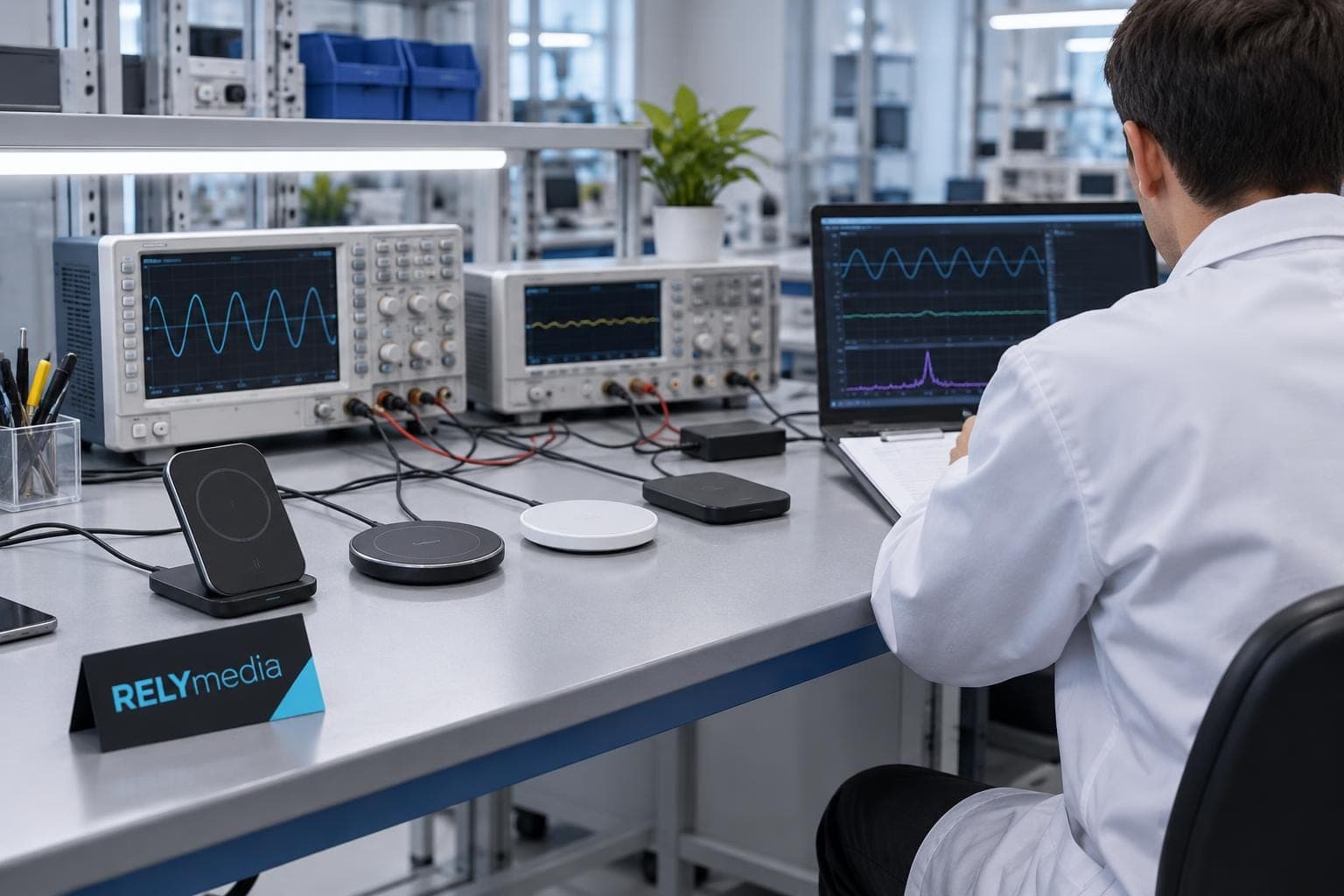
No single mark covers all parts of the wireless charger certification standards that US buyers may encounter.
Qi certification focuses on specification conformance and interoperability. FCC requirements address equipment authorization, radio frequency emissions, and applicable RF exposure limits. Electrical product safety may involve testing against relevant standards from organizations such as UL Solutions.
UL 2738 addresses induction power transmitters and receivers used with low-energy products.
These programs serve different purposes, so a single logo cannot meet every requirement.
| Check | Why It Matters |
|---|---|
| Qi certification | Confirms Qi conformance and interoperability |
| FCC compliance | Addresses applicable emissions and RF requirements |
| Electrical safety | Supports product safety evaluation |
| Manufacturing standards | Helps support consistent production |
| Warranty | Adds practical buyer protection |
| Material quality | Influences durability and product lifespan |
International safety standards, non-hazardous materials, and legal safety guidelines may also apply.
Before approving a large order, request certification, compliance, warranty, and compatibility information from your supplier.
How to Choose a Safe Wireless Charger
Start with device compatibility. Confirm that the charger supports the intended compatible smartphone, tablet, or other wireless charging devices.
Compare charger compatibility, charging capability, product safety, and user safety. Choose a Qi-certified charger when applicable.
A strong buying checklist includes:
- wireless charger safety information;
- recognized safety certification;
- foreign object detection;
- overheating protection;
- power regulation;
- smartphone protection;
- clear compatibility icons;
- dependable safety circuitry;
- charger reliability;
- strong warranty protection;
- durable materials;
- clear liquid exposure guidance.
Don't choose by price or wattage alone. A reputable charger brand should clearly explain compatibility and safety features.
How Businesses Can Use Wireless Charging
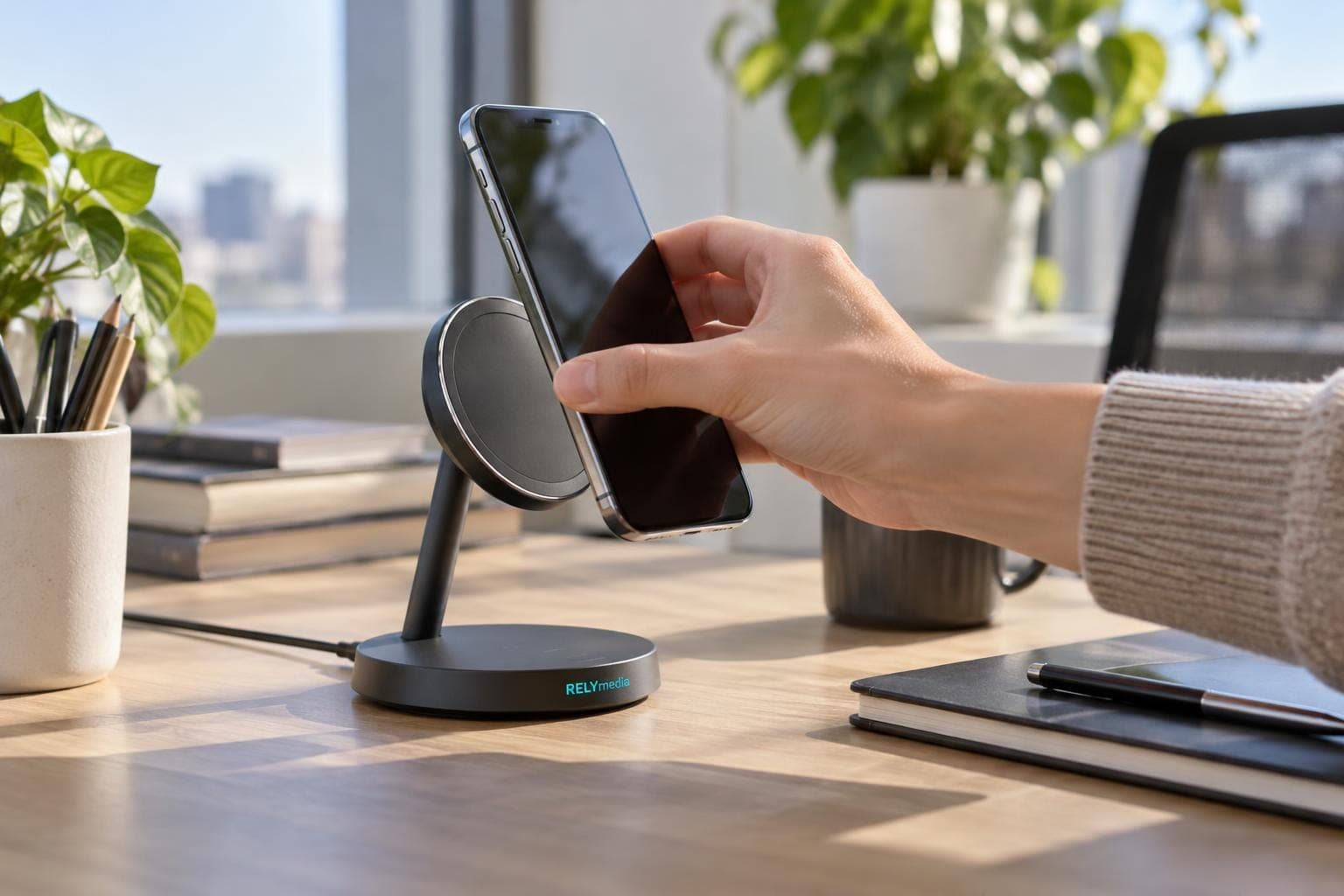
Wireless charging gains value when it solves a daily problem. Branded charging pads can be used on desks, in meeting rooms, and at trade shows.
RELYmedia helps businesses use that utility as a branding opportunity.
Common applications include:
- employee onboarding kits;
- customer appreciation gifts;
- conference tables;
- hospitality spaces;
- trade show giveaways;
- home-office packages;
- executive gifts;
- branded desk accessories;
- portable power banks with wireless charging.
Industrial wireless charging serves robots, sensors, tools, and automated equipment with specialized power and safety requirements. AirFuel, for example, identifies industrial applications among the potential uses for RF wireless charging.
Want your brand attached to something customers can use repeatedly?
Build a practical promotional technology campaign with RELYmedia.
Wireless Charging Advantages and Limitations
| Advantages | Limitations |
|---|---|
| Convenient drop-and-charge use | Precise placement may matter |
| Less cable clutter | Some energy becomes heat |
| Reduced charging-port wear | Charging can be slower |
| Useful shared surfaces | Compatibility varies |
| Strong branding potential | Low-quality chargers may run hotter |
At a desk, convenience may beat maximum speed. While traveling, wall chargers may charge batteries faster.
What Makes a Charger Reliable in Daily Use?
Reliability comes from more than peak wattage. A good charger balances charging capability, heat control, power regulation, and compatibility across supported devices. It should also respond predictably when charging is interrupted.
For business buyers, test the product in realistic settings. Try common phone cases, different smartphone models, overnight charging conditions, and repeated desk use. Check whether the LED indicator is easy to understand and whether the charging base stays stable on the surface.
Also review the supplier's documentation. Clear safety compliance information, manufacturing standards, warranty terms, and certification records make evaluation easier. When applicable, look for evidence covering emissions, electrical safety, and product safety rather than relying on broad claims about safe emissions.
Finally, inspect the physical product. Strong materials, secure cables, clean assembly, and a durable charging surface often reveal more about a charger's long-term reliability than packaging language does during normal daily use.
Ready to print your team's name on premium apparel?
Fill in your details and a RELYmedia specialist will come back to you with a custom quote — fast turnaround, no obligation.
- ⚡Same-day response on business days
- 🎨Free design assistance included
- 🚚Rush order & fast delivery available
- 💰Price beat guarantee on every order
Shop custom USB-C flash drives
See all usb-c, card & slim drives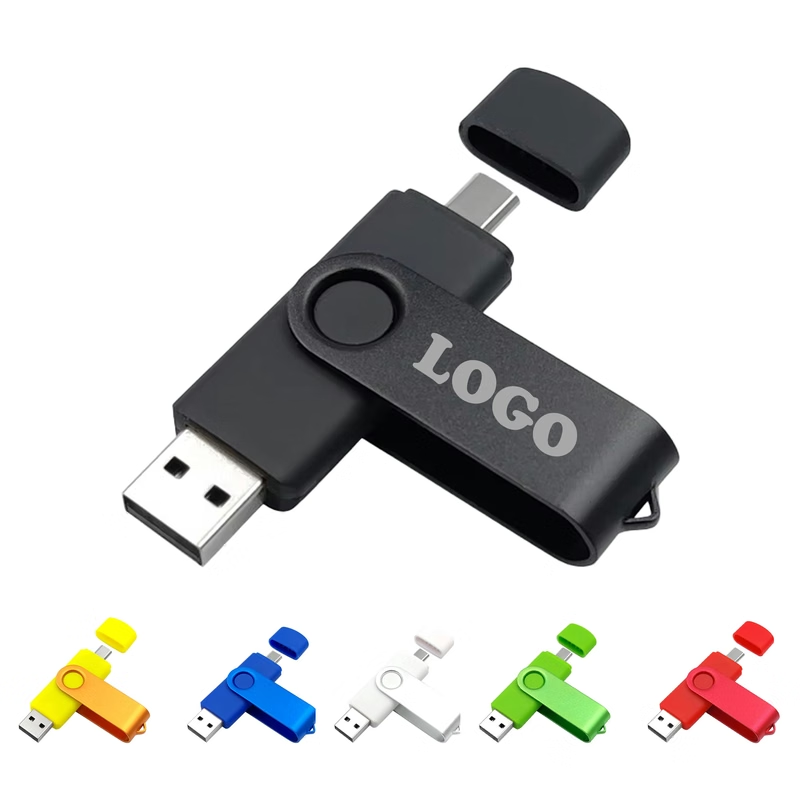
MOQ 30 pcs 32GB Rotating USB-C Flash Drive
$2.69 - $4.50
View product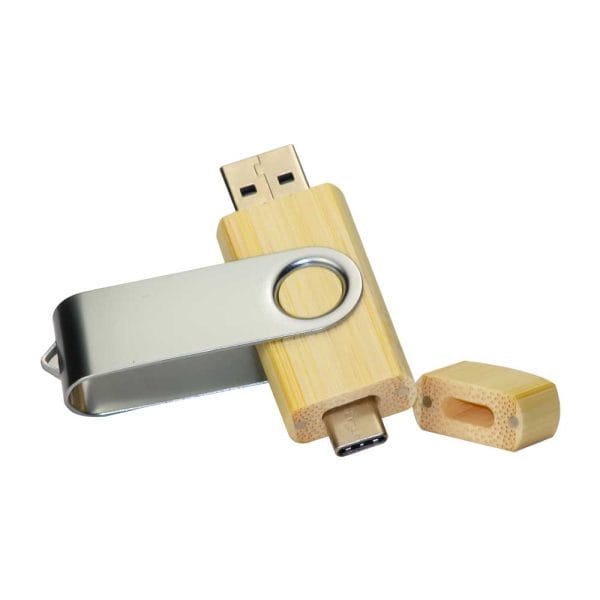
RMCC02 USB-C Flash Drive
Price on request
View product
RMCC04 USB-C Flash Drive
Price on request
View product
RMCC03 USB-C Flash Drive
Price on request
View product
RMCC01 USB-C Flash Drive
Price on request
View product
RMCC08 USB-C Flash Drive
Price on request
View product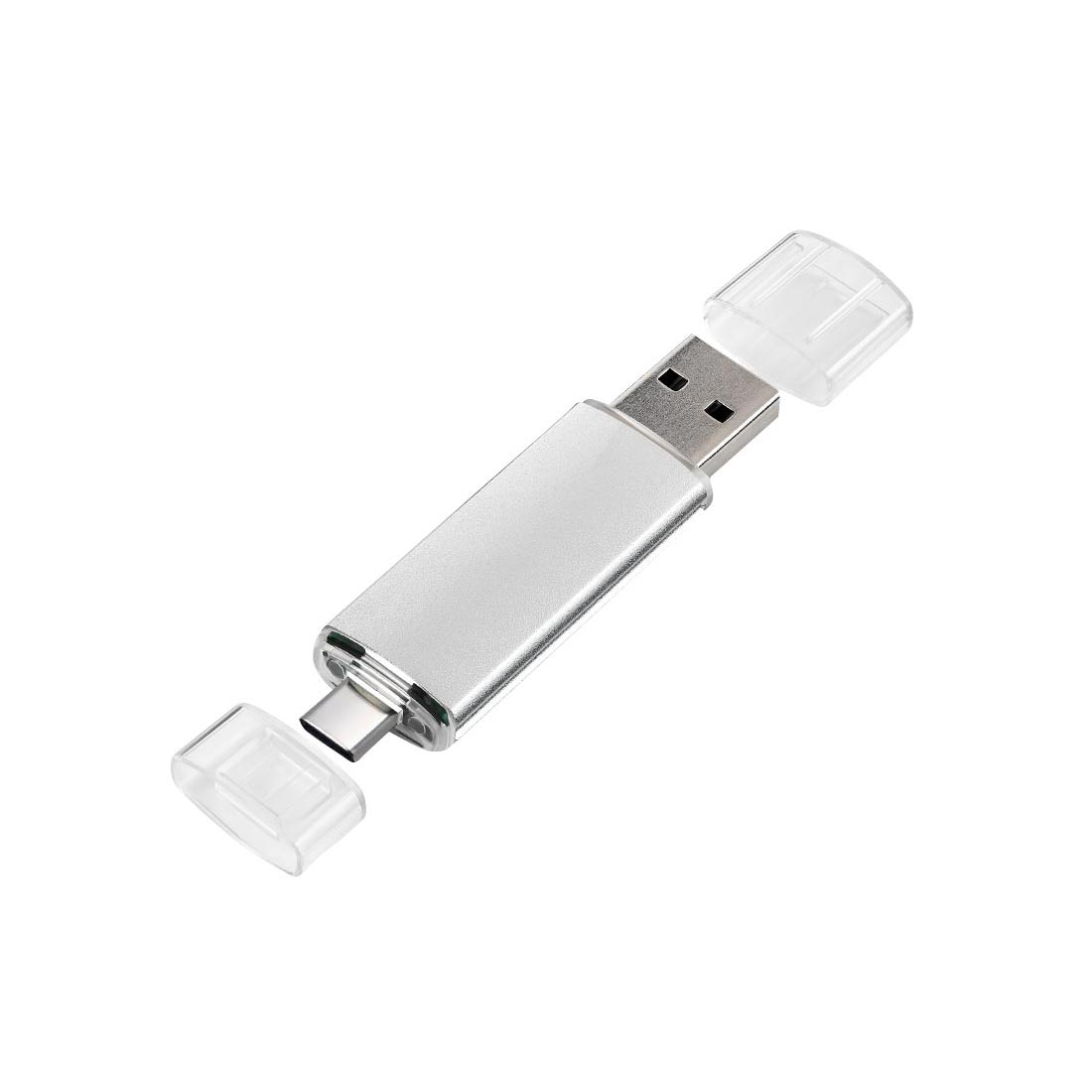
RMCC07 USB-C Flash Drive
Price on request
View product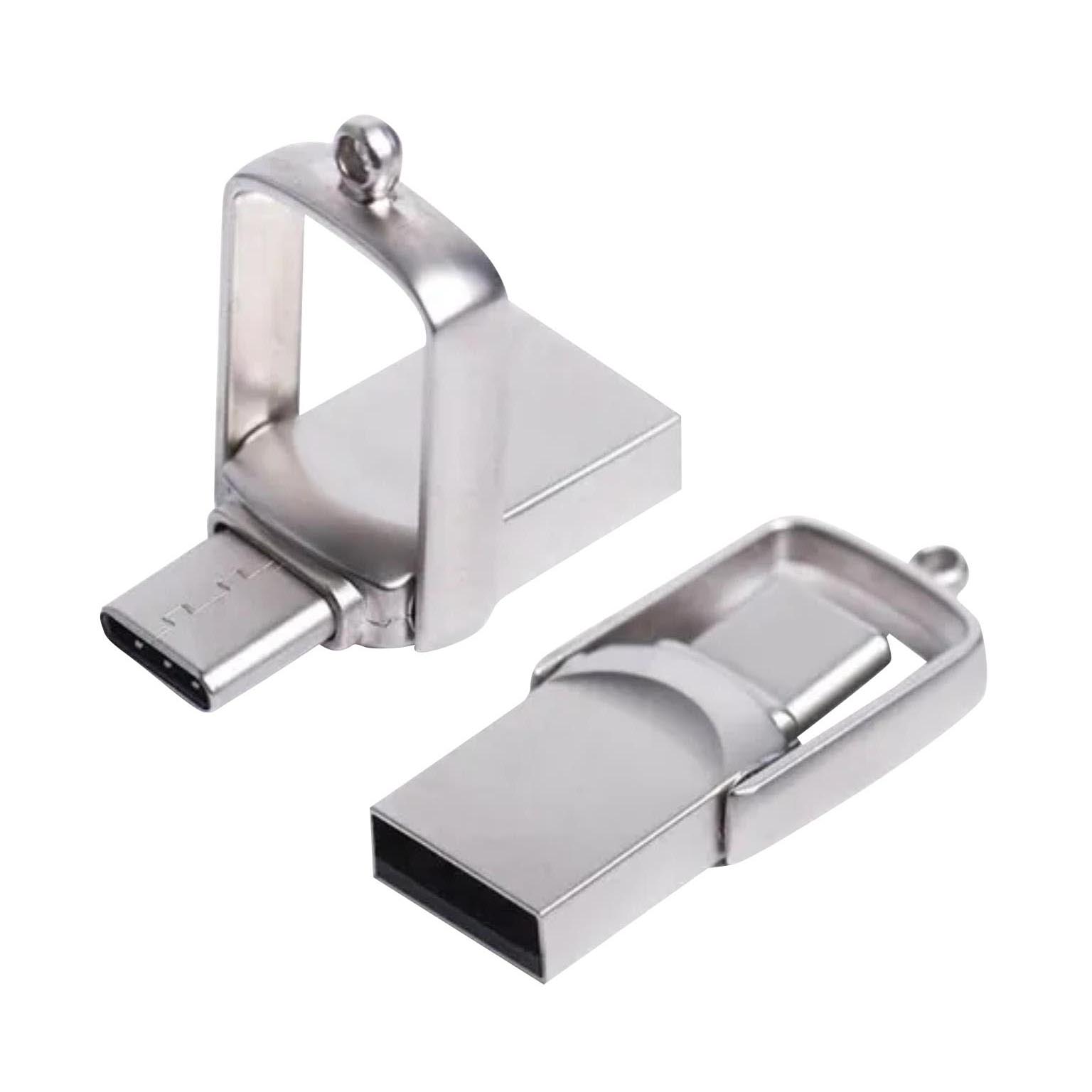
RMCC05 USB-C Flash Drive
Price on request
View product
Frequently Asked Questions
Is Qi the Same as Wireless Charging?
No. Qi is one wireless charging standard. Other wireless charging technologies exist, including AirFuel Resonant and AirFuel RF.
Is Wireless Charging Safe for a Phone Battery?
Generally, compatible hardware with proper temperature and power controls supports safe charging. Excessive heat remains the main practical concern for battery safety.
Does Wireless Charging Create Harmful Radiation?
Wireless charging uses electromagnetic fields for power transfer. US products must meet applicable FCC requirements, including relevant RF exposure limits.
Can Wireless Charging Work Through a Phone Case?
Often, yes. However, case thickness, materials, magnets, metal objects, and alignment can affect charging capability and efficiency.
Conclusion: Choose Wireless Charging That Balances Convenience, Safety, and Quality
Wireless charging looks simple because most of the engineering stays hidden. The charging coil produces a magnetic field, the receiver coil captures energy, and smart circuitry manages power delivery, temperature, compatibility, and safety.
Qi wireless charging technology now dominates the mainstream consumer accessories market. PMA remains important historical context, while AirFuel has moved toward resonant and RF systems. For US buyers, safety compliance, certification, electrical safety, charger quality, and real device compatibility deserve more attention than flashy wattage claims.
For businesses, a well-chosen wireless charger can keep the brand visible on a desk, counter, or nightstand.
RELYmedia helps organizations turn practical technology into memorable promotional products through responsive service, quality-focused sourcing, customization, and fast turnaround support.
Ready to turn everyday charging into lasting brand visibility?
Contact RELYmedia to create wireless charging products matched to your audience, timeline, and campaign goals.
Shop this
Need custom wireless chargers? We print them.
Bulk pricing, three free mockups, real quotes back the same business day.