Is Wireless Charging Safe? A Practical Guide to Safe, Smart Charging
October 21, 2026 · 10 min read
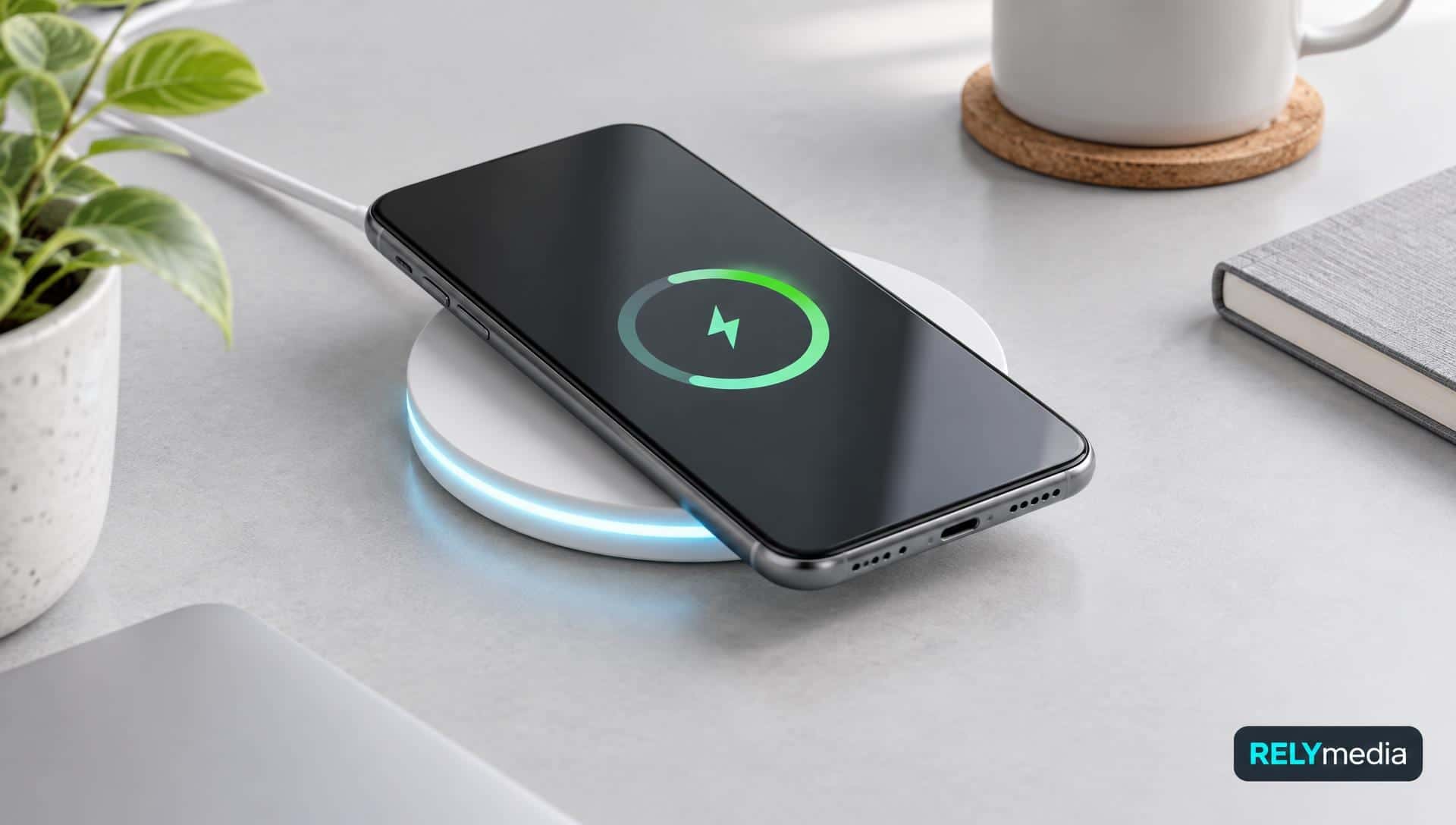
Set your phone down, watch the battery icon change, and move on. Still, many people ask: Is wireless charging safe?
In normal use, the answer is yes. Modern Qi wireless charging systems control power, heat, alignment, and foreign objects. Your smartphone also manages battery charging through software and temperature controls. Problems are more likely with damaged, incompatible, or uncertified chargers.
💡Quick answer: Safe wireless charging depends on certified hardware, proper alignment, temperature control, clean charging surfaces, and sensible use.
Are Wireless Chargers Safe for Everyday Use?
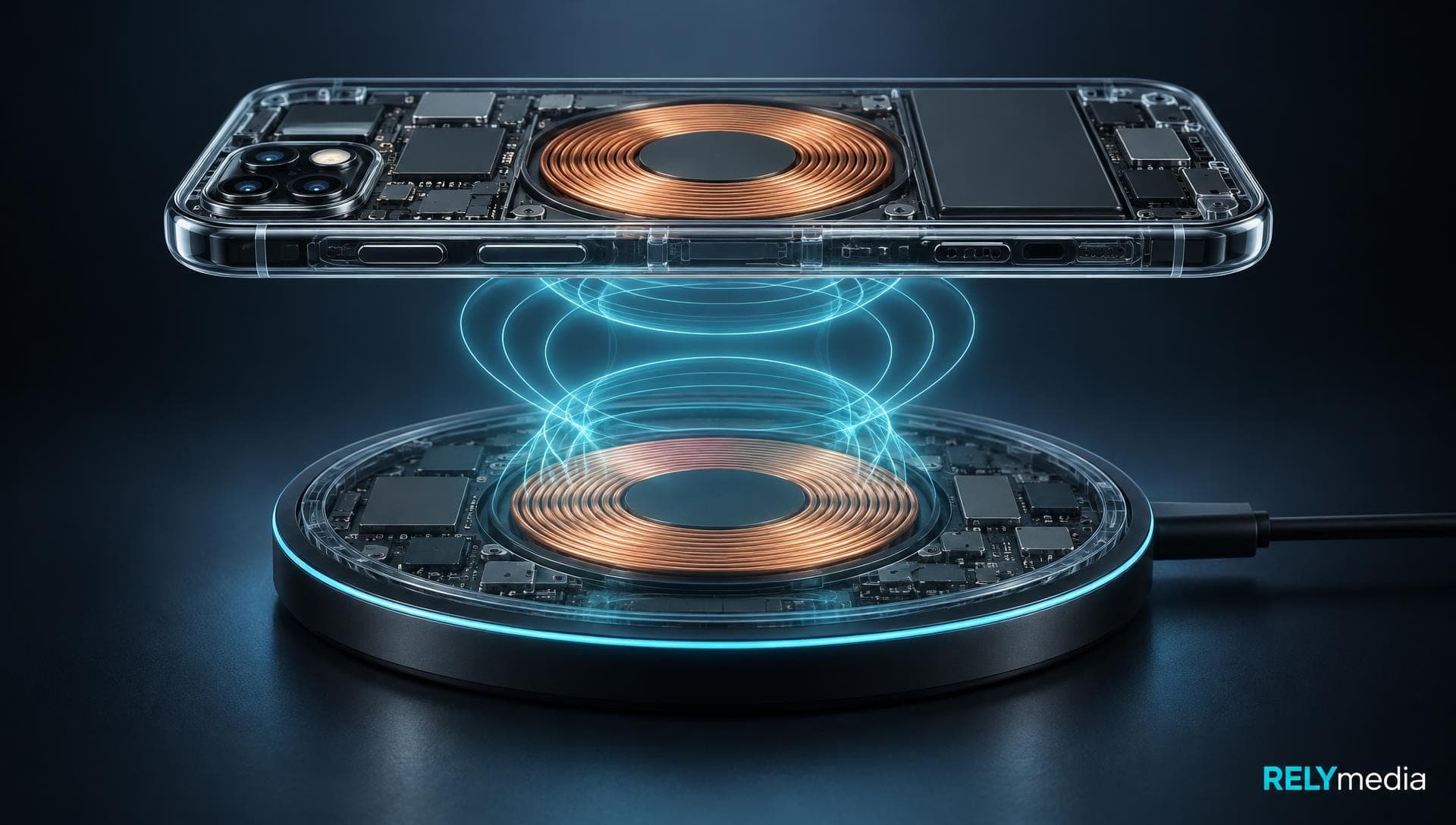
For most adults using compatible equipment, wireless chargers are safe for everyday use. The charging process uses electromagnetic induction between two coils.
A charging coil inside the charging base creates an electromagnetic field. The smartphone’s wireless charging receiver contains a receiver coil. When they align, the phone and charger communicate before power transmission begins.
The system adjusts charging power based on the device's capabilities and required power. This prevents maximum current from reaching every device indiscriminately.
Good designs also include safety circuitry, temperature monitoring, voltage regulation, and automatic shutdown. Charger quality still matters, so look for clear compatibility information, safety certification, warranty terms, and manufacturing details.
How Does Wireless Charging Work?
The Wireless Charging Process Explained
Qi wireless charging uses closely coupled coils. Think of them like two teammates passing energy across a tiny gap.
First, the charging pad detects a compatible device. The charging receiver communicates its charging capability. Then intelligent microchips, or smart chips, regulate current and voltage.
The phone converts received energy for battery charging. Power delivery can change with battery level.
Alignment matters. If the charging coil and receiver coil are too far apart, charging efficiency drops, and more energy may be dissipated as heat. Thick cases, metal accessories, or poor placement can also interrupt charging.
Does a Wireless Charger Emit Harmful Radiation?
Wireless charging uses an electromagnetic signal, but not the ionizing radiation associated with X-rays.
Qi charging relies on low-frequency, non-ionizing electromagnetic fields at close proximity. The useful signal stays around the transmitter and charging receiver.
Mobile network, Wi-Fi, and Bluetooth signals work differently from inductive charging. The practical question is whether the charger meets applicable emissions, electrical safety, and safety compliance requirements.
Are Wireless Chargers Bad for Your Phone?
Does Wireless Charger Damage Battery Health?
People ask, “Does a wireless charger damage battery?” Heat matters more than the absence of a cable.
Lithium-ion batteries naturally age, and high temperature can accelerate that process. Wireless charging may generate more heat than an efficient wired connection because some energy is lost during power transfer. Modern smartphones monitor charging temperature and may slow or pause charging when conditions become too warm. Apple says supported iPhones can limit or stop charging until the temperature returns to normal.
To support battery protection:
- Keep the phone centered on the charging surface.
- Avoid direct sunlight while charging.
- Remove a thick case if the phone repeatedly gets hot.
- Keep vents around stands or docks clear.
- Stop using equipment that becomes unusually hot.
Are Wireless Chargers Safe for iPhone and Other Smartphones?
Apple supports Qi wireless charging on compatible iPhones. MagSafe and newer magnetic systems improve alignment and can support more efficient charging.
Android smartphones and compatible tablets may support different power levels. Check the manufacturer’s specifications before assuming higher charging capability. Proper systems negotiate precise power delivery rather than forcing maximum output into every device.
Will a Wireless Charger Get Hot?
Some heat generation is normal. Wall chargers, portable power banks, docks, wired adapters, and wireless charging devices lose energy during conversion. Wireless systems can experience greater loss across the coil gap.
| Situation | Usually Normal | Possible Warning |
|---|---|---|
| Phone feels slightly warm | Yes | No |
| Charger warms during fast charging | Often | Monitor it |
| Charging slows as temperature rises | Protective behavior | Check ventilation |
| Charger becomes painfully hot | No | Stop using it |
| Burning smell or discoloration | No | Disconnect immediately |
Efficient design, alignment, and temperature controls reduce energy wasted as heat.
When Does Heat Become a Safety Concern?
Excessive heat warrants attention when it persists or causes repeated charging interruptions
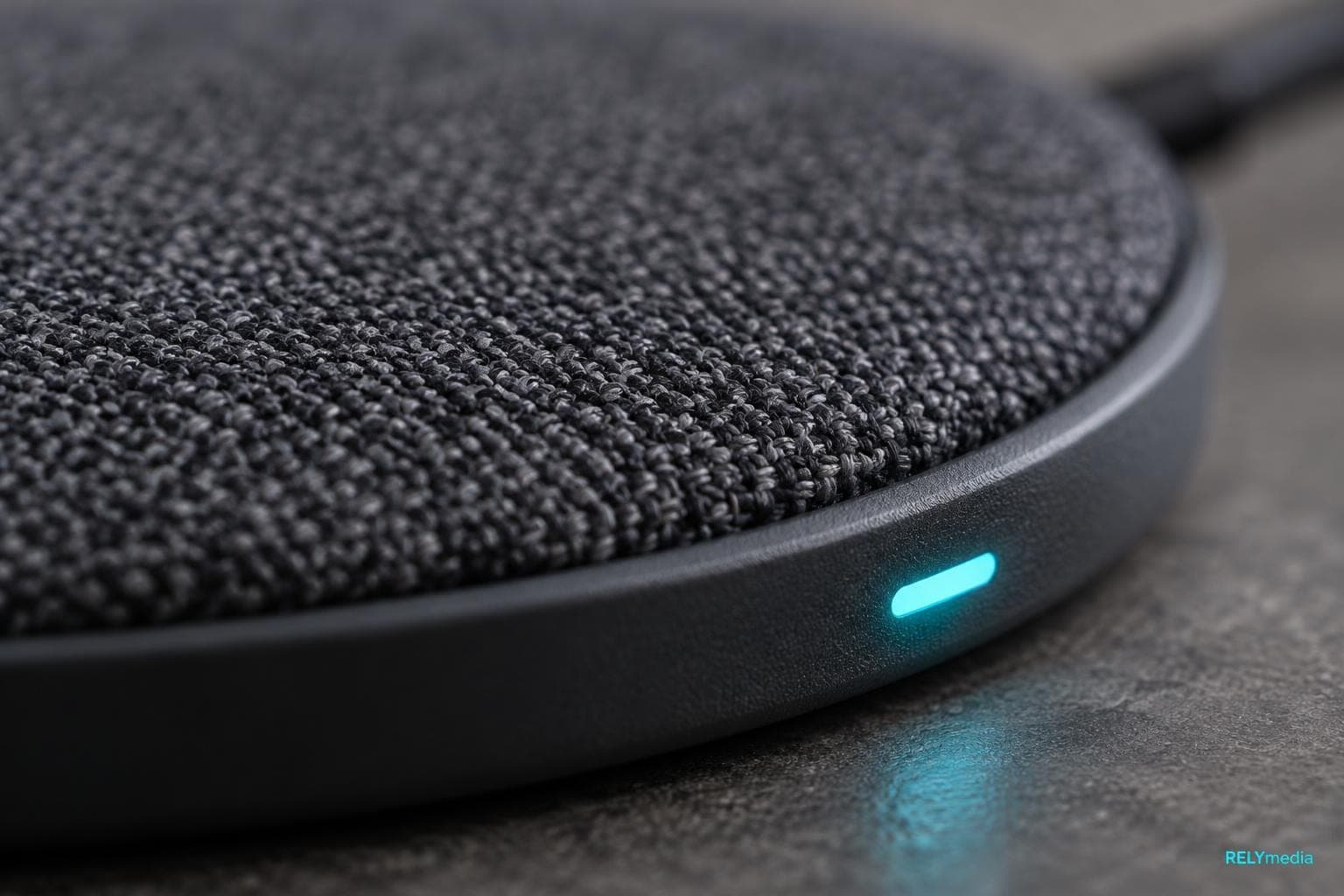
Overheating protection may reduce charging current or stop power delivery. Some devices show a warning. Others use an LED indicator.
Never cover an active charging mat with fabric, papers, or other materials that trap heat.
Can Wireless Charging Overcharge Your Phone?
Modern smartphones manage charging electronically. Once a fully charged battery reaches its target level, the device controls or stops charging rather than continuously forcing current into the battery.
That is overcharge protection.
The phrase trickle charging is often used loosely. Modern lithium-ion devices use managed charging rather than simple continuous trickle methods.
Is Overnight Wireless Charging Safe?
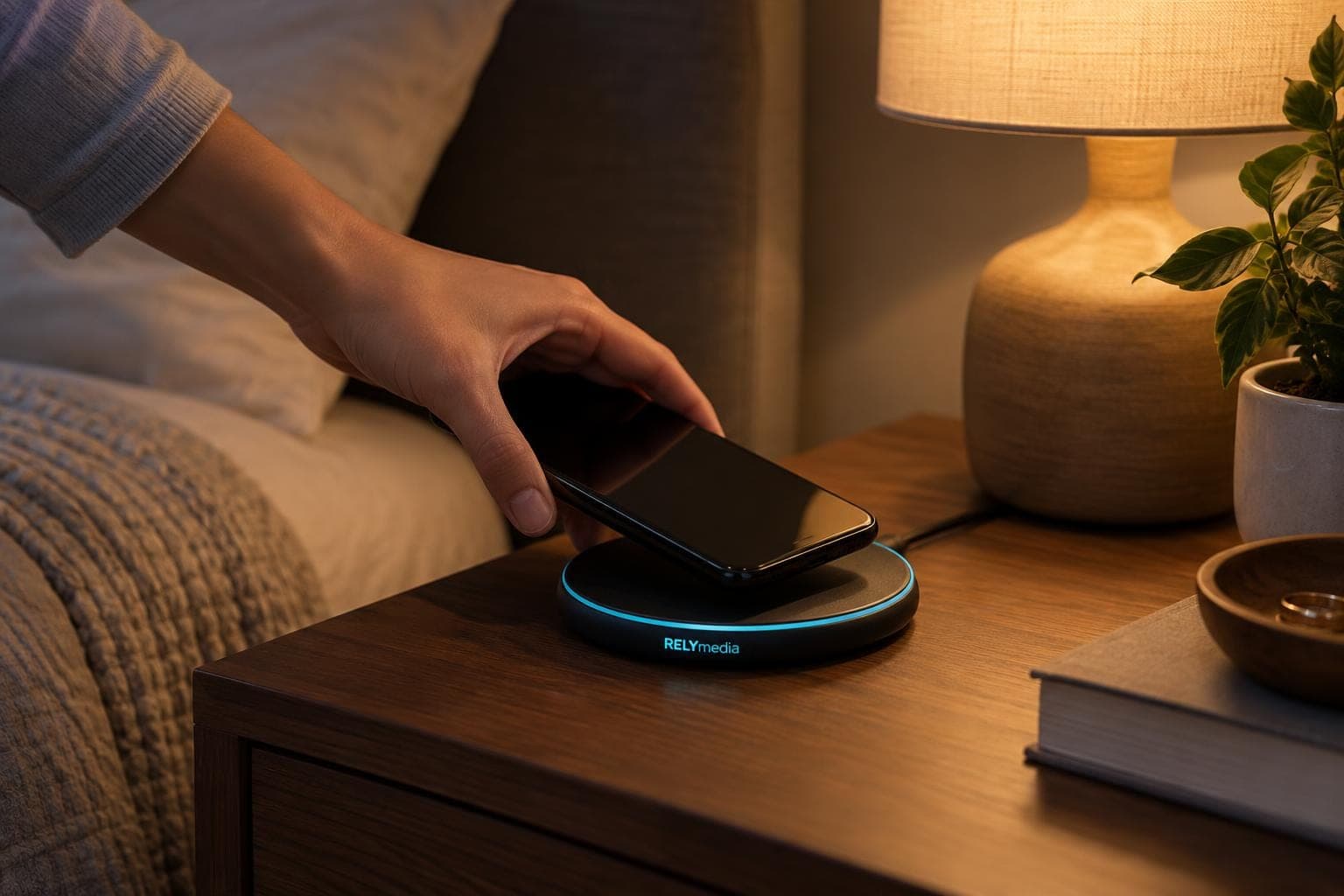
Overnight charging is generally supported by modern phones with compatible equipment. Still, extended charging keeps a device connected longer and may increase time at a high battery level.
Many phones include battery-health features. Some iPhones can delay charging beyond 80% based on your routine. Apple also allows charge limits on newer iPhone models to reduce prolonged time at high battery levels.
For a bedside table charging station:
- Use a certified, compatible charger.
- Place it on a hard, open surface.
- Keep liquids away.
- Remove coins, keys, and cards.
- Avoid pillows, blankets, and heat-trapping surfaces.
- Check damaged cables before sleeping.
Building a hotel amenity kit, employee package, or branded desk setup?
RELYmedia can help explore suitable promotional charging solutions.
What Safety Features Should a Wireless Charger Have?
Look for:
- foreign object detection
- overheating protection
- voltage protection
- power regulation
- automatic shutdown
- charging alerts
- compatible power adapters
- tested safety circuitry
Foreign Object Detection Matters
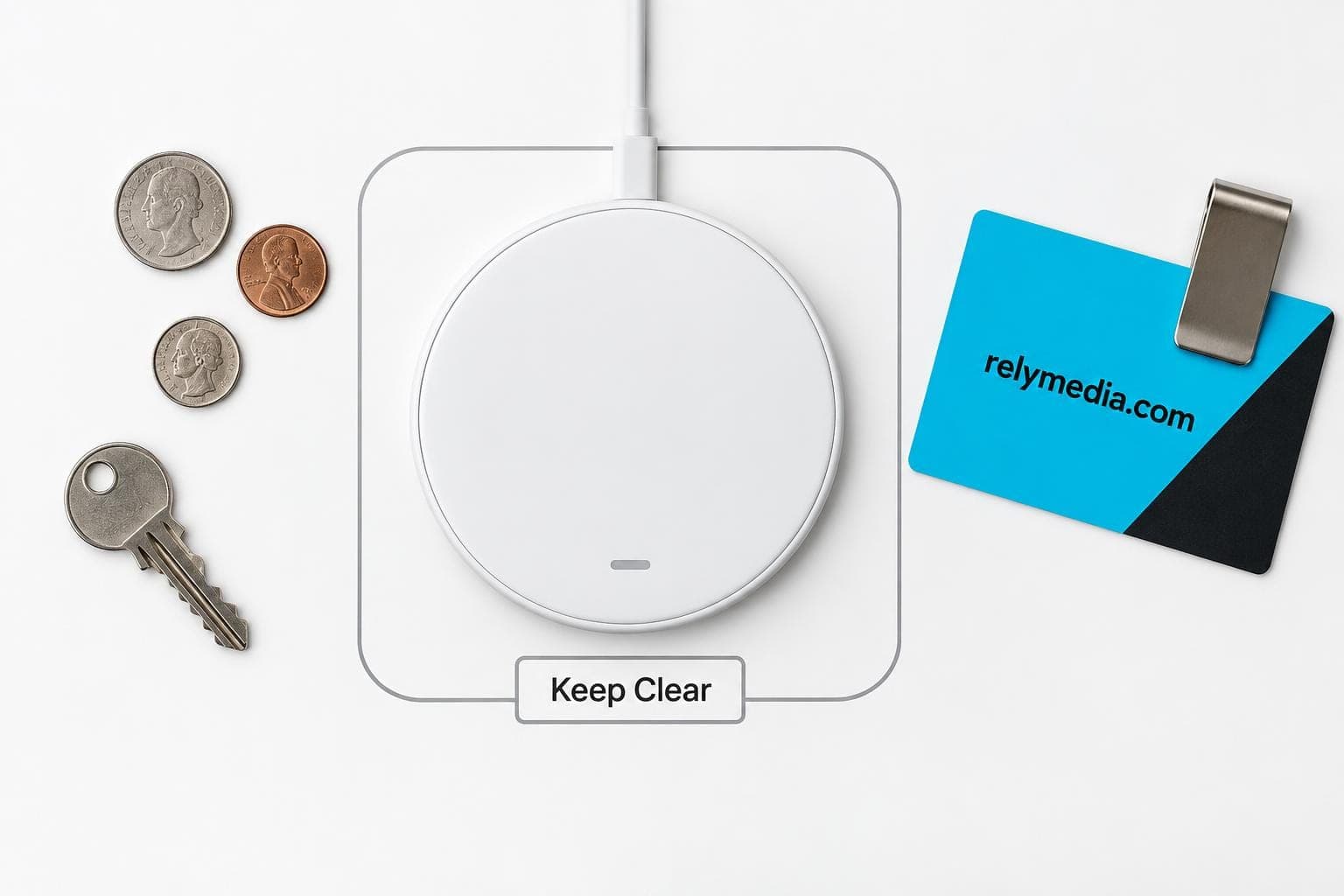
Coins, keys, metal cards, and similar foreign objects do not belong between a phone and charging pad.
A foreign object detector helps identify abnormal objects before or during charging. A certified system can interrupt power transmission when conditions fall outside expected parameters.
Metal can heat in the charging field, so the Wireless Power Consortium includes foreign object detection within the Qi framework.
Voltage and Power Protection
A wall outlet can experience power surges, so the charger’s circuitry should regulate incoming power. Good designs include voltage protection, but a wireless charger is not lightning-strike protection. Building-level surge protection still matters.
What Certification Should You Look For?
Qi Certification and the Qi Standard
Qi certification is one of the clearest signals to check.
The Wireless Power Consortium manages the Qi standard. Certified products undergo compliance and interoperability testing. Qi certification covers communication, compatibility, power transfer behavior, and safety-related functions. It does not promise perfect material quality or unlimited product lifespan, so warranty protection, charger reliability, and construction still matter. WPC provides a certified product database for verification.
Other Safety and Compliance Marks
Depending on the market, you may see FCC, UL, CE, or other international safety standards.
These programs test different things, including emissions, electrical safety, product safety, non-hazardous materials, and legal safety guidelines. Verify what each mark actually covers.
Independent testing organizations such as UL also evaluate wireless charging products for compliance, reliability, compatibility, and relevant safety requirements.
What Happens if a Wireless Charger Gets Wet?
Electricity and liquid exposure remain a bad combination.
A waterproof smartphone does not make a wet wireless charger safe. Water resistance ratings apply to specific devices, not automatically to the charging base, wall adapter, or power outlet.
If the charger becomes wet:
- Disconnect power safely.
- Do not place a phone on it.
- Let the unit dry completely.
- Follow manufacturer instructions.
- Replace it if damage is visible or uncertain.
Keep both the phone and charging surface dry to reduce electrical hazard and corrosion risk.
Are Charging Pads Bad for Phone Cases or Accessories?
Usually not, but the wrong accessories can affect charger compatibility.
Thick cases increase coil distance, while metal cases can interfere with charging. Remove wallets, loose metal objects, cards, or accessories from between the smartphone and the charging base. If charging repeatedly stops, test the phone without its case. Apple gives similar guidance for thick, metal, and battery cases that interfere with wireless charging.
How to Use a Wireless Charger Pad Safely
If you are wondering how to use a wireless charger, the process is simple:
- Connect the charger to the recommended power outlet or adapter.
- Put the pad on a stable, ventilated surface.
- Center the compatible device over the charging coil.
- Confirm the charging alert or LED light.
- Keep foreign objects and liquids away.
- Check temperature during early use.
- Disconnect damaged equipment.
That is also how to use a wireless charger pad safely. Despite searches for how a Wi-Fi charger works, Qi charging is not Wi-Fi charging. It uses magnetic induction, not your wireless internet connection.
Need custom charging gear? Ask RELYmedia about branded options and clear product guidance.
How to Choose a Safe Wireless Charger
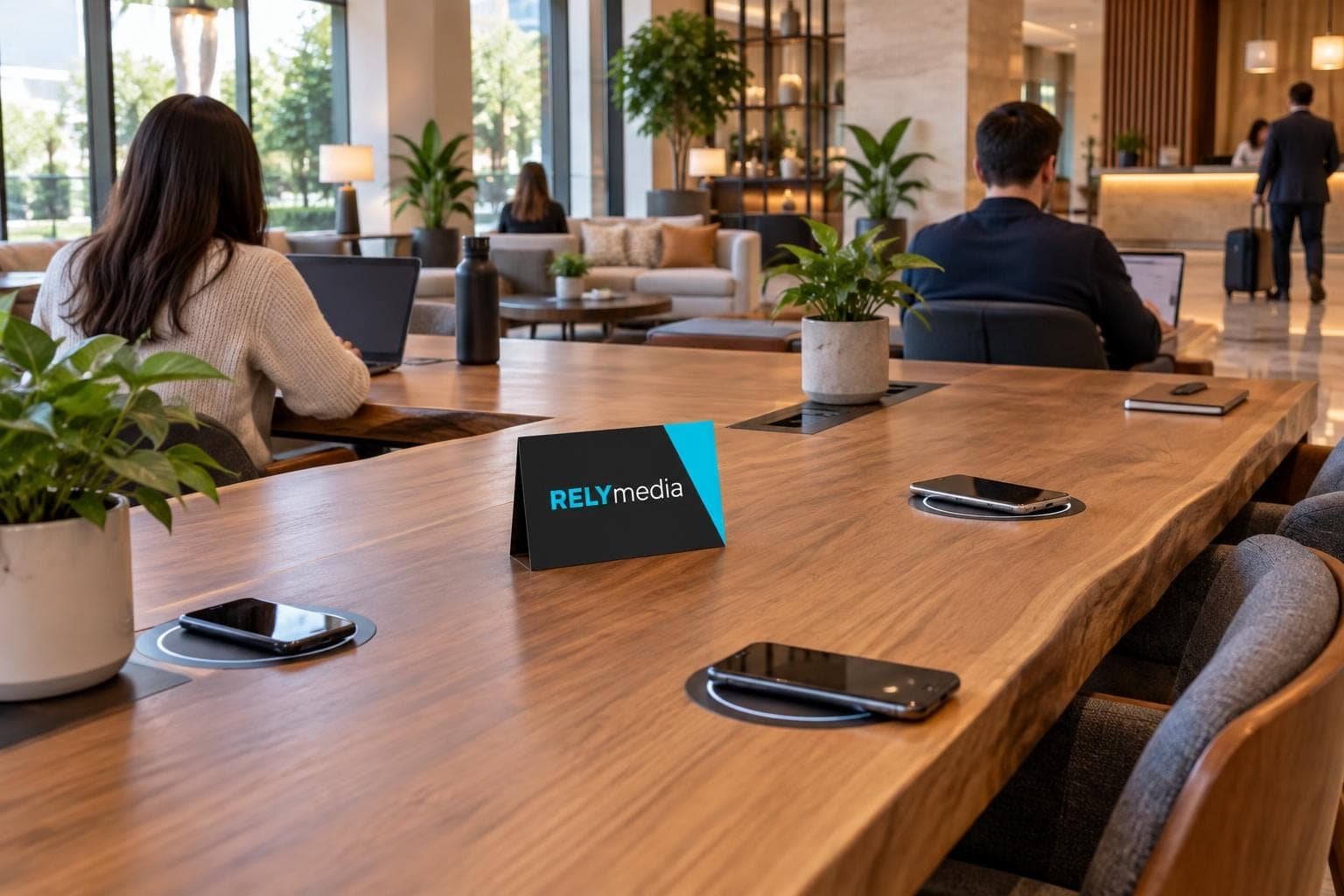
Use this checklist before buying or distributing one:
| Check | Why It Matters |
|---|---|
| Qi-certified charger | Supports tested interoperability |
| Device compatibility | Prevents mismatched expectations |
| Foreign object detection | Reduces unsafe charging conditions |
| Heat protection | Helps manage charging temperature |
| Quality adapter | Supports stable power delivery |
| Clear warranty | Adds warranty protection |
| Reputable brand | Improves accountability |
| Solid material quality | Supports durability |
If your company puts its logo on technology, make the product experience part of the brand experience. RELYmedia can help you choose promotional products with quality, timing, and presentation in mind.
Warning Signs You Should Stop Using a Wireless Charger
Stop charging and inspect the setup when you notice:
- excessive heat that does not settle
- repeated charging interruption
- cracked housing or exposed wiring
- a damaged charging base
- burning smells
- melted or discolored material
- unexplained flashing warnings
- liquid inside the unit
An orange or blinking light varies by manufacturer. Someone searching for "Belkin wireless charger with an orange light should check that model’s manual. Never assume every LED warning means the same thing.
Wireless Charging vs. Wired Charging: Is One Safer?
Both methods can be safe when the equipment meets relevant standards.
Wireless charging offers convenience and reduces the need for connectors. Wired charging can be more efficient because it avoids the inductive transfer gap. Your best option depends on your device and charging habits.
If your phone stays cool and charges reliably on a certified pad, wireless charging is a practical daily choice. If efficiency and maximum charging speed matter most, a quality wired charger may make more sense.
Ready to print your team's name on premium apparel?
Fill in your details and a RELYmedia specialist will come back to you with a custom quote — fast turnaround, no obligation.
- ⚡Same-day response on business days
- 🎨Free design assistance included
- 🚚Rush order & fast delivery available
- 💰Price beat guarantee on every order
Shop custom USB-C flash drives
See all usb-c, card & slim drives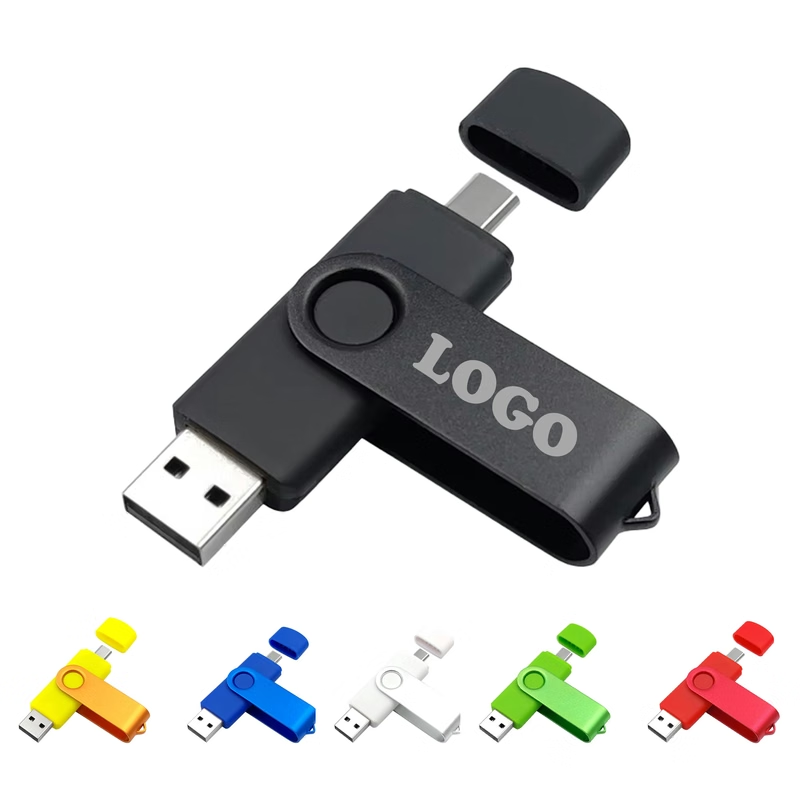
MOQ 30 pcs 32GB Rotating USB-C Flash Drive
$2.69 - $4.50
View product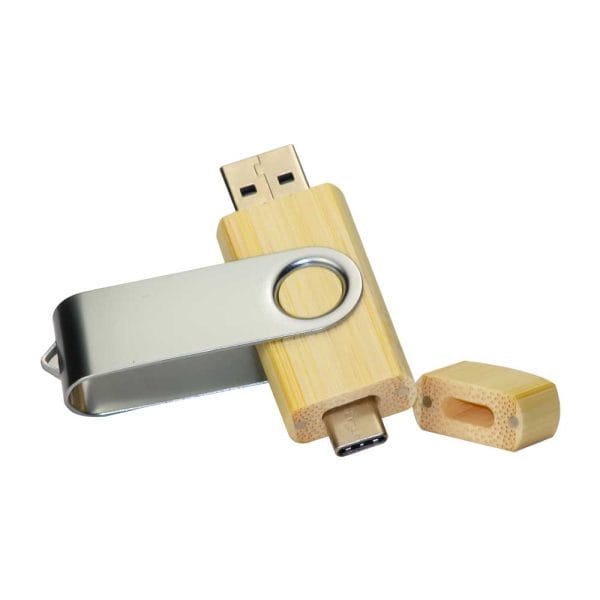
RMCC02 USB-C Flash Drive
Price on request
View product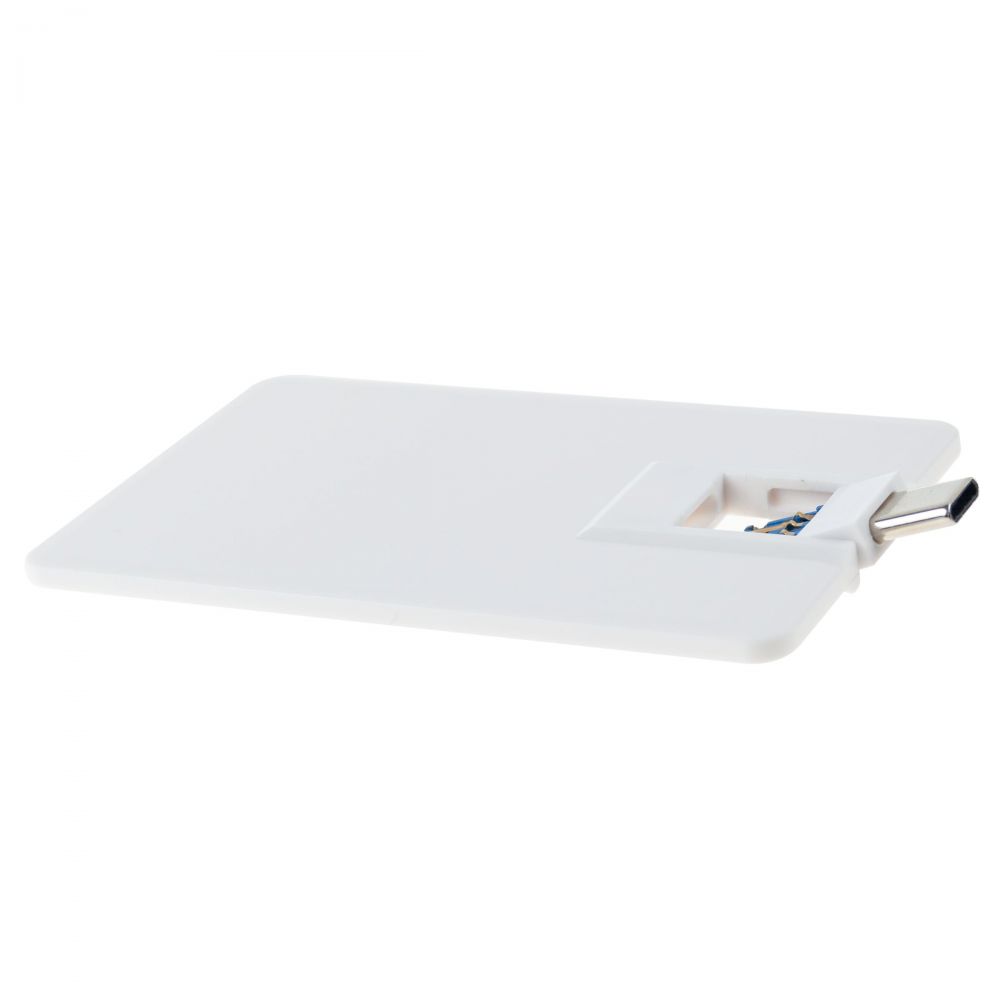
RMCC04 USB-C Flash Drive
Price on request
View product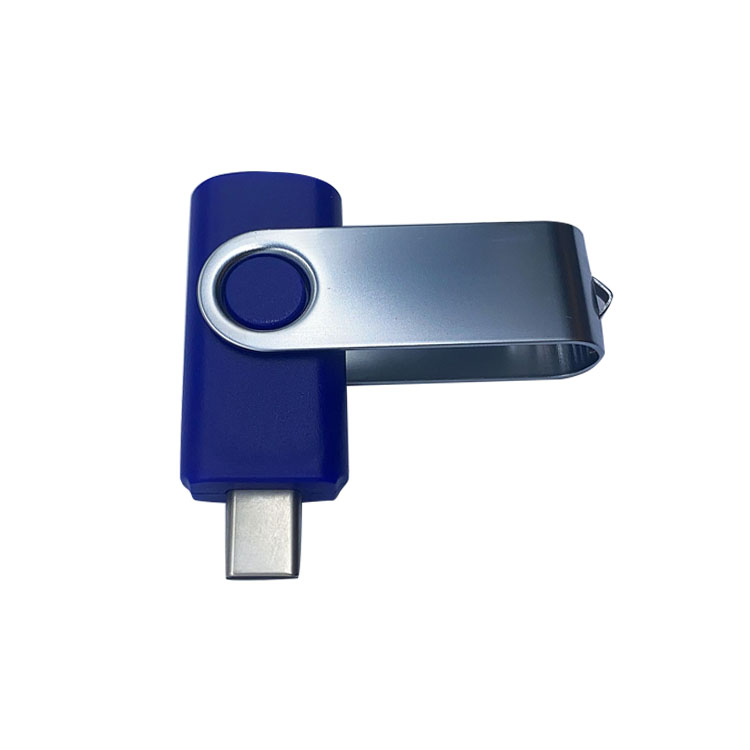
RMCC03 USB-C Flash Drive
Price on request
View product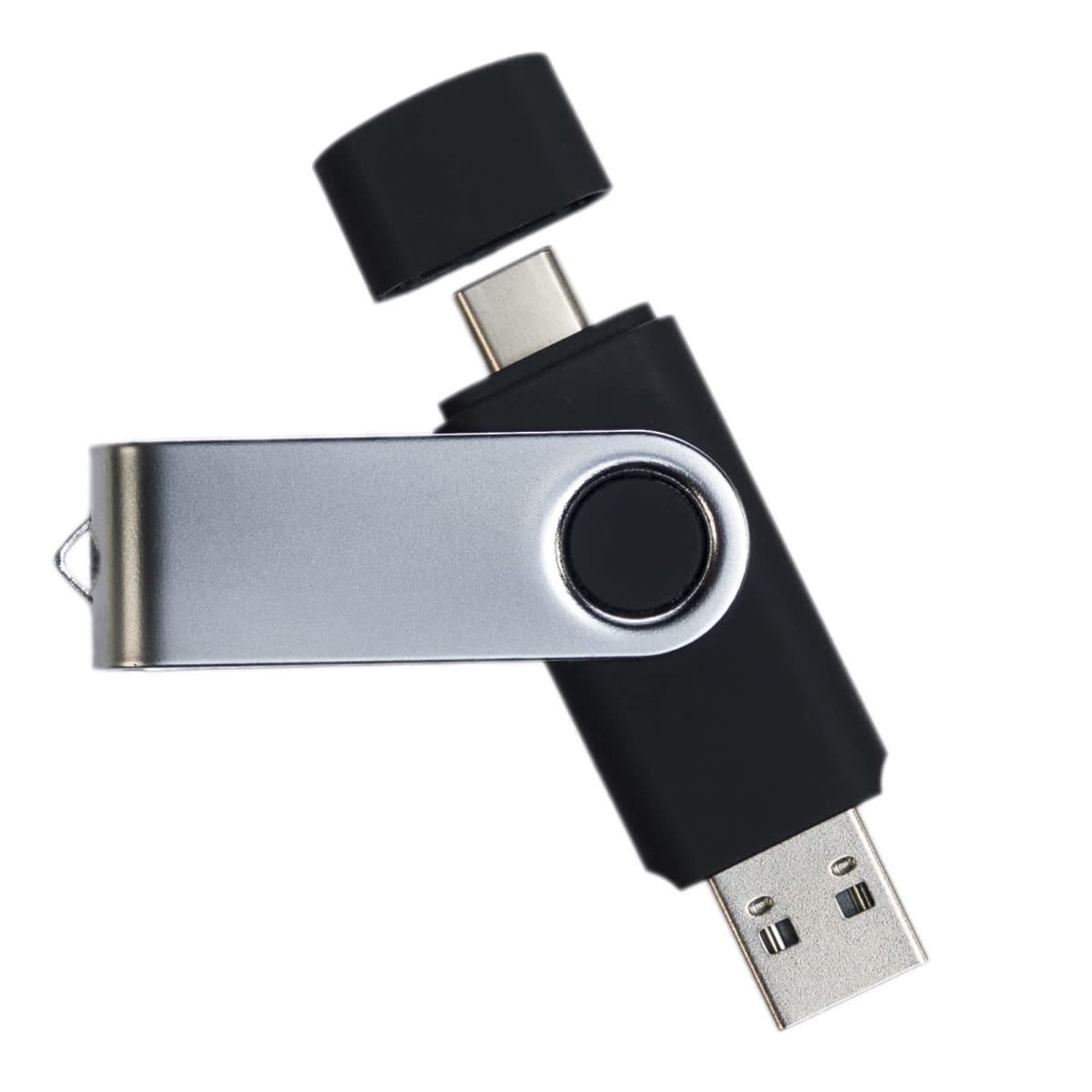
RMCC01 USB-C Flash Drive
Price on request
View product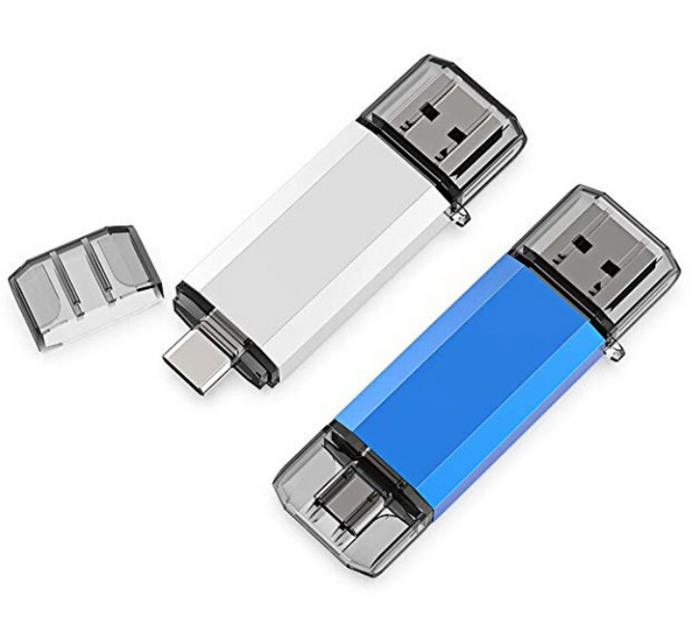
RMCC08 USB-C Flash Drive
Price on request
View product
RMCC07 USB-C Flash Drive
Price on request
View product
RMCC05 USB-C Flash Drive
Price on request
View product
Frequently Asked Questions About Wireless Charging Safety
Is Wireless Charger Safe for Daily Use?
Yes, when you use compatible, certified equipment correctly and keep the charging area cool, dry, and clear.
Are Charging Pads Bad for Your Phone?
Not inherently. Heat, poor-quality hardware, bad alignment, and incompatible accessories pose greater concerns than the charging method itself.
Are Wireless Chargers Bad for Your Phone Battery?
Normal wireless charging does not automatically damage a phone battery. Repeated excessive heat can accelerate battery aging, so temperature management matters.
Can I Leave My Phone Charging Overnight?
Modern phones include battery safety and overcharge protection. Use certified equipment, maintain ventilation, and enable battery-health features when available.
Is Wireless Charging Radiation Dangerous?
Wireless charging uses non-ionizing electromagnetic fields at close range. Use compliant equipment that meets applicable emissions and product safety requirements.
Can Foreign Objects Make Charging Unsafe?
Yes. Metal objects can heat during power transmission. Keep the charging surface clear and use equipment with foreign object detection.
Conclusion: Is Wireless Charging Safe?
So, are wireless chargers safe? For daily use, quality wireless charging is safe when used correctly.
The real issues are practical: excessive heat, damaged hardware, liquid exposure, foreign objects, poor alignment, questionable charger quality, and mismatched accessories. Choose a Qi-certified product when appropriate, verify device compatibility, keep the charging surface clear, and stop using equipment that behaves abnormally.
For businesses, safety and reliability matter because every branded item reflects the company behind it.
Planning branded charging accessories for customers, employees, events, or corporate gifts?
Connect with RELYmedia to explore promotional solutions designed around quality, dependable service, and your deadline.
Shop this
Need custom wireless chargers? We print them.
Bulk pricing, three free mockups, real quotes back the same business day.