
T-Shirt Sizing Explained: How to Figure Out Your Size Without Losing Your Mind
Ordering t-shirts for a group sounds simple. Pick a design, choose some colours, click “order.” Easy, right? Not quite. The moment you open a shirt size chart, you realise clothing sizing is less of a science and more of a suggestion. Sizes shift between brands, measurements contradict each other, and the “medium” on the label rarely means what you think it does.
Whether you're coordinating team shirts, planning promotional apparel for a company event, or tackling bulk t-shirt ordering for a giveaway — this t-shirt size guide cuts through the confusion. You'll walk away knowing exactly how t-shirt measurements work, which fit types suit which situations, and how to build a smart t-shirt size distribution that actually covers your group.
Why T-Shirt Sizing Is More Complicated Than It Should Be
Apparel Sizing Standards Don't Actually Exist
Here's the uncomfortable truth: there is no universal standard for clothing sizing in the United States. None. Every brand sets its own measurements, which means a medium from one label and a medium from another can differ by several inches in chest circumference. That's not a glitch — it's just how the apparel sizing industry works.
This becomes a real headache the moment you're responsible for ordering group apparel. You can't just ask everyone for their size and call it done. “I'm a large” means something different depending on where that person usually shops. Why shirt sizes vary so dramatically comes down to one thing: the absence of enforceable industry standards.
Why Size Charts Run Small — CDC Data Explains a Lot
The Centres for Disease Control and Prevention (CDC) tracks body measurements across the US population. According to CDC data, the average waist size for American men sits at 40.5 inches, while for women it's 38.7 inches. Yet many men's mediums cap out at a 41-inch chest, and women's mediums often top out at just 38 inches bust measurement.
That gap matters. It means most adults — especially men — are realistically a large or extra-large on most shirt size charts, not a medium. Apparel sizing standards simply haven't kept pace with how Americans actually measure. If you're planning to order for a general US audience, keep that reality front of mind before you over-order smalls.
Brand Size Variation: Why Clothing Sizes Differ Across Labels
Brand size variation is real and measurable. Two shirts labelled “large” can have completely different shirt width and shirt length values. A shirt size chart comparison across brands is non-negotiable before you place any large order — a five-minute comparison can save you a mountain of returns.
How T-Shirt Measurements Actually Work
Understanding how shirts are measured is the foundation of everything else. Get this right, and the rest clicks into place.

How Shirts Are Measured (The Flat Lay Method)
All t-shirt measurements use the flat-lay measurement technique — the garment lies flat, and dimensions are taken from specific points on one half of the shirt. It's practical, but it means you're working with half the actual circumference. You double the shirt width to get the full chest circumference, which is where most people trip up when reading a garment measurement chart.
The Core Measurements You'll Always See
Every t-shirt size chart includes at least these:
Shirt Width — Armpit-to-Armpit Measurement
Shirt width is measured armpit to armpit across the chest. Double that number for the full chest circumference for shirts. A shirt with a 22-inch armpit-to-armpit measurement gives you a total chest circumference of 44 inches. Most brands increase width by 2 inches per size — though as any apparel size chart will show you, that rule has plenty of exceptions.
Shirt Length — Hem to Neckband
Shirt length runs from the back of the ribbed neckband down to the hem. Some brands hold this constant across sizes. Others bump it up by 0.5 to 1 inch per size. Always check — for taller wearers, a short hem can look awkward fast. How long shouldT-shirtss be? For most adults, the hem should land at mid-fly in a standard cut.
Chest Circumference vs Body Circumference
Your actual body circumference and the shirt's chest circumference aren't the same — and they shouldn't be. The gap between the two is your t-shirt fit allowance, which determines whether a shirt feels comfortable or constricting—more on this in the fit section below.
Additional Measurements Worth Knowing
Not every brand publishes these, but when they do, they're worth checking before ordering fitted t-shirt sizing or speciality cuts:
Shoulder Width
The distance from the edge of the ribbed neckband to where the sleeve starts. Critical for athletic builds or anyone with broader-than-average shoulders. An off-by-a-shoulder-width measurement makes the whole shirt look wrong, regardless of chest fit.
Neck Width and Collar Width
The neck width (also called collar width) measures the neckband across the back. It's different from neck circumference — helpful when comparing garment cut options, especially between crew neck and V-neck styles.
Sleeve Length
Measured along the top of the arm from the shoulder seam to the cuff. A sleeve length measurement that runs short is one of the fastest ways to make a shirt look like the wrong size — even when everything else fits perfectly.
Sleeve Width, Diameter, and Opening
Sleeve width, sleeve opening, and sleeve diameter describe the circumference at the cuff. Matters most in tight-fit t-shirt styles where a narrow opening can be genuinely uncomfortable.
Understanding T-Shirt Fit Types
Fit is where real variation lives. Two shirts with identical T-shirt size chart numbers can feel completely different depending on their garment cut and intended shirt silhouette.

Classic Fit T-Shirt — The Safe Middle Ground
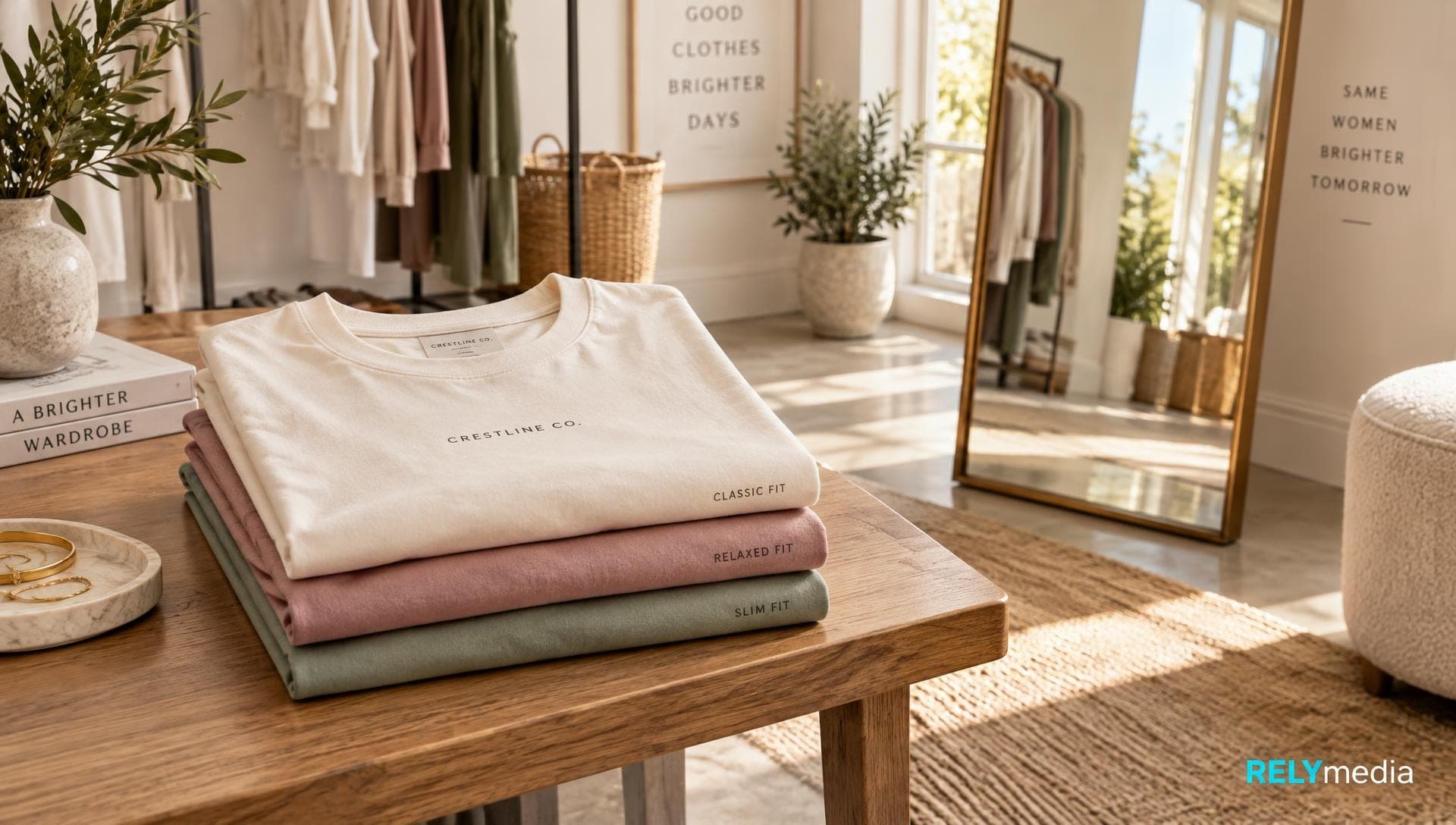
A classic fit t-shirt sits 4 to 6 inches larger than your actual body circumference. That's about 2 to 3 inches of extra material on each side — comfortable without being baggy. It's the most versatile option for corporate apparel, event t-shirts, and any situation where you need a wide range of people to feel comfortable wearing the same style.
Relaxed Fit vs Slim Fit: What's the Difference?
Both sit under the classic fit umbrella but differ in shirt silhouette:
| Fit Type | Cut | Best For |
|---|---|---|
| Relaxed fit t-shirt | Straight from chest to hem | Mixed groups, most body types |
| Slim fit t-shirt | Slightly tapered toward the end | Lean or athletic builds |
| Loose fit t-shirt | Straight with extra room through the torso | Maximum comfort, casual wear |
For custom printed t-shirts or team uniforms, a relaxed fit almost always performs better across diverse body types. It's the most forgiving cut when you can't fit-test every individual wearer.
Oversized T-Shirt Sizing — When Boxy Is the Point
An oversized T-shirt fit runs 8 to 10 inches larger than the body circumference. You can pinch 4 to 5 inches of fabric on each side. The boxy cut and straight cut are intentional — this shirt silhouette is designed to hang loose, with wider sleeves and a longer body than a classic style.
Can you fake an oversized t-shirt by buying a classic fit a few sizes up? Technically, yes — but the shoulder seam ends up in the wrong place. For a true oversized look, the seam should still sit at the natural shoulder junction.
Drop Shoulder T-Shirts and Where the Seam Should Sit
A drop-shoulder T-shirt pushes that seam at least 2 inches past the shoulder joint — by design. It's a deliberate style choice, not a sizing error. If you're ordering drop shoulder styles for a group, communicate that clearly so no one assumes they received the wrong size.
Tight Fit T-Shirt — Trust the Stretch
A tight-fitting T-shirt sits just 2 inches or less above the body circumference. It looks too small on the hanger — but stretch fabric, specifically spandex, elastane, or Lycra (three names for the same synthetic fibre), lets it conform to the body. Always check the fabric makeup for these materials before assuming a shirt runs too small.
Tapered Fit, Hourglass Shape, and Garment Cut Differences
Men's tight-fit styles typically use a tapered fit — wider at the chest, narrowing toward the hip. Women's styles lean toward an hourglass shape — wider at the chest, narrower at the waist, then wider again over the hips. Both rely on fabric drape and fabric composition to work as intended.
Cropped Tee, Loose Fit, and Other Silhouettes Explained
A cropped tee ends above the hip — usually mid-torso. A loose fit offers more fabric drape than a classic cut without going fully oversized. Both work well for promotional clothing but are less practical for giveaway shirts where maximum wearability across your whole audience is the priority.
Men's and Women's T-Shirt Size Charts by Brand
T-shirt brand sizing is inconsistent enough that a side-by-side comparison of brand size charts is essential before committing to a bulk order. Here's how the major players stack up.
Men's T-Shirt Size Chart
The table below shows chest circumference measurements for a standard relaxed-fit t-shirt across leading brands. This is your men's chest size chart for quick reference:
| Brand | S | M | L | XL | 2XL |
|---|---|---|---|---|---|
| Gildan | 36″ | 40″ | 44″ | 48″ | 52″ |
| Bella + Canvas | 34–37″ | 38–41″ | 42–45″ | 46–49″ | 50–53″ |
| Fruit of the Loom | 34–36″ | 38–40″ | 42–44″ | 46–48″ | 50–52″ |
| Carhartt | 34–36″ | 38–40″ | 42–44″ | 46–48″ | 50–52″ |
| Nike | 35–37.5″ | 37.5–41″ | 41–44″ | 44–48.5″ | 48.5–53.5″ |
| Adidas | 34.5–36″ | 36.5–39″ | 39.5–42.5″ | 43–46.5″ | 47–51″ |
| The North Face | 36–38″ | 39–41″ | 42–44″ | 45–48″ | 49–52″ |
Notice how Adidas t-shirt sizing runs noticeably smaller at the medium range compared to Gildan or Carhartt shirt sizing. That's a full-size difference — which matters a lot when ordering for a team.
Women's T-Shirt Size Chart
This women's bust size chart covers the same brands. Note that some brands use dress size conversions rather than direct measurements — which adds another layer of confusion to women's t-shirt sizes:
| Brand | S | M | L | XL | 2XL |
|---|---|---|---|---|---|
| Gildan | 34″ | 38″ | 42″ | 46″ | 50″ |
| Bella + Canvas | Dress 2–4 | Dress 6–10 | Dress 10–14 | Dress 14–18 | Dress 18–22 |
| Fruit of the Loom | 34–35″ | 36–37″ | 38–40″ | 41–44″ | 45–47″ |
| Carhartt | 35″ bust | 37″ bust | 41″ bust | 45.5″ bust | 50″ bust |
| Nike | 32.5–35.5″ | 35.5–38″ | 38–41″ | 47–49.5″ | 49.5–52″ |
| Adidas | 32.5–34.5″ | 35–37″ | 37.5–40″ | 40.5–43″ | 43.5–46.5″ |
| The North Face | 33–35″ | 36–38″ | 39–41″ | 42–44″ | 45–48″ |
The Bella + Canvas size chart uses dress sizes exclusively — helpful if your team thinks in those terms, but trickier for direct clothing-size comparisons. The Fruit of the Loom size chart sticks to bust inches, making it easier for direct cross-brand comparisons.
Unisex T-Shirt Size Chart — What You Need to Know
Unisex t-shirts typically run one size larger than women's styles. A unisex medium is roughly equivalent to a woman's large. When building your unisex t-shirt size chart breakdown for a mixed group, increase your percentage of smaller sizes to compensate. People accustomed to women's t-shirt sizes will instinctively request smaller unisex sizes than they actually need — which means you'll burn through your smalls and mediums faster than expected.
Skip the size-chart guesswork on your next order
RELYmedia's team verifies fit and sizing across brands before your group apparel ever ships — no returns, no headaches.
Fabric Makeup and How It Affects T-Shirt Sizing
The fabric makeup of a shirt doesn't just affect how it feels — it directly impacts how it fits, both before and after washing. Understanding t-shirt material choices makes you a smarter buyer.
Does a 100% Cotton Shirt Shrink? First Wash Shrinkage Explained
Yes — and more than most people expect. 100% cotton can shrink by 3 to 5% after the first wash. On a 40-inch shirt, that's 1.2 to 2 inches of lost width. Cotton shrinkage is the most common complaint about promotional apparel, and it's entirely avoidable if you choose the right fabric composition up front.
Preshrunk Cotton T-Shirts — Are They Worth It?
Absolutely. Preshrunk cotton has been treated to limit first-wash shrinkage to 1 per cent or less. For bulk t-shirt ordering where replacing individual shirts isn't practical, preshrunk options are the smarter call. Most reputable brands — including Gildan and Bella + Canvas — offer preshrunk versions of their core styles. These are the best fabrics for custom T-shirts when longevity matters.
Polyester Cotton Blend Shirts and Size Consistency
A polyester cotton blend resists shrinkage better than pure cotton and holds its shape wash after wash. The tradeoff is a slightly different fabric drape — less naturally soft, but more durable. Cotton-blend T-shirts are a solid pick for event T-shirts that need to withstand repeated laundering without warping in the chest or shoulders.
Stretch Fabric: Spandex, Elastane, and Lycra in T-Shirts
Spandex (called elastane in Europe and marketed as Lycra) adds stretch to cotton. Stretch cotton t-shirts may look undersized on the hanger, but conform well once worn. Always check the fabric makeup label before assuming the size runs too small — a shirt with even 5% spandex behaves very differently from a standard 100% cotton style.
How to Order T-Shirts for a Group Without the Headache
This is where most people get it wrong. Ordering t-shirts for a group isn't a guessing game — it's a calibrated decision built on data, demographics, and a little buffer planning.

Building Your T-Shirt Size Distribution
Starting With a Generic Size Spread
Because size charts run small relative to the average American body, large and extra-large are your highest-volume sizes for most general audiences. Here's a reliable shirt order size breakdown to start from:
| Size | Percentage of Order |
|---|---|
| S | 10% |
| M | 20% |
| L | 35% |
| XL | 25% |
| 2XL | 10% |
This generic size spread reflects the reality that most US adults fall into the L–XL range. It's the best t-shirt sizes to order for a general, mixed demographic — adjust from here based on what you know about your specific group.
Adjusting for Your Demographic
Demographic sizing is where you personalise the spread. A tech company ordering company apparel for an office skews differently from a gym ordering team uniforms. Think carefully about your actual audience. Providing giveaway shirts at a public event? Lean toward larger sizes — larges and XLs will always move faster than smalls. This step answers the question most people ask: what size t-shirts should I order?
Unisex T-Shirt Sizing for Group Apparel Ordering
When ordering a single unisex t-shirt style for everyone, increase your allocations for small and medium. A unisex shirt size medium equals a women's large — so anyone ordering from a women's size mindset will request a size smaller than they need in a unisex cut. Factor that in before finalising your bulk apparel ordering numbers.
Why Over-Ordering Is Always the Smart Move
Order at least 10- 15% extra across all sizes. An inventory buffer costs far less than the experience of telling someone at your event that their size is out of stock. For branded t-shirts, corporate apparel, and promotional apparel especially, having extra stock on hand protects the entire brand experience you've invested in. Apparel fulfilment runs most smoothly when there's a buffer built in from day one.
Pro tip: When someone is unsure of their size, always nudge them to size up rather than down — especially with 100% cotton styles prone to first-wash shrinkage.
Measuring Your Favourite Shirt to Gauge Fit
Not sure how a shirt will actually fit before committing to a bulk order? Grab your best-fitting tee, lay it flat, and take the armpit-to-armpit measurement. Double it for full chest circumference. Then compare the shirt measurements to the brand's size chart to find your equivalent size. It's the most reliable no-tech method for avoiding wrong shirt sizes before you've spent a dime.
Because when it comes to apparel sizing, it's always better to have one shirt too many than to leave one person out.
Quick T-Shirt Sizing Tips You'll Actually Use
- How to measure a t-shirt: Lay flat, measure pit-to-pit for width, neckband to hem for length. Double the width to get the full chest circumference.
- How to know if a t-shirt is too small: Less than 2 inches of pinchable fabric on each side, pulling across the shoulders, or a hem that rides up — clear signs you need to size up.
- How to choose t-shirt sizes for employees or a team: Use the size distribution table above, adjust for your demographic, and always add a buffer.
- Comparing shirt measurements across brands: Never assume two brands share the same scale. Always pull the actual apparel size chart, not just the label.
- For custom printed t-shirts: Choose styles with consistent sizing and predictable shrink rates — Gildan and Bella + Canvas are benchmarks for a reason.
- Clothing sizes are inconsistent: Accept this up front and build your ordering strategy around it, not against it.
Shirt Sizes Chart: Standard T-Shirt Sizes for Adults (XS–3XL)
Brands differ, but most standard unisex t-shirts — the kind used for team shirts and custom printing — land close to the numbers below. The first column is the body chest each size is meant for. The other two are measurements of the shirt itself, taken flat. Treat them as typical values and check the exact chart for the style you are buying.
| Size | Fits Body Chest | Shirt Width (pit to pit) | Shirt Length |
|---|---|---|---|
| XS | 30–33″ | 16–17″ | 27″ |
| S | 34–37″ | 18″ | 28″ |
| M | 38–41″ | 20″ | 29″ |
| L | 42–45″ | 22″ | 30″ |
| XL | 46–49″ | 24″ | 31″ |
| 2XL | 50–53″ | 26″ | 32″ |
| 3XL | 54–57″ | 28″ | 33″ |
Two patterns hold for most brands: the shirt gets about 2 inches wider per size (4 inches around the chest), and about 1 inch longer. That is why moving up one size changes the fit around your body far more than it changes the length.
Women's cut t-shirts run smaller than these unisex sizes — usually about one size. If you normally wear a women's medium, a unisex small is often the closer fit.
Small, Medium and Large Shirt Measurements
These are the sizes people ask about most. The numbers come from the typical unisex chart above.
Small Shirt Measurements
A typical size small t-shirt measures about 18 inches across the chest (36 inches around) and about 28 inches long. It is cut for a body chest of roughly 34 to 37 inches.
Medium Shirt Dimensions
A typical medium shirt is about 20 inches across the chest (40 inches around) and about 29 inches long. It fits a body chest of roughly 38 to 41 inches. Medium is the size most people guess for themselves, but as the CDC section above explains, many adults are a better fit in a large.
Large Shirt Measurements
A typical large shirt is about 22 inches across the chest (44 inches around) and about 30 inches long, made for a body chest of roughly 42 to 45 inches. For mixed US groups, large is usually the most-ordered size.
Is Shirt Size 40 Medium or Large?
In most cases, a size 40 shirt is a medium. When a shirt is labelled with a number like 38, 40 or 42, that number usually means chest size in inches, and a 40-inch chest falls inside the typical medium range (38 to 41 inches). Many brands that use numbered sizes follow the same pattern: 38 is small, 40 is medium, 42 is large, 44 is extra large.
There are two exceptions. Some brands run small — in the men's chart above, a 40-inch chest is already a large at Adidas. And on European dress shirts, a size 40 refers to a 40 cm collar (about 15.75 inches), which is also usually a medium. If you sit right at 40 inches and like a looser fit, or the shirt is 100% cotton, go with the large.
How Are Shirt Sizes Measured? Body vs. Shirt Measurements
Shirt sizes are built from two kinds of measurement, and size charts often mix them up. Knowing which one you are looking at solves most sizing mistakes.
| Measurement Type | What It Measures | How to Read It |
|---|---|---|
| Body measurement | Your chest, around your body | Match your number to the "fits chest" range |
| Garment measurement (flat) | The shirt, laid flat | Double the width to get the shirt's full chest |
Brands start from body chest ranges (for example, medium for a 38–41 inch chest), then add extra room for the fit — the fit allowance explained earlier. The finished shirt is then measured flat: width straight across about 1 inch below the armpits, and length from the top of the shirt at the collar down to the hem. That is how shirts are measured on almost every size chart you will see.
How to Measure Your Chest for a T-Shirt
- 1. Use a soft tape measure — a sewing tape, not a metal one
- 2. Wear a thin shirt or none — a hoodie adds inches
- 3. Wrap it around the fullest part of your chest — under your armpits and across your shoulder blades
- 4. Keep it level and snug — flat against the body, not tight; arms relaxed at your sides
- 5. Breathe out normally and read the number — that is your body chest size
- 6. Match it to the chart — use the "fits body chest" column, not the shirt width
No tape measure? Use a piece of string, mark where it meets, and measure the string against a ruler. Or use the favourite-shirt method above — measure a tee that already fits you and compare its width to the brand's chart.
Youth Sizes Chart: Kids' T-Shirt Sizes by Age and Chest
Youth t-shirts use their own scale, from XS to XL. Each size covers two numbered kids' sizes, which usually line up with age. Chest ranges vary by brand, so use the table as a typical guide.
| Youth Size | Numbered Size | Typical Age | Typical Body Chest |
|---|---|---|---|
| Youth XS | 4–5 | 4–5 years | 22–24″ |
| Youth S | 6–8 | 6–8 years | 25–27″ |
| Youth M | 10–12 | 10–12 years | 28–30″ |
| Youth L | 14–16 | 14–16 years | 31–33″ |
| Youth XL | 18–20 | 16+ years | 34–36″ |
Age is only a starting point — kids of the same age can be two sizes apart. Measure the chest the same way as for adults, and size up if they are between sizes, since kids grow and cotton shrinks.
Youth XL vs. Adult Small
A youth XL is close to an adult small in chest size, but it is usually shorter in the body. For teenagers who are tall for their size, an adult small is often the better pick. When ordering for a school or youth team, collect sizes ahead of time and keep youth and adult sizes clearly separated on the order form.
Get your group t-shirt order sized right the first time
RELYmedia handles custom t-shirt sizing, bulk ordering, and full apparel fulfilment — so you don't have to guess.
Ready to print your team's name on premium apparel?
Fill in your details and a RELYmedia specialist will come back to you with a custom quote — fast turnaround, no obligation.
- ⚡Same-day response on business days
- 🎨Free design assistance included
- 🚚Rush order & fast delivery available
- 💰Price beat guarantee on every order
Shop custom t-shirts
See all custom t-shirts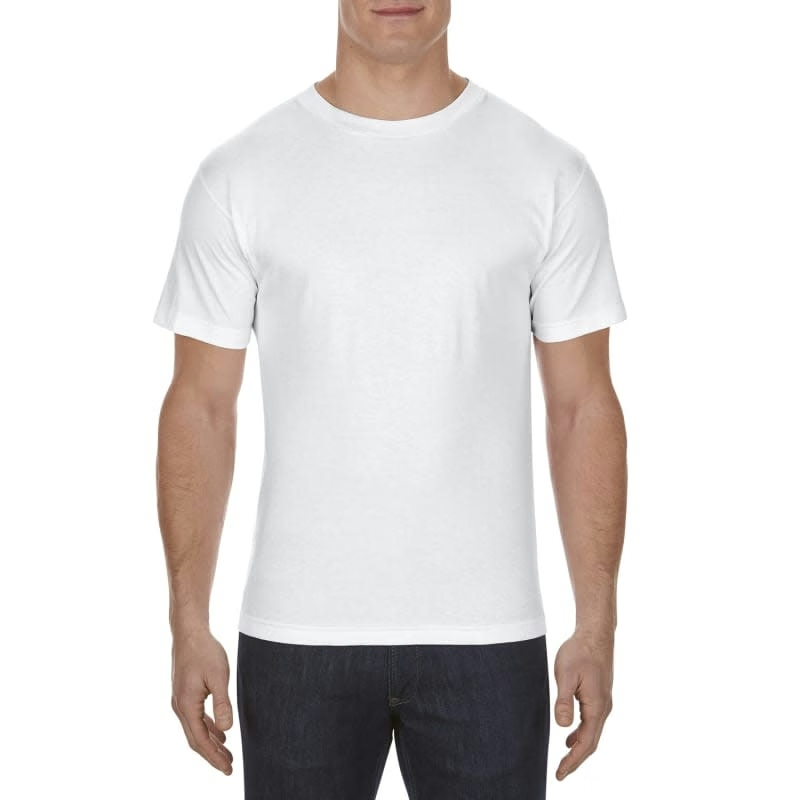
American Apparel Unisex Heavyweight Cotton T-Shirt
$8.90 - $10.90
View product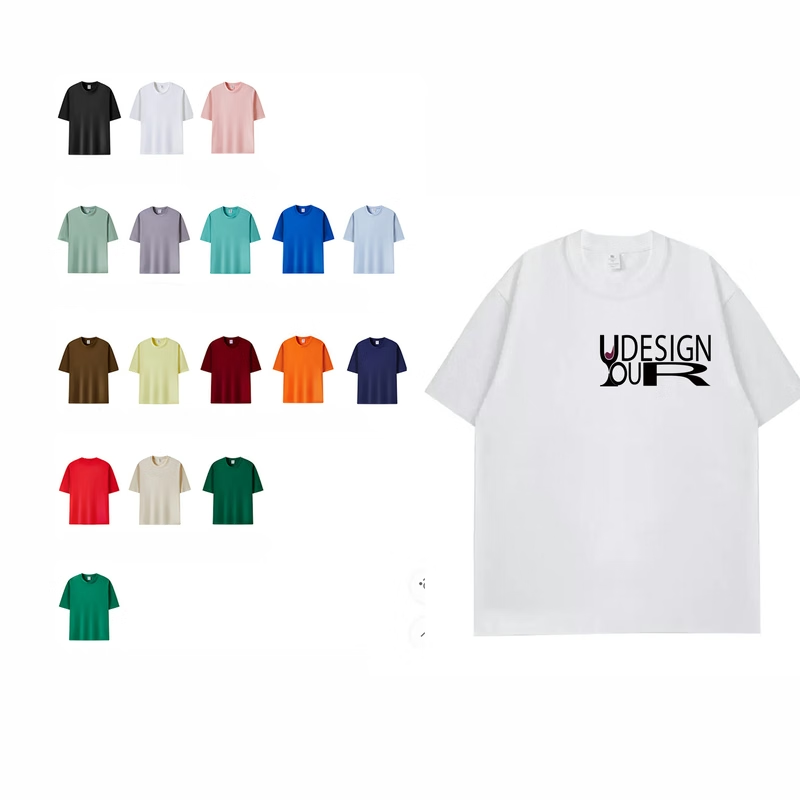
Custom Adult Unisex Cotton Short Sleeve T-Shirt MOQ 10pcs
$2.67 - $9.01
View product
Bella Canvas® Unisex Cotton T-Shirts
$9.44 - $10.73
View product
Cotton T-Shirt: Gray
$20.00
View product
Cotnwell Men's Full Color 180g 100% Cotton T-Shirt
$5.23 - $8.27
View product
CloudHuggie Youth Full Color 230g 100% Cotton T-Shirt
$6.88 - $10.89
View product
Best Seller Custom Cotton T-Shirts - Men's & Ladies
$3.21 - $4.78
View product
Cotton T-shirt
$6.65 - $8.91
View product
Frequently Asked Questions About T-Shirt Sizing
How do I figure out my T-shirt size without measuring?
Compare your current best-fitting shirt to size charts using the flat-lay method — pit-to-pit width, doubled, gives the chest circumference. From there, match directly to the brand's shirt size chart.
What is the most common T-shirt size ordered for groups?
Large is consistently the highest-volume size for mixed US groups, followed closely by XL. For ordering shirts for a team, plan your largest quantities around L and XL.
Do unisex T-shirts run bigger than men's sizes?
Not exactly — unisex t-shirt sizing is typically built on men's proportions. The key difference is that unisex runs about one size larger than women's, so women should size down when switching from a women's cut to a unisex t-shirt fit.
Why does a size large vary so much between brands?
There are no enforced apparel sizing standards in the US. Each brand defines its own measurements. A Gildan size chart large and a Nike t-shirt sizing large can differ by several inches. Always check the specific t-shirt size chart for the brand you're ordering.
Should I size up or size down for a cotton T-shirt?
Size up — especially with 100% cotton. Cotton shrinkage after the first wash can reduce fit by 1 to 2 inches. Preshrunk cotton T-shirts reduce that risk significantly.
What's the difference between a relaxed fit and a classic fit t-shirt?
Minimal — a classic-fit t-shirt is the category; relaxed fit describes the cut within it (straight from the chest to the hem). A slim fit t-shirt tapers toward the hem. Both fall under classic fit but suit different body types.
How much extra room should a T-shirt have?
For a classic fit, aim for 4 to 6 inches more than your actual chest circumference. That's roughly 2 to 3 inches of extra material on each side — comfortable without looking oversized.
Get Your Group T-Shirts Right the First Time With RELYmedia
Figuring out t-shirt sizes for a group is one thing. Finding a promotional apparel partner who handles custom t-shirt sizing, bulk t-shirt ordering, and full apparel fulfilment without any of the headaches — that's another thing entirely.
RELYmedia — headquartered in Minneapolis, Minnesota — specialises in exactly this. From team shirts and branded t-shirts to full-scale corporate apparel and event t-shirts, they deliver fast, consistent, quality-controlled results every time. With hundreds of five-star reviews and a reputation built on reliability, RELYmedia takes the guesswork out of group apparel ordering — from size planning to final delivery.
Ready to place your order? Get a free quote from RELYmedia today and let their team handle the sizing, printing, and fulfilment — so you don't have to.
Final Thoughts
T-shirt sizing doesn't have to be a nightmare. Once you understand how flat lay measurements work, what the different fit types mean, and how brand size variation plays out across clothing sizes by brand — the whole process becomes manageable. Use the shirt size charts in this guide, build your t-shirt size distribution based on your actual demographic, choose the right fabric makeup for the occasion, and always order a buffer.
Because when it comes to apparel sizing, it's always better to have one shirt too many than to leave one person out.
Still need help with your order? Contact RELYmedia — they've helped businesses of every size nail their custom apparel from day one.
Frequently asked questions
What does the phrase "t-shirt sizing" mean?
T-shirt sizing means using labeled sizes (like S, M, L, XL) based on garment measurements such as shirt width and length. Because brands set their own measurements, the label alone is unreliable. Use the size chart’s flat-lay measurements, especially armpit-to-armpit width doubled into chest circumference, to match the size to a real fit.
Should your stomach show when you raise your arms?
A standard adult t-shirt length is generally expected to land around mid-fly in a classic cut. If the hem rides up when you move, that’s a sign the shirt may be too small or too short. Checking the brand’s shirt length measurement (neckband to hem) helps avoid a hem that looks awkward, especially for taller wearers.
How do I determine my t-shirt size?
Measure a t-shirt you already like the fit of using the flat-lay method. Lay it flat, measure armpit-to-armpit for width, then double that number to get full chest circumference and compare it to the brand’s size chart. Also measure length from the back of the ribbed neckband to the hem, since length varies by brand and size.
How do you tell if a t-shirt is too small?
A t-shirt is too small if you have less than about 2 inches of pinchable fabric on each side, the shirt pulls across the shoulders, or the hem rides up. Fit is about the allowance between your body circumference and the shirt’s chest circumference. When someone is unsure, sizing up is safer, especially with 100% cotton that can shrink 3-5% after the first wash.
Do 100% cotton t-shirts shrink?
Yes, 100% cotton can shrink about 3-5% after the first wash. On a 40-inch shirt, that can mean roughly 1.2 to 2 inches of lost width. Preshrunk cotton is treated to limit shrinkage to about 1% or less, and polyester-cotton blends also resist shrinkage and hold shape better over repeated washes.
Shop this
Need custom shirts in every size? We print them.
Bulk pricing, three free mockups, real quotes back the same business day.