How Wireless Charging Works: Qi Standard, Speed & Compatibility
October 27, 2026 · 10 min read
Wireless charging looks simple. Set your phone on a charging pad, and power begins flowing without plugging in a cable.
Behind that convenience sits electromagnetic induction. A transmitter creates a magnetic field. A receiver captures that energy and converts it into electrical current to charge a battery.
This guide explains how wireless charging works, how Qi and Qi2 differ, what controls charging speed, and how to check compatibility. It also covers cases, heat, battery health, cars, and accessories.
What Is Wireless Charging?
Wireless charging transfers electrical energy without a charging cable connecting directly to a device’s charging port. Most phones use short-range inductive power transfer rather than long-range wireless power transfer
The system uses a charging transmitter inside the wireless charger and a charging receiver inside the smartphone or accessory.
The charger still needs power from a wall outlet, a power adapter, or a USB charging cable. What disappears is the physical cable between the charger and phone.
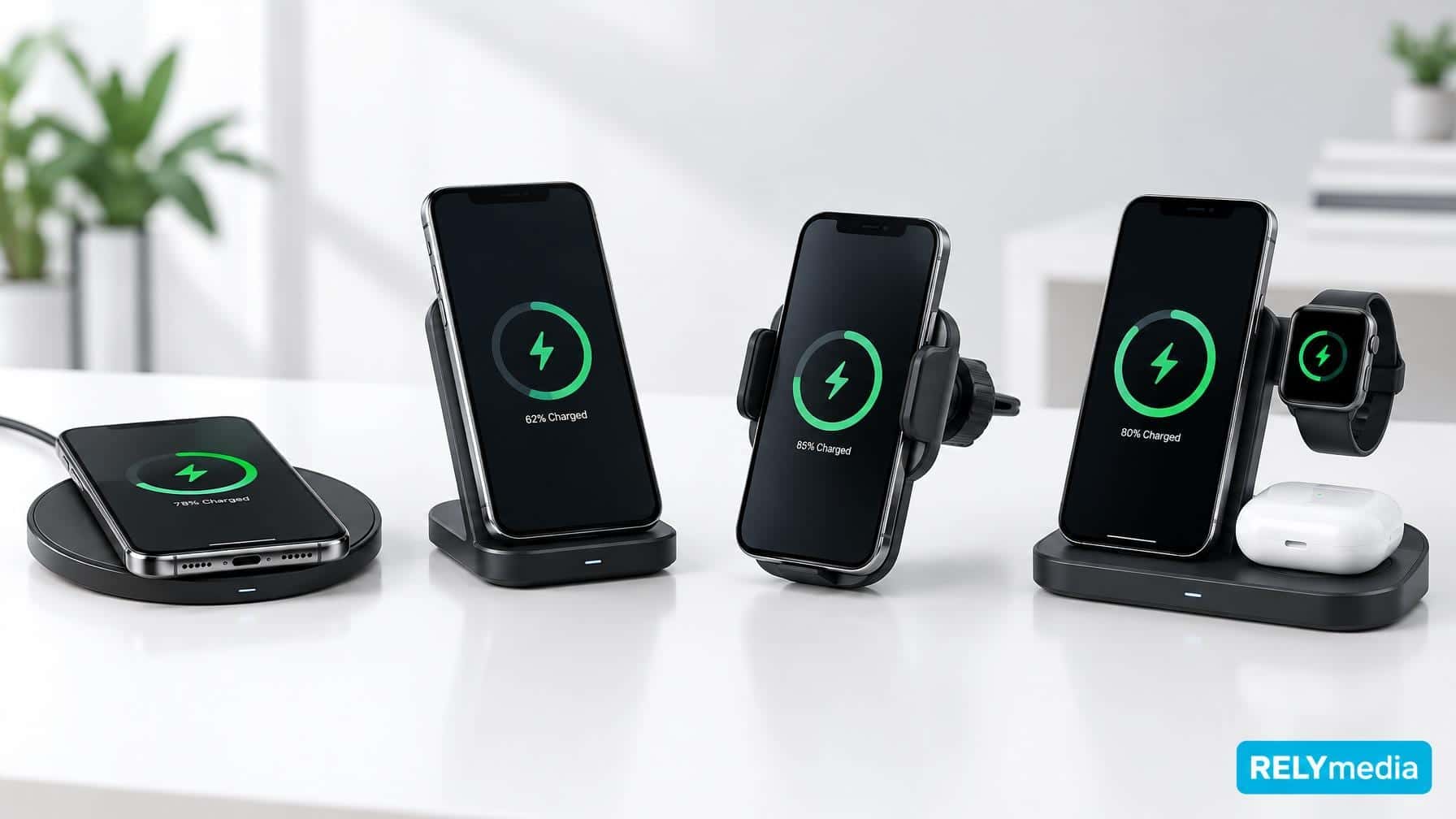
Common formats include wireless charging pads, stands, cradles, docks, multi-device charging stations, portable chargers, and wireless car chargers.
How Does Wireless Charging Work?
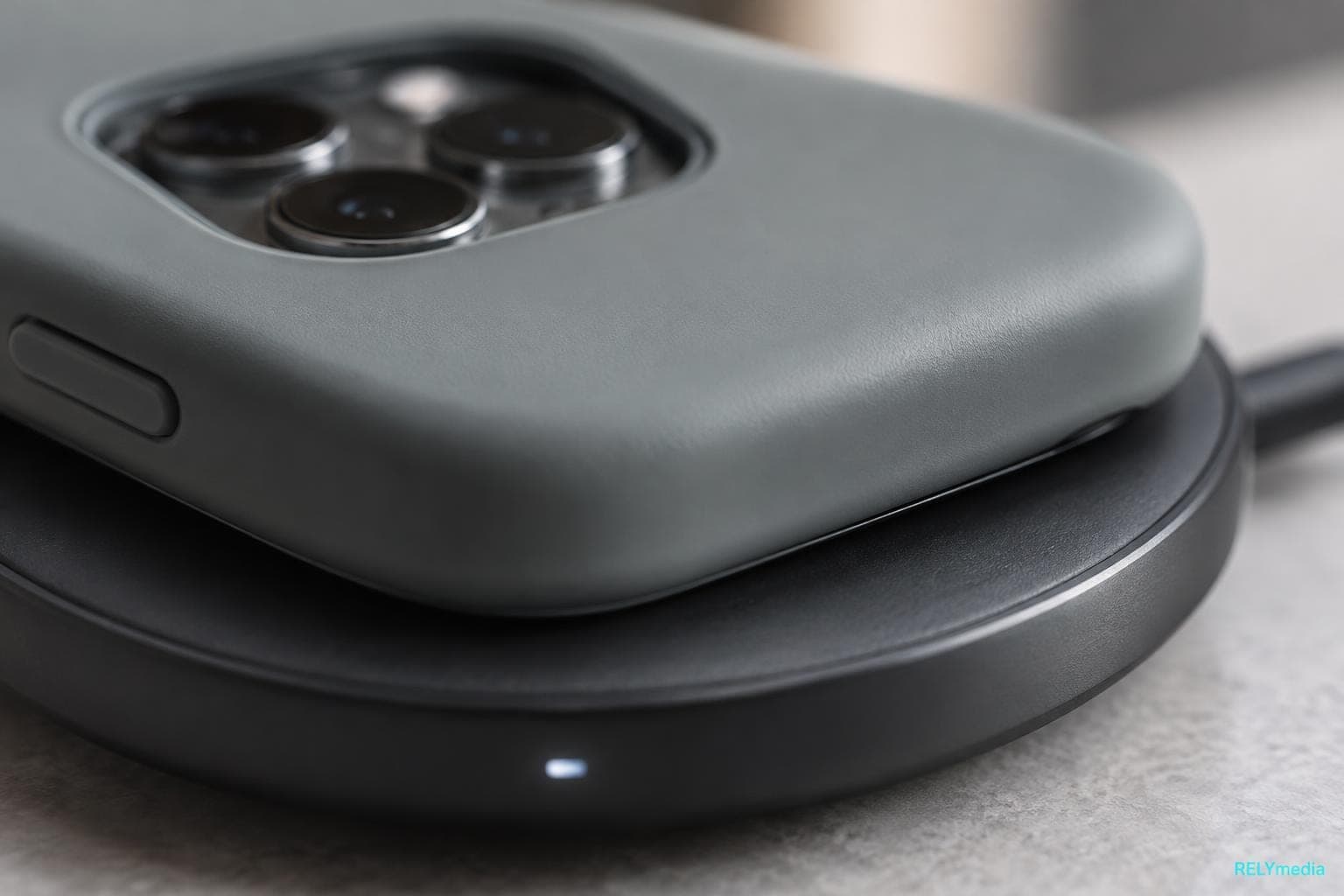
The Transmitter Coil Creates a Magnetic Field
A power source supplies electricity to the charging pad. Inside, alternating current moves through a transmitter coil made from copper wire.
That copper coil produces an oscillating magnetic field. Because the current changes direction rapidly, the field also changes. This fluctuating magnetic field carries electromagnetic energy across the small gap between the charger and phone.
The Receiver Coil Captures the Energy
A compatible smartphone contains a receiver coil. When it enters the magnetic field, electromagnetic induction creates an induced electrical current.
This process is called magnetic coupling. The transmitter and receiver devices do not require a direct electrical connection. Instead, the two coils transfer energy between them.
The Phone Converts Energy Into Battery Power
The charging receiver converts that induced current into usable electrical power. The phone then manages power transfer based on battery temperature, battery capacity, charging cycle, software limits, and supported charging capabilities.
A phone may reduce charging performance when the battery warms or approaches a full charge.
What Is Qi Wireless Charging?
Qi wireless charging is the most widely adopted wireless charging standard for smartphones and many mobile accessories. The Wireless Power Consortium, or WPC, develops the Qi specification.
The Qi standard defines how a compatible charger and device communicate, transfer power, and manage charging safely. A Qi-compatible device can include a phone, a wireless charging case, an earbud case, or another approved accessory.
Qi also improves interoperability. A Qi-compatible phone should work with suitable Qi charging equipment when both support the required profile and power level.
Qi vs. Qi2: What Changed?
Qi2 builds on earlier Qi wireless charging technology with stronger magnetic alignment.
Magnetic Power Profile Improves Positioning
Qi2 introduced the Magnetic Power Profile, or MPP. Magnets help position the phone so that the transmitter and receiver coils align more consistently.
Charging alignment affects efficiency. Poor placement increases power loss, heat generation, and charging time. Qi2 reduces that guesswork by helping compatible devices snap into a better position.
Qi2 Can Support Faster Charging
Original Qi2 products supported charging at up to 15W. Newer Qi2 25W technology raises the supported power level for devices and chargers.
A Qi2 charger does not guarantee maximum speed. The phone, charger, adapter, temperature, and charging profile must support the required power.
| Feature | Qi | Qi2 |
|---|---|---|
| Wireless power transfer | Yes | Yes |
| Magnetic alignment | Not universal | Built into MPP |
| Positioning | More placement-sensitive | More consistent |
| Fast wireless charging | Device-dependent | Improved support |
| Compatibility | Broad | Requires Qi2 support for full benefits |
How Fast Is Wireless Charging?
Wireless charging speed depends on the entire system, not on a single wattage number. The phone controls accepted power, while the adapter must supply enough capacity.
Other factors include:
- Charging position
- Charging alignment
- Case thickness
- Battery temperature
- Thermal management
- Charging protocol
- Battery level
- Charger design
- Device compatibility
As a battery approaches 100%, software may slow charging to control heat and protect battery health.
Wireless Charging vs. Wired Charging
Wired charging delivers electrical current through a charging cable and port. That path can provide better power efficiency and faster charging.
Wireless charging trades some efficiency for convenience. A 20W fast charger is ideal for quick charging, while a wireless phone charger makes top-off charging easier at work.
How Efficient Is Wireless Charging?
Some of the input energy is dissipated as heat rather than stored in the battery. Several factors influence charging efficiency:
- Coil alignment
- Charging distance
- Charger design
- Phone case material
- Charging temperature
- Power level
- Thermal management
Good alignment improves magnetic induction. Poor alignment can increase heat generation. Phones may reduce speed when battery temperature rises.
For everyday charging, position the phone correctly, keep the charger ventilated, and avoid unnecessary layers between the coils.
Which Devices Support Wireless Charging?
Smartphones
Many flagship smartphones include built-in wireless charging. Some mid-range models do too, while support for budget phones is less consistent.
Wireless charging for Samsung Galaxy, Google Pixel, and iPhone devices is common. Exact speed depends on the model.
Wireless Earbuds and Headphones
Many wireless earbuds and Bluetooth earbuds use a Qi-compatible charging case. Headphone charging is less standardized, so check manufacturer specifications.
Smartwatches and Fitness Trackers
Smartwatch and fitness tracker charging are common, though many wearables use proprietary systems. A multi-device station may support charging both a phone and a smartwatch simultaneously.
Tablets and Older Phones
Qi tablet charging remains uncommon. Older phones may use a receiver accessory or compatible case, though add-ons can limit convenience and performance.
Does Wireless Charging Work Through a Phone Case?
Usually, yes.
A thin phone case made from non-metallic materials often allows normal charging. The magnetic field can pass through materials such as plastic, silicone, or similar protective layers.
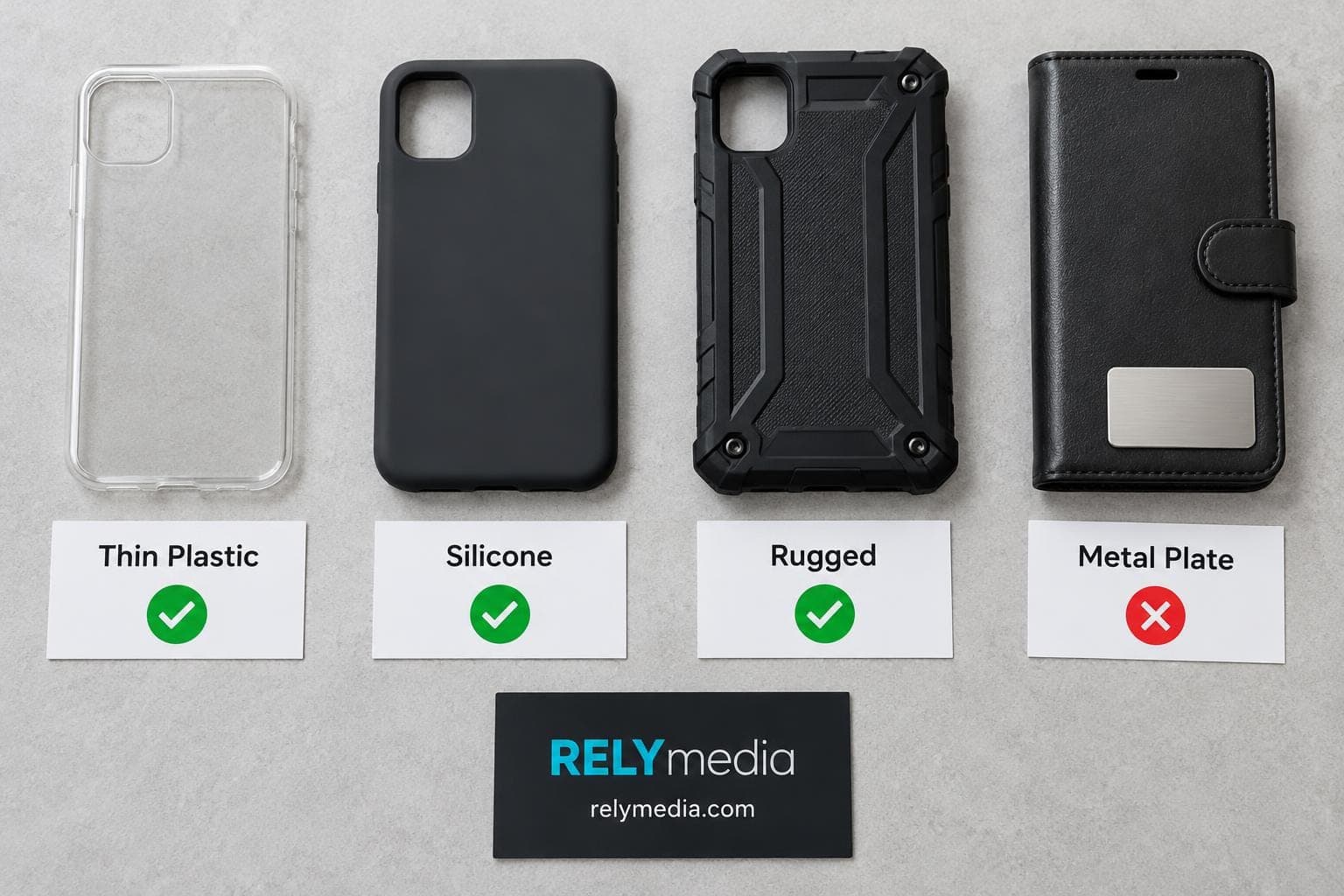
Problems often appear with:
- Thick phone cases
- Metal phone cases
- Wallet attachments
- Poorly placed magnets
- Metal plates used with mounts
- Cases that increase charging distance
A compatible phone case should preserve charging alignment and avoid unnecessary interference.
If charging starts and stops, remove the case and test again. That quick check can reveal whether the case causes charging interference.
Does Wireless Charging Affect Battery Health?
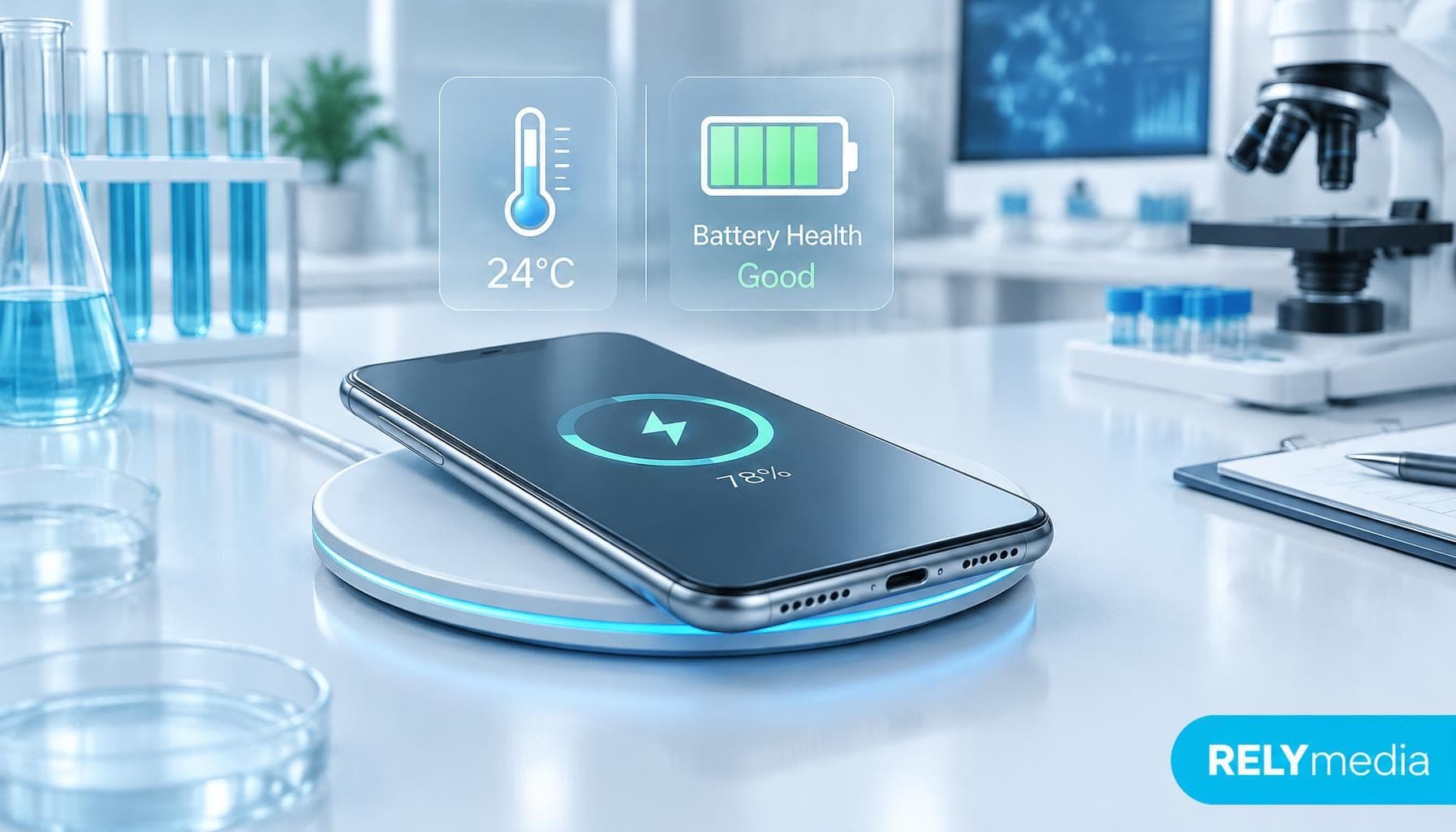
Wireless charging does not automatically damage a smartphone battery. Heat matters more.
Lithium-ion batteries age through charging cycles, time, and temperature. Wireless charging can generate extra heat because some electrical energy is dissipated as thermal energy.
Avoid placing a phone on charge under bedding or in direct sunlight. Keep vents clear. If the phone becomes unusually hot, check the charging position, phone case, charger, power adapter, and surrounding temperature.
Charging overnight is generally managed by modern phone software. Still, battery protection features vary by manufacturer, so follow guidance for your exact device.
Wireless Charging Advantages and Disadvantages
| Wireless charging advantages | Wireless charging drawbacks |
|---|---|
| Convenient charging | Often slower than wired charging |
| Cable-free charging | Some energy loss |
| Less charging port wear | Heat can increase |
| Easy top-off charging | Position matters |
| Useful multi-device charging | Not every device works |
| Cleaner desk setup | Compatible equipment may cost more |
Convenience is the main benefit, while alignment, heat, and compatibility remain key limitations.
Want a useful promotional item instead of another throwaway giveaway?
Ask RELYmedia about branded charging products designed for desks, travel, and daily routines.
How to Use a Wireless Charger Correctly
Check phone compatibility first, then connect the charger to the recommended power source.
For reliable device charging:
- Use the correct power adapter
- Place the phone over the charging transmitter
- Check the charging indicator
- Keep metal objects away
- Remove an incompatible case
- Keep the charger cool
- Avoid damaged cables or adapters
Most supported phones begin charging automatically when positioned correctly. If nothing happens, confirm wireless charging support before assuming the charger is faulty.
Types of Wireless Chargers
Wireless Charging Pad
A flat phone charging pad works well on desks and nightstands.
Wireless Charging Stand
A charging stand keeps the phone upright for easier viewing while charging.
Wireless Charging Dock or Cradle
A charging dock or charging cradle creates a fixed home for a device. Some charge several accessories.
Multi-Device Charging Station
A multi-device charging station can charge smartphones, smartwatches, and earbuds.
Portable Wireless Charger
A portable charger adds wireless power away from a wall outlet. Battery capacity determines available energy.
How Does Wireless Car Charging Work?
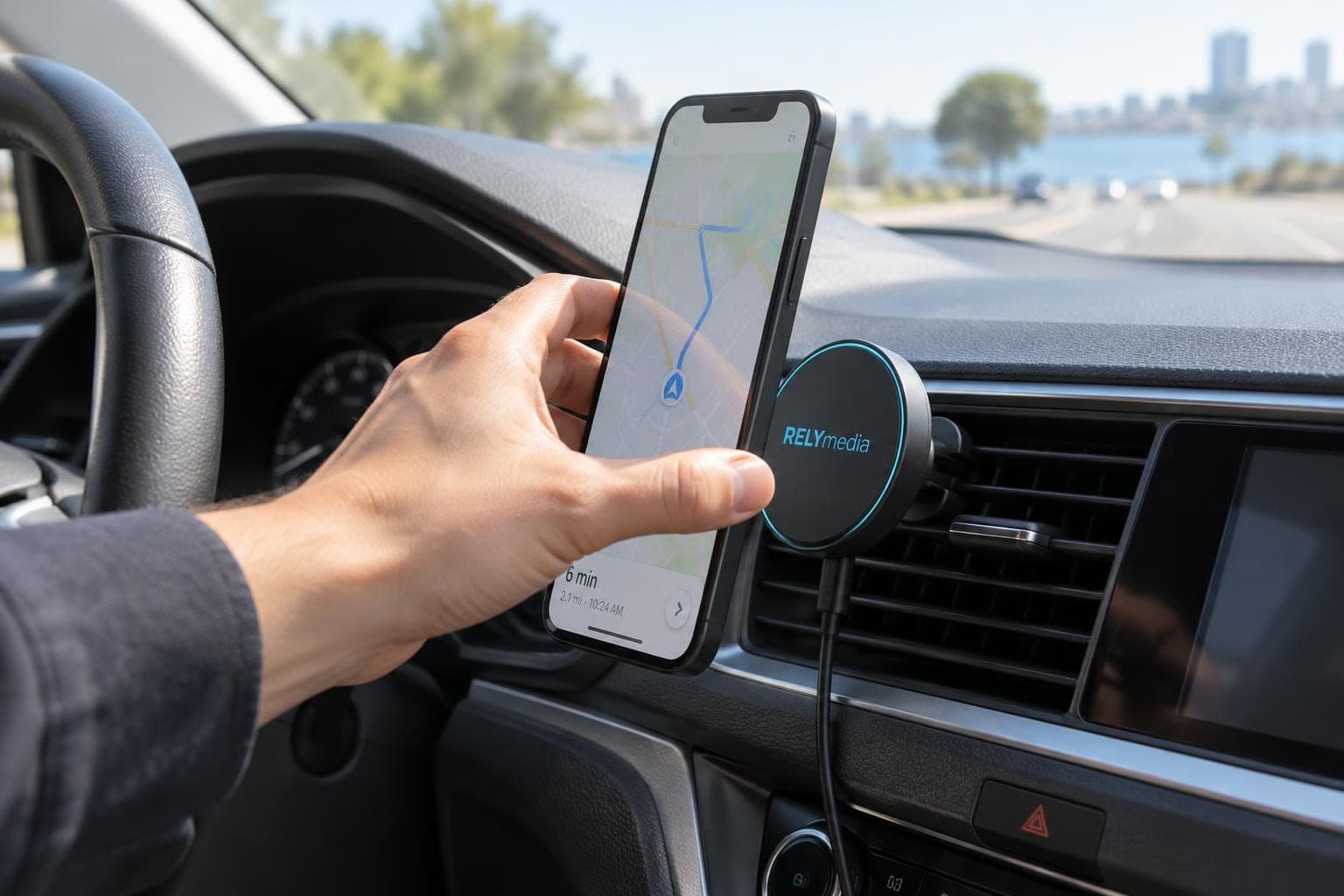
Automotive wireless charging uses the same inductive principle. The vehicle electrical system powers a built-in charging pad or car phone charger.
Movement adds a challenge. A secure phone mount helps maintain alignment, while some charging mounts provide an adjustable viewing angle.
Check both vehicle and phone compatibility. A built-in car charging pad may charge more slowly than a high-power wall charger.
How to Choose the Right Wireless Charger
Choose a charger around your device first. Check:
- Standard: Qi or Qi2
- Compatibility: Exact phone and accessory support
- Power: Charger wattage and device limits
- Adapter: Required power source
- Case: Thickness and magnetic compatibility
- Format: Pad, stand, dock, car mount, or portable charger
- Certification: Legitimate Qi certification when applicable
- Use case: Home, office, travel, vehicle, or multi-device charging
A practical rule helps: match the charger to the device, not just the advertised wattage. Check the phone’s supported standard, confirm the adapter output, and use a case that preserves alignment. Those small checks often improve charging consistency more than buying the highest-power accessory on the shelf.
Ready to print your team's name on premium apparel?
Fill in your details and a RELYmedia specialist will come back to you with a custom quote — fast turnaround, no obligation.
- ⚡Same-day response on business days
- 🎨Free design assistance included
- 🚚Rush order & fast delivery available
- 💰Price beat guarantee on every order
Shop custom power banks and chargers
See all power banks & charging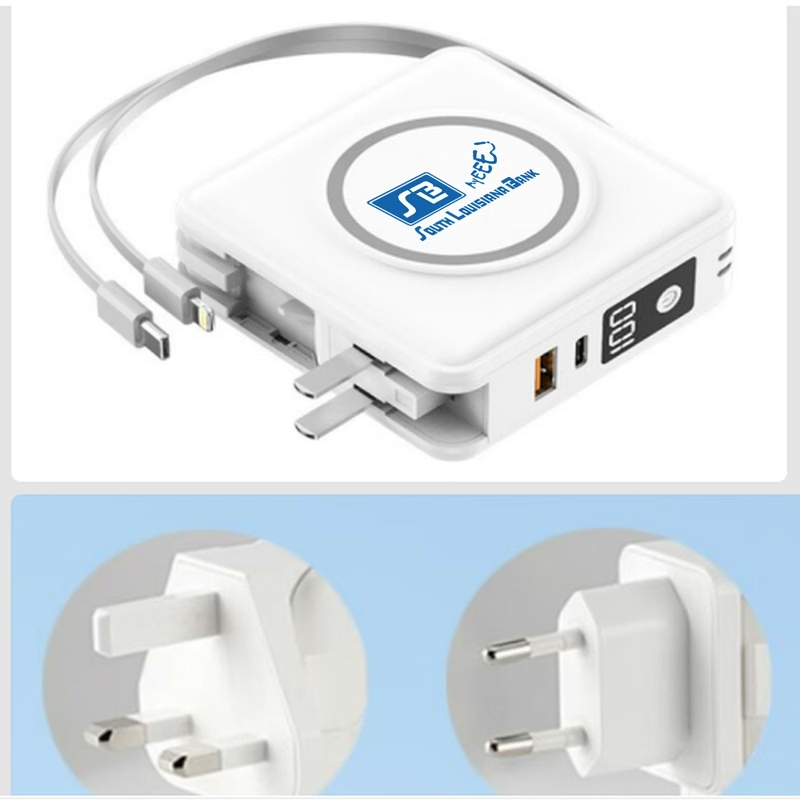
10,000 mAh Wireless Fast Charging Power Bank and 5IN1 Travel Charger w/Intl
$48.25 - $53.66
View product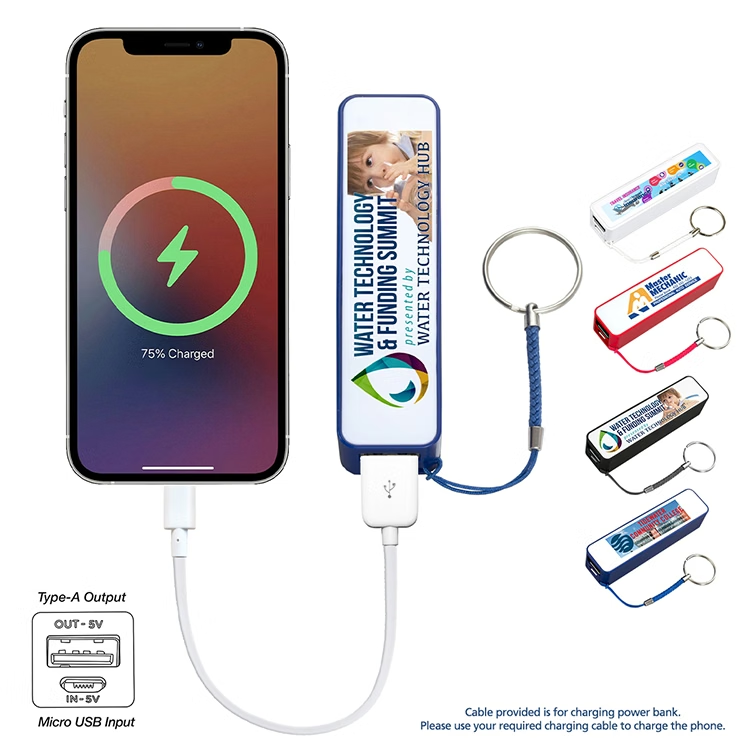
In Charge PB200 UL Listed 2200 mAh Portable Lithium Ion Power Bank Charger PB1004
$7.03 - $7.91
View product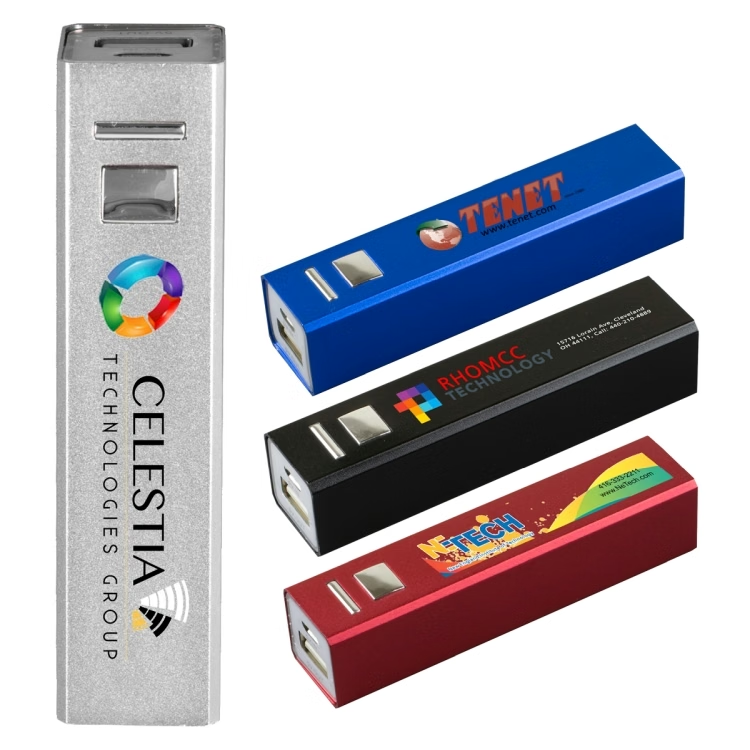
In Charge Alloy UL Listed Aluminium 2200 mAh Lithium Ion Portable Power Bank Charger
$7.57 - $8.85
View product10,000 mAh Energizer® Mag-N-Kick™ Wireless Charger Power Bank And Phone Stand
$34.39 - $52.31
View product10,000 mAh Wireless Charger Power Bank
$25.59 - $44.77
View product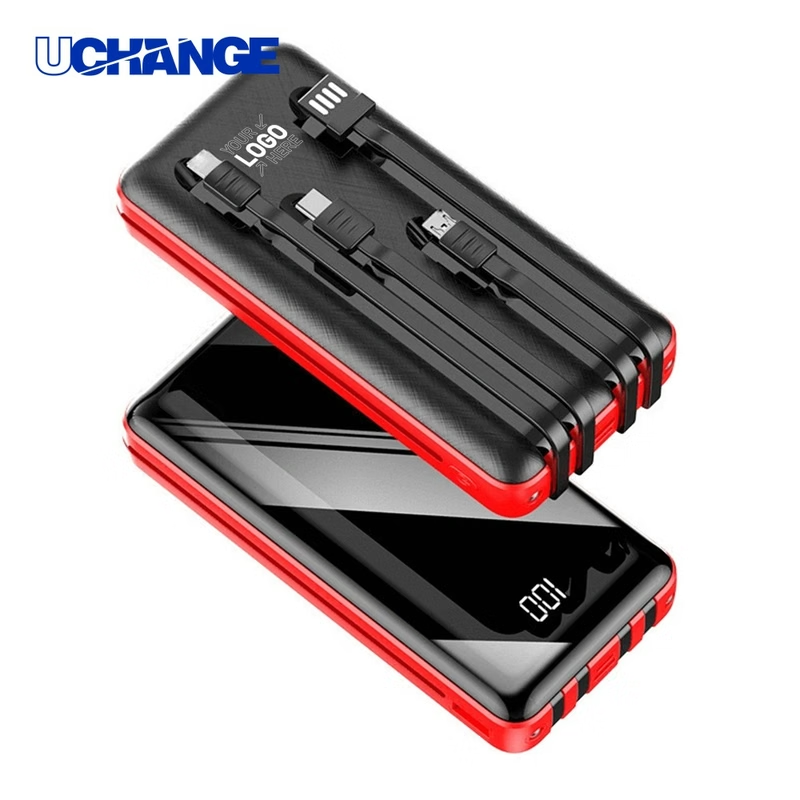
10,000mAh Portable Charger Power Bank with Dual Flashlight
$7.63 - $12.53
View product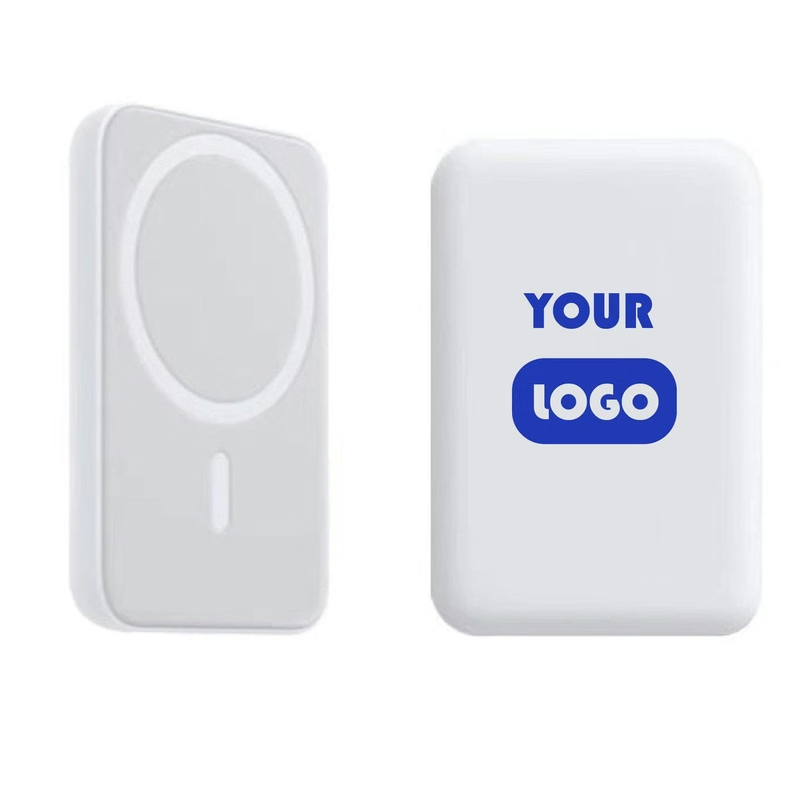
10,000 mAh Wireless Charging Power Bank
$11.58 - $25.35
View product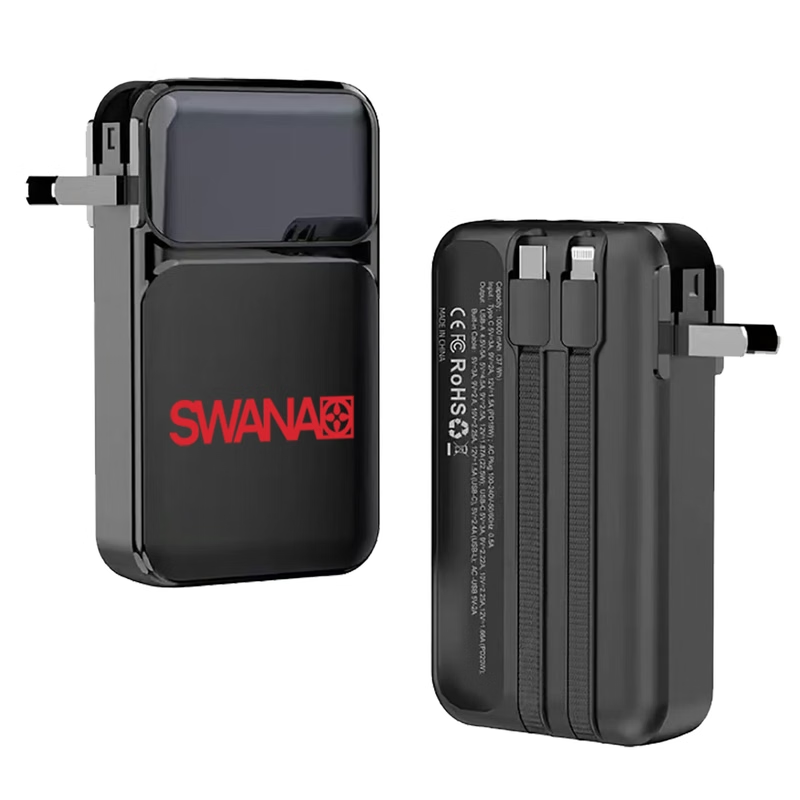
10,000 mAh Portable Charger w/Built In Wall Plug Power Bank
$27.43 - $32.36
View product
Frequently Asked Questions About Wireless Charging
Do Wireless Chargers Work on All Phones?
No. A phone needs built-in wireless charging capability or a suitable receiver accessory.
Does a Wireless Charger Need to Be Plugged In?
Yes. The charger itself needs power from a wall outlet, a USB port, the vehicle's electrical system, or another power source.
Is Wireless Charging Faster Than Wired Charging?
Sometimes, but not usually across comparable devices. Wired fast charging often delivers greater power. Wireless speed depends on the phone, charger, adapter, heat, and alignment.
Can Wireless Charging Work Through a Case?
Yes, with many thin, non-metallic cases. Thick cases, metal, or poorly positioned accessories can interfere.
Why Does My Phone Get Warm?
Some energy is dissipated as heat during wireless power transfer. Higher power, poor alignment, thick cases, and warm rooms can raise charging temperature.
Can Wireless Charging Work From a Distance?
Standard Qi charging works across a short range. The transmitter and receiver coils must remain close enough for efficient magnetic coupling.
What Is the Difference Between Qi and Qi2?
Qi2 adds standardized magnetic alignment through the Magnetic Power Profile. This improves positioning and can support more consistent charging performance.
Can Older Phones Charge Wirelessly?
Some can use a wireless charging receiver or case. Results depend on the phone, accessory, charging standard, and connection method.
Conclusion
Wireless charging turns electromagnetic induction into everyday convenience. The transmitter sends energy through a changing magnetic field. The receiver coil captures it and supplies controlled electrical power to the battery.
Qi created a common wireless charging standard. Qi2 improved magnetic alignment, while higher-power versions expanded fast wireless charging.
Real performance still depends on device compatibility, alignment, heat, case thickness, adapters, and battery temperature.
For consumers, the right charger fits the device and routine. RELYmedia helps organizations turn practical promotional products into lasting brand touchpoints through dependable service, quality, and fast turnaround.
Ready to put your brand on a charging product people will keep close?
Connect with RELYmedia to build a practical promotional solution around your audience.
Shop this
Need custom wireless chargers? We print them.
Bulk pricing, three free mockups, real quotes back the same business day.