Is Wireless Charging Safe? What You Need to Know
October 21, 2026 · 10 min read
Wireless charging makes daily life easier. Place your phone on a charging pad, and power starts flowing without plugging in a cable.
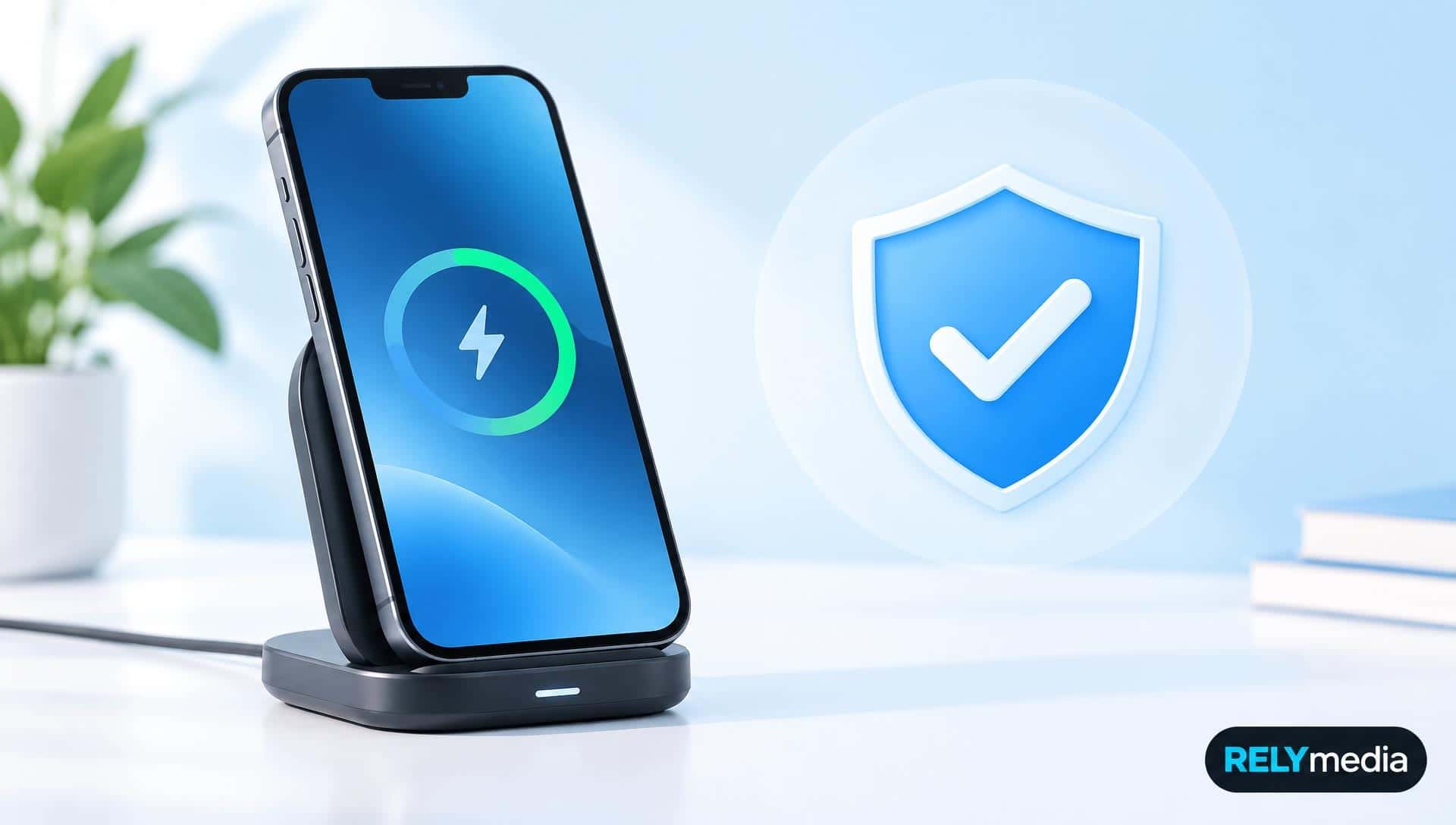
For most users, yes. A certified wireless charger, when paired with a compatible device, is designed to deliver power safely. Modern charging systems use temperature regulation, foreign object detection, power controls, and other safety mechanisms to reduce common charging risks.
Still, poor placement, excessive heat, cheap hardware, damaged accessories, or blocked ventilation can reduce charging performance and battery longevity.
💡Quick answer: Wireless charging is generally safe when you use certified equipment, follow the manufacturer’s charging recommendations, and keep heat under control.
Is Wireless Charging Safe?
Yes, wireless charging is considered safe for everyday use when the charger and device meet recognized safety standards.
The Wireless Power Consortium, or WPC, requires Qi-certified products to complete compliance and interoperability testing. Certified products receive an identification number and appear in the WPC product database.
A reliable charging system manages several things at once:
- Power delivery
- Electrical current
- Charging temperature
- Device compatibility
- Foreign object detection
- Charging interruption
- Overheating protection
How Does Wireless Charging Work?
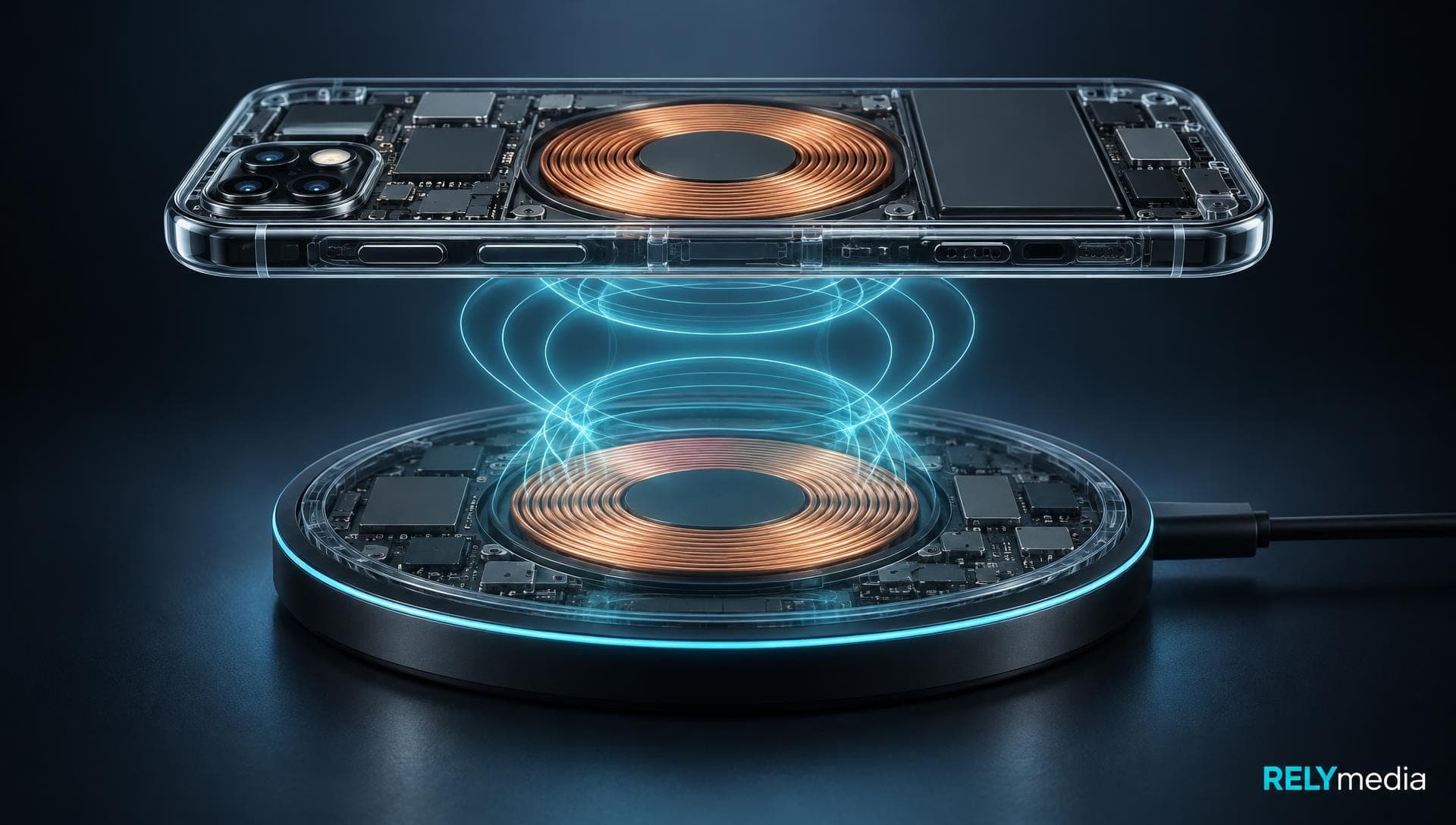
Wireless charging technology usually relies on electromagnetic induction. A transmitter coil inside the wireless charging pad creates an electromagnetic field. A receiver coil inside the smartphone captures that energy. Charging electronics then convert it into electrical current to charge the battery.
This process is called inductive power transfer.
| Component | What It Does |
|---|---|
| Transmitter coil | Creates the electromagnetic field |
| Receiver coil | Receives electromagnetic energy |
| Charging coil | Supports energy transfer |
| Power electronics | Regulates voltage and current |
| Device battery | Stores the transferred energy |
| Safety controls | Monitors temperature and charging conditions |
What Is Qi Wireless Charging?
Qi wireless charging is a widely used wireless charging standard developed by the Wireless Power Consortium. The Qi standard defines requirements for compatibility, communication, power transfer, safety, and charging performance.
A Qi-certified charger has passed the WPC certification process. A charger described only as “Qi compatible” may work with Qi devices, but that wording does not prove certification. WPC specifically cautions that claims such as “Qi compatible” or “works with Qi” do not necessarily indicate that Qi certification has been completed.
Are Wireless Chargers Safe for Your Phone?
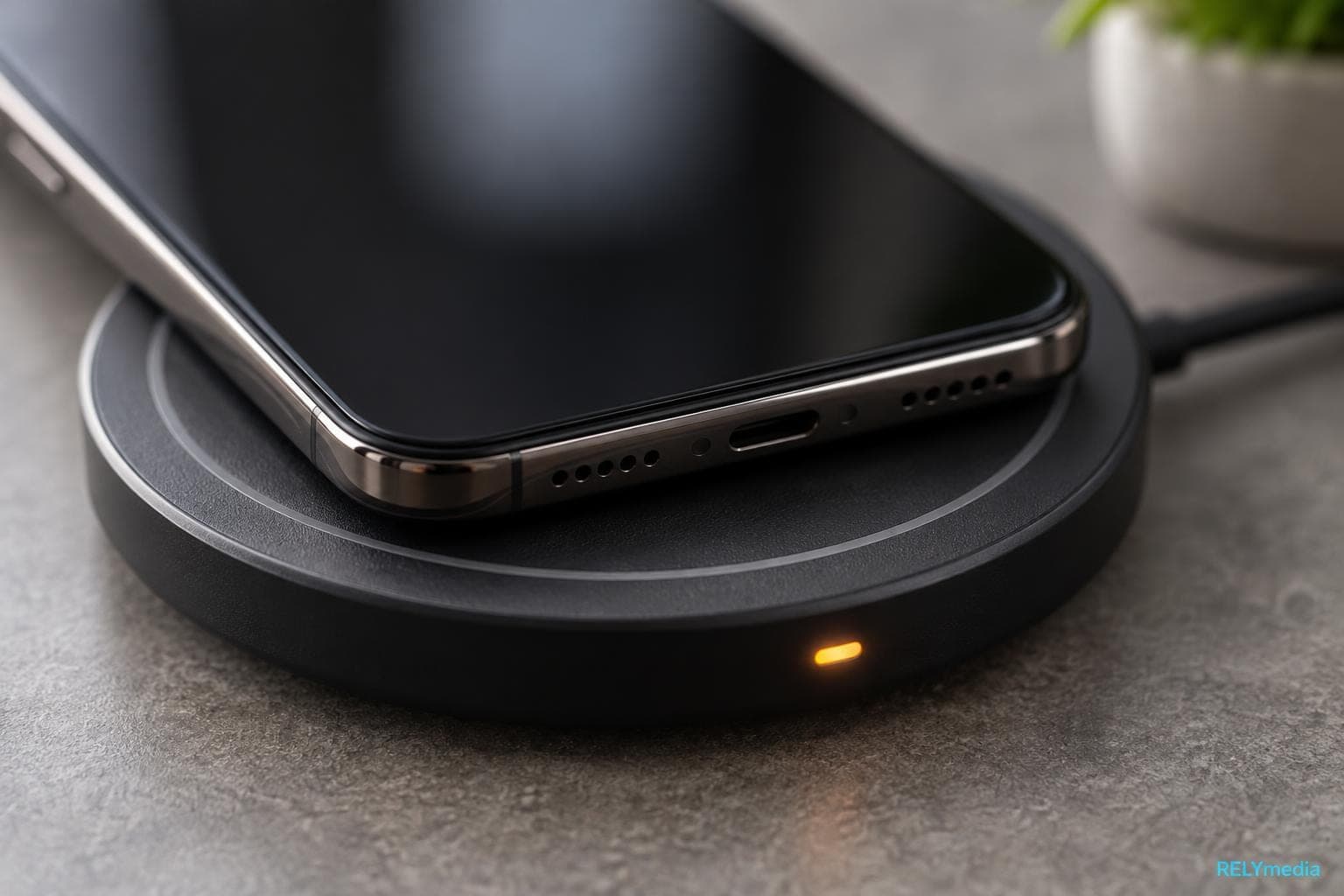
Quality wireless chargers should not harm a compatible smartphone. The bigger concerns are heat, charger quality, alignment, and the charging environment.
Does Wireless Charging Damage Your Battery?
Wireless charging does not automatically damage your rechargeable battery. Every lithium-ion battery gradually loses capacity over time, with each charge cycle, temperature fluctuations, and everyday use.
Heat deserves special attention. Excess heat can accelerate battery degradation over time. That is why modern smartphones include battery protection, temperature control, and thermal management systems.
Apple explains that iPhones can automatically slow or pause charging when the device becomes too warm or too cold. These protections work with cable, MagSafe, and other wireless charging methods.
Does Wireless Charging Cause Overheating?
Wireless charging can create more heat because energy transfer is not perfectly efficient. Some energy is dissipated as heat instead of reaching the battery.
Poor alignment can make this worse. If the receiver and transmitter coils are not properly aligned, energy transfer efficiency can decrease. That creates more charging losses and heat buildup.
Normal warmth can occur, but persistent overheating deserves attention. Reposition the phone, improve ventilation, remove a thick case, and check charger compatibility.
Are Charging Pads Bad for Your Phone?
No. Charging pads are not inherently bad for phones.
Problems usually come from low-quality hardware, poor charger placement, incompatible cases, conductive materials, or trapped heat. A high-quality charger with proper cooling and protective technology reduces those concerns.
Are Wireless Chargers Safe for iPhone?
Yes, supported wireless chargers are generally safe for compatible iPhones.
Apple says iPhones may slow or stop charging when temperature rises beyond a safe range. The company recommends charging in environments between 32°F and 95°F.
Are MagSafe and Qi Chargers Safe for iPhone?
Compatible MagSafe and Qi chargers support safe wireless charging when used correctly. Magnetic alignment can also improve charger placement, helping the charging coil connect more efficiently with the receiver.
Is Wireless Charging Safe for Humans?
Do Wireless Chargers Emit Radiation?
Yes. Wireless chargers create electromagnetic fields to transfer power.
However, they use non-ionizing radiation. This differs from ionizing radiation such as X-rays. Non-ionizing radiation does not carry enough energy to ionize atoms.
Wireless power transmission also occurs over short distances. The phone normally sits directly on or very close to the charger.
Is Wireless Charging Radiation Harmful?
Radiation safety depends on exposure levels, frequency, distance, and applicable regulatory guidelines.
Wireless chargers sold for consumer use must meet relevant regulatory standards. Testing may address electromagnetic exposure, human exposure, electromagnetic compatibility, and electrical safety.
There is no sound reason to treat a compliant wireless charger like an ionizing radiation source.
Is Wireless Charging Safe Overnight?
For modern smartphones, overnight wireless charging is generally manageable because the charging system regulates power as the battery fills.
Avoid placing your phone:
- Under a pillow
- Under blankets
- In direct sunlight
- Inside a hot vehicle
- On damaged charging equipment
Good ventilation helps control charging temperature.
Need practical branded products for offices, hotels, conferences, or customer gifts?
RELYmedia can help turn everyday charging into a useful brand touchpoint.
What Safety Features Do Wireless Chargers Use?
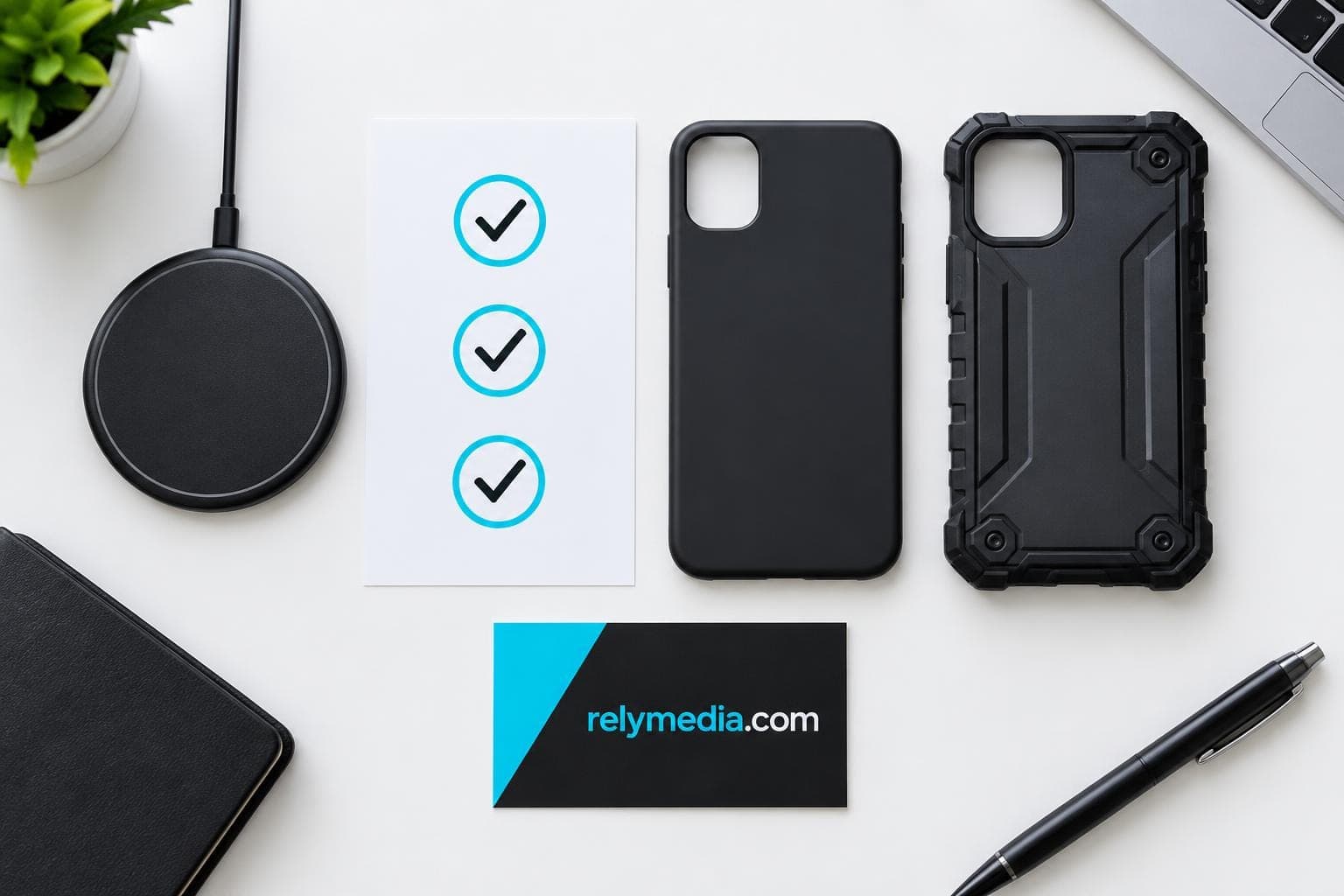
Foreign Object Detection
Foreign object detection helps identify conductive objects between the phone and charging pad.
Common examples include:
- Coins
- Keys
- Jewelry
- Metal clips
- Other conductive materials
A foreign object can absorb electromagnetic energy and generate heat. A compatible charging system may reduce power or pause charging when it detects a problem.
Temperature Regulation and Thermal Protection
Temperature regulation helps prevent excessive heat. Depending on the charger and device, the system may adjust output, slow charging, or interrupt charging.
Good thermal management can support:
- Battery safety
- Device protection
- Charger protection
- Battery longevity
- Charging reliability
- Safe power delivery
Power Management
A quality charger also manages voltage, current, and power efficiency. These protective features help the charging process stay within expected operating conditions.
Can Metal Objects or Liquids Make Wireless Charging Unsafe?
Yes. Metal objects can interfere with wireless charging and may become warm.
Keep coins, keys, cards with metal components, and jewelry away from the charging pad. Remove any foreign objects before charging the device.
Do not use wet or visibly damaged charging electronics.
Is Wireless Charging Safe for Your Data?
Standard Qi charging primarily handles power transfer and the communication needed to manage it. It is not designed like Wi-Fi, Bluetooth, or a general-purpose data cable for accessing photos, messages, contacts, or other device information.
Can a Wireless Charger Steal Data?
An ordinary Qi charger does not automatically gain access to your personal files simply because your phone is charging.
For better data safety:
- Buy from reputable manufacturers
- Avoid suspicious accessories
- Keep software updated
- Use trusted power adapters
- Replace damaged charging hardware
Qi Certification and Wireless Charger Safety
The WPC states that products certified to meet the Qi standard receive a certified ID and appear in its official product database.
Qi Certified vs. Qi Compatible
| Label | What It Tells You |
|---|---|
| Qi Certified | Product completed the WPC certification process |
| Qi compatible | Compatibility claim; certification is not guaranteed |
| Works with Qi | Does not automatically prove certification |
| WPC database listing | Confirms official certification status |
WPC guidance also states that Qi certification includes compliance and interoperability testing conducted through authorized facilities.
Wireless Charging vs. Wired Charging
| Factor | Wireless Charging | Wired Charging |
|---|---|---|
| Convenience | High | Requires cable connection |
| Charging speed | Varies by device | Often faster |
| Energy efficiency | Usually lower | Usually higher |
| Heat generation | Can be higher | Often lower |
| Port wear | Reduced | Uses physical port |
| Alignment | Important | Not required |
Wireless charging often has lower electrical efficiency because some energy is lost during transfer. That energy loss can increase energy consumption and charging duration.
A poorly aligned charger may also result in less efficient charging, slower charging, and longer charging times.
Neither method is automatically safest in every case. Equipment quality, battery temperature, charger compatibility, and proper usage matter more.
Warning Signs Your Wireless Charger May Not Be Safe
Stop using a wireless charging device if you notice:
- Persistent overheating
- Melted or warped plastic
- A burning smell
- Frayed cables
- Cracked housings
- Liquid damage
- Repeated charging interruption
- Frequent temperature warnings
- Unusual charging performance
Wireless Charging Best Practices
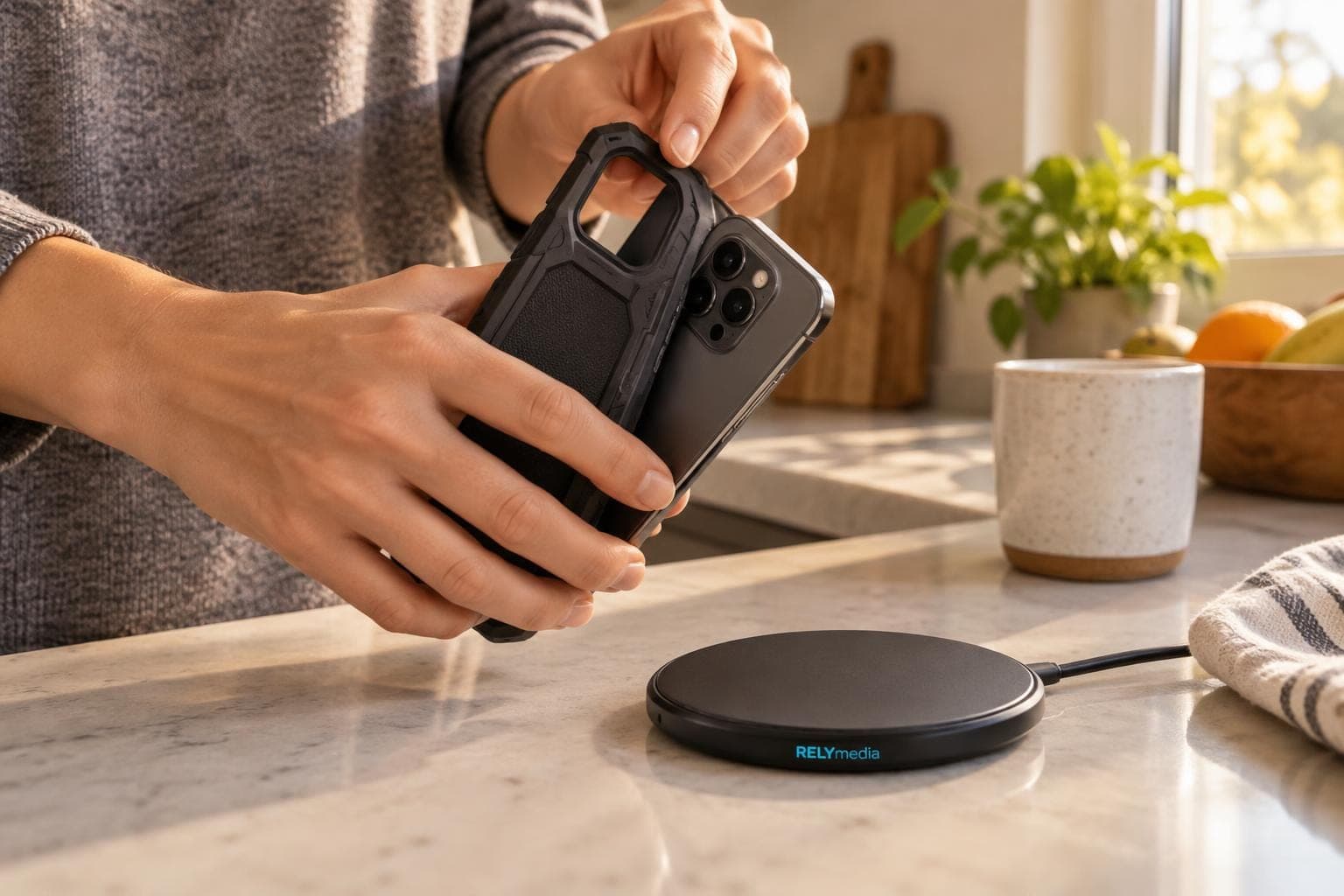
Follow these safe charging practices:
- Choose certified chargers. Look for trustworthy safety certification.
- Check device compatibility. Match the charger to your smartphone.
- Clear the charging pad. Remove metal objects and foreign materials.
- Use proper ventilation. Give heat somewhere to escape.
- Avoid high-temperature environments. Never charge in a hot parked car.
- Position the phone correctly. Better charger placement improves energy transfer efficiency.
- Use a suitable adapter. Follow the charger manufacturer’s power requirements.
- Inspect charging accessories. Replace damaged cables and adapters.
- Monitor unusual heat. Stop charging if excessive heat continues.
- Keep liquids away. Moisture and charging equipment do not mix.
One habit is to check the charger’s position after setting your phone down. If charging starts and stops, or the device becomes unusually warm, realign it first. Better coil alignment can improve charging performance while reducing unnecessary energy loss and heat buildup.
Wireless Charging Safety: Myths vs. Facts
Myth: Wireless charging always destroys battery life. Fact: Battery health depends on age, number of cycles, charging temperature, and usage. Heat management matters more than the mere presence of wireless charging.
Myth: Wireless chargers produce dangerous radiation. Fact: Wireless charging uses non-ionizing electromagnetic fields for short-range energy transfer.
Myth: Every Qi-compatible product is Qi Certified. Fact: Compatibility language does not prove WPC certification.
Myth: A wireless charging pad automatically accesses your data. Fact: Qi charging focuses on power delivery and charging control, not general device data transmission.
Ready to print your team's name on premium apparel?
Fill in your details and a RELYmedia specialist will come back to you with a custom quote — fast turnaround, no obligation.
- ⚡Same-day response on business days
- 🎨Free design assistance included
- 🚚Rush order & fast delivery available
- 💰Price beat guarantee on every order
Shop custom USB-C flash drives
See all usb-c, card & slim drives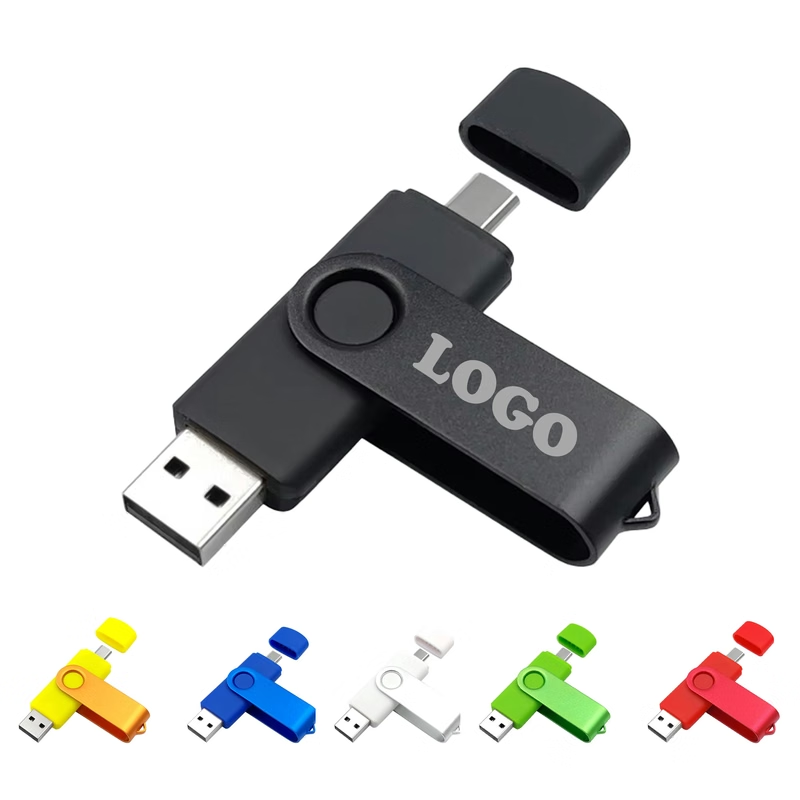
MOQ 30 pcs 32GB Rotating USB-C Flash Drive
$2.69 - $4.50
View product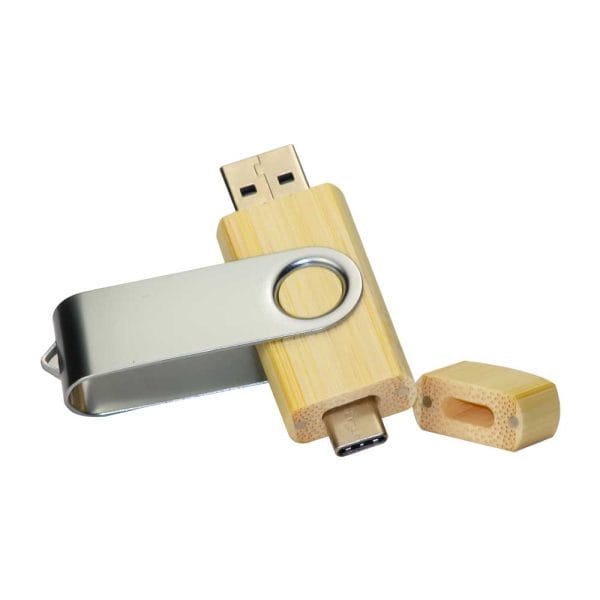
RMCC02 USB-C Flash Drive
Price on request
View product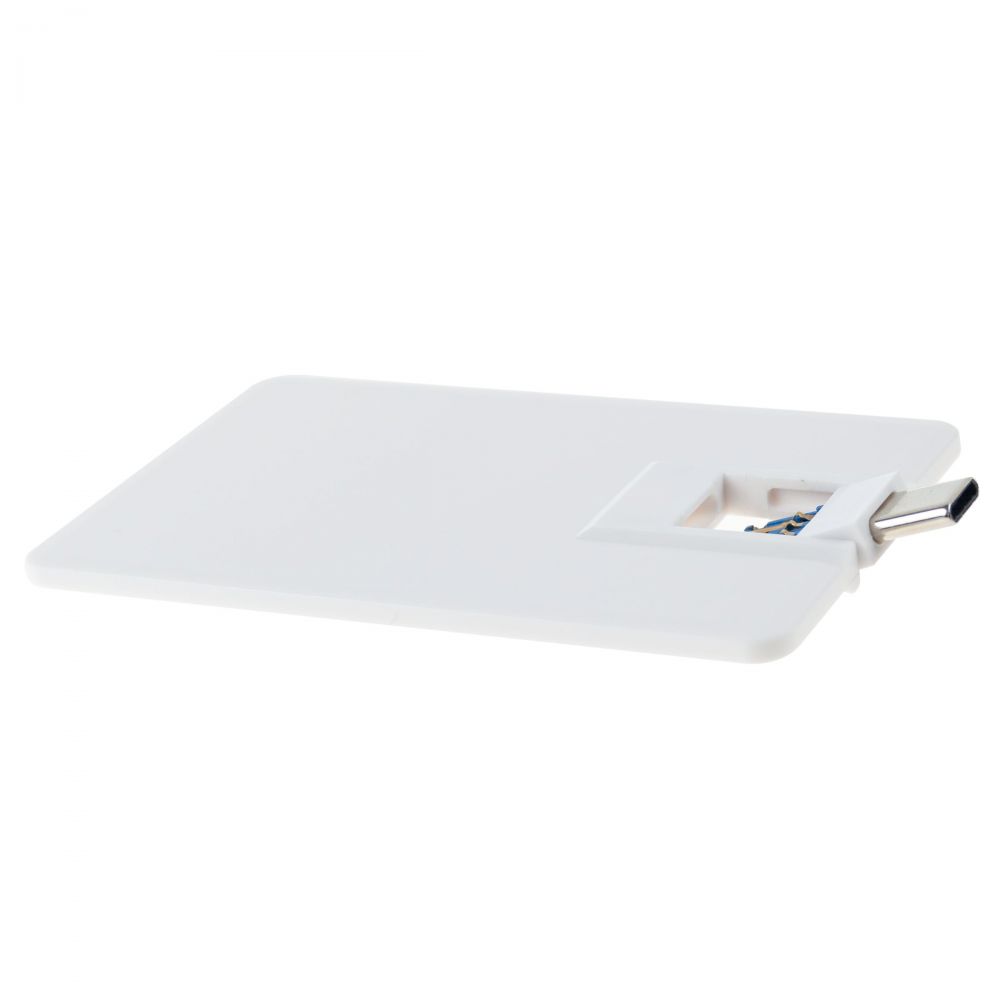
RMCC04 USB-C Flash Drive
Price on request
View product
RMCC03 USB-C Flash Drive
Price on request
View product
RMCC01 USB-C Flash Drive
Price on request
View product
RMCC08 USB-C Flash Drive
Price on request
View product
RMCC07 USB-C Flash Drive
Price on request
View product
RMCC05 USB-C Flash Drive
Price on request
View product
Frequently Asked Questions About Wireless Charging Safety
Are Wireless Chargers Safe?
Yes. Properly made, certified chargers are generally safe when paired with compatible devices and used according to manufacturer instructions.
Is a Wireless Charger Safe for Battery Health?
Generally, yes. The main concern is prolonged excess heat, which can contribute to battery degradation.
Are Wireless Chargers Safe for iPhone?
Yes. Supported Qi and MagSafe chargers work with compatible iPhones. Apple also uses temperature-based charging safeguards.
Are Charging Pads Bad for Your Phone?
No. A quality wireless charging pad should not harm a compatible phone during normal use.
Do Wireless Chargers Emit Radiation?
Yes, but they use non-ionizing electromagnetic radiation for wireless power transfer.
Is Wireless Charging Safe Overnight?
Generally, yes. Keep the phone uncovered, properly aligned, and well ventilated.
Does Wireless Charging Use More Energy?
Wireless charging can experience greater charging losses than wired charging, so power efficiency may be lower.
Can Wireless Charging Steal Data?
Standard Qi wireless charging does not function like ordinary data transmission. Use trusted accessories when extra connectivity features are included.
Conclusion: Is Wireless Charging Safe?

So, wireless charging—is it safe? For everyday consumer use, the answer is generally yes when you choose certified, compatible equipment and follow basic safety precautions.
The real wireless charging risks come from excess heat, poor-quality hardware, improper charger placement, conductive objects, physical damage, and unsuitable charging environments. Good equipment reduces those risks through temperature regulation, foreign-object detection, thermal protection, power management, and other charging safeguards.
Wireless charging benefits include convenience, reduced cable handling, and simple device charging. Wireless charging drawbacks include energy loss, possibly slower charging, and greater sensitivity to alignment.
If you are choosing promotional charging accessories for customers, employees, events, or shared spaces, product quality matters as much as branding. RELYmedia helps businesses source and customize useful promotional products while focusing on quality, dependable service, and practical solutions.
Ready to make charging part of your brand experience?
Contact RELYmedia to discuss custom wireless charging and promotional technology options.
Shop this
Need custom wireless chargers? We print them.
Bulk pricing, three free mockups, real quotes back the same business day.