Power Bank vs Wireless Charger: Key Differences
October 21, 2026 · 10 min read
A power bank stores energy for later use, while a wireless charger transfers power from an outlet to a compatible device without plugging a cable into the device.
The better choice depends on your charging habits, device compatibility, mobility, and charging speed. This guide compares the two options, covering battery health, safety, efficiency, travel rules, and everyday use.
Power Bank vs Wireless Charger: Quick Comparison
| Feature | Power Bank | Wireless Charger |
|---|---|---|
| Main purpose | Stores portable power | Transfers wireless power |
| Power source | Rechargeable battery | Usually a power outlet |
| Charging method | Mostly wired charging | Electromagnetic induction |
| Portability | High | Usually stationary |
| Charging speed | Often faster | Varies by Qi version and device |
| Compatibility | Broad with proper ports | Wireless-enabled devices only |
| Multiple devices | Common with multiple outputs | Depends on the charging pad |
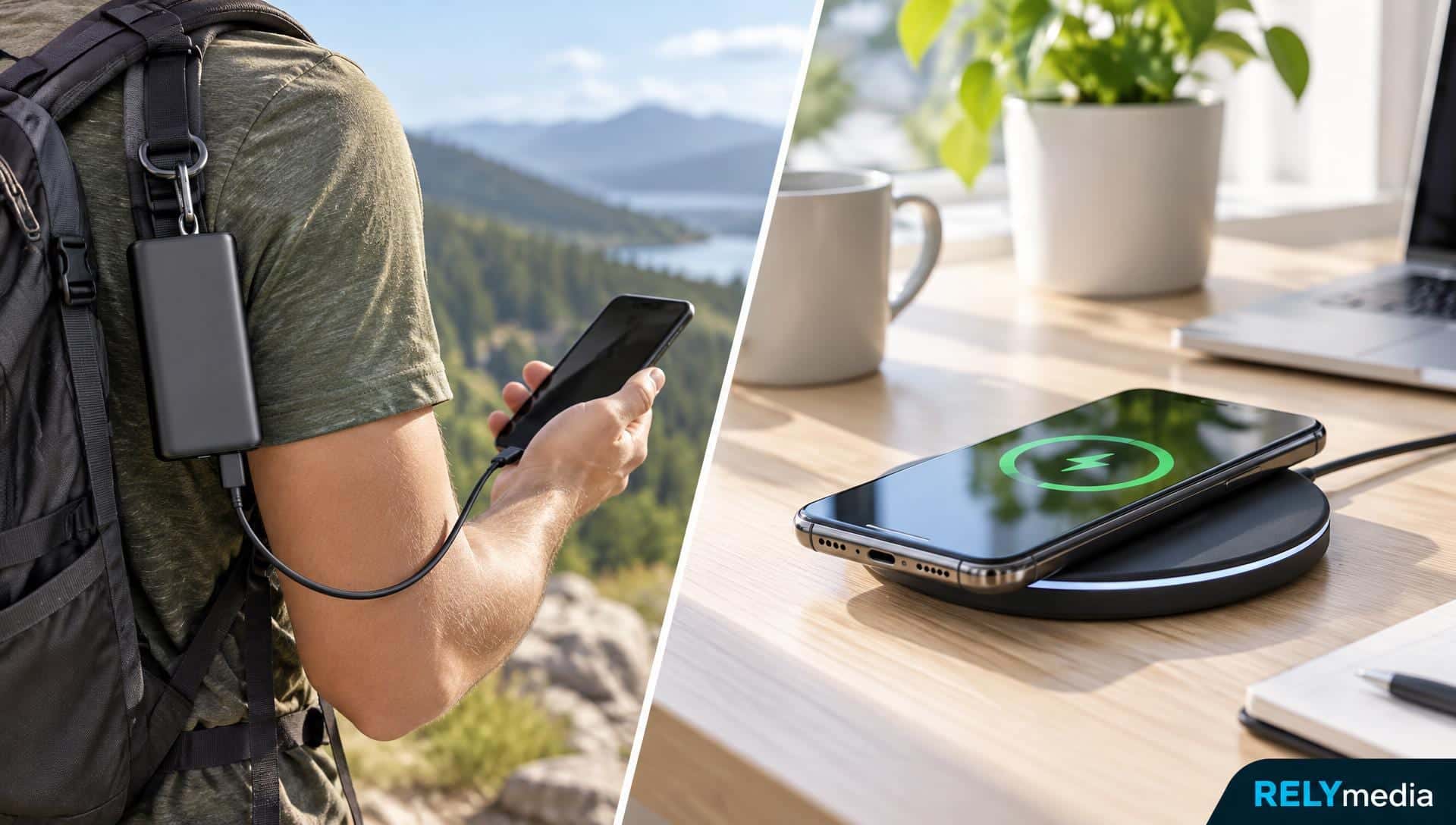
| Best use | Travel, camping, emergencies | Home, office, desk, bedside |
A portable charger wins when you need energy away from an electrical socket. A wireless charger works best when cable-free convenience matters more than mobility.
A useful rule is to match the charger to the moment when power matters most. If you routinely leave your desk, stored portable power offers more flexibility. If your phone spends hours beside a power outlet, wireless charging can simplify the routine. For branded programs, the same logic applies: choose the charging accessory recipients are most likely to use repeatedly, not simply the model with the biggest number on the specification sheet.
What Is a Power Bank?
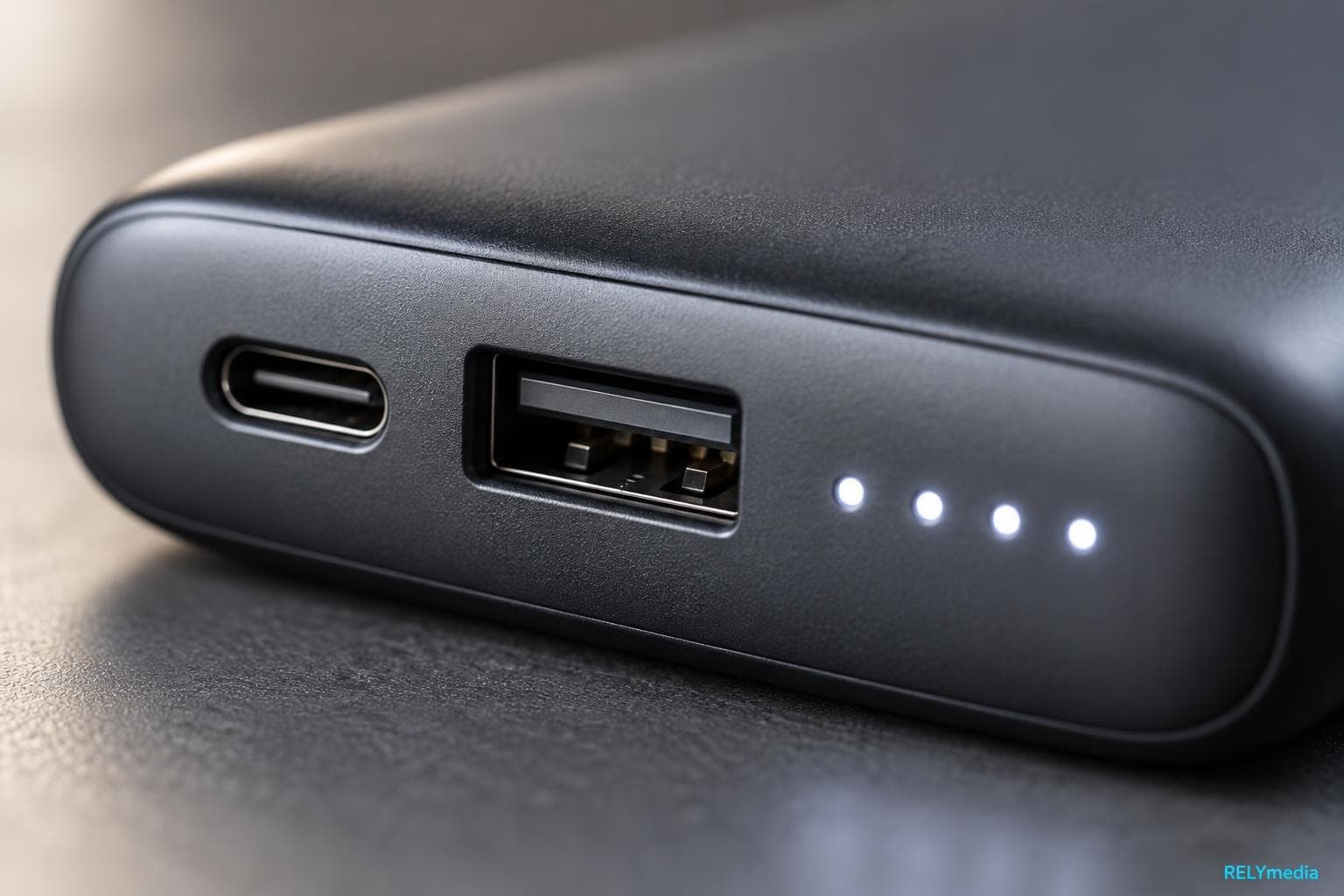
A power bank is a compact battery pack with an internal rechargeable battery. You charge it from a power source, store the energy, then use it to charge devices later.
Most modern power banks support USB charging through USB-A, USB-C, or both. Some include a built-in cable, multiple charging ports, or fast-charging technology.
Battery capacity is usually measured in milliamp-hours (mAh). However, raw mAh capacity does not equal usable phone battery capacity. Voltage conversion, cable resistance, temperature, and internal electronics create energy losses.
The EcoFlow RAPID Power Bank is one high-output example. Its 25,000 mAh battery pack can deliver up to 170W of total output.
Where Portable Power Works Best
Power banks shine when charging infrastructure is limited:
- on-the-go charging during workdays
- travel charging at airports or conferences
- outdoor charging during camping
- emergency charging during outages
- remote charging away from a charging outlet
- multiple device charging during long trips
For US air travel, the FAA requires spare lithium batteries, including power banks and portable chargers, to be carried in carry-on baggage. Most rechargeable batteries rated at 0–100 Wh are allowed. Batteries of 101–160 Wh generally require airline approval.
What Is a Wireless Charger?
A wireless charger powers a compatible device without a direct cable connection. It still needs electricity, usually through a USB cable connected to a wall adapter or another suitable power source.
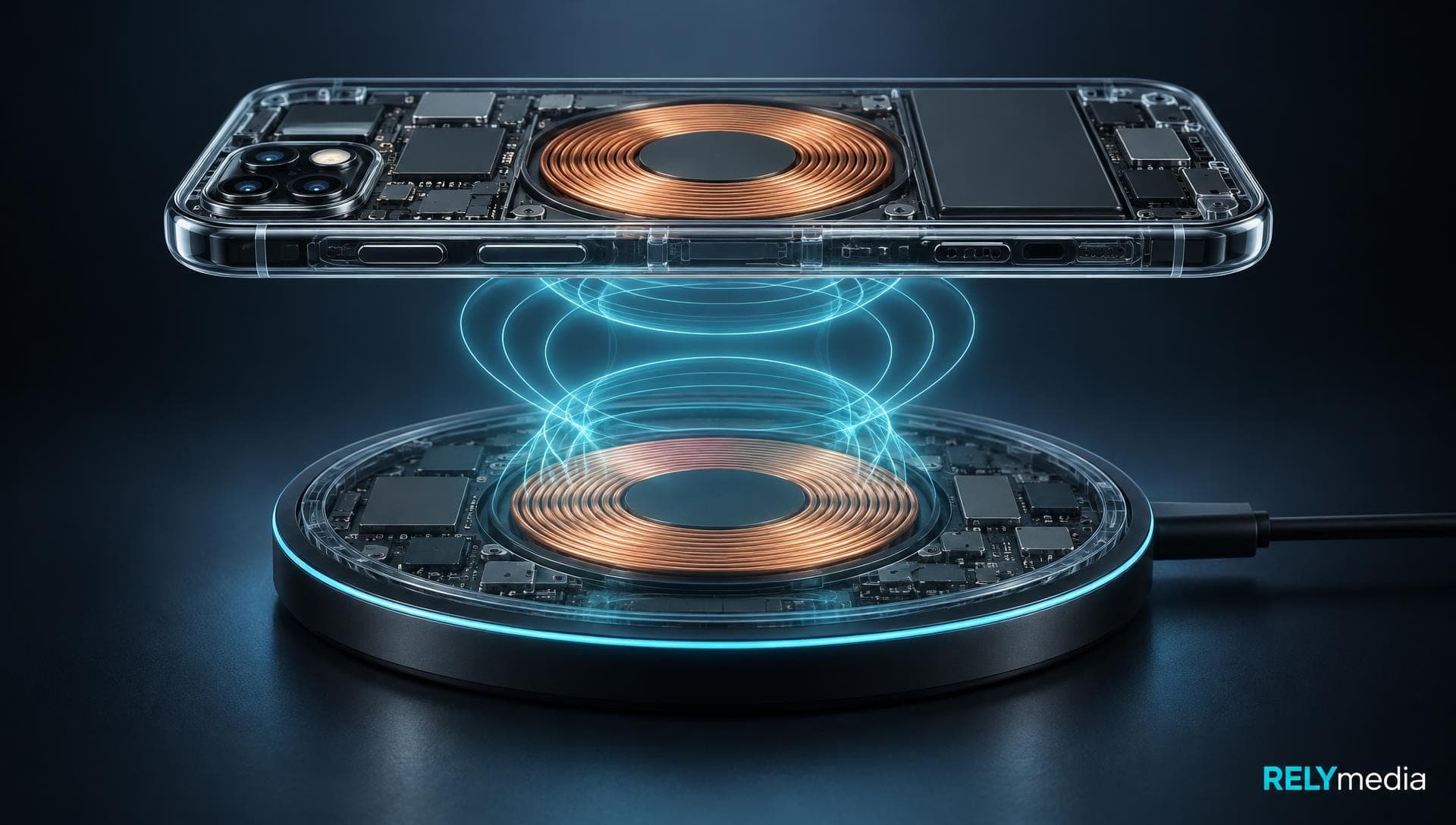
Wireless charging relies on electromagnetic induction. A coil inside the charging pad creates electromagnetic fields. A receiving coil inside the phone captures that energy transfer and converts it into usable electrical power.
Place the phone on the pad, align it correctly, and charging begins.
Qi Wireless Charging Standards and Compatibility
Qi is the major wireless charging standard for consumer mobile devices. The Wireless Power Consortium develops Qi specifications and certifies products for interoperability and safety. Qi certification helps verify compatibility and safety.
Qi2 improves alignment through magnetic positioning. The current Qi2 25W specification raises supported wireless power to 25 watts for compatible products.
Wireless charging capability still depends on the receiving device.
Power Bank vs Wireless Charger: Key Differences
Portability, Mobility, and Everyday Convenience
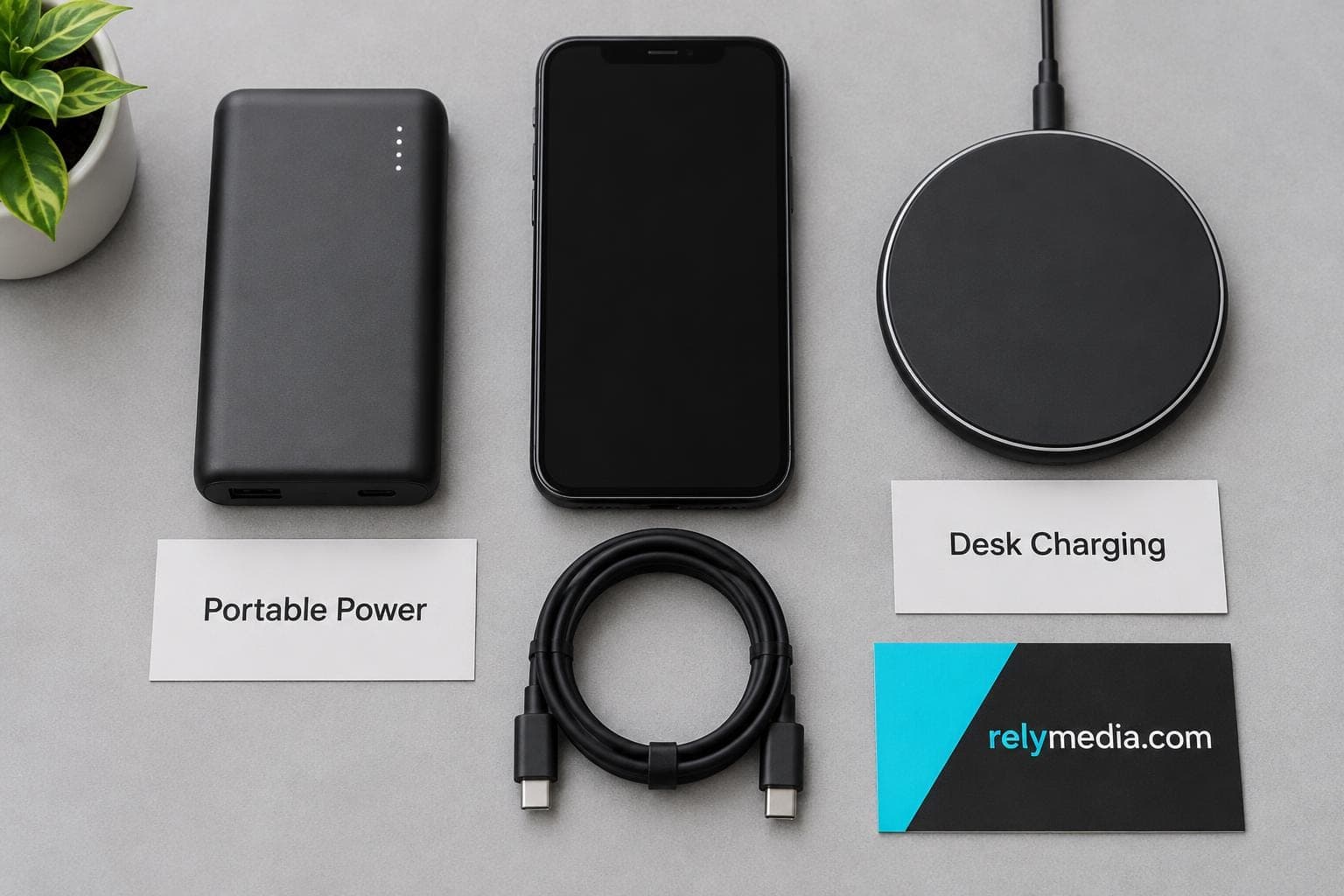
Portability creates the clearest difference. A rechargeable power bank carries stored energy anywhere. That flexibility suits travel, field work, outdoor camping, commuting, and emergency use.
A standard wireless charger is better for stationary charging. It usually remains beside a bed, on an office desk, or at a home charging station.
Wired Charging vs Wireless Charging Method
A power bank usually charges via cable. Energy moves through a USB cable and a direct cable connection into the device's battery.
Wireless charging eliminates the need for a connector on the phone. Electromagnetic induction enables power transfer over a short distance between charging coils.
The right charging method depends on charging requirements, compatible devices, and daily routines.
Charging Speed, Power Output, and Fast Charging
Charging speed depends on device limits, power output, charging technology, cable quality, battery temperature, and charging state.
USB Power Delivery can support very high output, with USB PD extending to 240W over supported USB-C hardware. Quick Charge also requires compatible hardware.
Wireless technology has improved quickly. Qi2 25W can deliver faster wireless charging to compatible devices, although actual charging time still varies.
Charging Efficiency, Energy Transfer, and Heat
Wired charging generally avoids the coil-to-coil transfer losses found in wireless charging. Poor wireless alignment can further reduce charging efficiency and increase heat buildup.
Heat deserves attention because prolonged high temperatures can accelerate battery degradation. Keep charging equipment on a stable surface with airflow. A cool, well-ventilated area helps the phone and charger manage temperature.
Charging efficiency also affects the charging experience.
Device Compatibility
Power banks usually offer broader device compatibility. The right USB charging connection can serve phones, tablets, earbuds, Bluetooth speakers, cameras, and certain laptops.
Wireless chargers work only with wireless-enabled devices or equipment fitted with a compatible receiver. Even then, charging speed may differ by model and wireless charging standards.
Check manufacturer guidelines for input requirements, maximum output, supported protocols, and case compatibility.
Charging Capacity and Multiple Devices
A power bank stores energy. A wireless charging pad usually does not.
A 10,000mAh power bank will not refill a 5,000mAh phone exactly twice. Conversion losses, temperature, and background use reduce usable capacity.
Multiple outputs can support multi-device charging. However, total power output may be shared across ports. Check specifications when charging several devices simultaneously.
Hybrid products combine energy storage with cable-free charging for compatible smartphones.
Battery Lifespan, Battery Wear, and Longevity
Rechargeable cells naturally experience battery wear. Repeated cycles, high temperatures, storage conditions, and age gradually reduce battery performance and power capacity.
Heat is particularly important. Modern phones use battery protection systems to manage charging near full capacity and limit overheating.
Overnight charging is usually managed by the phone's charging system. Some devices delay or reduce charging near full capacity. This is more advanced than classic trickle charging.
Avoid covering a charging phone or leaving it in a place that traps heat.
Safety Features and Certification
Reliable products may include overcharge protection, overheating protection, short-circuit protection, temperature control, and foreign-object detection.
For wireless products, Qi certification provides a recognized benchmark for safety and interoperability testing.
Never use a swollen, damaged, punctured, or recalled rechargeable battery. Follow manufacturer guidelines and relevant industrial standards for handling and disposal. The FAA also warns against traveling with damaged or recalled lithium batteries because they can overheat or enter thermal runaway.
Durability and Maintenance
Power banks need periodic recharging, safe storage, and protection from physical damage.
Wireless chargers require less battery-related maintenance unless they include internal storage. Regular cleaning removes dust and foreign objects that could affect alignment or heat.
Inspect charging accessories regularly. Replace damaged connectors and frayed cables before they become a reliability or safety problem.
Price Range and Value for Money
Price varies with battery capacity, charging functionality, power output, materials, certification, brand, and customization.
A simple wireless pad can offer excellent value for money for desk, bedside, nighttime, or office charging. A power bank often justifies a higher price when portable power, travel charging, or emergency backup matters.
Compare charging needs with useful features rather than chasing the highest mAh number.
Ordering in quantity?
Request a RELYmedia quote based on your branding, quantity, turnaround, price range, and charging needs.
Which Charging Solution Fits Your Situation?
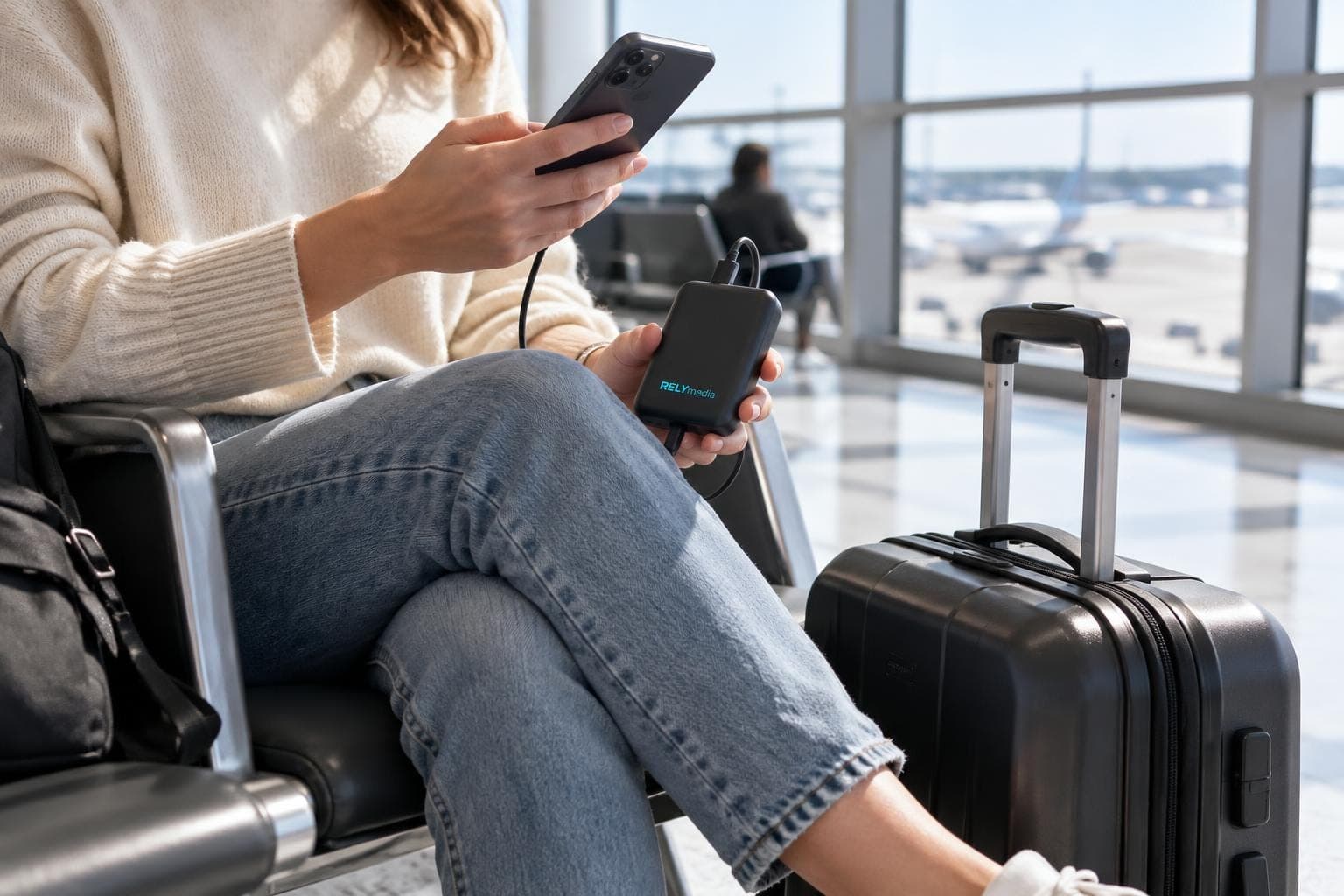
| Charging need | Better fit | Main reason |
|---|---|---|
| Frequent travel | Power bank | Portable stored energy |
| Desk charging | Wireless charger | Cable-free convenience |
| Camping | Power bank | Works away from outlets |
| Emergency backup | Power bank | Independent power source |
| Bedside charging | Wireless charger | Simple nighttime routine |
| Several USB devices | Power bank | Multiple charging ports |
| Clutter-free workspace | Wireless charger | Fewer daily cable connections |
| Mixed charging needs | Hybrid charger | Combines storage and wireless power |
Charging habits should guide the choice.
What Should You Check Before Choosing?
Use this checklist before selecting either charging solution:
- Device compatibility: Confirm the charger supports your actual devices.
- Battery capacity: Match mAh capacity to realistic use.
- Power output: Check watts and supported charging protocols.
- Charging speed: Compare device limits, not advertising alone.
- Charging efficiency: Consider alignment, heat, and power efficiency.
- Safety features: Look for appropriate protection and certification.
- Portability: Decide whether mobility matters on a daily basis.
- Maintenance: Consider battery aging, cables, and regular cleaning.
- Price: Balance features with genuine value for money.
- Travel: Check battery Wh ratings and current airline rules.
Ready to print your team's name on premium apparel?
Fill in your details and a RELYmedia specialist will come back to you with a custom quote — fast turnaround, no obligation.
- ⚡Same-day response on business days
- 🎨Free design assistance included
- 🚚Rush order & fast delivery available
- 💰Price beat guarantee on every order
Shop custom USB-C flash drives
See all usb-c, card & slim drives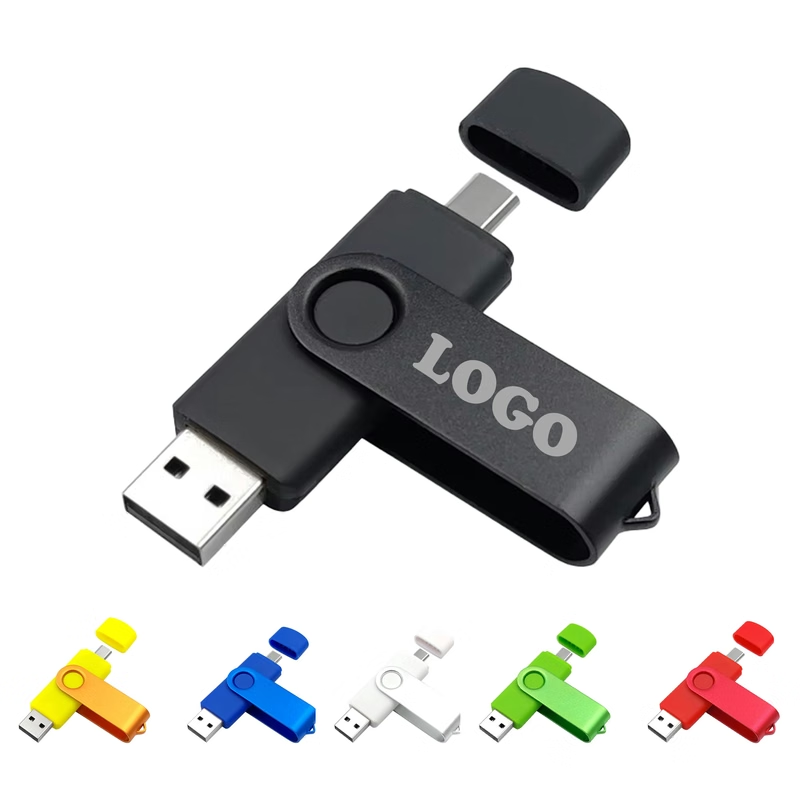
MOQ 30 pcs 32GB Rotating USB-C Flash Drive
$2.69 - $4.50
View product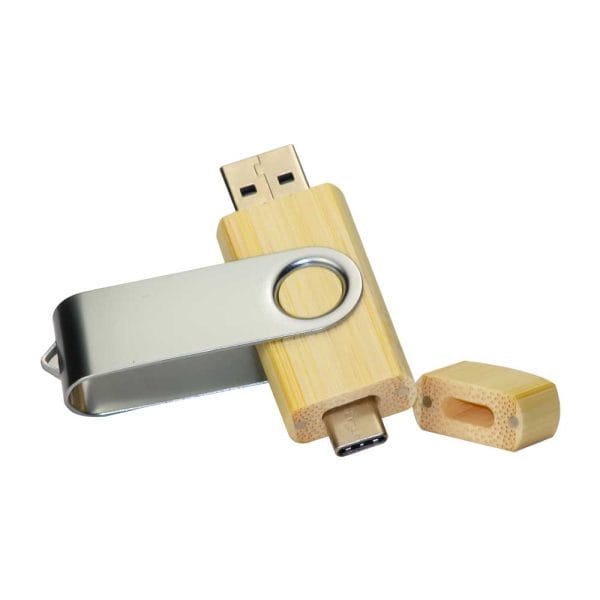
RMCC02 USB-C Flash Drive
Price on request
View product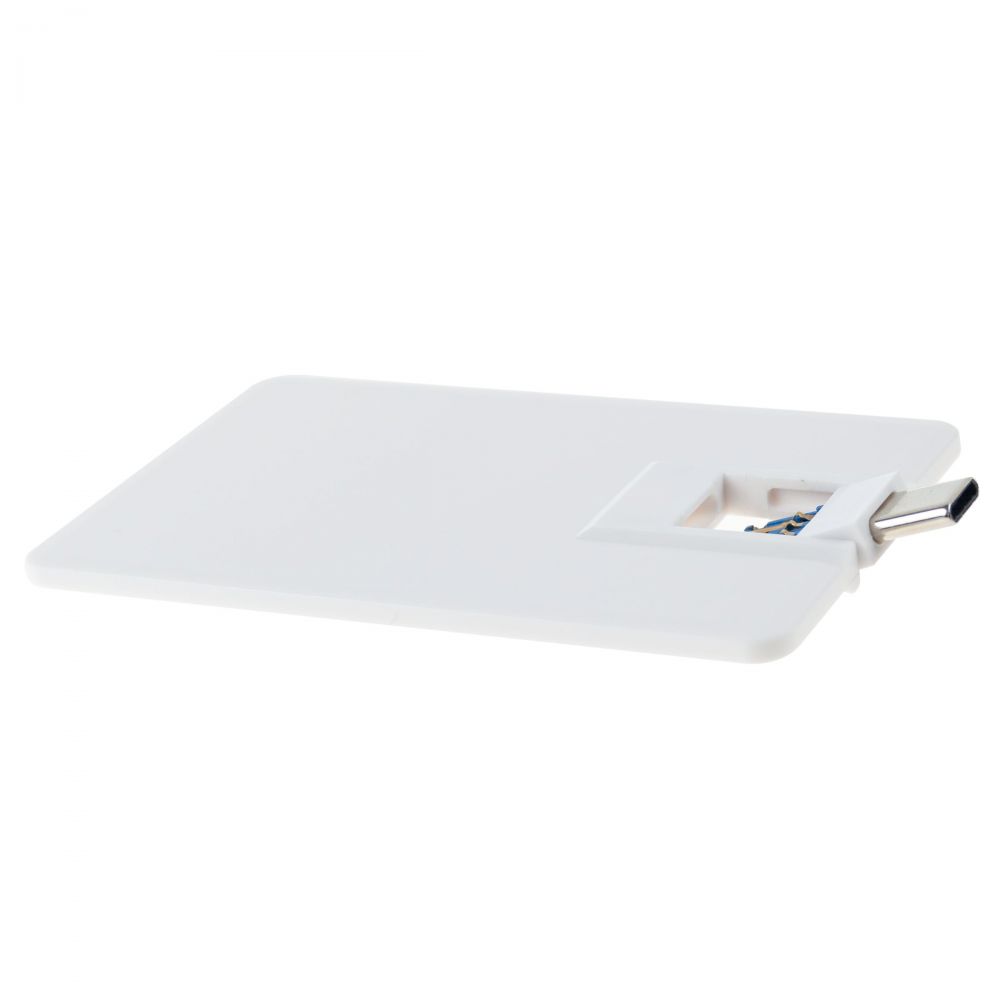
RMCC04 USB-C Flash Drive
Price on request
View product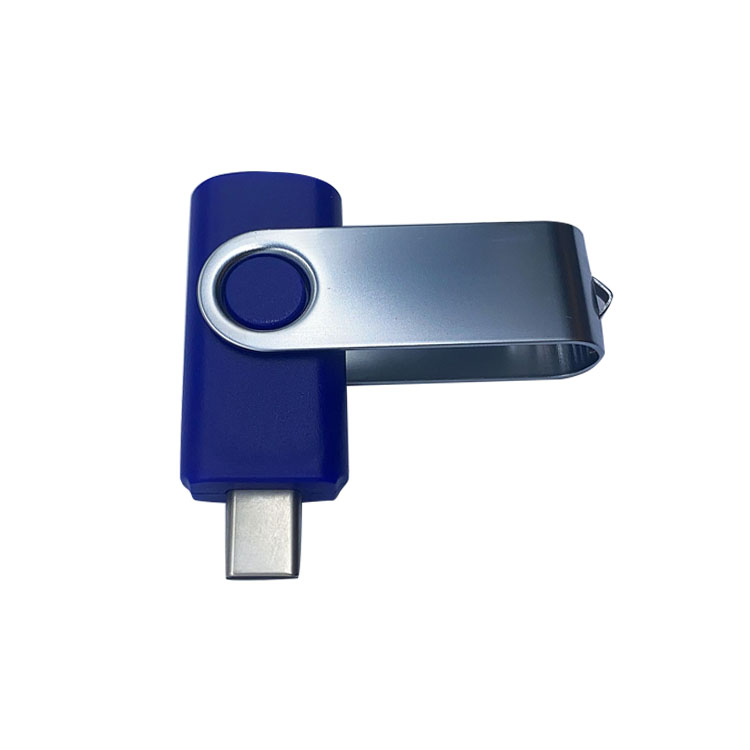
RMCC03 USB-C Flash Drive
Price on request
View product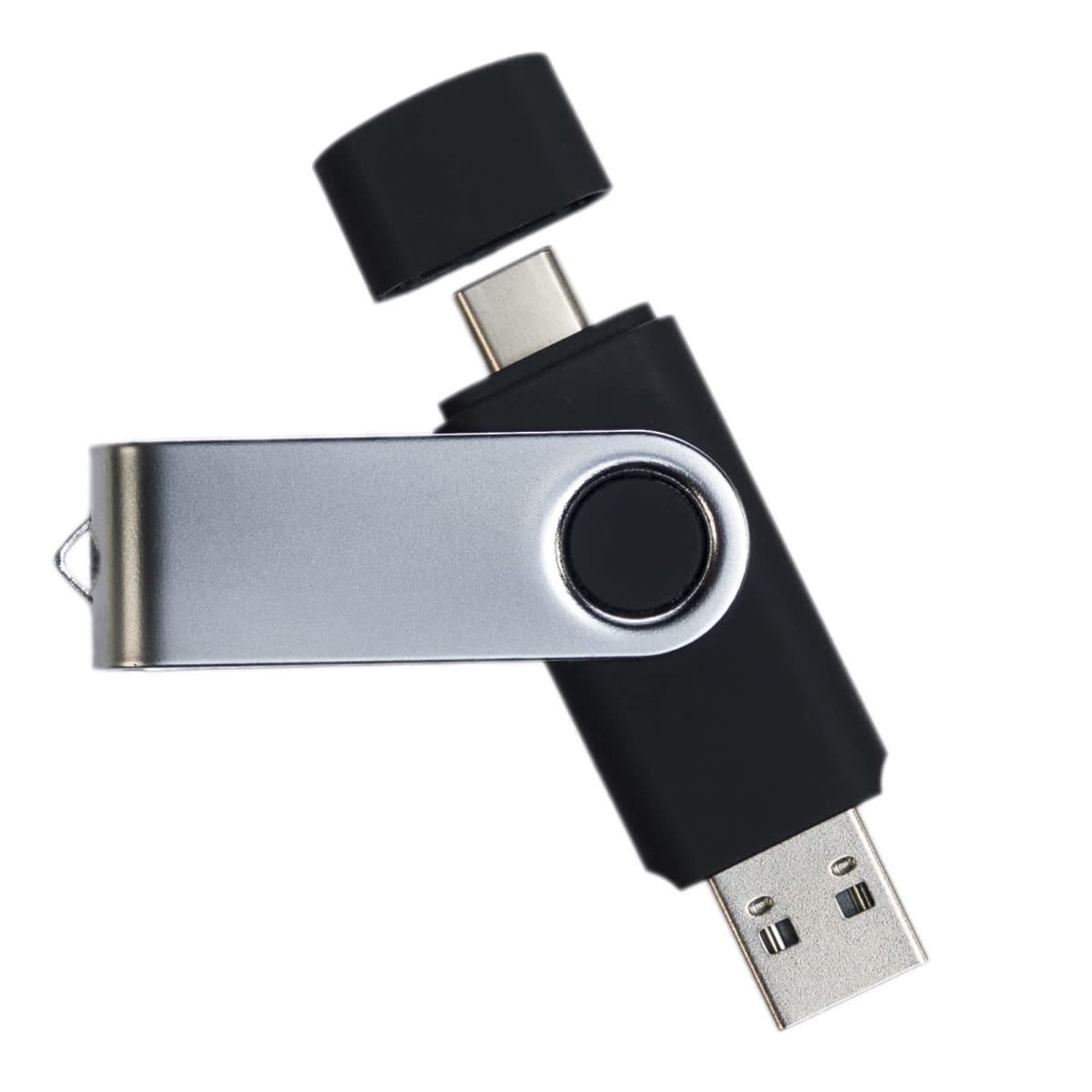
RMCC01 USB-C Flash Drive
Price on request
View product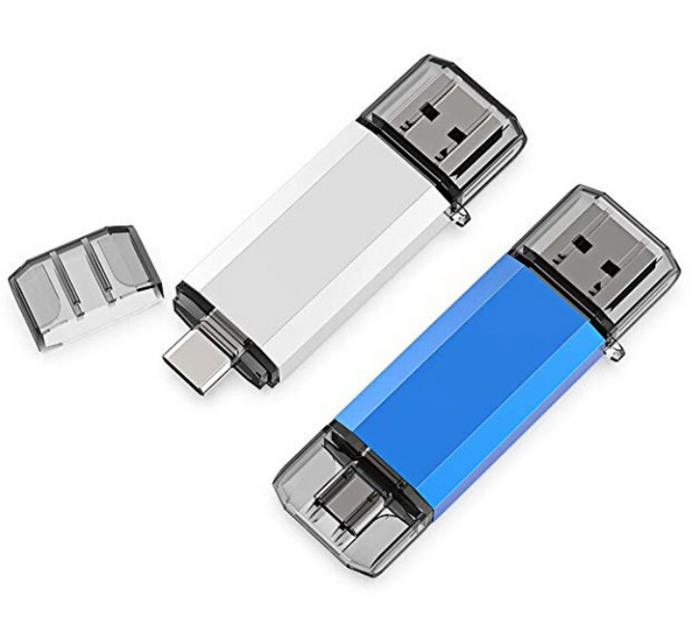
RMCC08 USB-C Flash Drive
Price on request
View product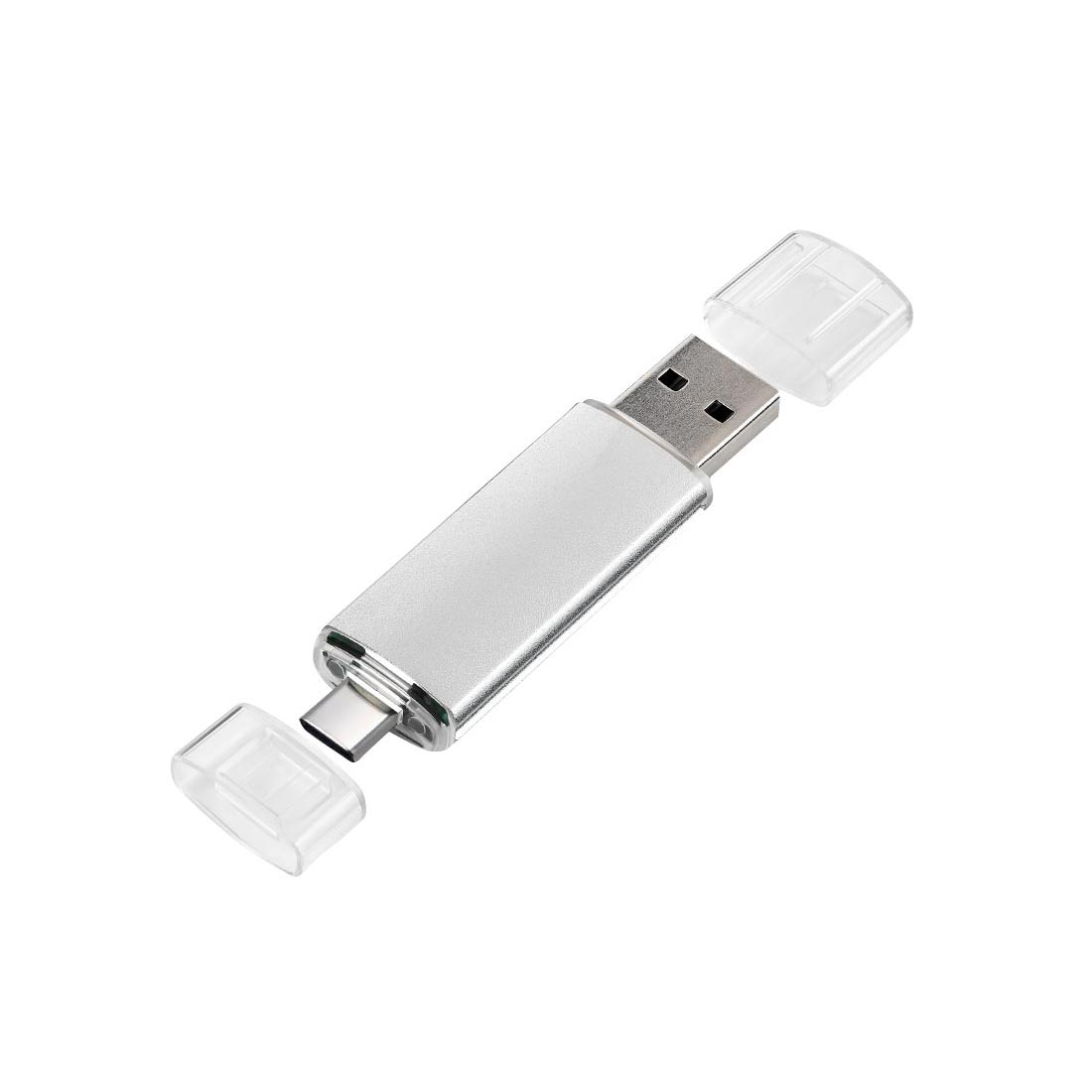
RMCC07 USB-C Flash Drive
Price on request
View product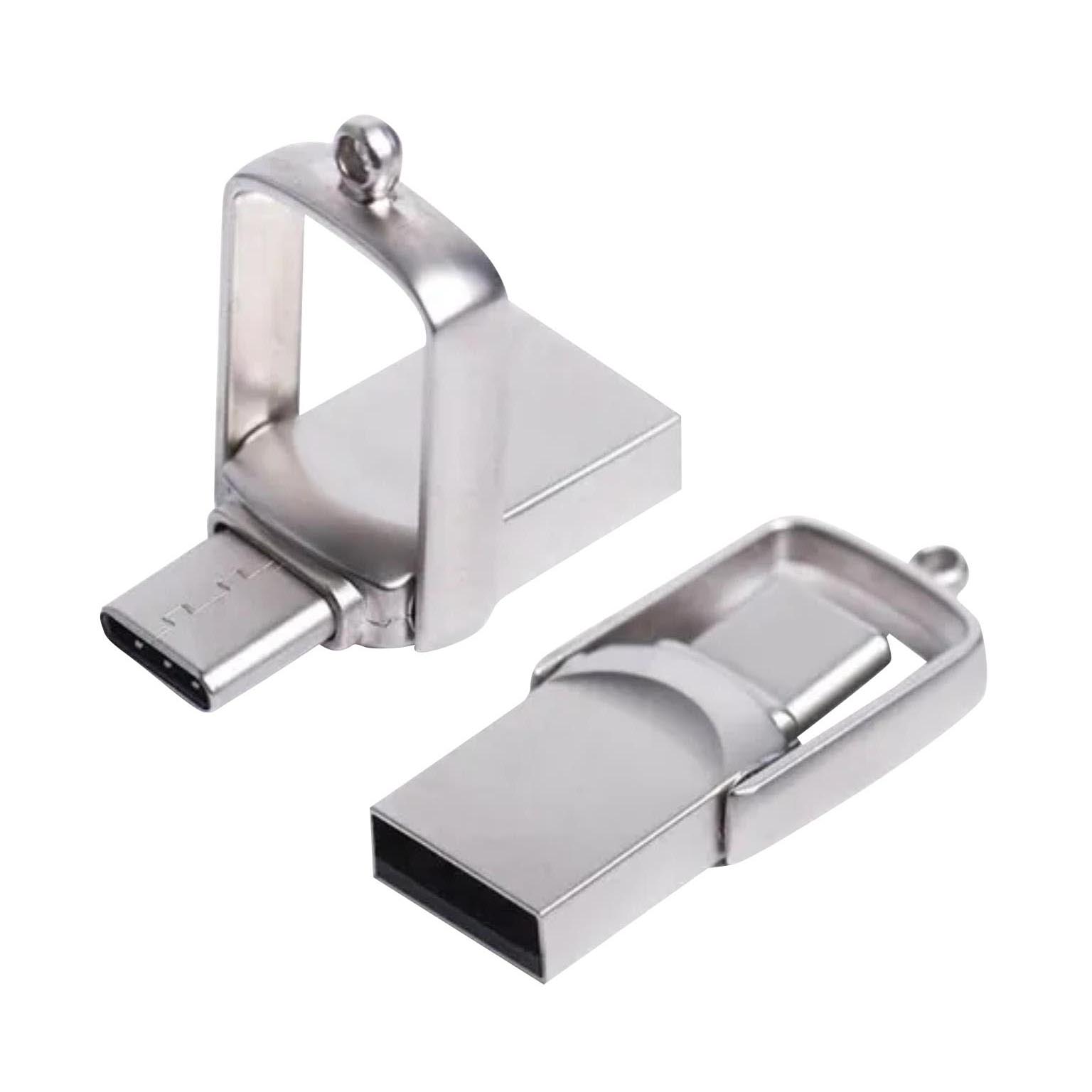
RMCC05 USB-C Flash Drive
Price on request
View product
Power Bank vs Wireless Charger: Final Takeaway
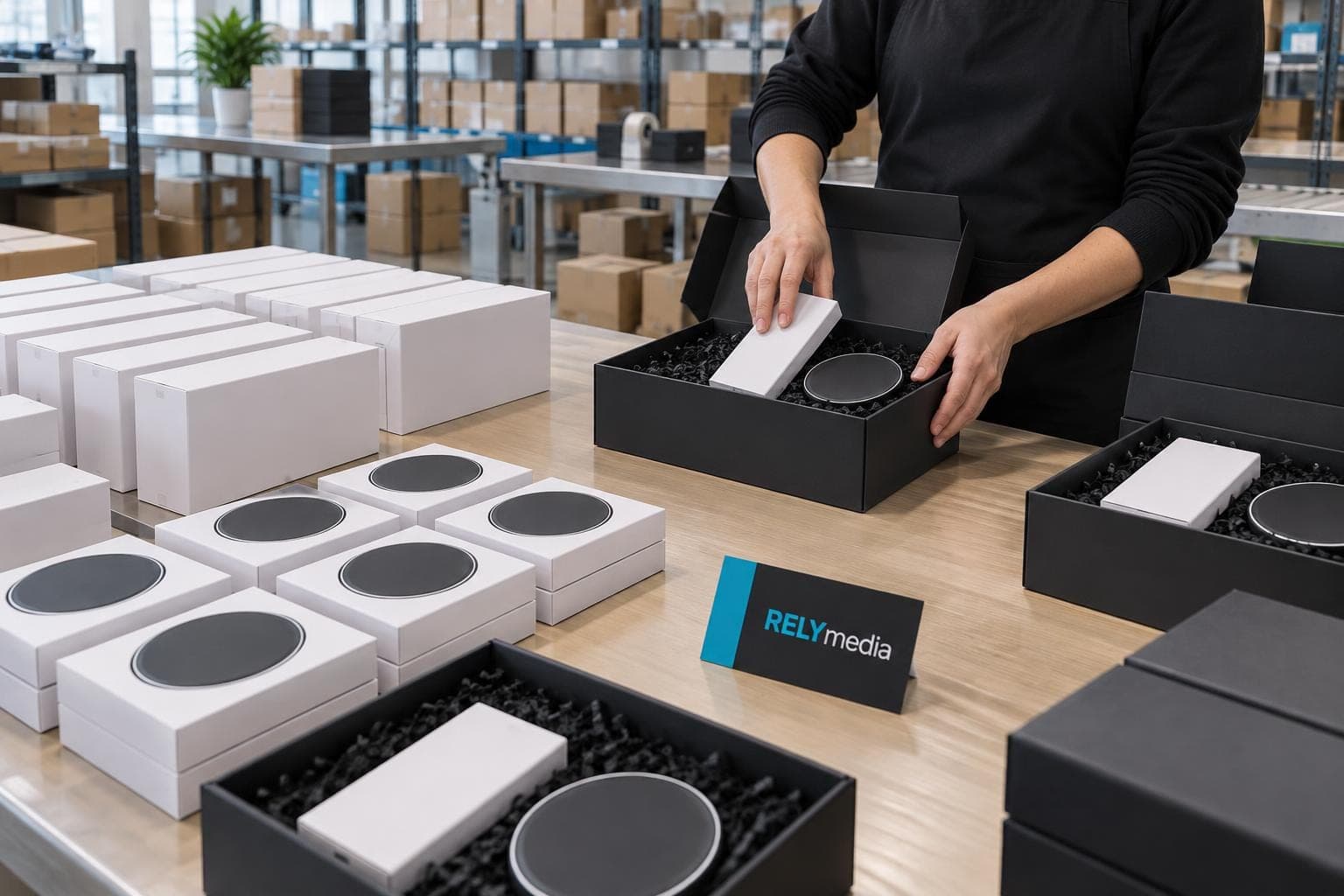
A power bank and wireless charger solve different problems. Choose a power bank when you need portable power, broad USB device compatibility, emergency charging, travel flexibility, or support for multiple devices. Choose a wireless charger if you value a clutter-free setup, stationary charging, and the convenience of drop-and-charge at home or work.
A hybrid solution can combine both functions.
For businesses, RELYmedia helps organizations turn practical technology into custom promotional products for events, employee programs, customer gifts, travel kits, and campaigns. The right product balances charging performance, safety, functionality, durability, and branding.
Ready to turn everyday device charging into lasting brand visibility?
Talk with RELYmedia about custom power banks, wireless chargers, and hybrid charging solutions.
Frequently Asked Questions
Is a Power Bank Better Than a Wireless Charger?
A power bank is better for portability and for charging on the go. A wireless charger is better for convenient stationary charging. Your charging preferences should decide.
Is Wireless Charging Slower Than Wired Charging?
Often, yes, although modern Qi2 charging has narrowed the gap. Actual speed depends on device support, output, alignment, temperature, and adapter power.
Does Wireless Charging Damage a Phone Battery?
Normal wireless charging should not inherently damage a compatible phone battery. Heat can accelerate battery degradation, so good alignment, ventilation, certified equipment, and proper charging habits matter.
Can a Power Bank Charge a Laptop?
Yes, when its USB-C output meets the laptop's charging requirements. Check required wattage and USB Power Delivery support before buying.
Can a Power Bank Charge Multiple Devices?
Yes. Models with multiple outputs can charge several devices. Total available output may be shared, which can affect charging speed.
Does a Wireless Charger Need a Power Outlet?
Usually. A standard charging pad needs external power from an electrical socket, USB adapter, or another suitable source. Battery-powered hybrid chargers are the exception.
What Does mAh Mean on a Power Bank?
mAh means milliamp hours. It describes battery charge capacity, not charging speed. Voltage, efficiency, and device demand determine usable energy.
Is Qi Wireless Charging Safe?
Qi-certified products undergo testing for safety and interoperability. Look for verified certification and follow the manufacturer's usage instructions.
Can I Leave My Phone on a Wireless Charger Overnight?
Modern phones generally manage charging near full capacity. Use compatible equipment, avoid excessive heat, keep the area ventilated, and follow your device maker's guidance.
Which Is Better for Travel: a Power Bank or Wireless Charger?
A power bank usually offers more flexibility because it stores energy for on-the-go charging. For flights, follow FAA and airline battery rules and keep permitted power banks in carry-on baggage.
Shop this
Need custom power banks and wireless chargers? We print them.
Bulk pricing, three free mockups, real quotes back the same business day.