What Is Qi Wireless Charging and How Does It Work?
October 27, 2026 · 13 min read
Qi wireless charging lets you power a compatible device without plugging in a charging cable. Instead, a wireless charger transfers energy across a small gap through an electromagnetic field. Place your smartphone on a wireless charging pad, line it up correctly, and battery charging begins.
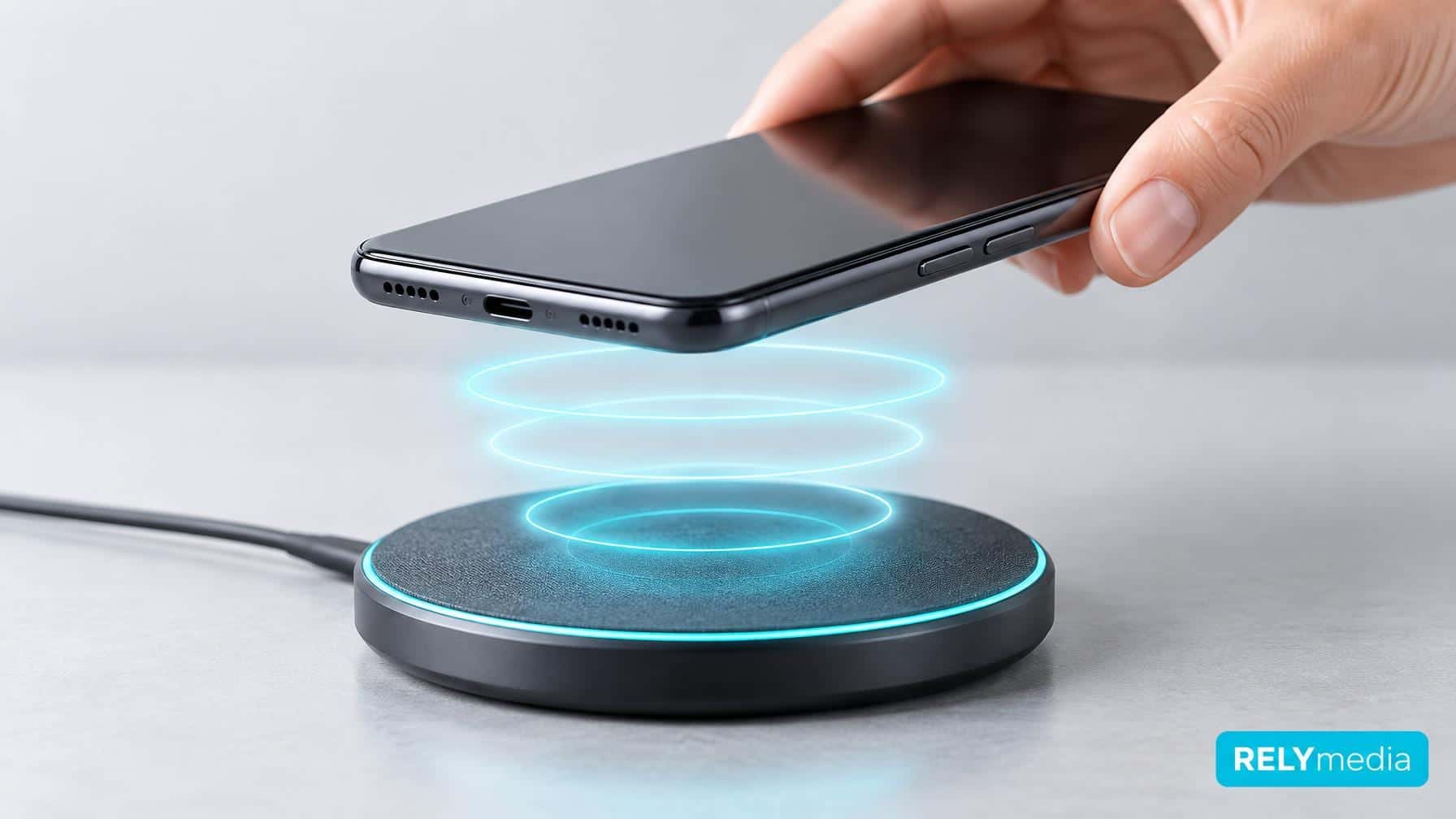
Behind that simple action, a transmitter coil creates a changing magnetic field. A receiver coil inside the phone captures that energy and turns it into electrical current. The charging circuit then controls the power before sending it to the device battery for energy storage.
This process is called wireless power transfer, and Qi has become one of the best-known standards for consumer electronics.
The Wireless Power Consortium, or WPC, introduced the Qi standard in 2010. Today, the wireless charging ecosystem includes phones, earbuds, cars, furniture, power banks, and many other rechargeable devices.
For businesses, this technology also creates a useful branding opportunity. Explore RELYmedia's customizable wireless charging accessories when you want practical promotional products people can use every day.
What Is Qi Wireless Charging?
Qi wireless charging is a standardized form of contactless charging. It primarily uses electromagnetic induction to transfer power wirelessly between a transmitter and a receiver without a physical electrical connection.
The Qi standard creates shared charging specifications for compatible products. That helps a Qi-enabled device communicate with charging hardware about power requirements, temperature, charging conditions, and other operating details.
In simpler terms, Qi provides phone manufacturers and accessory brands with a common charging standard.
That shared framework supports:
- charging compatibility;
- safe charging;
- efficient charging;
- predictable charging performance;
- power control;
- broader device support.
Qi doesn't send electricity across a room. It transfers power across a short, controlled distance between compatible charging components.
How Does Qi Wireless Charging Work?
Qi wireless charging relies on inductive power transfer. The engineering behind it involves several stages, but the user experience remains simple.
The Charging Station Receives Power
First, the charging station connects to a power outlet, charging outlet, or suitable accessory outlet.
Internal electronics prepare the electricity for the transmitter. The charger then controls the required power output based on its design and the connected device.
The Transmitter Coil Creates a Magnetic Field
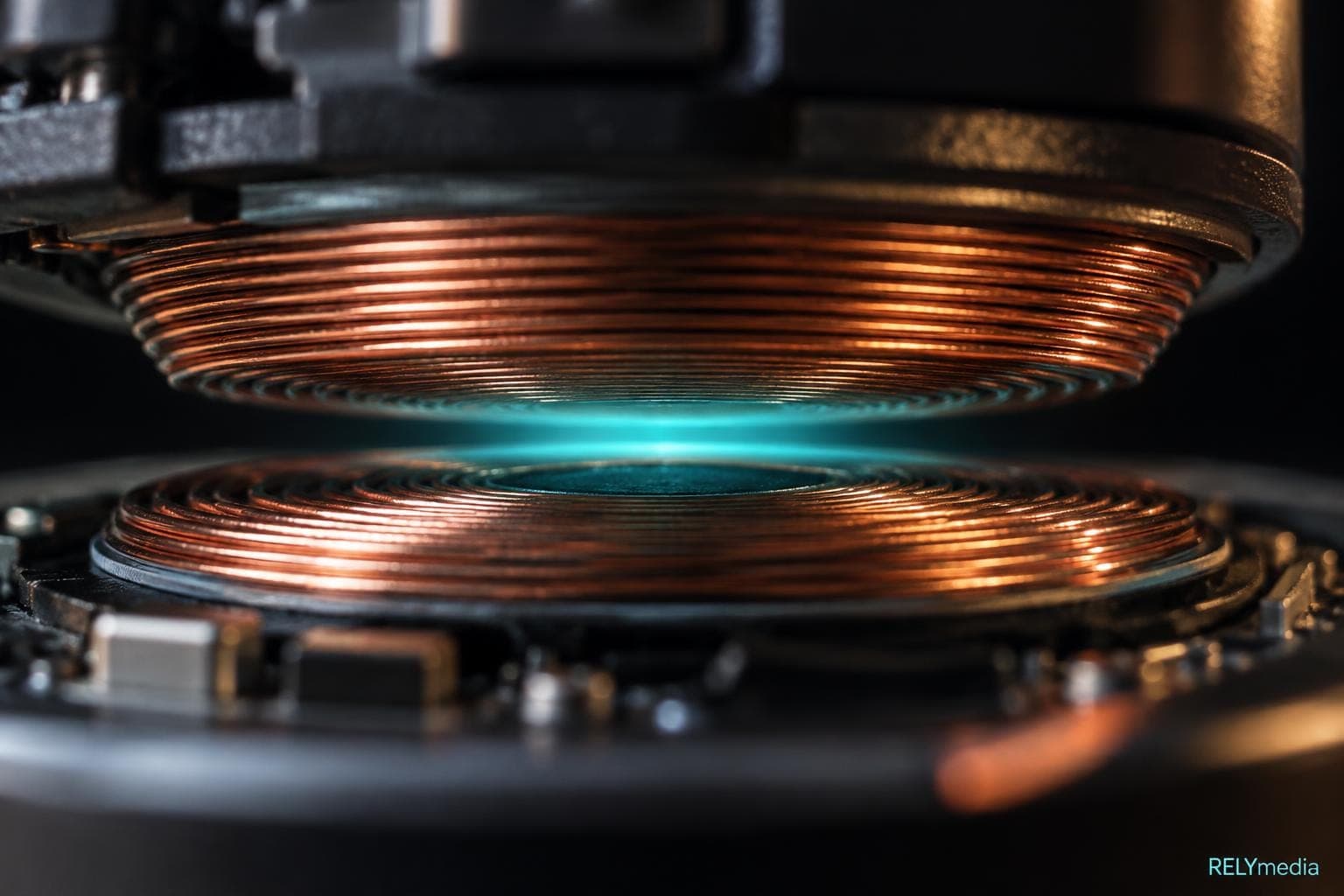
Inside the charging pad sits a transmitter coil made from copper wire.
Alternating electrical current moves through this induction coil. That current creates an oscillating magnetic field around the charging surface.
This is the heart of electromagnetic induction.
The Receiver Coil Captures Wireless Power
A Qi-compatible phone contains another induction coil called the receiver coil.
When the phone is placed close enough to the transmitter coil, the magnetic field induces a current in the receiver.
The two charging coils work somewhat like a loosely coupled transformer. Energy moves between them without a direct wire connecting the phone and charger.
The Charging Circuit Powers the Battery
The phone's charging circuit converts and regulates the incoming electrical current.
It then delivers usable battery power to the device's battery. This allows normal battery charging and energy storage without plugging in a cable charger.
The Charger and Device Communicate
Qi also involves charging station communication.
The charger and receiver exchange information so the system can regulate:
- power transfer;
- charging efficiency;
- heat;
- charging speed;
- foreign-object detection;
- charging safety.
This charging communication helps prevent uncontrolled energy transfer.
What Components Make Qi Wireless Charging Possible?
Several compact components work together during wireless charging:
- Transmitter: supplies energy.
- Transmitter coil: produces the magnetic field.
- Receiver: captures wireless power.
- Receiver coil: receives transferred energy.
- Copper wire: forms the coil windings.
- Charging antenna: supports receiving hardware.
- Charging circuit: regulates current and power.
- Chips: control communication and charging behavior.
- Battery: stores the transferred energy.
Chipmakers also produce off-the-shelf chips and off-the-shelf components.
These compact components reduce the research and development burden for smartphone manufacturers and wireless charging manufacturers. They can also make wireless charging implementation more cost-effective.
What Is the Qi Standard?
The Qi standard is a wireless charging standard developed by the Wireless Power Consortium.
Its Qi specifications define how compatible charging hardware transfers power, communicates, manages safety, and supports interoperability.
Standardization matters because a charging ecosystem works better when manufacturers follow common rules.
Without those rules, competing standards could require different chargers for different devices.
According to the WPC, thousands of Qi-certified products have entered the market. Certified products undergo interoperability and safety testing before carrying official Qi branding.
Qi, Qi2, and Qi2 25W: What Changed?
Wireless charging technology has improved through several Qi generations.
| Standard | Main Improvement | Supported Power |
|---|---|---|
| Earlier Qi | Broad inductive charging support | Varies |
| Qi v2.0 / Qi2 | Magnetic alignment | Up to 15W |
| Qi v2.2.1 / Qi2 25W | Higher wireless power | Up to 25W |
Qi v2.0 introduced the Magnetic Power Profile and became the foundation for Qi2.
Qi2 improves receiver alignment through magnetic positioning. Better device alignment can reduce energy loss and improve charging reliability.
Original Qi2 supports 15W charging, meaning compatible products can charge at up to 15W under supported conditions.
Qi v2.2.1 later introduced Qi2 25W, increasing the maximum power transfer to 25W.
That doesn't mean every Qi2 25W charger delivers 25-watt charging to every device.
Actual charging performance depends on:
- phone compatibility;
- charger power output;
- adapter capability;
- charging position;
- battery condition;
- temperature;
- supported charging protocol.
A 25W charger can't force an unsupported mobile device to accept 25 watts.
Inductive Charging vs. Magnetic Resonance Charging
Wireless charging can use different methods.
Magnetic Inductive Charging
Magnetic inductive charging works across a short charging distance.
The transmitter and receiver coils need to be relatively closely aligned. That makes device placement important.
Qi commonly relies on this inductive technology because it offers controlled and efficient power transfer over short distances.
Magnetic Resonance Charging
Magnetic resonance charging uses resonant technology.
It can allow greater freedom in positioning than traditional inductive charging. However, the design, efficiency, hardware, and implementation requirements differ.
Both magnetic induction and magnetic resonance use electromagnetic transmission rather than direct electrical contact.
Why Did Phone Makers Adopt Qi?
Qi benefited from early adoption because it provided manufacturers with a shared wireless charging standard.
Android manufacturers such as Nokia, LG, and HTC adopted wireless charging relatively early. Samsung later became one of the most prominent supporters of Android wireless charging.
Apple introduced Qi-based wireless charging on the iPhone 8 and iPhone X in 2017.
That helped expand wireless charging adoption across the broader smartphone market.
A common standard also offered practical benefits to manufacturers:
- fewer competing charging standards;
- readily available chips;
- compact components;
- established charging specifications;
- reduced development complexity;
- broad accessory support.
Apple Watch charging has different compatibility requirements, so an Apple Watch charger shouldn't be treated as a standard Qi phone charger.
Which Phones and Devices Support Qi?
Many current smartphones support Qi, although charging speed and compatibility vary.
Apple supports Qi charging across many iPhone generations beginning with the iPhone 8.
Samsung wireless charging is available on numerous Galaxy devices. Many other Android phones also support Qi-compatible charging.
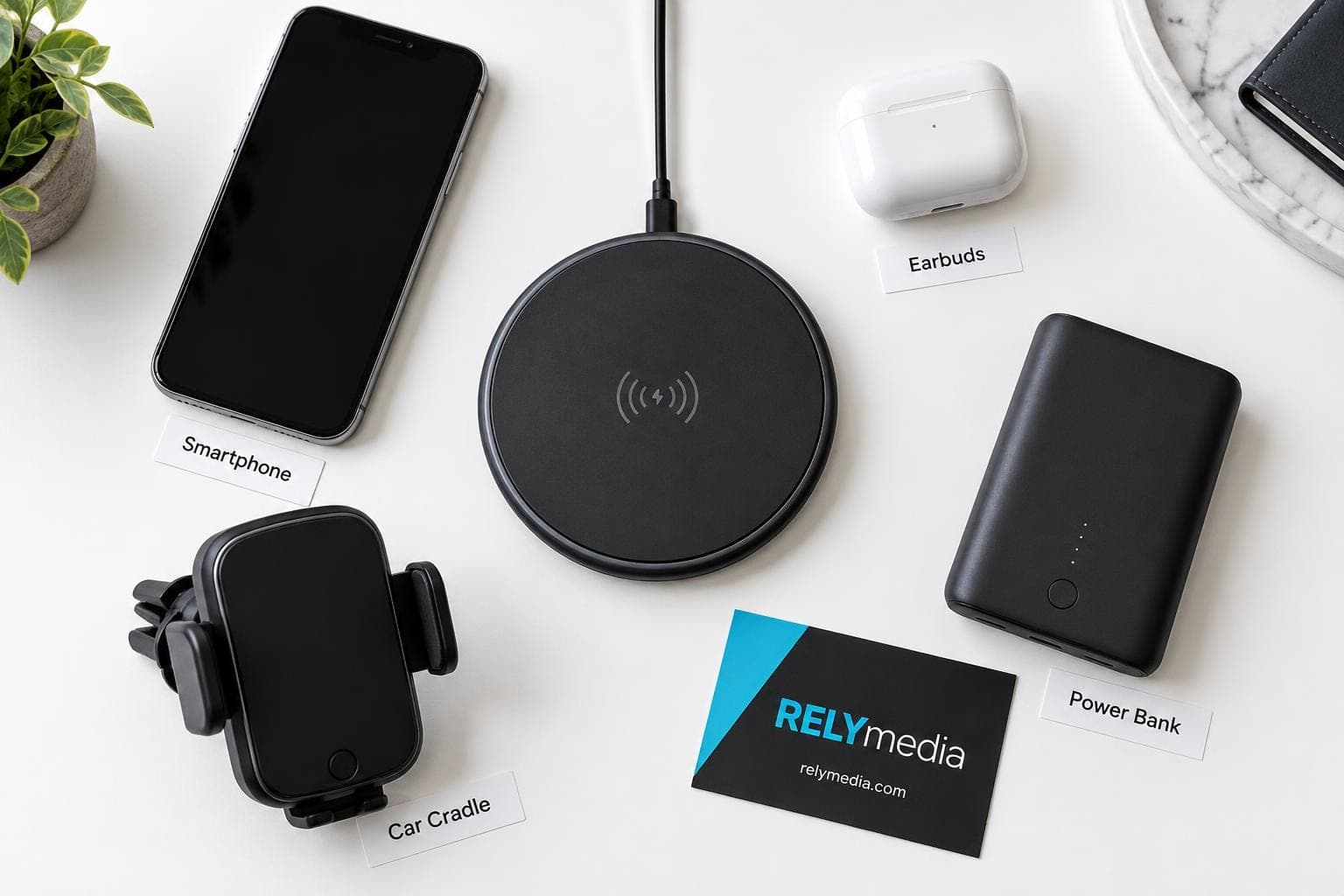
Qi technology and similar wireless power systems also appear in:
- wireless earbuds;
- rechargeable devices;
- power banks;
- automotive consoles;
- desktop accessories;
- charging furniture;
- mobile accessories.
An electric toothbrush or rechargeable toothbrush may also use inductive charging. However, electric toothbrush charging doesn't automatically mean the product uses the Qi standard.
How Can You Tell If Your Phone Is Qi-Compatible?
Start with official information.
Check the:
- user manual;
- hardware specifications;
- technical specifications;
- manufacturer website;
- official tech specs.
Search for terms such as Qi-enabled, Qi-compatible, wireless charging compatibility, Qi2, or wireless charging.
Don't rely only on the phone's appearance. Two similar models may support different charging features.
A wireless charging case or external charging unit can add receiver hardware to certain older phones. However, quality and charging performance vary.
How to Use a Qi Wireless Charger Correctly
Qi charging usually requires only a few steps:
- Connect the charger to the recommended power source.
- Place the compatible phone on the charging mat or pad.
- Align the phone using available guide marks.
- Check the screen or indicator for charging.
- Reposition the device if charging doesn't begin.
Charging alignment matters because the transmitter and receiver must couple effectively.
Several things can interfere with receiver alignment:
- thick cases;
- metal objects;
- incorrect phone placement;
- excessive charging distance;
- incompatible accessories.
Some charging mats contain multiple charging coils. That design can provide a larger usable charging area.
Qi2 improves this process through magnetic alignment.
How Fast Is Qi Wireless Charging?
Wireless charging speed depends on more than the number printed on the charger.
A phone may support 15W wireless charging while another accepts less power from the same charging pad.
Likewise, 25W wireless charging requires compatible hardware throughout the system.
Real-world speed depends on:
- power ranges supported by the charger;
- phone charging limits;
- adapter output;
- heat;
- software controls;
- battery state;
- alignment.
Think of charging like water moving through pipes. A large pipe at one end can't increase flow if another section remains narrow.
The weakest part of the charging chain often sets the practical limit.
Qi Wireless Charging vs. Wired Charging
Both methods have advantages.
| Factor | Qi Wireless Charging | Wired Charging |
|---|---|---|
| Connection | Cable-free charging | Charging cable |
| Convenience | Place and charge | Plug in |
| Alignment | Matters | Usually irrelevant |
| Energy efficiency | Some conversion loss | Often higher |
| Charging speed | Device-dependent | Often faster |
| Port wear | Less connector use | Uses charging port |
When comparing wired versus wireless charging, convenience is usually Qi's biggest strength.
A wireless charging pad works well on desks, counters, nightstands, and car mounts. Wired charging may remain better when maximum speed or energy efficiency matters most.
Want a branded product that stays useful after an event?
Consider a custom wireless charger from RELYmedia for conferences, employee kits, customer gifts, or office programs.
Benefits of Qi Wireless Charging
Wireless charging benefits include:
- charging without a cable;
- easy home charging;
- fewer charging-port connections;
- simple smartphone charging;
- broad accessory availability;
- convenient mobile device charging;
- flexible charging on the go.
For many users, charging convenience matters more than raw speed.
Drop the phone on the pad while working. Pick it up when leaving. No connector required.
Limitations of Wireless Charging
Qi also has practical limitations.
Poor receiver placement can stop charging. Heat may reduce charging efficiency. Thick or metallic cases can interfere with energy transfer.
Wireless charging may also consume more energy than equivalent wired charging because some of the power is lost as heat during conversion.
That's why good charging hardware, proper device placement, and compatible components matter.
Where Can You Use Qi Wireless Charging?
Qi charging now appears in many environments.
Home Charging
A bedside wireless charging pad or desktop charging mat can provide simple overnight or daytime charging.
Car Charging
A car charging cradle can hold the phone while wirelessly charging it.
Many models connect through an accessory outlet or built-in vehicle power source.
Travel Charging
Compact charging accessories make travel charging easier because you don't need to repeatedly plug the phone into a cable.
Public Charging
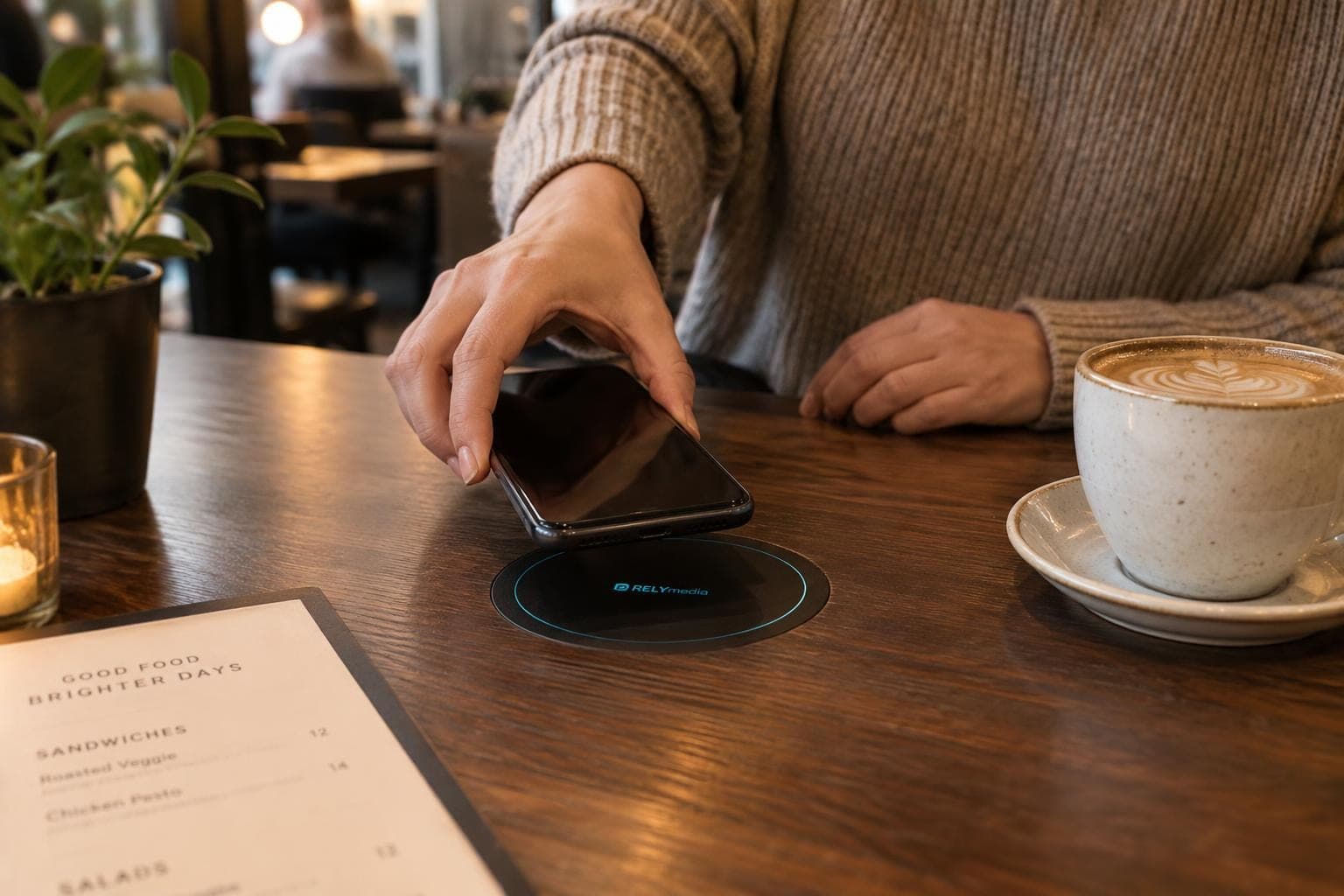
You may also find public charging stations at airports, hotels, offices, restaurants, or shared workspaces.
Some businesses integrate chargers directly into tables and other wireless charging furniture.
Certain locations also use a wireless charging app to help users find compatible public charging options.
For branded offices, events, or customer programs, RELYmedia can turn everyday charging hardware into useful brand exposure.
Is Qi Wireless Charging Safe?
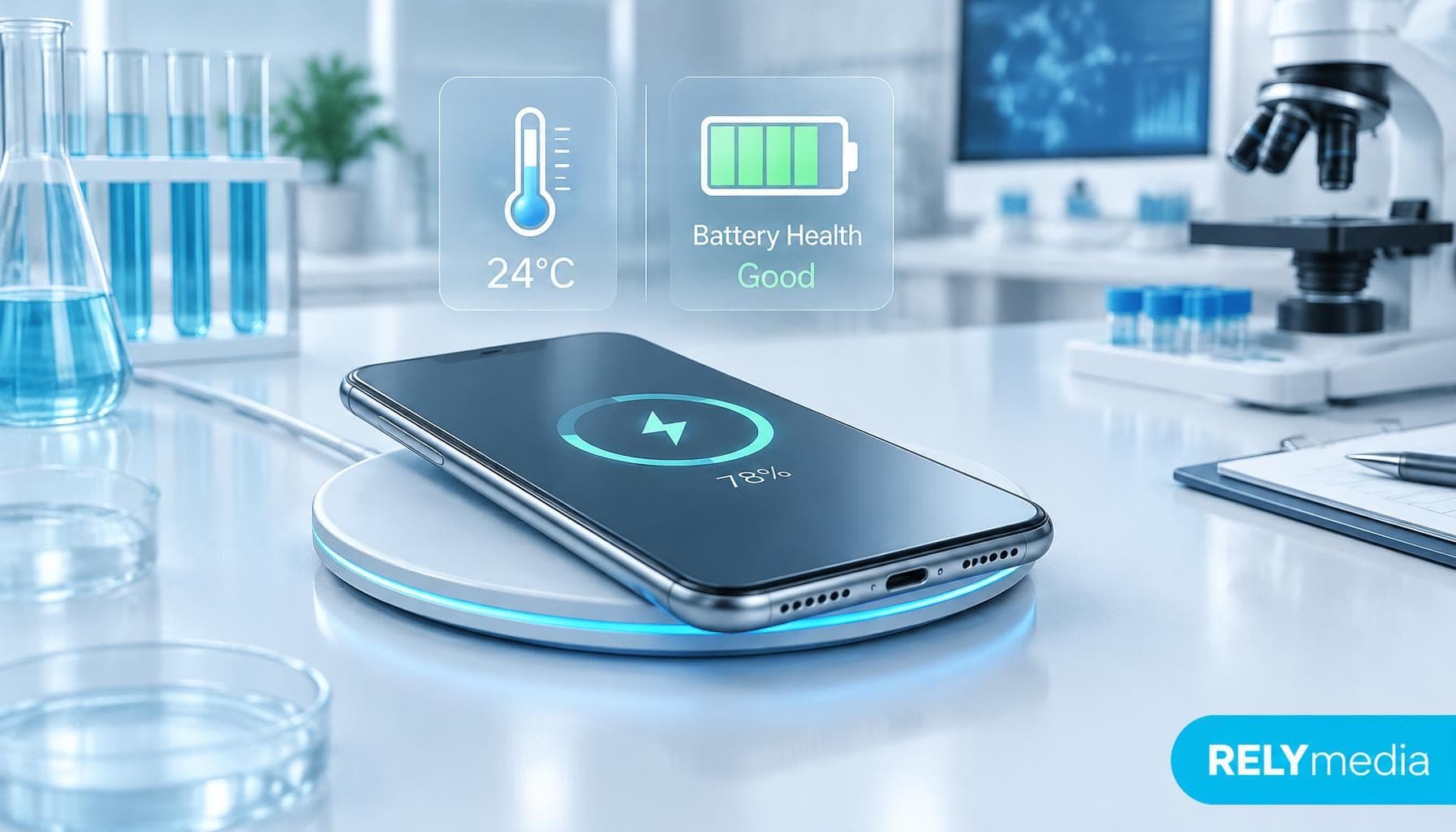
Certified Qi hardware includes controls for temperature, power, charging communication, and foreign-object detection.
These features support safe and efficient charging when you use compatible equipment correctly.
Follow basic precautions:
- use certified hardware;
- follow manufacturer instructions;
- avoid damaged chargers;
- use the recommended adapter;
- keep metal objects away from the pad.
Coins, keys, and other conductive objects can interfere with wireless power transfer and may create unwanted heat.
How to Choose the Right Qi Wireless Charger
Start with compatibility rather than marketing claims.
Check:
- Qi or Qi2 support;
- Qi specifications;
- 15W or 25W compatibility;
- charging alignment;
- adapter requirements;
- case compatibility;
- intended environment;
- certification.
For promotional programs, also consider:
- decoration area;
- logo visibility;
- quantity;
- packaging;
- lead time;
- audience fit.
RELYmedia offers customizable charging solutions and other promotional technology products for businesses and organizations.
Ready to print your team's name on premium apparel?
Fill in your details and a RELYmedia specialist will come back to you with a custom quote — fast turnaround, no obligation.
- ⚡Same-day response on business days
- 🎨Free design assistance included
- 🚚Rush order & fast delivery available
- 💰Price beat guarantee on every order
Shop custom power banks and chargers
See all power banks & charging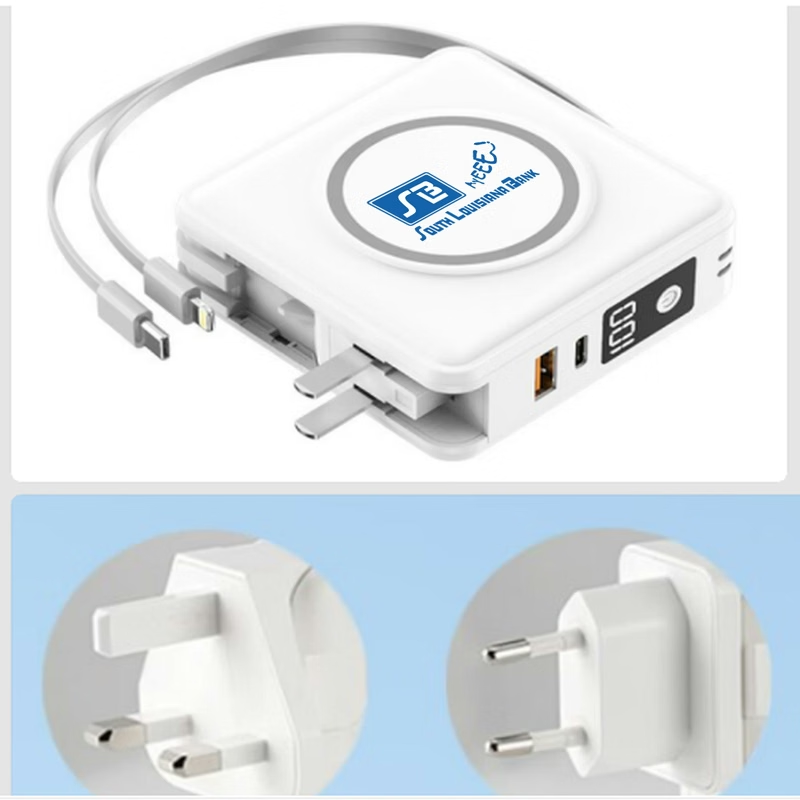
10,000 mAh Wireless Fast Charging Power Bank and 5IN1 Travel Charger w/Intl
$48.25 - $53.66
View product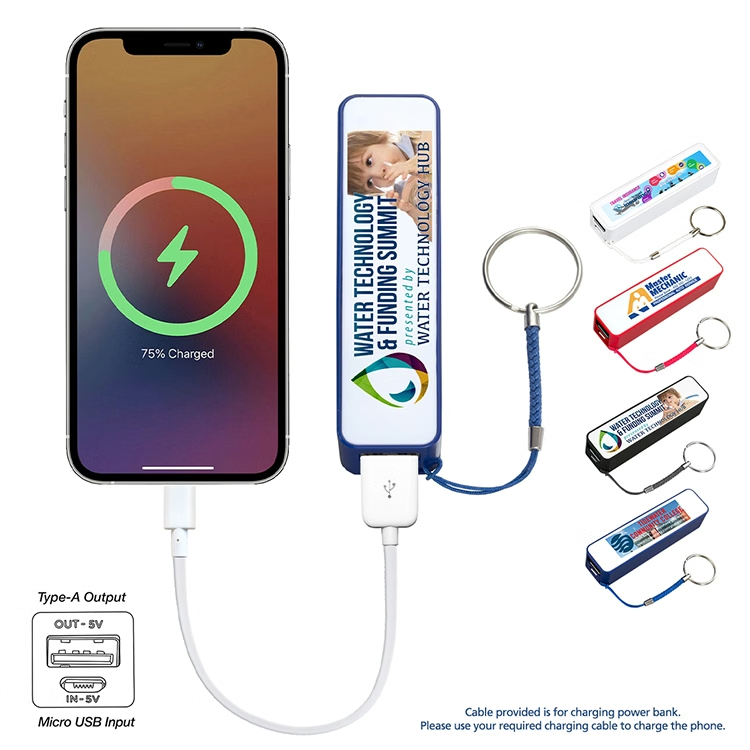
In Charge PB200 UL Listed 2200 mAh Portable Lithium Ion Power Bank Charger PB1004
$7.03 - $7.91
View product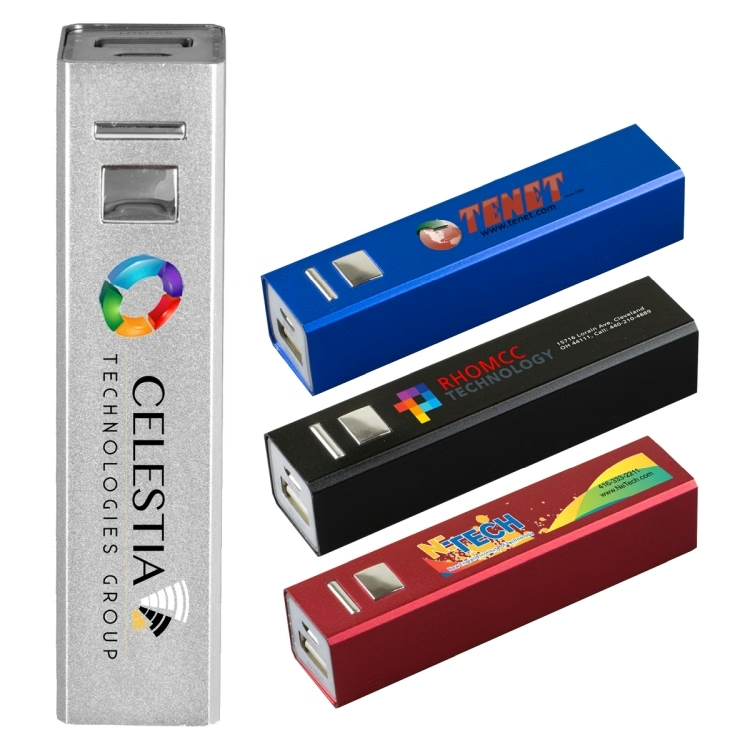
In Charge Alloy UL Listed Aluminium 2200 mAh Lithium Ion Portable Power Bank Charger
$7.57 - $8.85
View product10,000 mAh Energizer® Mag-N-Kick™ Wireless Charger Power Bank And Phone Stand
$34.39 - $52.31
View product10,000 mAh Wireless Charger Power Bank
$25.59 - $44.77
View product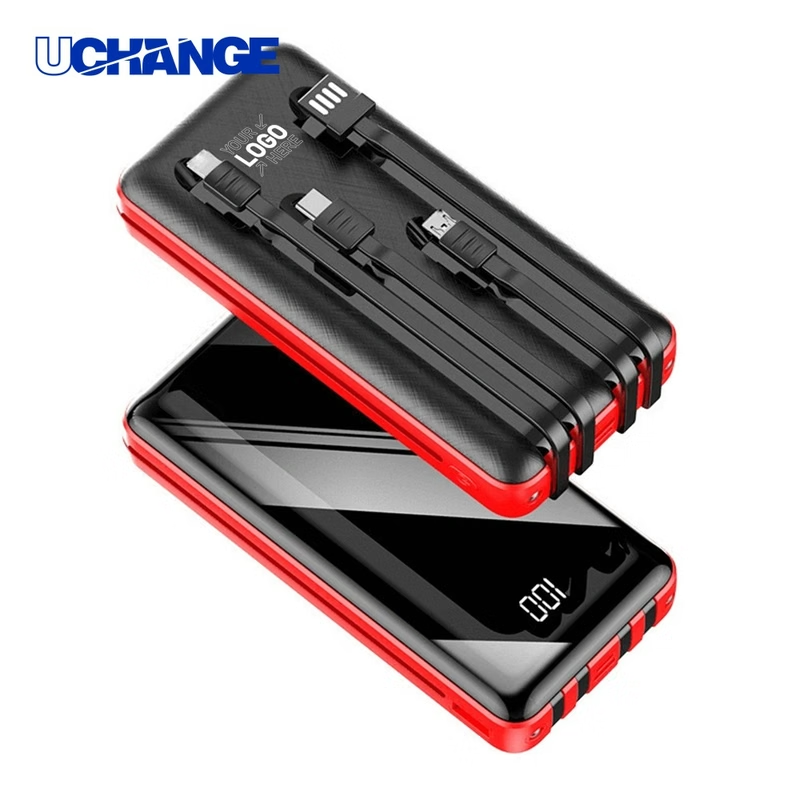
10,000mAh Portable Charger Power Bank with Dual Flashlight
$7.63 - $12.53
View product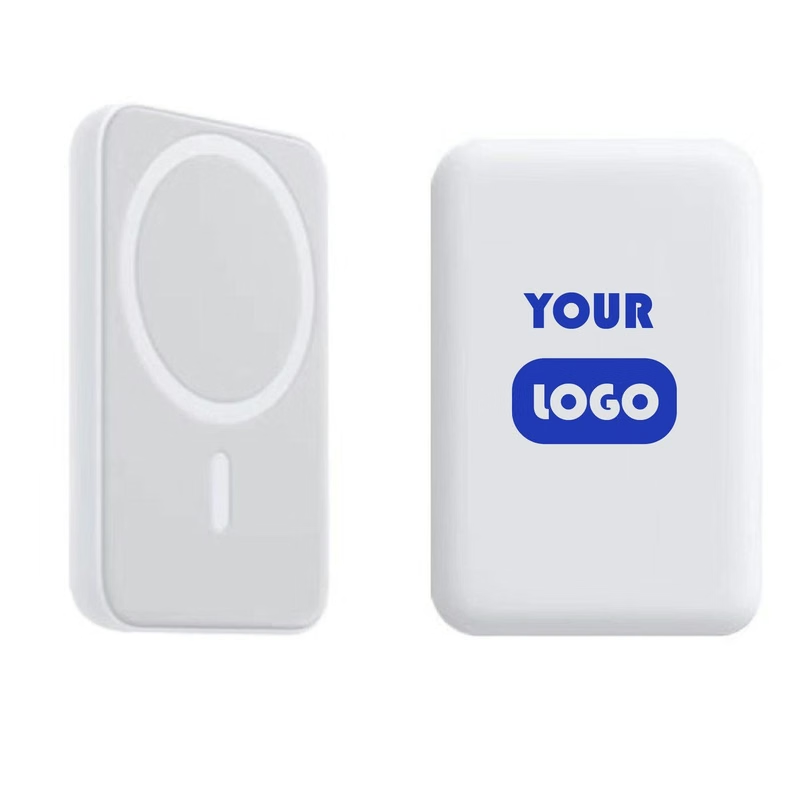
10,000 mAh Wireless Charging Power Bank
$11.58 - $25.35
View product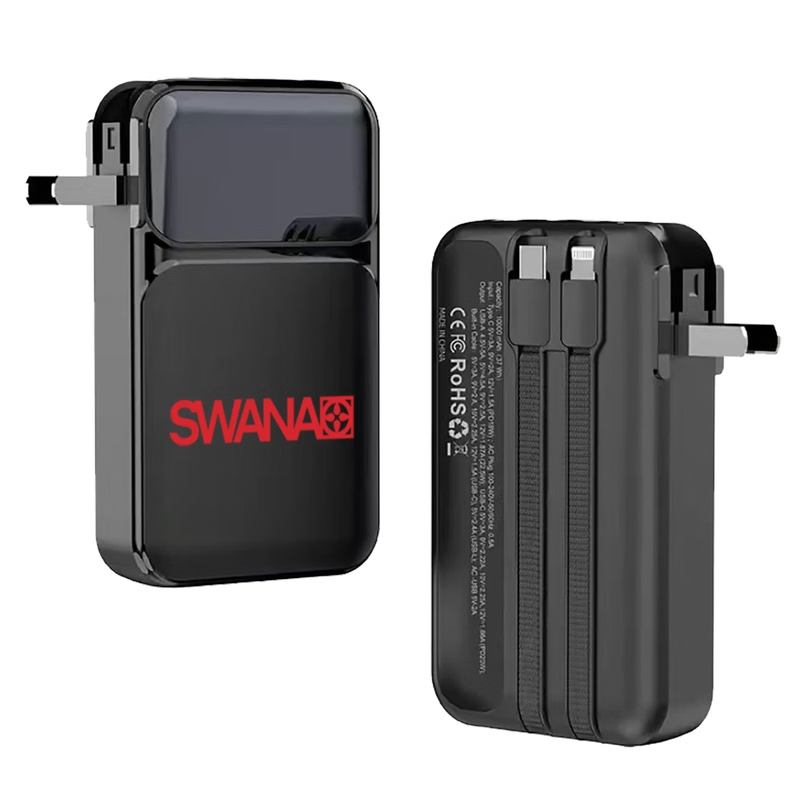
10,000 mAh Portable Charger w/Built In Wall Plug Power Bank
$27.43 - $32.36
View product
Frequently Asked Questions About Qi Wireless Charging
What does Qi mean?
Qi is the name of the WPC's wireless charging standard. It is commonly pronounced “chee.”
Is Qi the same as wireless charging?
No. Qi is one wireless charging standard. Other forms of wireless power transfer also exist.
Can every Qi charger charge every Qi phone?
Not necessarily at the same speed. Basic Qi compatibility doesn't guarantee identical power output.
Is Qi2 backward compatible?
Backward compatibility varies by device and profile. Always check official manufacturer specifications.
Can a phone case affect wireless charging?
Yes. Thick, metallic, or poorly designed cases can increase charging distance and weaken alignment.
Is 25W wireless charging always faster than 15W?
Only when the phone, charger, adapter, software, and charging conditions support 25 watts.
Does wireless charging damage the battery?
Normal certified charging includes thermal and power controls. Like all rechargeable batteries, however, lithium-ion batteries gradually age. Excessive heat can accelerate that process.
Why does wireless charging stop unexpectedly?
Common causes include heat, poor alignment, foreign objects, incompatible accessories, low adapter power, or software-controlled battery protection.
Conclusion

Qi wireless charging makes a complex electrical process feel remarkably simple.
A transmitter coil creates an electromagnetic field. A receiver coil captures that energy. The charging circuit converts it into usable electrical current before sending power to the battery.
Qi2 improves the experience through magnetic alignment and supports up to 15 watts. Qi2 25W raises supported wireless power to 25 watts for compatible products.
Still, real-world charging depends on more than headline wattage. Charging compatibility, receiver alignment, power output, energy efficiency, device support, temperature, and hardware quality all matter.
For businesses, the same technology can do more than charge a mobile phone. A well-chosen wireless charger can stay on a customer's desk, travel in a work bag, or sit beside a laptop every day. That creates repeated utility and repeated brand exposure.
RELYmedia helps businesses and organizations turn practical promotional technology into branded experiences. Whether you need charging pads, technology gifts, event merchandise, or broader branding solutions, the right product should solve a real need while keeping your message visible.
Ready to put your brand on technology people actually use?
Contact RELYmedia to explore custom Qi wireless charging products for your next campaign, employee program, trade show, customer gift, or corporate event.
Shop this
Need custom wireless chargers? We print them.
Bulk pricing, three free mockups, real quotes back the same business day.