Wireless Charging vs Wired: Which Method Suits You Best?
October 25, 2026 · 10 min read
Choosing between wireless charging and wired charging is really a choice between convenience and direct power delivery. A wireless charger can make everyday charging almost effortless. A wired charger usually gives you faster charging, higher energy efficiency, and more predictable performance.
Neither charging method is automatically better for everyone. Your smartphone, routine, battery priorities, and budget all matter.
Wireless Charging vs Wired Charging: Quick Comparison
| Factor | Wireless charging | Wired charging |
|---|---|---|
| Convenience | Excellent for drop-and-charge use | Requires a cable connection |
| Charging speed | Fast on supported hardware | Usually faster on compatible devices |
| Charging efficiency | Lower because of transfer losses | Generally higher |
| Alignment | Important | Not required |
| Heat generation | Can be higher | Often easier to manage |
| Charging reliability | Depends on placement | Usually very consistent |
| Port wear | Minimal | Repeated plugging causes wear |
| Travel | Convenient but needs a powered pad | Compact and widely compatible |
| Cost | Often higher | Usually more cost-effective |
One practical point often gets overlooked: charging is a system, not just a charger. A fast charger paired with the wrong cable may underperform. Likewise, a premium wireless stand cannot exceed your phone’s supported charging rate. Matching the power source, cable or pad, device, and charging standard usually matters more than buying the highest advertised wattage.
For most people, wired charging vs wireless charging is not an either-or decision. A pad supports desk charging, while USB-C supports quick charging.
What Is Wireless Charging?
Wireless charging moves electricity without placing a charging connector inside your phone. Most consumer systems use inductive charging, also called electromagnetic charging.
A transmitter coil inside the charging pad creates an electromagnetic field. A receiver coil inside a compatible device captures that field. The system converts the transferred energy into electric current and uses it to charge the battery.
This process is known as electromagnetic induction, wireless energy transfer, or inductive power transfer.
Wireless does not mean the entire charging station is cord-free. A wireless charger cord still connects the charging dock, stand, or pad to a power adapter or USB port. The cable-free experience refers to the connection between your device and charger.
Qi Wireless Charging and Universal Charging Standards
The Wireless Power Consortium, or WPC, develops the Qi standard used across many smartphones and charging accessories.
Qi2 adds magnetic alignment. That helps position the transmitter coil and receiver coil correctly. Better charging alignment can improve charging stability, power efficiency, and charging consistency.
The WPC introduced Qi2 25W, which supports up to 25 watts on certified devices. That gives fast wireless charging more useful power while keeping compatibility and safety requirements within the standard.
Before buying, check device compatibility, power output, and the supported wireless charging standard.
Wireless Charging Distance: How Far Does It Work?
Standard smartphone inductive charging works only over a very short distance. Your phone normally rests directly on, or extremely close to, the charging pad.
Poor device positioning can weaken power transfer, increase energy loss, and create more heat.
Wireless distance charging should not be confused with wifi charging or wifi wireless charging. Common Qi systems do not transmit usable power across a room the way Wi-Fi transmits data.
What Is Wired Charging?
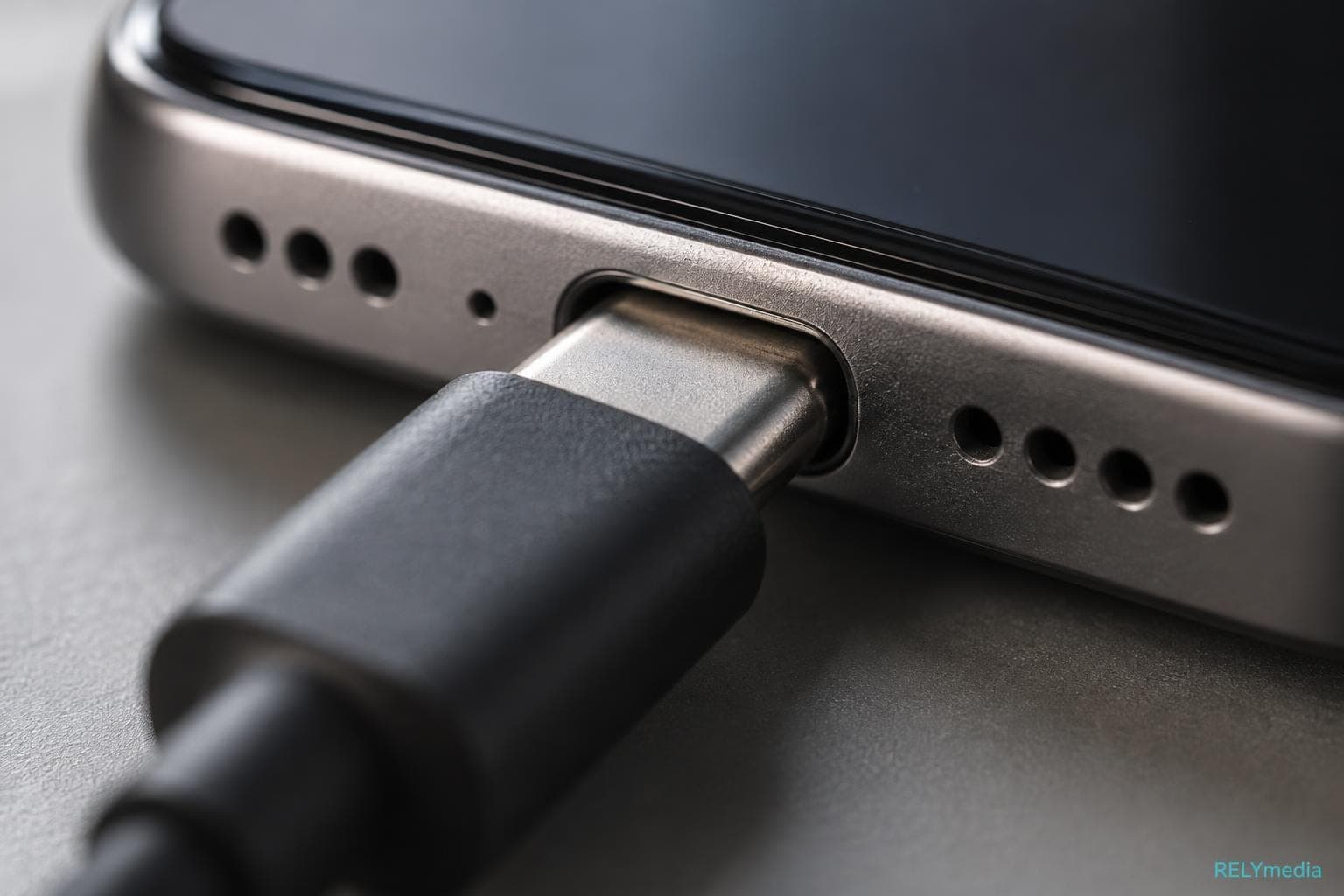
Wired charging uses a direct electrical connection between a power source and your electronic device. Electricity travels through a charging cable and connector into the charging port.
That physical connection creates continuous power flow and usually provides excellent charging reliability.
Common options include:
- USB-C cable
- Lightning cable
- Micro-USB cable
- USB cable
- Wall charger
- USB charger
- Power adapter
USB-C can handle data and substantial power delivery through one connector.
Why Wired Power Delivery Can Be Faster
Wired charging technology has fewer conversion steps between the charger and device. That often improves power transfer rates and overall charging efficiency.
USB Power Delivery can support up to 240W through compatible USB-C hardware. That capacity far exceeds typical smartphone charging requirements and also supports charging demanding laptops.
Advertised wattage does not guarantee that charging rate. Your device, cable, adapter, temperature, and power management must support it.
Wired Charging vs Wireless Charging: Speed and Performance
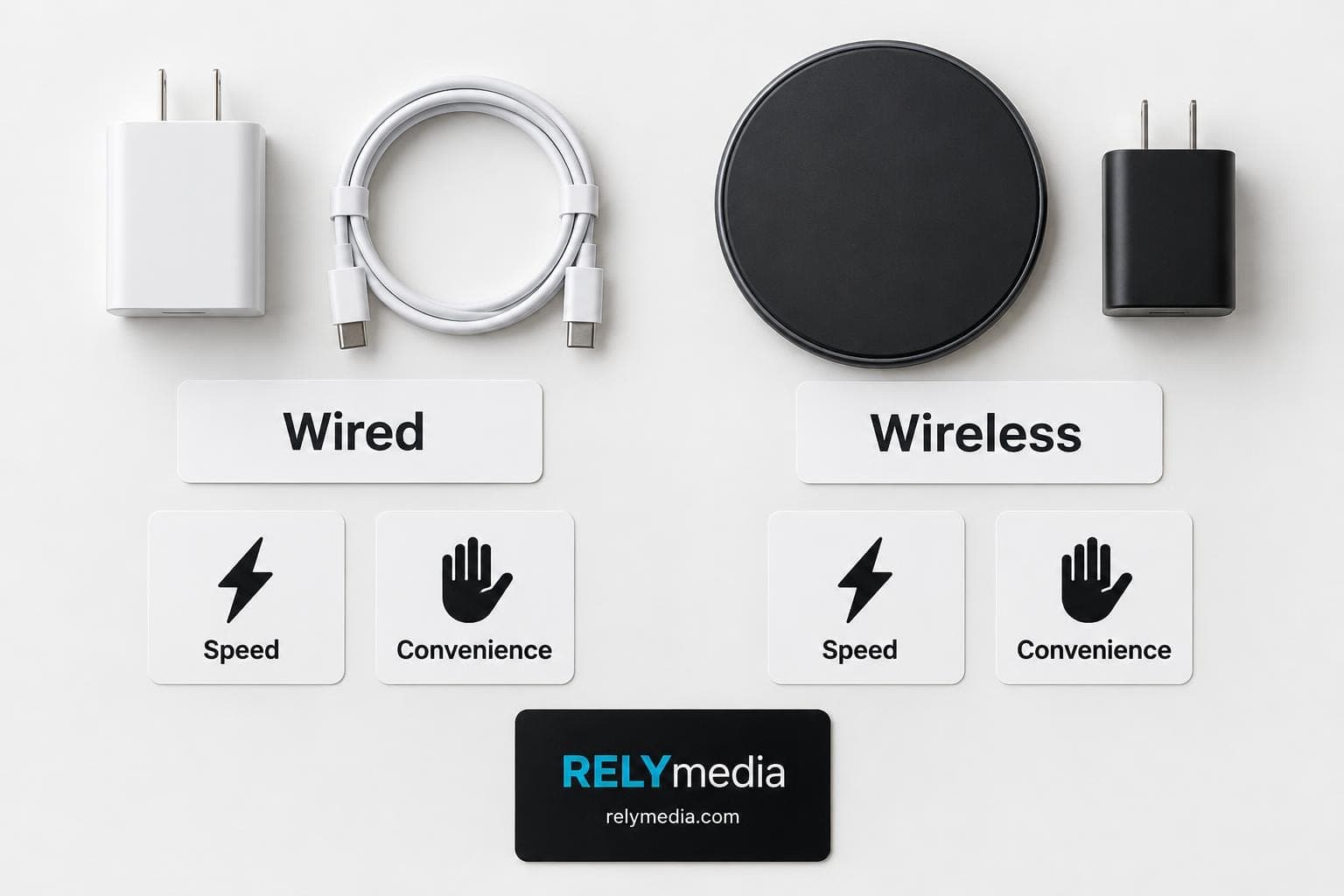
So, how fast is wireless charging? The answer depends on the phone, charger, charging standard, power output, temperature, case, and alignment.
Qi2 25W supports up to 25W on certified devices, while compatible wired systems can deliver much higher power.
If you ask, “Is wireless charging faster?” the general answer is no when both systems use optimized hardware. Wired charging normally remains faster.
Wired fast charging is useful for quick power-ups before travel or appointments.
Wireless charging favors convenience: place your smartphone on a stand and top up without plugging in.
Wireless Charging Efficiency vs Wired Charging
Charging efficiency measures how much electricity from the power source reaches the battery after conversion losses.
Wireless power transfer naturally loses some energy as heat. Coil alignment, device positioning, case materials, charging distance, and hardware quality can affect inductive charging efficiency.
A wired connection usually means lower power loss and better energy efficiency.
For efficient charging:
- Keep wireless coils aligned.
- Use compatible charging accessories.
- Avoid damaged USB cables.
- Match the power adapter to device requirements.
- Keep the phone cool.
- Choose certified equipment.
- Replace unreliable cables or chargers.
Heat Generation, Battery Health, and Battery Lifespan
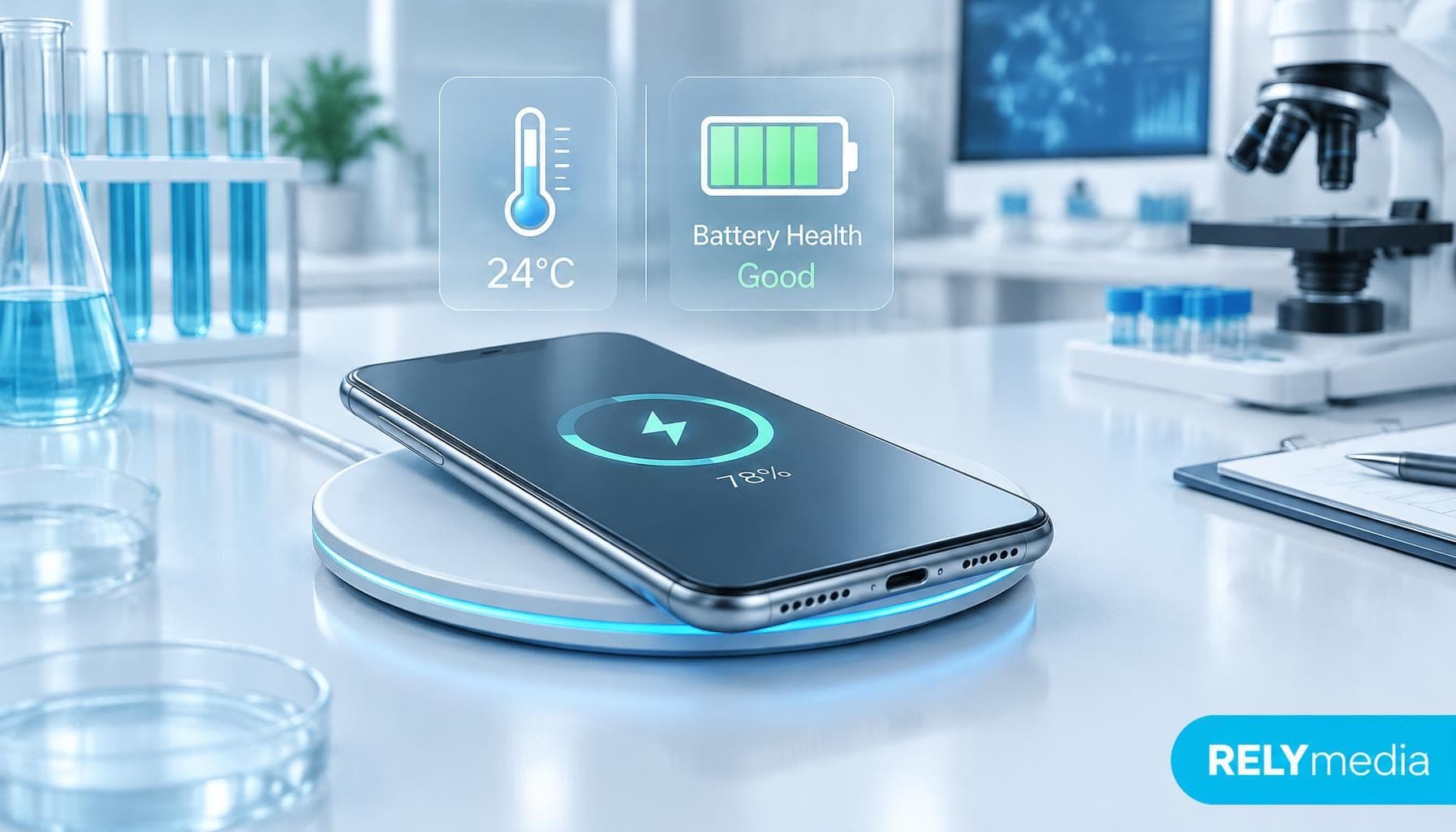
Every charging process creates heat. Wireless charging can produce more because energy moves through an electromagnetic field.
Poor alignment may increase heat generation. Good thermal management supports heat dissipation.
High battery temperature can accelerate aging and reduce battery capacity over time.
So, is wireless charging better for battery health? Not automatically.
Wired fast charging can also create heat. Modern smartphones use battery protection and power management to control temperature and current.
For better battery lifespan:
- Keep chargers and phones ventilated.
- Avoid charging under blankets or pillows.
- Use certified wireless chargers.
- Replace damaged charging cables.
- Avoid unnecessary heavy use of the device while charging.
- Follow manufacturer charging safety guidance.
For branded tech gifts, RELYmedia can help you prioritize useful, quality-focused charging products rather than novelty items that get forgotten.
Advantages of Wireless Charging
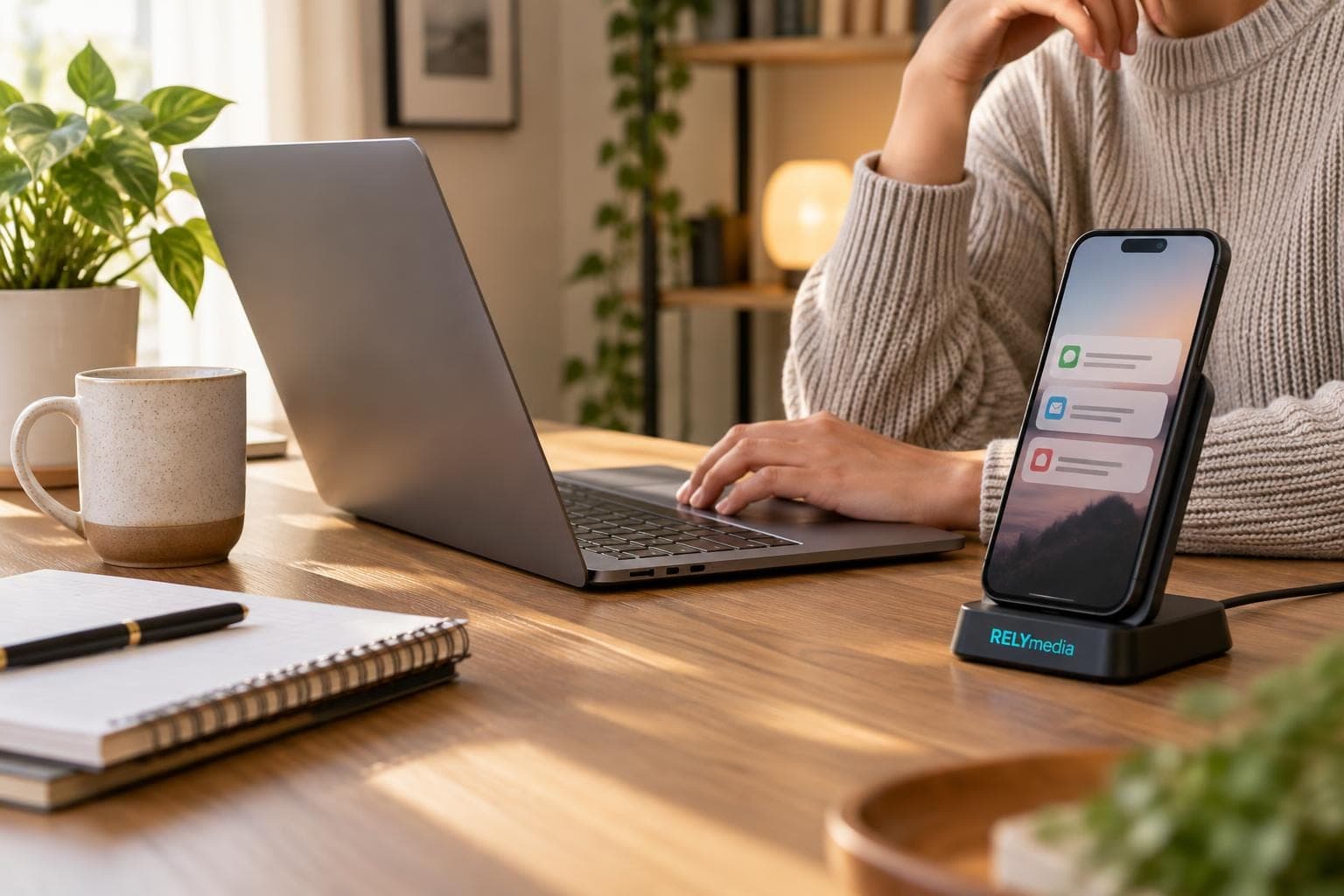
The main advantages of wireless charging come down to convenience.
Place your device on a charging station to begin charging and reduce repeated wear on the charging port.
Other wireless charging benefits include:
- Cable-free charging at your desk
- Cleaner cable management
- Less cable clutter
- Easy nightstand charging
- Convenient overnight charging
- Simple earbuds charging
- Attractive organized workspace setups
- Multiple device charging with compatible stations
- Easy everyday charging
A charging stand can also keep the smartphone upright for easier viewing.
Wireless Charging Limitations
Wireless charging has real limitations.
Placement sensitivity can interrupt charging. Some cases affect compatibility. Energy loss can slightly increase charging costs over the long term. Heat dissipation also requires careful charger design.
Wireless charging accessories can cost more than basic wired solutions. You still need a powered charging station setup.
The phrase true wireless charging can therefore be misleading. Your phone may charge wirelessly, but the pad usually remains physically connected to power.
Wired Charging Benefits and Limitations
Wired charging benefits include speed, reliability, broad compatibility, and efficient power transfer.
It works especially well for:
- Smartphone charging
- Tablet charging
- Laptop charging
- Camera charging
- On-the-go charging
- Heavy device usage
- Quick charging before travel
A stable electrical connection also lets you keep using the device while it charges.
The trade-offs are physical. Tangled cables create clutter. Cable wear and tear eventually causes failures. Charging port wear can also develop after repeated connection cycles.
Replace a damaged charging cable, USB-C connector, Lightning connector, or micro-USB cable.
Building employee welcome kits or conference giveaways?
RELYmedia can pair practical charging products with branding designed for repeated everyday exposure.
MagSafe vs Wireless Charger: What Is Different?
MagSafe is Apple’s magnetic wireless charging approach. Magnets help align supported Apple devices with the charging surface.
Qi2 also uses magnetic alignment technology. That makes MagSafe vs. wireless charger comparisons less simple than they once were.
Magnetic charging centers the coils, improving charging stability and reducing placement sensitivity.
Still, maximum charging speed depends on the exact smartphone, charger, adapter, charging standard, and certification.
Can You Charge Wirelessly and With a Cable at the Same Time?
What happens if you charge your phone wirelessly and wired at the same time?
Phones manage incoming electricity rather than combining both methods for double speed.
For iPhone users asking whether wired and wireless charging work together, the power management system decides which source to use.
Use one suitable charging method at a time for predictable charging performance.
How to Choose a Wireless Charger
If you are wondering what wireless charger to buy, start with compatibility.
Ask these questions:
- Will my phone charge wirelessly?
- Does it support Qi or Qi2 charging?
- What is the fastest wireless charging speed it accepts?
- Does the charger require a separate power adapter?
- Will my phone case affect charging alignment?
- Is the charger certified?
- Do I need a charging pad, stand, dock, or station?
- Will I charge multiple devices?
Do not buy on wattage alone. Real charging rate depends on both sides of the connection.
Smartphone charging, earbuds charging, Apple device charging, and laptop charging may require different power output.
RELYmedia can help businesses choose branded charging accessories that balance usefulness, presentation, charging compatibility, and campaign budget.
Wireless vs Wired Charging for Your Digital Lifestyle
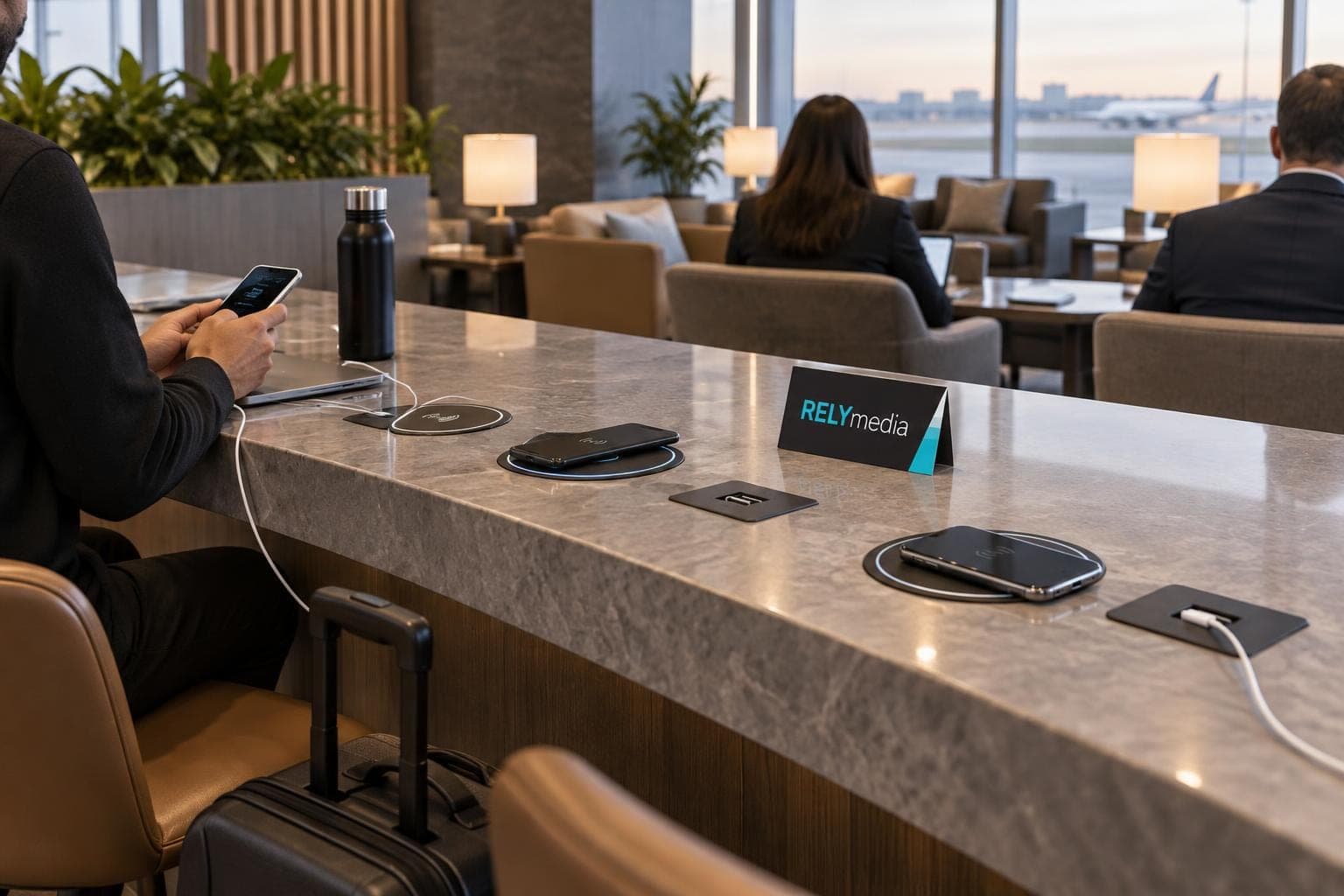
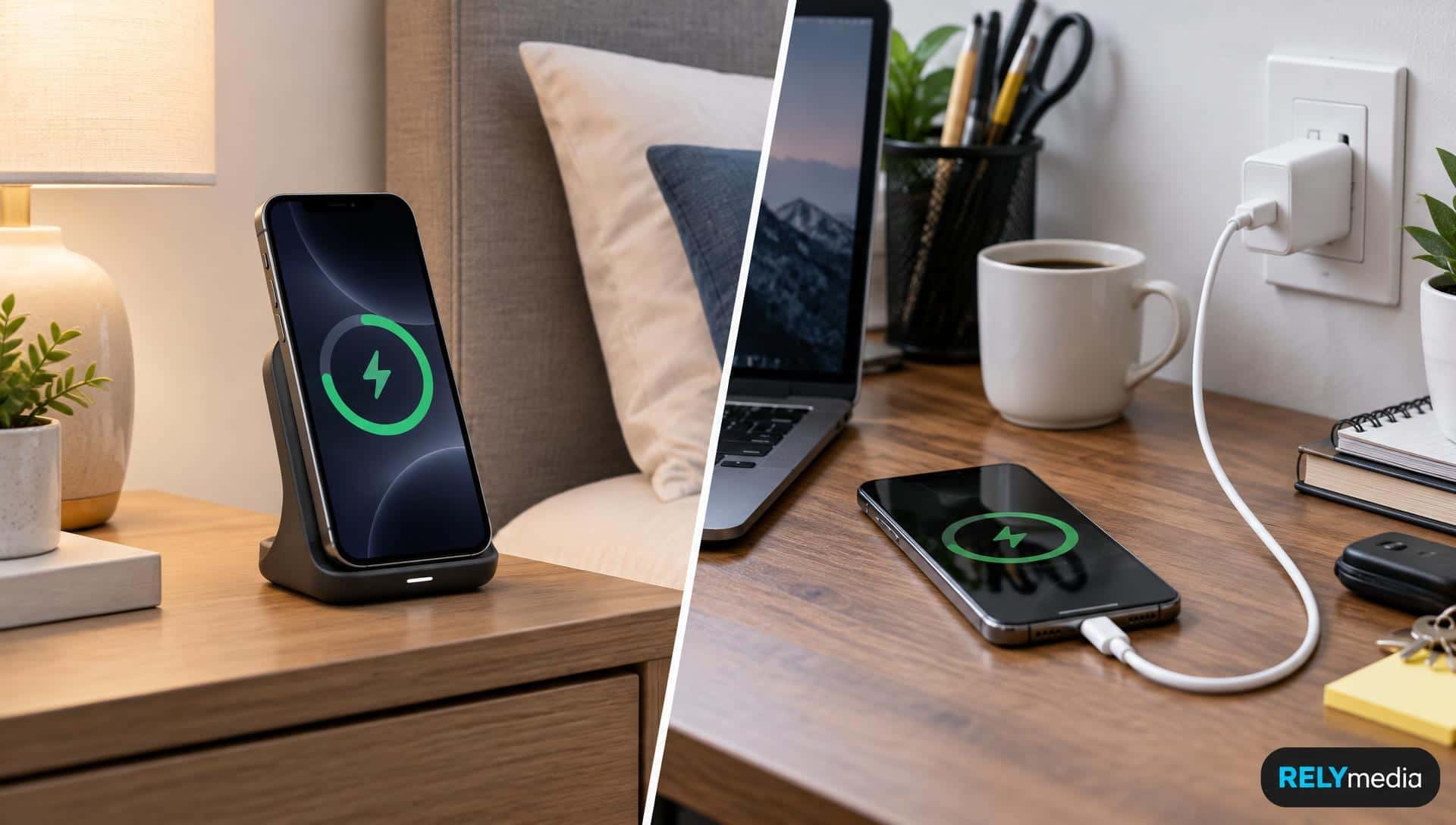
Choose wireless charging when convenience matters most. It works well for desk charging, nightstand charging, overnight charging, reception areas, and other places where your phone is frequently placed.
Choose wired charging when charging speed, power efficiency, reliability, or travel flexibility are more important. A compact wall charger and USB-C cable remain hard to beat for on-the-go charging.
Many people should use both. Think of wireless charging as a parking space and wired charging as a fuel stop. That hybrid approach balances charging convenience, flexibility, and performance.
Ready to print your team's name on premium apparel?
Fill in your details and a RELYmedia specialist will come back to you with a custom quote — fast turnaround, no obligation.
- ⚡Same-day response on business days
- 🎨Free design assistance included
- 🚚Rush order & fast delivery available
- 💰Price beat guarantee on every order
Shop custom power banks and chargers
See all power banks & charging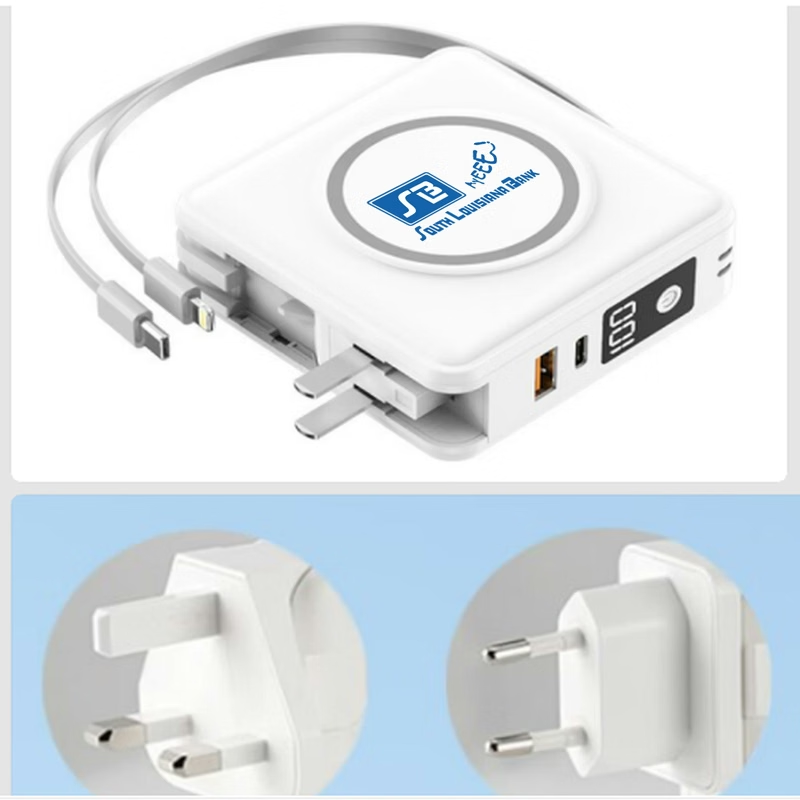
10,000 mAh Wireless Fast Charging Power Bank and 5IN1 Travel Charger w/Intl
$48.25 - $53.66
View product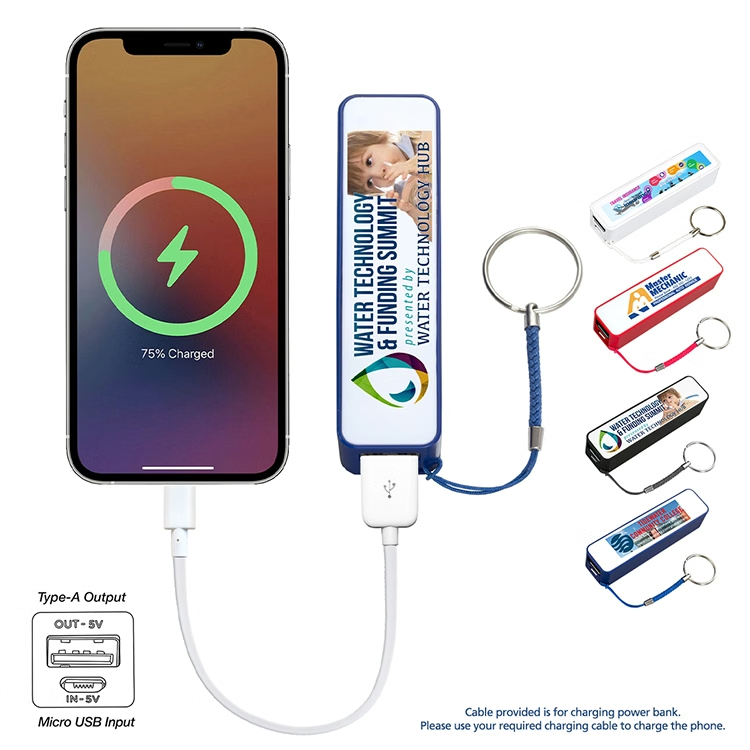
In Charge PB200 UL Listed 2200 mAh Portable Lithium Ion Power Bank Charger PB1004
$7.03 - $7.91
View product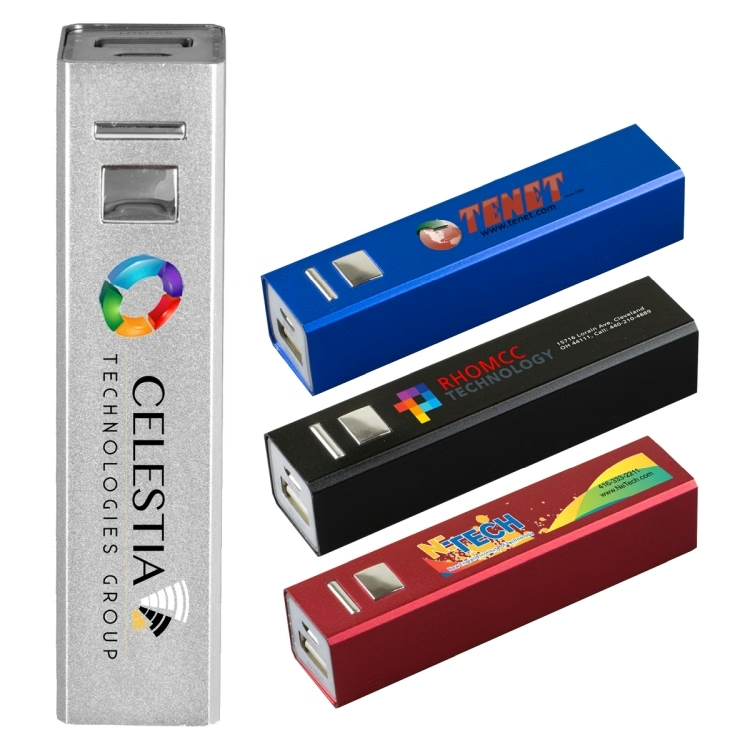
In Charge Alloy UL Listed Aluminium 2200 mAh Lithium Ion Portable Power Bank Charger
$7.57 - $8.85
View product10,000 mAh Energizer® Mag-N-Kick™ Wireless Charger Power Bank And Phone Stand
$34.39 - $52.31
View product10,000 mAh Wireless Charger Power Bank
$25.59 - $44.77
View product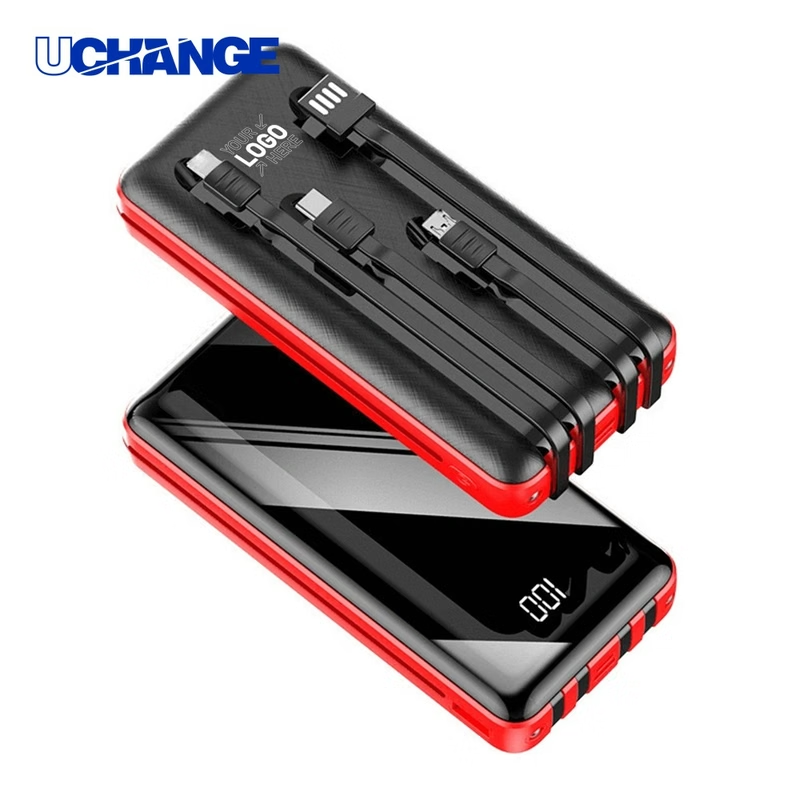
10,000mAh Portable Charger Power Bank with Dual Flashlight
$7.63 - $12.53
View product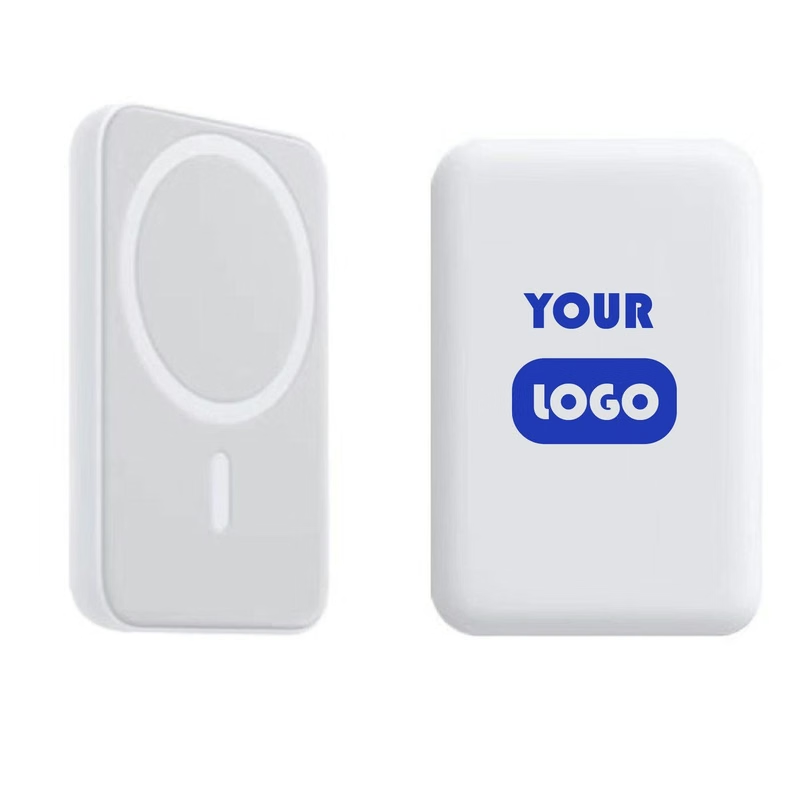
10,000 mAh Wireless Charging Power Bank
$11.58 - $25.35
View product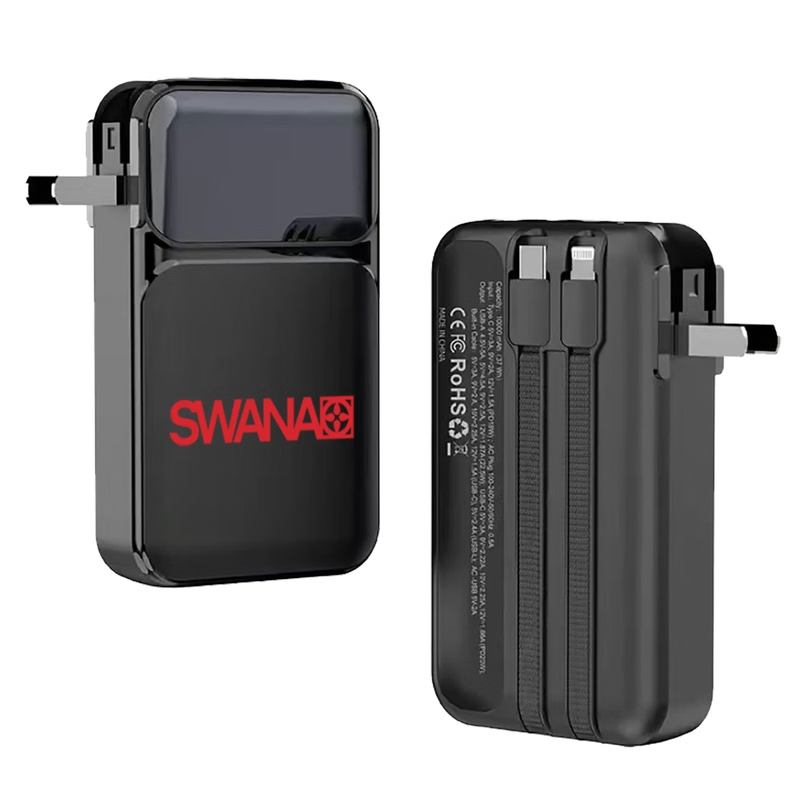
10,000 mAh Portable Charger w/Built In Wall Plug Power Bank
$27.43 - $32.36
View product
Frequently Asked Questions
Is Wireless Charging Slower Than Wired Charging?
Usually. Wireless energy transfer has higher conversion losses, whereas a wired charger provides a direct electrical connection. Actual speed still depends on compatible hardware.
How Fast Are Wireless Chargers?
Power varies by charger and device. Qi2 25W supports up to 25W on certified equipment. Proprietary charging technology may use different limits.
What Are Cordless Cell Phone Chargers Called?
Most people call them wireless chargers, Qi chargers, charging pads, charging stands, or charging docks.
Is Wireless Charging Better for Battery Health?
Neither method guarantees better battery health. Temperature, battery protection, charging habits, and power management matter more than whether charging is wired or wireless.
Does Wireless Charging Work Through a Phone Case?
Often, yes. Thick, metallic, magnetic, or poorly designed cases can interfere with charging compatibility or alignment.
Is Wireless Charging More Expensive?
The initial charging setup often costs more because you need a compatible wireless charger and possibly a power adapter. Wired charging is usually more cost-effective.
Conclusion: Wireless Charging vs Wired Charging
Wireless charging offers convenience, cleaner spaces, reduced wear on charging ports, and a smooth, cable-free experience. Wired charging delivers excellent charging reliability, faster power delivery, greater energy efficiency, and broad device flexibility.
Your best option depends on your charging needs. Use wireless charging for routine use on a desk or nightstand. Keep wired charging available for fast charging, travel, laptops, and demanding days.
Do not choose by wattage alone. Check device compatibility, charging standards, thermal management, charger certification, and the device's actual requirements.
For businesses, charging accessories can also become useful branded touchpoints.
RELYmedia helps organizations select promotional technology products that combine everyday usefulness with visible, lasting branding. Contact RELYmedia to create a charging-focused promotional solution for customers, employees, events, or corporate programs.
Shop this
Need custom wireless chargers? We print them.
Bulk pricing, three free mockups, real quotes back the same business day.