3 Essential Power Bank Safety Tips You Need to Know Today
October 27, 2026 · 10 min read
A dead phone can derail your day. Directions disappear, mobile tickets become harder to access, and work messages stop coming through. That is why a power bank has become practical everyday gear for commuters, travelers, students, employees, and event guests.
Still, portable power deserves careful handling. Most power banks use lithium-ion cells that store significant energy in a compact case. Damage, overheating, or poor charging equipment can create safety hazards.
So, are power banks safe? Generally, yes, when you choose a reliable product, inspect it regularly, and practice safe charging. The quality of the battery, charging accessories, built-in safety features, and charging environment all matter.
These three power bank safety tips focus on protecting you and your battery-powered devices.
Choose a Reliable and Certified Power Bank
Good power bank safety starts before charging. A high-quality power bank should combine dependable cells, quality materials, stable circuitry, solid housing, and clear electrical specifications.
Look for Safety Standards, Product Certification, and Rigorous Testing
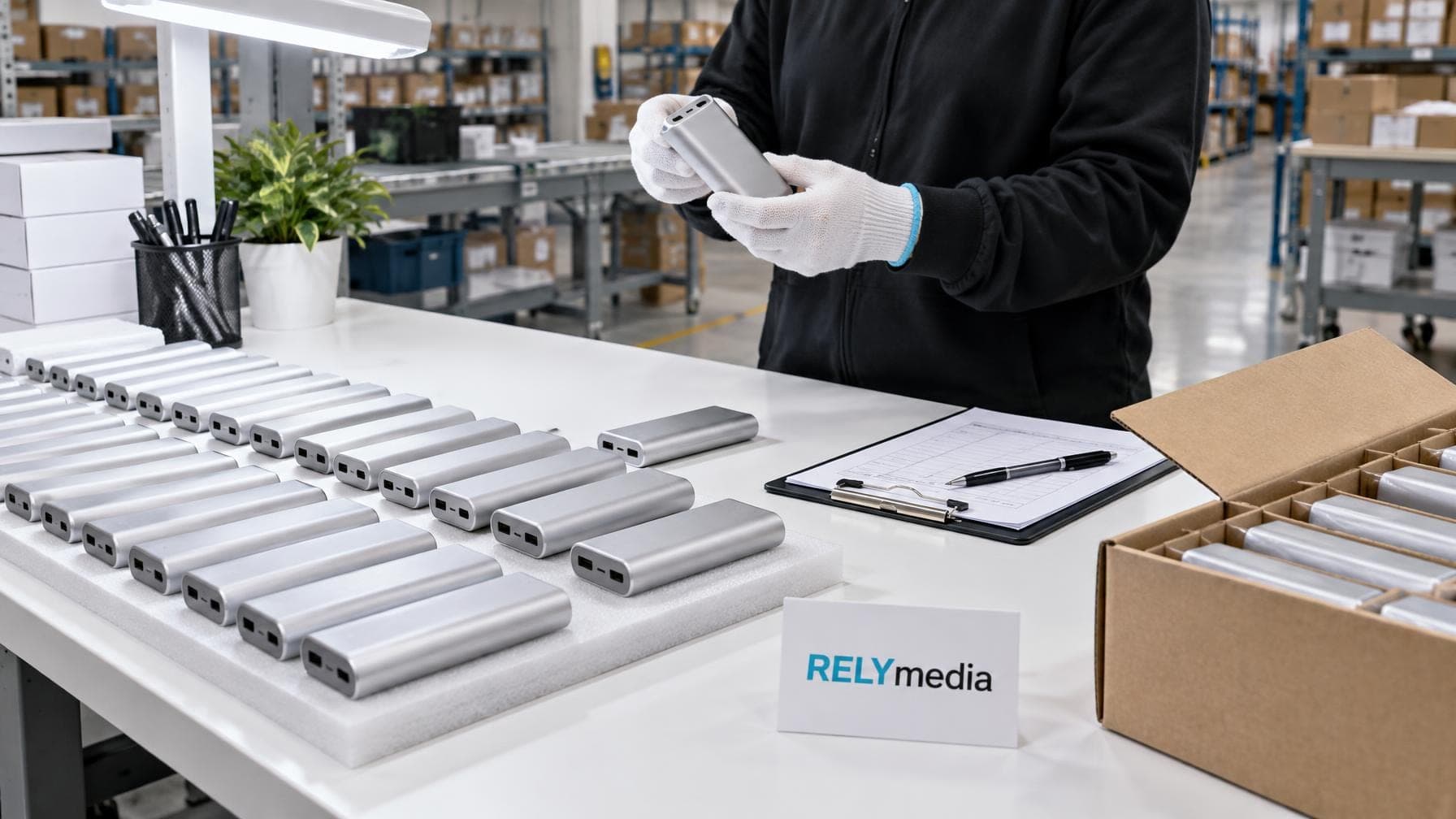
Choose a reputable power bank from a trusted brand or manufacturer. Look for clear model information, input and output ratings, battery capacity, and product certification.
UL Solutions created UL 2056 specifically for power banks. Its requirements address overcharge, discharge, short circuit, overload, impact, and thermal safety. Product testing helps manufacturers evaluate risks before a portable charger reaches users.
Useful safety protection features may include:
- overcharging protection
- over-voltage protection
- over-current protection
- short-circuit protection
- overheating protection
- discharge protection
- battery protection
- device protection
- charging protection
Some models also include cold protection, loopback protection, or more advanced power management.
Avoid counterfeit chargers or accessories with vague specifications. Cheap charging accessories made from low-quality materials can introduce unnecessary charging risks, poor charging performance, or inadequate electrical safety.
Match Power Bank Capacity to Your Actual Devices
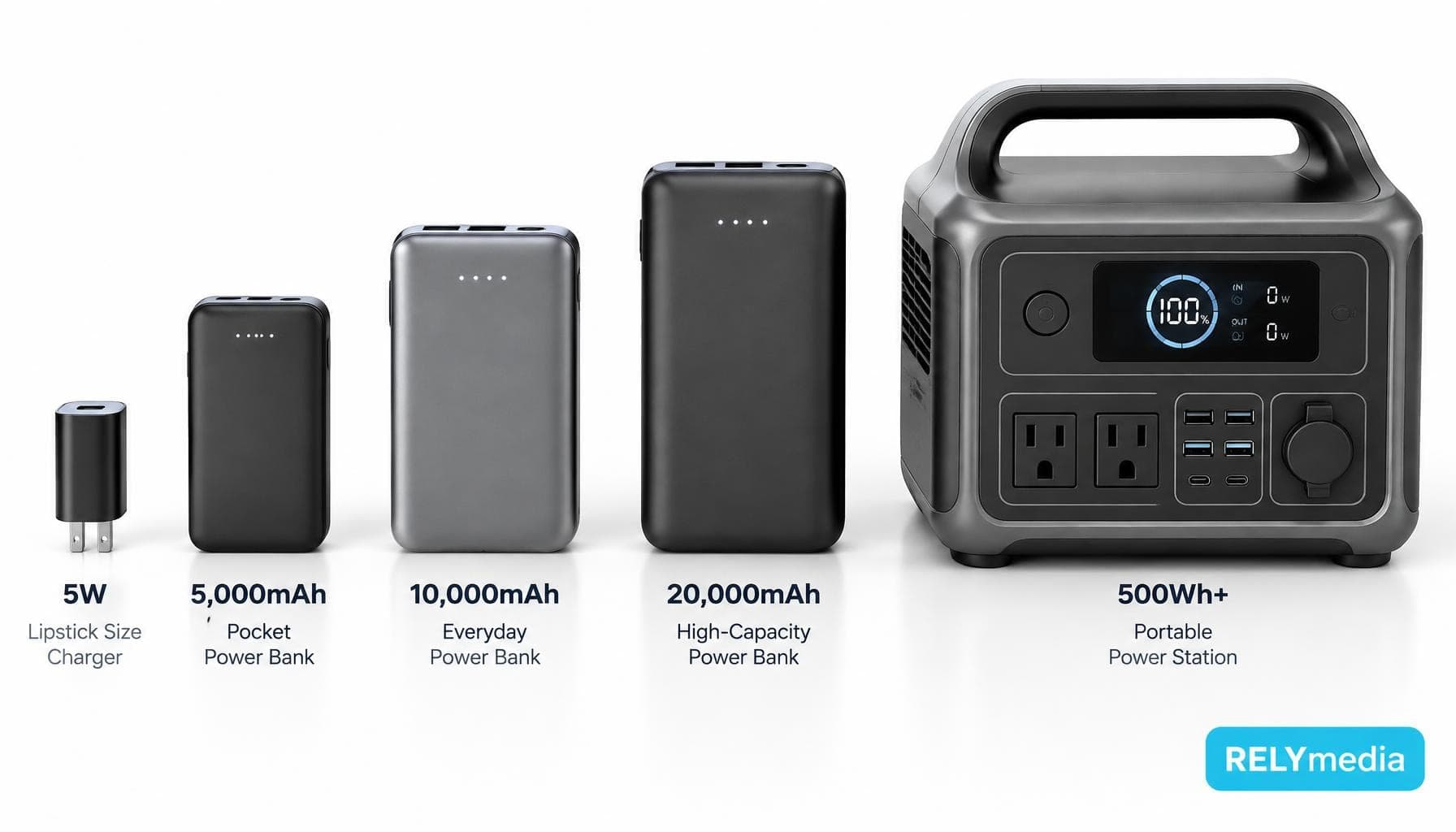
Battery capacity is usually listed in milliamp-hours (mAh). Common options include 5,000mAh, 10,000mAh, and 20,000mAh.
A 5,000mAh power bank is suitable for emergency battery backup. A 10,000mAh power bank balances portability and charging capacity. A 20,000mAh power bank provides more backup power for travel or charging multiple devices.
However, the battery capacity rating does not equal the energy delivered to your smartphone battery. Voltage conversion, heat, cable resistance, and electronics consume some energy.
| Power Capacity | Best Fit | Main Benefit |
|---|---|---|
| 5,000mAh | Emergency smartphone charging | Compact mobile power |
| 10,000mAh | Everyday charging | Balanced size and charging capacity |
| 20,000mAh | Travel or several devices | More backup power |
Actual smartphone charging times vary with device specifications, battery condition, power bank performance, and whether you use the phone while it charges.
Check Device Compatibility and Charging Speed
Fast charging only works properly when the power bank, USB cable, charging adapter, and connected device support compatible standards. More watts do not automatically mean better charging for a device.
For smartphones, Bluetooth earphones, smartwatches, and other low-power devices, charging regulation matters. Some portable chargers provide low-power charging or charging optimization for smaller portable electronics.
Use a recommended USB cable when the device manufacturer specifies one. Correct device compatibility improves charging efficiency, supports reliable performance, and helps protect connected devices.
Planning a branded tech giveaway?
RELYmedia can help compare portable power options by charging capacity, device compatibility, and intended use.
Inspect Your Power Bank and Charging Accessories Regularly
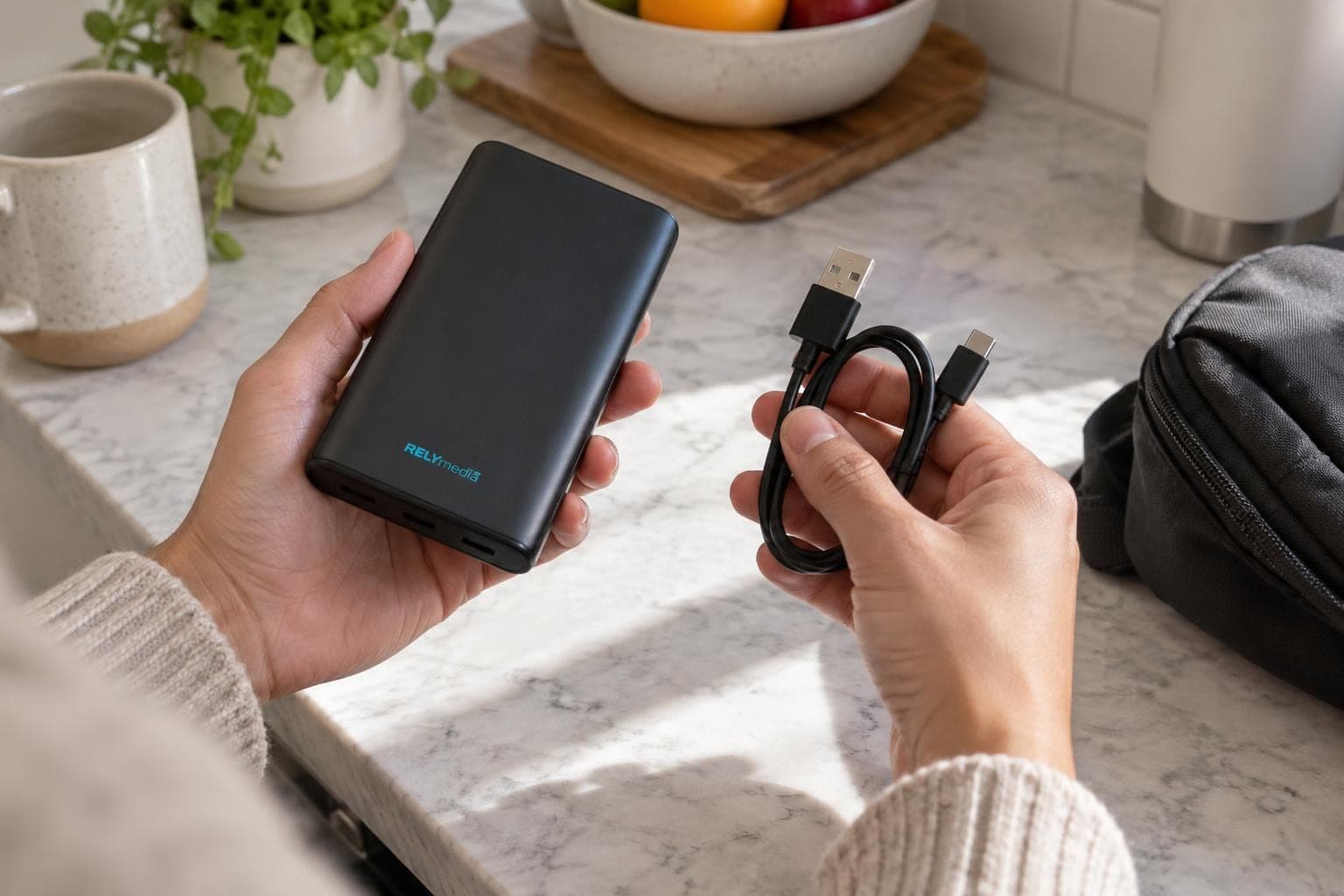
Even a reliable charger can become unsafe after drops, crushing, heat, water damage, or years of charging cycles. A regular inspection can reveal problems early.
Know the Signs of a Damaged Power Bank
Check the housing, ports, and battery condition before use, especially after travel or an impact.
Warning signs include:
- cracks or other physical damage
- a bulging power bank or bulging battery
- loose or damaged ports
- unusual odors
- exposed internal parts
- abnormal charging
- sudden shutdowns
- repeated overheating
- sharp drops in charging capacity
A cracked power bank is not merely cosmetic damage. A swollen case may signal a damaged battery. Stop using a faulty power bank when its physical condition changes significantly.
Recent CPSC recalls show why these signs matter. In September 2026, CPSC recalled certain NEWDERY power banks because their lithium-ion batteries could explode or ignite. Other 2026 recalls involved overheating and fire hazards.
Inspect USB Cables, Charging Adapters, and Wall Chargers
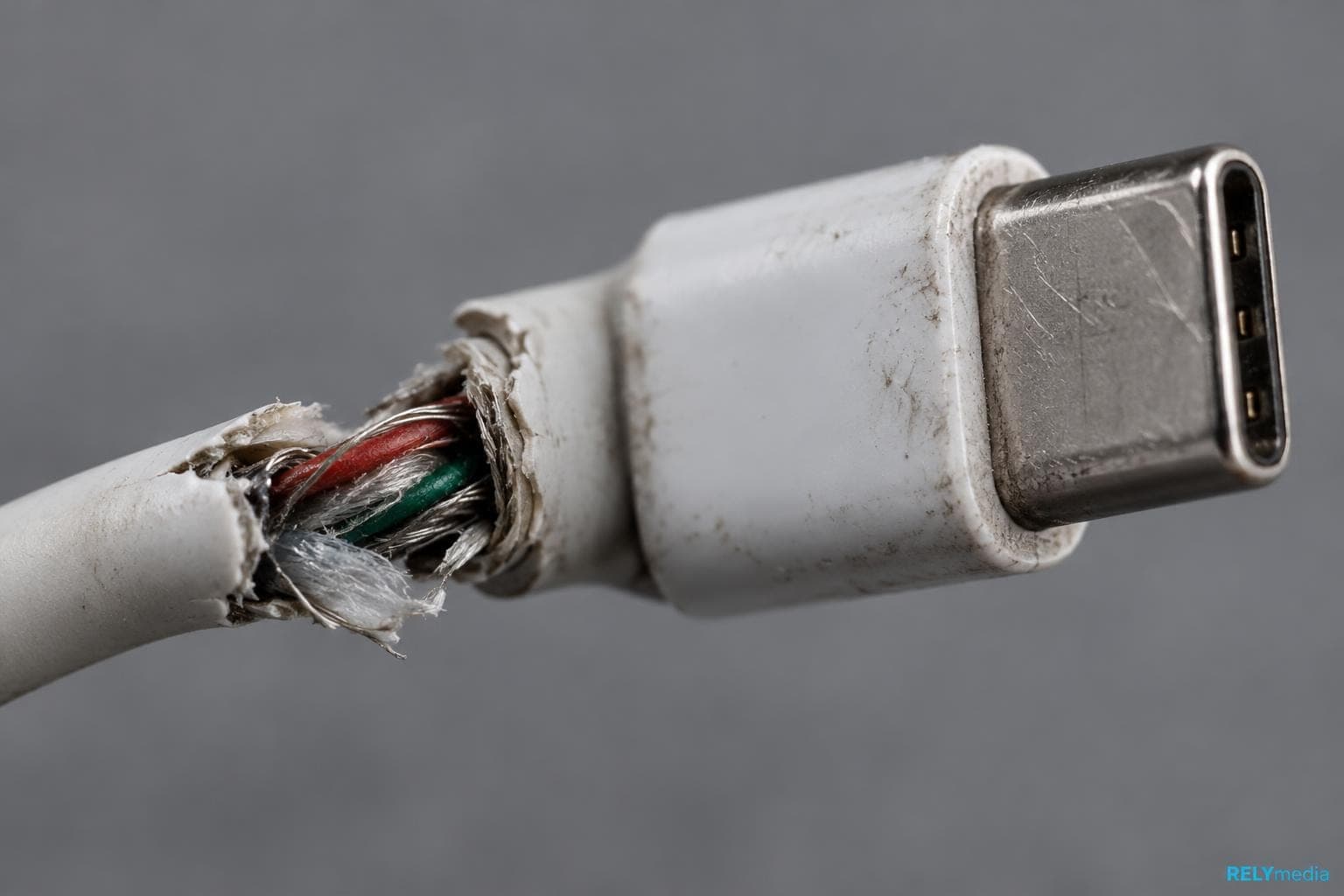
The power bank is only one part of the charging solution. A damaged or faulty USB cable or charger can cause problems even when the battery looks normal.
Check USB cables and every charging cable for:
- exposed wires
- split insulation
- bent connectors
- loose plugs
- scorching
- excessive heat
- visible wear and tear
Inspect each charging adapter and wall charger too. Replace damaged charging equipment instead of wrapping exposed areas with tape and continuing to use it.
The same principle applies to a wireless charger. Wireless charging still creates heat and requires compatible charging equipment.
A damaged cable does not automatically cause data corruption or data loss. Those risks are more relevant when a compromised accessory also carries data.
Replace a Damaged Portable Charger Instead of Taking Chances
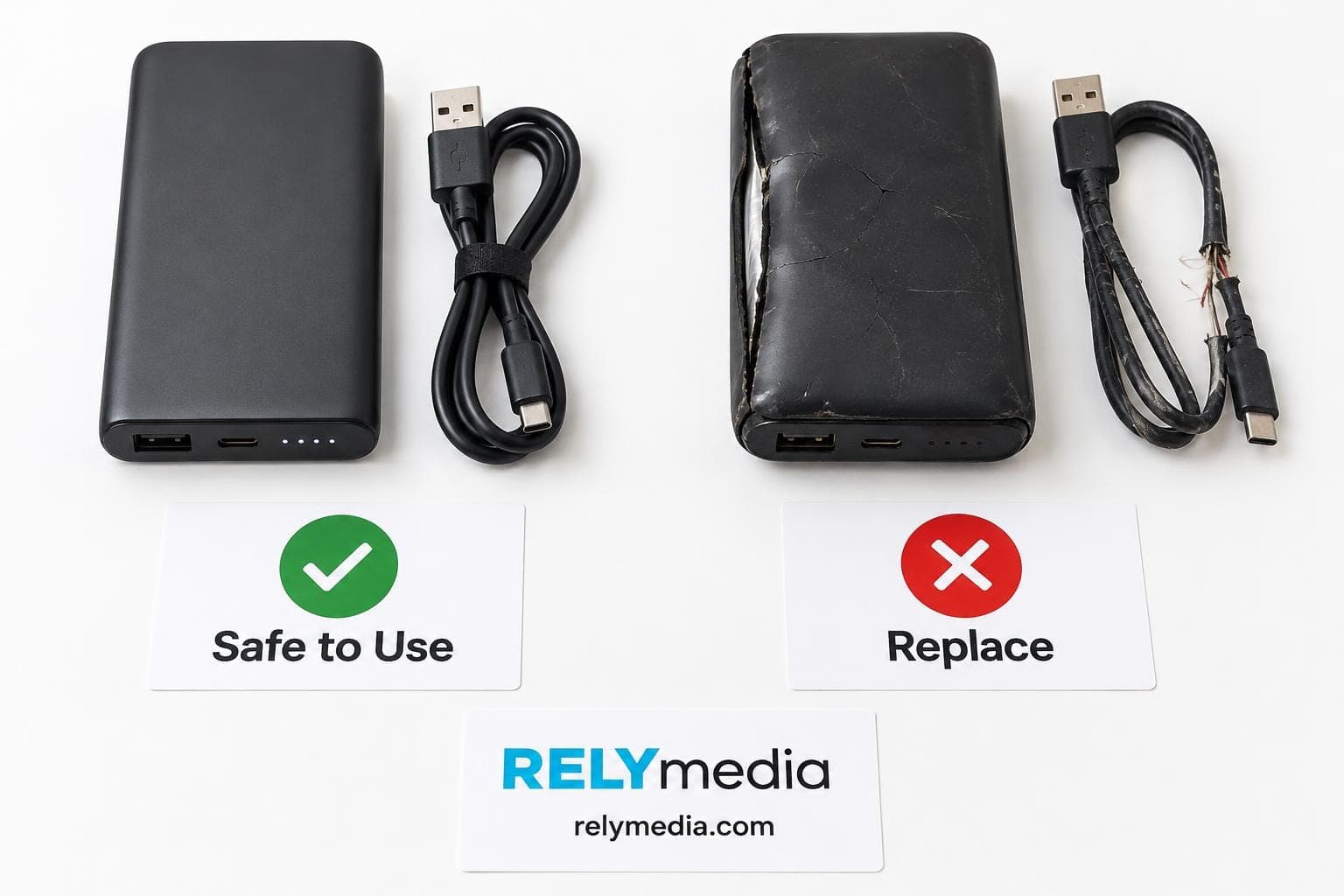
Do not keep using a damaged portable charger because it still powers your phone.
If you notice smoke, sparking, swelling, leaking, severe heat, or a burning smell, stop using the device. Disconnect it only when it is safe and follow the manufacturer's guidance.
Never puncture, crush, bend, or open a swollen battery. Battery replacement should only occur when a product is designed for safe servicing.
For recalled lithium-ion products, follow official instructions. CPSC warns that some recalled power banks should not be placed in household trash, general recycling, or common retail battery boxes.
Proper power bank replacement helps prevent a small charging problem from becoming an electrical hazard.
Charge Your Power Bank Safely
Safe charging comes down to three things: compatible equipment, a sensible charging environment, and heat control.
Use Compatible Charging Equipment
Follow the device manufacturer’s input requirements. Use a suitable USB charging cable, charging adapter, certified charger, or wall charger with the correct electrical ratings.
Modern charging systems regulate power when compatible electronics work together. Problems become more likely with damaged, counterfeit, or poorly built equipment.
For everyday charging, choose a reliable charger and quality accessories. Good equipment supports charging speed regulation, efficiency, device protection, and long-lasting performance.
Create a Safe Charging Environment
Place the portable battery on a stable, dry surface with room for heat to escape. Keep it away from water, heaters, direct sunlight, and flammable materials.
Do not bury a charging power bank beneath bedding, clothing, cushions, or other surfaces that trap heat.
A safe charging environment should be:
- dry
- ventilated
- stable
- visible
- away from excessive heat
- clear of combustible materials
If abnormal charging begins or the unit becomes far hotter than usual, stop charging safely and inspect the equipment.
This simple habit enhances battery safety without complicating everyday charging.
Understand Overheating and Thermal Runaway
Lithium-ion batteries create some heat during use. Rapidly increasing heat is different.
The FAA explains that damaged or short-circuited lithium batteries can catch fire and advises protecting portable rechargers from damage and short circuits.
Built-in safety features such as overcharge, overvoltage, overcurrent, overheating, and short-circuit protection reduce risk. They do not replace the need for responsible use of power banks.
Think of safety protection like a seat belt. It helps when something goes wrong, but you still need good driving habits.
Follow Power Bank Rules When Flying
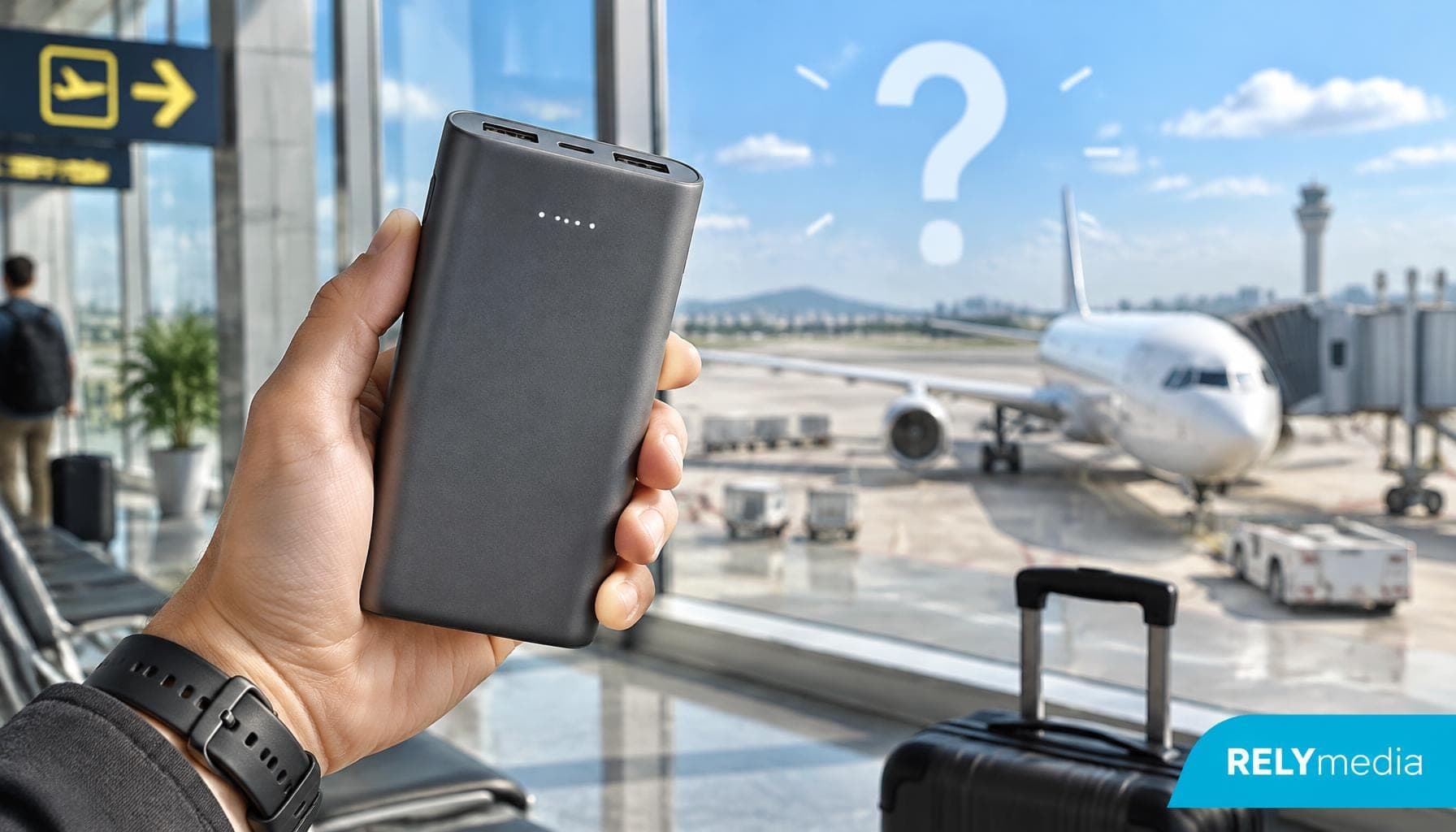
A power bank is treated as a spare lithium battery for air travel. FAA guidance requires spare lithium-ion batteries and portable rechargers to stay in carry-on baggage rather than checked baggage. If your carry-on gets gate-checked, remove the power bank first.
Protect battery terminals from short circuits and physical damage.
Travelers should also check their airline’s current limits before flying, especially with larger-capacity batteries.
Make Your Power Bank Last Longer Without Compromising Safety
Good power bank maintenance supports battery longevity and dependable charging.
Store the portable battery in a cool, dry environment. Avoid leaving it in a hot vehicle. Protect it from crushing, moisture, and hard impacts.
Battery life declines as cells age through time and charging cycles. Lower power capacity alone does not signal danger, but a rapid decline accompanied by heat or swelling deserves attention.
For better battery longevity:
- use compatible charging equipment
- avoid extreme heat and cold
- protect the housing from impacts
- keep ports clean and dry
- perform a regular power bank inspection
- follow manufacturer storage guidance
- replace damaged equipment promptly
These habits help preserve reliable performance without trying to extend a power bank lifespan beyond safe limits.
Are Power Banks Safe for Everyday Use?
Yes. Power banks are safe for normal everyday use when the product is well-made, compatible with your devices, properly maintained, and charged under appropriate conditions.
Preventable charging hazards include physical damage, poor accessories, excessive heat, counterfeit products, and continued use after warning signs appear.
A portable charger should make charging on the go easier, not encourage risky habits. If a unit develops serious damage, replace it.
For businesses, reliability also shapes the recipient’s experience with your brand. Useful portable power can support a positive impression.
Quick Power Bank Safety Checklist
| Check | What to Do |
|---|---|
| Product quality | Choose a reputable, certified power bank |
| Battery capacity | Match power capacity to real device needs |
| Protection | Review listed charging and safety features |
| Housing | Check for cracks, swelling, or physical damage |
| USB cable | Replace damaged or faulty cables |
| Adapter | Use compatible, reliable charging equipment |
| Environment | Charge in a dry, ventilated location |
| Heat | Stop if unusual overheating occurs |
| Travel | Keep power banks in cabin baggage |
| Recall | Follow manufacturer and CPSC instructions |
Ready to print your team's name on premium apparel?
Fill in your details and a RELYmedia specialist will come back to you with a custom quote — fast turnaround, no obligation.
- ⚡Same-day response on business days
- 🎨Free design assistance included
- 🚚Rush order & fast delivery available
- 💰Price beat guarantee on every order
Shop custom power banks and chargers
See all power banks & charging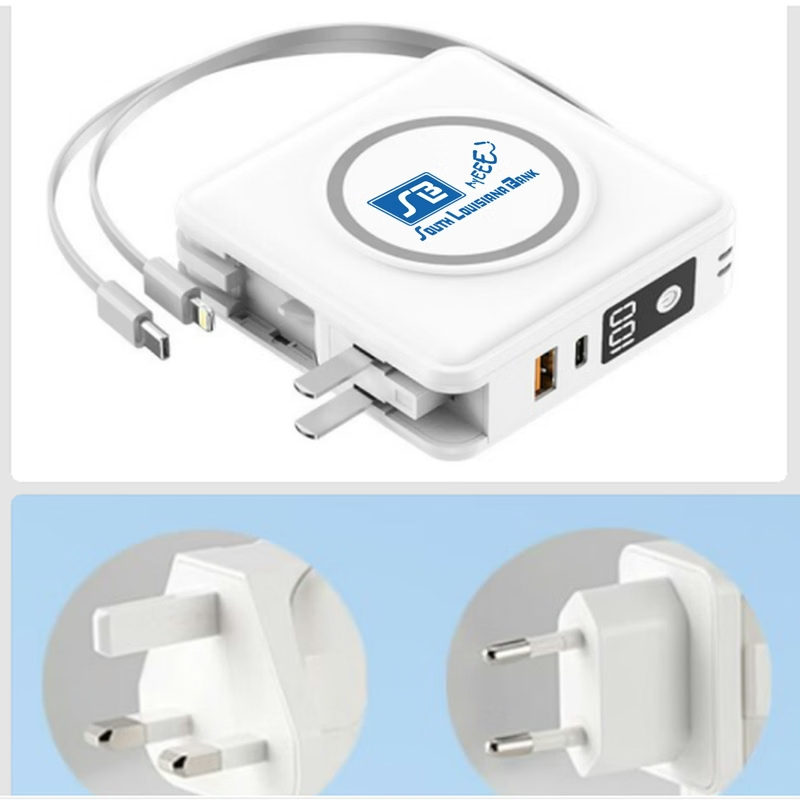
10,000 mAh Wireless Fast Charging Power Bank and 5IN1 Travel Charger w/Intl
$48.25 - $53.66
View product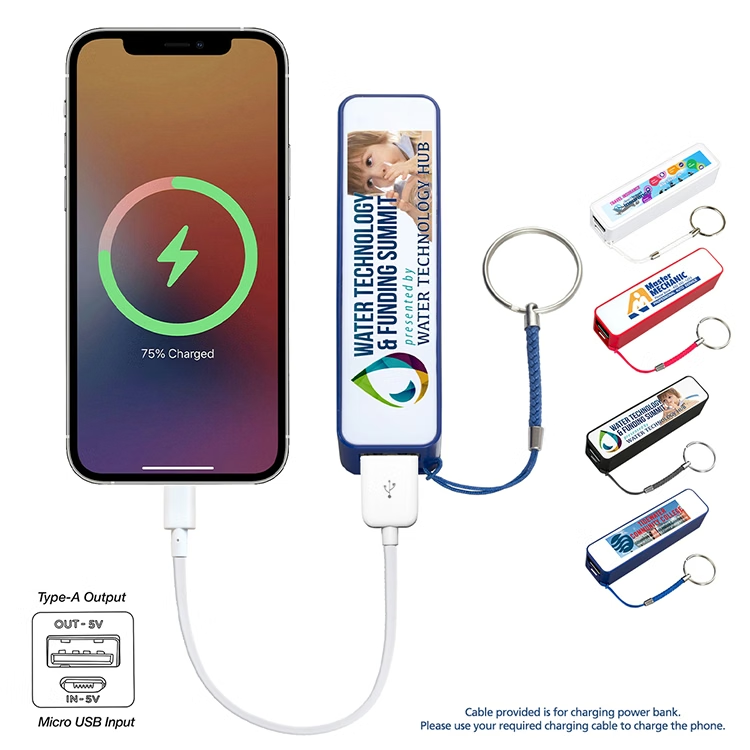
In Charge PB200 UL Listed 2200 mAh Portable Lithium Ion Power Bank Charger PB1004
$7.03 - $7.91
View product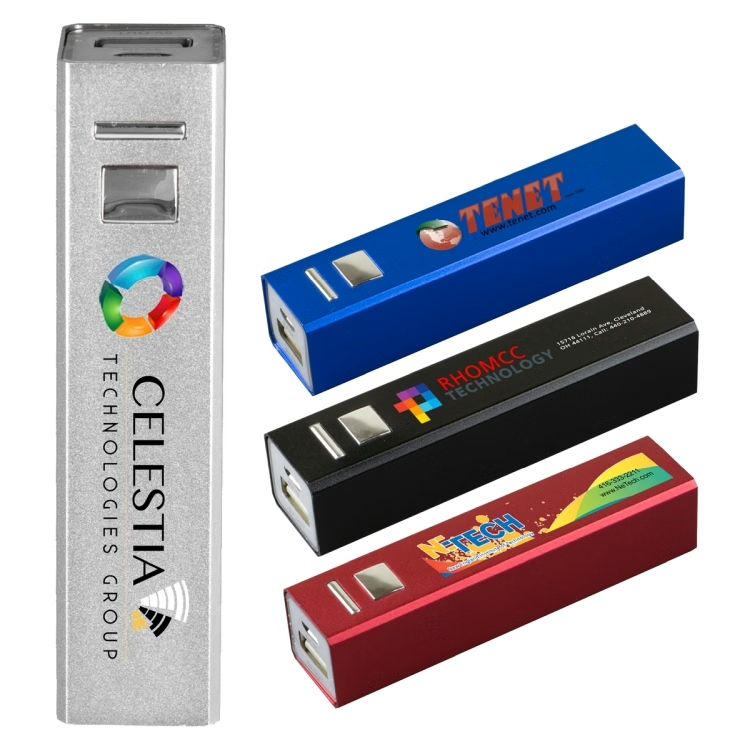
In Charge Alloy UL Listed Aluminium 2200 mAh Lithium Ion Portable Power Bank Charger
$7.57 - $8.85
View product10,000 mAh Energizer® Mag-N-Kick™ Wireless Charger Power Bank And Phone Stand
$34.39 - $52.31
View product10,000 mAh Wireless Charger Power Bank
$25.59 - $44.77
View product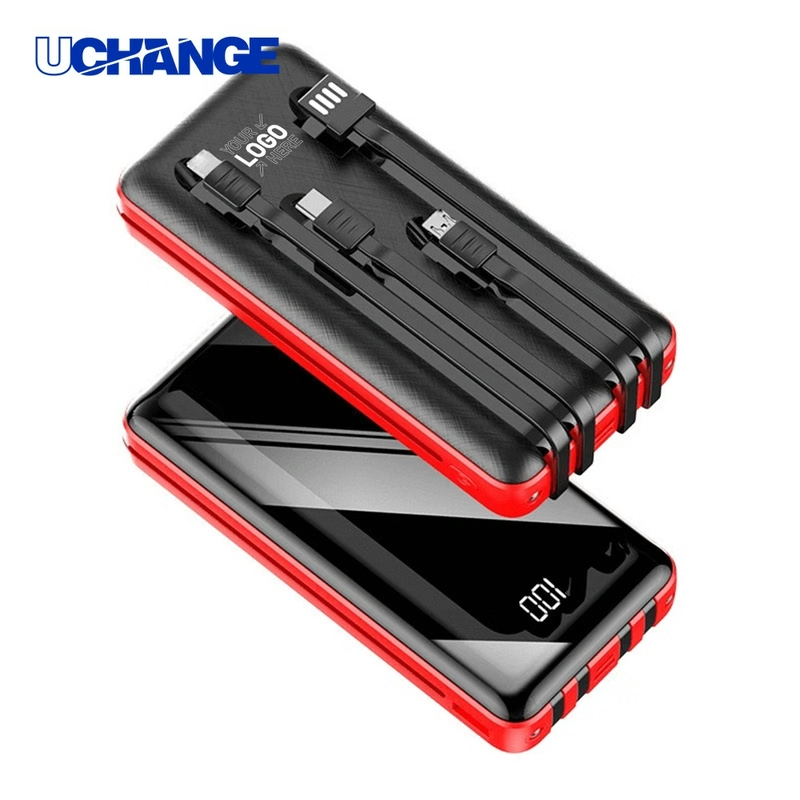
10,000mAh Portable Charger Power Bank with Dual Flashlight
$7.63 - $12.53
View product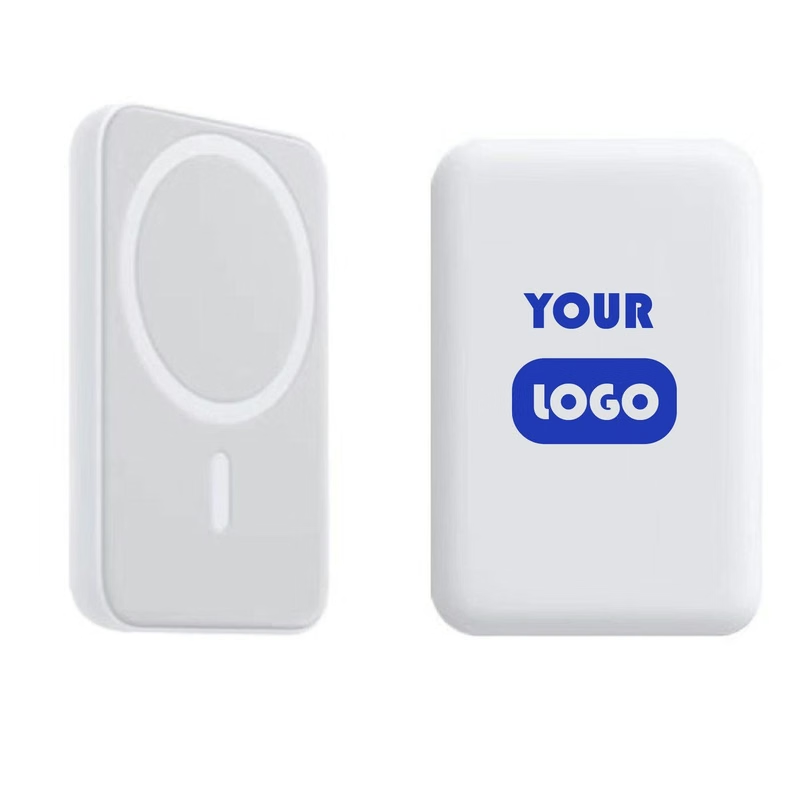
10,000 mAh Wireless Charging Power Bank
$11.58 - $25.35
View product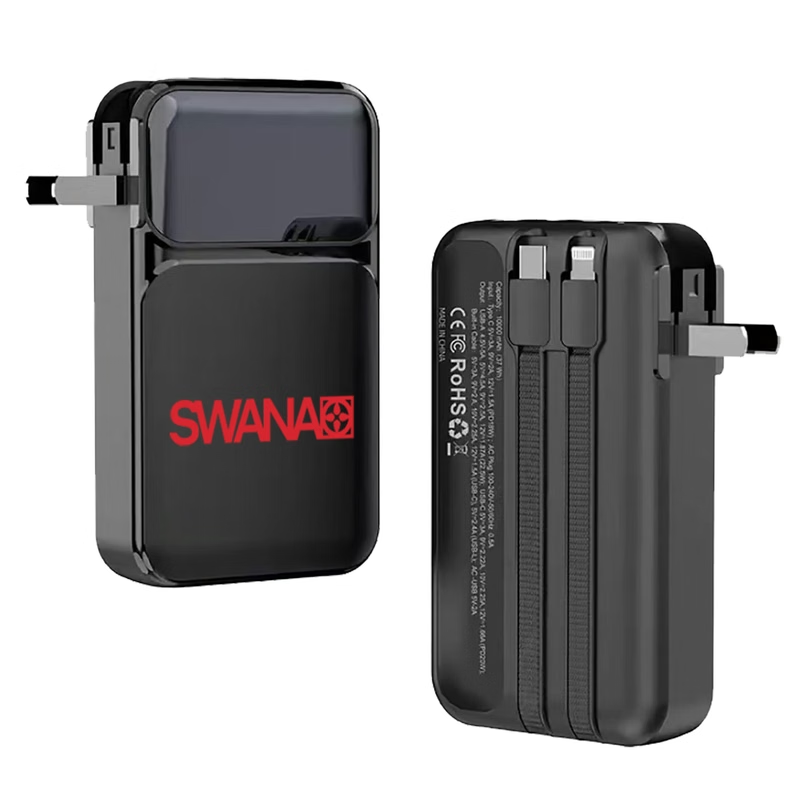
10,000 mAh Portable Charger w/Built In Wall Plug Power Bank
$27.43 - $32.36
View product
Frequently Asked Questions About Power Bank Safety
Can a Power Bank Catch Fire?
Yes. A lithium-ion battery can overheat or ignite when damaged, defective, short-circuited, or severely overheated. Battery protection and safe charging reduce risk.
Is Overnight Charging Safe?
Modern safety features reduce overcharging risk. However, unattended charging makes heat, swelling, odors, or other problems harder to notice. Follow manufacturer instructions.
Does Fast Charging Damage a Power Bank?
Compatible fast charging is not automatically harmful. The charger, cable, adapter, and electronic devices should support the same standard. Heat and incompatibility matter more.
When Should You Replace a Power Bank?
Replace a unit after serious physical damage, swelling, repeated overheating, unstable charging, damaged ports, or if an applicable recall is in effect. Significant loss of reliable charging performance may also justify replacement.
Conclusion: Practice Power Bank Safety Wherever You Charge
Portable chargers make mobile life easier. Safe use does not require complicated routines.
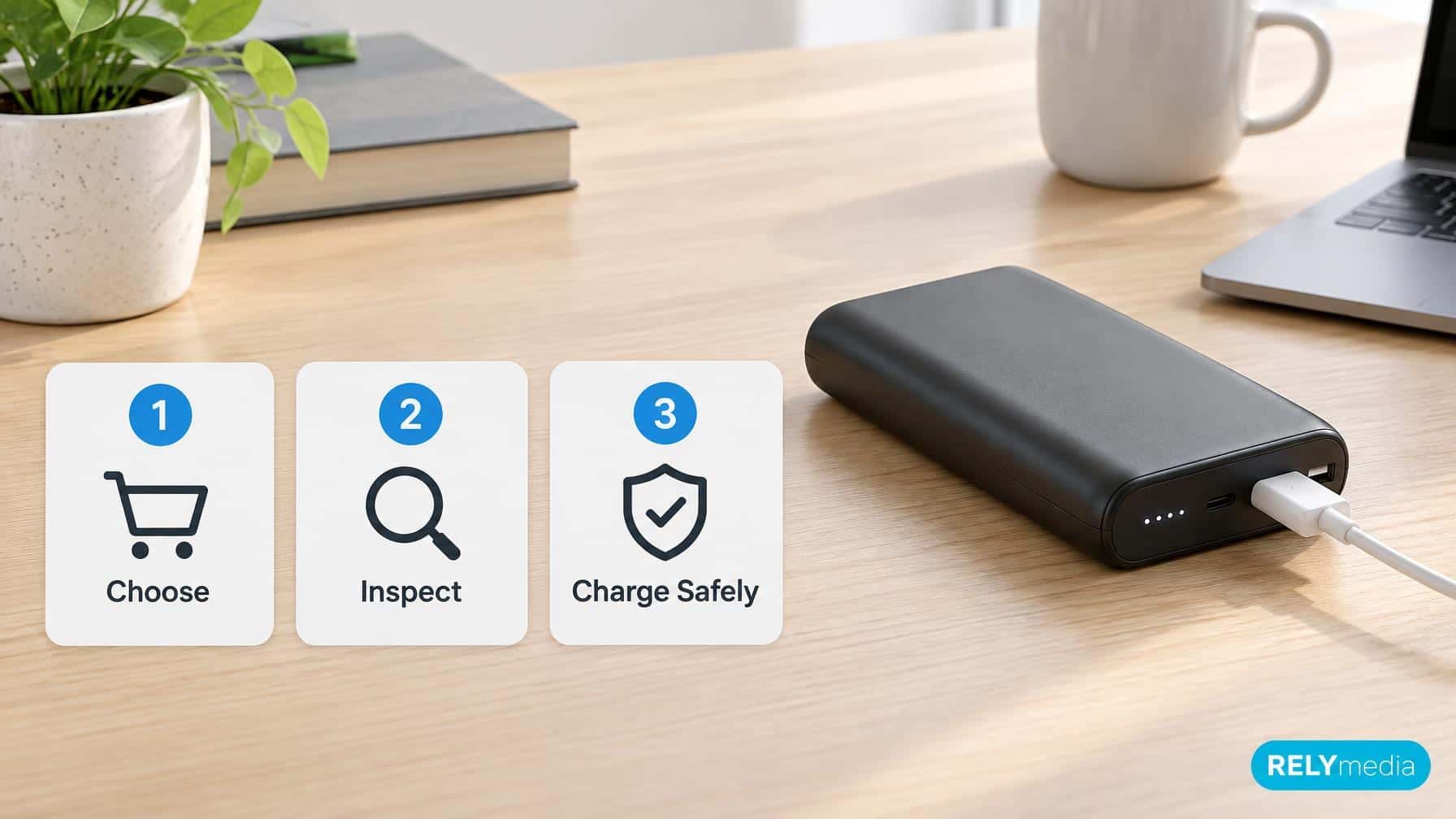
Choose a reliable power bank with appropriate product certifications, compliance with industry safety standards, and useful charging protections. Inspect the housing, battery, USB cable, and charging adapter regularly. Then practice charging safely in a dry, ventilated space away from excessive heat and flammable materials.
Those habits capture the core of power bank safety: choose carefully, inspect regularly, and charge responsibly. That protects convenience without sacrificing sensible everyday safety.
For organizations, portable charging can also become a useful branding opportunity. RELYmedia helps businesses turn practical promotional products into thoughtful brand experiences while keeping quality, deadlines, and audience needs in focus.
Ready to put useful mobile power behind your brand?
Contact RELYmedia to discuss branded power banks and charging accessories built around your goals, quantity, timeline, and recipients.
Shop this
Need custom power banks? We print them.
Bulk pricing, three free mockups, real quotes back the same business day.