Can I Take Power Banks on Flights? We Explain the Rules (2026)
October 27, 2026 · 10 min read
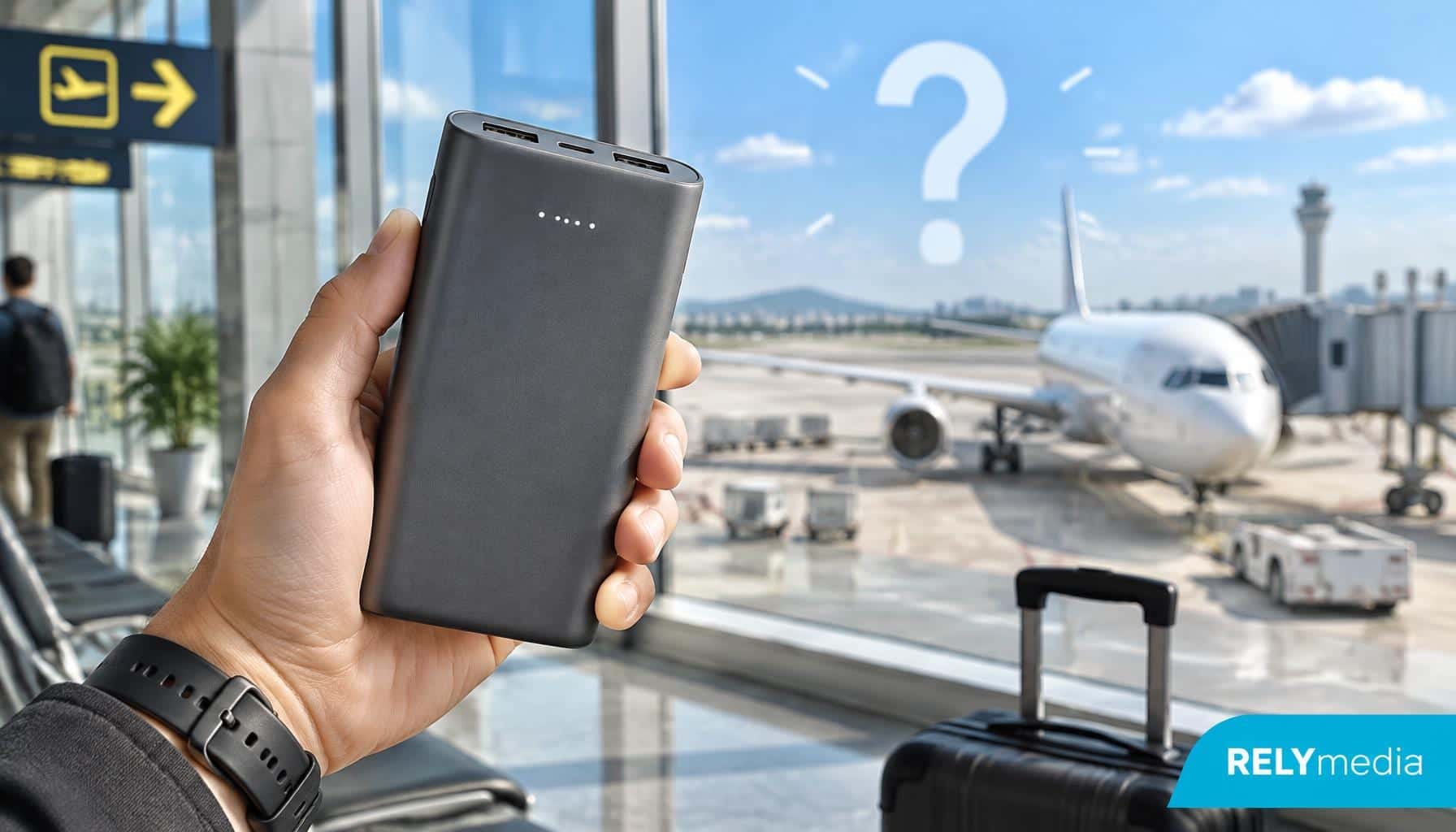
Yes, you can take most power banks on flights in 2026. The important part is how you pack them, how much energy they store, and what your airline allows.
For most US travelers, a standard portable charger belongs in carry-on baggage, not checked luggage. The Federal Aviation Administration allows most rechargeable lithium-ion batteries up to 100 watt-hours (Wh) without airline approval. Larger batteries from 101 Wh through 160 Wh need carrier approval. Anything above 160 Wh is generally forbidden on passenger aircraft.
Rules changed internationally in 2026, too. New ICAO specifications limit passengers to two power banks and prohibit recharging them during flight. Airlines can apply even stricter airline policies.
This guide covers capacity limits, packing, charging, safety, and airport rules for travelers.
Can You Take a Power Bank on a Plane in 2026?
Yes. Most portable chargers are permitted as long as they comply with current battery regulations.
A power bank counts as a spare lithium-ion battery because it stores electrical energy for another device. Spare batteries are subject to stricter transportation requirements than installed batteries in smartphones, laptops, tablets, medical equipment, or other portable electronic devices.
For US air travel, remember these core power bank rules:
- Keep power banks in carry-on luggage.
- Never place them in checked baggage.
- Confirm the watt-hour rating.
- Protect exposed battery terminals.
- Avoid damaged or recalled batteries.
- Check airline-specific requirements before departure.
- Remove power banks before a carry-on gets gate-checked.
These rules support passenger and aircraft safety, as well as fire prevention, during domestic and international flights.
What Changed With Power Bank Flight Rules in 2026?
The biggest 2026 change affects international aviation standards.
ICAO adopted new power bank specifications effective March 27, 2026. They limit passengers to two power banks and prohibit recharging them during flights. IATA’s 2026 passenger guidance also recommends a maximum of two lithium-ion power banks, each no greater than 100 Wh.
IATA further advises travelers not to store power banks in overhead lockers. It also says passengers should not use them to power other devices during taxi, takeoff, or landing.
US rules differ slightly. FAA guidance does not set a general quantity limit for rechargeable batteries under 100 Wh for personal use. However, domestic and international airlines may impose stricter battery limits.
That distinction matters. “Allowed by the FAA” does not automatically mean “accepted by every airline.”
What Size Power Bank Can You Take on a Plane?
Airline battery limits use watt-hours because Wh measures battery energy more accurately than mAh alone.
| Battery rating | Carry-on | Checked baggage | Airline approval |
|---|---|---|---|
| Up to 100 Wh | Generally allowed | No for power banks | Usually not |
| 101–160 Wh | May be allowed | No | Required |
| Above 160 Wh | Generally prohibited | No | Normally unavailable |
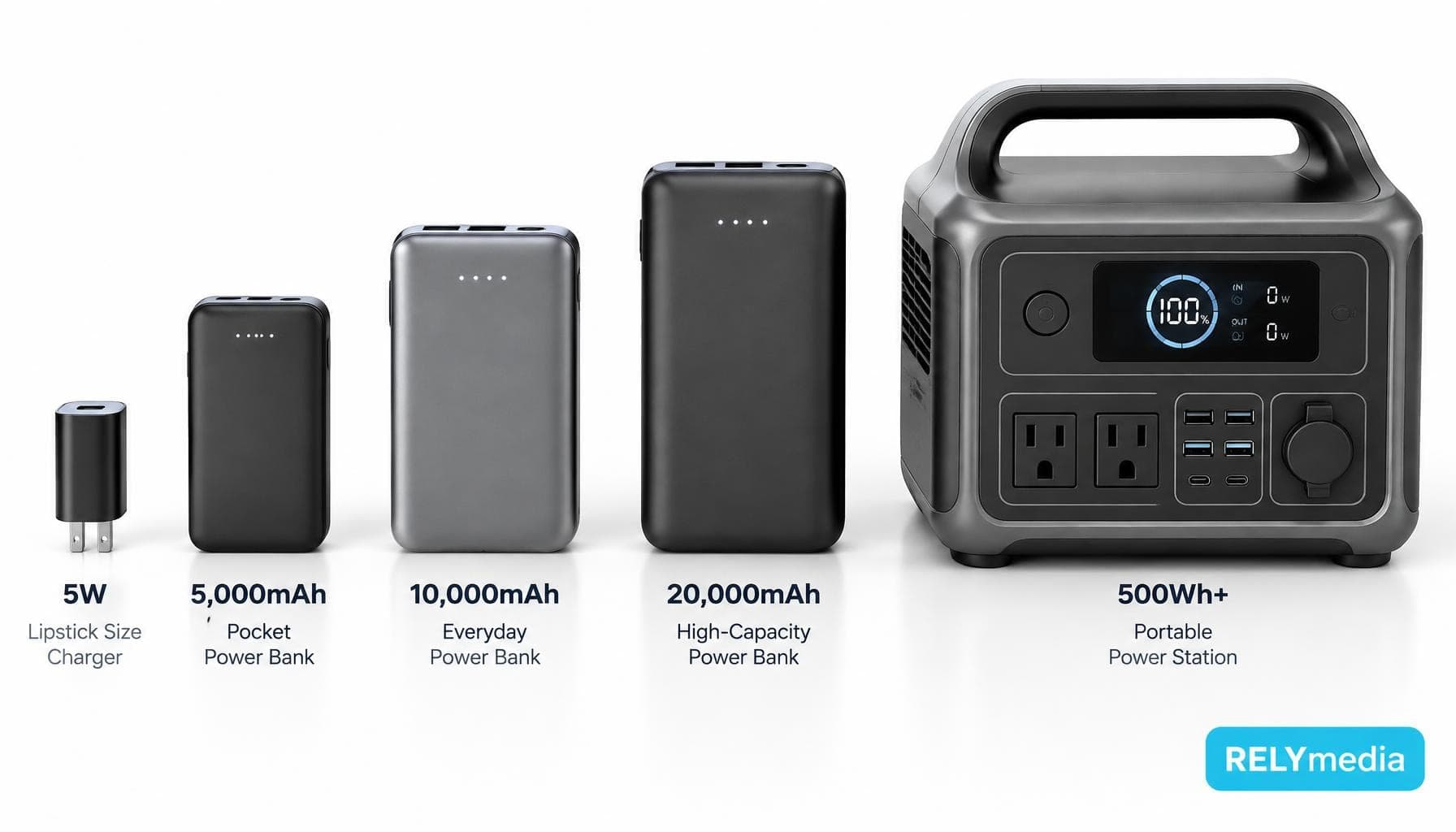
Most everyday portable chargers fall below the 100 Wh capacity limit. Larger backup power units and portable energy products can quickly cross that threshold.
How to Calculate Wh From mAh
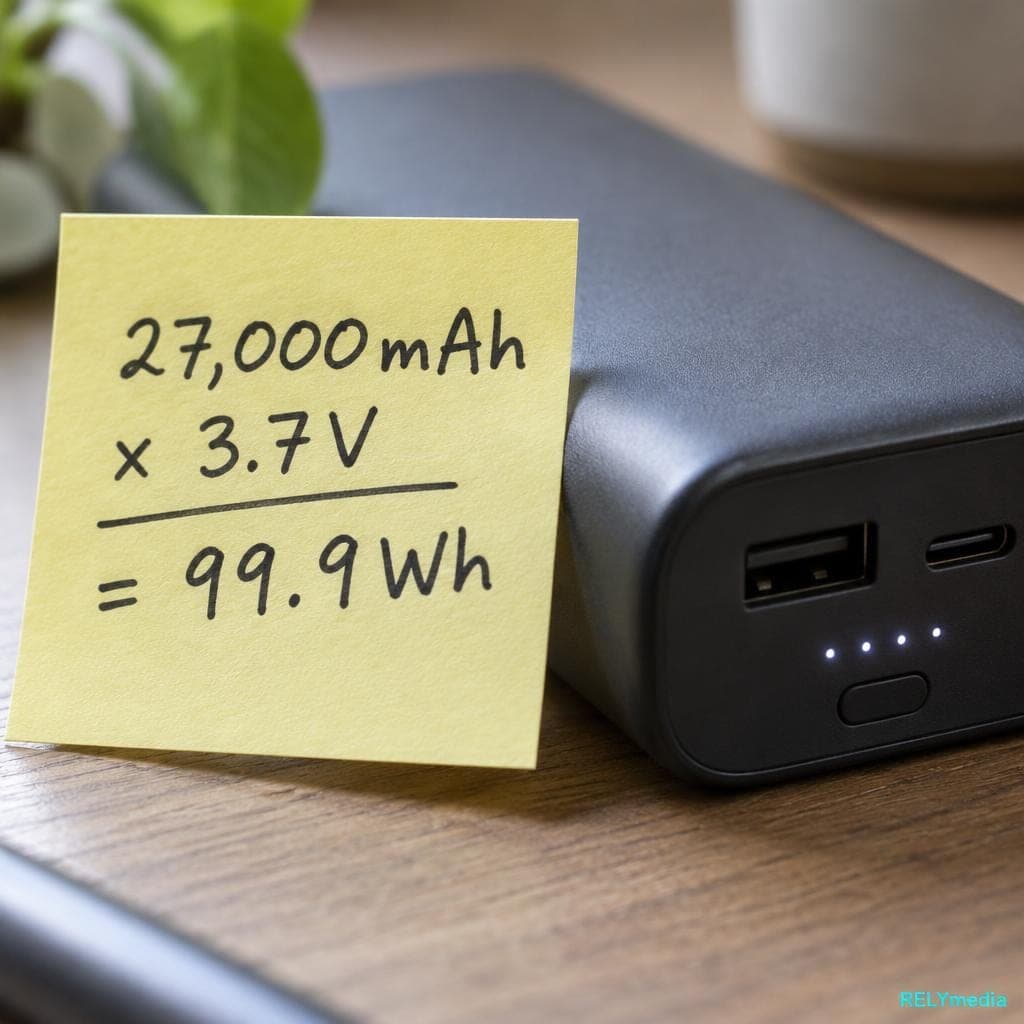
Use this simple capacity conversion:
Wh = V × Ah
If your power bank shows milliamp-hours, convert them first:
Ah = mAh ÷ 1,000
Then multiply the amp-hour figure by voltage.
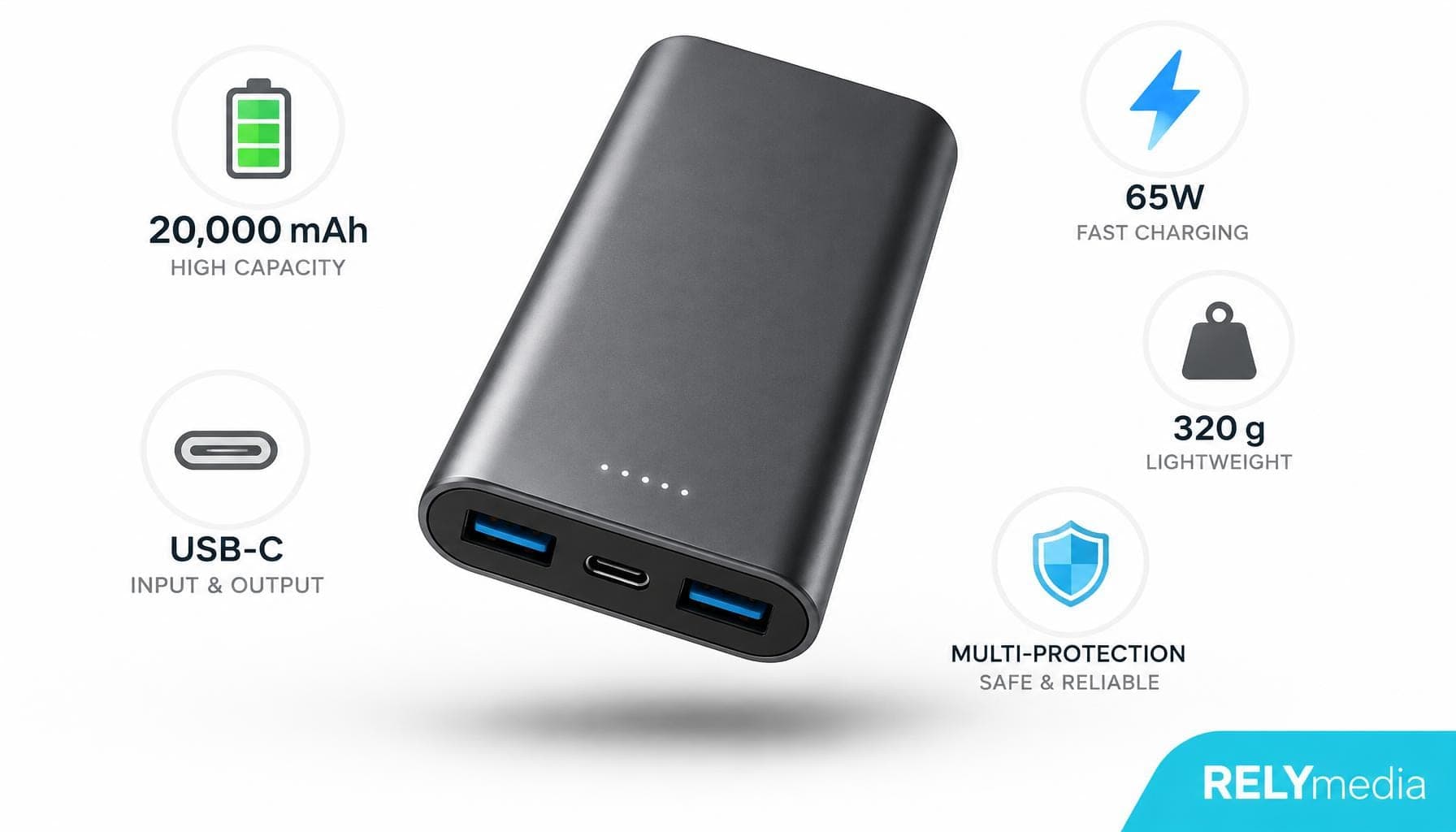
A 20,000 mAh battery rated at 3.7 volts provides:
20 Ah × 3.7 V = 74 Wh
Is 27,000 mAh the Flight Limit?
Not exactly.
You’ll often see 27,000 mAh described as the maximum power bank capacity for flying. That shortcut assumes a battery voltage close to 3.7 V. At that voltage, 27,000 mAh equals 99.9 Wh.
Changing the voltage changes the Wh calculation, too. That is why aviation regulations rely on watt-hours rather than a universal mAh limit for batteries. The FAA likewise calculates Wh by multiplying voltage by amp-hours.
| Power bank capacity | Example at 3.7 V | Approximate energy |
|---|---|---|
| 5,000 mAh | 5 Ah | 18.5 Wh |
| 10,000 mAh | 10 Ah | 37 Wh |
| 20,000 mAh | 20 Ah | 74 Wh |
| 25,000 mAh | 25 Ah | 92.5 Wh |
| 27,000 mAh | 27 Ah | 99.9 Wh |
| 30,000 mAh | 30 Ah | 111 Wh |
| 50,000 mAh | 50 Ah | 185 Wh |
Can a Power Bank Go in Checked Luggage?
No. Power banks, portable chargers, and spare lithium batteries must stay in the aircraft cabin.
TSA lists power banks as allowed in carry-on bags and prohibited in checked bags. FAA guidance follows the same carry-on-only rule for spare lithium batteries.
Lithium-ion batteries can overheat after damage, defects, overcharging, water exposure, or a short circuit. A problem is easier for trained flight crew to identify and manage inside the cabin than inside the baggage hold.
If your carry-on bag is checked at the gate, remove all power banks, spare batteries, external chargers, and battery charging cases first.
How Many Power Banks Can You Bring on a Plane?
For international travel, the 2026 ICAO framework limits passengers to two power banks. IATA guidance follows the same two-unit approach for lithium-ion power banks with a capacity no greater than 100 Wh.
US FAA rules are different. There is no general limit on the number of rechargeable batteries with a capacity below 100 Wh that can be carried for personal use. However, airlines can enforce stricter carrier-specific rules.
For spare lithium-ion batteries between 101 Wh and 160 Wh, the FAA allows no more than two, subject to prior airline approval.
Before traveling with multiple power banks, check:
- Power bank quantity
- Battery capacity
- Airline battery rules
- Destination regulations
- Connecting carrier restrictions
- Flight-specific restrictions
- Required prior authorization
Can You Use a Portable Charger on a Plane?
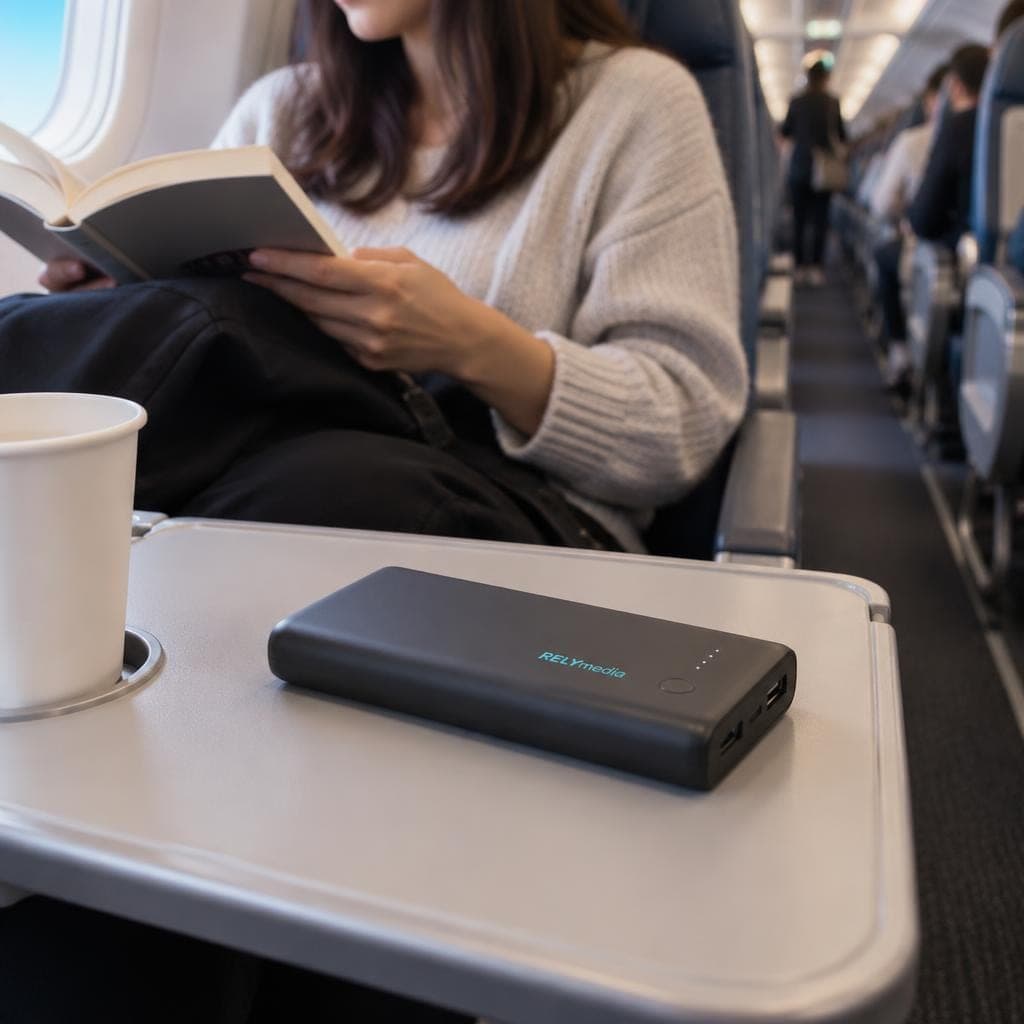
Sometimes. Current international guidance restricts the use of certain power banks during flights. IATA says passengers should not use power banks to charge devices during taxi, takeoff, or landing. Power banks also must not be recharged from an in-aircraft power supply.
Individual airline restrictions can go further. A carrier may prohibit charging for the entire flight, require the battery to remain visible, or restrict storage in overhead compartments.
For safer charging during air travel:
- Charge smartphones before departure.
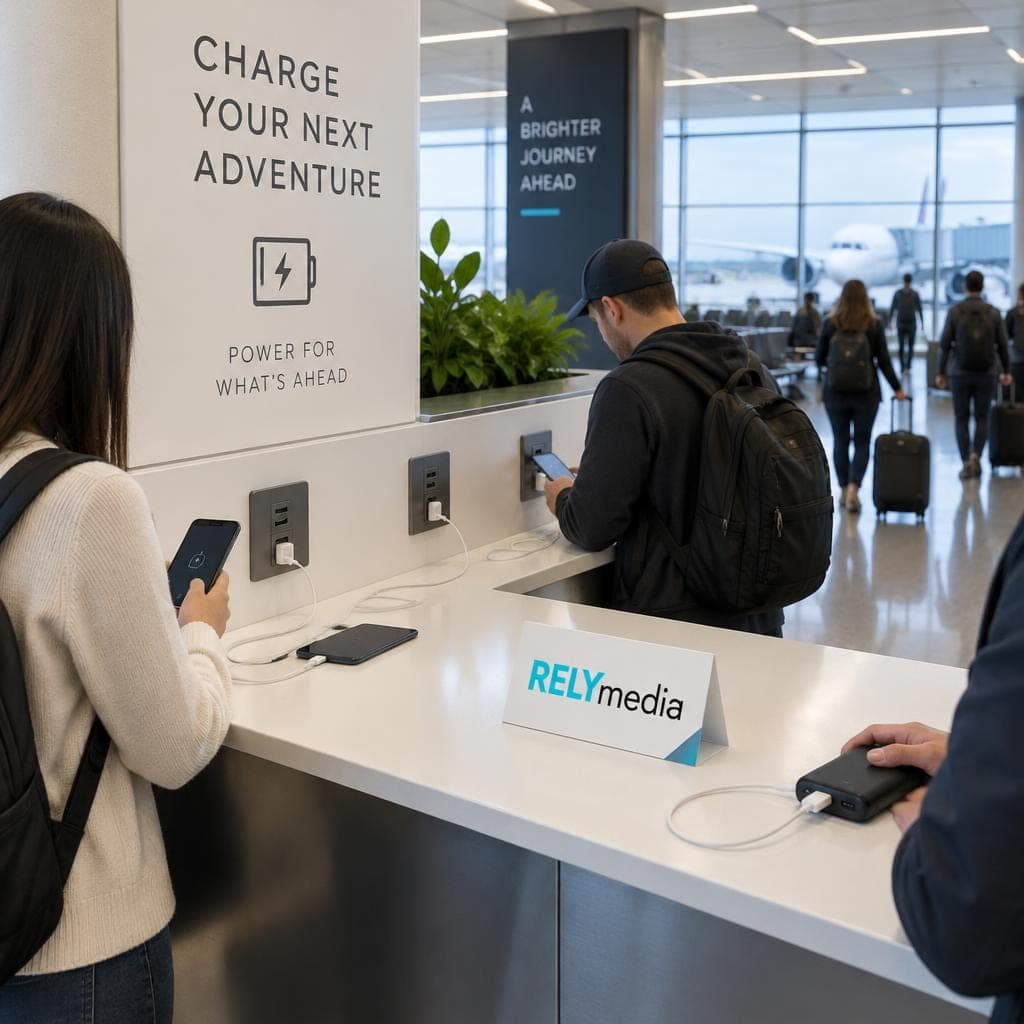
- Use airport charging stations when available.
- Follow onboard charging rules.
- Keep your portable charger accessible.
- Stop charging if the unit becomes unusually hot.
- Alert a flight attendant about smoke or swelling.
TSA, FAA, IATA, and Airline Rules: What Is the Difference?
TSA focuses on airport security and checkpoint screening. Its guidance on prohibited and permitted items says power banks belong in carry-on baggage.
FAA sets and explains US hazardous-material and aviation safety requirements. Its guidance covers battery capacity, battery restrictions, checked baggage rules, and airline approval.
ICAO sets international aviation standards used worldwide in civil aviation. Its 2026 changes address power bank quantity and recharging.
IATA publishes industry guidance to help airlines apply international dangerous goods standards.
What About Batteries Inside Phones, Laptops, and Other Devices?
Phones, laptops, tablets, cameras, personal electronics, consumer electronics, and other battery-powered devices should preferably travel in the cabin. Under FAA rules, some devices with installed batteries may travel in checked baggage if they meet the size limit.
If checked, switch the device off completely. Do not leave it in standby or hibernation mode. Medical devices and electric mobility devices can have separate transportation requirements. Electric wheelchairs and mobility equipment may use larger batteries under specific exceptions. Contact the airline before departure because advance arrangements may be necessary.
How to Pack Power Banks and Spare Batteries Safely
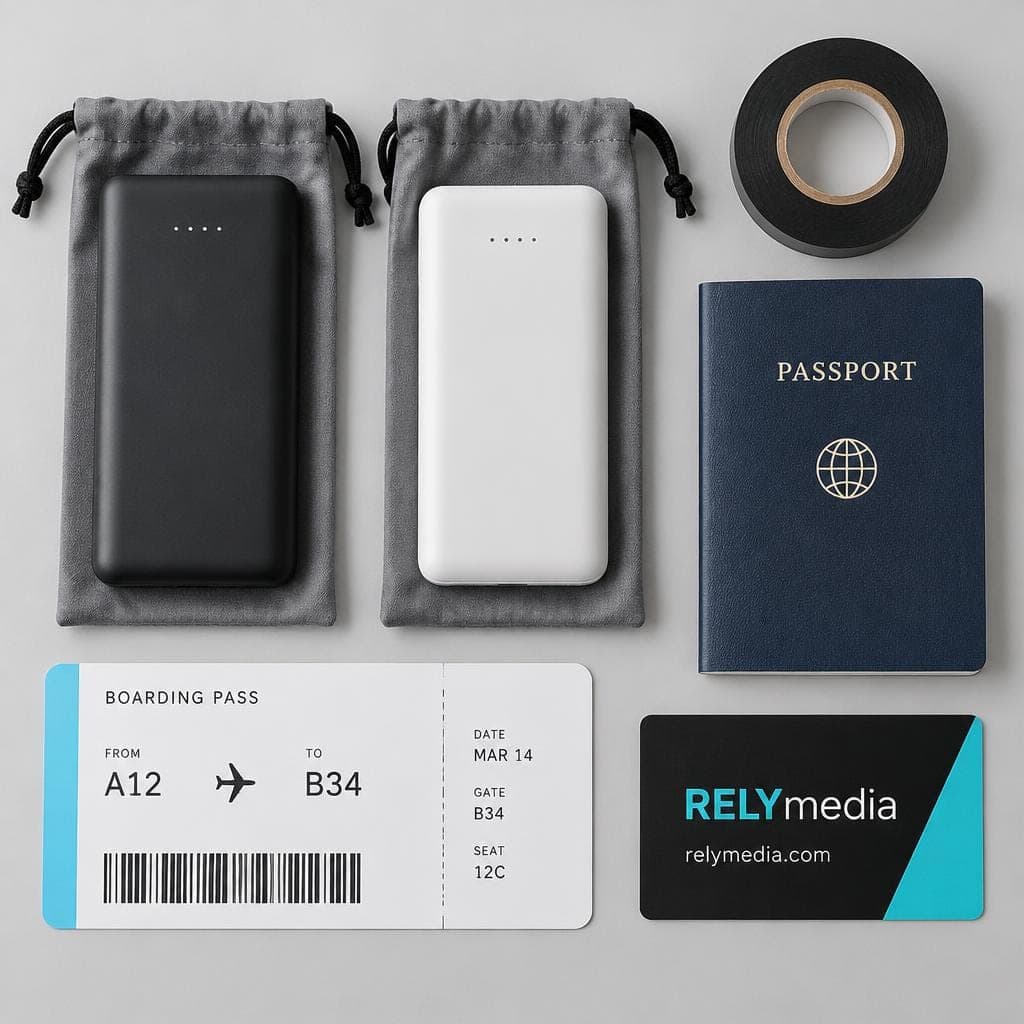
- Use original packaging when practical.
- Place each spare battery in a separate bag, battery case, or protective pouch.
- Cover exposed terminals with non-metallic electrical tape.
- Keep metal contacts away from coins, keys, or tools.
- Prevent crushing, punctures, and impacts.
- Keep the battery rating visible.
- Inspect every unit before boarding.
Never travel with a damaged, defective, swollen, or recalled power bank or battery that could spark or generate dangerous heat.
Why Are Power Banks Restricted on Flights?
Lithium-ion batteries pack substantial electrical energy into compact mobile technology. Thermal runaway is the main concern. A damaged, overheated, overcharged, wet, or defective battery can enter a self-heating reaction. Heat may build quickly and produce smoke, fire, or flammable gases.
If a device starts overheating, expanding, smoking, or burning, stop using it and notify the flight crew immediately. Do not improvise emergency procedures or move a failing battery unless directed by the crew.
Power Bank Pre-Flight Checklist
- Confirm the watt-hour rating.
- Review airline power bank rules.
- Check the number of power banks allowed.
- Keep every spare battery in hand luggage.
- Remove batteries before gate-checking baggage.
- Protect exposed terminals.
- Inspect for swelling or damage.
- Check battery recalls.
- Follow onboard restrictions.
- Keep batteries accessible.
- Charge mobile devices before boarding.
Preparing conference kits, employee travel gear, or client gifts?
Contact RELYmedia for branded charging accessories built around your timeline and goals.
Ready to print your team's name on premium apparel?
Fill in your details and a RELYmedia specialist will come back to you with a custom quote — fast turnaround, no obligation.
- ⚡Same-day response on business days
- 🎨Free design assistance included
- 🚚Rush order & fast delivery available
- 💰Price beat guarantee on every order
Shop custom power banks and chargers
See all power banks & charging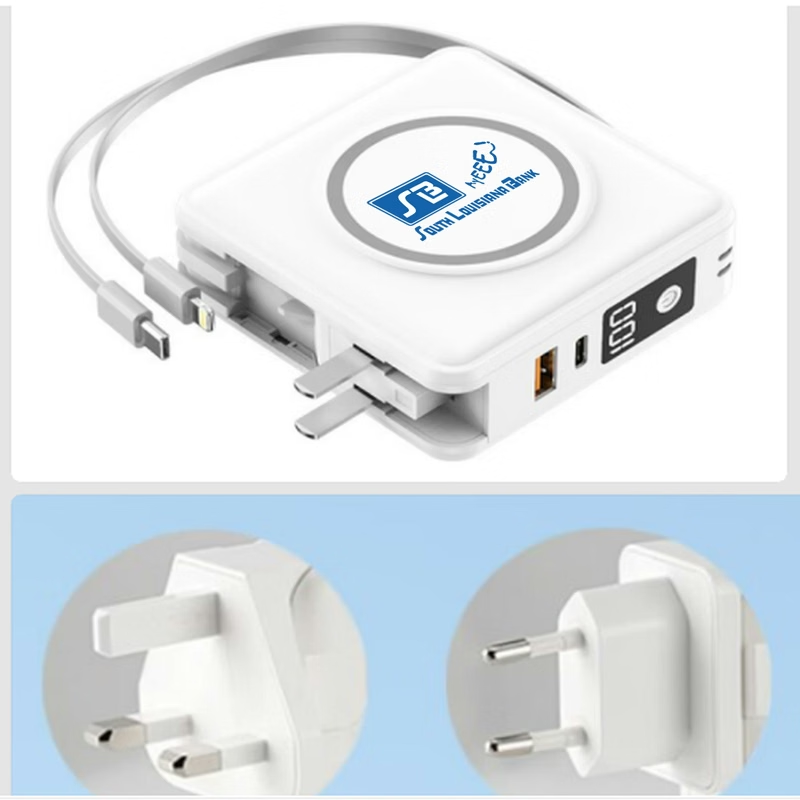
10,000 mAh Wireless Fast Charging Power Bank and 5IN1 Travel Charger w/Intl
$48.25 - $53.66
View product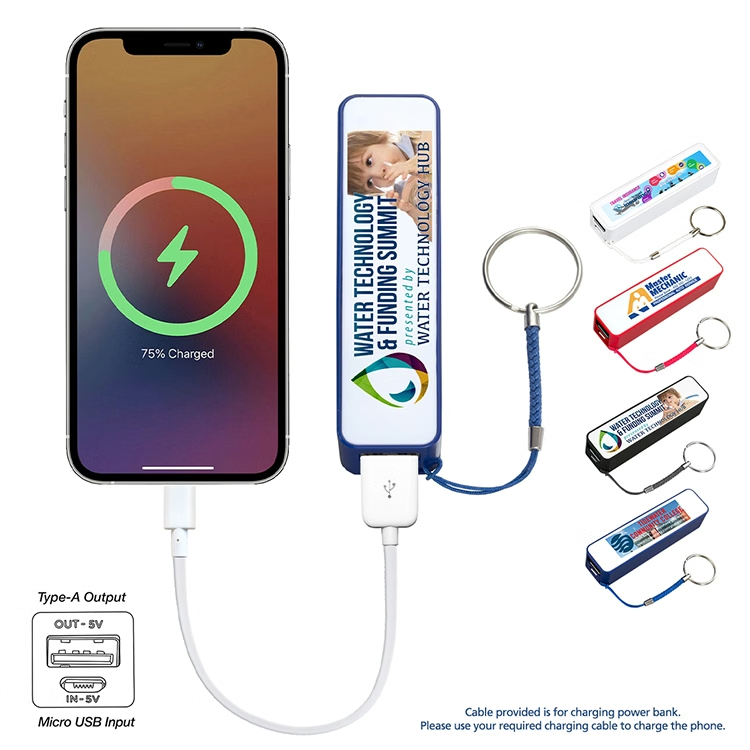
In Charge PB200 UL Listed 2200 mAh Portable Lithium Ion Power Bank Charger PB1004
$7.03 - $7.91
View product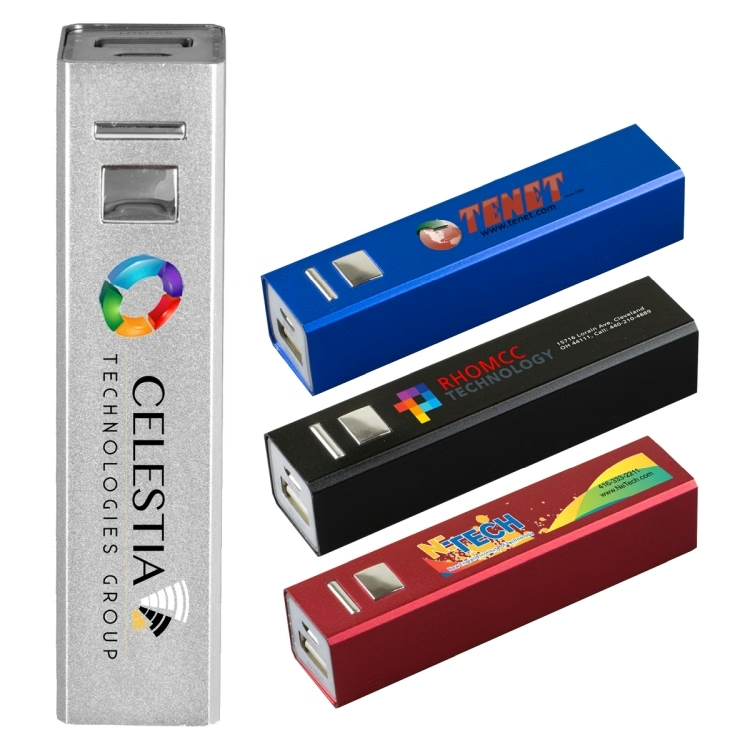
In Charge Alloy UL Listed Aluminium 2200 mAh Lithium Ion Portable Power Bank Charger
$7.57 - $8.85
View product10,000 mAh Energizer® Mag-N-Kick™ Wireless Charger Power Bank And Phone Stand
$34.39 - $52.31
View product10,000 mAh Wireless Charger Power Bank
$25.59 - $44.77
View product
10,000mAh Portable Charger Power Bank with Dual Flashlight
$7.63 - $12.53
View product
10,000 mAh Wireless Charging Power Bank
$11.58 - $25.35
View product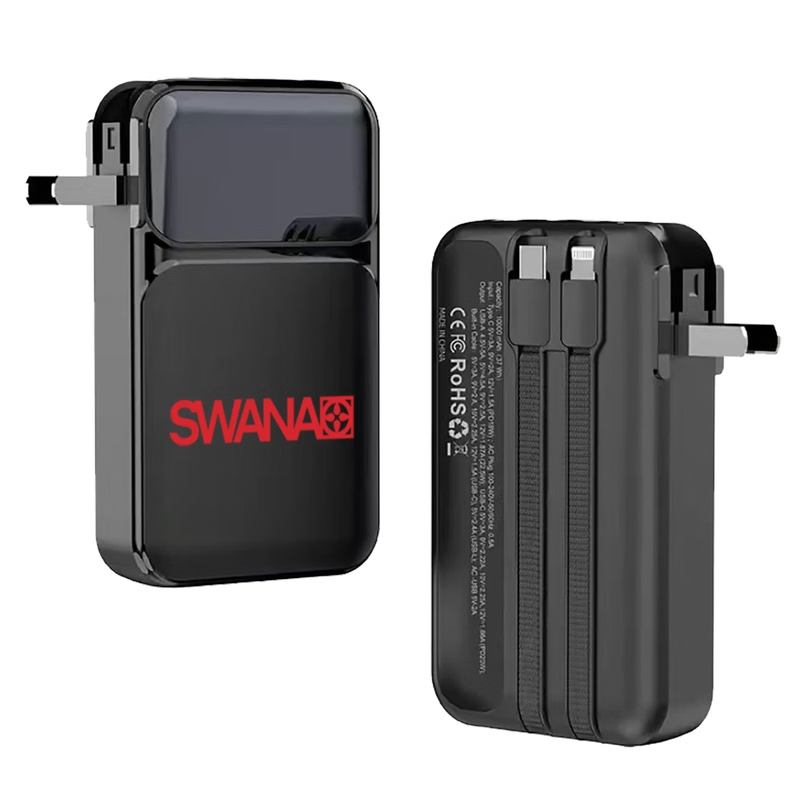
10,000 mAh Portable Charger w/Built In Wall Plug Power Bank
$27.43 - $32.36
View product
Frequently Asked Questions About Power Banks on Flights
Can I bring a 10,000 mAh power bank on a plane?
Usually, yes. At 3.7 V, a 10,000 mAh battery holds about 37 Wh, comfortably below 100 Wh.
Is a 20,000 mAh power bank allowed in flight?
Usually, yes. At 3.7 V, it equals about 74 Wh. Always check the printed rating.
Can I take a 30,000 mAh power bank on a plane?
It depends on voltage. At 3.7 V, 30,000 mAh equals about 111 Wh, which requires FAA approval for air transport.
Is a 50,000 mAh power bank allowed?
Often not. At 3.7 V, it reaches about 185 Wh, exceeding the normal passenger limit.
Can portable chargers go through TSA?
Yes. Portable chargers can be carried in carry-on baggage, subject to screening and battery limits.
Do power banks have to be in carry-on luggage?
Yes. Spare lithium batteries and power banks cannot travel in checked luggage.
Can I bring multiple power banks on a plane?
It depends on the route and carrier. ICAO’s 2026 international framework limits passengers to two power banks. US FAA quantity rules differ for batteries under 100 Wh.
Do I need to take portable chargers out at TSA?
TSA can request additional screening. Follow instructions at the checkpoint. Keeping travel electronics organized makes inspection easier.
Is a power bank a lithium battery?
Most modern power banks contain rechargeable lithium-ion batteries. That is why lithium battery rules apply.
Can rechargeable batteries go on a plane?
Yes, within applicable capacity limits and battery airline rules. Spare rechargeable batteries belong in carry-on baggage.
Can I bring a power bank on an international flight?
Usually, yes, but international flights can involve stricter aviation regulations and airline policies. Check every operating carrier.
Can I bring a phone charger or laptop charger?
A standard wall charger without a battery generally does not count as a power bank. A charging accessory with built-in battery storage does.
Conclusion: Fly Smarter With Your Power Bank in 2026
Power banks are allowed on many flights, but smart packing matters. Keep your portable power in carry-on baggage, confirm its Wh rating, protect the terminals, and review current airline regulations before departure.
For international travel, pay particular attention to the 2026 two-power-bank framework and recharging restrictions. For US flights, remember that FAA limits and individual airline policies can differ.
Good battery safety protects you, other passengers, flight crew, and the aircraft.
RELYmedia helps businesses turn useful charging accessories into branded products people can use at conferences, on commutes, and throughout their travels.
Ready to put useful branded power in your customers’ hands? Connect with RELYmedia to plan a custom charging program for your next campaign, event, or travel initiative.
Shop this
Need custom travel power banks? We print them.
Bulk pricing, three free mockups, real quotes back the same business day.