Difference Between Power Bank and Wireless Charger: Explained
October 25, 2026 · 10 min read
Keeping a phone alive through a long workday sounds simple until the battery drops to 12% and no outlet is nearby. That is where the power bank and wireless charger comparison becomes useful.
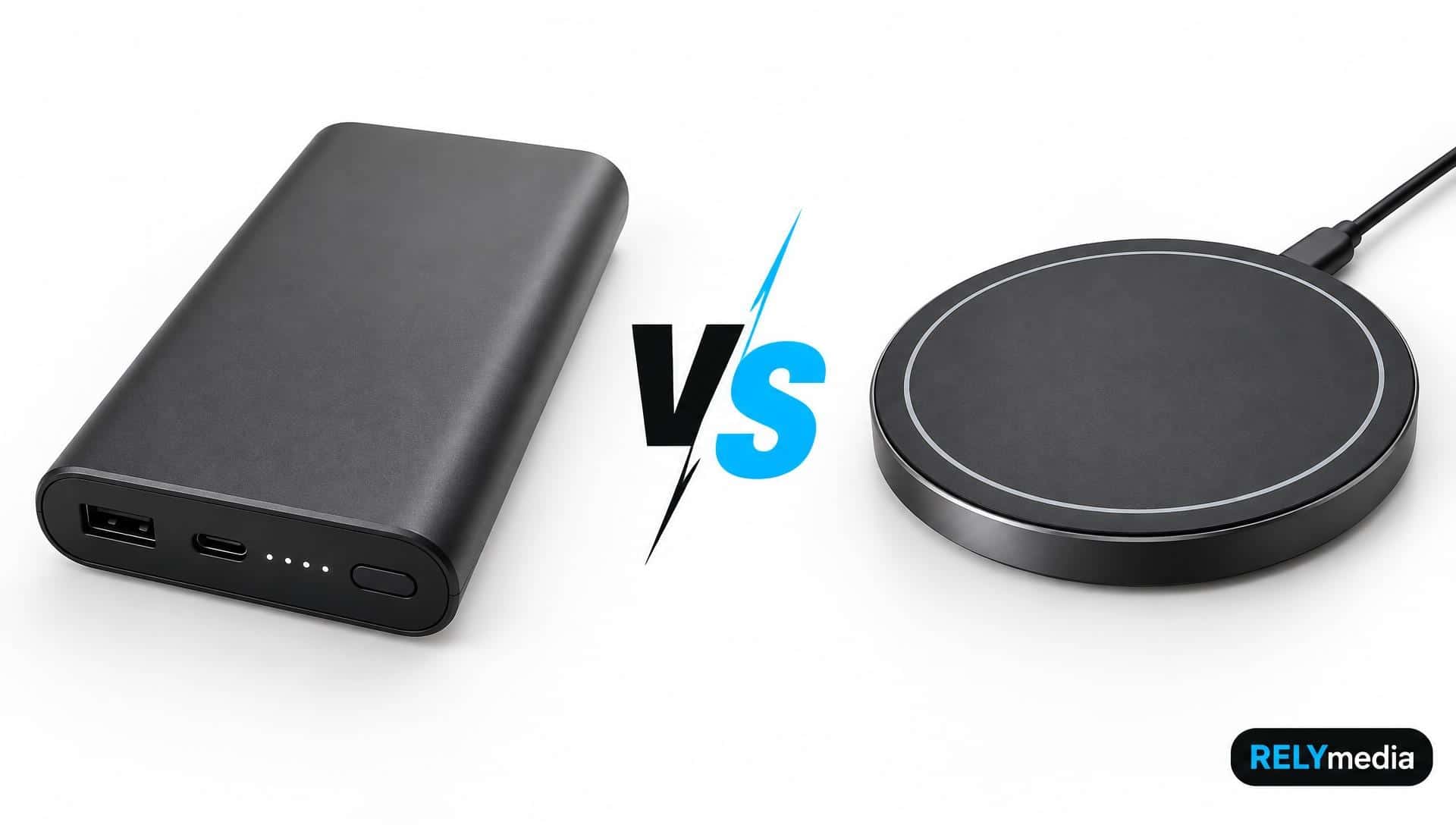
Both solve the same basic problem, but they do it differently. A power bank stores energy you can carry. A wireless charger transfers power to a compatible device without plugging a cable into the device itself.
This guide explains the practical differences between a power bank and a wireless charger, including speed, compatibility, efficiency, portability, and real-world use with common electronic devices.
💡Quick answer: Choose a power bank for portable power away from an outlet. Choose a wireless charger for convenient, cable-free charging at a desk, bedside table, or another fixed location.
Power Bank vs Wireless Charger: Quick Comparison
| Feature | Power Bank | Wireless Charger |
|---|---|---|
| Main purpose | Portable charging | Cable-free charging |
| Power source | Internal battery | Usually a wall outlet |
| Charging method | Wired charging, often USB-C | Wireless induction |
| Mobility | Excellent | Best for fixed charging locations |
| Device compatibility | Broad across USB-powered devices | Requires compatible wireless charging |
| Charging speed | Often faster with supported fast charging | Depends on standard, alignment, and device |
| Multiple devices | Common with several output ports | Available on multi-device charging stations |
| Best use | Travel, commuting, emergencies | Home, office, desk, nightstand |
The key distinction is energy storage. A power bank stores electrical energy, while most wireless chargers require an external power supply.
What Is a Power Bank?
A power bank is a rechargeable portable battery that delivers an energy boost away from a power outlet. Charge its internal battery first, then use that stored electrical energy later.
Most models support charging for phones, earbuds, and tablets. Higher-output models can support laptop charging when their ports, cables, and power delivery specifications match.
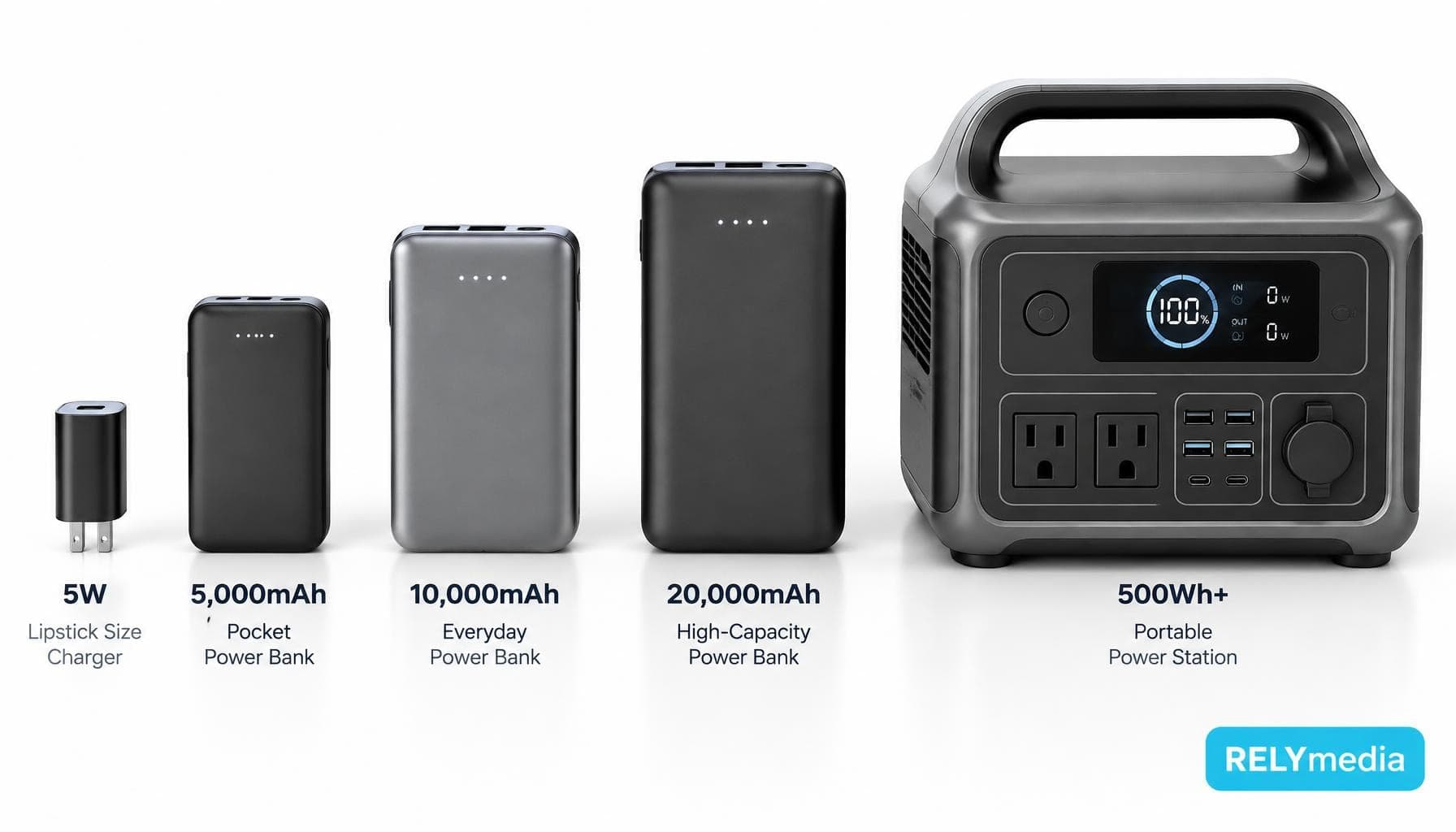
Battery capacity is usually listed in milliamp-hours (mAh). A larger number does not automatically mean better charging performance. Conversion losses, cable quality, device demand, and power output also affect usable charging capacity.
A multi-port power bank can charge multiple devices, which is helpful for travelers, teams, and families.
How a Power Bank Delivers Portable Power
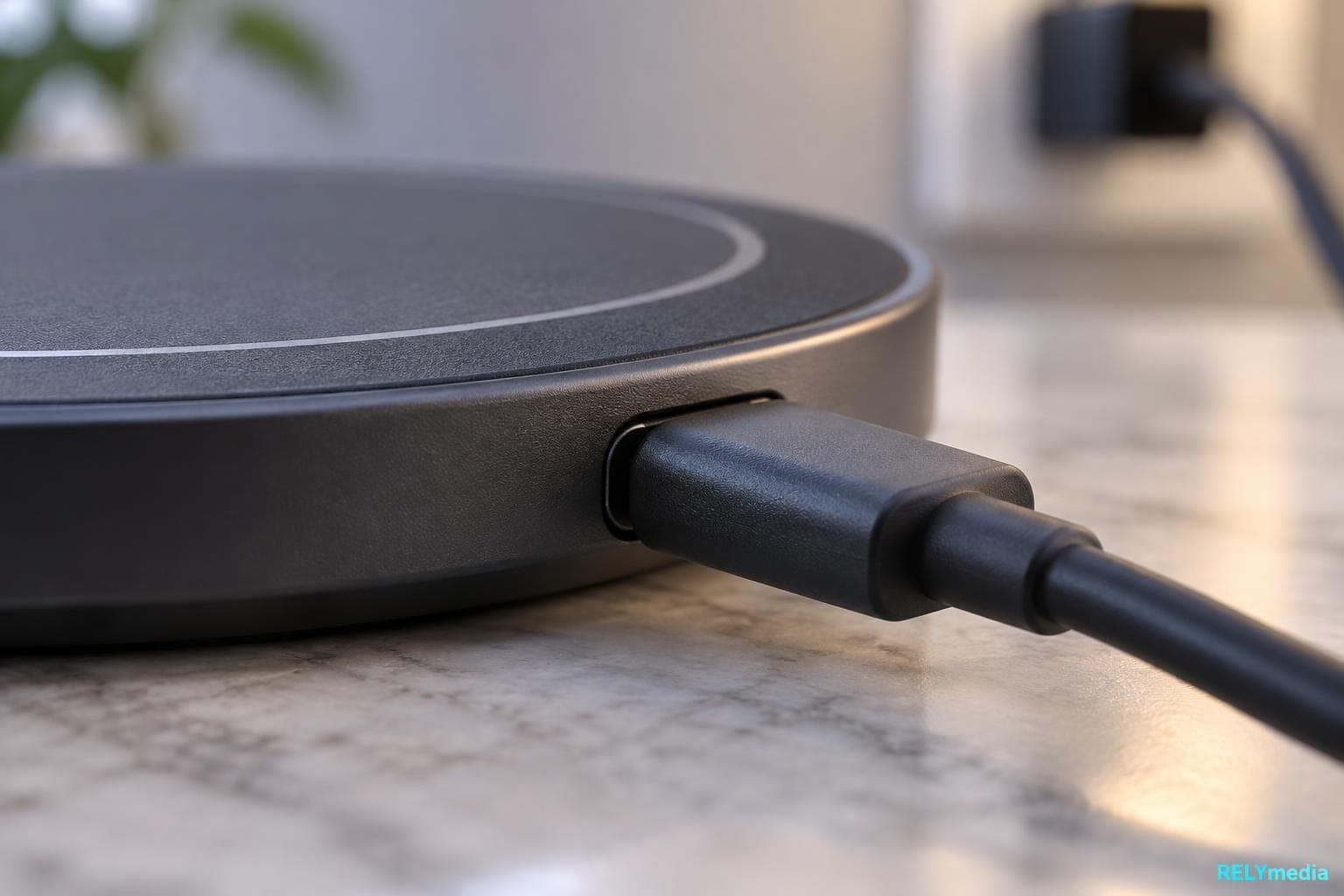
The battery cells inside the unit hold electrical energy. Control circuitry then regulates the energy before sending it through output ports, a USB cable, a USB-C cable, or a built-in connector.
USB-C charging can deliver far more than basic phone power. USB Power Delivery supports up to 240W when the charger, cable, and device meet the required specifications, making USB-C useful for some high-powered devices and compatible laptops.
What Is a Wireless Charger?
A wireless charger transfers electrical energy without inserting a physical cable into the device's charging port. It still usually requires a wall outlet, a USB-C adapter, or another power source.
Wireless charging technology commonly uses electromagnetic induction. A coil inside the charging pad or charging stand generates an electromagnetic field, while a receiver coil converts that energy into electrical power for the battery.
So “wireless” does not mean wire-free. The device connection is cable-free, but the charger often remains connected to a power supply.
Qi Charging and Wireless Charging Standards
Qi is a major wireless charging standard from the Wireless Power Consortium. Qi-certified products undergo interoperability and safety testing. Qi2 adds magnetic alignment for better positioning and efficiency, while Qi2 25W raises supported charging power.
Alignment matters.
What Is the Difference Between a Power Bank and Wireless Charger?
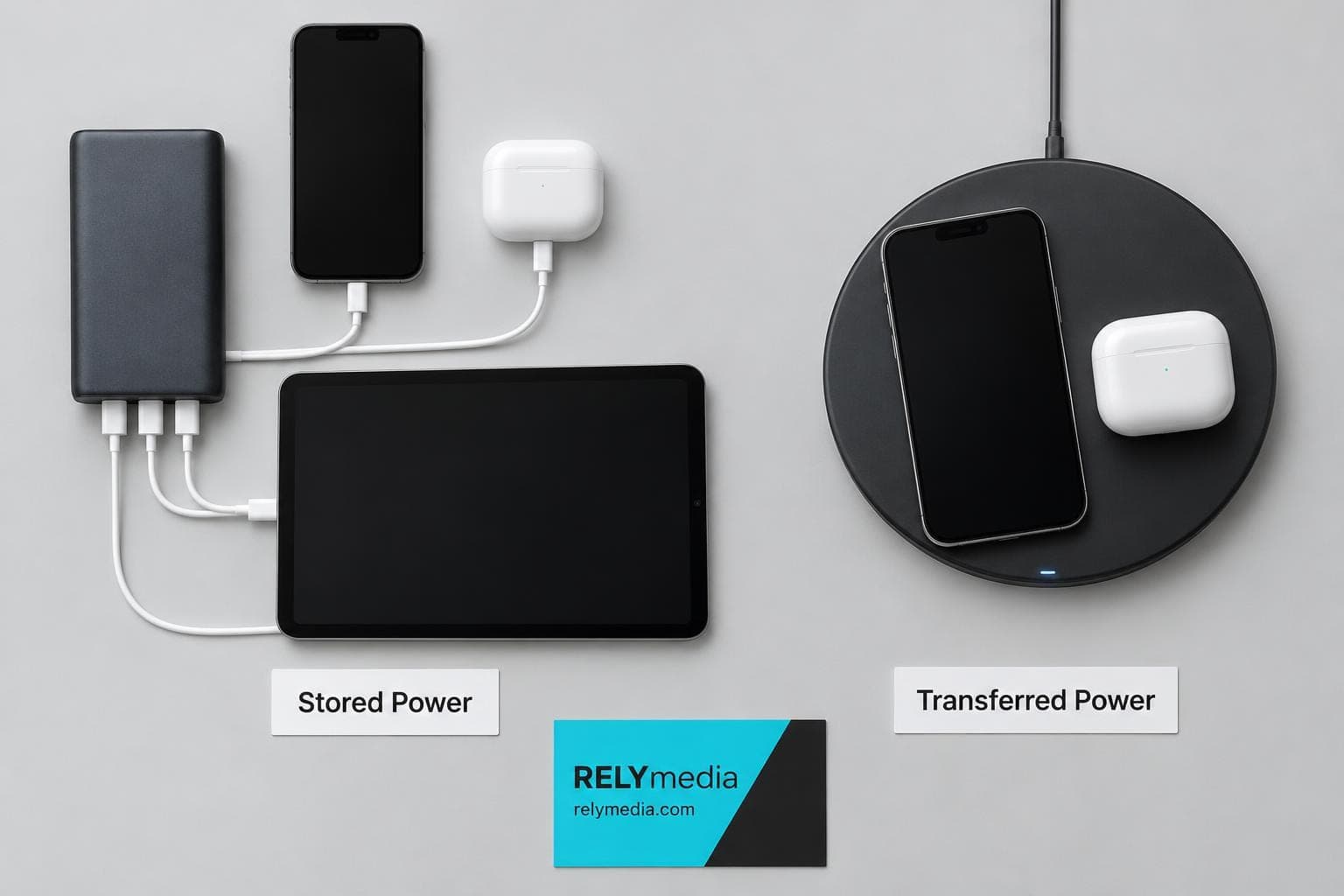
The simplest distinction is between stored power and transferred power.
A power bank is a portable power source. A wireless charger typically delivers power from a power source to a device via wireless power transfer.
Wired Charging vs Wireless Charging
Wired charging uses a direct electrical path through a charging cable. Wireless charging sends energy across a small gap using electromagnetic induction.
That difference affects charging efficiency. Wired charging generally loses less energy, while wireless charging trades some efficiency for convenience and easier placement.
Charging Speed and Charging Performance
Charging speed depends on the entire charging chain, not on a single headline number.
Important factors include:
- charger power output
- supported charging technology
- device charging limits
- charging cables
- battery temperature
- battery state of charge
- wireless alignment
- simultaneous charging demands
A fast-charging power bank cannot force unsupported power into a phone. Likewise, a charging pad cannot exceed the device's wireless charging capabilities.
Device Compatibility
Power banks usually offer broader charging compatibility because many electronic devices accept USB charging. Wireless charging devices need compatible receiving hardware, so support is not universal.
Ordering charging gear in volume?
RELYmedia can help you consider device compatibility before you commit to a promotional product.
Power Bank vs Portable Charger: Is There a Difference?
In everyday shopping, power bank and portable charger usually refer to the same category: a rechargeable battery for charging on the go. The same applies to a portable charger vs. a power bank. “Portable charger” is broader, while “power bank” emphasizes stored battery power.
You may also see portable wireless charger in searches. The standard spelling is “portable wireless charger,” which often refers to a battery-powered wireless charger or a wireless charging power bank.
When Should You Choose a Power Bank?
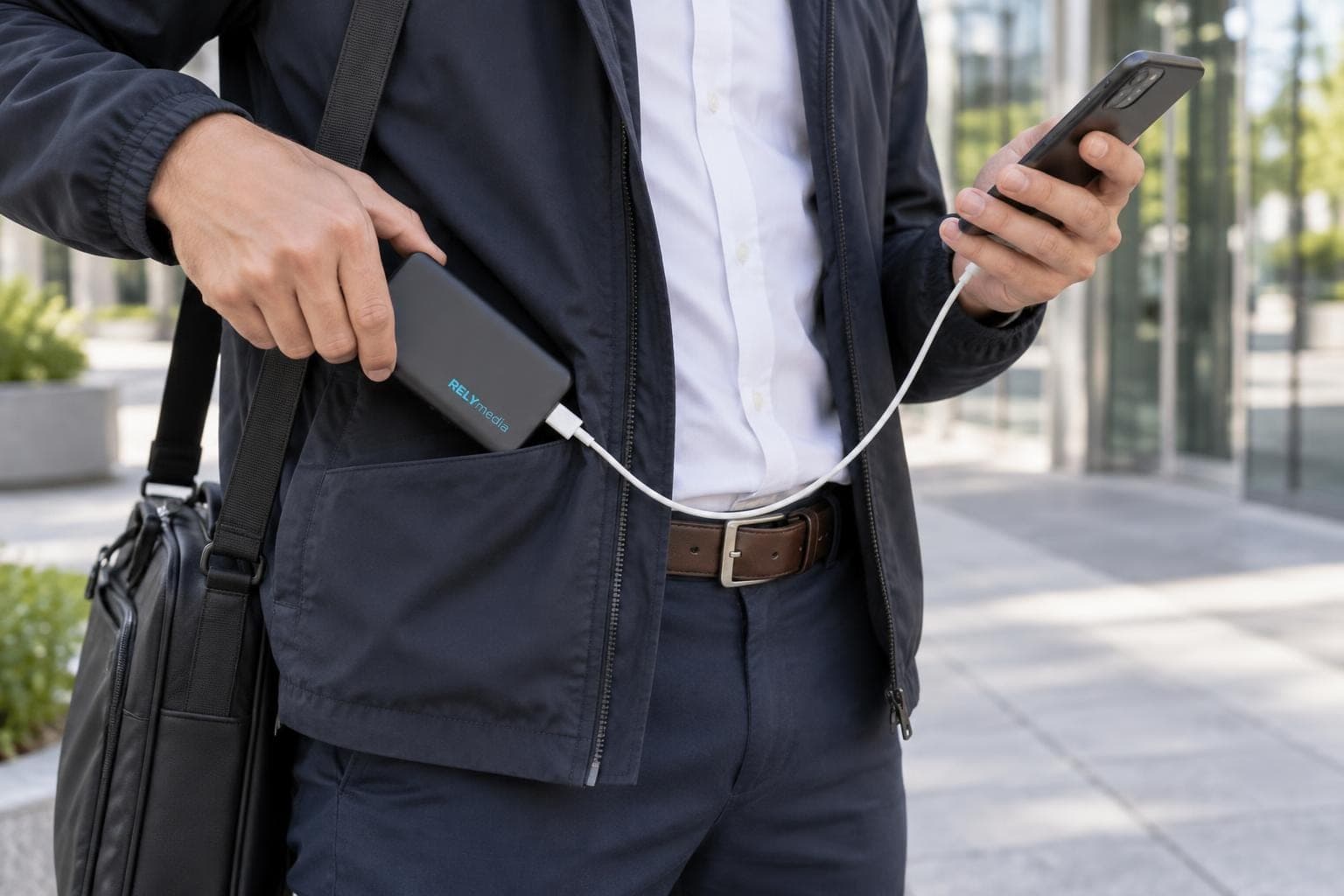
Choose portable charging when your charging locations change throughout the day. A power bank works well for travel charging, emergency charging, commuting, outdoor events, conferences, field work, and off-grid charging.
A high-capacity power bank helps when you carry several devices. Remember that capacity represents stored energy, while power output determines how much a unit can charge and how quickly.
Travel and Emergency Charging
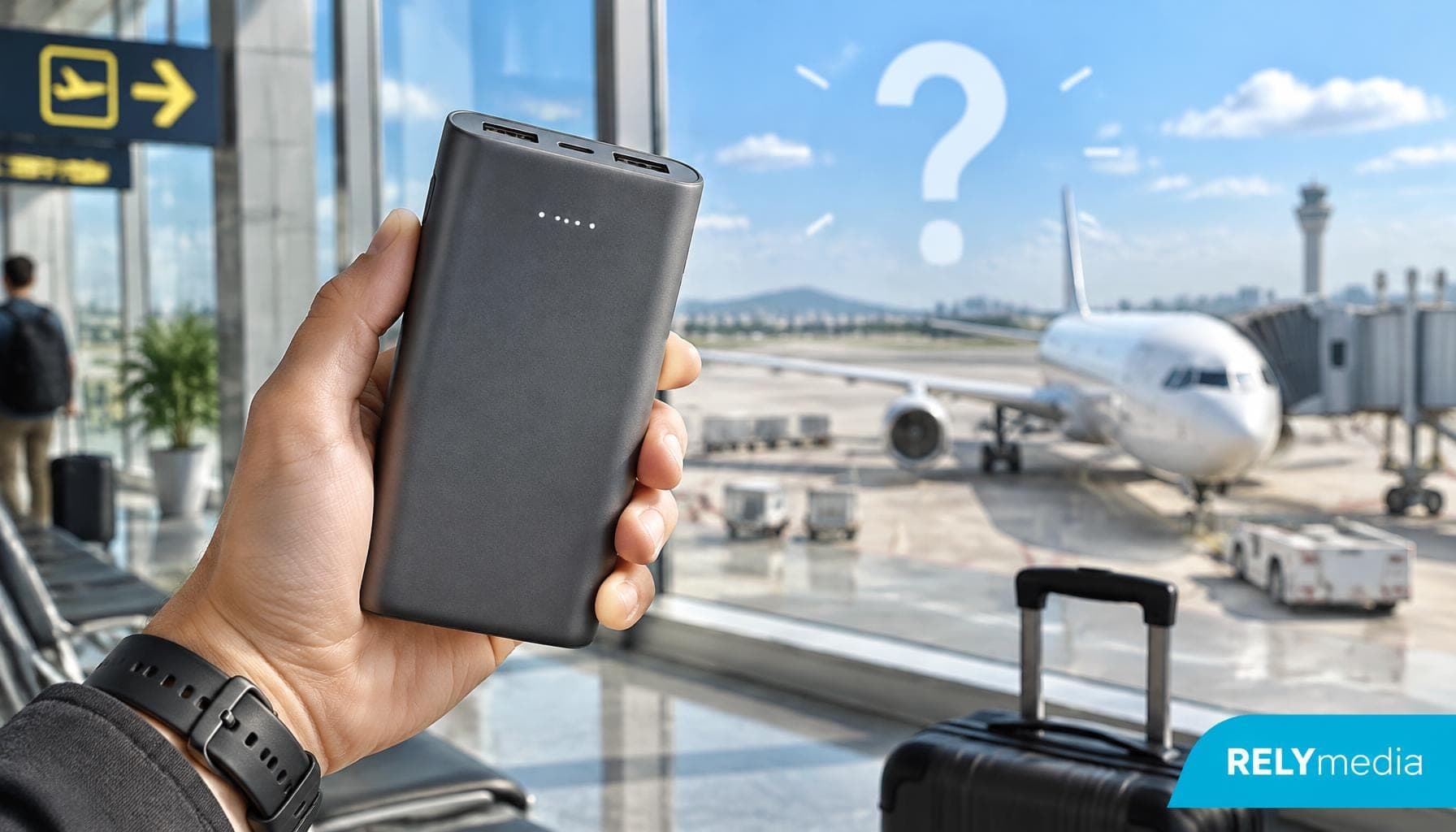
For air travel, the FAA says power banks and portable chargers must stay in carry-on baggage. Batteries up to 100Wh are generally allowed, while 101–160Wh batteries require airline approval. Airlines may impose stricter limits.
When Should You Choose a Wireless Charger?
A wireless charger is ideal for fixed-location charging. It is especially convenient for home, office, desk, nightstand, and bedside charging.
Instead of plugging and unplugging a phone repeatedly, you place it on the charging area. That reduces cable handling and may reduce wear on the charging port and cable over time.
A charging station can improve cable management. Some 3-in-1 charger designs combine smartphone, earbud, and smartwatch charging into a single dock stand for a tidy desk.
The tradeoff is portability. A standard wireless charger still needs access to power.
What About a Wireless Charging Power Bank?
A wireless charging power bank combines a portable battery with a wireless charging area, giving compatible devices cable-free power.
This hybrid design improves charging flexibility. Use wired charging when speed matters, then switch to wireless when convenience matters. Because wireless transfer adds losses, usable delivered energy may be lower than the printed battery capacity.
Power Bank vs Wireless Charger for Different Devices
The best charging device changes with the electronics you carry.
Smartphones
Both options work well for many smartphones. A power bank is ideal for everyday charging while commuting or traveling. A wireless charging stand works well at a workstation, kitchen counter, or nightstand.
Tablets and Laptops
Tablets often benefit from wired USB-C charging. Laptop charging demands enough power output and the right protocol. Standard wireless chargers generally do not replace laptop power supplies.
Bluetooth Earbuds and Wireless Headphones
Many earbud cases support Qi charging. However, support for wireless charging in wireless headphones varies. Check the manufacturer's specifications before assuming compatibility.
Smartwatches
Smartwatch charging can be brand-specific. A multi-device charging station may support simultaneous charging of a phone, earbuds, and a watch, but verify compatibility for each device.
Key Factors to Consider Before Choosing
Your charging habits should drive the purchase. Use these questions:
- Where do you charge? Choose portable charging for changing locations and fixed charging for predictable spaces.
- What devices do you carry? Check charging compatibility before buying.
- How much energy do you need? Compare battery capacity and charging capacity.
- How much power is required? High-powered devices may need stronger USB-C power delivery.
- How quickly do you need power? Compare realistic charging times, not just maximum wattage.
- How many devices need power? Consider multi-port charging or multi-device charging.
- How important is convenience? Cable-free charging can simplify an everyday charging routine.
- Do you travel often? Weight, size, airline limits, and portable energy matter.
A commuter may value a compact portable battery. A receptionist may prefer a charging stand. A sales team may need high-capacity portable power. These charging use cases show why one impressive specification should not drive the decision.
For branded programs, choose around the recipient rather than the spec sheet. RELYmedia can help align charging products with real-world needs and brand goals.
Power Bank or Wireless Charger: Which Fits Your Charging Routine?
Choose a power bank for portable power, emergency backup, travel charging, or an energy boost away from outlets. Choose a wireless charger when cable-free charging matters more than mobility. Choose a wireless charging power bank when you want both charging methods in one charging companion.
Your charging needs, charging habits, charging locations, device compatibility, and desired charging experience should decide.
Ready to print your team's name on premium apparel?
Fill in your details and a RELYmedia specialist will come back to you with a custom quote — fast turnaround, no obligation.
- ⚡Same-day response on business days
- 🎨Free design assistance included
- 🚚Rush order & fast delivery available
- 💰Price beat guarantee on every order
Shop custom power banks and chargers
See all power banks & charging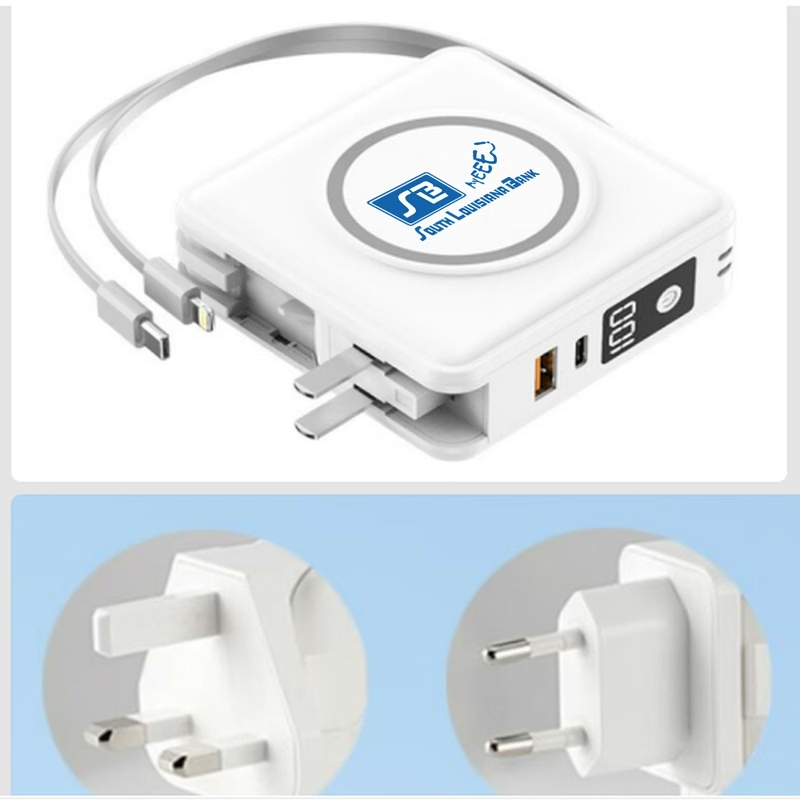
10,000 mAh Wireless Fast Charging Power Bank and 5IN1 Travel Charger w/Intl
$48.25 - $53.66
View product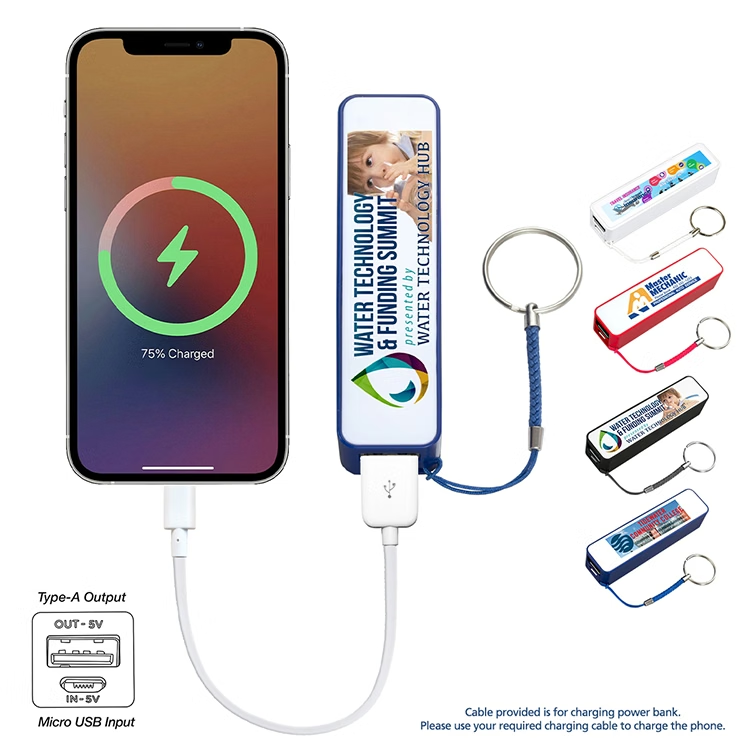
In Charge PB200 UL Listed 2200 mAh Portable Lithium Ion Power Bank Charger PB1004
$7.03 - $7.91
View product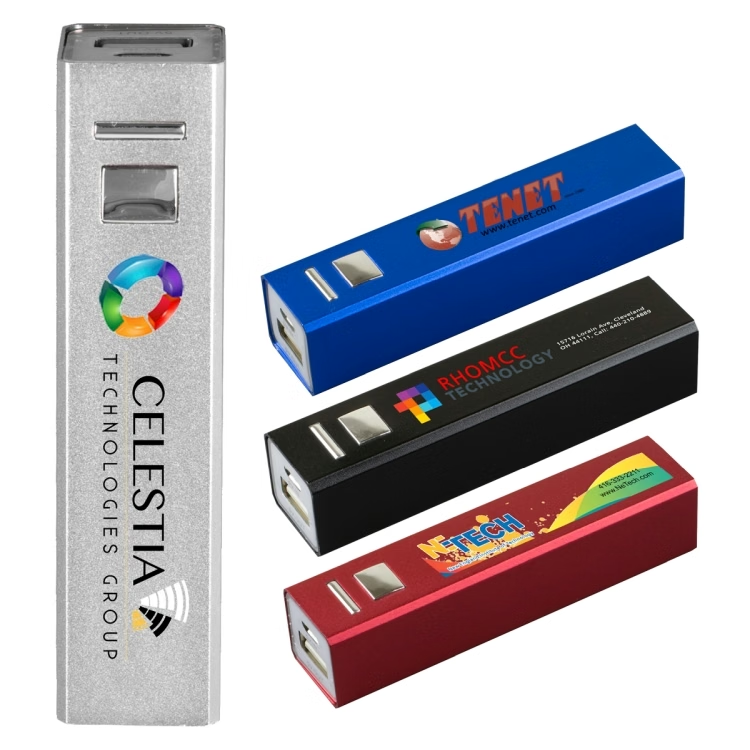
In Charge Alloy UL Listed Aluminium 2200 mAh Lithium Ion Portable Power Bank Charger
$7.57 - $8.85
View product10,000 mAh Energizer® Mag-N-Kick™ Wireless Charger Power Bank And Phone Stand
$34.39 - $52.31
View product10,000 mAh Wireless Charger Power Bank
$25.59 - $44.77
View product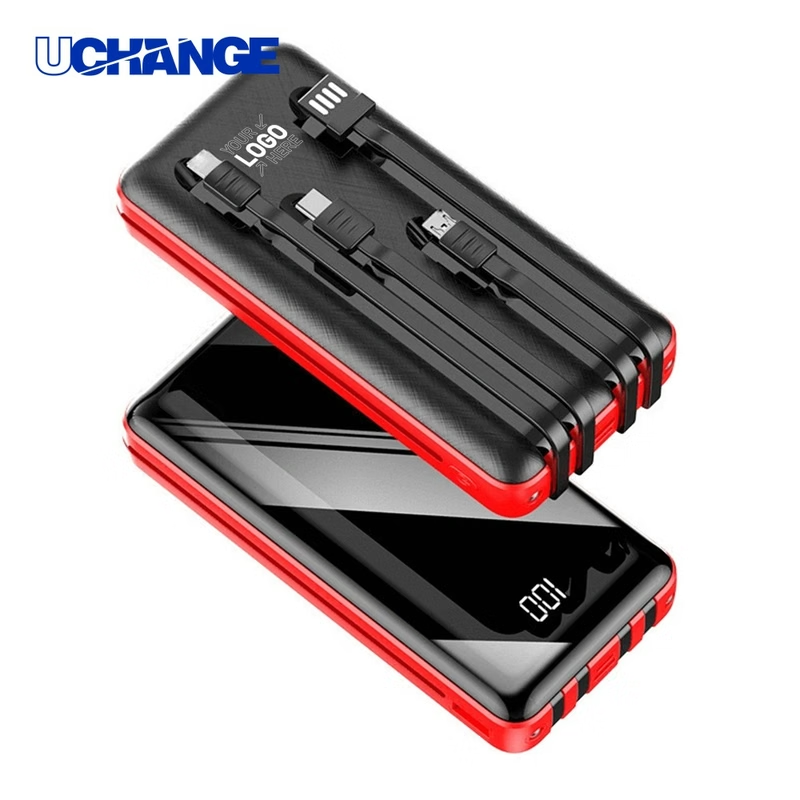
10,000mAh Portable Charger Power Bank with Dual Flashlight
$7.63 - $12.53
View product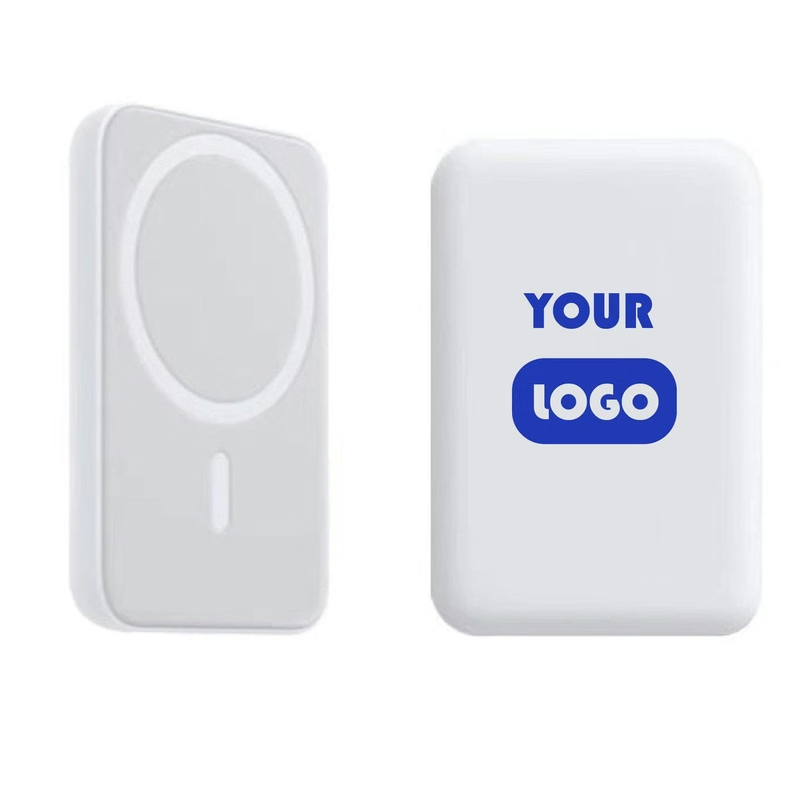
10,000 mAh Wireless Charging Power Bank
$11.58 - $25.35
View product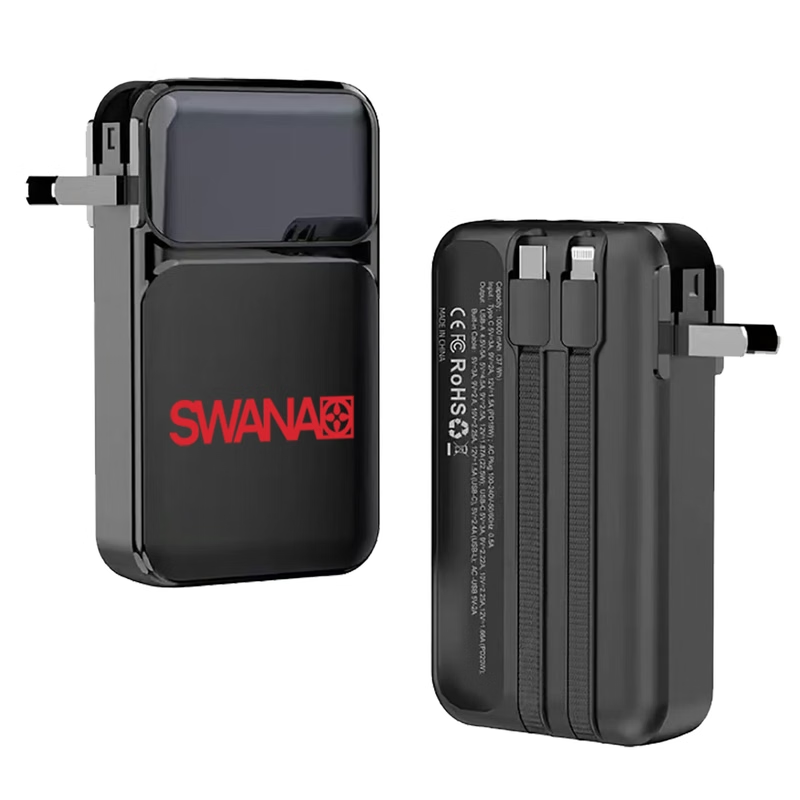
10,000 mAh Portable Charger w/Built In Wall Plug Power Bank
$27.43 - $32.36
View product
Conclusion
The difference between a power bank and wireless charger comes down to how each manages energy. A power bank stores battery power and carries it with you. A wireless charger transfers energy without plugging a cable into the receiving device, but it usually relies on an external power source.
Power banks excel at travel, emergencies, and mobile work. Wireless chargers excel at convenient, repeatable charging in fixed locations. Hybrid wireless power banks bridge both needs.
For businesses, usefulness matters as much as branding. RELYmedia helps organizations choose promotional products around audience needs, quality expectations, and tight timelines.
Ready to turn useful charging equipment into a practical brand touchpoint?
Connect with RELYmedia to discuss promotional charging products for your next campaign.
Frequently Asked Questions
Which is better, a power bank or wireless charger?
Neither is universally better. A power bank is more useful for charging on the go and off-grid charging. A wireless charger offers greater charging convenience at fixed locations.
Can a wireless charger work without a power outlet?
A standard wireless charger needs an external power source. A wireless charging power bank can provide wireless charging from its own internal battery.
Can I use a wireless power bank as a wireless charger?
Yes, if the power bank supports wireless output and your device supports the same wireless charging standard. Place the device correctly on the wireless charging area.
Is a portable charger the same as a power bank?
Usually. Consumers often use both terms to refer to a portable battery that stores energy and charges devices away from a wall outlet.
Does wireless charging work with every smartphone?
No. The phone needs built-in wireless charging capabilities or compatible receiving hardware. Check its specifications for Qi or another supported standard.
Is wireless charging slower than a power bank?
Not always. Charging speed depends on the charger's output, the device's limits, charging standards, temperature, and alignment. Wired charging often remains more efficient.
Can a power bank charge a laptop?
Some can. Look for sufficient USB-C power output, Power Delivery compatibility, and a cable rated for the laptop's charging requirements.
Can a power bank charge multiple devices at the same time?
Yes. Many models provide multiple output ports and support simultaneous charging. Available power may be shared across connected devices.
Can wireless headphones use wireless charging?
Some can, often through a compatible charging case. Check the product specifications because wireless charging support differs by model.
Does wireless charging damage battery lifespan?
Wireless charging is designed for normal battery use. Heat contributes to aging, so good alignment and compatible equipment remain important.
Shop this
Need custom power banks? We print them.
Bulk pricing, three free mockups, real quotes back the same business day.