How to Safely Maintain, Use, and Dispose of Your Power Banks
October 27, 2026 · 10 min read
A dependable power bank can save a workday, a delayed flight, a trade show, or a road trip. Most models use a rechargeable lithium-ion battery, so charging, storage, inspection, and disposal matter.
You do not need to become a battery engineer. Practical habits can protect battery health, preserve performance, reduce fire risk, and signal when a portable charger is nearing the end of its life.
This guide covers safe use, maintenance, warning signs, recalls, and responsible recycling. RELYmedia also helps organizations choose useful branded products for real-world, everyday needs.
Looking for practical branded tech? Explore RELYmedia power bank options for your next campaign.
How to Safely Use and Prolong the Life of Your Power Bank
Every charging cycle creates battery wear. Over time, chemical reactions within battery cells alter the energy-storing materials. That battery degradation is normal, but excessive heat, physical damage, and poor charging habits can accelerate it.
Use the Right Charger, Cable, and Power Source
Start with the manufacturer's guidance. Match the recommended input, cable, and charging capacity. A suitable charger helps the power bank manage power delivery without unnecessary strain on the battery.
Avoid frayed cables, bent connectors, loose ports, and damaged adapters. Poor connections may create heat buildup or unstable charging behavior. If the cable or plug becomes unusually hot, stop charging and inspect the equipment.
Good build quality and safety features can help manage charging, temperature, and power distribution. They cannot make a damaged battery safe.
Build Better Charging Habits
You do not need to keep every charge level perfect. Still, repeated complete discharge and unnecessary overcharging can add stress over time.
A charge cycle roughly represents one full battery capacity used across one or more charges. As cycles accumulate, capacity declines. You may notice fewer device charges, longer recharge time, or reduced battery life.
For safer charging:
- Use compatible charging equipment.
- Keep charging ports clean and dry.
- Avoid charging under pillows, blankets, or clothing.
- Stop if the unit becomes excessively hot.
- Follow product instructions before charging another device while the power bank itself is recharging.
- Do not force cables into damaged ports.
These habits support battery longevity and more consistent charging performance.
Match Battery Capacity to the Job
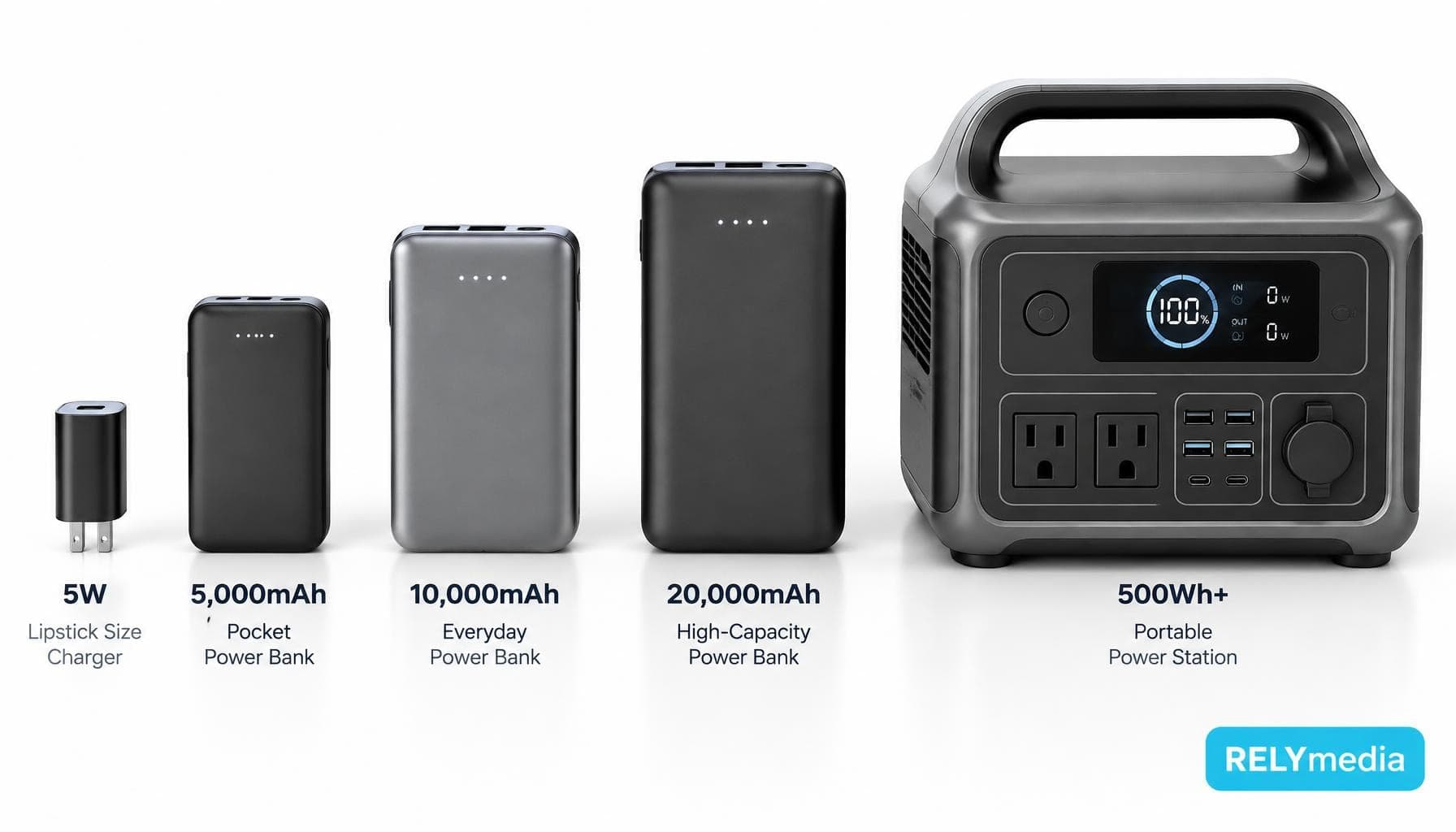
Higher capacity does not automatically mean a better power bank. A larger unit may be better suited for travel, fieldwork, or powering other devices. A smaller capacity model can be lighter and easier to carry.
Energy conversion causes losses, so the labeled capacity never fully transfers to a phone. For giveaways, matching capacity to real use often matters more than choosing the biggest number.
RELYmedia can help you compare branded power options for employees, clients, events, and customer gifts.
Keep Power Banks Away From Excessive Heat
High temperatures accelerate battery aging and may damage internal components. Never leave a power bank in direct sunlight, beside a heater, or inside a hot parked vehicle.
Some warmth during battery charging can be normal. Persistent overheating is different. An unusually hot power bank can signal internal battery damage, hardware failure, or battery malfunction.
Extreme temperatures also hurt battery life. Store and use the unit within the temperature range provided by its manufacturer.
Practice Safe Power Bank Storage
Choose a cool, dry location out of direct sunlight. Protect the casing from crushing, bending, puncture, and accidental drops. If an impact causes deformation, casing damage, or unusual heat, stop using it.
Proper storage and careful handling support safe power bank maintenance.
How to Tell If Your Power Bank Is Starting to Fail
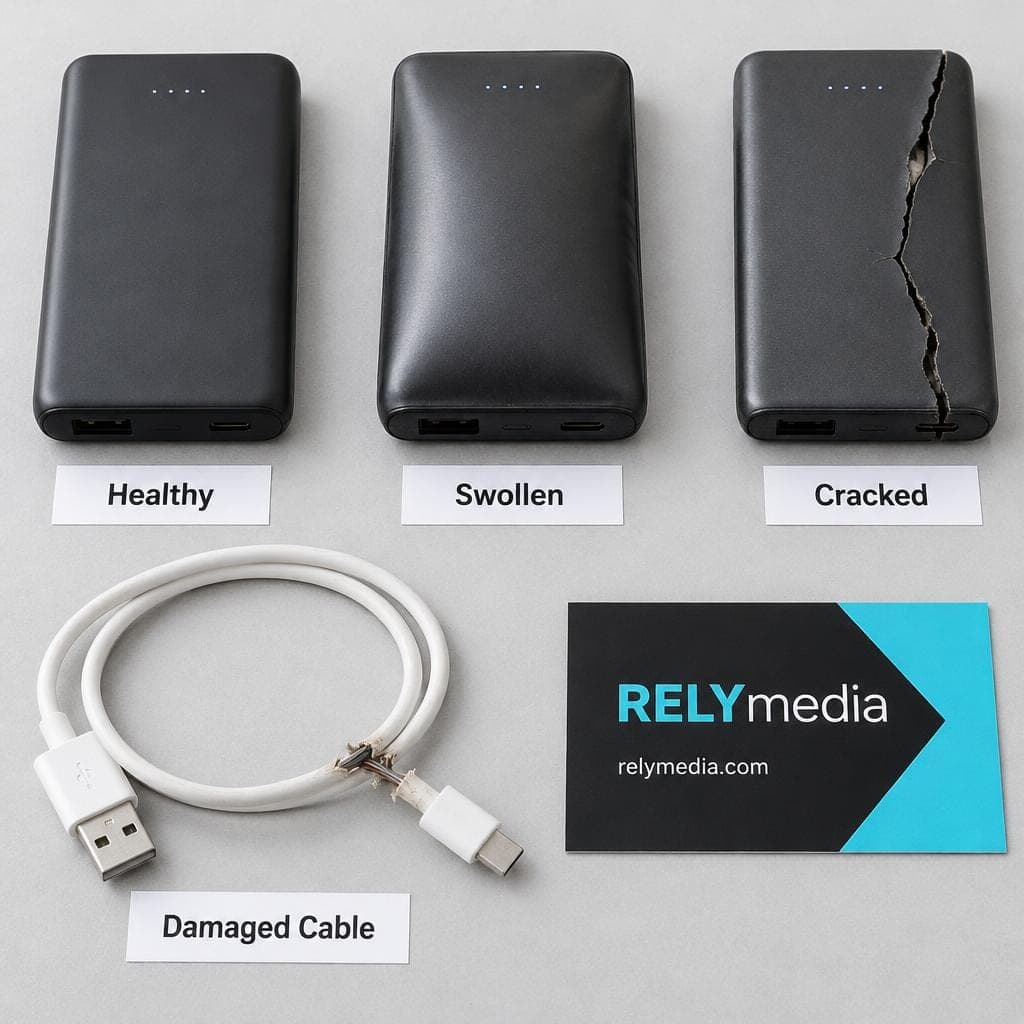
An aging power bank often shows clues before battery failure. Pay attention to changes in battery condition.
| Warning sign | Possible cause | Best response |
|---|---|---|
| Slower charging | Battery wear, cable issue, or port damage | Check approved accessories and monitor |
| Fewer device charges | Capacity loss or declining capacity | Plan replacement |
| Longer recharge time | Battery deterioration or charging issue | Inspect and compare performance |
| Excessive battery temperature | Internal damage or battery malfunction | Stop use |
| Swelling or bulging | Gas buildup inside battery cells | Stop use immediately |
| Smoke, melting, or leakage | Serious battery failure | Move away and seek safety guidance |
Watch for Reduced Battery Performance
Battery lifespan varies with battery capacity, charging habits, temperature, product reliability, and use. Common end-of-life symptoms include reduced performance, sudden battery drain, slower charging, fewer recharge cycles, and capacity loss. These replacement warning signs matter more when swelling, physical damage, excessive heat, or strange odors also appear.
Take Swelling and Casing Expansion Seriously
Battery swelling, battery bulging, and battery expansion are not cosmetic problems. Inside a failing lithium-ion battery, electrolyte decomposition can generate battery gases. Because the cells are enclosed in a sealed casing, gas buildup can push outward, causing the casing to deform.
Never puncture, squeeze, flatten, or open a swollen battery. A punctured battery can short-circuit and release energy quickly.
Battery leakage, smoke, melting, or a chemical smell also indicates a serious battery hazard. Stop power bank use immediately.
What Makes a Damaged Power Bank Dangerous?
A lithium-ion battery stores energy through controlled chemical reactions involving its electrolyte and internal components. Physical damage, manufacturing defects, battery deterioration, or extreme heat can disrupt that balance, triggering dangerous heat generation.
What Is Thermal Runaway?
Thermal runaway is a self-heating chain reaction. Rising battery temperature speeds internal reactions, which produce more heat. In severe cases, the battery may vent gas, smoke, ignite, or explode.
The Pipeline and Hazardous Materials Safety Administration warns that lithium batteries can experience thermal runaway and release stored energy and flammable gases when damaged or defective.
That is why battery fire, lithium-ion battery fire, burn risk, and battery explosion deserve serious attention. Fire prevention starts with proper use, safe charging, and early recognition of battery damage.
If a device is actively smoking, burning, or creating immediate danger, move away and contact emergency services.
Check Whether Your Power Bank Has Been Recalled
Battery failure does not affect only old products. A power bank recall can involve manufacturing defects, battery defects, or product safety problems discovered after sale.
CPSC recalled NEWDERY model ZHX-PB22 power banks on September 24, 2026 because their lithium-ion batteries could explode or ignite. The agency reported nine incidents, including a burn injury and a serious property fire.
Check the model number on the manufacturer's website and the U.S. Consumer Product Safety Commission database. Review official recall information, recall notices, and manufacturer recall instructions. Do not assume that a recalled model remains safe because it still charges normally.
For smart models, check product support for firmware updates, software updates, bug fixes, or performance improvements. Follow the product information for your exact model.
For branded electronics, RELYmedia can help you focus on practical product fit and dependable sourcing.
How to Properly Dispose of a Power Bank
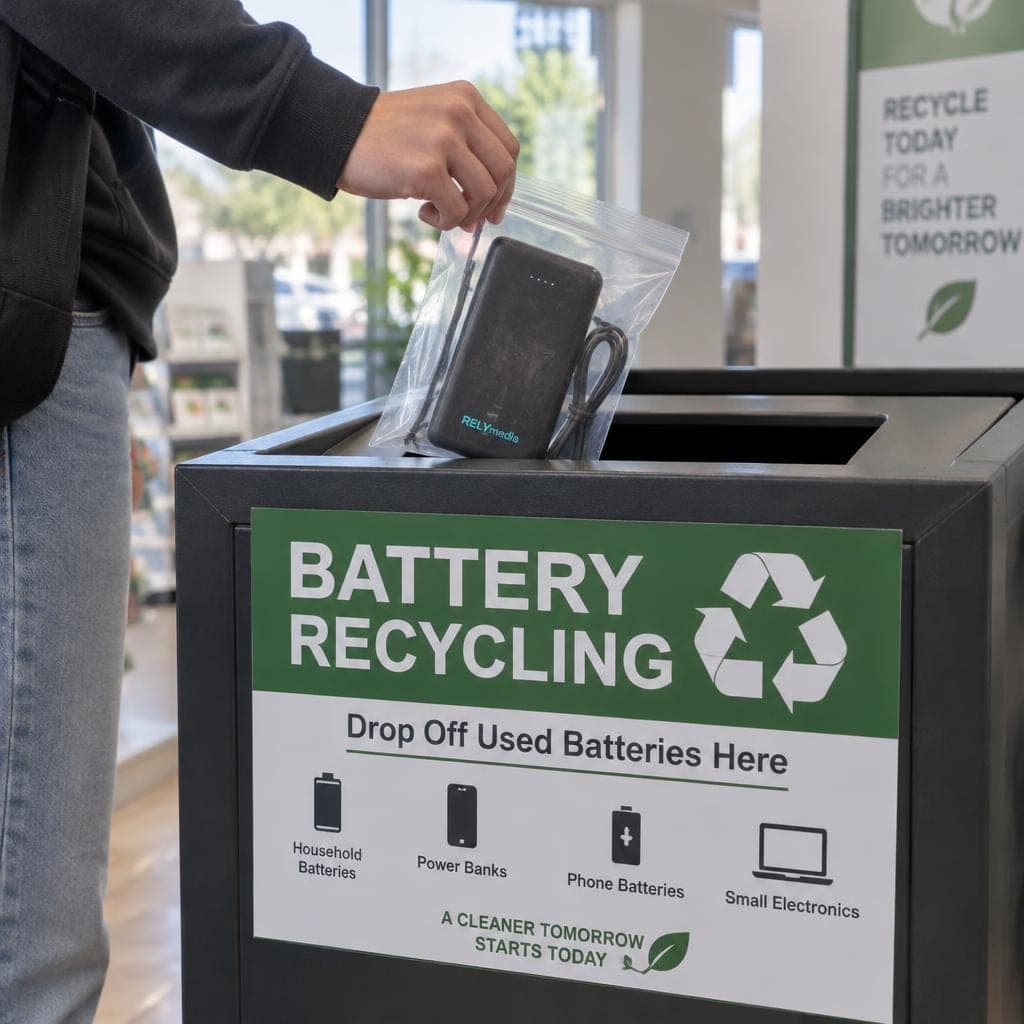
When a battery reaches end of life, disposal matters as much as daily maintenance. If you are asking how to dispose of a power bank, the first rule is clear: do not place it in household trash or a curbside recycling bin.
The EPA says lithium-ion batteries and devices containing them should go to separate battery recycling or household hazardous-waste collection points. Even used batteries may retain enough energy to start fires.
How to Dispose of Power Banks Through the Right Program
Suitable options may include:
- Specialized battery recycling programs
- Rechargeable battery recycling locations
- Certified electronics recycling facilities
- Electronics takeback services
- Participating retail recycling programs
- Household hazardous-waste programs
- Approved local disposal facilities
This is also the practical answer behind searches such as how to properly dispose of a power bank, how to dispose of a power bank, and the awkward but common query how to get rid of a power bank. The goal is the same: responsible disposal through a location equipped for lithium-ion battery recycling.
Local disposal requirements can differ. Check local disposal laws, safety regulations, and facility instructions before visiting. Do not assume every electronics recycling facility accepts damaged batteries.
Prepare an End-of-Life Power Bank for Recycling
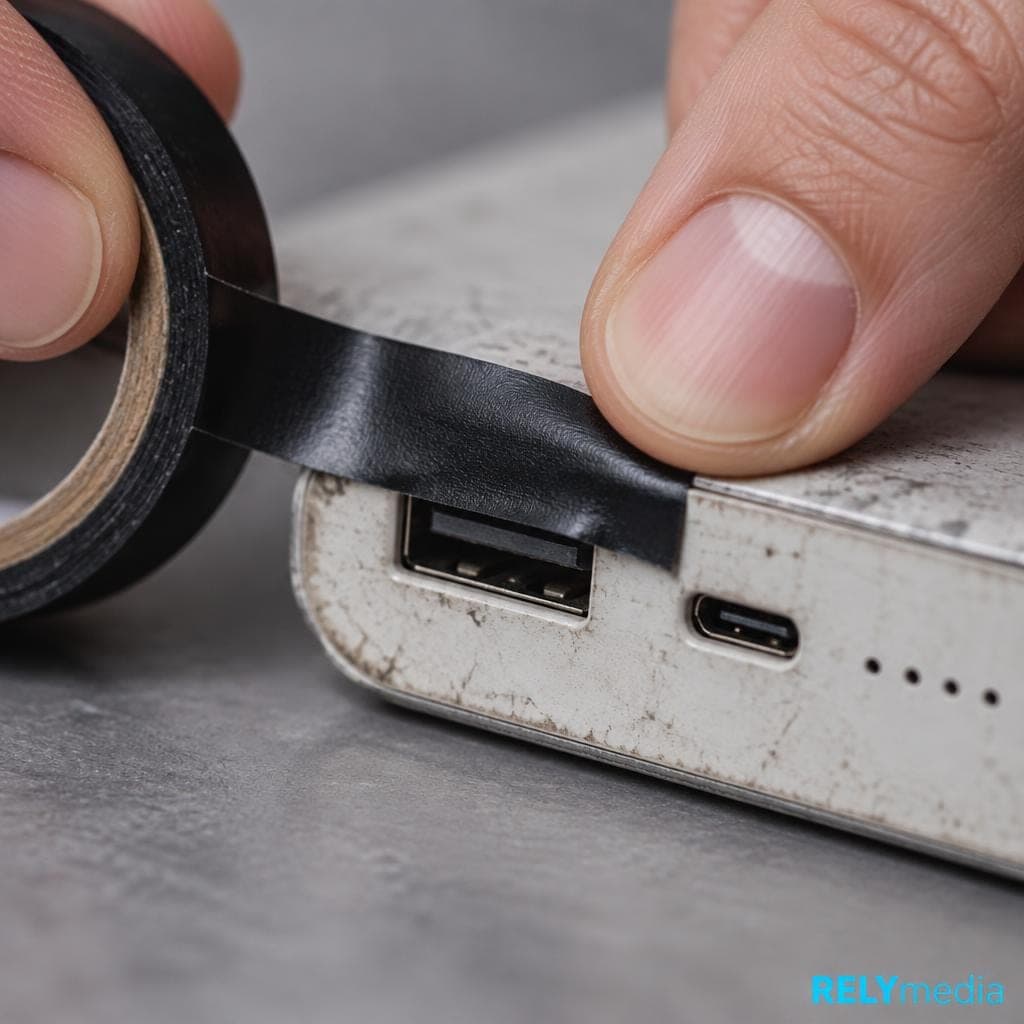
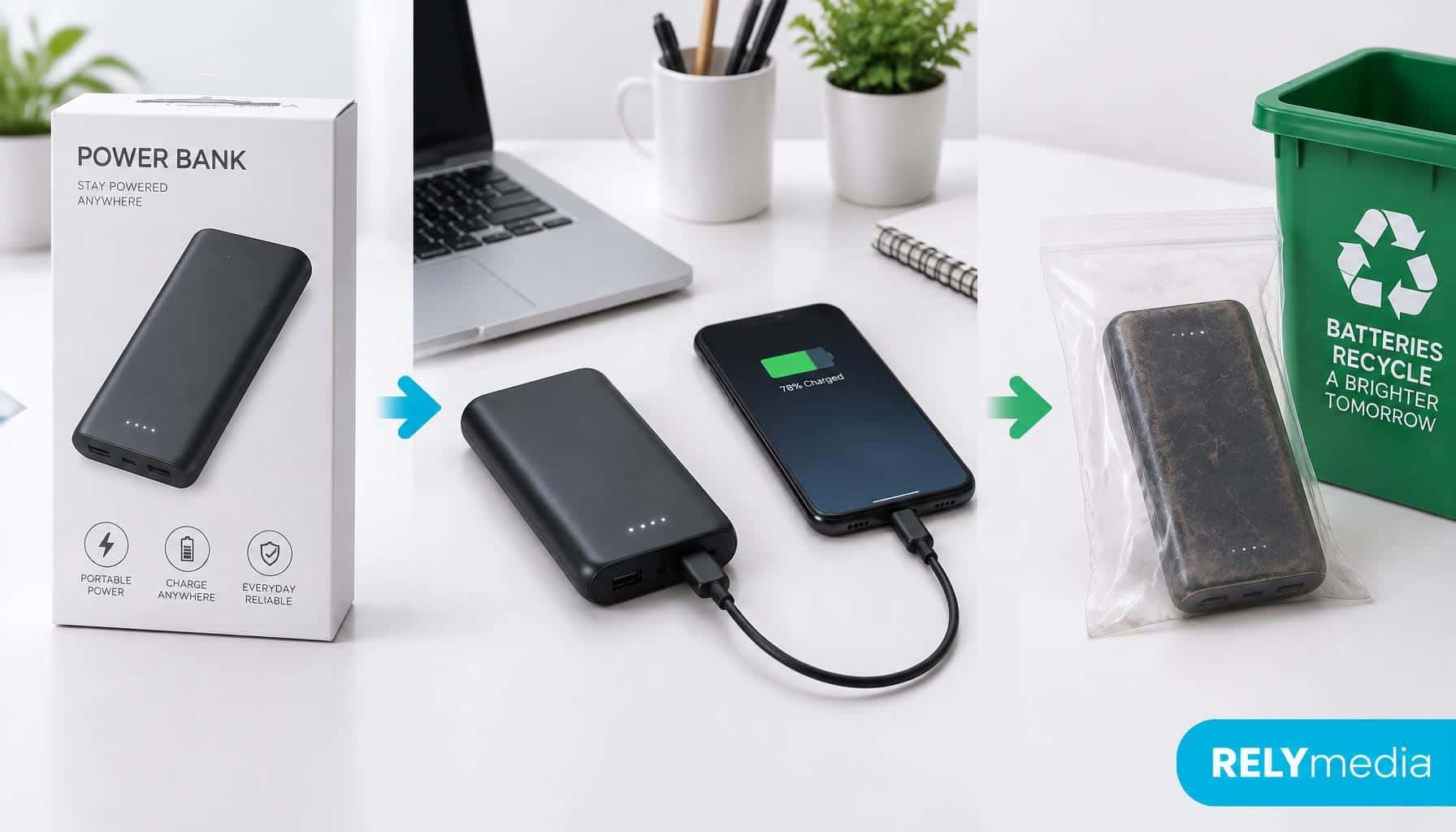
Follow the recycler's directions first. EPA recommends placing each battery or device containing one in a separate plastic bag and, when applicable, using nonconductive tape over exposed terminals. Those steps help reduce the risk of short circuits and fires during handling.
Do not dismantle a sealed power bank simply to remove battery cells. If the rechargeable battery is built into the device, ask the recycling facility how it wants the unit prepared.
Responsible recycling keeps hazardous electronics out of waste equipment not designed to handle them.
Ready to refresh older branded chargers?
Contact RELYmedia about portable charging products for upcoming campaigns.
How to Dispose of a Damaged or Recalled Power Bank
Damaged, defective, or recalled lithium-ion batteries need extra care. Do not drop a swollen or recalled unit into an ordinary retail collection box without confirming acceptance.
For a damaged power bank, contact the manufacturer or a local household hazardous waste program for guidance on handling. EPA specifically advises contacting the battery or device manufacturer when a lithium-ion battery becomes damaged.
CPSC also tells consumers to contact collection centers before bringing in recalled batteries, as not all facilities accept them.
That distinction matters. Safe disposal depends on the battery's condition, not just its age.
Why Responsible Power Bank Recycling Matters
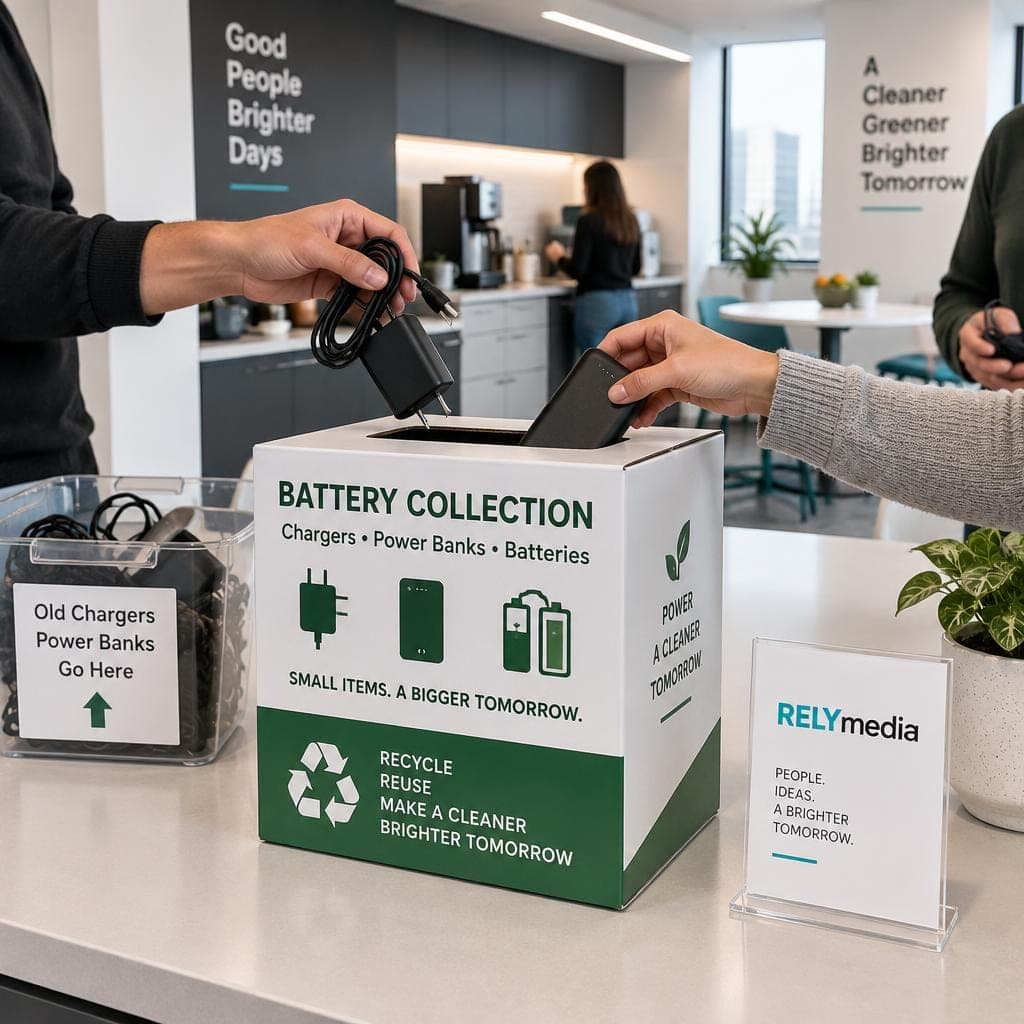
Battery recycling keeps end-of-life batteries out of trash compactors and municipal recycling equipment, where damage can pose fire hazards. It can also recover useful materials.
For companies distributing branded electronics, considering the whole product lifecycle makes sense. Useful promotional products should deliver value during use and have a responsible end-of-life path.
Power Bank Safety Checklist
Before charging, storing, or replacing your portable power source, remember:
- Use the recommended charger and cable.
- Keep the unit away from excessive heat.
- Avoid extreme temperatures and direct sunlight.
- Protect it from drops, crushing, and puncture.
- Watch battery health and charging performance.
- Stop using swollen or physically damaged units.
- Check product recalls when something seems wrong.
- Follow local rules for lithium-ion battery disposal.
- Use responsible battery recycling instead of throwing them in the household trash.
A few seconds of inspection can prevent much bigger problems.
Ready to print your team's name on premium apparel?
Fill in your details and a RELYmedia specialist will come back to you with a custom quote — fast turnaround, no obligation.
- ⚡Same-day response on business days
- 🎨Free design assistance included
- 🚚Rush order & fast delivery available
- 💰Price beat guarantee on every order
Shop custom power banks and chargers
See all power banks & charging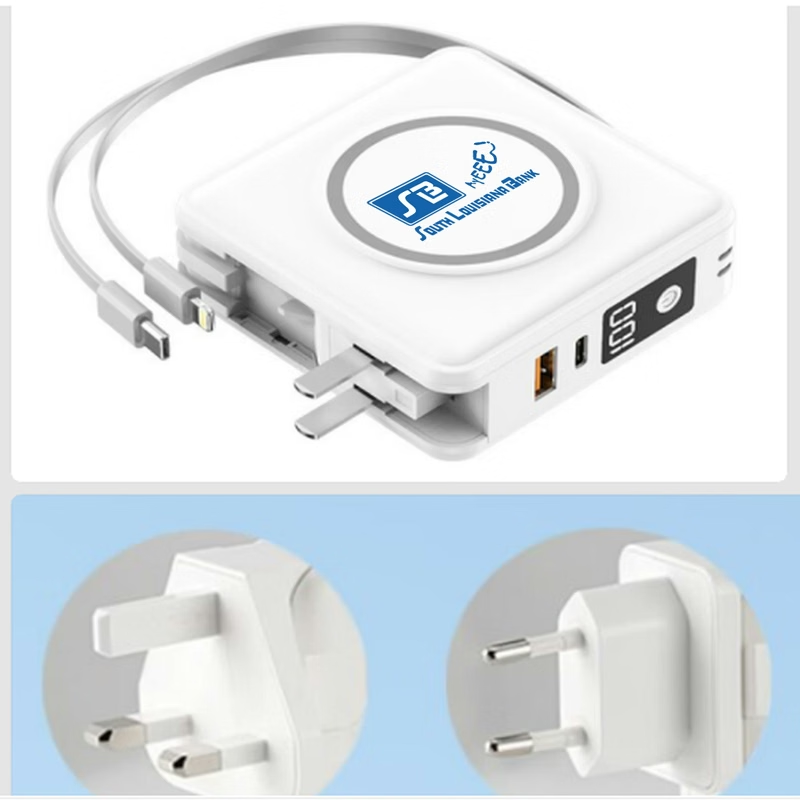
10,000 mAh Wireless Fast Charging Power Bank and 5IN1 Travel Charger w/Intl
$48.25 - $53.66
View product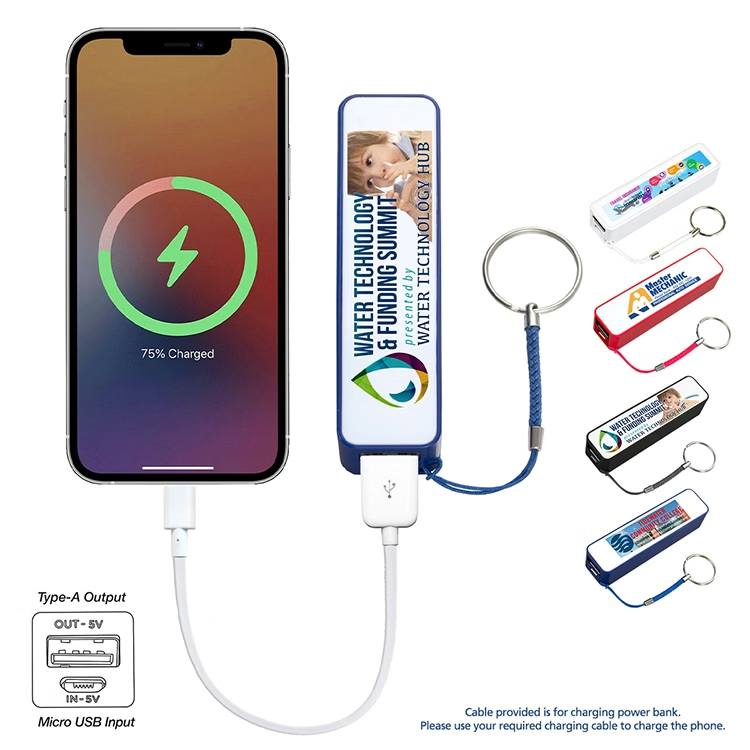
In Charge PB200 UL Listed 2200 mAh Portable Lithium Ion Power Bank Charger PB1004
$7.03 - $7.91
View product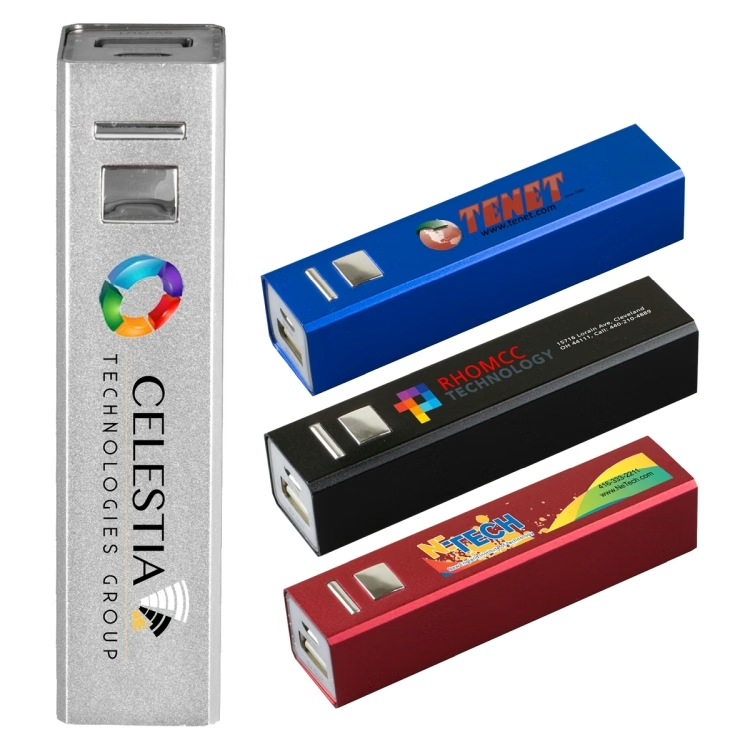
In Charge Alloy UL Listed Aluminium 2200 mAh Lithium Ion Portable Power Bank Charger
$7.57 - $8.85
View product10,000 mAh Energizer® Mag-N-Kick™ Wireless Charger Power Bank And Phone Stand
$34.39 - $52.31
View product10,000 mAh Wireless Charger Power Bank
$25.59 - $44.77
View product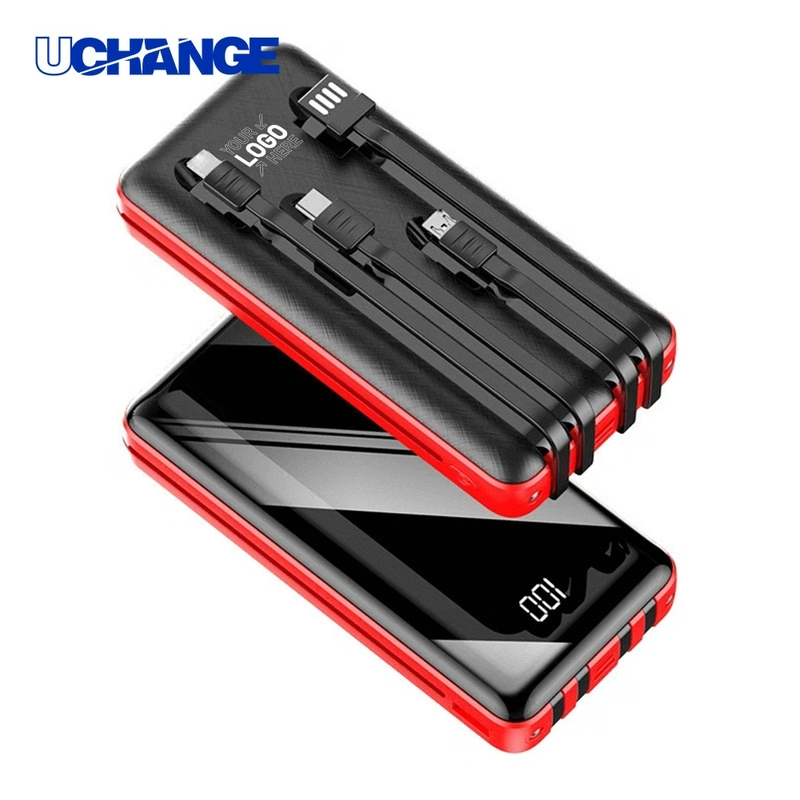
10,000mAh Portable Charger Power Bank with Dual Flashlight
$7.63 - $12.53
View product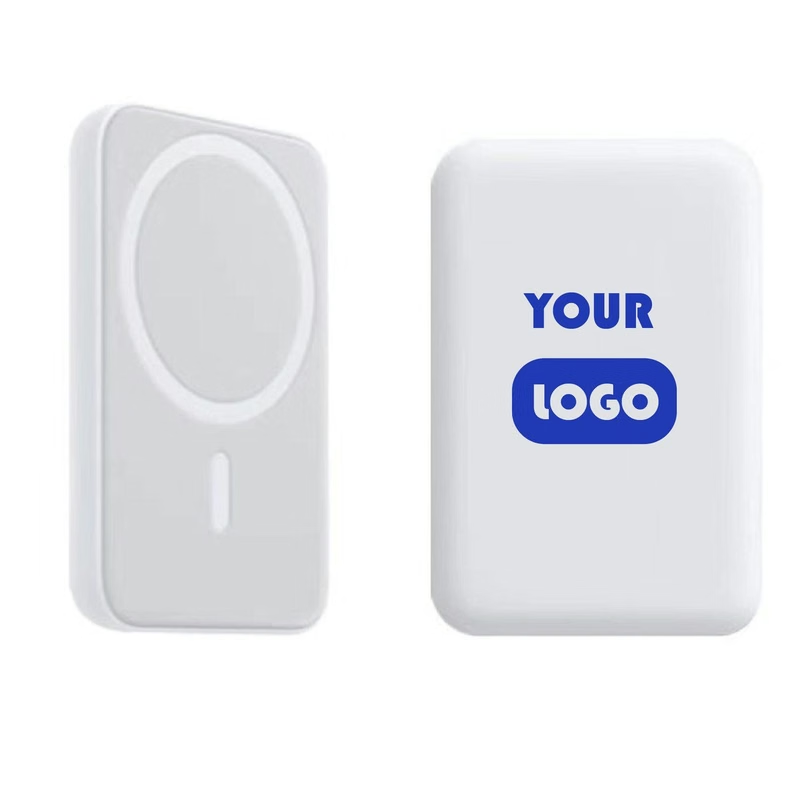
10,000 mAh Wireless Charging Power Bank
$11.58 - $25.35
View product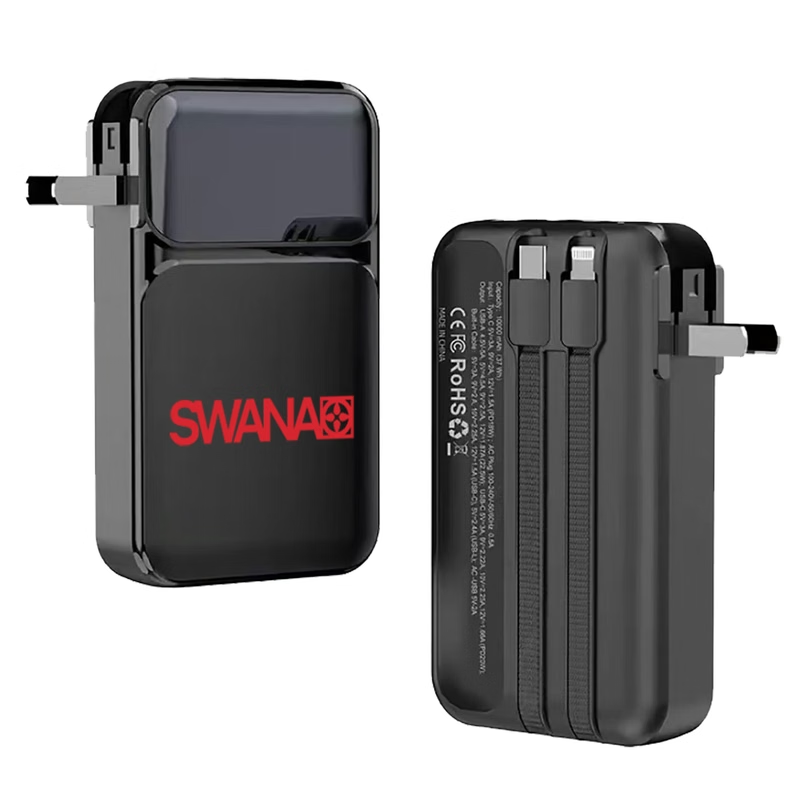
10,000 mAh Portable Charger w/Built In Wall Plug Power Bank
$27.43 - $32.36
View product
Frequently Asked Questions About Power Bank Safety
How long does a power bank last?
Power bank lifespan depends on battery quality, charge cycles, storage conditions, temperature, and usage. Replace it when performance declines sharply, or safety problems appear.
Can I use a swollen power bank?
No. Battery swelling can signal internal deterioration. Stop using it. Never puncture the casing or attempt an unsafe battery replacement.
Can power banks go in household recycling?
No. EPA guidance states that lithium-ion batteries and products containing them should not be placed in household trash or municipal recycling bins. Use an appropriate battery or electronics recycling route instead.
Is a hot power bank dangerous?
Mild warmth during charging can occur. Persistent overheating, smoke, melting, swelling, or unusual odor is different. Stop use and follow manufacturer safety guidance.
How do I dispose of a power bank safely?
Use a suitable lithium-ion battery recycling, electronics recycling, or household hazardous-waste facility. Confirm local rules first. Damaged or recalled batteries may require special handling.
Conclusion: Use Power Banks Safely From First Charge to Final Recycle
Power banks make portable charging simple, but good habits determine how safely they serve you. Choose appropriate equipment, use power banks safely, protect them from physical damage, and store them away from heat. Watch for reduced battery performance, overheating, battery swelling, casing damage, and recall information.
When the battery reaches the end of its life, choose proper disposal rather than the trash. Safe disposal and responsible recycling protect people, equipment, and the waste stream.
RELYmedia helps businesses and organizations turn useful products into memorable brand experiences. When portable power fits your campaign, a well-chosen power bank can stay useful long after an event ends.
Make your next branded tech item something people will keep, carry, and use.
Connect with RELYmedia for custom power bank solutions.
Shop this
Need custom power banks? We print them.
Bulk pricing, three free mockups, real quotes back the same business day.