Portable Chargers AKA Power Banks: A Beginner’s Guide
October 25, 2026 · 10 min read
A dead phone can disrupt travel, work, payments, and communication. That’s why portable chargers have become everyday essentials.
A power bank stores battery power so you can recharge electronic devices without hunting for a wall outlet. You may also hear terms like battery pack, mobile battery pack, fuel banks, pocket power cells, backup charging devices, portable battery, or travel charger. They all describe the same basic idea: portable power when you need it.
This guide explains capacity, charging speed, ports, cables, safety, warranties, and travel use. You’ll learn how to match a charger to real power needs.
💡Quick rule: Choose a power bank by capacity, wattage, ports, device compatibility, size, safety, and charging performance—not mAh alone.
What Is a Portable Charger (Power Bank)?
A portable charger contains a rechargeable battery, electronic circuitry, an input port, and one or more output ports. You charge the battery pack first. Later, it delivers electrical power to a connected device via a USB cable, Lightning cable, or compatible built-in cable.
This makes portable charging useful at airports, offices, hotels, campsites, and other places without a convenient outlet.
How Do Power Banks Work?
Inside the charger, energy stays in rechargeable cells until you connect a device. A controller manages current, voltage, power distribution, and battery regulation. The output then powers a smartphone, tablet, wearable, Kindle, digital camera, action camera, or another USB-compatible device.
Understanding Power Bank Capacity
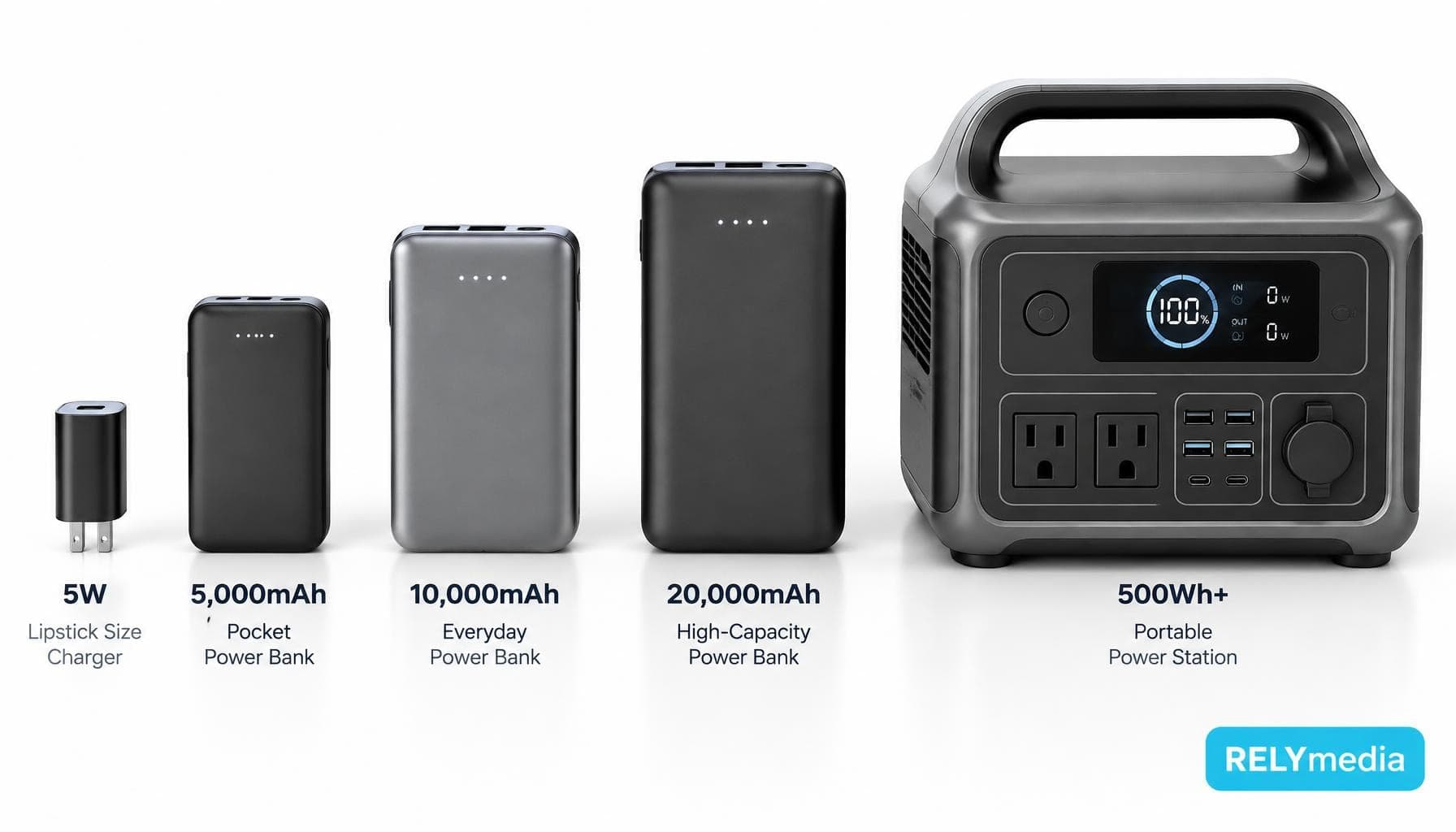
Capacity shows how much energy a battery can store. Power banks are commonly rated in mAh, which stands for milliamp-hours. A 10000mAh model stores more energy than a 5000mAh model, while a 15000mAh unit offers greater capacity.
Rated capacity does not equal the energy your phone receives. Conversion, cable resistance, heat, and charging losses reduce usable capacity.
| Capacity | Best for | Main advantage |
|---|---|---|
| 5000mAh | Light daily use | Small, pocket-friendly design |
| 10000mAh | Everyday charging | Strong balance of size and capacity |
| 15000mAh+ | Travel or multiple devices | More battery backup and multiple charges |
How Many Times Can a Power Bank Charge a Phone?
Start with your phone's battery capacity, then account for real-world energy losses. A 10000mAh power bank will not deliver every stored milliamp hour directly.
Two similar power banks can perform differently because energy efficiency, battery design, operating temperature, and power regulation vary.
Choosing the Right Battery Size
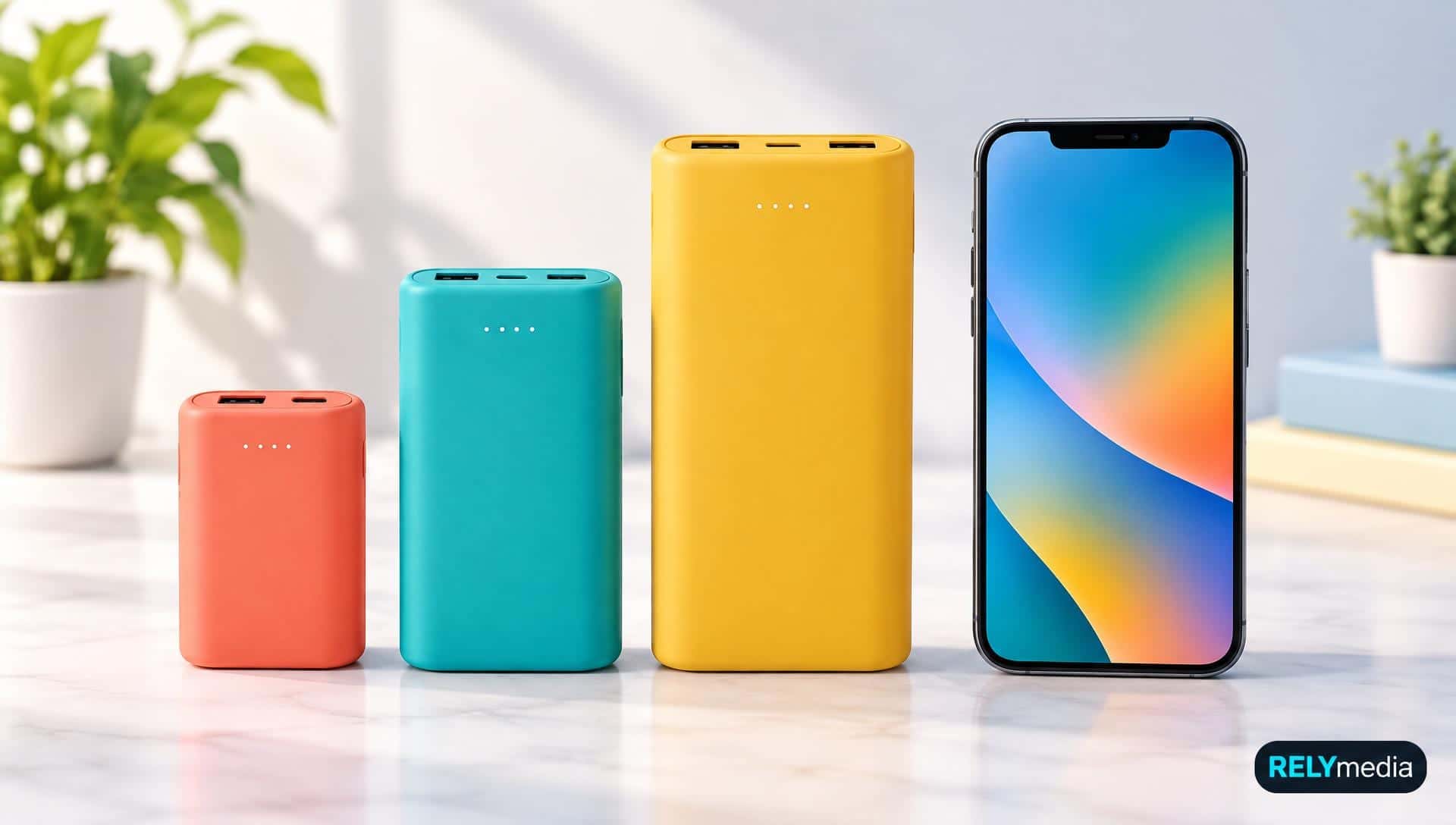
A compact power bank works well for short days and emergency charging. A high-capacity power bank makes more sense for travel charging, camping, or charging multiple devices.
Your charging needs come first. Daily carriers may value low weight more than maximum capacity.
Power Output, Wattage, and Charging Speed
Power output tells you how quickly a charger can deliver energy. Three terms matter: voltage, amperage, and wattage.
Voltage measures electrical pressure. Current, measured in amps (amperes), describes the flow of electric charge. Wattage describes power. In simple terms, watts equal volts multiplied by amps.
Older chargers may reference 5W, 12W, 17W, or 24W charging. Modern USB-C devices can support higher power delivery.
What Determines Charging Speed?
Charging speed depends on four things:
- The charger’s current output and voltage output
- The cable quality and cable compatibility
- The connected device’s charging requirements
- The charging standard both products support
A high-watt charger cannot force extra power into a device, while a weak cable can limit fast hardware.
What Is Fast Charging?
Fast charging works when the charger, cable, and device support compatible standards and enough wattage. If one part becomes the bottleneck, charging performance drops.
USB-C Power Delivery can negotiate power between compatible devices. Compare the charger's output with the device's specifications instead of chasing maximum wattage.
Power Input and Power Bank Recharge Time
Power input controls how quickly the power bank itself recharges. To charge a power bank, connect its charging port or input port to a compatible wall charger or another suitable power source.
Charging time depends on capacity, input wattage, cable quality, temperature, and battery management.
A large-capacity battery typically takes longer to recharge when the input power remains the same.
How Do You Know a Power Bank Is Charging?
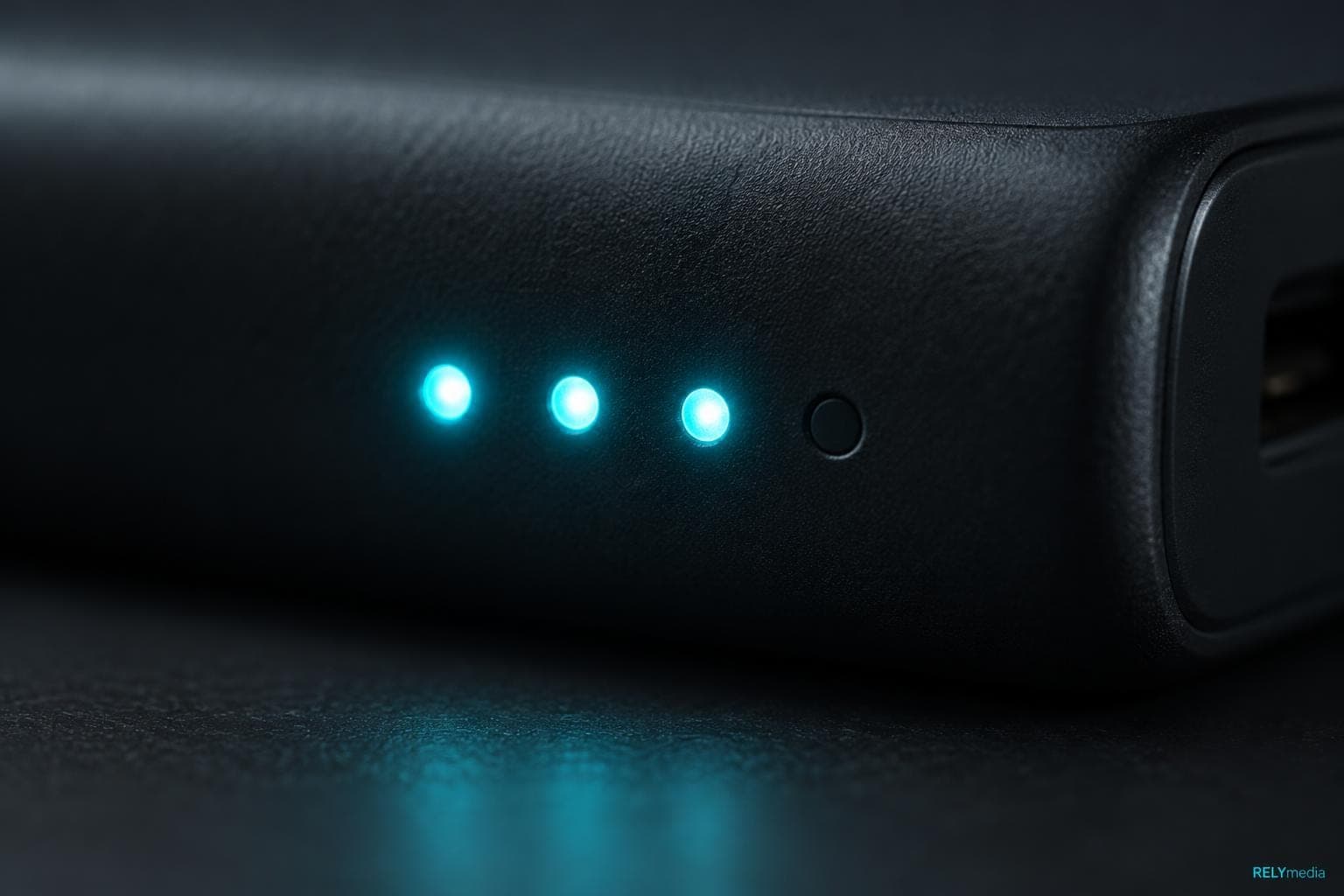
Many models use an LED battery indicator, several LED indicator lights, or a digital battery level indicator. These charging indicators show battery status during battery recharge.
When fully charged, follow the manufacturer’s guidance.
USB Ports and Charging Connectors Explained
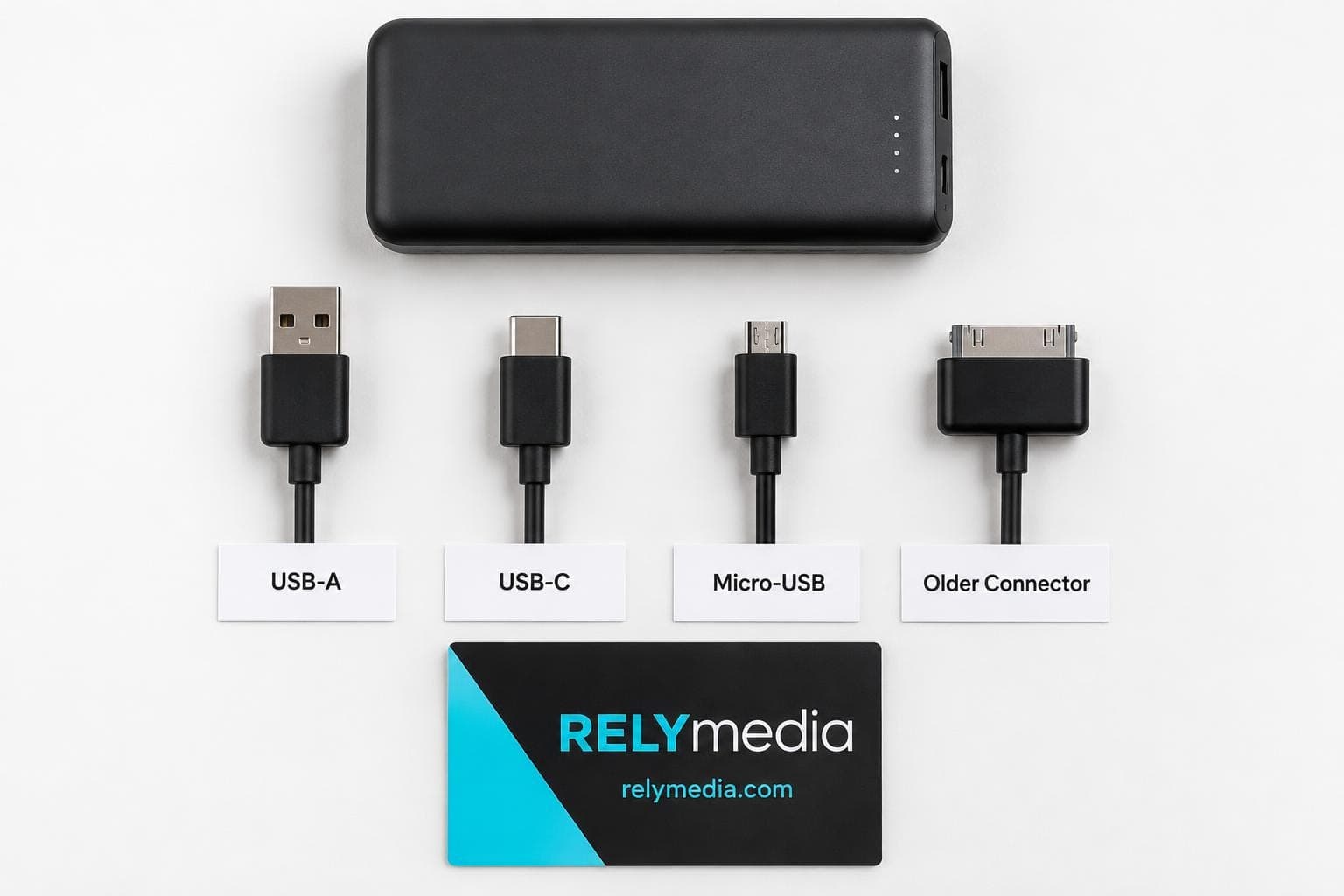
Connector type affects compatibility and convenience.
- USB-A: The familiar rectangular standard USB connector found on many chargers.
- USB-C (Type-C): A reversible, industry-standard connector widely used for modern USB power and data communication.
- Micro-USB: An older connector still found on some battery packs and small electronics.
- Lightning connector: Apple’s older connector used by many earlier iPhone and iPad models.
A USB port may serve as an input, output, or both. Check the specifications.
Why Cable Quality Matters
Poor cable quality can reduce charging efficiency, limit current, or create unreliable connections.
Choose a compatible USB cable, Lightning cable, or charging connector. Chargers may use detachable, built-in, or hard-wired cables for easier cable management.
Can a Power Bank Charge Multiple Devices?
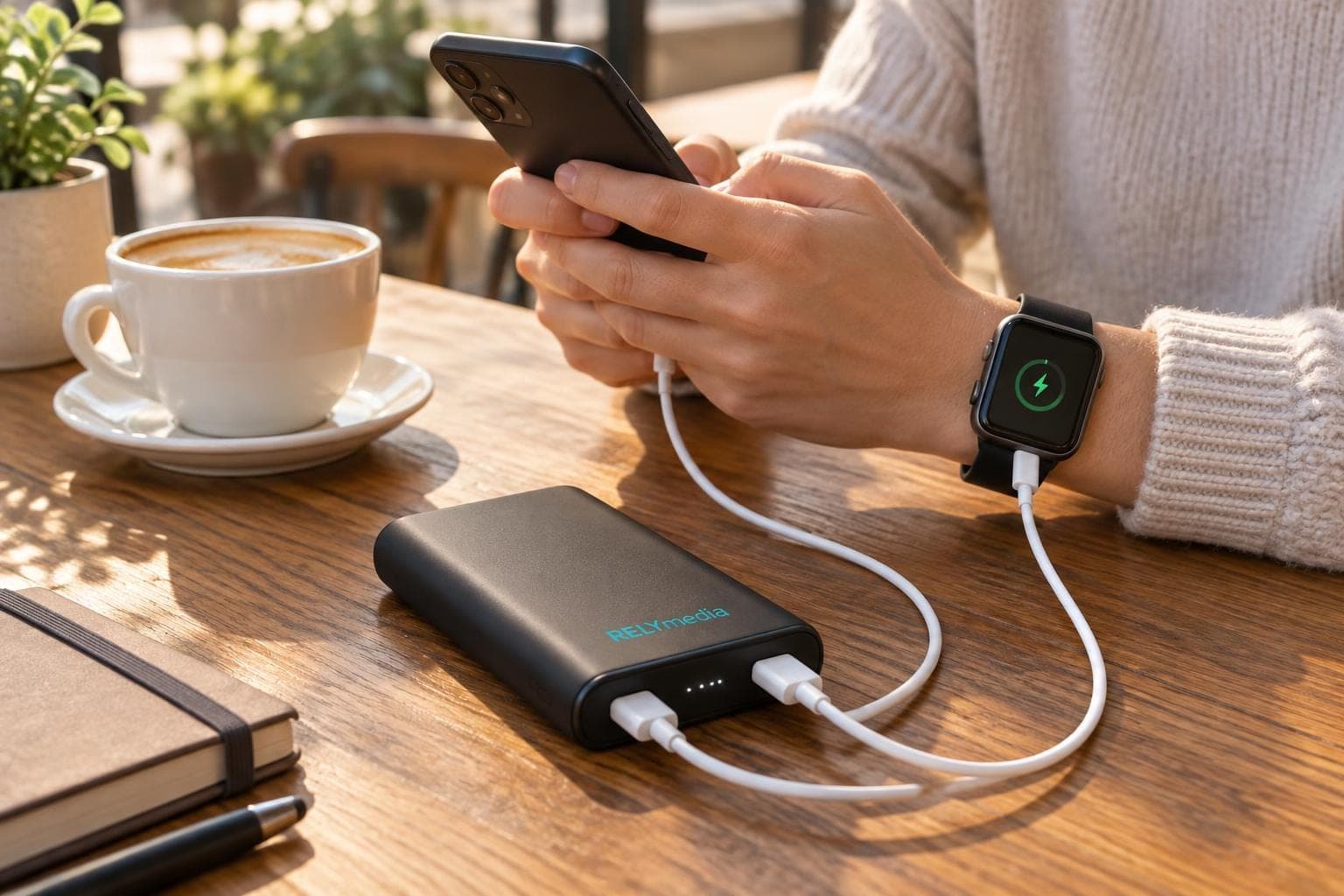
Yes. A multi-port charger can support simultaneous charging when it has enough combined output.
Charging multiple devices can reduce speed. Total power refers to the combined capacity, while shared power determines how the output is divided.
Connecting a smartphone and a tablet may reduce the power available to each.
Before buying, check:
- Total power and shared power
- Combined output
- Power distribution across ports
- USB-A and USB-C combinations
- Charge multiple devices capability
- Device compatibility during simultaneous charging
What Devices Can You Charge?
A power bank can support many portable electronics when the output and connector match the device.
Common examples include an iPhone, an Android phone, a Samsung phone, an iPad, a tablet, a smartwatch, a Kindle reader, a Bluetooth headset, a digital camera, a GoPro camera, an action camera, and other wearable devices.
Small wireless devices need little power. Tablets and mobile computers often require more wattage. “USB-compatible” does not always mean “optimal charging.”
How to Use a Power Bank for the First Time
Using a portable battery is simple:
- Read the power bank user guide.
- Charge the rechargeable battery before extended use.
- Use the correct power source and charging connector.
- Check the battery percentage or LED battery indicator.
- Connect your phone or other device.
- Confirm that smartphone charging begins.
- Disconnect the device after charging.
- Recharge the battery pack when needed.
Some units start automatically; others require a button.
How to Choose the Right Power Bank
The best portable charging solution fits your routine.
For everyday charging, prioritize useful capacity, safe construction, reliable USB charging, and convenient ports. For travel, consider size, weight, energy capacity, and recharge time.
For several devices, look for multiple ports and strong combined output. High-power electronics require sufficient wattage and power delivery.
| Situation | Useful priority |
|---|---|
| Daily commute | Compact size and fast charging |
| Airport travel | Capacity, portability, clear Wh rating |
| Car travel | Durable build and cable compatibility |
| Camping | Battery storage and charging reliability |
| Events | Lightweight design and easy USB charging |
| Emergency use | Backup battery capacity and simple indicators |
Choosing branded chargers for a large group?
RELYmedia can help you balance usefulness, presentation, turnaround needs, and product quality.
Power Bank Safety: What Beginners Should Know
Battery safety matters because rechargeable cells store substantial energy. Better designs may include over-current protection (OCP) and over-voltage protection (OVP).
Other safeguards can include overcharge protection, over-discharge protection, thermal protection, overheating protection, power surge protection, circuit protection, voltage regulation, charge-state monitoring, and temperature sensors.
Battery management coordinates protection, regulation, and current control. Designs may also use an input voltage regulator, a CPU controller, a universal USB ID, a low-noise inductor, and quality connectors.
Never use a damaged, swollen, leaking, unusually hot, or recalled battery.
Why Quality and Testing Matter
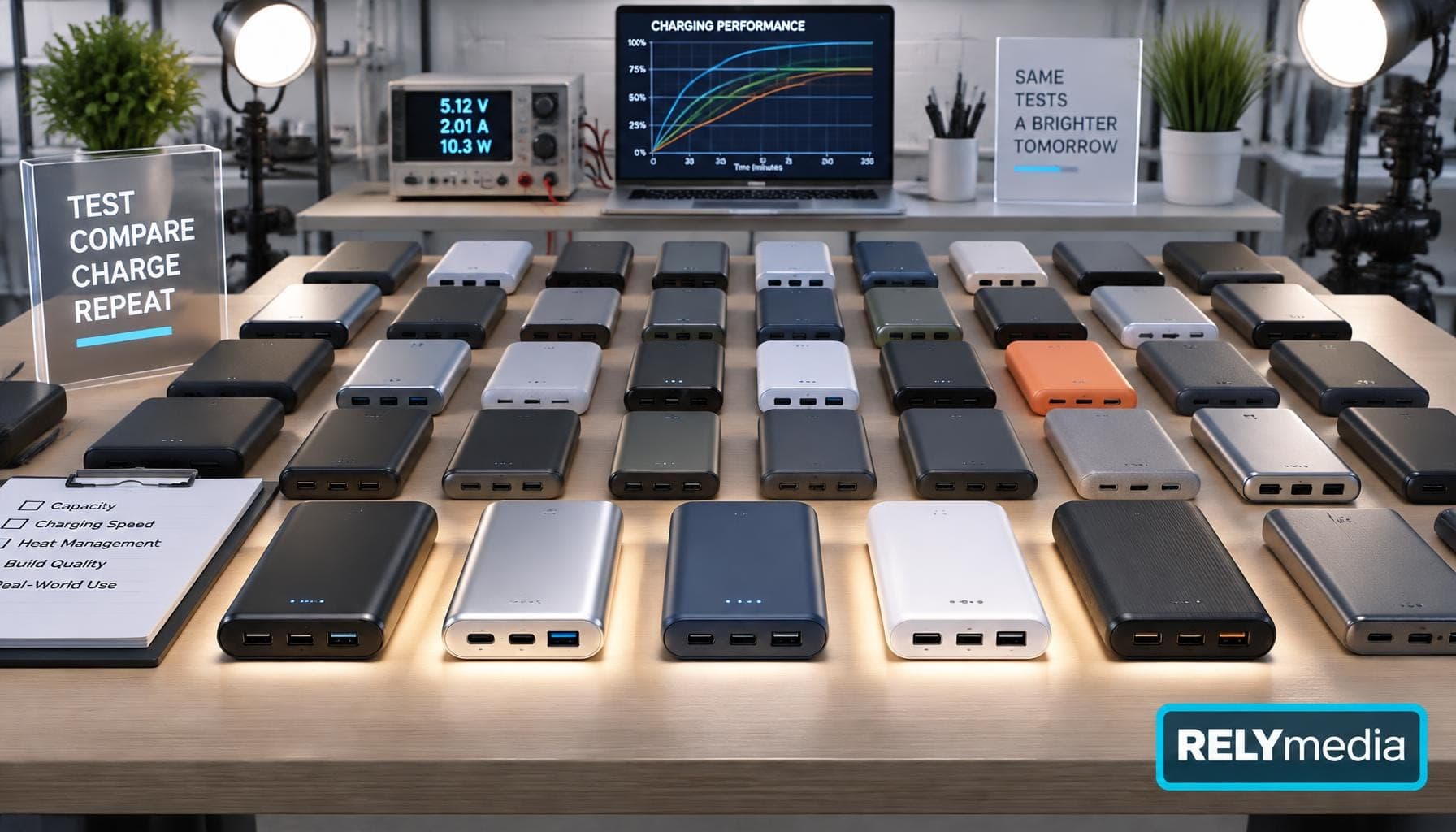
Quality assurance may include testing for safety, durability, heat, and extreme temperatures. These checks evaluate battery construction, operating temperature, energy efficiency, and charging reliability.
Look for credible safety certification, industry standards, legal compliance information, manufacturer details, and clear documentation. Counterfeit products may lack traceable safety controls.
Warranty and Device Protection
Warranty terms differ by manufacturer. You may see a limited warranty, limited lifetime warranty, lifetime warranty, charger warranty, power bank warranty, or connected equipment warranty.
Keep the purchase receipt, complete product registration when required, save the serial number, and understand the returns policy. Connected equipment warranty coverage varies.
How to Make a Power Bank Last Longer
Protect battery life by avoiding extreme temperatures, using compatible chargers and cables, keeping ports clean, and preventing hard impacts.
Battery performance declines with age and charge cycles, so gradual capacity loss is normal.
Follow manufacturer instructions for long-term storage.
Charging While Traveling
Portable chargers provide mobile power at airports, in cars, on the road, and while camping.
They also provide emergency charging when no outlet is nearby.
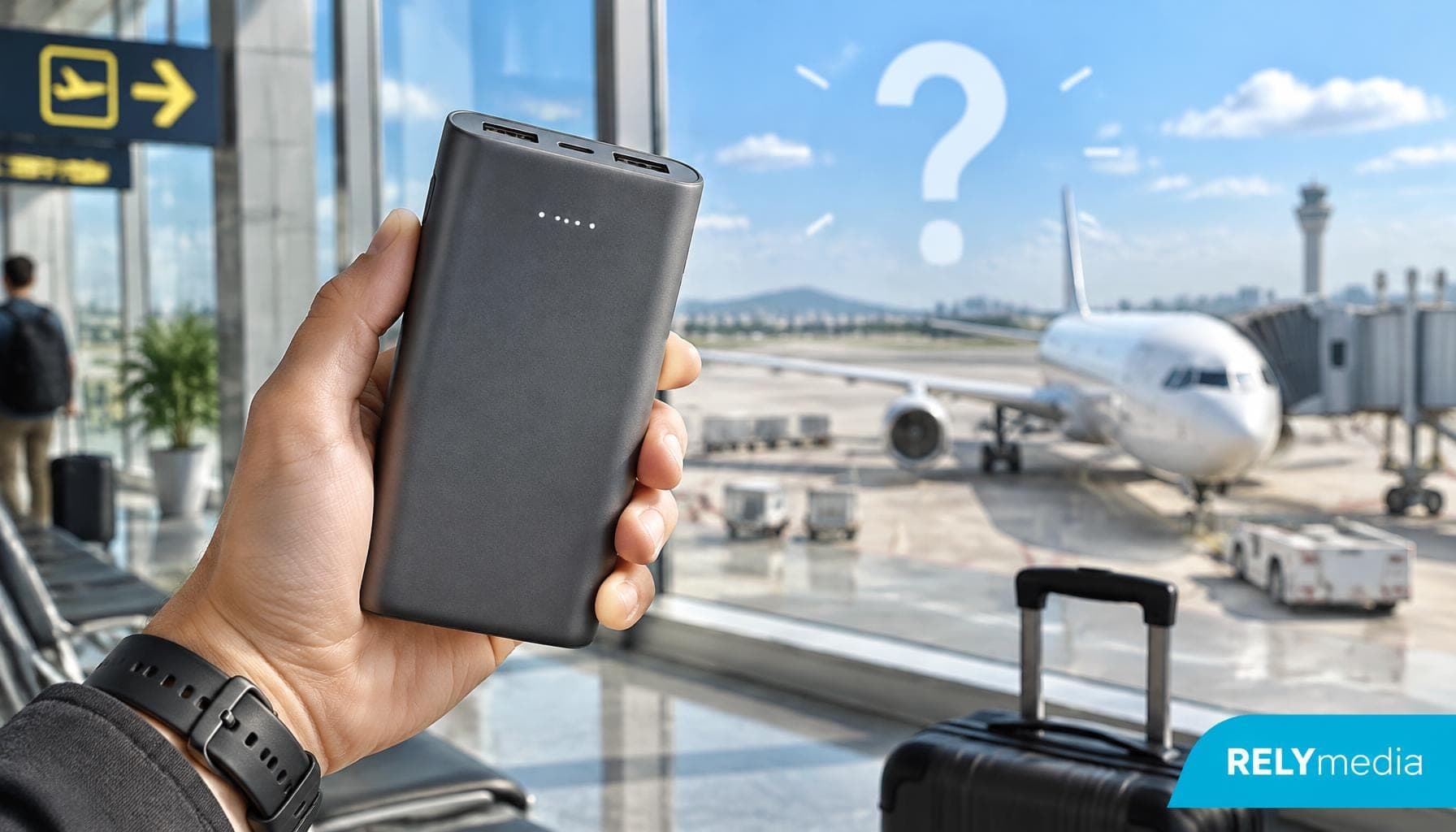
Air travel needs extra care. Power banks generally belong in carry-on baggage. Check the watt-hour rating and airline rules before traveling.
Common Power Bank Mistakes to Avoid
Avoid these common mistakes:
- Buying by mAh alone
- Ignoring wattage or power input
- Using poor-quality charging cables
- Assuming every USB port provides equal output
- Overlooking cable compatibility
- Ignoring device compatibility
- Choosing capacity without considering size
- Exposing batteries to excessive heat
- Buying an untraceable counterfeit charger
- Ignoring warranty and safety information
A good portable power solution balances capacity, performance, portability, protection, and quality.
Quick Power Bank Buying Checklist
Before buying, ask:
- How much charging capacity do I need?
- What wattage does my device support?
- Which USB connector fits my device?
- Do I need a multi-port charger?
- How important are size and weight?
- Does the product provide credible safety information?
- What manufacturer warranty applies?
- Will I use it mainly for everyday charging or travel charging?
Ready to print your team's name on premium apparel?
Fill in your details and a RELYmedia specialist will come back to you with a custom quote — fast turnaround, no obligation.
- ⚡Same-day response on business days
- 🎨Free design assistance included
- 🚚Rush order & fast delivery available
- 💰Price beat guarantee on every order
Shop custom power banks and chargers
See all power banks & charging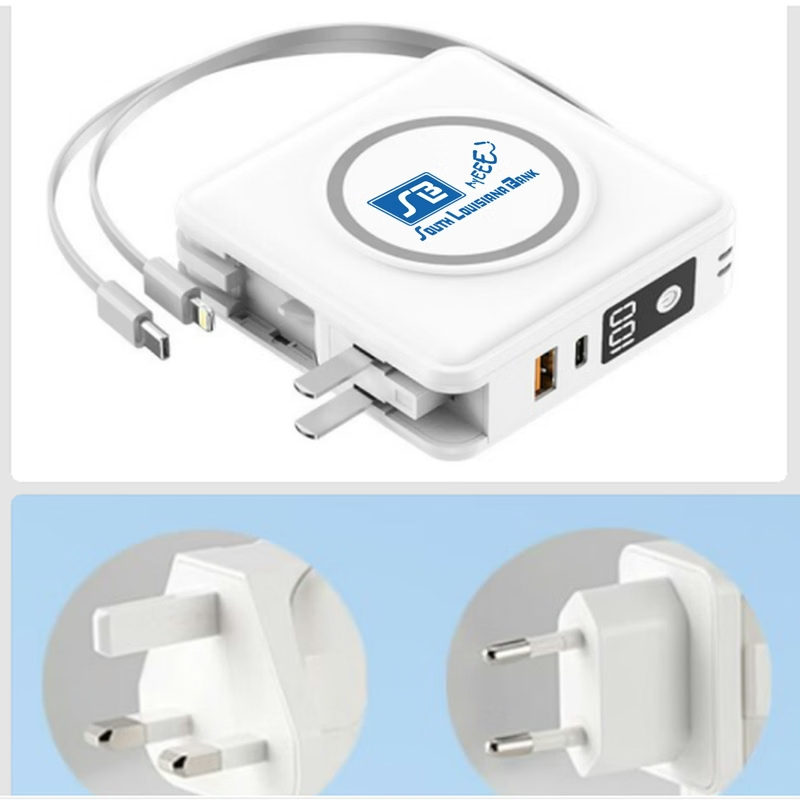
10,000 mAh Wireless Fast Charging Power Bank and 5IN1 Travel Charger w/Intl
$48.25 - $53.66
View product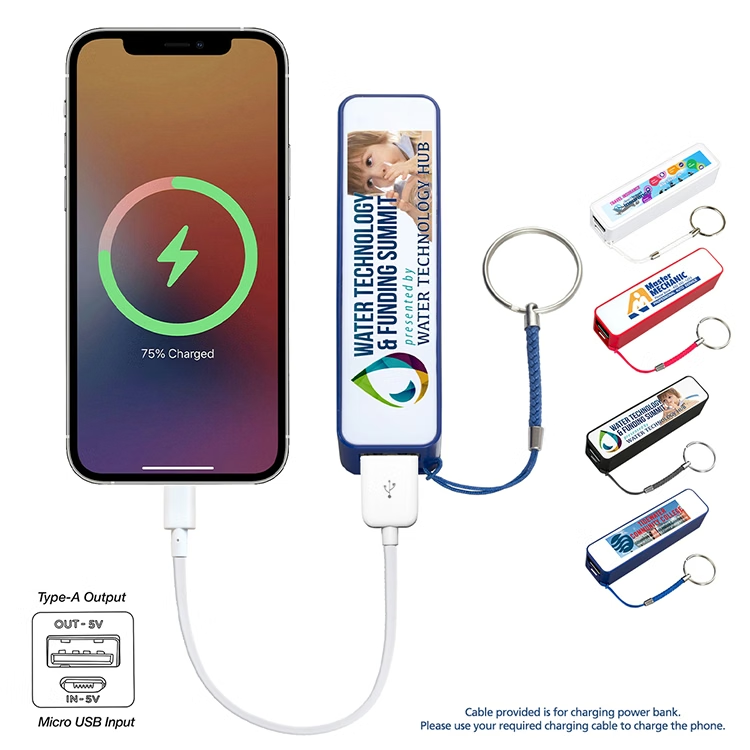
In Charge PB200 UL Listed 2200 mAh Portable Lithium Ion Power Bank Charger PB1004
$7.03 - $7.91
View product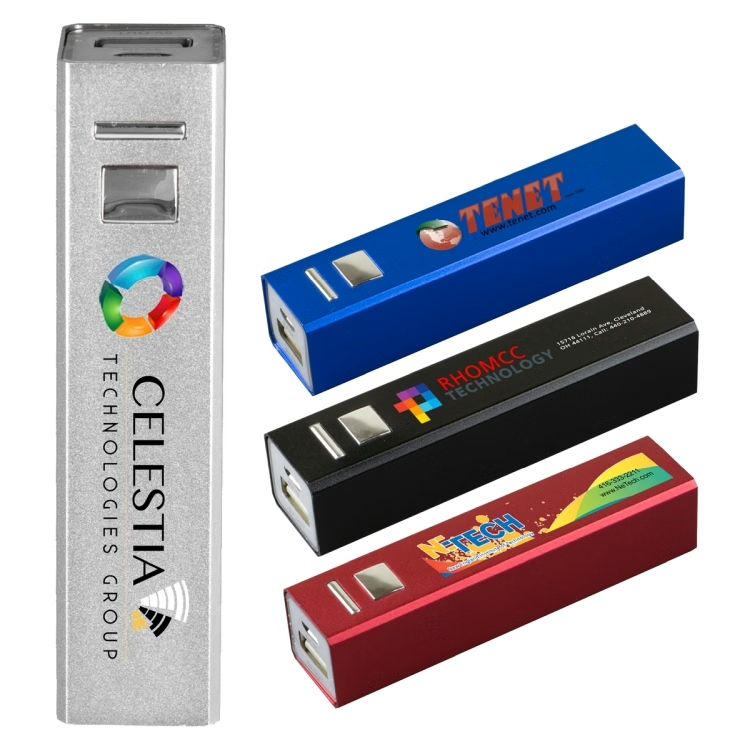
In Charge Alloy UL Listed Aluminium 2200 mAh Lithium Ion Portable Power Bank Charger
$7.57 - $8.85
View product10,000 mAh Energizer® Mag-N-Kick™ Wireless Charger Power Bank And Phone Stand
$34.39 - $52.31
View product10,000 mAh Wireless Charger Power Bank
$25.59 - $44.77
View product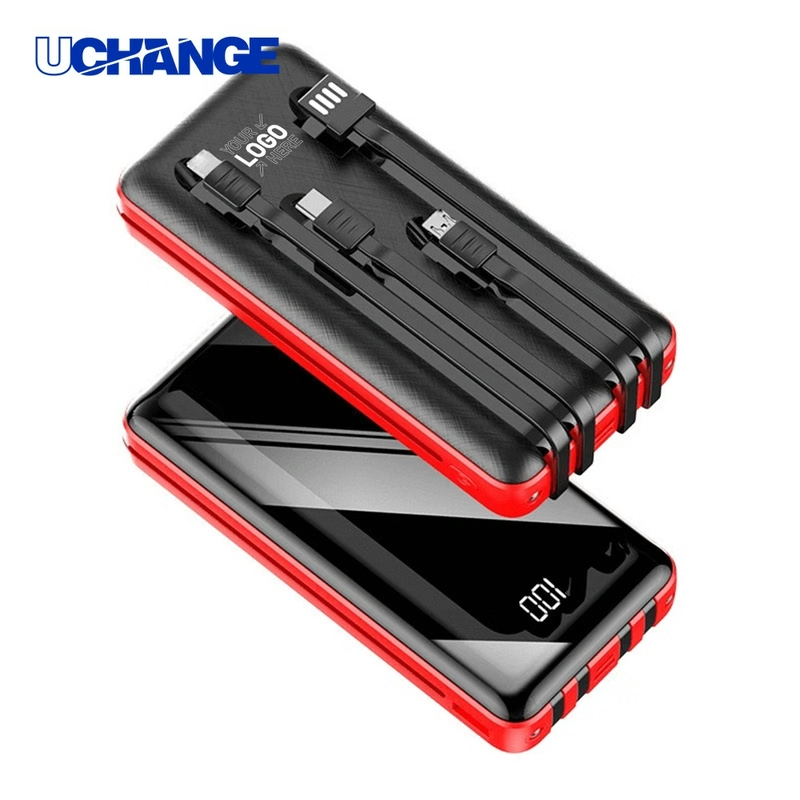
10,000mAh Portable Charger Power Bank with Dual Flashlight
$7.63 - $12.53
View product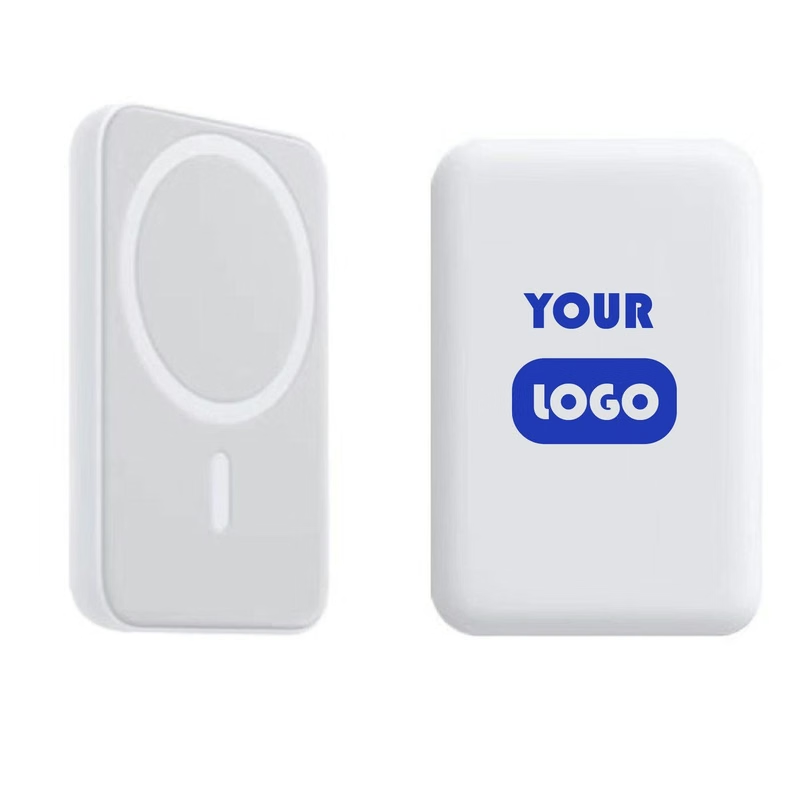
10,000 mAh Wireless Charging Power Bank
$11.58 - $25.35
View product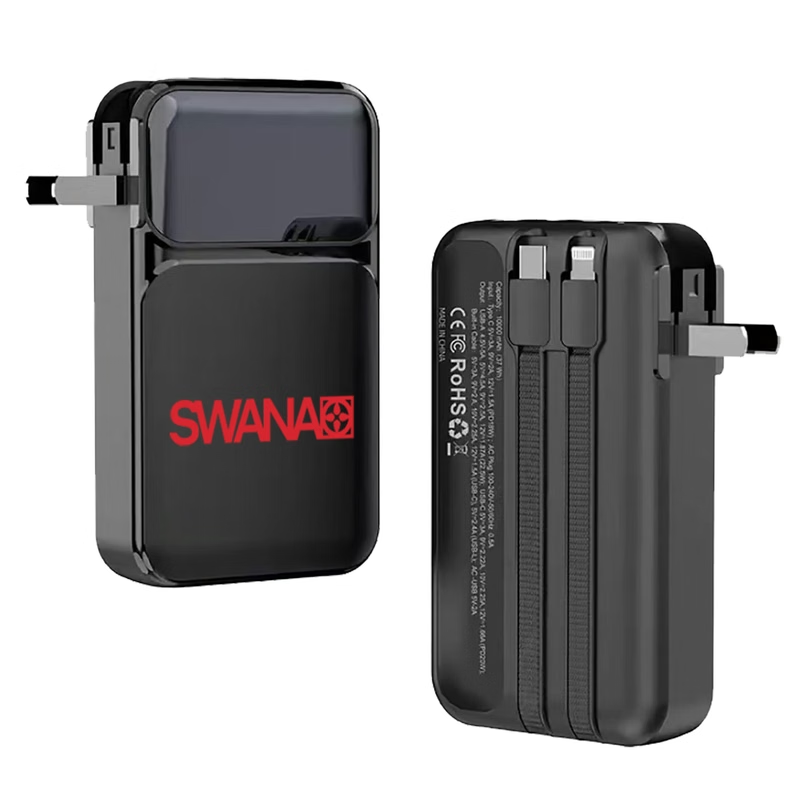
10,000 mAh Portable Charger w/Built In Wall Plug Power Bank
$27.43 - $32.36
View product
Frequently Asked Questions About Portable Chargers
Do Portable Chargers Come Charged?
Some portable chargers arrive partly charged. Recharge before relying on one in an emergency.
How Long Does a Power Bank Take to Charge?
Recharge time depends on battery capacity, input wattage, cable quality, charger output, temperature, and battery design.
Can You Use a Power Bank While It Is Charging?
Some models support pass-through charging. Others do not. Use this feature only when the manufacturer explicitly supports it.
Is a Power Bank a Lithium Battery?
Most consumer power banks use lithium-ion or lithium-polymer cells. Check the label for chemistry and watt-hour rating.
What Should You Look for in a Power Bank?
Look for suitable capacity, adequate wattage, compatible ports, reliable charging, sensible size, safety features, quality construction, and clear warranty information.
Can a Power Bank Charge More Than One Device?
Yes, if it offers multiple ports and enough total output. Charging speed can decrease when shared power is divided across connected devices.
Can You Take a Power Bank on a Plane?
Many power banks can travel in carry-on baggage within applicable limits. Check airline rules before every trip.
Conclusion: Choose Portable Power That Fits Real Life
The right power bank should solve a problem without unnecessary bulk. Match capacity, output, speed, connectors, cables, size, safety, and warranty coverage to your routine.
A commuter may value low weight. A traveler may need stronger battery backup. Multiple devices may justify higher combined power and extra USB ports.
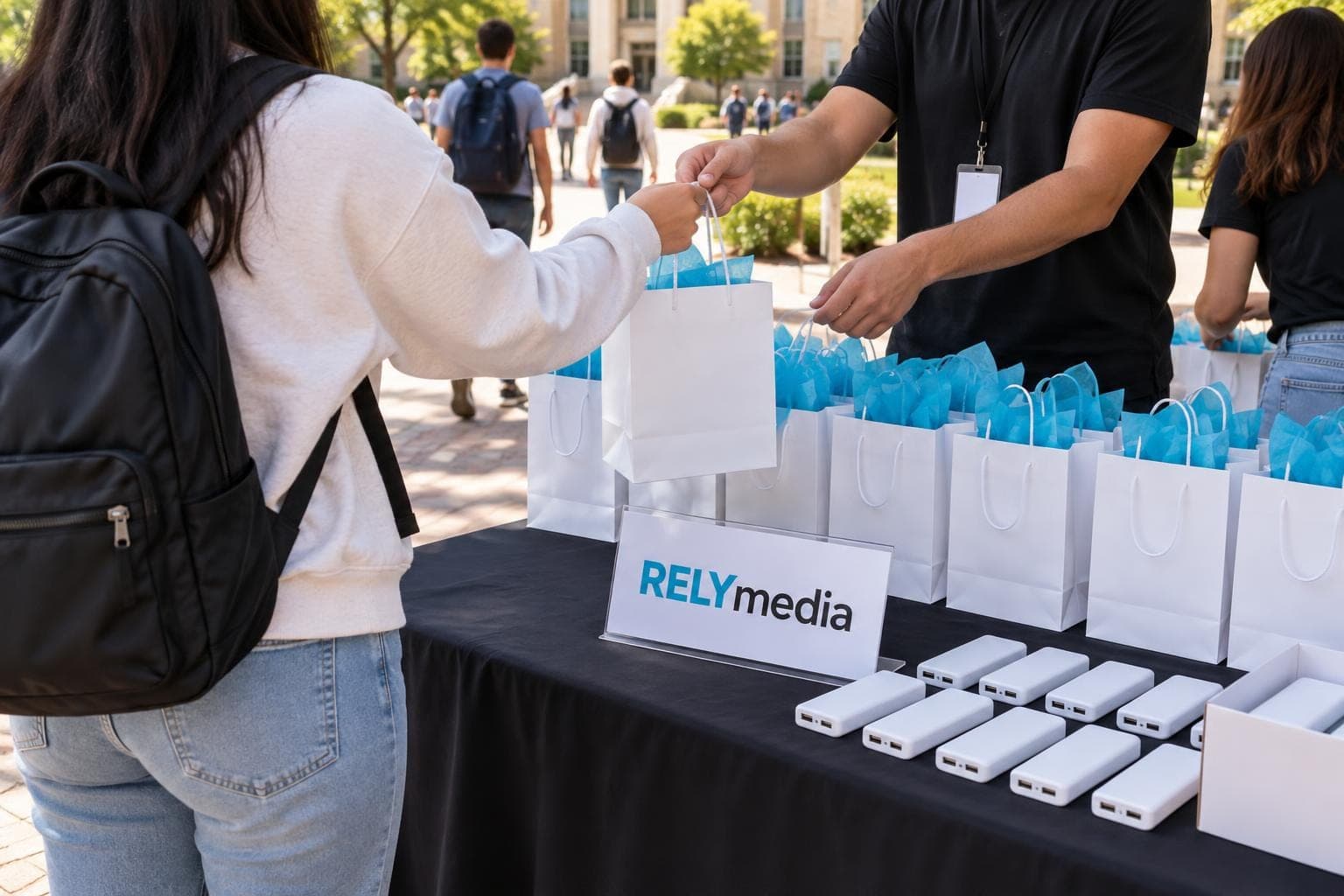
For promotional programs, usefulness matters. A charger kept in a bag, on a desk, or in a travel kit can keep your brand visible long after an event.
Ready to turn everyday mobile charging into a useful brand touchpoint?
Connect with RELYmedia to explore custom portable charging products built around your audience, timeline, and branding goals.
Shop this
Need custom portable chargers? We print them.
Bulk pricing, three free mockups, real quotes back the same business day.