Power Bank Safety: Usage Tips and Airline Regulations You Need to Know
October 27, 2026 · 10 min read
A power bank can save a dead phone during travel, at work, or in an emergency. Yet convenience means little if the battery is damaged, poorly made, or used carelessly. That is why power bank safety matters as much as charging speed or battery capacity.
Most portable chargers use a lithium-ion battery or lithium-polymer battery. These rechargeable battery cells store internal energy. Good protection circuitry manages voltage, current, heat, charging input, and charging output. Poor product quality, physical damage, or improper usage can upset that balance.
This guide covers safe charging, battery inspection, airline restrictions, storage, and recycling.
Need custom portable chargers? RELYmedia can help you compare practical branded options.
Why Power Bank Safety Matters
A power bank is a small battery system, not just another electronic accessory. Inside the outer casing sit battery cells, an internal circuit board, protection circuitry, charging ports, and components that control power delivery.
An internal short circuit, an external short circuit, an overcharging event, a crushed cell, a manufacturing defect, or a high-temperature environment can cause excessive heat. In severe cases, a lithium battery can enter thermal runaway, where rising temperature drives further heating.
The FAA warns that damaged, defective, overheated, or improperly packed lithium batteries can create smoke, fire, or extreme heat hazards.
In September 2026, the CPSC recalled about 21,380 NEWDERY power banks after reports of units exploding or igniting, including a burn injury and a major property fire.
💡Simple rule: If a battery looks swollen, cracked, burned, wet, or badly damaged, stop using it.
How to Choose a Safe and Reliable Power Bank
Check Product Labeling and Manufacturing Quality
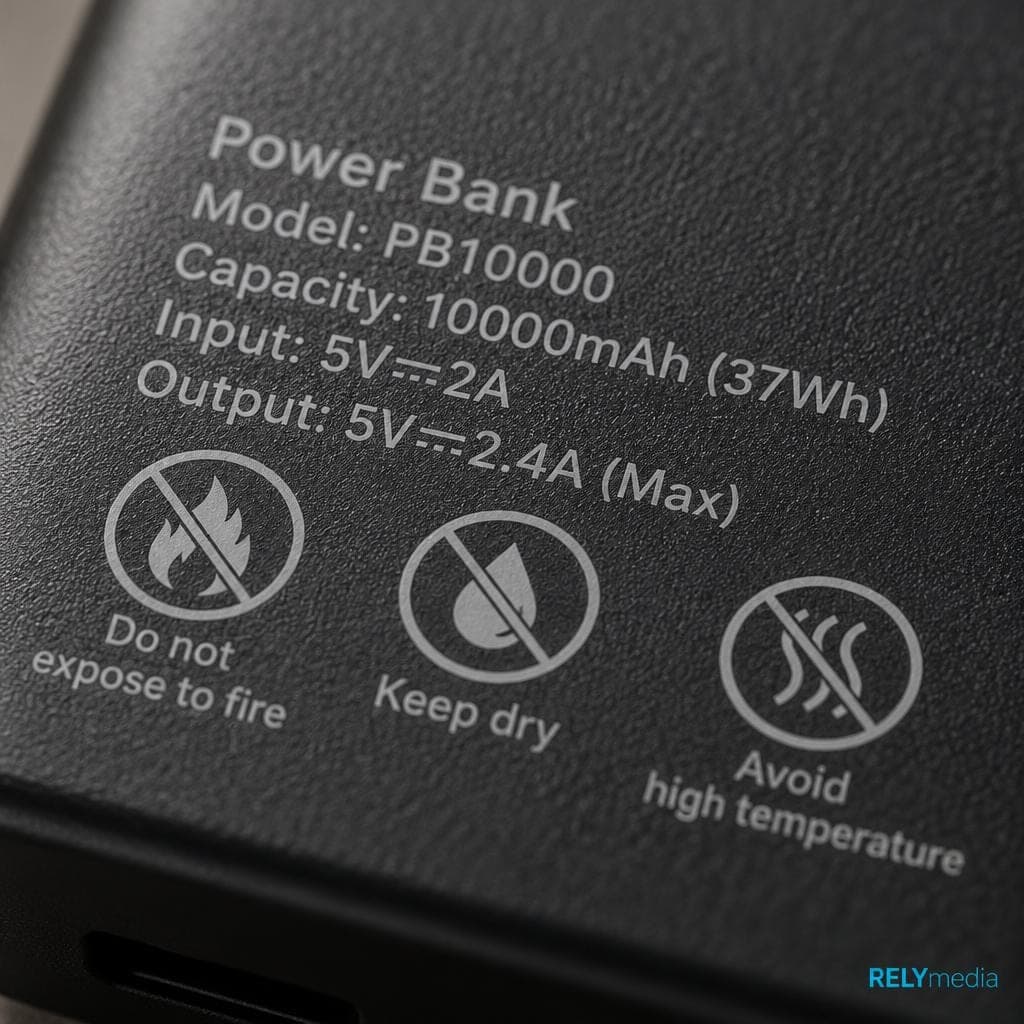
Look for battery capacity, rated voltage, watt-hours when available, charging input, charging output, manufacturer details, usage instructions, safety warnings, and technical specifications.
Also check credible product certifications and applicable safety standards. Certification labels cannot eliminate risk, but clear safety compliance information beats incomplete labeling or an unknown product origin.
Be cautious when a tiny, pocket-sized power bank claims an extremely high capacity at a suspiciously low price. Compact design is useful, but unrealistic claims deserve scrutiny.
Understand Battery Capacity, Rated Capacity, and Usable Capacity
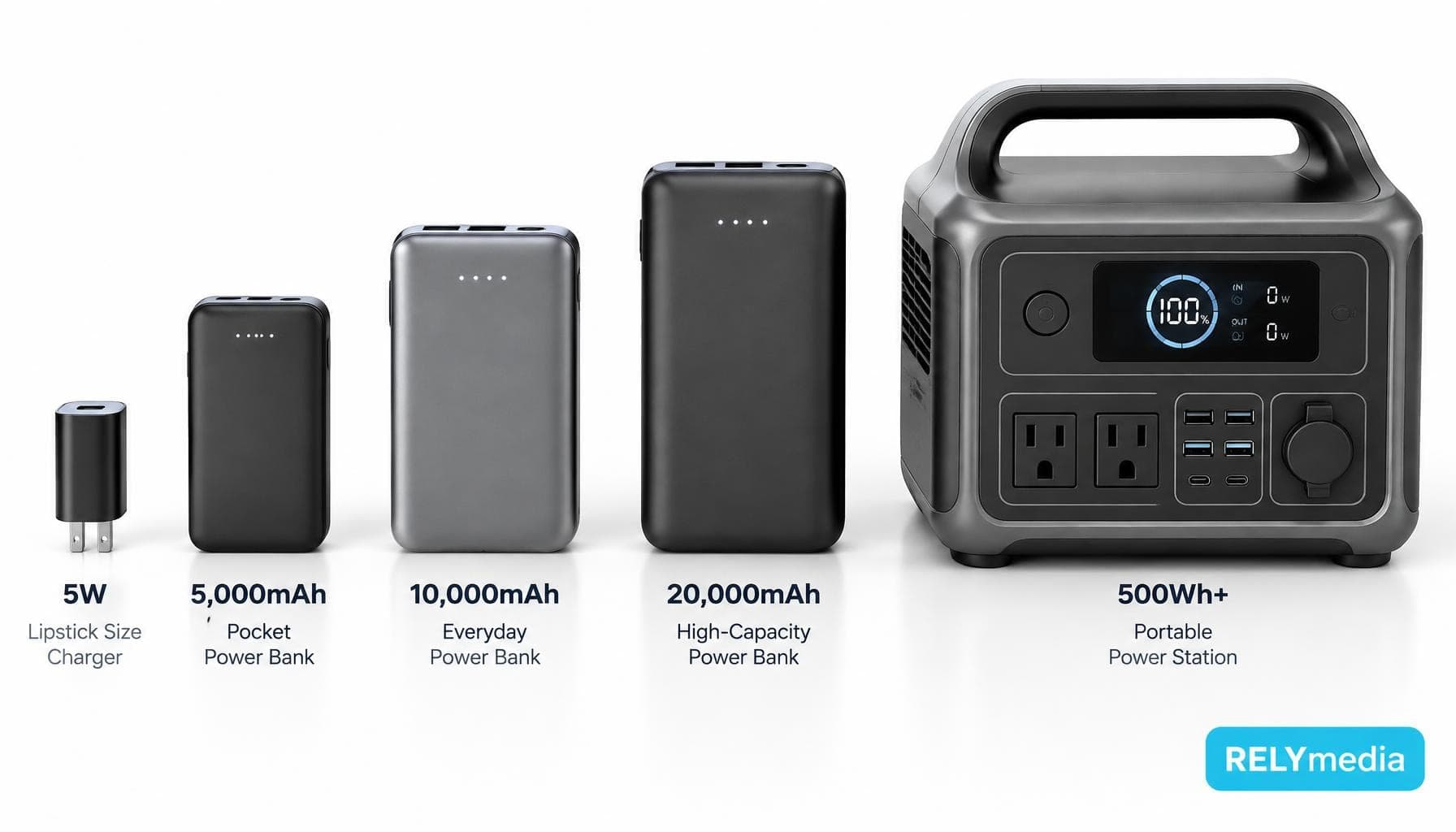
Battery capacity is usually measured in milliamp-hours (mAh). A 10000 mAh battery pack sounds simple, but not every milliamp hour reaches your phone.
Voltage and power conversion result in energy loss. Cable impedance, battery condition, temperature, device compatibility, and charging efficiency also affect usable capacity. Rated capacity can provide a more realistic view of charging performance when manufacturers list it.
For everyday charging, balance power capacity with portability, weight, charging reliability, and the devices you carry.
Look for Battery Protection and Safety Features
Useful protective mechanisms include:
- overcharge protection
- over-discharge protection
- short-circuit protection
- overcurrent protection
- high-voltage protection
- temperature protection
- input protection
- device overcharge protection
These safety features support stable current, stable voltage, thermal management, and device protection. Good protection design lowers risk, but it cannot make severe heat, crushing, or a defective cell harmless.
Power Bank Safety Tips for Everyday Charging
Use a Compatible Charger and Cable
Use an original charging cable or quality replacement that supports the required current, voltage, and wattage. Replace cables with exposed wires, fraying, loose plugs, or damaged insulation.
Fast charging, quick charging, USB-C charging, and Power Delivery can improve charging speed. Still, the charger, cable, and device should support compatible charging technology. Damaged equipment can reduce charging reliability and create safety concerns.
Choose a Safe Charging Environment
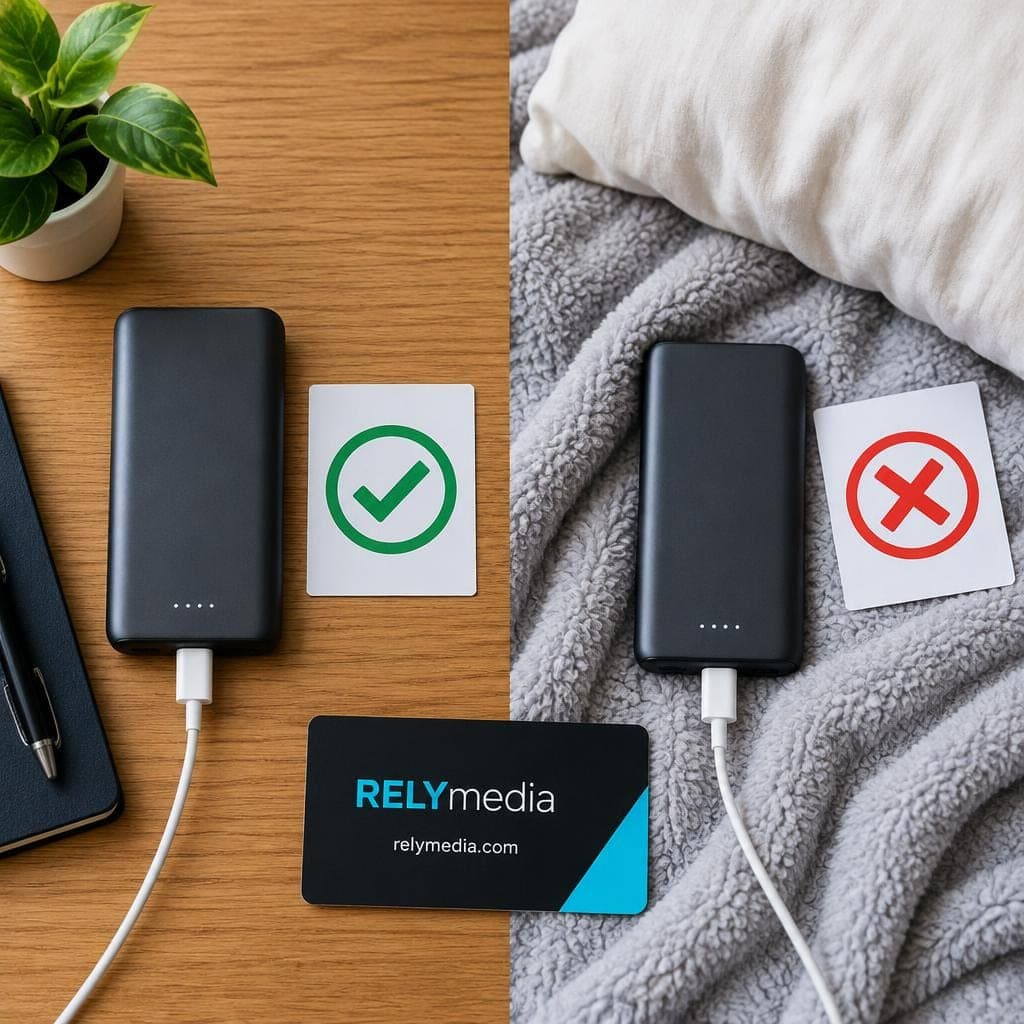
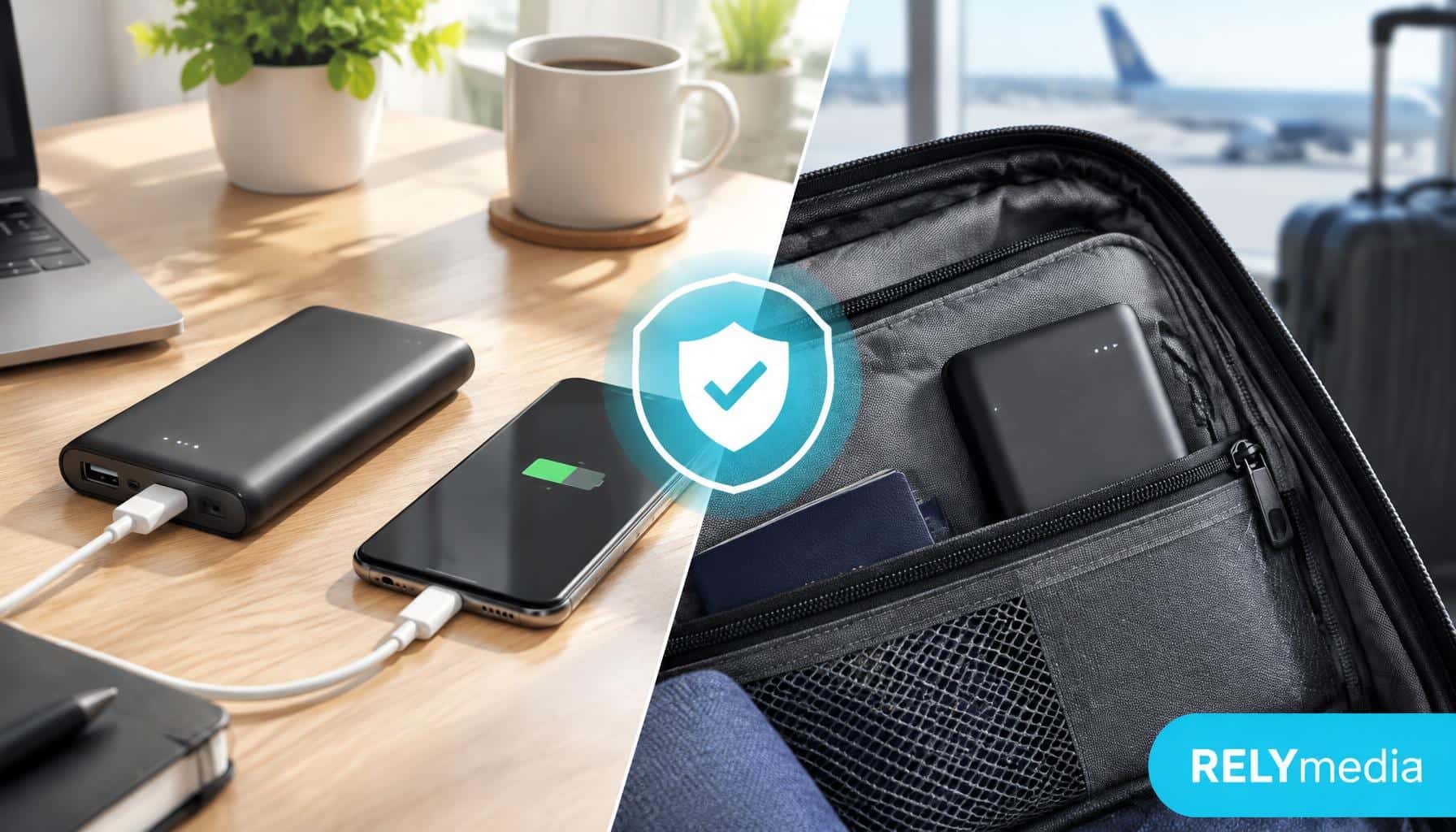
Charge on a hard, open surface where heat can escape. Avoid charging on a bed, sofa, pillow, blanket, or other soft material that traps heat.
Keep the battery away from direct sunlight, heaters, hot vehicles, and other high-temperature environments. Good thermal management needs airflow and heat dissipation.
A mild temperature rise can be normal. Persistent heat buildup or sudden abnormal temperature increase is not.
Avoid Charging Unattended
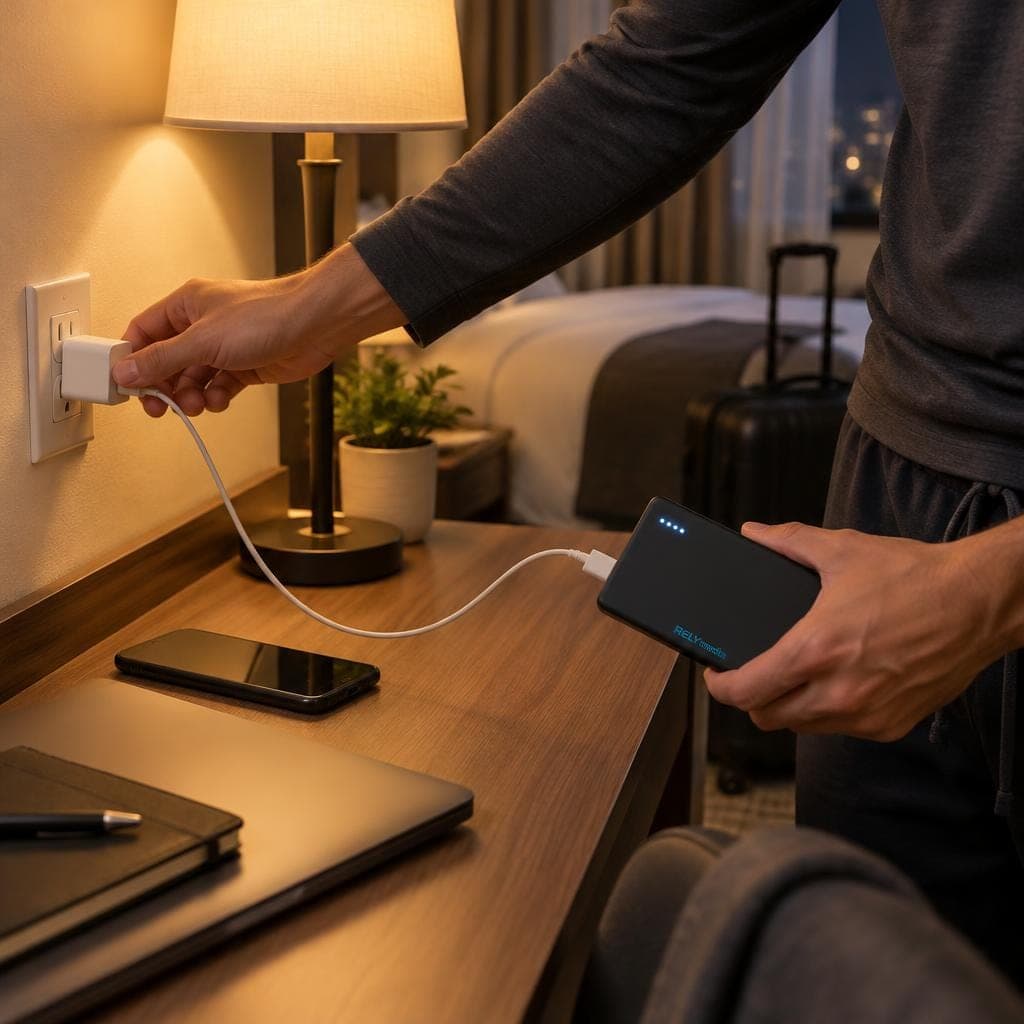
Protection circuitry helps prevent overcharging and over-discharging, but correct usage habits still matter. Avoid charging while sleeping when you cannot notice smoke, swelling, unusual odor, or excessive heat.
Once fully charged, unplugging avoids unnecessary charging duration. Lithium-ion and lithium-polymer batteries also lack the memory effect associated with some older rechargeable batteries.
Inspect the Power Bank Periodically
Check for:
- battery swelling or battery expansion
- cracks or damaged casing
- loose ports
- battery leakage
- discoloration or odor
- repeated overheating
- sudden power drain
- falling charging performance
Periodic inspection matters for an idle, unused, or old power bank. Battery deterioration continues with age, heat, and charging cycles.
Putting your logo on a charging device?
RELYmedia can help choose branded options that balance portability, usability, and product quality.
Is It Normal for a Power Bank to Get Warm?
Some warmth is normal. Electrical resistance, energy conversion, current flow, and fast charging create heat.
The warning signs are different: painful heat, swelling, smoke, strange odors, hissing, or changes in shape. If those appear, stop using the unit. Do not puncture, bend, squeeze, crush, or attempt a DIY battery replacement.
Recent CPSC recalls involving portable power products show why abnormal battery condition should never be ignored.
Power Bank Airline Regulations for US Travelers
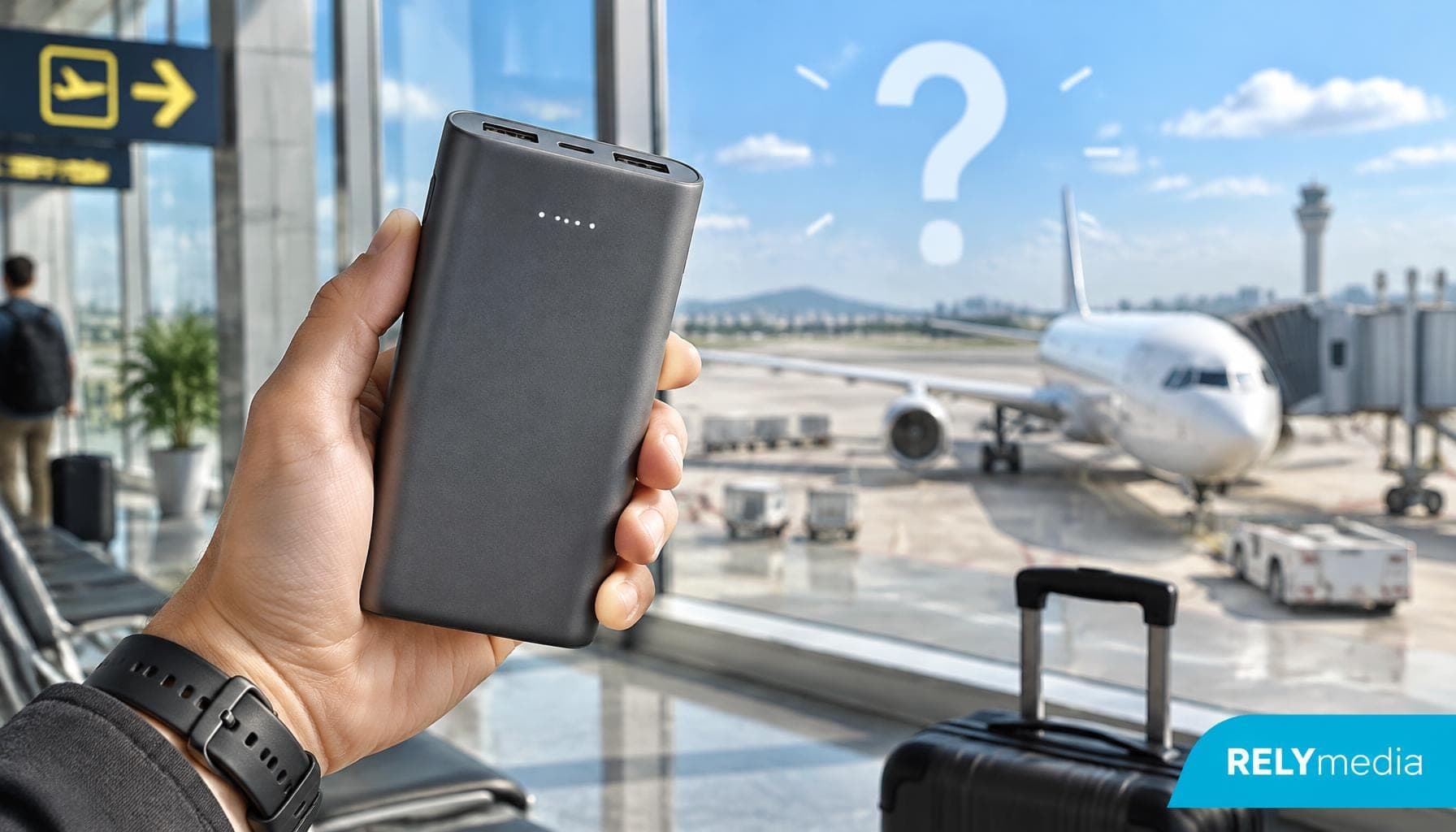
Can You Take a Power Bank on a Plane?
Usually, yes. However, airline regulations for power banks focus on storage location and energy capacity.
Under current FAA guidance, spare lithium batteries, including power banks and portable chargers, must stay in carry-on baggage. They cannot go in checked baggage. If staff gate-check your carry-on, remove the power bank first.
Protect terminals from short circuits and prevent handling damage or compression.
Power Bank Capacity Limits
US airline rules use watt-hours, or Wh, because watt-hours express stored energy more clearly than mAh alone.
| Battery rating | General FAA rule |
|---|---|
| 0–100 Wh | Allowed in carry-on baggage for personal use |
| 101–160 Wh | Airline approval required; up to two larger spare batteries |
| Over 160 Wh | Forbidden on passenger aircraft under standard rules |
FAA guidance updated in August 2026 confirms these capacity restrictions. Airlines may impose stricter quantity restrictions or watt-hour limits.
How to Convert mAh to Wh
Use this watt-hour calculation:
Wh = (mAh ÷ 1,000) × voltage
A 10,000 mAh battery at 3.7 volts equals 37 Wh. A 20,000 mAh battery at 3.7 volts equals 74 Wh.
This mAh-to-Wh conversion helps when a product lists mAh but airline rules use Wh. Always use the rated voltage printed on the battery.
How Many Power Banks Can You Carry?
For US travel, the FAA sets no general quantity limit for rechargeable batteries under 100 Wh when carried for personal use. Batteries from 101–160 Wh require airline approval and are limited to two larger spares. Airlines can impose stricter baggage restrictions.
International travel needs another check. IATA’s 2026 passenger guidance limits travelers to two lithium-ion power banks, each not exceeding 100 Wh. It says power banks should not be stored in overhead lockers or recharged from aircraft power.
Can You Use a Power Bank During a Flight?
IATA’s 2026 guidance states that passengers should not use power banks to power other devices during taxi, takeoff, or landing. Passengers also must not recharge power banks from an in-aircraft power supply. Airlines may set stricter cabin restrictions.
If a battery becomes hot, damaged, or starts smoking during flight, tell cabin crew immediately.
Before overseas travel, verify government rules and your airline’s current power bank policy.
Store and Maintain a Power Bank Safely
Good power bank maintenance starts with safe storage.
Keep the device in a cool, dry place, away from direct sunlight, moisture, metal objects, and prolonged heat. Store it where other objects cannot crush or compress the casing.
Battery lifespan depends on cell quality, charging cycles, charging temperature, storage conditions, and daily use. Watch for reduced usable power, unstable voltage output, slow charging, swelling, or physical damage.
If you rarely use a travel charger, inspect it before every trip.
Power Bank Disposal and Lithium Battery Recycling
Never place a power bank in household trash or ordinary curbside recycling.
Lithium battery recycling requires a proper collection process because damaged cells can pose fire risks during disposal, sorting, handling, or compaction. For recalled, swollen, leaking, or severely damaged batteries, follow local hazardous waste guidance and contact the manufacturer or municipality before transport.
Proper battery disposal also supports material recovery and reduces environmental pollution. Never crush, puncture, burn, or dismantle a discarded power bank.
What Businesses Should Consider When Ordering Promotional Power Banks
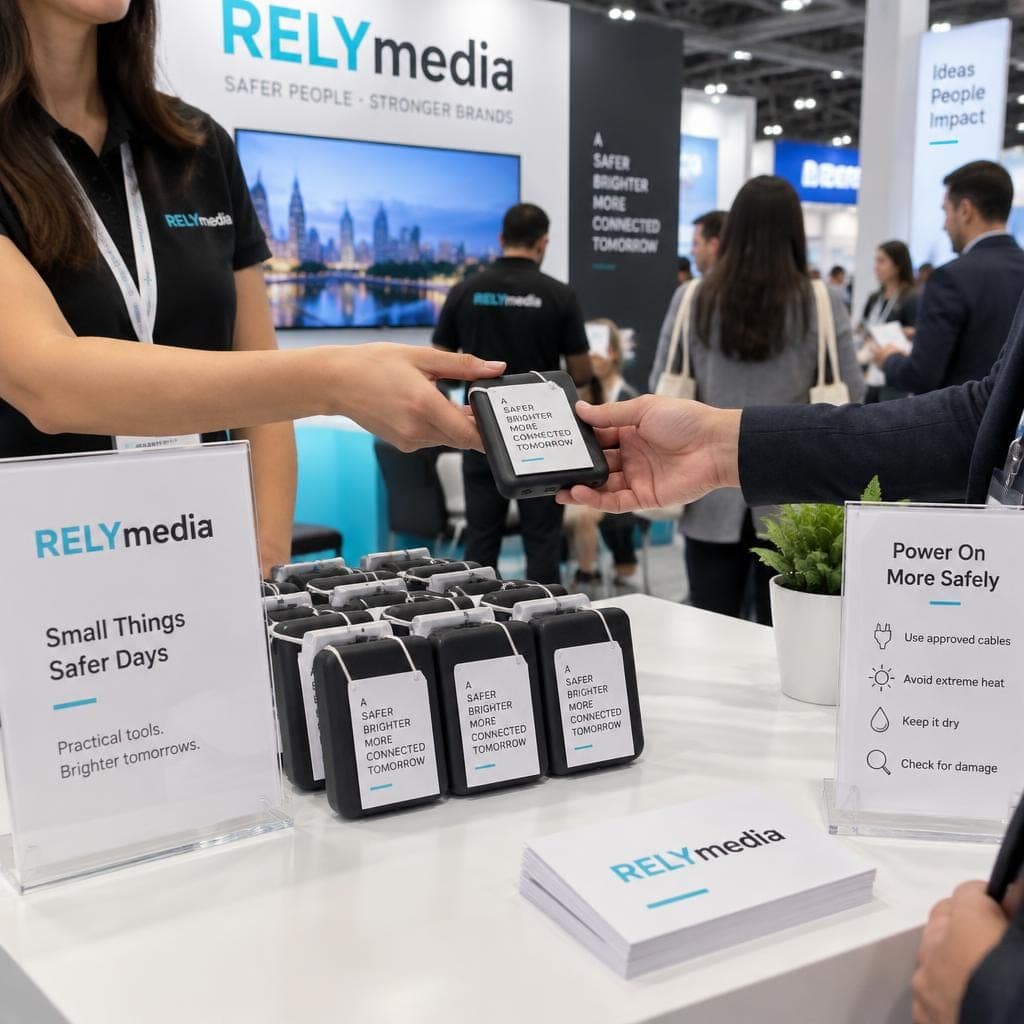
A promotional power bank becomes a repeated brand touchpoint at airports, trade shows, hotels, offices, and daily commutes. Product safety therefore becomes part of the brand experience.
Start with practical questions:
- Who will use it?
- Which mobile devices need charging?
- Is compact design more valuable than high capacity?
- Does the audience need USB-C charging?
- Are multiple charging ports useful?
- Will recipients travel often?
- What safety testing or certification information is available?
A lightweight power bank is ideal for on-the-go charging. A high-capacity power bank serves power-hungry electronic devices. Multiple ports allow users to connect several devices. Dual input ports can add flexibility, but features should solve real needs.
For business buyers, reliability usually creates more value than chasing the highest advertised number.
RELYmedia can help match custom power bank specifications to your audience, campaign, deadline, and branding goals.
Power Bank Safety Checklist
Before charging, storing, or traveling with a portable charger:
- Read product labeling and safety warnings.
- Check technical specifications and certification information.
- Use compatible cables and chargers.
- Charge on an open, hard surface.
- Keep batteries away from excessive heat.
- Inspect for swelling, cracks, leakage, or damage.
- Stop using recalled or abnormal batteries.
- Keep power banks in cabin baggage.
- Calculate watt-hours when needed.
- Review airline restrictions before travel.
- Use safe storage and proper battery recycling.
Ready to print your team's name on premium apparel?
Fill in your details and a RELYmedia specialist will come back to you with a custom quote — fast turnaround, no obligation.
- ⚡Same-day response on business days
- 🎨Free design assistance included
- 🚚Rush order & fast delivery available
- 💰Price beat guarantee on every order
Shop custom power banks and chargers
See all power banks & charging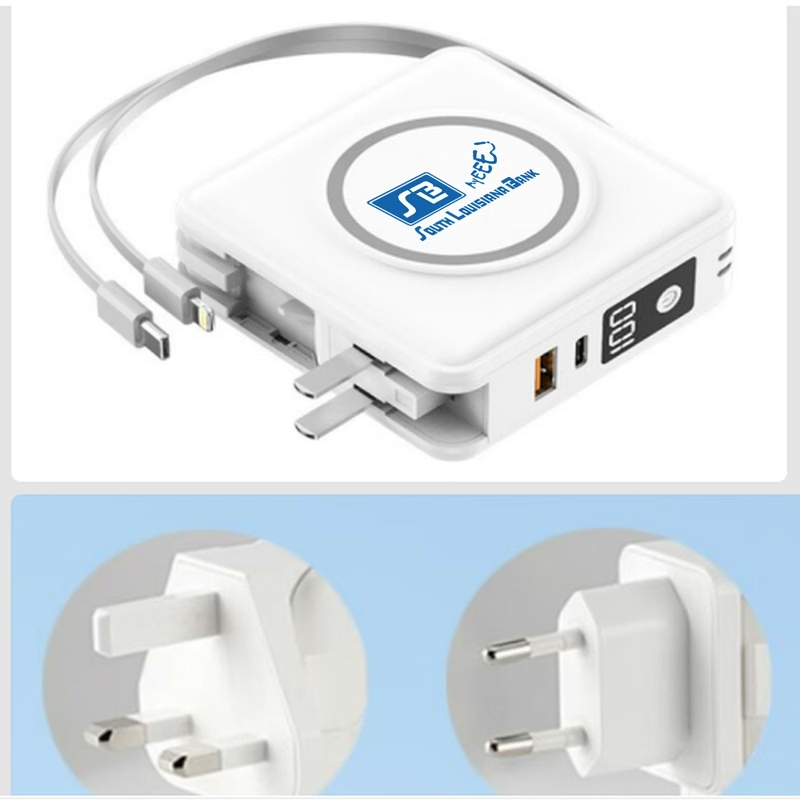
10,000 mAh Wireless Fast Charging Power Bank and 5IN1 Travel Charger w/Intl
$48.25 - $53.66
View product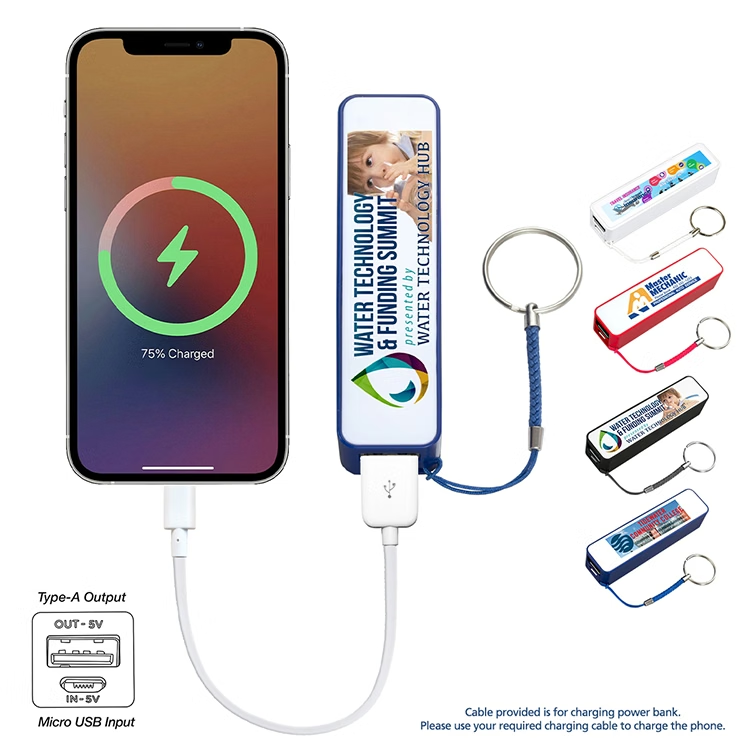
In Charge PB200 UL Listed 2200 mAh Portable Lithium Ion Power Bank Charger PB1004
$7.03 - $7.91
View product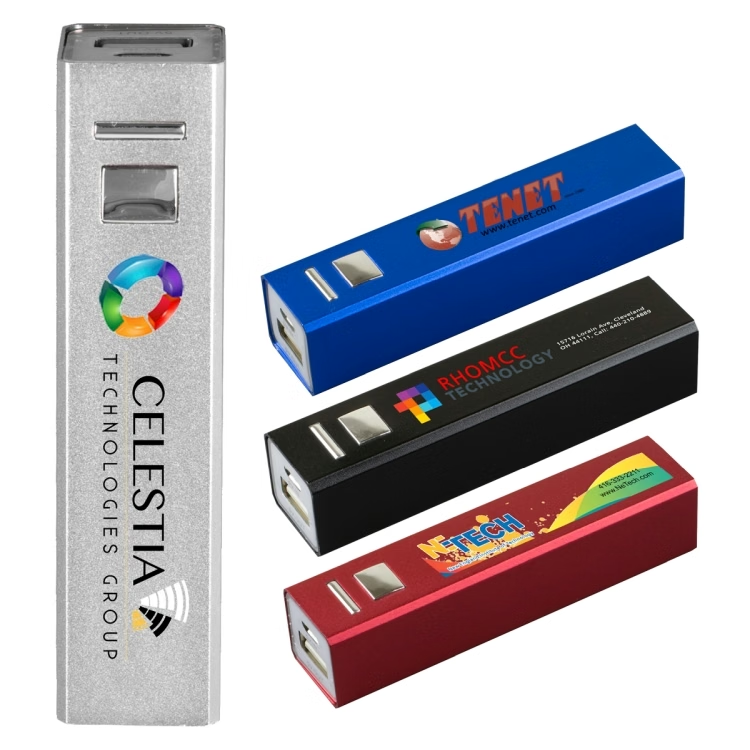
In Charge Alloy UL Listed Aluminium 2200 mAh Lithium Ion Portable Power Bank Charger
$7.57 - $8.85
View product10,000 mAh Energizer® Mag-N-Kick™ Wireless Charger Power Bank And Phone Stand
$34.39 - $52.31
View product10,000 mAh Wireless Charger Power Bank
$25.59 - $44.77
View product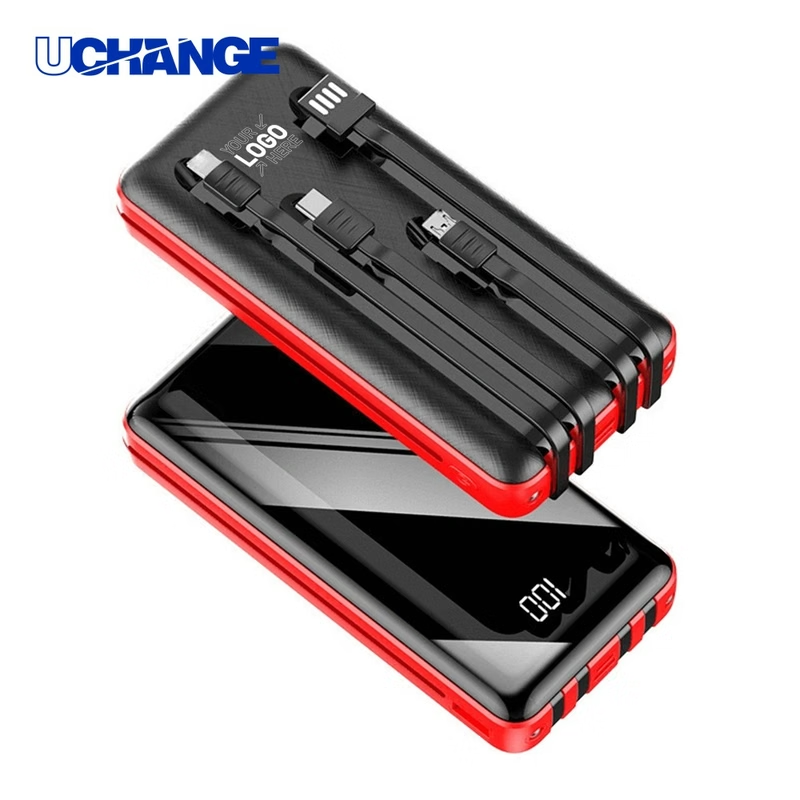
10,000mAh Portable Charger Power Bank with Dual Flashlight
$7.63 - $12.53
View product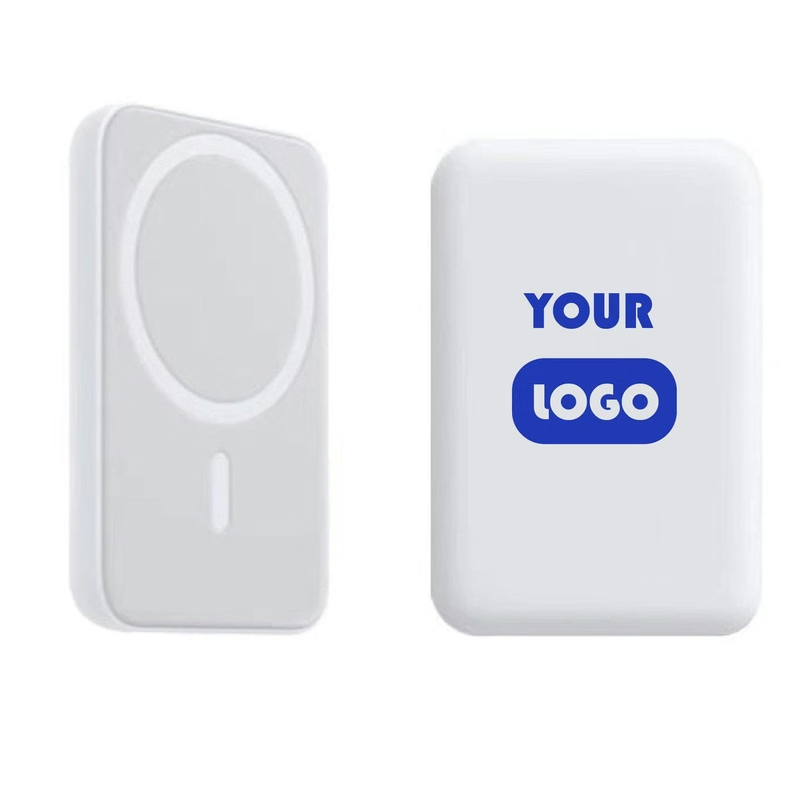
10,000 mAh Wireless Charging Power Bank
$11.58 - $25.35
View product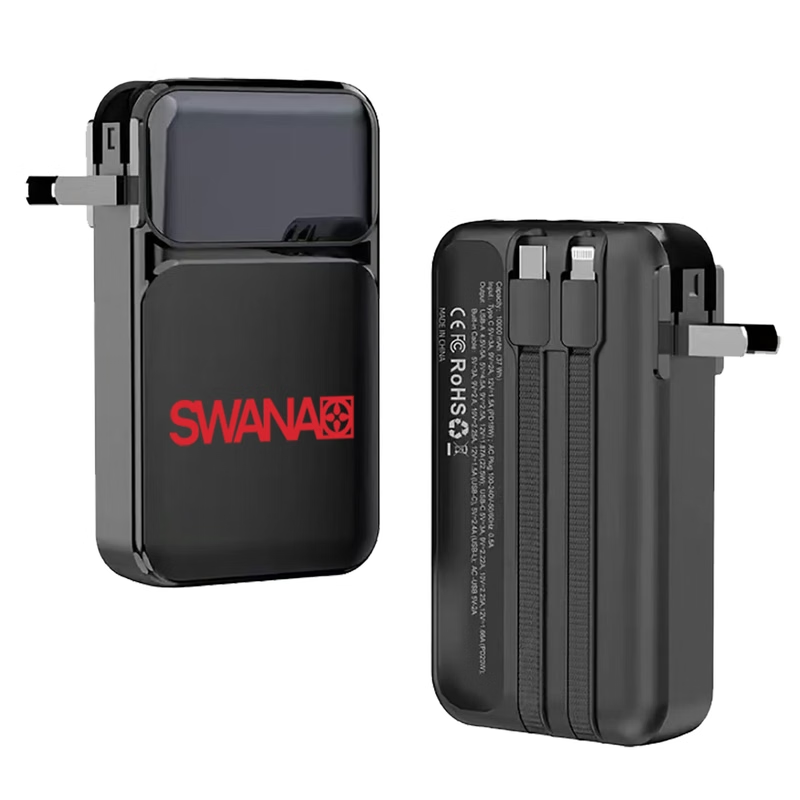
10,000 mAh Portable Charger w/Built In Wall Plug Power Bank
$27.43 - $32.36
View product
Frequently Asked Questions About Power Bank Safety
Is Charging a Power Bank Overnight Safe?
Avoid charging overnight unnecessarily, especially with damaged, old, recalled, or low-quality products. Protective mechanisms reduce risk, but monitoring lets you react if battery condition changes.
Can a Power Bank Catch Fire When It Is Not Charging?
Yes, although it is not normal. Internal damage, battery deterioration, manufacturing defects, short circuits, or heat exposure can create fire risk even after charging stops.
Can I Take a 10000 mAh Power Bank on a Plane?
Usually, yes, if its Wh rating fits applicable rules. At 3.7 volts, 10,000 mAh equals 37 Wh. Keep it in carry-on baggage and verify your airline’s policy.
Why Is My Power Bank Hot?
Mild warmth can result from normal current flow and charging-efficiency losses. Excessive heat, swelling, smoke, odor, or changes in shape indicate a potential battery safety issue.
How Long Does a Power Bank Last?
Power bank lifespan varies. Battery quality, charging cycles, storage, heat exposure, charging habits, and power bank usage affect battery performance. Replace a unit when deterioration or unsafe behavior appears.
Conclusion: Make Power Bank Safety Part of Everyday Use
Safe portable power comes down to consistent choices.
Choose a reliable power bank with realistic battery capacity, clear labeling, credible safety features, and good device compatibility. Use suitable cables, keep batteries cool, inspect their physical condition, retire damaged units, and recycle them correctly.
When flying, remember the core travel safety rule: power banks belong in your carry-on, not checked baggage. Then confirm capacity restrictions, quantity limits, and airline-specific requirements.
For organizations, those details also shape brand trust. RELYmedia helps businesses choose custom promotional products with quality, usefulness, turnaround needs, and recipient experience in mind.
Ready to turn a useful charging product into a stronger brand touchpoint?
Connect with RELYmedia to explore custom power bank options for your next campaign.
Shop this
Need custom power banks? We print them.
Bulk pricing, three free mockups, real quotes back the same business day.