The Difference Between Power Banks and Wireless Chargers
October 25, 2026 · 10 min read
Running low on battery often happens when you need your phone most. The right charging accessory can keep you connected.
A power bank stores electrical energy for later use. A wireless charger transfers power to a compatible device without plugging a cable directly into it. That difference affects portability, speed, convenience, and compatibility.
Power Bank vs. Wireless Charger: What Is the Main Difference?
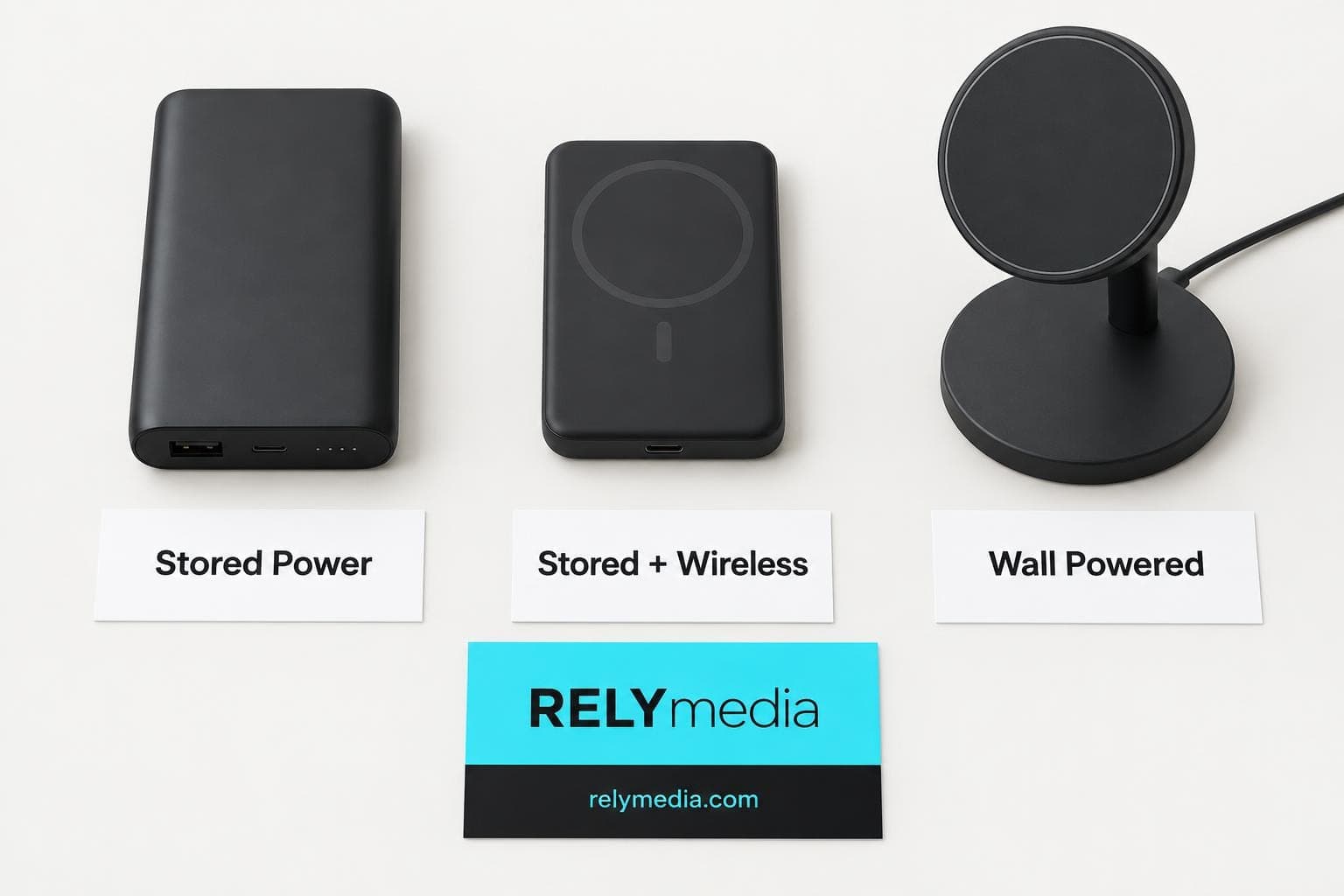
A power bank contains a battery. You charge it first, then carry the stored energy. A wireless charger usually needs a power outlet or a connected power supply to work.
| Feature | Power Bank | Wireless Charger |
|---|---|---|
| Main purpose | Portable charging | Cable-free charging |
| Power source | Internal battery | External power supply |
| Portability | High | Lower |
| Charging method | Wired, magnetic, or wireless | Wireless |
| Best use | Travel and mobile charging | Desk, bedside, and office charging |
| Device support | Phones, tablets, earbuds, some laptops | Compatible phones, earbuds, watches |
| Multi-device charging | Available on some models | Available on docks and stands |
| Charging speed | Varies by wattage | Varies by Qi or Qi2 support |
A power bank prioritizes mobility. A wireless charger prioritizes charging convenience.
What Is a Power Bank Charger?
A power bank charger is a rechargeable, portable battery that stores electrical energy so you can recharge devices later.
If you have searched for what a power bank charger is, think of it as portable backup power. It can charge smartphones, tablets, wireless earbuds, and other mobile devices away from a wall outlet.
How Does a Power Bank Work?
A power bank stores energy by charging its battery. Later, it delivers power through a charging port, an integrated cable, a built-in cable, or a magnetic connection.
The process:
- Recharge the power bank.
- Store energy in its battery.
- Connect a compatible device.
- Transfer power to that device.
- Recharge the bank when needed.
This power management system is ideal for camping, road trips, flights, conferences, and commutes.
Is a Power Bank a Portable Charger?
Yes. In everyday language, a power bank is a portable charger.
The searches "power bank vs portable charger" and "portable charger vs power bank" usually refer to the same category. Both commonly refer to a rechargeable battery that provides portable charging away from an outlet.
Product names vary. Check battery capacity, power output, ports, and charging compatibility before buying.
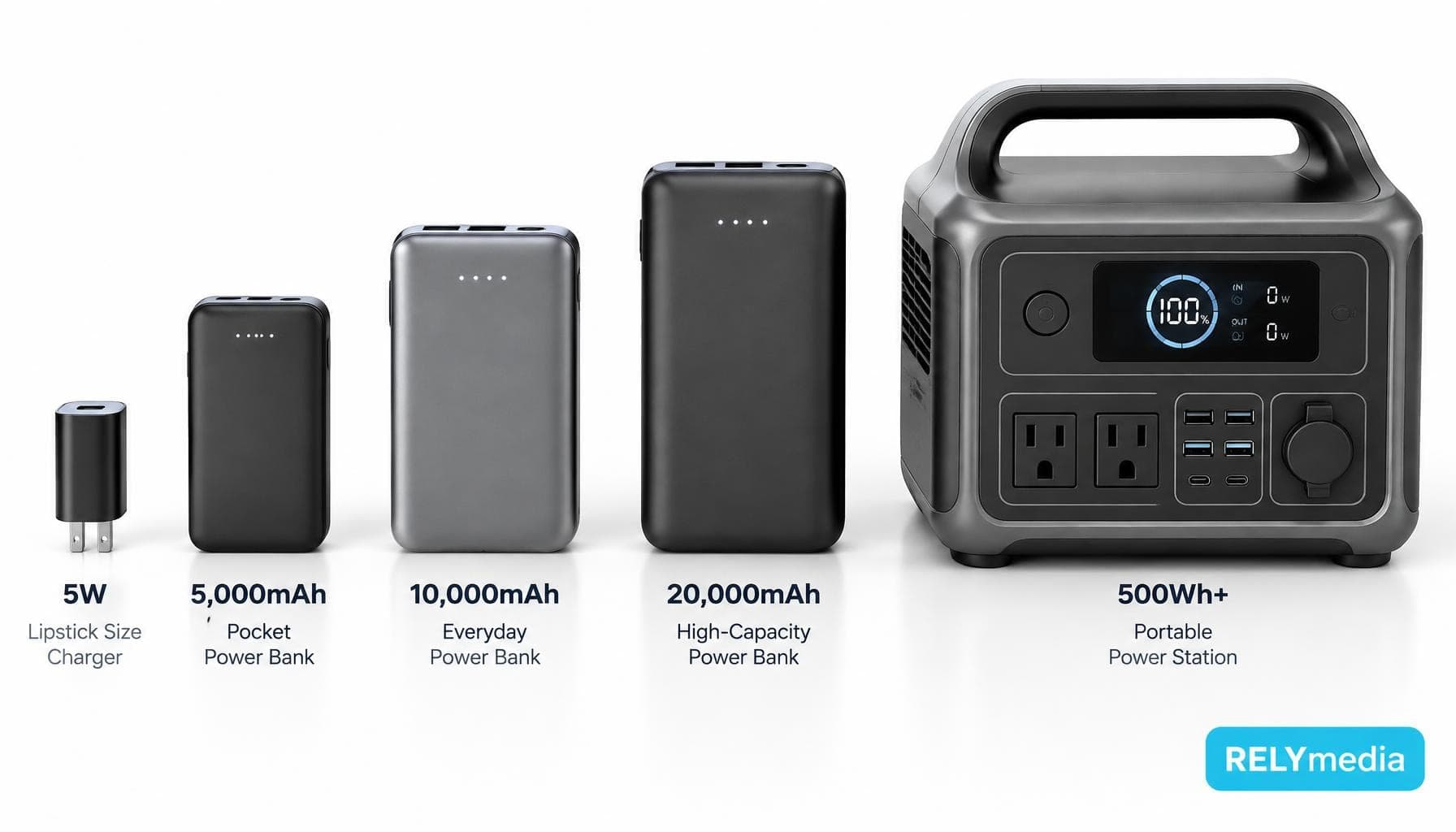
Battery Capacity, mAh, and Additional Battery Life
Battery capacity is measured in milliampere-hours, or mAh.
A 10,000 mAh portable battery holds more nominal charge than a 5,000 mAh model. However, that number does not equal the exact energy your phone receives.
Conversion, resistance, heat, and charging losses reduce usable capacity.
Real additional battery life depends on:
- Phone battery size
- Charging efficiency
- Device temperature
- Power bank condition
- Cable quality
- Charging method
That explains why products with similar mAh ratings can deliver different charging performance.
Power Output, Wattage, and Fast Charging
Power output affects charging speed and is commonly shown in watts.
Higher wattage can enable rapid charging, but only if the device supports it. A 65W Power Delivery power bank does not force 65W into a phone that supports less.
Common technologies include:
- Power Delivery for flexible USB-C fast charging
- Quick Charge on supported devices
- USB-C for modern wired charging
- USB-A for older accessories
- Lightning connector support on some products
Products may advertise 15W charging, 23W power, a 20W power supply, or 65W Power Delivery. Those figures describe specific charging capability, not universal results.
USB-C Ports, Built-In Cables, and Multi-Port Power Banks
Connection design changes the charging experience.
A USB-C port supports many modern phones, tablets, laptops, and consumer electronics. USB-A remains common on older tech accessories. Some models include an integrated Lightning cable or a built-in cable to reduce cable clutter.
A multi-port power bank can recharge several devices, but simultaneous charging may divide available wattage.
Multi-device users should check total output and per-port output.
What Is a Wireless Charger?
A wireless charger delivers wireless power without connecting a cable directly to the device.
Most systems use electromagnetic induction. A coil inside the charging pad creates an electromagnetic field. A compatible coil inside the phone receives that energy and converts it into usable power.
The charger still needs electricity. Usually, it connects to a wall adapter through a USB-C cable or similar power supply.
Qi Standard and Qi Wireless Charging
The Qi standard helps compatible devices and charging accessories work together.
Qi wireless charging appears in smartphones, earbuds, and other mobile devices. Device compatibility still matters because products support different wattage levels and features.
Charging standards create a more predictable charging ecosystem across brands.
Qi2 Technology, Magnetic Alignment, and MagSafe Compatibility
Qi2 technology improves magnetic alignment on compatible products.
A magnetic wireless charger positions a phone over its charging coil. Magnetic attachment provides a secure, stable magnetic connection.
For supported devices, Qi2 fast charging can make charging feel seamless. MagSafe compatibility also enables snap-and-go attachment with compatible accessories.
Charging Pad, Charging Stand, or Charging Dock?
Wireless chargers come in several forms.
A charging pad lies flat for simple bedside charging. A charging stand holds a phone upright while charging on a desk. A charging dock may support multi-device charging for a smartphone, smartwatch, and wireless earbuds.
Some models use a folding stand and compact design for easier travel charging. A travel-ready design improves portability, but most wireless chargers still require external power.
Charging Speed and Charging Efficiency
Wired charging often delivers stronger charging performance because energy travels directly through a cable. Wireless charging adds an inductive transfer stage, which can create additional energy loss.
Heat, alignment, and coil distance can affect charging efficiency.
Still, convenience may matter more than maximum speed. A bedside charging stand can be easier than finding a cable in the dark.
Choose based on your routine, not on a single performance number.
Magnetic Power Bank and Wireless Charger: Where They Overlap
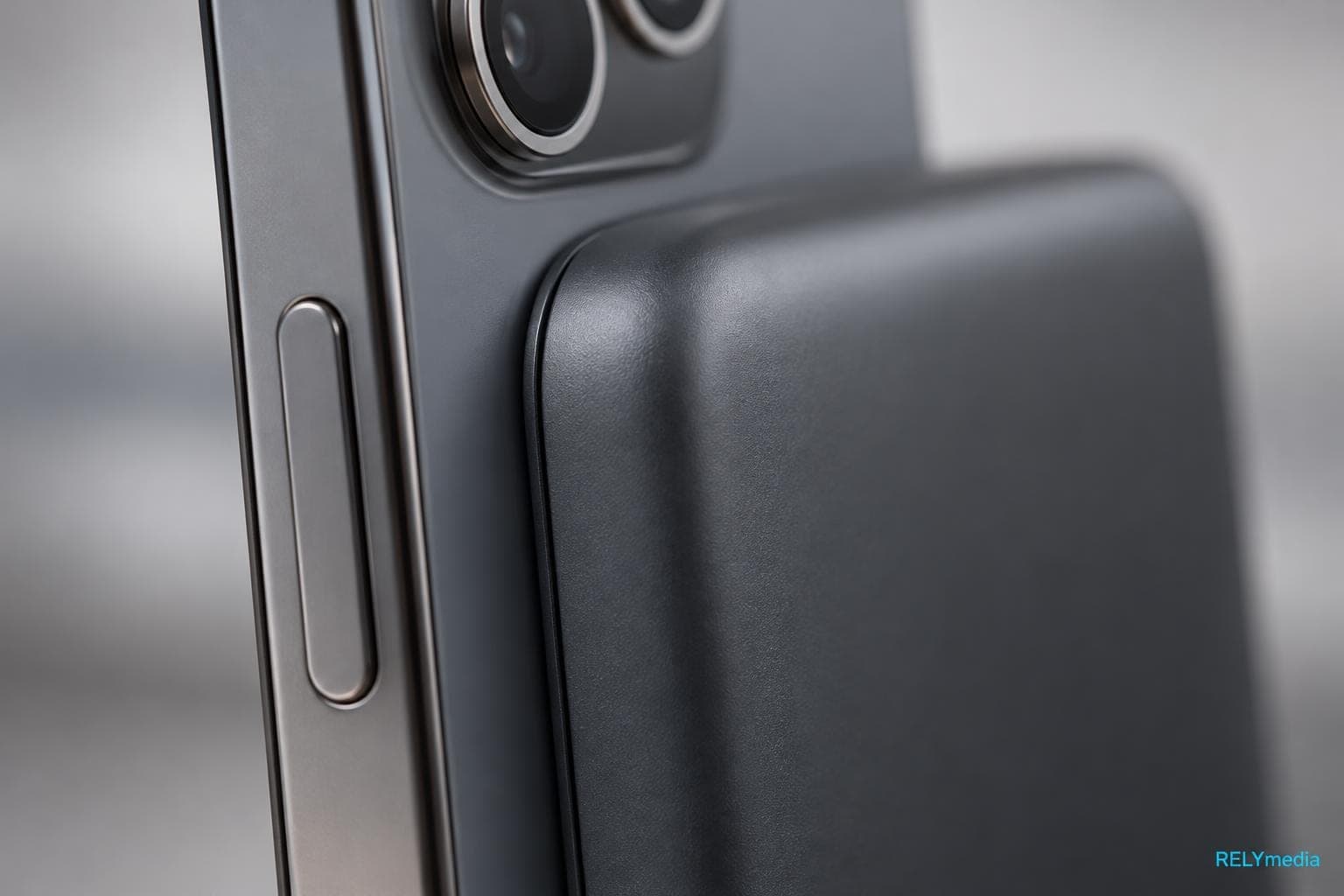
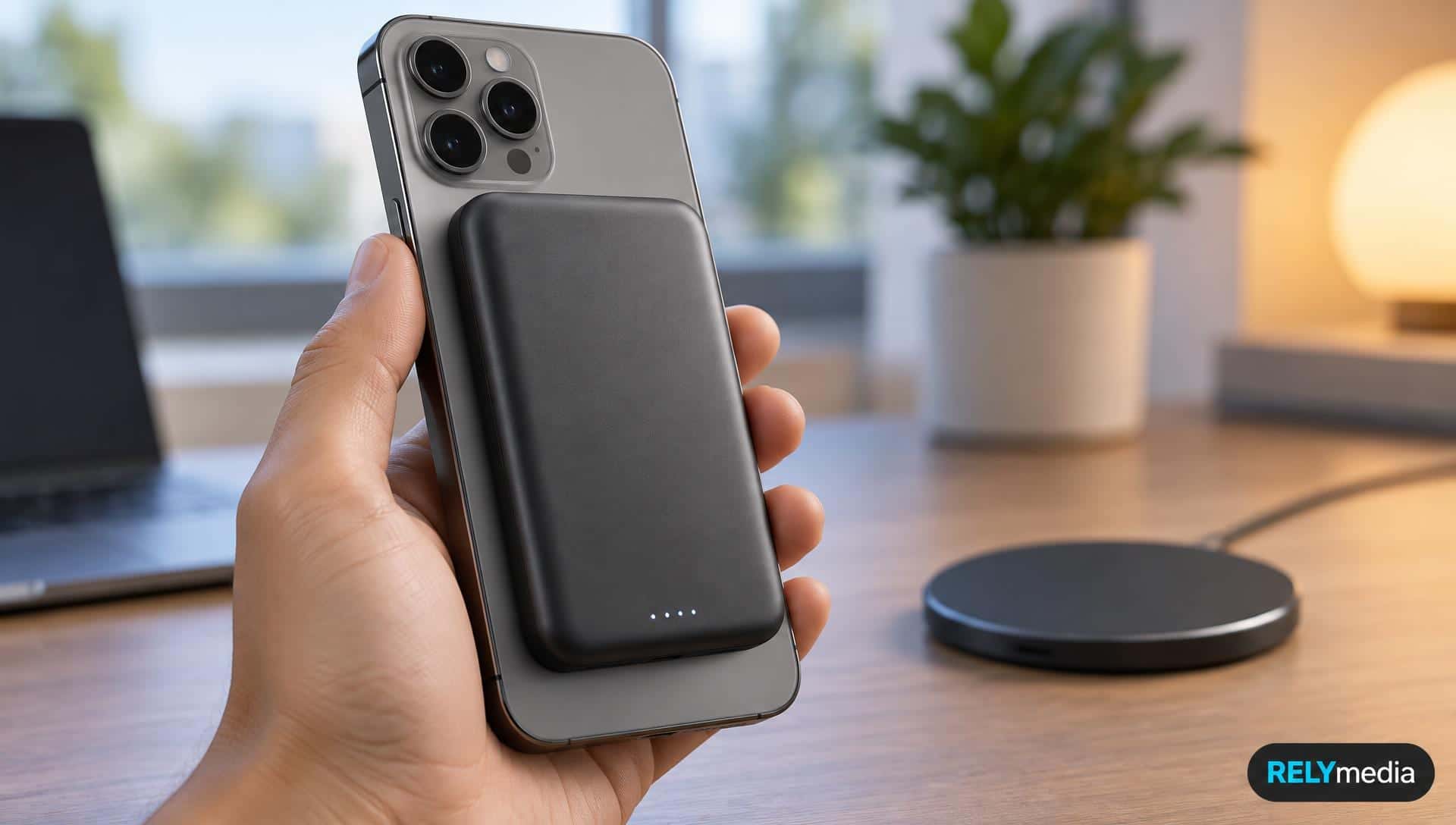
A magnetic power bank combines portable charging with magnetic charging.
It stores battery power like a traditional power bank and then transfers energy wirelessly via a magnetic connection. This enables cable-free charging while moving.
A magnetic wireless charger typically lacks a built-in battery and requires external power.
The distinction is simple:
- Magnetic power bank = stored power plus wireless charging
- Magnetic wireless charger = wireless charging from external power
Both add charging flexibility, but only the power bank provides mobile charging away from an outlet.
Power Bank vs. Wireless Charger for Travel
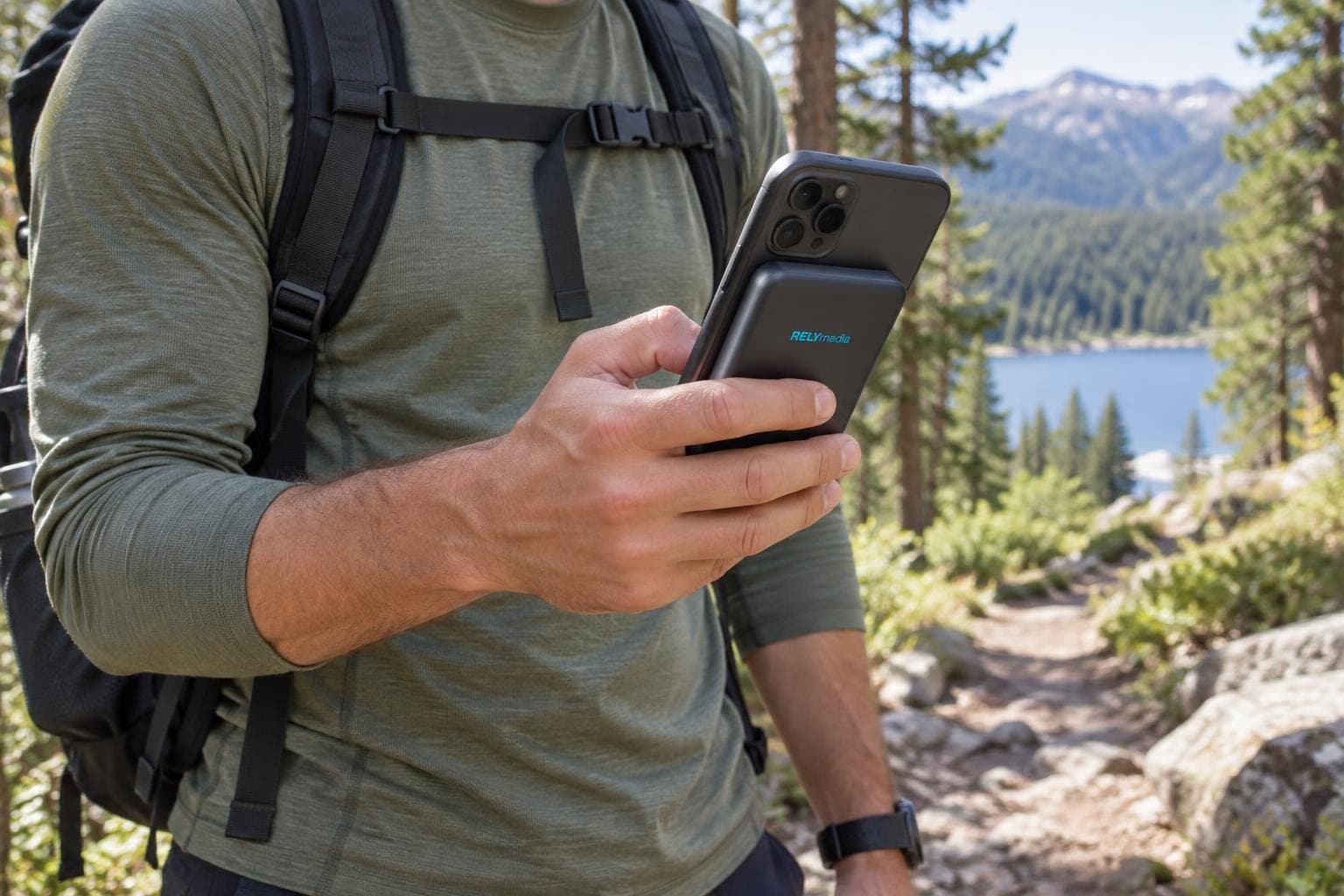
For travel, a power bank provides greater freedom.
It works during long flights, road trips, outdoor activities, and busy days. A solar power bank can offer another outdoor charging solution, although solar performance depends on sunlight and panel size.
Wireless chargers work well in hotels, airports, or workspaces where electricity is available.
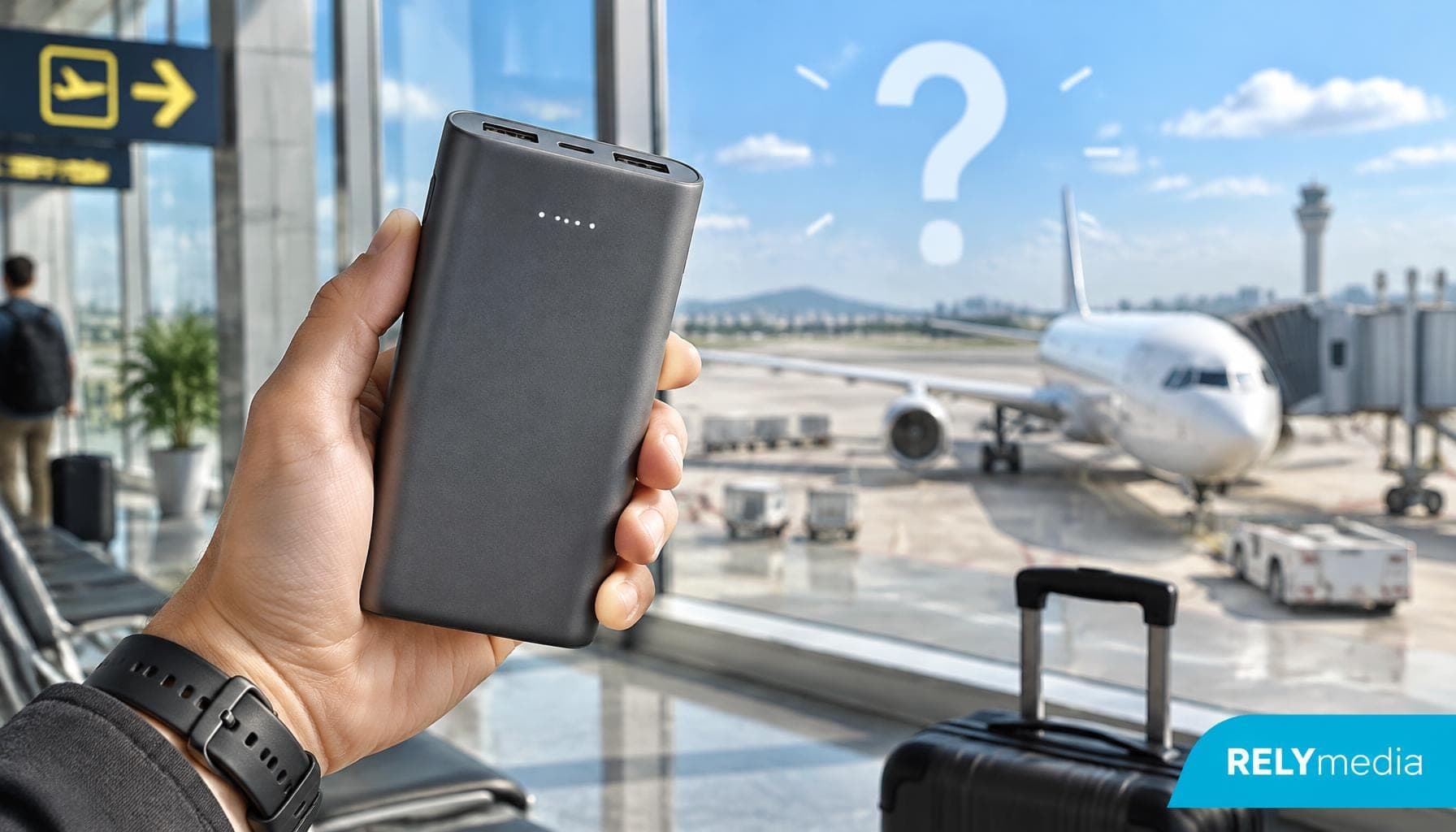
Before flying, check current airline and federal lithium-battery rules.
Home Charging, Office Charging, and Everyday Charging
At home, convenience often wins.
A bedside charging stand provides easy access without the need for repeated cable connections. At work, desk charging keeps your phone visible while reducing cable clutter.
Power banks provide backup power during meetings, commutes, fieldwork, and events.
For everyday charging, many people benefit from both.
Device Compatibility and Universal Compatibility
No charging product works equally well with every device.
Power banks may support:
- Smartphones
- iPhone models
- Tablets
- Laptops
- Smartwatches
- Wireless earbuds
- Other electronic devices
Wireless charging requires compatible receiving hardware. Laptops usually rely on wired USB-C charging.
Treat universal compatibility carefully. A product may support many devices yet still have limits on wattage, connectors, voltage, or standards.
Safety, Durability, and Product Performance
Quality matters when batteries and electricity are involved.
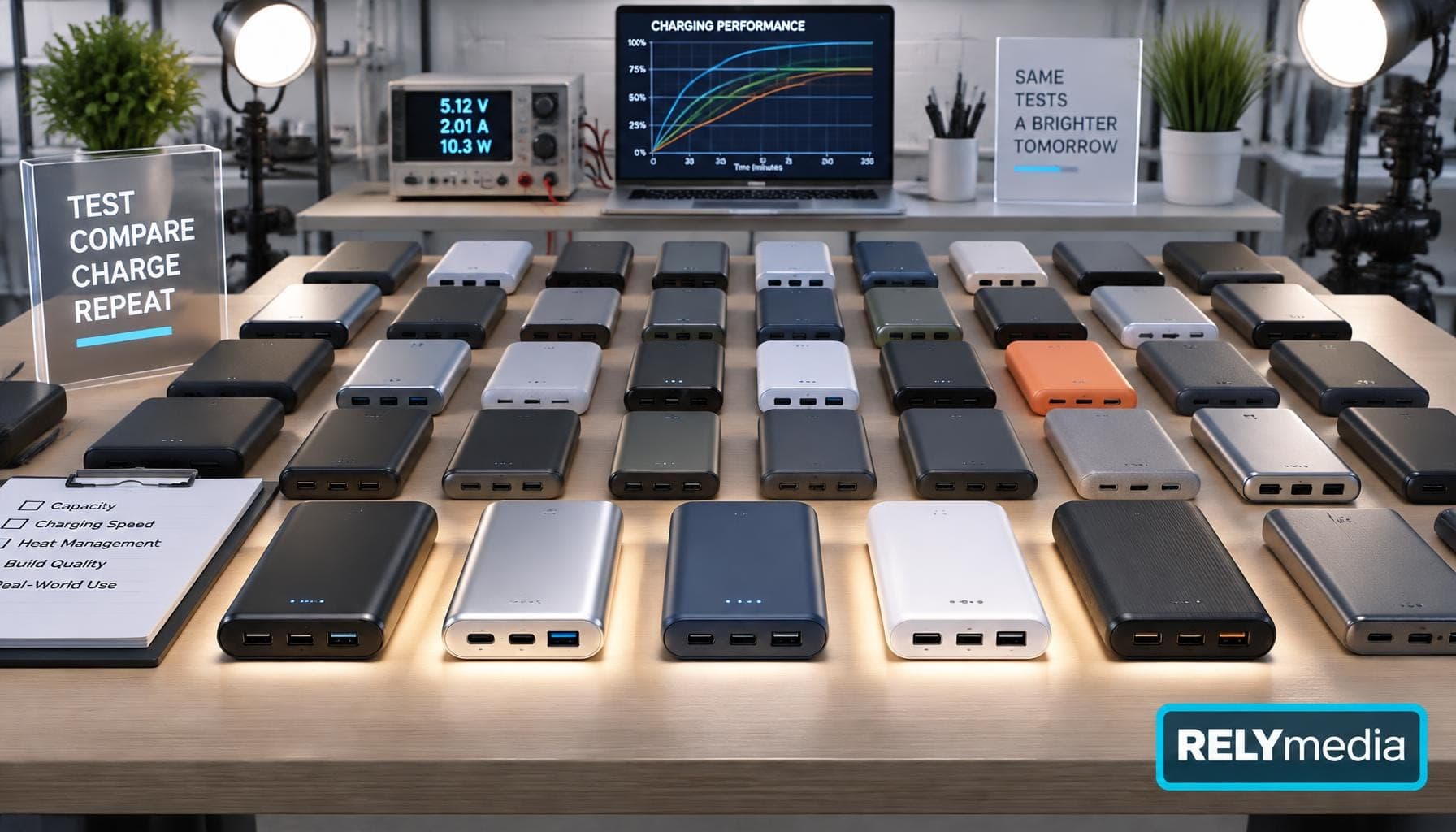
Look for clear specifications, device protection, durable construction, reputable product testing, and a useful product warranty. Good charging products should manage voltage, current, and heat appropriately.
Stop using a power bank if it becomes swollen, damaged, unusually hot, or unreliable.
Durability matters for promotional products too. A branded charging accessory creates value only as long as people keep using it.
RELYmedia can help you focus on quality, durability, and useful product performance instead of choosing on price alone.
Environmental Impact and Eco-Friendly Charging
Charging products have an environmental impact because they contain batteries, electronics, metals, and plastics.
Durable products can reduce frequent replacement. Sustainable materials may also reduce waste when manufacturers use them responsibly.
Eco-friendly charging should prioritize longevity. Choose products that suit real needs, protect them from damage, and recycle batteries properly.
How to Choose the Right Charging Solution
Start with your daily routine.
Choose a power bank when you need:
- On-the-go charging
- Portable battery power
- Laptop or tablet support
- Multiple ports
- Travel charging
- Emergency backup power
Choose a wireless charger when you need:
- Desk charging
- Bedside charging
- Cable-free charging
- A cleaner charging setup
- Easy phone placement
- Multi-device charging
Choose a magnetic power bank for mobility and the convenience of magnetic charging.
The best power solution depends on where, what, and how quickly you charge.
Can You Use a Power Bank and Wireless Charger Together?
Yes. They complement each other well.
A wireless charger can stay on your desk. A power bank can stay in your backpack or travel bag.
Some products support pass-through or combined charging. Features vary by model, so confirm specifications before relying on simultaneous input and output.
Together, they add charging versatility at home, in the office, and on the go.
Why Choose RELYmedia for Custom Charging Accessories?

RELYmedia helps businesses and organizations turn useful tech accessories into memorable branded products.
From Eagan, Minnesota, the company serves organizations of all sizes with quality-focused products, fast turnaround times, responsive service, and tailored promotional solutions.
Power banks and wireless chargers work well because recipients may use them repeatedly. Each recharge can create another brand impression.
Want branded charging products people will keep?
Contact RELYmedia to discuss power banks, wireless chargers, and other tech accessories.
Ready to print your team's name on premium apparel?
Fill in your details and a RELYmedia specialist will come back to you with a custom quote — fast turnaround, no obligation.
- ⚡Same-day response on business days
- 🎨Free design assistance included
- 🚚Rush order & fast delivery available
- 💰Price beat guarantee on every order
Shop custom power banks and chargers
See all power banks & charging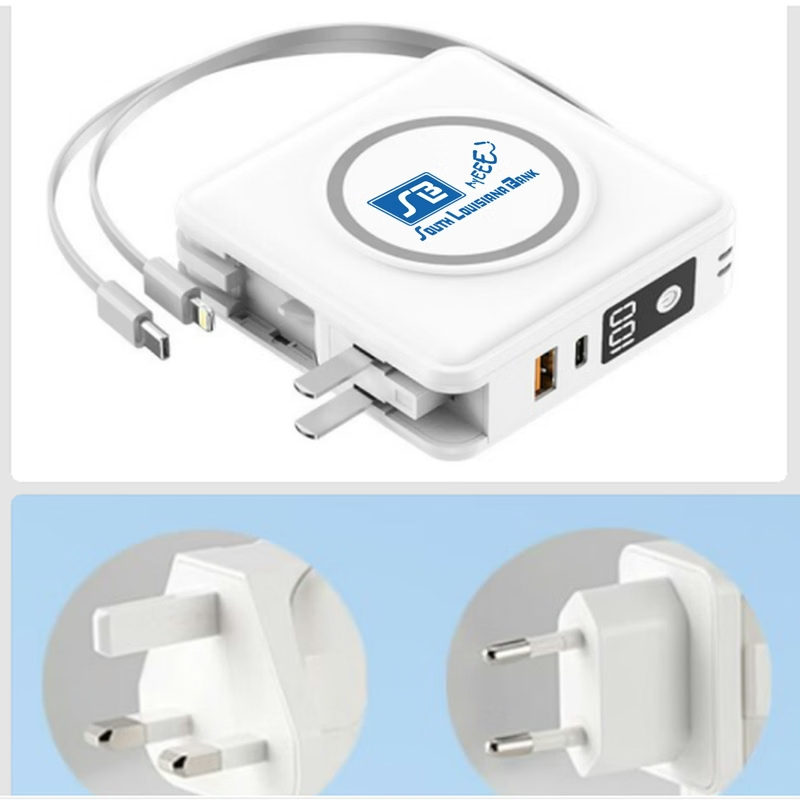
10,000 mAh Wireless Fast Charging Power Bank and 5IN1 Travel Charger w/Intl
$48.25 - $53.66
View product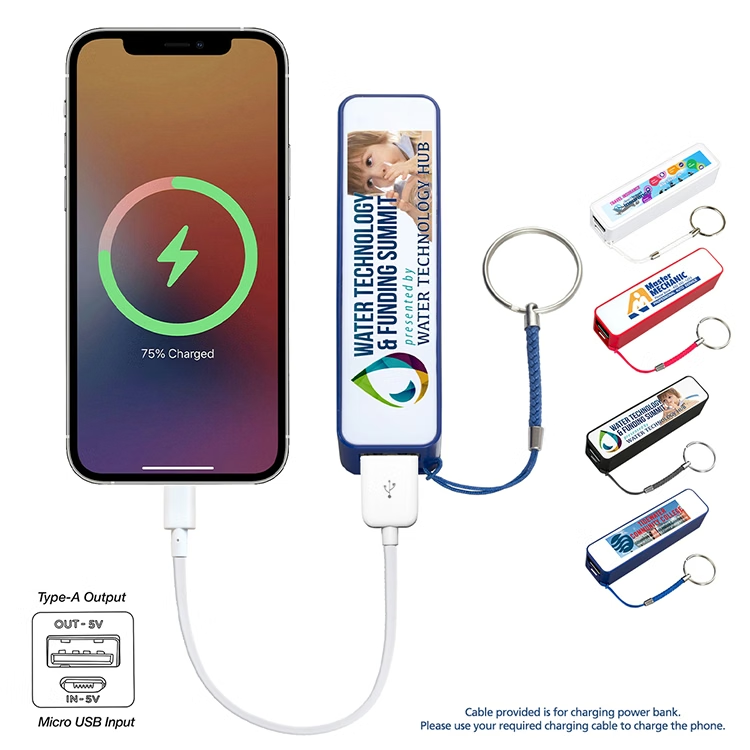
In Charge PB200 UL Listed 2200 mAh Portable Lithium Ion Power Bank Charger PB1004
$7.03 - $7.91
View product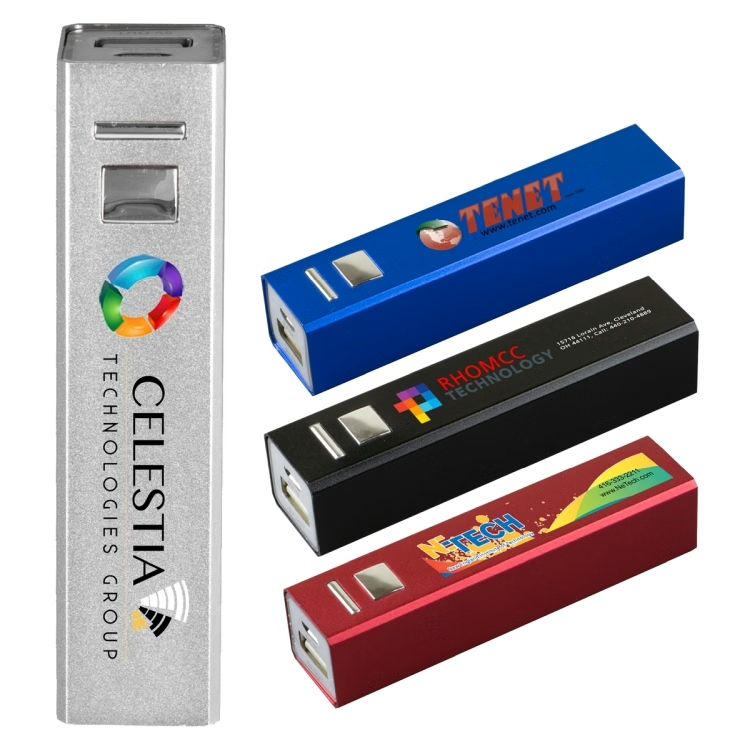
In Charge Alloy UL Listed Aluminium 2200 mAh Lithium Ion Portable Power Bank Charger
$7.57 - $8.85
View product10,000 mAh Energizer® Mag-N-Kick™ Wireless Charger Power Bank And Phone Stand
$34.39 - $52.31
View product10,000 mAh Wireless Charger Power Bank
$25.59 - $44.77
View product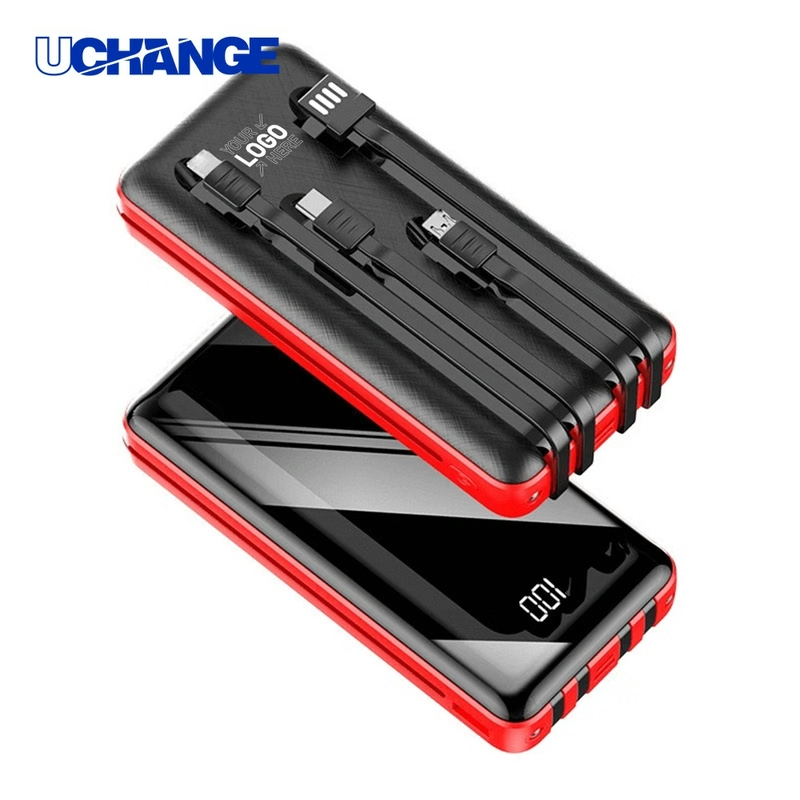
10,000mAh Portable Charger Power Bank with Dual Flashlight
$7.63 - $12.53
View product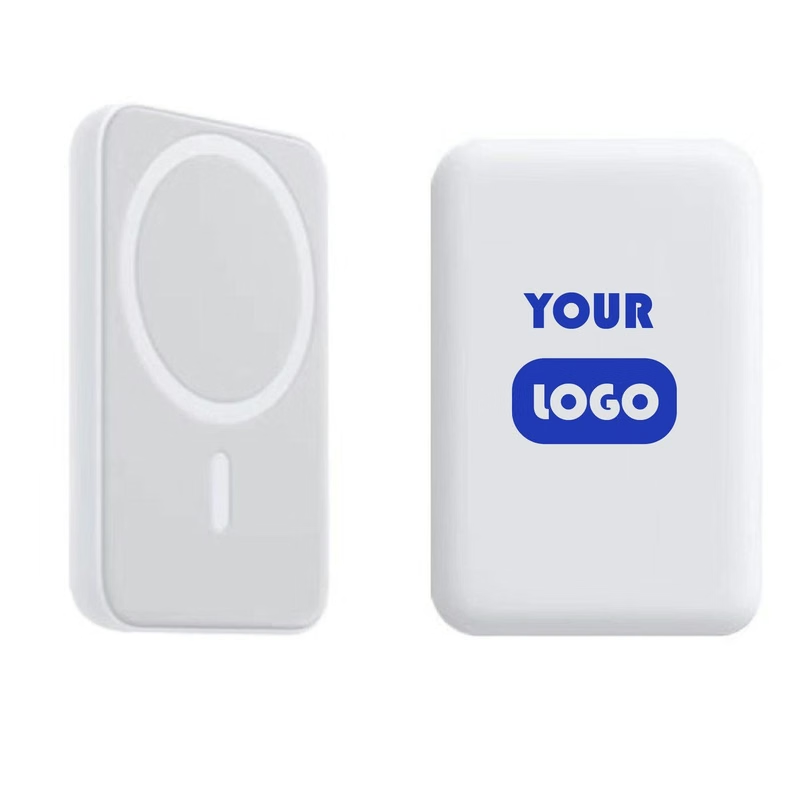
10,000 mAh Wireless Charging Power Bank
$11.58 - $25.35
View product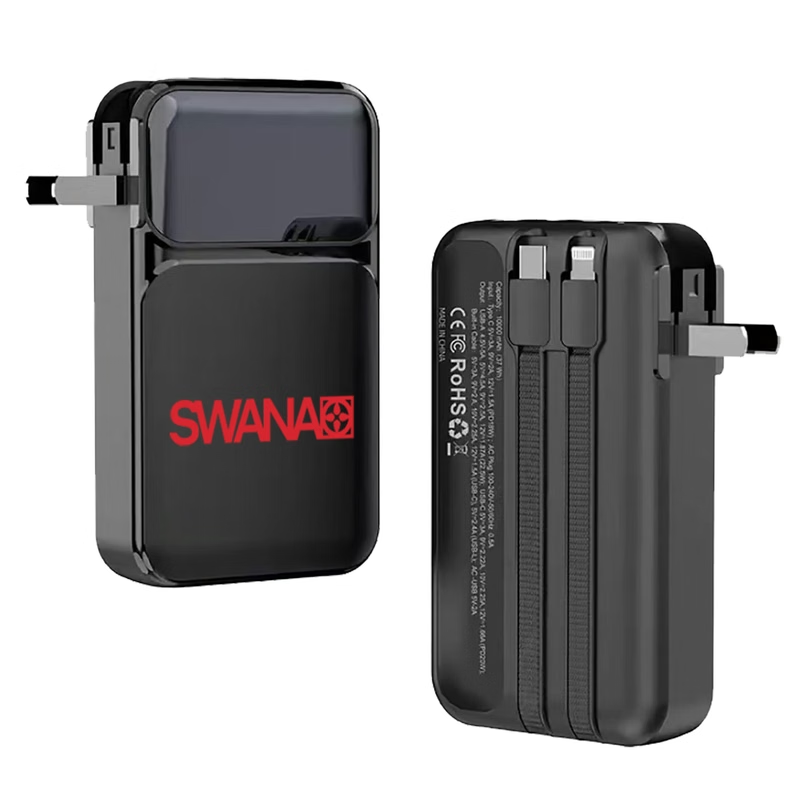
10,000 mAh Portable Charger w/Built In Wall Plug Power Bank
$27.43 - $32.36
View product
Frequently Asked Questions About Power Banks and Wireless Chargers
Is a Power Bank a Portable Charger?
Yes. A power bank is a portable charger with a rechargeable internal battery.
Can a Power Bank Be Used as a Wireless Charger?
Some can. A magnetic power bank or a wireless model can charge compatible devices without a cable.
Do Wireless Chargers Charge Slower Than Power Banks?
Sometimes. Charging speed depends on wattage, charging technology, device limits, alignment, temperature, and power supply.
Can I Charge Multiple Devices Simultaneously?
Yes, when the charging device supports it. Multi-port power banks and charging docks are common examples.
Which Option Is More Portable?
A power bank offers greater portability because it stores energy without requiring constant access to an outlet.
Are Power Banks Safe for Battery Life?
Quality power banks include power-management protections. Heat, poor-quality hardware, and extreme temperatures can still affect battery life.
What Is Better for Multi-Device Users?
A multi-port power bank works well on the go. A charging dock is suitable for stationary charging at home or work.
Conclusion: Power Bank vs. Wireless Charger
The core difference is simple. A power bank stores electrical energy. A wireless charger transfers power wirelessly from an external source.
Choose a power bank for mobility, travel, higher-output wired charging, and backup power. Choose a wireless charger for convenience, a clean desk, bedside use, and cable-free routines. A magnetic power bank combines both experiences.
Compare battery capacity (mAh), wattage, charging speed, device compatibility, portability, durability, and charging standards. Those details matter more than marketing labels.
For businesses, the same principle applies. The best branded charging accessory should solve a real problem for the recipient.
When you are ready to create practical branded charging products,
RELYmedia can help you choose a solution that fits your audience and campaign goals.
Shop this
Need custom power banks? We print them.
Bulk pricing, three free mockups, real quotes back the same business day.