What Is an Imprint Color? Spot Color, Full Color and PMS Explained
July 17, 2026 · 7 min read
When an order form for pens, mugs or shirts asks for your imprint color, it is asking which ink colors your logo will print in. It is not the color of the product. That choice decides how many screens or plates the printer makes, so it also decides part of your price.
By the RELYmedia editorial team · Updated November 2, 2026
What Does Imprint Color Mean?
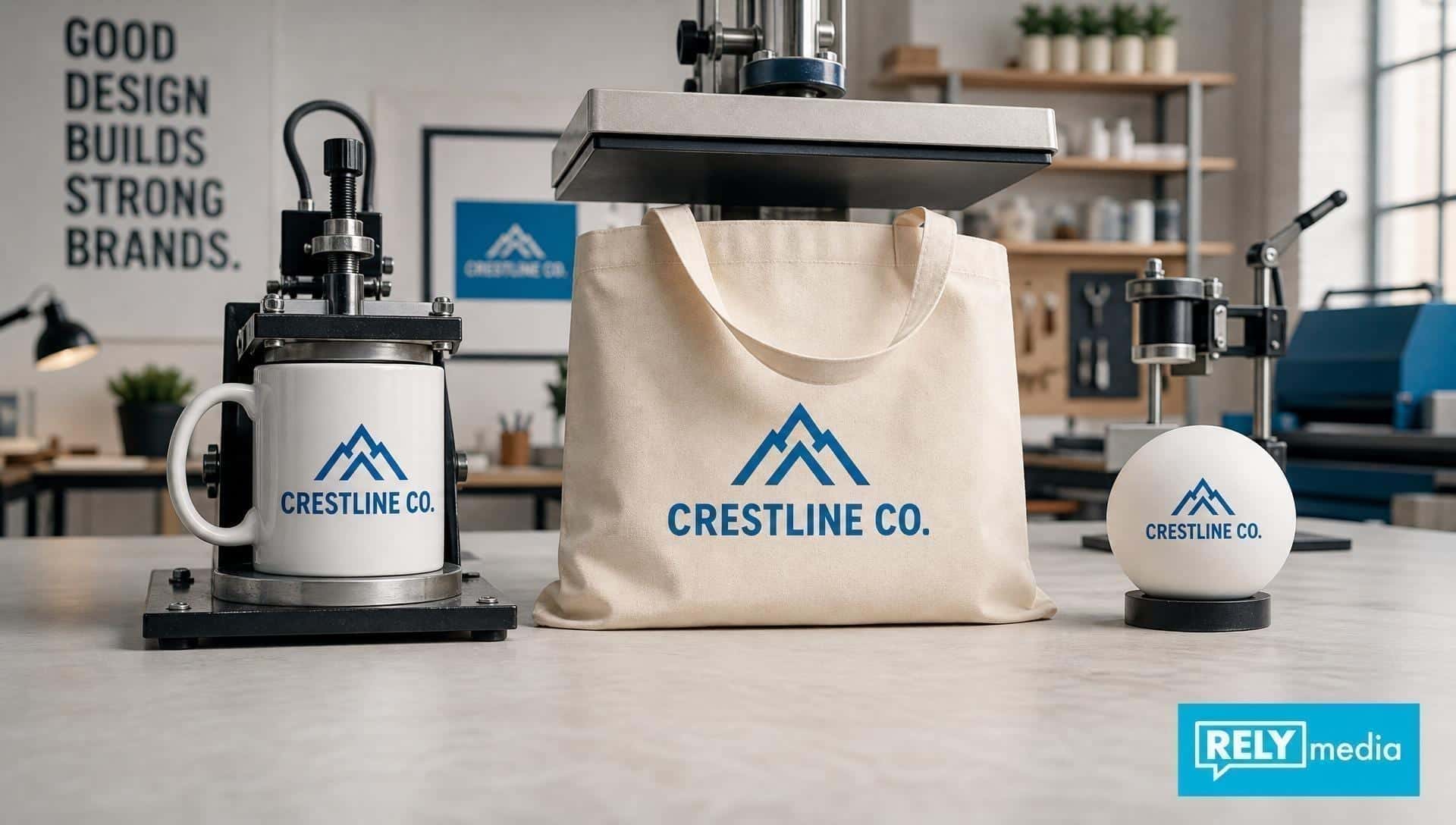
The imprint color is the color of the ink (or thread, for embroidery) used for your logo or text. The item color is the color of the product underneath. A white logo on a black mug has a black item color and a white imprint color. The imprint area is a third, separate thing: the space on the product the printer can cover.
| Term | What It Means | Example |
|---|---|---|
| Item color | The color of the product itself | Navy tote bag |
| Imprint color | The ink color(s) of your decoration | Orange logo |
| Imprint area | The space on the product that can be printed | 3" x 2.5" on a can cooler |
Imprint areas vary a lot by product. For one worked example, see our guide to koozie print sizes.

Spot Color vs Full Color (CMYK Process)
There are two ways a printer can produce color, and they are priced differently.
Spot Color
Each imprint color is its own premixed ink, printed in its own pass with its own screen, pad plate or stencil. A logo in navy and gold is two spot colors, so it needs two setups. Spot colors give flat, solid areas and are the colors you can specify by a Pantone (PMS) number. This is how screen printing and pad printing work, and it is why decorators quote "per color".
Full Color (CMYK Process)
Full color printing builds every shade from tiny dots of cyan, magenta, yellow and black (CMYK), usually with a digital printer, a transfer or sublimation. Photos and gradients are possible and there is no per-color charge, because the number of colors in your art does not change the setup. The trade-off: a brand color is approximated from four inks, so a specific PMS shade may not match as closely as a mixed spot ink.
| Factor | Spot Color | Full Color (CMYK) |
|---|---|---|
| How color is made | One premixed ink per color | Dots of four inks combined |
| Cost driver | Setup per color | Usually a flat decoration charge |
| Best for | Logos with 1 to 3 solid colors | Photos, gradients, many colors |
| PMS match | Mixed to the PMS number | Approximated from CMYK |
| Common methods | Screen printing, pad printing | Digital, transfers, sublimation |
White Underbase on Dark Items
On a dark shirt or bag, a light ink can look dull because the dark fabric shows through. Screen printers often lay down a white base layer first and print the colors on top of it. That base is an extra screen, so many printers count it as an additional color. Ask whether your quote includes it.
How Imprint Colors Are Priced
Most promotional products are quoted with one imprint color in one location included. The can cooler listing at Quality Logo Products, for example, states that one imprint color is included. Adding colors to a spot color job usually adds two costs:
- Setup per color: a one-time charge for each extra screen or plate.
- Run charge per color: a small per-piece charge for the extra pass on each item.
- Extra locations: printing on a second side is priced like a new imprint, with its own setup.
- PMS matching: some suppliers charge to mix a custom ink to your exact PMS number instead of using a stock ink.
The amounts differ by supplier, product and quantity, so compare quotes on the same number of colors and locations. On shirts, our screen printing guide shows how the color count changes the setup.
Imprint Color Options by Decoration Method

| Method | How Color Works | Watch Out For |
|---|---|---|
| Screen printing | Spot colors, one screen each | Cost rises with each color |
| Pad printing | Spot colors, one plate each | Small areas, few colors on curved items |
| Laser engraving | No ink; the mark is the material | You cannot choose a color |
| Embroidery | Thread colors, not ink | Fine detail and gradients do not stitch well |
| Dye sublimation | Full color | Polyester or poly-coated, white or light items only |
| Digital, UV and DTF | Full color | Brand colors are approximated from CMYK |
The Sublimation Limit
Sublimation is often described as "unlimited colors", and on the right item it is. The dye bonds only to polyester, so it works on polyester fabric or items with a polyester coating, and it shows best on white or light colors. Graphics Pro's guide puts it plainly: dye-sublimation works best with white or light-colored polyester fabrics and does not work on cotton. A dark cotton shirt needs screen printing, DTF or embroidery instead.
Matching Your Brand Color With PMS
The Pantone Matching System gives each spot color a number, such as PMS 286 C. Sending that number to your printer is the most reliable way to ask for your exact brand color, because the ink is mixed to a formula instead of eyeballed from a screen.
What PMS Does Not Guarantee
A PMS number fixes the ink formula. It does not make the color look identical on every material. Pantone itself prints separate coated (C) and uncoated (U) guides and says the same Pantone color printed on coated and uncoated paper will have quite a different visual appearance. For fabric, Pantone uses a different system again, with TCX swatches on 100% cotton. On promotional products the same ink also shifts with:
- The item color underneath, especially on colored plastics and fabrics
- Texture and absorbency: glossy plastic, matte paper, cotton and polyester all take ink differently
- The method: a screen-printed spot ink and a CMYK digital print of the same PMS number will differ
- Curing and heat, which can darken or dull some inks slightly
If the color has to be close, give the PMS number, say which product and material it is for, and ask for a proof. For large or color-critical orders, ask whether a physical sample is available before the full run.
Choosing Imprint Colors That Read Well
Contrast between the item color and the imprint color decides whether a logo can be read from across a room. Two rules cover most orders:
- Dark ink on light items: navy or black on white, cream or light gray. Best for fine detail and small text.
- Light ink on dark items: white, yellow or a light brand color on black or navy. On fabric, expect a white underbase.
- Metallic inks: gold or silver can look upscale on dark items, but they cost more and fine lines can lose detail.
- Tone on tone: a darker shade on a lighter version of the same color looks subtle but is harder to read at a distance.
| Product | Item Color | Imprint Color | Result |
|---|---|---|---|
| Travel mug | Black | White | High contrast, reads from a distance |
| Coffee mug | White | Navy | Clean and versatile |
| Tote bag | Navy | Orange | Bold contrast |
| Golf ball | White | Black | Sharp on a small area |
| Apron | Hot pink | Pale pink | Subtle tone on tone |
Common Imprint Color Mistakes
- Light ink on a light item, which makes the logo disappear
- Paying for four spot colors when a one-color version of the logo would read better
- Sending an RGB screen color instead of a PMS number for a spot color job
- Ordering sublimation on cotton or on a dark item
- Forcing fine detail into a small imprint area

Want to see which decoration methods suit your product? Our imprint options page compares them side by side, or you can ask for a quote below with your PMS colors and item.
Ready to put your logo on custom printed apparel?
Fill in your details and a RELYmedia specialist will come back to you with a custom quote. Fast turnaround, no obligation.
- ⚡Same-day response on business days
- 🎨Free design assistance included
- 🚚Rush order & fast delivery available
- 💰Price beat guarantee on every order
Shop trending promotional products
See all custom pens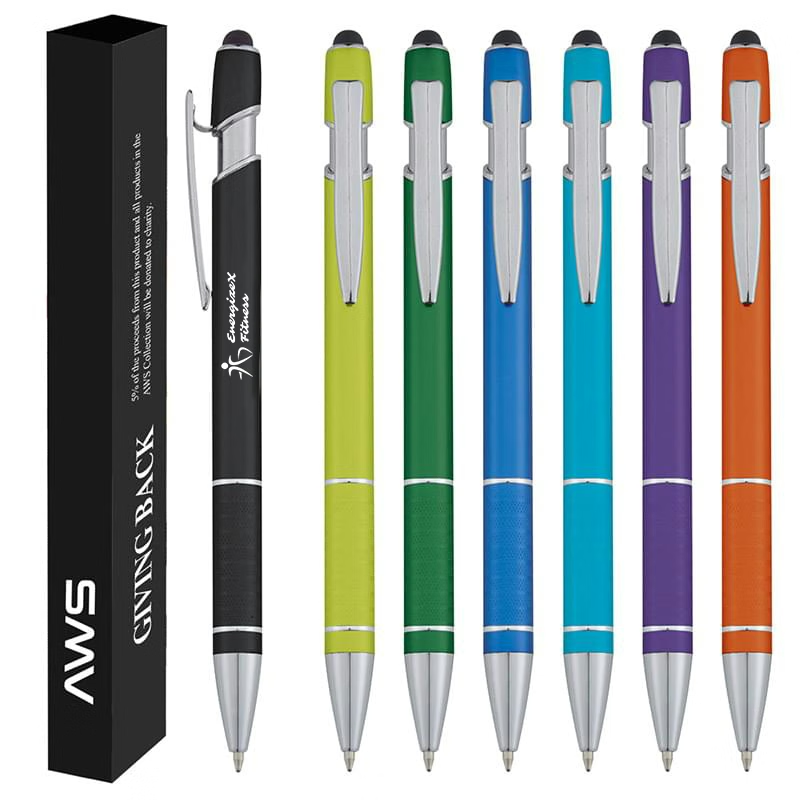
Varsi Incline Stylus Pen
$3.51 - $5.58
View product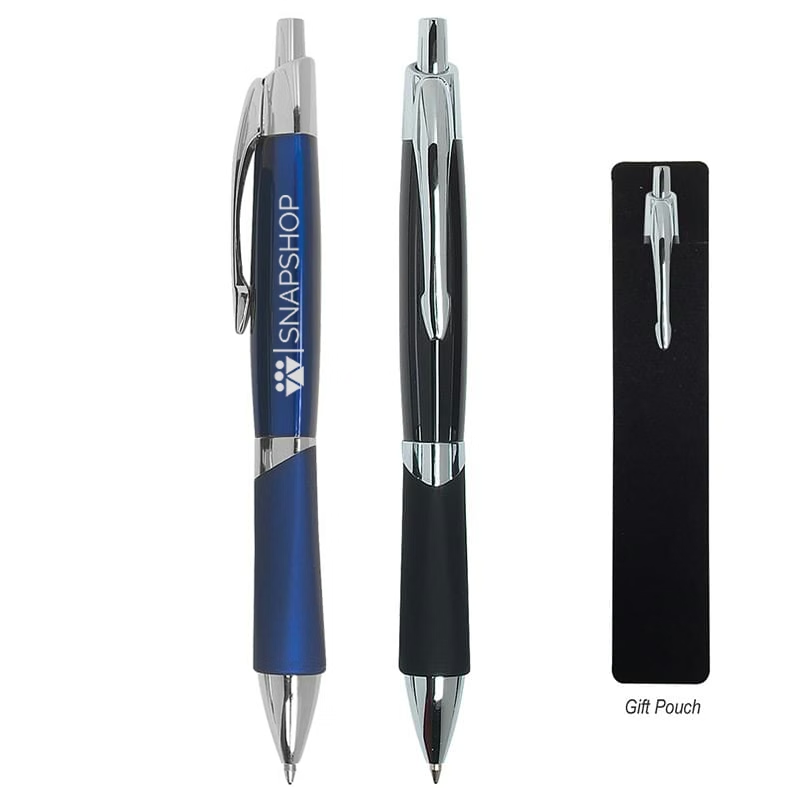
Click-action Brass Pen
$1.98 - $3.15
View product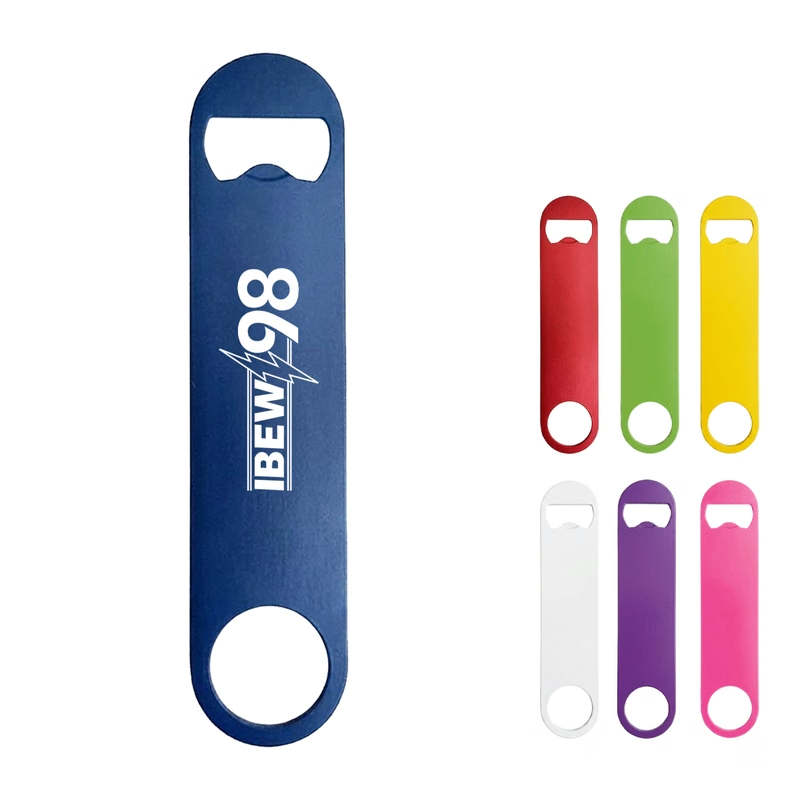
Flat Bottle Opener
$2.62 - $4.48
View product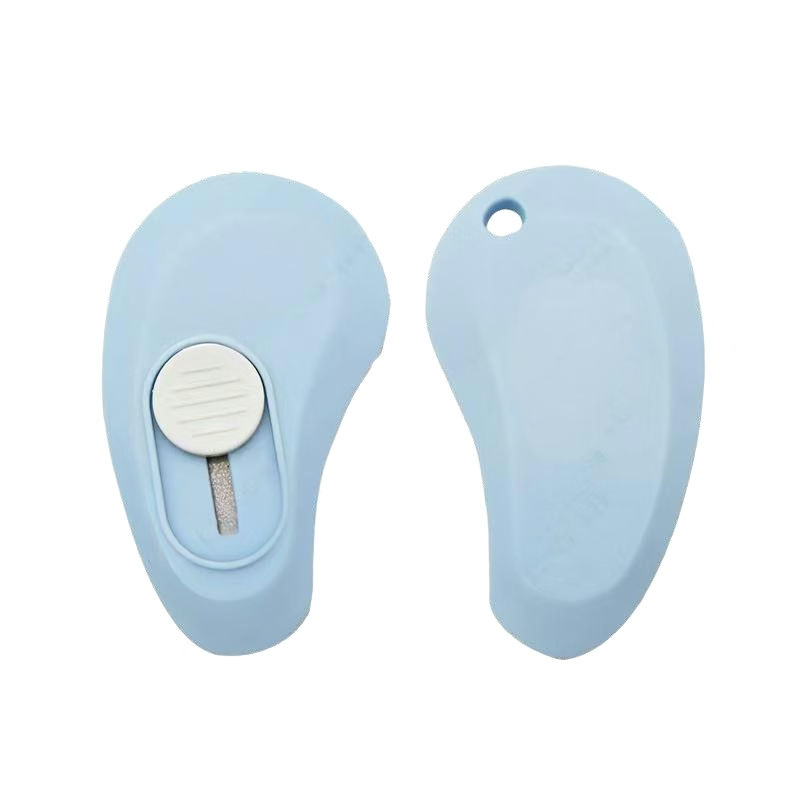
Pocket Letter Opener Retractable
$0.54 - $1.46
View product
Slim Aluminum Comfort Grip Ballpoint Promotional Pen
$0.30 - $0.54
View product
4-in-1 Pen, Stylus, LED Flashlight, Phone Stand - Metal Pen
$1.72 - $1.98
View product
P 51 Military Style Can Opener
$0.72 - $1.50
View product
Elastic X Band Suspender Bowtie Set for Men
$4.66 - $10.53
View product
Frequently asked questions
What is a 1 color imprint?
A design printed in a single spot ink. Most promotional products are quoted with one imprint color in one location included, which makes a one-color version of your logo the lowest-cost option.
What is a full color imprint?
A print built from cyan, magenta, yellow and black dots, usually by digital printing, transfers or sublimation. It can reproduce photos and gradients without a charge per color, but brand colors are approximated from CMYK rather than mixed to a PMS formula.
Does a white underbase count as an imprint color?
Often, yes. On dark fabric, screen printers lay down white first so the colors on top stay bright. That base needs its own screen, so many printers count it as an extra color. Ask whether your quote includes it.
Will my PMS color look exactly the same on every product?
No. The PMS number fixes the ink, but the color shifts with the material, texture and item color underneath. Pantone sells separate coated, uncoated and cotton (TCX) standards for this reason. Ask for a proof on the actual product for color-critical orders.
Can I get unlimited colors on a cotton shirt or dark item?
Not with sublimation, which only bonds to polyester and shows best on white or light items. For full color on dark cotton, DTF transfers or DTG printing are the usual options; screen printing can also print many colors, but each one adds a screen.
What imprint color options are there for engraving and embroidery?
Laser engraving uses no ink, so the mark is the material itself and you cannot pick a color. Embroidery uses thread colors instead of ink, and each thread color is matched from the decorator’s thread chart.
Shop this
Need custom printed apparel? We print them.
Bulk pricing, three free mockups, real quotes back the same business day.