What Is mAh in Portable Chargers and How Much Do You Need?
October 27, 2026 · 10 min read
Portable chargers can get confusing fast. One says 5,000 mAh. Another says 20,000 mAh. Then watts, volts, USB-C, Power Delivery, and wireless charging come into play.
The simple answer is this: mAh tells you battery capacity, not charging speed. Understanding that difference makes choosing a power bank much easier.
What Is mAh and What Does mAh Mean on a Portable Charger?
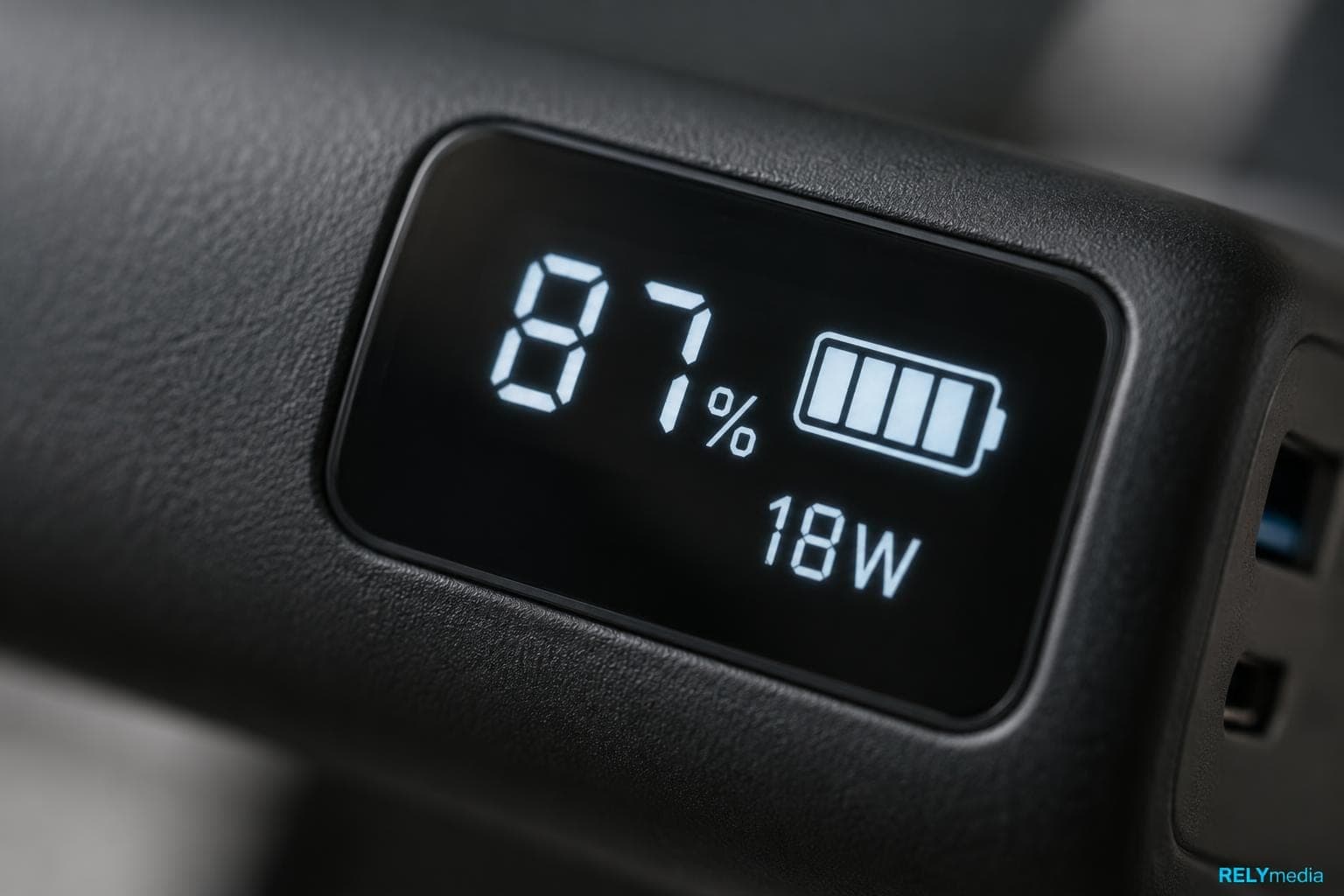
The mAh definition is straightforward. mAh stands for milliampere-hours. It measures the electrical charge a battery can store.
In practical terms, battery mAh indicates the battery's charge capacity. A higher-mAh battery usually stores more charge than a lower-mAh battery at the same voltage.
One ampere-hour, or Ah, equals 1,000 mAh:
- 5,000 mAh = 5 Ah
- 10,000 mAh = 10 Ah
- 20,000 mAh = 20 Ah
mAh vs. Ah: What’s the Difference?
Ah means ampere-hours. mAh means milliamp-hours. The relationship is simple:
1 Ah = 1,000 mAh
To convert mAh to Ah, divide the mAh figure by 1,000. A 10,000 mAh battery equals 10 Ah.
Wh vs. mAh: Why Watt-Hours Also Matter
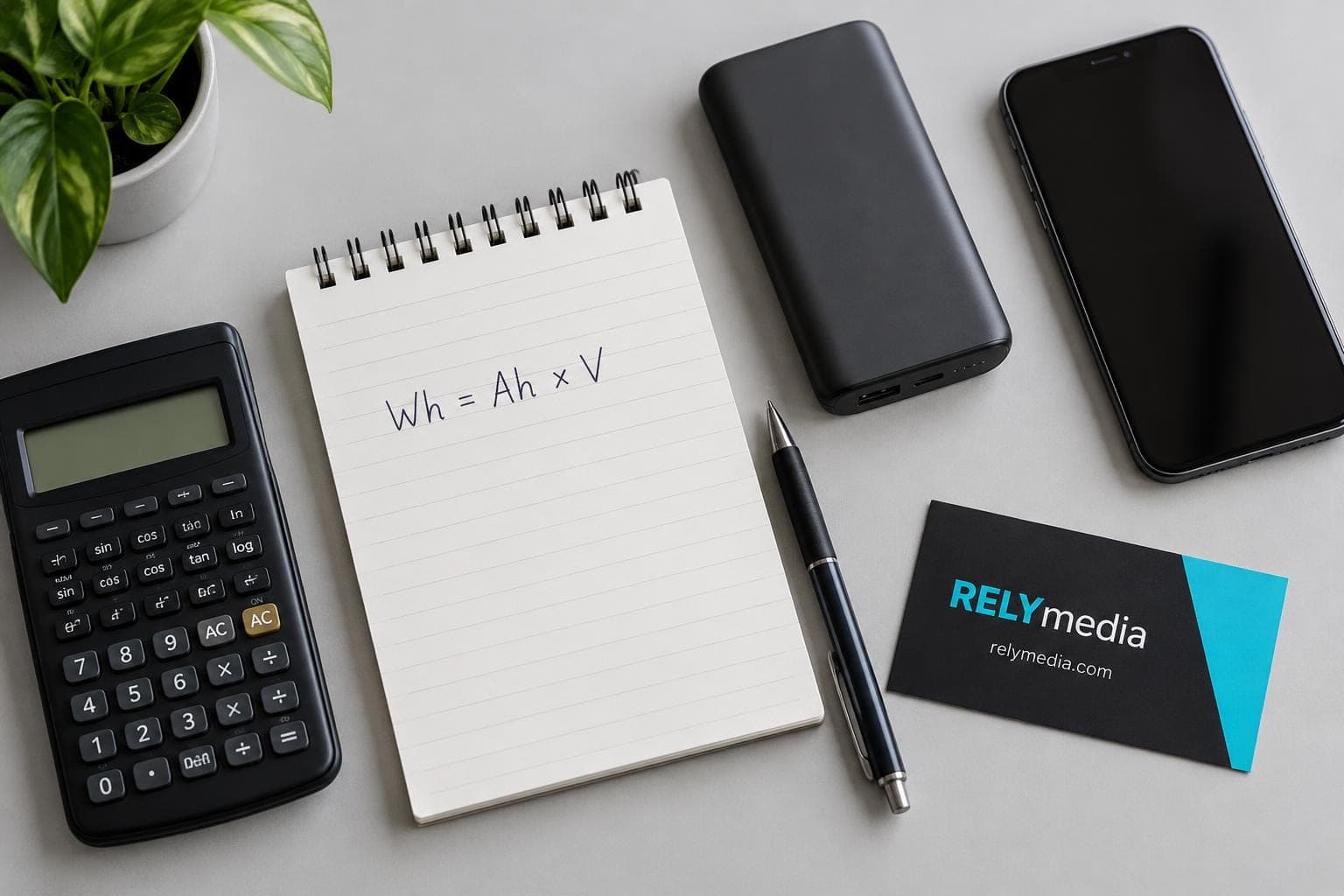
mAh measures charge capacity. Watt-hours (Wh) measure energy more completely because they include voltage.
Use this formula:
Wh = Ah × voltage
For example, a 10,000 mAh battery equals 10 Ah. At 3.7 volts, that is about 37 Wh.
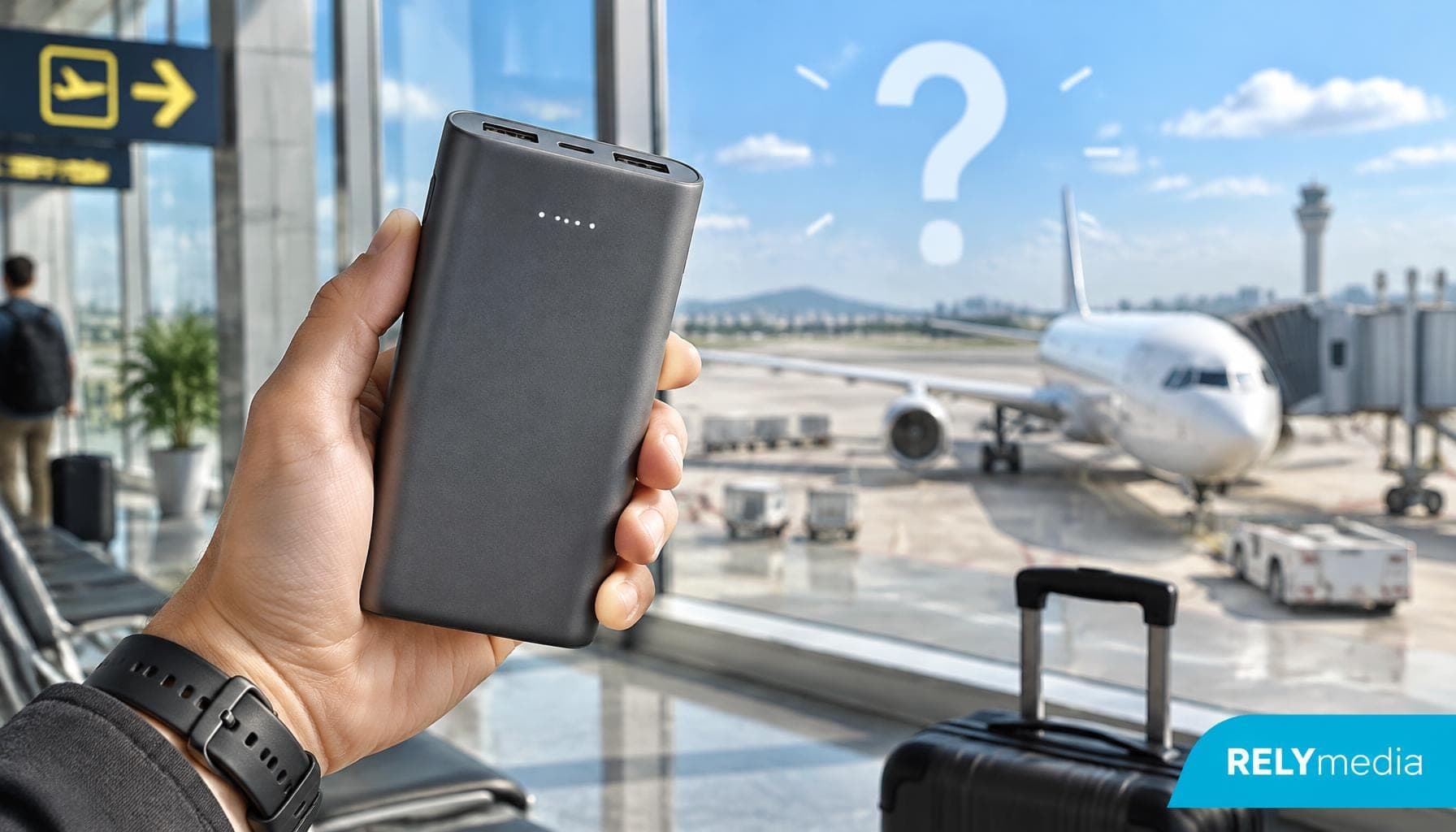
For air travel, watt-hours matter too. Spare lithium batteries and power banks typically belong in carry-on baggage, and airline rules often use Wh rather than mAh to determine limits.
How Does mAh Affect Portable Charger Capacity?
A higher mAh rating generally means greater power bank capacity. That can support longer battery runtime, more phone recharge cycles, or multiple charges before the power bank itself needs a recharge.
However, advertised capacity and actual usable capacity are not the same.
Rated Battery Capacity vs. Actual Usable Capacity
A power bank may advertise 10,000 mAh as its rated capacity, yet your phone will receive less than that.
Why? Energy gets lost during charging.
Common causes include:
- voltage conversion
- heat
- cable resistance
- charging inefficiency
- battery management systems
- wireless charging losses
- device efficiency
This difference explains why usable and actual power bank capacities are lower than the advertised capacity.
How Many Times Can a Power Bank Charge Your Device?
Start with your device battery capacity. Then account for energy losses.
A simple estimate is:
Estimated charges = usable capacity ÷ device battery capacity
Suppose your phone has a 4,000 mAh battery. A 10,000 mAh power bank looks like it can provide 2.5 full charges on paper. Real-world results will be lower because voltage conversion and charging losses reduce usable capacity.
That means “how many charges is 10,000 mAh?” has no single answer.
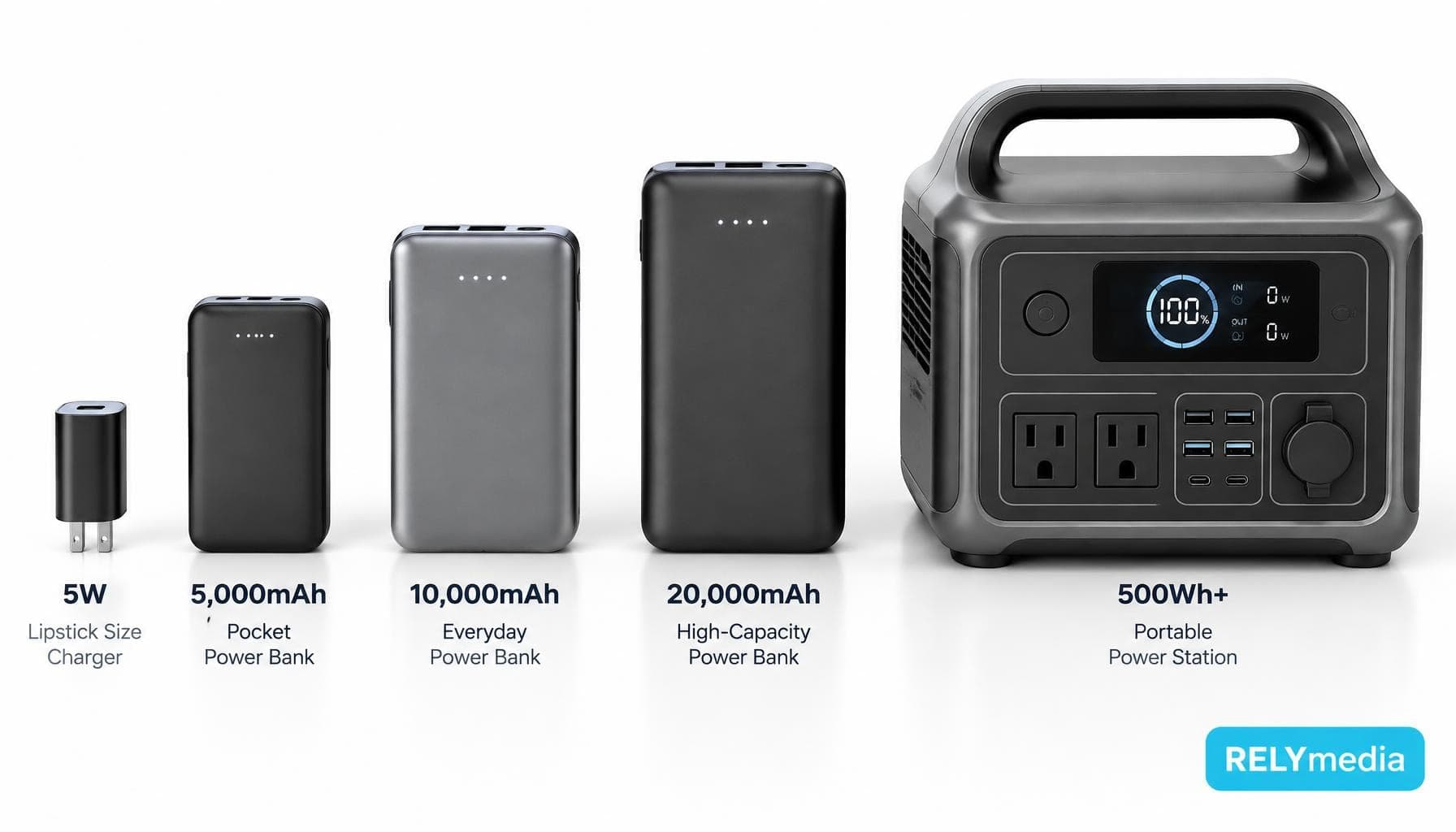
Typical Power Bank Capacity Comparison
| Power bank capacity | Best use | What to expect |
|---|---|---|
| 5,000 mAh | Light phone backup | Top-ups or about one phone charge |
| 10,000 mAh | Everyday use | One or more phone charges |
| 20,000 mAh | Travel and multiple devices | Several phone charges or tablet support |
| 25,000–27,000 mAh | Heavy use | Laptop charging and multi-device use |
| 30,000+ mAh | Extended backup | Camping, emergency, or specialized use |
Planning a giveaway people will keep?
RELYmedia can help match promotional power products to your audience's daily habits, rather than choosing capacity by guesswork.
How Much mAh Do You Actually Need?
The best portable charger capacity depends on your usage patterns, device type, travel habits, and access to a wall charger.
5,000 mAh Power Bank
A 5,000 mAh power bank works well for light daily use. It is often compact, lightweight, and easy to carry.
Choose this size if you mainly need emergency backup power or a quick phone recharge during the day.
10,000 mAh Power Bank
A 10,000 mAh power bank offers a practical balance between size and battery capacity.
It works well for commuters, travelers, conference attendees, and anyone who wants more than one charging session without carrying a heavy battery pack.
20,000 mAh Power Bank
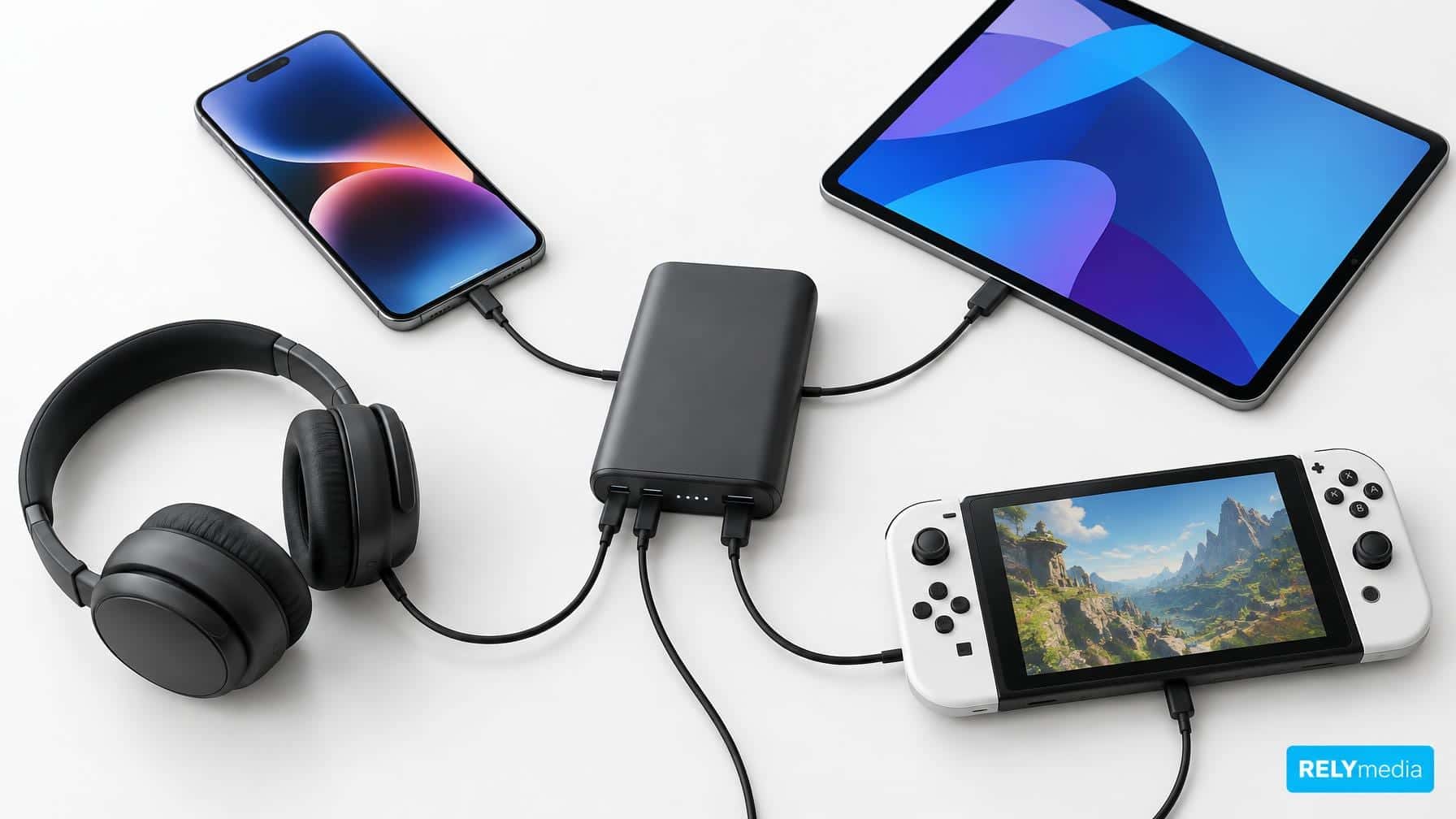
A 20,000 mAh power bank suits people who need multiple charges, tablet charging, gaming device charging, or longer travel days.
25,000 to 27,000 mAh Power Bank
A 25,000- or 27,000-mAh power bank can power laptops and other energy-intensive devices when the power output, voltage, and wattage requirements match.
Check USB-C Power Delivery and the device’s charging requirements.
30,000 mAh and Higher
Very high-capacity models work better for camping, extended travel, or emergency backup power.
Some may also exceed common airline limits, so watt-hours should be checked before flying.
Is Higher mAh Always Better?
No. A high-capacity battery provides more stored charge, but it comes with trade-offs.
A higher-capacity power bank may:
- weigh more
- take up more space
- cost more
- need longer charging time
- require more powerful charging equipment
A low-capacity power bank can be a smarter everyday choice if portability matters most.
The best mAh for a portable charger is the amount that matches your actual device usage.
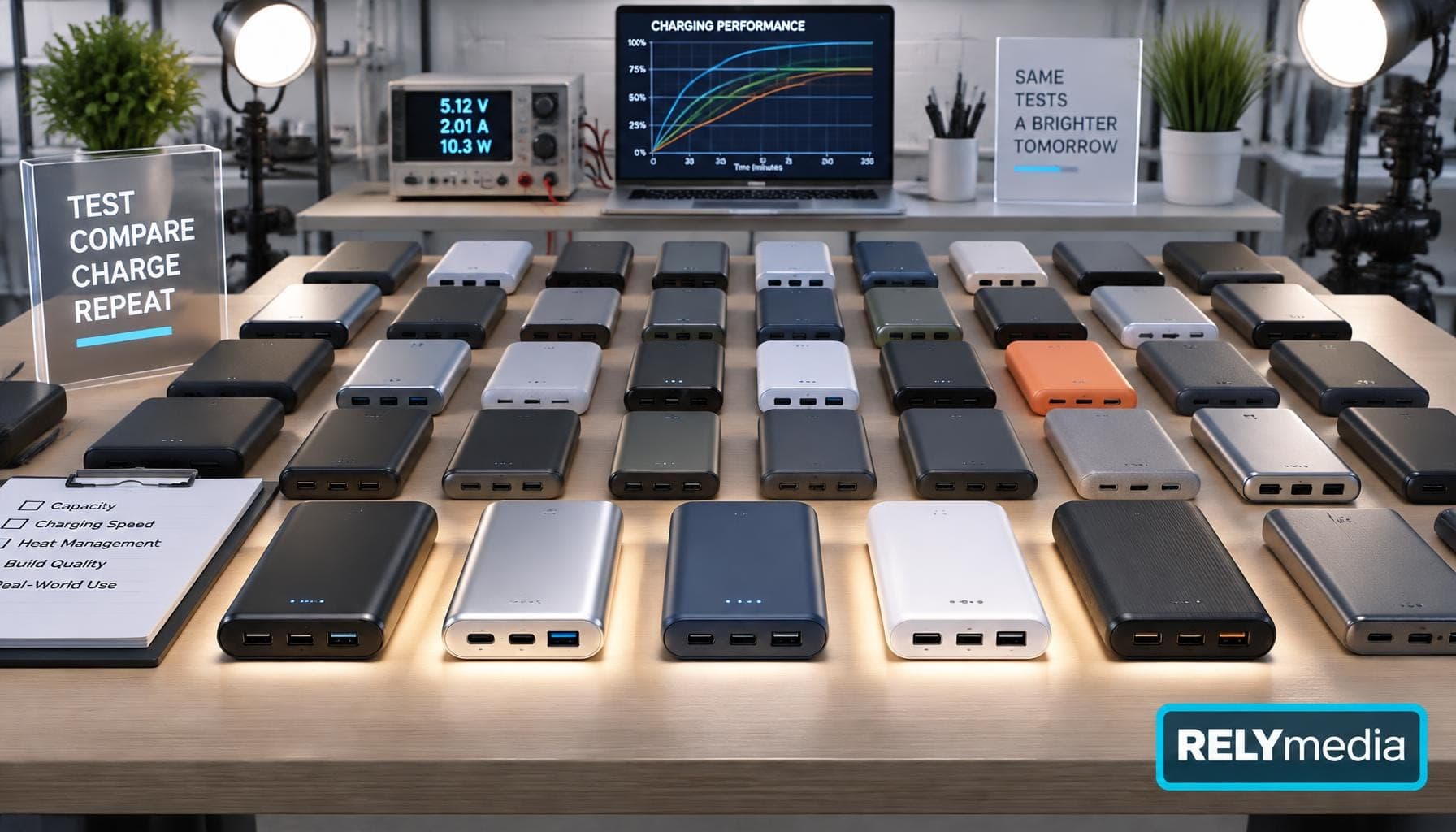
When comparing two models, check capacity, output, input speed, port selection, size, and weight together. This quick comparison prevents a common mistake: buying extra capacity while overlooking the charging performance or portability that matters more in your everyday use.
mAh Does Not Determine Charging Speed
mAh measures capacity. Wattage influences charging speed.
A large power bank can charge slowly if its output power is low. A smaller bank can support fast charging if it offers enough wattage and the right charging technology.
USB-C Power Delivery and Fast Charging
USB-C Power Delivery allows compatible devices and chargers to negotiate how much power they need.
When comparing products, check:
- USB-C port output
- USB-A port output
- total power output
- charging wattage
- charging voltage
- fast-charging technology
- USB-C charging cable rating
- multi-device charging limits
A 20W USB-C charging setup may suit many phones. Laptop charging can require much more power.
Terms such as 15W wireless charging, 20W USB-C charging, 140W USB-C charging, or 250W fast charging describe power output. They do not describe battery capacity.
Wired, Wireless, and Magnetic Power Banks
Charging method affects convenience, efficiency, and recharge time.
A wired USB-C connection is usually more efficient than wireless charging.
MagSafe-compatible power banks and Qi2 wireless charging add convenience for supported smartphones.
Still, wireless charging speed depends on the phone, charger, wattage, alignment, and charging standard.
If maximum charging efficiency matters, wired USB-C charging usually offers the strongest balance of speed and energy transfer.
What Else Should You Check Besides mAh?
Device Compatibility
Confirm that the power bank is compatible with your smartphone, tablet, laptop, camera, headphones, or gaming device.
Recharge Time
A large battery with a weak input can take many hours to fully recharge.
Fast USB-C recharge reduces downtime when both the power bank and charger support higher input wattage.
Charging Ports
Look at the number and type of charging ports.
A mix of USB-C and USB-A can improve device compatibility. However, the total output may be shared when multiple devices charge simultaneously.
Charging Safety
Use qualified charging equipment from reputable suppliers. Avoid damaged batteries, swollen battery packs, poor-quality charging cables, and products exposed to extreme temperatures.
Good charging habits support battery longevity and safer battery performance.
What Affects Battery Life Beyond mAh?
Battery life depends on much more than capacity.
Two smartphones with the same mAh battery rating can produce very different battery runtime.
Key factors include:
- screen size
- screen resolution
- processor workload
- graphics chip demand
- software optimization
- background activity
- battery efficiency
- energy consumption
- power consumption
- wireless radios
- brightness
Gaming devices and other power-hungry devices consume energy faster than simple electronics.
A higher-mAh battery usually lasts longer when everything else is kept the same. However, greater battery power consumption can erase that advantage.
That is why the effect of mAh on battery life always depends on both capacity and device efficiency.
Choosing a Power Bank for Travel, Work, or Events

Different situations call for different capacities.
For commuting, a lightweight power bank may be enough. For vacation travel, 10,000 or 20,000 mAh often provides greater flexibility.
Camping may call for a high-capacity power bank or portable power supply. Laptop-heavy workdays need sufficient wattage and USB-C Power Delivery.
For promotional use, consider how the recipient will actually use the product. A compact smartphone power bank may get more daily exposure than a large unit that stays in a drawer.
Ready to print your team's name on premium apparel?
Fill in your details and a RELYmedia specialist will come back to you with a custom quote — fast turnaround, no obligation.
- ⚡Same-day response on business days
- 🎨Free design assistance included
- 🚚Rush order & fast delivery available
- 💰Price beat guarantee on every order
Shop custom power banks and chargers
See all power banks & charging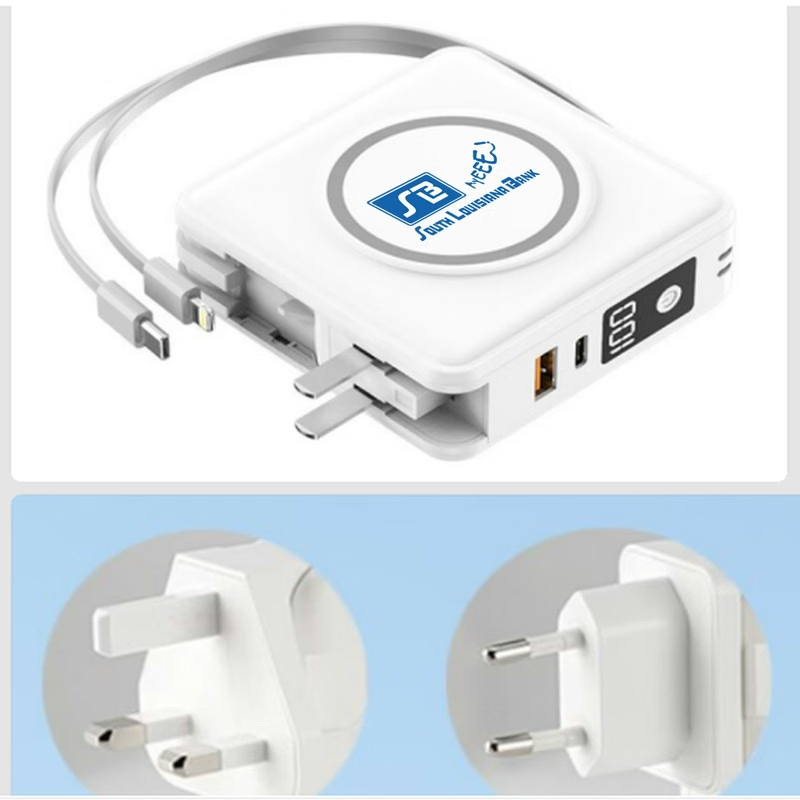
10,000 mAh Wireless Fast Charging Power Bank and 5IN1 Travel Charger w/Intl
$48.25 - $53.66
View product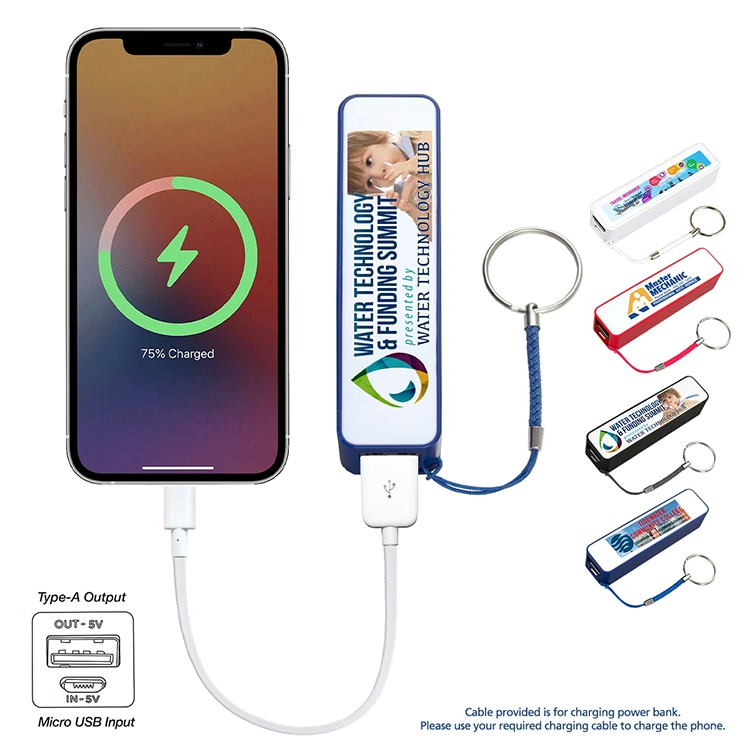
In Charge PB200 UL Listed 2200 mAh Portable Lithium Ion Power Bank Charger PB1004
$7.03 - $7.91
View product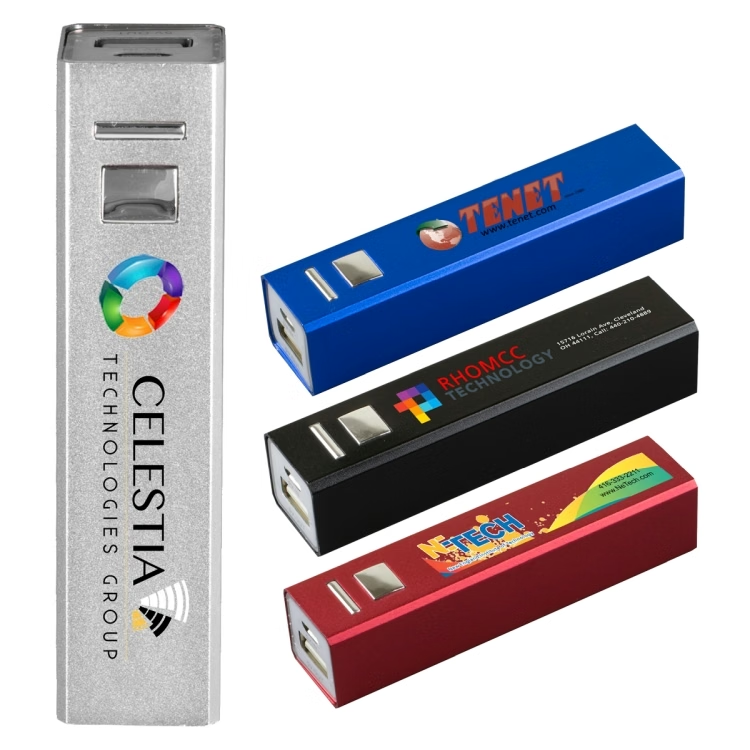
In Charge Alloy UL Listed Aluminium 2200 mAh Lithium Ion Portable Power Bank Charger
$7.57 - $8.85
View product10,000 mAh Energizer® Mag-N-Kick™ Wireless Charger Power Bank And Phone Stand
$34.39 - $52.31
View product10,000 mAh Wireless Charger Power Bank
$25.59 - $44.77
View product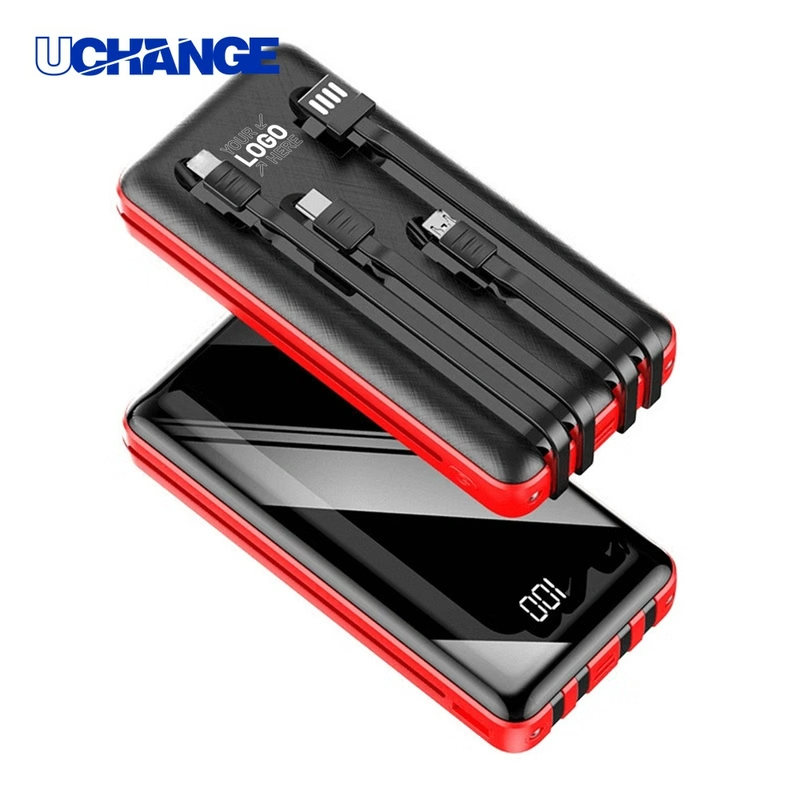
10,000mAh Portable Charger Power Bank with Dual Flashlight
$7.63 - $12.53
View product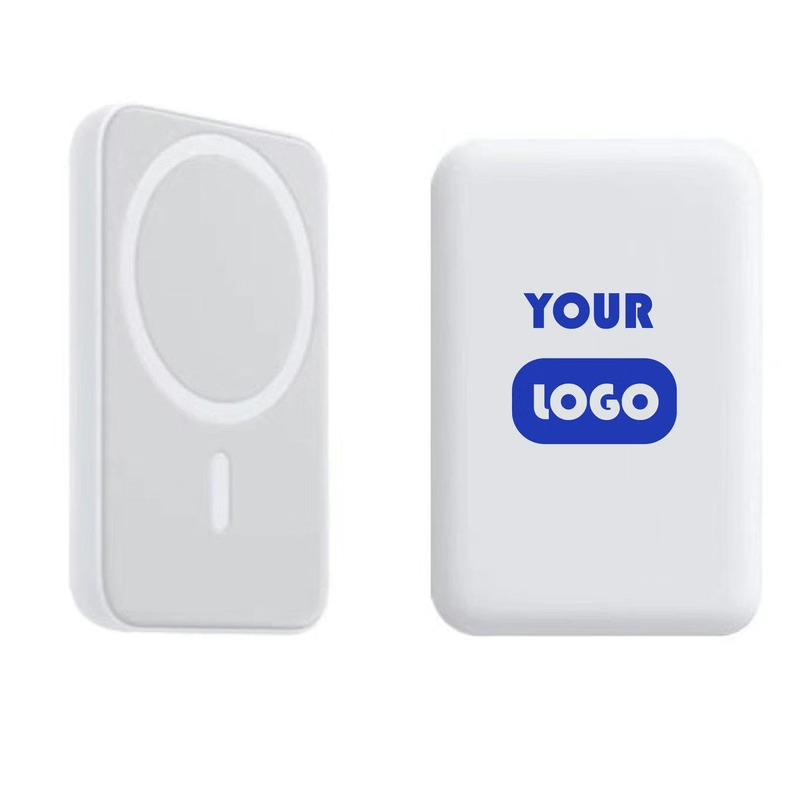
10,000 mAh Wireless Charging Power Bank
$11.58 - $25.35
View product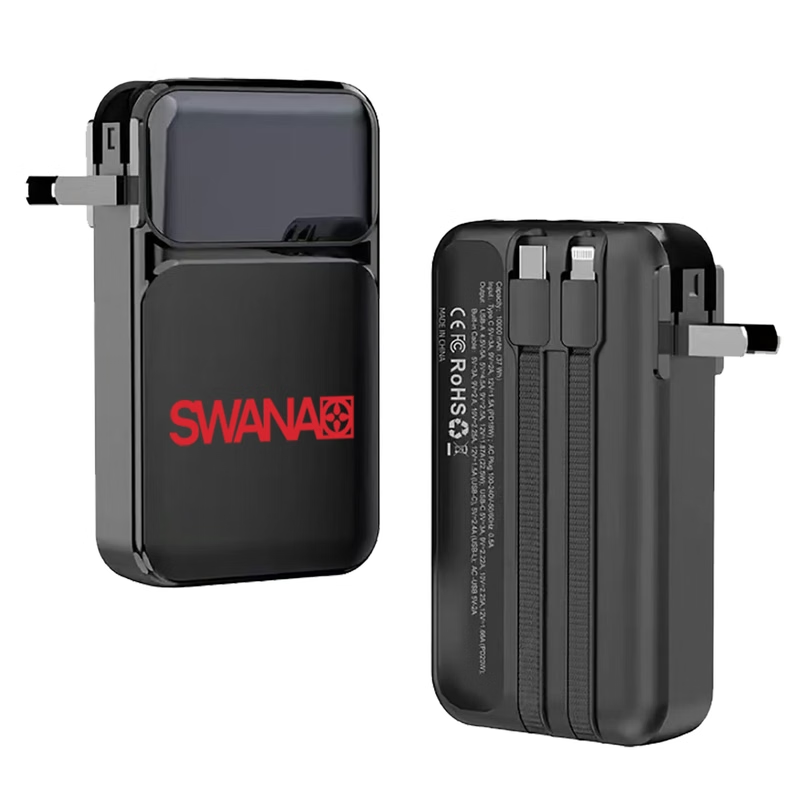
10,000 mAh Portable Charger w/Built In Wall Plug Power Bank
$27.43 - $32.36
View product
Frequently Asked Questions About mAh
What Is a Good mAh for a Portable Charger?
For light backup use, 5,000 mAh is sufficient. Around 10,000 mAh is enough for many everyday users. Choose 20,000 mAh or more when you need multiple charges, tablet support, or longer periods away from outlets.
What Does 10,000 mAh Mean?
It means the battery has a rated charge capacity of 10,000 milliamp hours. Actual usable capacity will be lower because of voltage conversion and charging losses.
Does a Higher mAh Battery Last Longer?
Usually, yes, when comparing similar devices under similar conditions. Real battery life still depends on software optimization, screen use, processor demand, energy consumption, and battery efficiency.
How Many Phone Charges Is 10,000 mAh?
The answer depends on smartphone battery capacity and charging efficiency. Divide estimated usable capacity by the phone battery capacity for a practical estimate.
How Long Does a Portable Charger Take to Charge?
Charging time depends on power bank capacity, input wattage, charging cable capability, and charging inefficiency. Larger batteries usually require more energy for a full recharge.
Is Wh Better Than mAh?
Wh is better for comparing total stored energy across different voltages. mAh remains useful for comparing battery capacity at similar voltage levels.
Can a Power Bank Charge a Laptop?
Yes, if it provides enough usable capacity, compatible voltage, sufficient wattage, and USB-C Power Delivery for the laptop.
Does Fast Charging Depend on mAh or Wattage?
Fast charging depends mainly on wattage, charging protocol, cable capability, and device support. mAh tells you how much charge the battery can store.
Conclusion: Choose the Right mAh for How You Use Your Devices
Understanding what mAh means makes portable charger shopping much easier.
Milliampere-hour capacity tells you how much electrical charge a battery stores. It does not tell you charging speed, actual usable energy, or whether a charger can power every device.
For light phone backup, 5,000 mAh may be enough. A 10,000 mAh model balances portability and charging capacity. A 20,000 mAh bank suits longer trips, multiple charges, and tablets. Laptop users should also check wattage, voltage, Wh, and USB-C Power Delivery.
The smartest choice is not always the largest battery. It is the one that matches your real power requirements.
That same principle matters when choosing branded promotional tech. Useful products stay close, get used often, and keep your brand visible.
RELYmedia helps businesses connect practical promotional products with branding goals, quality expectations, and tight timelines.
Ready to put your brand on something people genuinely use?
Contact RELYmedia to explore promotional charging solutions built around your audience, timeline, and campaign goals.
Shop this
Need custom portable chargers? We print them.
Bulk pricing, three free mockups, real quotes back the same business day.