
How Wireless Charging Works: Qi Standard, Speed & Compatibility
Wireless charging looks simple. Set your phone on a charging pad, and power begins flowing without plugging in a cable.
October 27, 2026
Wireless ChargingQi & Qi2Custom Tech
 110% Price Beat Guarantee Free Shipping, Proofs & Samples 5-Star Service & Quality 24 Hour Delivery Available
Wireless charging looks simple. Set your phone on a charging pad, and power begins flowing without plugging in a cable.
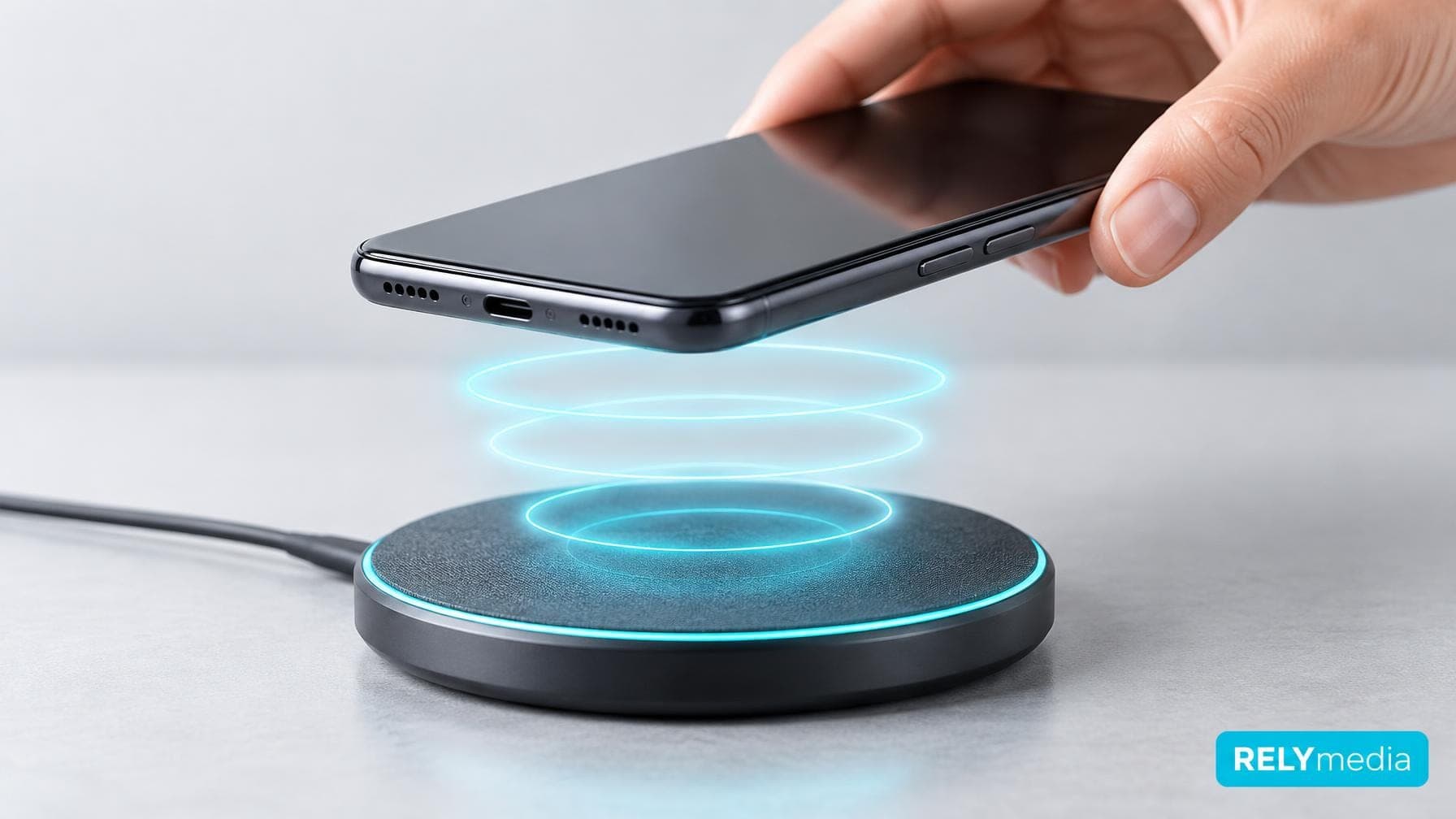
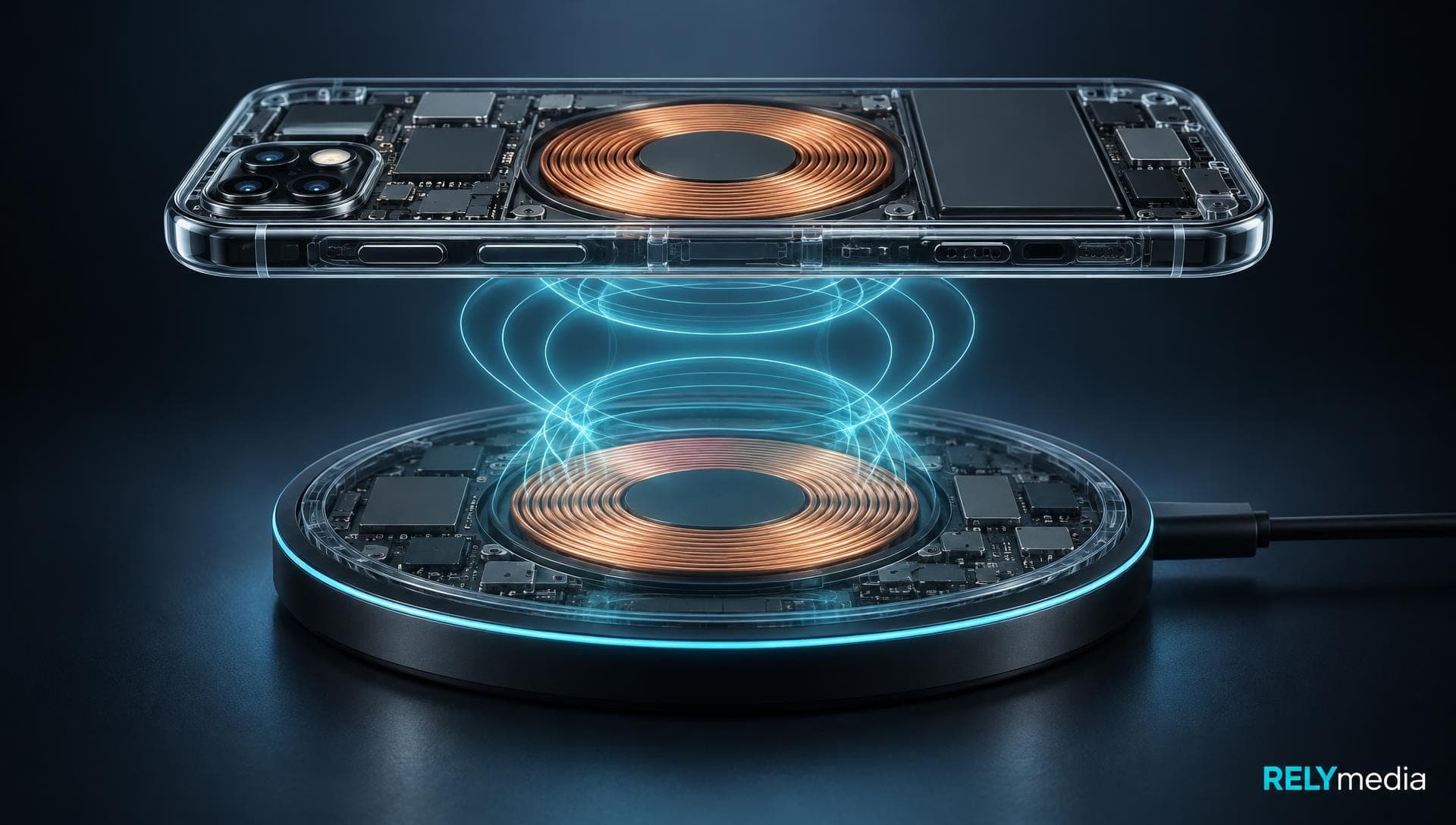
Qi wireless charging lets you power a compatible device without plugging in a charging cable. Instead, a wireless charger transfers energy across a small gap through an electromagnetic field.
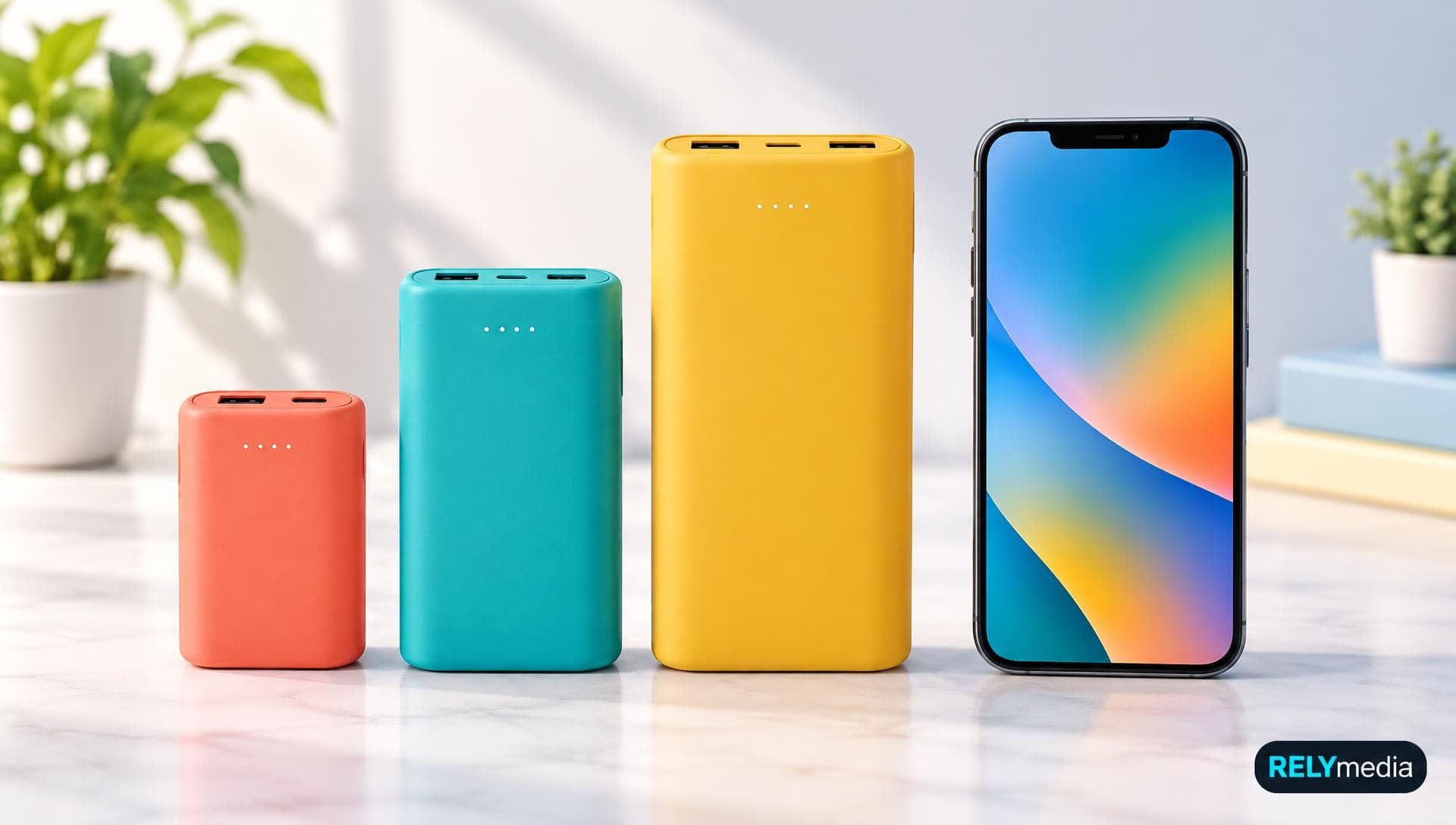
The simple answer is this: mAh tells you battery capacity, not charging speed. Understanding that difference makes choosing a power bank much easier.
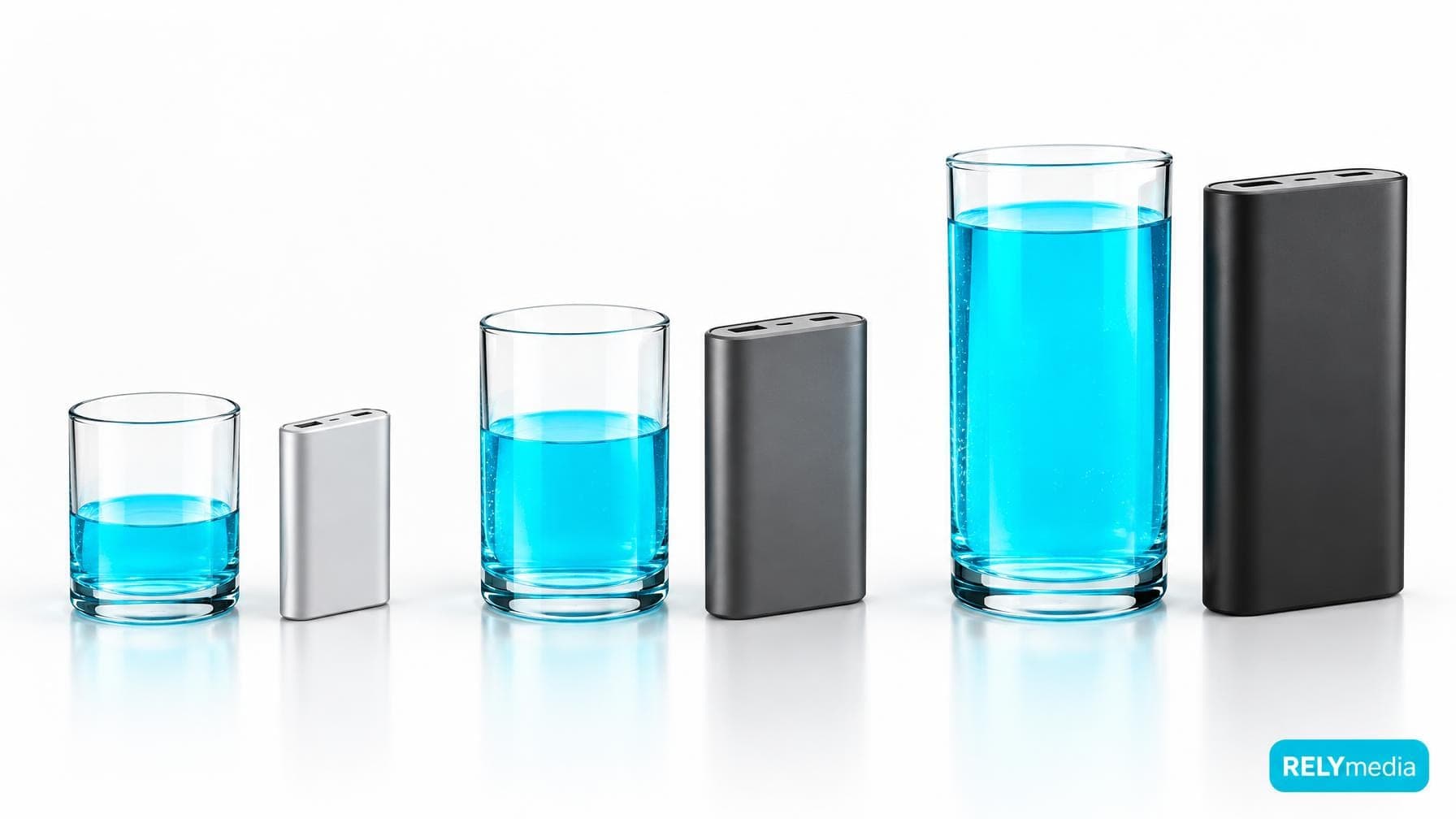
mAh, short for milliampere-hour, describes battery capacity. It helps you estimate how much charge a portable charger can hold before it needs to be recharged.
Wireless charging has moved from novelty to everyday convenience. Set down your phone, confirm the charging icon, and power starts flowing without plugging a cable into the device.
Keeping a phone alive through a long workday sounds simple until the battery drops to 12% and no outlet is nearby. That is where the power bank and wireless charger comparison becomes useful.
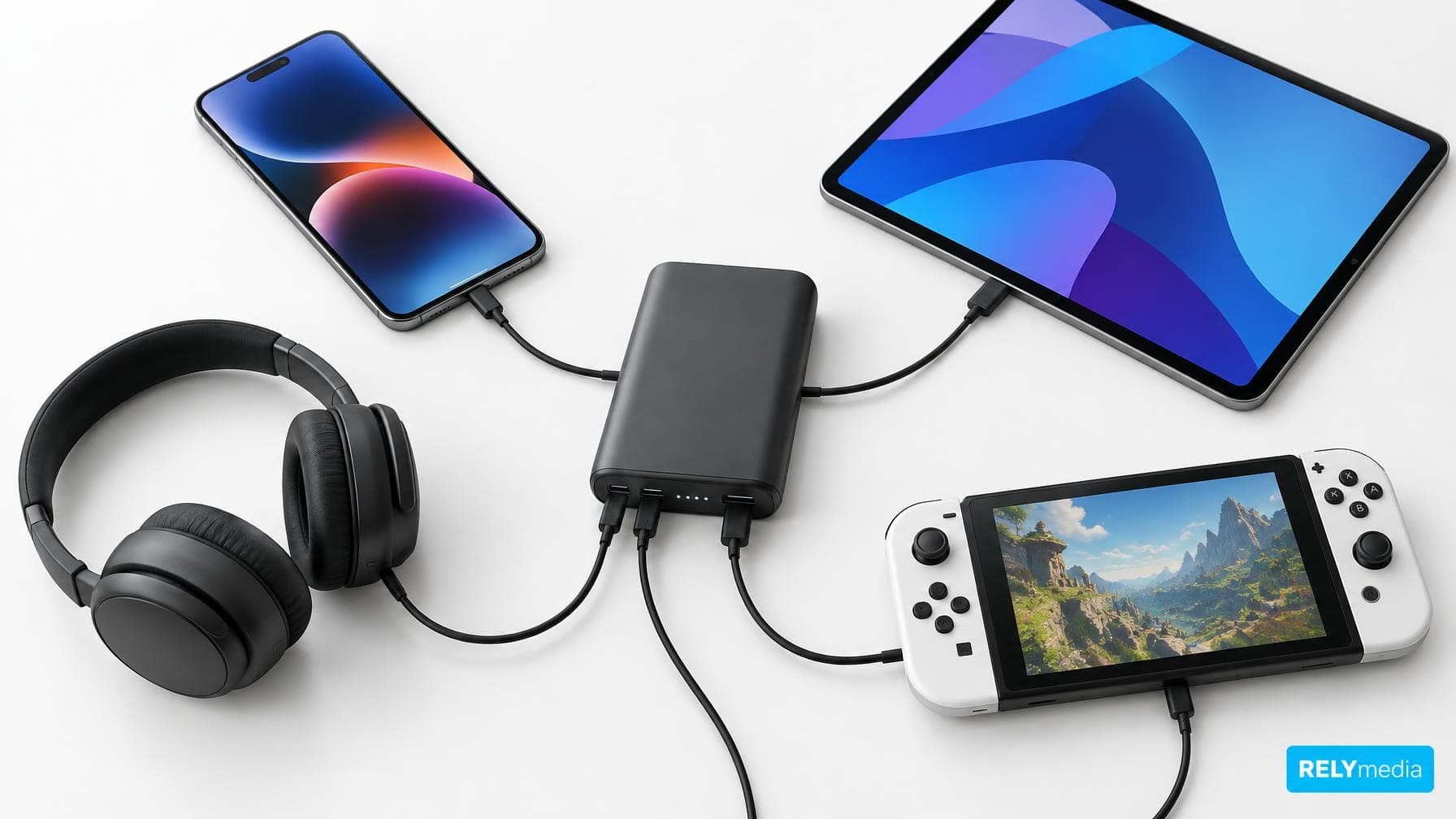
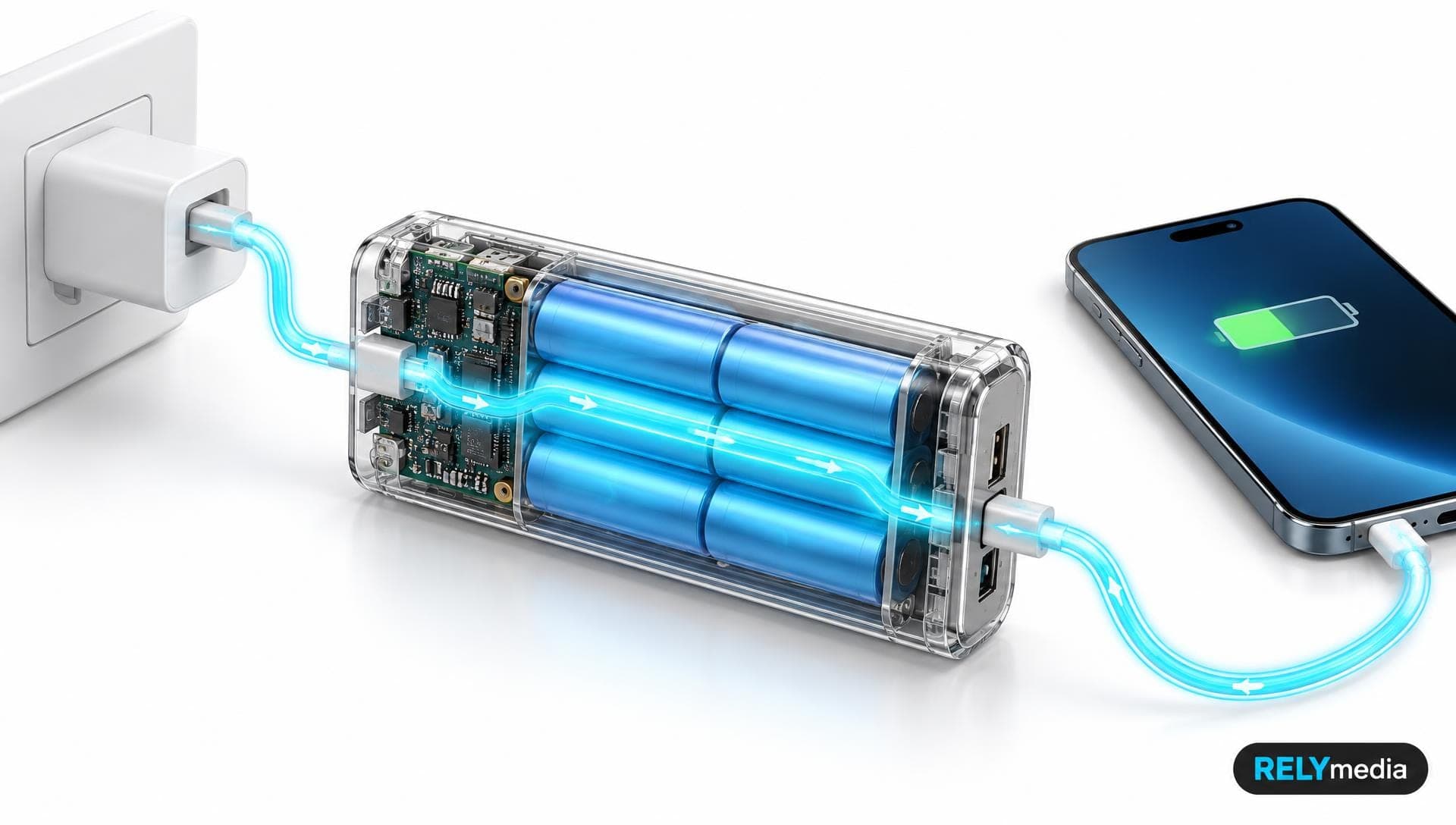
A power bank is a rechargeable portable power source that stores electrical energy for later use. You charge the unit first, then connect a smartphone, tablet, laptop, or another compatible device when no wall outlet is nearby.
A dead phone can disrupt travel, work, payments, and communication. That’s why portable chargers have become everyday essentials.
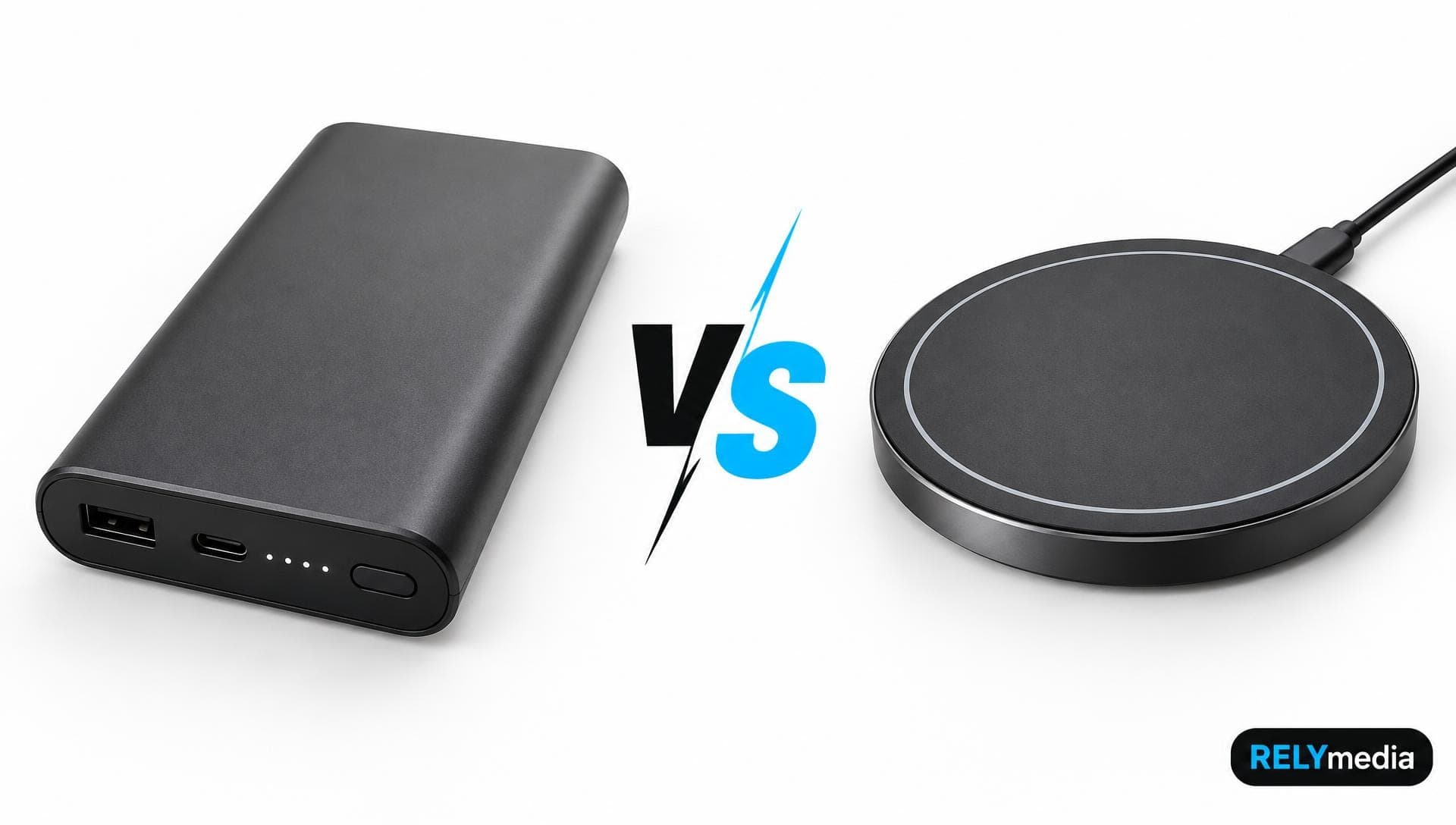
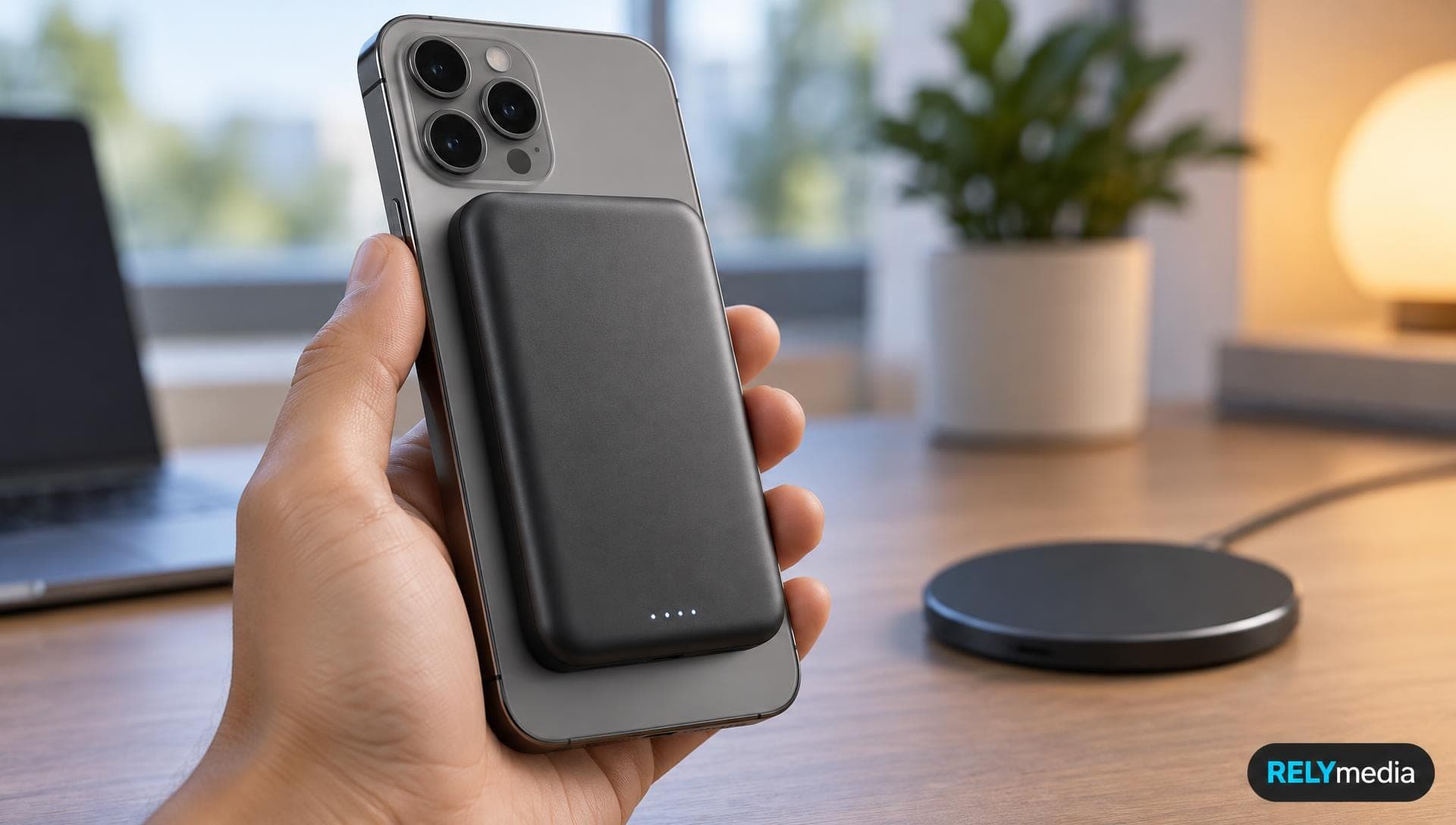
A power bank stores electrical energy for later use. A wireless charger transfers power to a compatible device without plugging a cable directly into it.
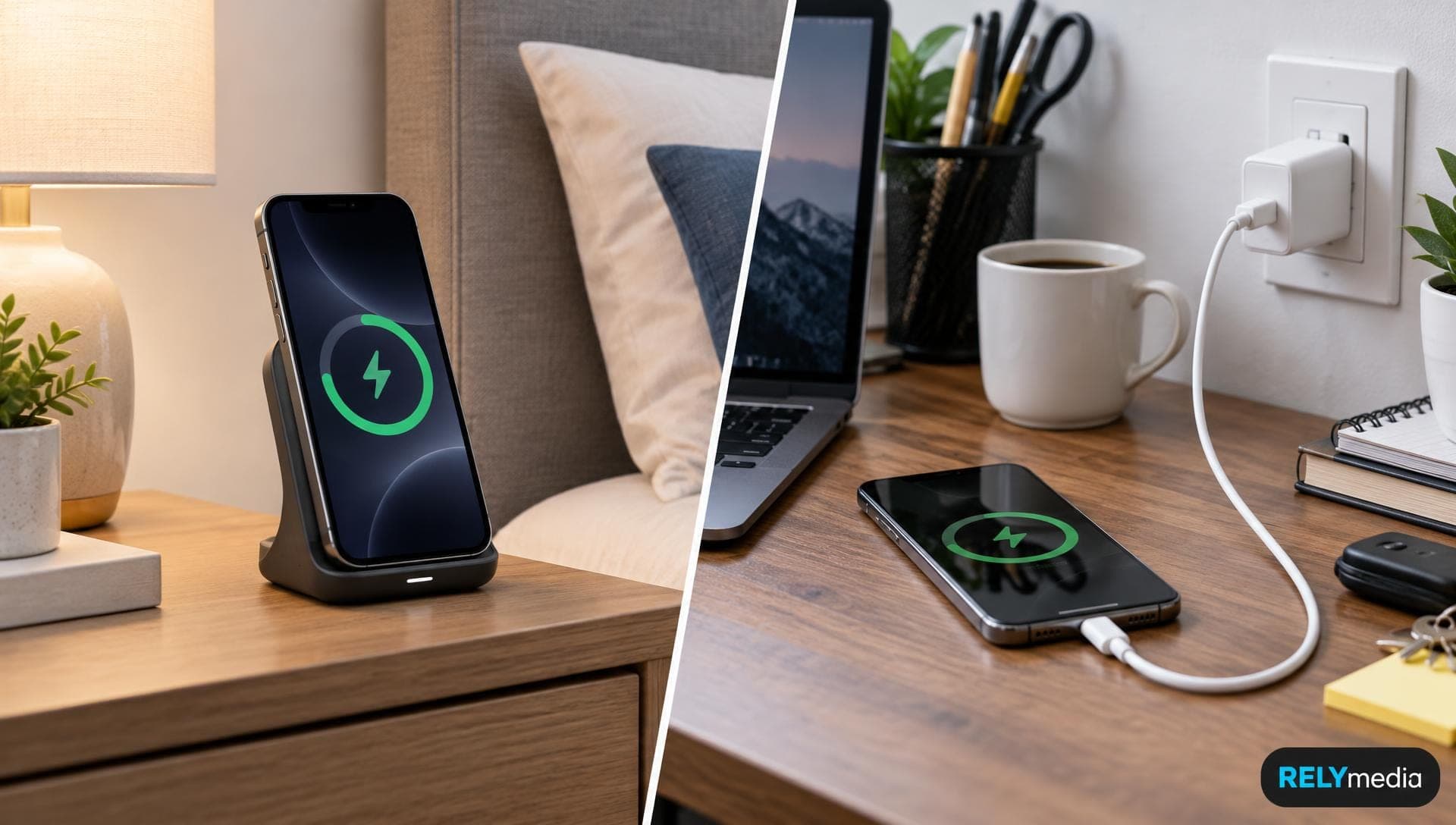
Choosing between wireless charging and wired charging is really a choice between convenience and direct power delivery. A wireless charger can make everyday charging almost effortless.
A dead battery can turn a normal day into a headache. You may be traveling, commuting, working remotely, or trying to reach someone during an outage.
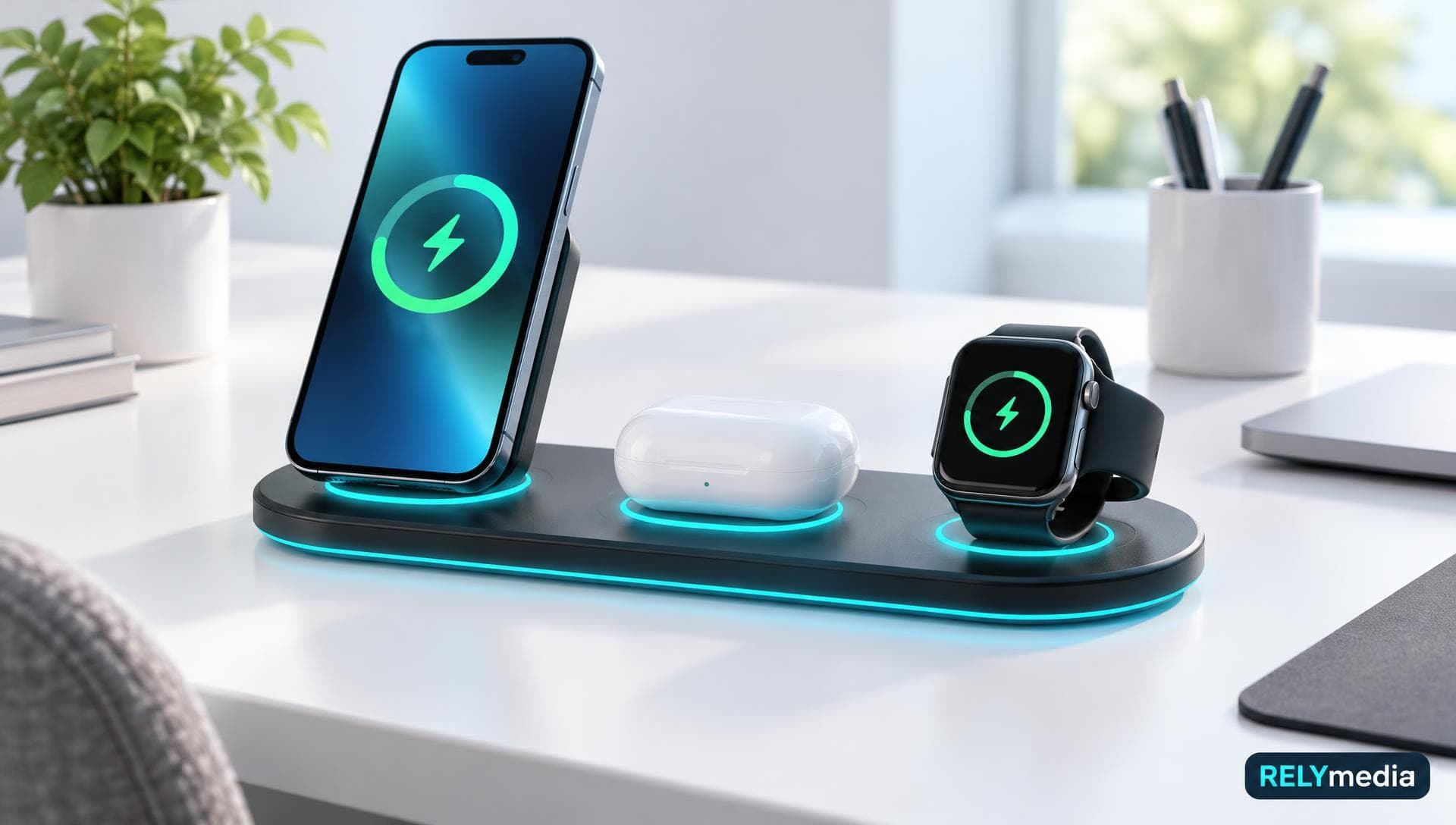
Wireless charging makes powering a smartphone feel almost effortless. Place the phone on a charging pad, and energy begins moving without a cable entering the device.